## I. INTRODUCTION
Maritime students are struggling with poor swimming performance, which is compromising their ability to respond effectively in aquatic emergencies (Mitishev & Sozonov, 2024). This subpar performance is resulting in diminished overall effectiveness and raising concerns about safety in real-life scenarios. Ultimately, the students' inadequate swimming abilities are hindering their ability to succeed in their maritime education and future careers (Duijn et al., 2022).
Despite being a highly competitive sport, swimming has faced challenges in sustaining its global prominence. Hunter et al. (2023) observed a decline in the United States swimming performance, with nations like Japan and Russia narrowing the gap. He attributed this decline to insufficient investment in grassroots programs and a failure to adapt to evolving trends in the sport. Tawanda and Tsara (2022) examined Africa's swimming performance and highlighted challenges in maintaining long-term success, citing a shallow talent pool and limited coaching and training resources. Similarly, Petrenko and Taran (2021) explored the difficulties Russian swimmers face in international competitions. He pointed out that inadequate investment in infrastructure and training facilities, along with limited competitive opportunities, has hindered the country's swimming development.
In the Philippine context, it has faced challenges in developing world-class swimmers, with its swimming performance trailing behind neighboring Southeast Asian countries. Rosario (2024) identified a lack of investment in swimming infrastructure and programs as a major barrier, leading to a shortage of trained coaches, inadequate training facilities, and limited competition opportunities. Celso (2025) noted that Filipino swimmers struggle to meet international standards due to limited exposure to high-level competition and insufficient support systems. Blanco (2022) emphasized the need for a more structured and systematic approach to swimming development, highlighting the lack of clear vision and coordination among key stakeholders, including coaches, athletes, and government agencies.
Despite the critical importance of swimming skills in maritime schools and industries, there is a significant gap in existing literature and training programs that address the specific challenges faced by maritime students and professionals. While studies and training programs on general swimming skills exist, there is a lack of research and initiatives tailored to the unique demands of the maritime industry. Addressing this gap is crucial, as inadequate swimming skills among maritime students and professionals can lead to serious consequences, including accidents and loss of life. With increasing regulatory requirements and safety standards in the maritime industry, urgent training programs are needed to ensure safety and compliance.
This research highlights the significance of water survival skills in enhancing swimming performance among Physical Education BSMT students, emphasizing its critical role in maritime training. Understanding this relationship is essential, as water survival mastery boosts confidence, stamina, and emergency readiness—key attributes for safety and performance in maritime environments. The findings aim to improve training strategies and curricula to better prepare students for the physical demands and challenges of maritime careers. Beneficiaries include CHED officials, who can use the insights to enhance curriculum standards; school administrators, who can refine maritime programs; PE teachers, who can tailor instruction to student needs; maritime students, who gain improved training; and future researchers, who can build on this comprehensive analysis for further innovations.
This study aimed to determine the significance of water survival skills as a factor of swimming performance; and to explore experiences on water survival among study participants. Specifically, it seeks to determine whether water survival skills significantly influence swimming performance and to identify which specific survival skills explain variations in overall performance, describe the level of Water Survival Skills and Swimming Performance among the BSMT students, and determine the significant relationship between water survival skills and swimming performance among BSMT students. Further, this study sought to answer the following question: What are the water survival experiences of the study participants that contribute to their swimming performance?
The following hypothesis was tested at a 0.05 level of significance: Water survival skills and swimming performance are not significantly correlated. Meanwhile, the assumption of this study is that the experiences of BSMT students on reflexive movements would lead to their fundamental movements.
This study is anchored in Harrow's (1972) Psychomotor Learning Theory. The theory posits that this taxonomy is organized according to the degree of coordination, including involuntary responses and learned capabilities: reflex movements - automatic reactions, basic fundamental movement - simple movements that can build to more complex sets of movements, perceptual - environmental cues that allow one to adjust movements, physical activities - things requiring endurance, strength, vigor, and agility, skilled movements - activities where a level of efficiency is achieved, non-discursive communication - body language.
In this study, the automatic reactions variable is indicated by flexion, extension, stretch, and postural adjustment. (Harlow, 1972) aligns with reflexive movements and exhibits foundational psychomotor abilities such as floating, treading water, breath control, and coordinated reflexive actions crucial for survival in aquatic environments, as discussed in the theory. The physical activities indicated by strenuous effort for long periods, muscular exertion, a quick, wide range of motion at the hip joints, and quick, precise movements (Harrow, 1972) are aligned with basic fundamental movements that encompass skills such as strength, endurance, agility, and coordination that support more complex and purposeful physical tasks as included in the theory. Other elements explained in the theory, such as fundamental movement, perceptual, skilled movements, and non-discursive communication, are excluded.
## II. METHOD
This study employed sequential explanatory mixed-methods design (Creswell & Creswell, 2017), prioritizing quantitative data followed by qualitative analysis to enhance ecological validity.
The study was conducted at a private maritime institution in Davao City's Poblacion District, focusing on Maritime Department students in transportation and engineering programs.
For the Quantitative Phase, using Yamane's formula (1967, cited in Hasan & Kumar, 2024), 267 BSMT students were randomly selected from 800 second-years. For the Qualitative Phase, five highest-scoring BSMT students were purposively selected based on researcher judgment for useful information provision.
For the Quantitative Phase, a 40-item adapted questionnaire assessed water survival skills (Moran et al., 2011; Stallman et al., 2017) and swimming performance (Pyne et al., 2004; Langendorfer, 2015). For the Qualitative Phase, open-ended interviews explored BSMT students' experiences comprehensively (Creswell & Poth, 2016; Patton, 2014), requiring careful design and piloting (Lim, 2025).
Both quantitative surveys and qualitative interviews were conducted after securing ethical clearance, ensuring comprehensive data collection through systematic monitoring and transcription processes.
The quantitative data was analyzed using Mean calculations and linear regression analysis to determine the water survival skills' influence on swimming performance using established correlation interpretation schemes. Meanwhile, the qualitative data was analyzed using Thematic analysis to identify patterns and insights from interview responses using systematic coding approaches (Braun & Clarke, 2006; Lochmiller, 2021).
Credibility through prolonged engagement (Adler, 2022), confirmability via audit trails (Amin et al., 2020), dependability through coding systems (Haq et al., 2023), authenticity ensuring genuine representation (Ahmed, 2024), and transferability through detailed descriptions (Riazi et al., 2023) established trustworthiness (Creswell & Creswell, 2017).
The researcher ensured the protection of participants' confidentiality (Pring, 2024), voluntary participation principles (Mumford et al., 2021), and harm minimization strategies (Picketts et al., 2021) with institutional approval.
## III. RESULTS AND DISCUSSION
The results of the analysis and interpretation of the gathered data are presented. Specifically included are the descriptive analysis, correlation analysis, modified paradigm, emerging themes and subthemes, and the summary of findings.
### a) Descriptive Analysis
Table 1 is the descriptive table. It contains the variables involved in the study, namely, water survival and swimming performance, and their respective indicators. It also contains the number of samples, standard deviation, the mean, and the corresponding descriptive interpretations
Table 1: Descriptive Table
<table><tr><td>Variable</td><td>n</td><td>SD</td><td>Mean</td><td>Descriptive Level</td></tr><tr><td>Water Survival Skills</td><td>267</td><td>1.00</td><td>3.25</td><td>Moderate</td></tr><tr><td>Technique</td><td></td><td>0.99</td><td>3.26</td><td>Moderate</td></tr><tr><td>Adaptability</td><td></td><td>0.99</td><td>3.35</td><td>Moderate</td></tr><tr><td>Endurance</td><td></td><td>0.99</td><td>3.23</td><td>Moderate</td></tr><tr><td>Self-reliance</td><td></td><td>1.02</td><td>3.14</td><td>Moderate</td></tr><tr><td>Swimming Performance</td><td>267</td><td>0.87</td><td>4.18</td><td>High</td></tr><tr><td>Efficiency</td><td></td><td>0.92</td><td>4.10</td><td>High</td></tr><tr><td>Strength</td><td></td><td>0.88</td><td>4.17</td><td>High</td></tr><tr><td>Speed</td><td></td><td>0.86</td><td>4.23</td><td>Very High</td></tr><tr><td>Accuracy</td><td></td><td>0.84</td><td>4.20</td><td>Very High</td></tr></table>
Specifically, Table 1 shows that the water survival skills variable obtained an overall mean score of 3.25, described as a moderate level. This indicates that the water survival skills of second-year BSMT students are good, affirming Ekanayaka et al. (2021) and Kim et al. (2022) findings on training effectiveness.
Moreover, the findings reveal that the overall swimming performance obtained a mean score of 4.18, which is described as a high level. This indicates that the swimming performance of second-year BSMT students is very good, corroborating Guo et al. (2022) and Lopes et al. (2021) training structure studies.
### b) Correlation Analysis
Table 2 is the correlation table. It specifically contains the predictive variable, which is water survival skills, and the criterion variable, which is the swimming performance of second-year BSMT students. Lastly, it contains the r-value, the p-value, and the decision on the hypothesis.
Table 2: Correlation Table
<table><tr><td rowspan="2">Independent Variable</td><td colspan="4">Swimming Performance</td></tr><tr><td>r-value</td><td>p value</td><td>Decision on
[email protected]</td><td>Interpretation</td></tr><tr><td>Water Survival Skills</td><td>0.561</td><td>0.000</td><td>Rejected</td><td>Significant</td></tr></table>
Table 2 shows that the correlation between water survival skills and swimming performance obtained a p-value of 0.000, which is less than 0.05 level of significance. Therefore, the null hypothesis was rejected, confirming a statistically significant moderate relationship between the two variables. Furthermore, such a correlation obtained an r-value of 0.561, indicating a moderately positive strength. Water survival skills and swimming performance showed moderate positive correlation, supporting Duijn et al. (2022) and Denny et al. (2021).
### c) Modified Paradigm
Figure 1 shows the modified paradigm of this study. In this paradigm, three emerging themes from the data collected were generated, describing their experiences. The following are the accounts of the experiences raised by the participants. The following themes emerged: technique development, independence in water survival, and building confidence.
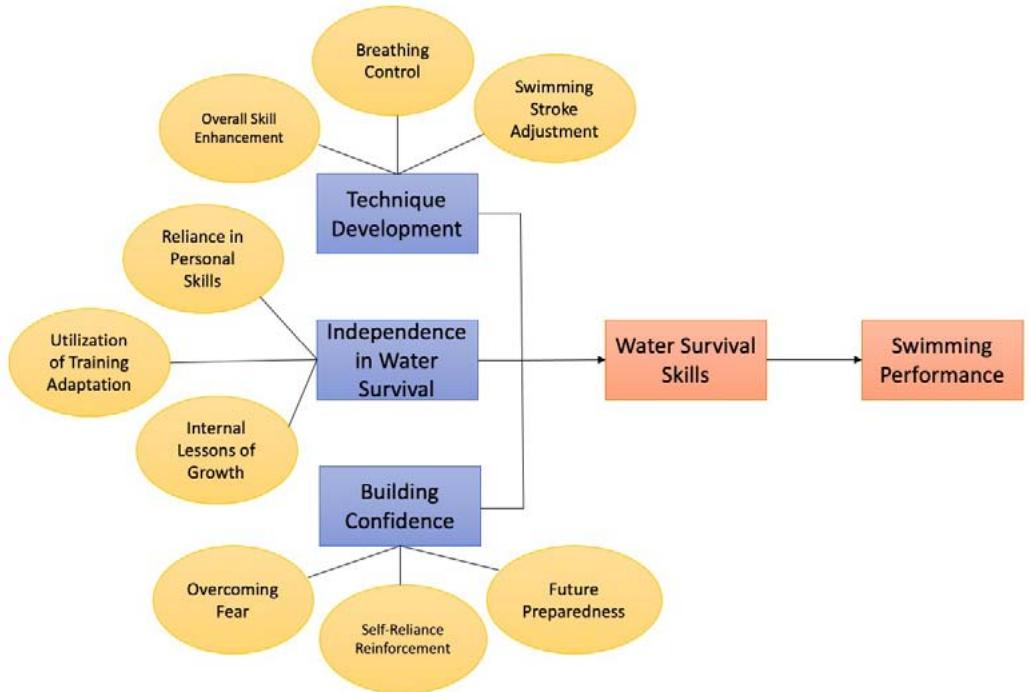 Figure 1: The Modified Paradigm of the Study
These emerging themes were supported and on the experiences of BSMT in refining their water justified by the testimony of the participants during In-depth interviews. Table 3 shows the emerging themes performance.
Table 3: Emerging Themes on the Experiences of BSMT Students in Refining their Survival Skills and Improving their Swimming Performance <table><tr><th>Discourse and Dimensions</th><th>Extracted Statements</th></tr><tr><td>Technique Developmenta</td><td></td></tr><tr><td>Swimming Stroke Adjustment</td><td>"Even with small improvements in my swimming, like raising my elbow and smoothing my arm movements, I noticed that I do not get tired or run out of breath easily anymore. By extending my arms with each stroke and keeping my body straight, I can swim faster and more easily." (IDI-Participant 3, L48-50) "By focusing on small changes in my stroke, like staying relaxed at the start of each movement and gliding smoothly through the water, I learned how to float without struggling. Swimming faster while keeping the correct body position is a big improvement for me." (IDI-Participant 2, L73-77) "I discovered that small but regular improvements in my swimming style like using long, even strokes and keeping my head relaxed—really helped me save energy. I also used resistance training, like swimming with a buoy or fins, and short sprints, but I still kept the correct stroke position even when my speed changed." (IDI-Participant 5, L30-33)</td></tr><tr><td>Breathing Control</td><td>"When I learned how to control my breathing slowly, exhaling underwater and breathing at the right time to match my strokes, it helped me stay calm even when I felt nervous. Because I now breathe and stroke properly, I can float in a relaxed way and save energy through smooth movements instead of struggling while swimming." (IDI-Participant 1, L40-44)</td></tr></table>
<table><tr><th>Discourse and Dimensions</th><th>Extracted Statements</th></tr><tr><td>Technique Developmenta</td><td></td></tr><tr><td>Swimming Stroke Adjustment</td><td>"Even with small improvements in my swimming, like raising my elbow and smoothing my arm movements, I noticed that I do not get tired or run out of breath easily anymore. By extending my arms with each stroke and keeping my body straight, I can swim faster and more easily." (IDI-Participant 3, L48-50) "By focusing on small changes in my stroke, like staying relaxed at the start of each movement and gliding smoothly through the water, I learned how to float without struggling. Swimming faster while keeping the correct body position is a big improvement for me." (IDI-Participant 2, L73-77) "I discovered that small but regular improvements in my swimming style like using long, even strokes and keeping my head relaxed—really helped me save energy. I also used resistance training, like swimming with a buoy or fins, and short sprints, but I still kept the correct stroke position even when my speed changed." (IDI-Participant 5, L30-33)</td></tr><tr><td>Breathing Control</td><td>"When I learned how to control my breathing slowly, exhaling underwater and breathing at the right time to match my strokes, it helped me stay calm even when I felt nervous. Because I now breathe and stroke properly, I can float in a relaxed way and save energy through smooth movements instead of struggling while swimming." (IDI-Participant 1, L40-44)</td></tr></table>
### d) Technique Development
Technique development represents a comprehensive process where BSMT students refine physical swimming abilities while cultivating essential professional qualities like discipline, confidence, and preparedness. This paradigm transcends mere skill acquisition, recognizing that mastered techniques could determine survival outcomes in maritime emergencies, thereby motivating deeper commitment to excellence. Rigorous training strengthened technique and endurance, confirming Ekanayaka et al. (2021) and Petrass et al. (2021) structured training benefits.
Swimming Stroke Adjustment: Swimming stroke adjustment involves modifying and refining stroke mechanics to enhance efficiency, conserve energy, and adapt to varying water conditions. Participants demonstrated that small, consistent improvements—like proper elbow positioning, smooth arm movements, and body alignment—significantly impact endurance and performance, proving that incremental progress builds substantial swimming competence. Modified stroke mechanics enhanced efficiency and energy conservation, affirming Seifert and Carmigniani (2023) and Riyanto et al. (2025).
Breathing Control: Breathing control encompasses regulating respiratory patterns to maintain composure during demanding water conditions. Participants mastered underwater exhalation, stroke-synchronized breathing, and panic-simulation exercises. This skill reduces anxiety, conserves energy, prevents fatigue, and enables swimmers to maintain proper form while developing mental focus essential for survival situations. Synchronized breathing improved swimming rhythm and stress management, supporting Ceviz (2024) and Grossman et al. (2021) research findings.
Overall Skill Enhancement: Overall skill enhancement integrates stroke technique, breathing control, endurance, and decision-making improvements. Participants experienced holistic development where refined mechanics improved efficiency, controlled breathing enhanced mental calmness, and combined skills fostered greater confidence. This comprehensive approach optimizes energy use and prepares swimmers for effective emergency responses. Integrated swimming techniques led to improved endurance and stability, confirming Riyanto et al. (2025) and Reichmuth et al. (2021).
### e) Independence in Water Survival
Independence in water survival emphasizes BSMT students' ability to rely on personal skills and decision-making during challenging aquatic situations. This paradigm highlights how training and technique development build confidence, maintain composure under pressure, and manage emergencies without external assistance, reflecting professional maritime readiness standards. Immersive training cultivated student independence in water survival scenarios, affirming Downey (2021) and Petrass et al. (2021) findings.
Reliance on Personal Skills: Reliance on personal skills involves trusting abilities, training, and decision-making to handle water emergencies effectively. Participants demonstrated presence of mind during unexpected deep-water encounters and strong wave situations. Their experiences show how rigorous training enables independent navigation of high-pressure scenarios, enhancing personal safety and professional readiness. Students developed self-reliance through applying survival strategies independently, supporting Chiong (2023) and Riyanto et al. (2025) studies.
Utilization of Training Adaptation: Training adaptation refers to applying, adjusting, and refining learned techniques when facing unpredictable conditions. Participants successfully modified stroke patterns, breathing techniques, and energy management based on real-time challenges. This adaptive capability empowers critical thinking, composure maintenance, and effective decision-making during high-pressure maritime scenarios. Adapting training to real scenarios built survival autonomy, confirming Viktorelius and Selberg (2022) and Riyanto et al. (2025).
Internal Lessons for Growth: Internal lessons for growth encompass personal realizations and mindset shifts arising from overcoming water survival challenges. Participants developed self-awareness, resilience, and confidence through stressful situation management. These lessons strengthen abilities to maintain calmness, make intelligent decisions, and grow through each experience, building comprehensive survival competence. Repeated realistic challenges built resilience and mental toughness, supporting Rasyid et al. (2023) and Fazeli et al. (2024).
#### Building Confidence
Building confidence involves developing trust in abilities through consistent practice, skill refinement, and realistic scenario exposure. This confidence enables individuals to maintain composure, make quick decisions, and effectively apply survival techniques during challenging water situations, forming the foundation for maritime professional competence. Consistent water survival drills overcame fear and built self-assurance, affirming Stillwell and Khatchaturian (2020) and Stanley (2021).
Overcoming Fear: Overcoming fear involves gradually managing anxiety through supportive, guided water experiences. Participants successfully transformed fear into focused action during surprise exercises and emergency situations. By concentrating on techniques rather than potential dangers, they developed trust in abilities and maintained composure in aquatic environments. Students gained confidence facing water-based fears through controlled training, supporting Roche et al. (2022) and Jaskiewicz et al. (2022).
Self-Reliance Reinforcement: Self-reliance reinforcement strengthens students' ability to trust skills and judgment during challenging situations. Participants successfully handled separation from groups, strong currents, and emergency scenarios independently. These experiences demonstrate how preparation fosters calm decision-making and capability under pressure, building essential maritime professional confidence. Survival drills without assistance reinforced student self-reliance and confidence, affirming Merlin et al. (2024) and Thanvisitthpon (2025).
Future Preparedness: Future preparedness represents readiness gained through training that equips individuals for unexpected water emergencies. Participants developed physical skills, mental resilience, and strategic thinking necessary for calm, efficient responses. Improved techniques transformed both ability and mindset, fostering goal-oriented focus and positive outlook in challenging maritime endeavors. Refined techniques prepared students for maritime demands, supporting Casey et al. (2021) and Doremidov (2024) training effectiveness studies.
### g) Conclusion and Qualitative Results
Based on the results of the study, it is concluded that water survival skills are a significant factor in swimming performance. This conclusion affirms psychomotor learning theory, which posits that psychomotor taxonomy is organized according to the degree of coordination, including involuntary responses and learned capabilities: reflex movements - automatic reactions, basic fundamental movement - simple movements that can build to more complex sets of movements, perceptual - environmental cues that allow one to adjust movements, physical activities - things requiring endurance, strength, vigor, and agility, skilled movements - activities where a level of efficiency is achieved, non-discursive communication - body language.
The water survival experiences of study participants are swimming stroke adjustment, breathing control, and overall skill enhancement as technique-developed experiences; reliance on personal skills, utilization of training adaptation, and internal lessons of growth as independence in water survival experiences; and overcoming fear, self-reliance, and future preparedness as building confidence experiences.
## IV. RECOMMENDATIONS
Based on the conclusion and qualitative results, it is recommended that further sequential explanatory mixed study may be conducted using other variables to trace the $43.9\%$ variance in the swimming performance.
Furthermore, maritime training programs that integrate structured, progressive water survival drills into the curriculum may be defined to enhance the psychomotor development and swimming performance of BSMT students. These initiatives contribute to greater preparedness, confidence, and competence in handling real-life maritime emergencies.