### INTRODUCTION
## I. LITERATURE REVIEW
The demographic crisis is a worldwide phenomenon, affecting every nation either currently or expected to face it in the foreseeable future. Understanding the root causes of these shifts is crucial, as their implications extend to economic performance, national security, and social and political stability. East Asia, one of the world's most populous and economically significant regions, warrants particular attention. This review focuses on the demographic challenges faced by the People's Republic of China (PRC) and Japan, examining their causes, consequences, and policy responses. The importance of the demographic crisis lies in the changes in the structure of consumption. As was analyzed, the age between 18 to 50 is the highest period when people consume the greatest variety of consumptions be it livelihood protection, acquisition of assets, cultural entertainment, children's education, etc., but due to the aging of the population, it is most likely that half of our daily consumption will decrease or disappear, with that many industries and entertainment that target young and the middle-aged people like bars, theme parks will face shrinking of capital (Luo, 2023).
Currently, we are living in an aging and shrinking world, even though until the mid-2080s, the Earth's population will continue to increase from the current 8 billion to approximately 10.3 billion, and then will gradually decline as per the data from the World Population Prospects (UN Department of Economic and Social Affairs, 2024). In this report, key messages were that the overall estimated projections made by the United Nations are becoming more pessimistic, as the current estimations of the world's population are expected to be about $6\%$ smaller than a decade ago. Secondly, one in four people globally is living in one of the states whose population has already peaked in 2024, which are major developed and developing countries such as China, Japan, the Russian Federation, Germany, etc. With the projection that in the next thirty years, the total population will decrease by about $14\%$ in those states, significantly affecting some of the countries in the Balkan region, such as Albania, Bosnia and Herzegovina. Thirdly, the global fertility rate stands at $2.25\%$ per woman, with half of the countries facing the replacement crisis as the birth rate in those countries is below the replacement rate of 2.1 per woman. At this moment, one-fifth of countries are facing what is called an "ultra-low" fertility crisis, which includes China, and the UN estimates that for the "ultra-low" fertility countries, it is unlikely that countries in this category will return to the replacement rate of 2.1 children per woman. Lastly, the 2070s will become the turning point for the global population as the number of elderly people will surpass that of children under the age of 18, and those countries whose populations have already peaked will experience this shift even sooner.
The accuracy of demographic data of the People's Republic of China has further complicated the issue of evaluating and analyzing the projections of the state of China's population and where it will go. Eberstadt (2019), in his article, considered the limited value of China's population data, where he argued that the current statistical data faces many "errors" and "instability" as a legacy of the Maoist era, where due to mass misreporting by ordinary people to avoid Beijing's harsh population control and politicization of demographic rhythms of life resulted in the loss of about 30 million people according to the United Nations Development Programme 2010. Čajkova and Čajka (2021) similarly pointed out that the prediction of China's population was based on wrong and distorted data that might have been the result of political elites knowingly or unknowingly modifying the facts. They primarily referred to the book "Big Country with an Empty Nest" by Yi Fuxian (2013), which concluded that Chinese population statistics were based on false and exaggerated data since 2000 and that the actual size of the Chinese population may be 100 million smaller than what the National Statistical Office states. Further complications were added by Wenxuan Luo (2023), who made a comprehensive analysis with a similar statement that the 2016 National Population Development Plan (2016-2030) assumption is wrong or optimistic, which predicted China's population to be 1.42 billion in 2020. However, the result was different than this prediction. In addition, the United Nations (UN) also overestimated in 2019 the population growth of China. Nine scenarios existed for China's population. The medium scenario assumes total fertility rates of 1.70, also 1.72, with 1.73 for 2015-2020, further 2020-2025, plus 2025-2030, respectively. Although the UN World Population Prospects of 2022 lowered China's future population projection parameters, a general trend of slowly increasing total fertility in China from 2023 onwards remained (World Population Prospects, 2019). However, China's total fertility rate was around 1.15 in 2021 and fell to less than 1.1 in 2022, and it is predicted to decline further as the fertility build-up effect disappears.
Historically, East Asia used to be the region with the highest fertility rate, but currently, it has the lowest birth rate in the world. In China, countermeasure policies such as the two-child policy and the three-child policy are very ineffective in solving the issue of young people being reluctant to have children. Babaev (2023) stated that the high cost of housing, education, and healthcare, coupled with changing cultural attitudes toward family size, has dampened efforts to encourage larger families. However, this reluctance to have children is not unique to China but is also evident in other East Asian countries, such as Japan and South Korea. If in Japan, young people are low in the desire to have children, then in South Korea, they oppose it, as shown in South Korea's statistics, where the fertility rate has fallen to 0,78, the lowest among all nations. China, having a lower fertility rate than Japan, is closer to South Korea in this regard. Wenxuan Luo (2023) proposed that the reason behind it is not purely economic, like the high cost of living, real estate, education, etc., but rather cultural. In this sense, he referred to the Confucian culture that is predominant in countries with Chinese influence, where Confucianism is in fundamental conflict with the modernization of society, a cultural/economic model that is being imported from Western countries. The Confucian patriarchal-traditional model of the "Chinese family" emphasizes early marriage and childbirth, the belief that "the more sons, the more happiness," and the notion that "men are superior to women" (Čajková & Čajka, 2021). This stands in contrast to the principles of a market-oriented economy, which advocate for later marriage and childbirth, gender equality, and increased labor force participation by women, with its principles that affected the status of marriage. This has transformed people from "natural" beings to economic beings, with fertility being an economic choice. At the macro level, it has become a conflict between individual rational choice and the overall needs at the national level (Luo, 2023). This choice has significantly changed the marriage patterns, as in the example where the first marriage of Chinese women averaged 23.57 years in 1998, while in 1970, it was 20.8 years (Čajková & Čajka, 2021). Another issue of the modernization of society is the speed of modernization, which has been happening rapidly in East Asia. According to Luo (2023), they had to face many problems in a short period that had accumulated over a long period in other countries, such as high housing costs, low welfare, and "996 work" (work from 9 a.m. to 9 p.m., six days a week).
The demographic challenges that China faces are undoubtedly traced back to the implementation of population policies in the form of the "one-child" policy. The necessary stimuli for such a policy were partially justified by Professor Ma Yinchu from the University of Beijing, who, in his book "A New Population Theory," proposed a reduction in overcrowding and a method of ensuring appropriate population growth in the country. To better promote the one-child policy, different tools were used by the authorities of the PRC, such as various posters, slogans, newspapers, television, and radio advertisements. Their advantage was that they were able to attract people's attention thanks to their visual elements and low-cost effectiveness. Another section was a "rewards and repressions" system supporting families with one child. Families with one child were given better standards of life, like better options with housing, better healthcare services, and a higher salary (Čajkova & Čajka, 2021). In this case, females and mothers were eligible for paid "maternity leave", whereas, for the second child, the state did not give any benefits. At worst, families were obligated to pay an "offense" fee for the third child and other sanctions for not complying with the one-child regulations. Because of these strict regulations of the population policy, nearly 200 million children were conceived unborn in China between 1975 and 1995 (Čajková & Čajka, 2021).
Many researchers discussed that one of the troubling legacies of the one-child policy is the "squeezing marriages", where the inequality of gender will lead to millions of men struggling to have a spouse (Eberstadt, 2019). By 2010, Xizhe Peng (2011) noted that due to parents' strong preference toward male children, prenatal sex determination resulted in a sex ratio of 118 males for every 100 females. In certain provinces, the disparity of SRB (sex ratio at birth) reached 130, and in some localities even exceeded 150 (Eberstadt, 2019). In a certain Chinese village, the ratio of second-born children has reached 100 girls to 250 boys (Čajková & Čajka, 2021). Traditionally, in East Asian countries, the family formation was influenced by the Confucian ethos called the "universal marriage norm", which encouraged continuing the family lineage through the male line (Eberstadt, 2019). But now in most of those countries, like Japan, South Korea, Taiwan, Hong Kong, etc., these practices are disappearing, and China will also face this type of issue due to the gender imbalance. Counterintuitively, the effect of "gender imbalance" might also have a positive spill-over effect. Gary Becker and Richard Posner (2009) have speculated that China's shortage of females would ultimately raise their "value" in a beneficial way. Unfortunately, however, this so-called increase in women's worth has largely resulted in kidnapping, sex trafficking, and other human rights abuses. Presently, there is no viable strategy for "squeezing marriages". Some regions, like Hong Kong, have dealt with their female shortages by "importing from abroad," but China is facing a scale issue. Mainland China would need a huge number of voluntary women for its relatively poor innerlands (Eberstadt, 2019).
Eberstadt (2019) also raised an additional possible consequence of surplus in China's male population. For example, he cited the author of the Bare Branches thesis, Valerie Hudson (2002), who argued that a surplus of males tends to create domestic and international tensions. Conversely, Feng et al. (2001) contended that throughout China's history, customs and institutions have long been adapted to this type of demographic anomaly. And, according to Eberstadt (2019), in the foreseeable future, China may indeed be rising, but its growing power and wealth will coexist with an increasing number of frustrated young men facing worsening personal prospects. And their expectations will be influenced not by history and institutions, but by the marriage opportunities remembered within their lifetimes, where China's marriage imbalance might serve as an independent variable.
Many studies like the works of Čajková & Čajka (2021), Banister (1984, 1998), Feeney & Feng (1993), and Greenhalgh (1986) predicted that, if population growth continued at the same rate, with 3 children per family, then by 2000 there would be 1.4 billion people in China, and by the middle of the 21st century the total population of China would have been 2.92 billion people. In the alternative assumption of 2 children per family, then the population of China would grow to 1.22 billion in 2000 and increase to 1.54 billion by 2050 (Čajková & Čajka, 2021). Indeed, China's population increase started in 1950 due to the improvement in the healthcare system that decreased the crude death rate from 25 per thousand in the 1950s to about 7 per thousand today, coupled with the average fertility rate of 5.8 births per family in 1970 (Peng, 2011). Since 2000, the aging of the population has been ongoing, with the proportion of elderly people above 65 increasing from $7\%$ to $8.9\%$ by 2010. The articles of Zheng (2021) and Akimov et al. (2021) both studied the 2020 Seventh Population Census in the PRC with the noteworthy result of an ever-increasing proportion of elderly people that reached nearly one-fifth of the total population. The outlook for elderly people is expected to increase by nearly $150\%$ by 2040 (Eberstadt, 2019). The United Nations population projection of May 11 estimates that by 2050, the proportion of people at the age of 60 and over will reach $33.9\%$, which means every third citizen of the PRC is expected to be senior.
Another focus that many researchers have reflected on like the works of Nielsen and Fang (2007), Kang (2023), Babaev (2023), Luo (2023), Čajkova & Čajka (2021), Pathak (2023) were the impact of demographic decline on the economy and economic growth in general. Bruni (2011) discussed the impact of the demographic crisis on the labor market with the shift from an unlimited labor force to its shortage within the 2023-2048 time period, with varying degrees per different scenarios. According to The Replacement Migration Report of the United Nations Population Division, "among the demographic variables, only international migration could be instrumental in addressing population decline and population aging in the short to medium term" where many developed countries like the US, the EU member states, Australia and Russia are already relying on external migration flow to fill the labor shortage, and China will be no exception. Others studied the dependency ratio and demographic imbalance as a primary factor in the relationship between demography and the economy like Eberstadt's article titled "China's Demographic Outlook to 2040 and Its Implications", where he argued that the demographic dividend in China has already cashed and that the dependency ratio of China in 2040 will be identical to
1982. However, their importance diverges since nearly all the population of non-working age at that time consisted of kids, while in 2040, most will be older adults. On the other side, Kang (2023) noted the positive impact of China's one-child policy on economic growth by reducing the youth DR that allowed the less financial burden of childcare, thereby enabling higher levels of savings and increased investment.
Japan, on the other hand, has been experiencing a demographic crisis for at least half a century (from the 1970s). And, this demographic decline was labeled as "shoushika". This term "shoushika" itself was first coined by the Japanese government in 1992 to describe the declining number of younger generation needed to replace the older generation in the population structure. (Respatiadi et al., 2024). Still, only in recent years, there seems to be a shift in the dealing approach, where the Japanese government aims to no longer prevent the crisis itself but mitigate its effects (Tkaczynski et al., 2023). They noted that there seemed to be a lack of clear and specific national demographic policies for many years, where they assumed that Japan has been unable or unwilling to find a comprehensive response to the issue at hand, perhaps due to the short-sightedness of the political players and the long-term nature of the demographic crisis. The deeper statistical analysis showed us that the "symptoms" of demographic decline showed themselves as early as the 1920s. The authors proposed that the partial decline in the fertility rate was explained by the liberalization of abortion law in Japan since the initiation of the law in 1948, which resulted in one million abortions per year between 1953 and 1963 (in 1960, there were 1.60,041 births to 1.063.256 cases of abortion). The reason for the implementation of such a law in the conservative society of Japan was purely economic, with the example of the widespread popularity of the $2 + 2$ family model. Among the quoted reasons for the termination of the pregnancy are: the cost of child support $(30.1\%)$ and the cost of the child's education $(29.6\%)$. Tkaczynski et al. (2023) noted the growing trend of later marriages with an increase in the average age of men and women getting married and people who consciously chose not to marry, and its relevance to the birth rate, but despite that, the fertility rate among people in formal relationships remains constant. With this, the author proposes that one of the reasons for the demographic changes is due to the increasing number of "new single people" (nyushinguru).
Starting in the 1980s, the average age of young people marrying began to rise in Japan, particularly for men. At the same time, the proportion of men remaining unmarried by age 50 also increased. In 1970, only $1.7\%$ of men were unmarried by that age; by 1990, this figure had risen to $5.6\%$. According to estimates from Japan's Bureau of Statistics (2021), the rate had already reached $23.4\%$ by 2015. Tkaczyński et al. (2023) concluded that there were serious gaps in understanding the issue of the demographic decline, firstly, only starting in the early 1990s demographic decline seriously reached the Japanese people, secondly, according to McDonald (2006), the reason for such poor consideration of the issue in 1970-1980s was due to the belief that low fertility rates were only short-term phenomenon. Thirdly, there was the illusory belief that the introduction of certain family-oriented policies would automatically translate into the anticipated effects, or that the ramifications of low fertility rates could be tackled by immigration policy, which was not considered an effective remedy (Tkaczynski et al. 2023). That latter specific idea, nonetheless, has not been earnestly considered in Japan until now. This is due to a certain lack of broad public acceptance of the use of that "lifeline". Lastly, Tkaczynski et al. (2023) stated that the existing policies and solutions are not regarded as effective and long-term solutions, which leads to the conclusion that Japanese society needs a cultural change. Such a transformation would reflect the serious consideration and understanding among the Japanese public about demographic aging.
Similarly, in their recent research, Kaneda et al. (2024) emphasized the need for a broader approach, suggesting that addressing social issues like gender expectations and workplace culture could be essential for a sustainable policy to address Japan's demographic challenges. Their analysis indicates that even significant policy interventions, including more child allowances and other benefits, are expected to have only a minor effect on fertility rates. Despite allocating resources amounting to about $1\%$ of GDP (around 5 trillion yen), the projected rise in fertility rates remains limited to just 0.05–0.1 percentage points. Additionally, closing the gender gap in domestic labor to match the OECD average could contribute another 0.1 percentage point increase in fertility. Japan's demographic research, grounded in evidence-based policymaking, suggests that much more substantial changes will be necessary to tackle these challenges. Kaneda et al. (2024) proposed that dealing with the issue requires much more than simply fiscal measures; deeper social factors, along with established gender norms, current workplace culture, as well as rising housing costs, must also be mindfully deliberated. The preceding administration of Prime Minister Fumio Kishida should assess the immediate effect of its policies on birth rates, along with an assessment of their long-term social implications. Certain policies, such as remote work options and reduced overtime, can particularly encourage flexible work environments. These policies afford employees additional time for family life and establish a deeply supportive atmosphere for childrearing. Studies from the U.S. and Germany have shown that such measures significantly boost fertility intentions, particularly among highly educated women. Japan's demographic crisis may ultimately require comprehensive workplace reforms and greater male participation in household responsibilities. While these changes will take time, evidence-based analysis suggests they could meaningfully contribute to population growth. Much like economic policies, such reforms offer a sustainable, culturally relevant solution that demands urgent attention.
Respatiadi et al. (2024) emphasized the role of women in society in Japan. As women in Japan gain greater access to education and professional careers, many are choosing to prioritize their careers over traditional family roles. The social construction of modern Japanese women's roles, influenced by policies such as Womenomics, has encouraged women to participate more in the workforce but has inadvertently led to a decline in marriage and birth rates. Economic considerations also play a major role, as raising children in Japan is perceived as costly, contributing further to the decline in birth rates (Respatiadi et al. 2024).
One of the lessons from the Japanese experience that Luo (2023) recommended to the PRC is the increase of the retirement age from 60 to 65, as in Japan. In another article by Čajković and Čajka (2021), the authors also noted the current retirement age in China of 60 years old for men and 50 years old for women working in companies, and 55 years old for women officials. They argue that it is ineffective and unrealistic in contemporary China with its high level of life expectancy. The author remarked that a particular policy made by the Japanese government, the "Angel Plan", was developed in 1994 to accommodate the falling fertility rate. According to this policy, Japan's kindergartens are free, and families receive a monthly allowance of 150 euros from the fourth month of pregnancy until the end of secondary school (Luo, 2023). Alternatively, he proposed following the example of Japan, investing more in education to improve the workforce quality to mitigate the consequences of demographic changes, which has successfully helped Japan capture the second demographic dividend of the aging demographic transition and has contributed to economic growth. Similarly, Nielsen and Fang (2007) also proposed more extensive investments in human capital through education and vocational training to maintain economic growth in the face of a shrinking labor force.
Additionally, Hakatani (2023) explored the importance of critically examining and assessing Japan's demographic crisis, emphasizing the experience, wrongdoings, successes, and failures made by this East Asian country. Japan is well-known for having the longest period of aging and an aged population. Therefore, sharing lessons learned from the experience of pioneer countries could significantly contribute to the challenges of the late stages of demographic transition, as many nations from different regions will soon walk the same path as Japan and other aging countries. Similarly, Mo & Wei (2020) in their book "Scientifically Understanding and Responding to the Challenge of Aging in China" highlighted key recommendation points for developing effective strategies for overcoming demographic aging in China. One such is what they term the "late-developing advantages". Since demographic transitions and aging occurred much earlier in most developed countries, with Japan being at the forefront of this trend, Mo & Wei (2020) argued that China can learn from the successes and failures of developed countries while considering its national characteristics and circumstances. This, furthermore, adds the necessity to thoroughly examine the demographic crises in China and Japan from the lens of a comparative framework, as both countries are close culturally, economically, and regionally, they can be an aspiration reference to each other.
The demographic crisis is a complex topic that needs continuous research and attention to be addressed properly. Many scholars dedicated their research to the effects, historical patterns, causes, and potential solutions to the later stages of demographic transition. In the case of China, much of the research focuses on the impact of the demographic transition on economic stability and growth, while in Japan, the dilemma of the aging population has become an existential issue, where Japan is no longer trying to solve the demographic crisis but to mitigate its effect as much as possible. However, there is a noticeable lack of comparative articles that discuss the demographic crises in China and Japan. In most cases, when evaluating China's demographic crisis, other countries like Japan were given the secondary point of reference of what should or should not be learned from, rather than engaging in a direct comparative analysis. Therefore, this work will examine the demographic transition toward the aging of the population in China and Japan comparatively by identifying the similarities and differences in social, political, and cultural contexts that directly or indirectly led to the demographic transition between these two Eastern Asian countries.
### a) Theoretical Framework
## i. Demographic Transition Model
The present thesis is grounded in the demographic transition model theory, which indicates that changes in population size, whether increasing or decreasing, are not random events that occur without warning, akin to natural calamities such as famines, earthquakes, tsunamis, or diseases, but instead represent a rational stage in the progression of human society. Demography as an area of research has a lengthy past, stretching back to ancient eras, but contemporary demographers emerged only in the 17th century in the United Kingdom. The initial demographers analyzed baptism and burial statistics to investigate the mortality rate among individuals and their ages at death, aiming to ascertain the average number of men in military service and the childbearing age of women. In the 19th century, as mortality rates dropped, a focus emerged on fertility rates, highlighting the necessity to examine the other aspect of demographic studies, such as fertility levels. The variations in mortality and fertility rates are effectively clarified by the "demographic transition," with the timing of shifts in mortality and fertility being the key elements of the demographic transition. Based on the information from "Our World in Data" (2023), there are five phases of transition represented by population pyramids (see Figure 1):
1. Throughout most of humanity's history, societies birthed as well as killed at high rates, thus populations grew little over time. A wide base of the population pyramid is indicative of a high birth rate, but high mortality rates are the cause of narrowing near the top, particularly in the case of children.
2. In the demographic transition's second stage, mortality rates begin to fall because health improves, but birth rates stay at high levels. More children are surviving cause rapid population increases now. Yet it is a unique time. In this era, large families with a full complement of surviving children have become quite typical.
3. After this point, birth rates fall, and population growth decreases. Fertility drops for many reasons, because the economy as well as society shift, and because living conditions improve, with gender typically changing, women have more opportunities, children are less valuable, and even more expensive.
4. This concluding stage fully marks the ending of rapid population growth, because birth and death rates constantly remain quite low, and that leads to nearly stagnating population growth. The population pyramid has taken on a somewhat box-like shape. This is reflected by essentially similar cohort sizes among younger ages. The size decreases in a way that is visible at older ages.
5. Currently, some ambiguity exists in regard to the growth rate for the population because it is tied strongly to the fertility of people. According to some expert research, women develop as well as are at advanced stages of life, fertility might rebound, also that stabilizes or even raises population numbers in the future. However, if fertility rates remain under 2 children per woman, long-term population decline is likely to occur.
From this table, it can be seen that the dynamics of the birth rate is only a temporary phenomenon, since a decrease in mortality is always followed by a decrease in the birth rate, and with a time difference. This pattern is regularly observed in all societies, regardless of their culture or religion. Additionally, the level of development is also another key indicator explaining the continued decline in fertility and mortality rates. But that comes about first four stages, yet what possible 5th stage represents is yet to be known, specifically regarding the birth rate. It might fall further, it might increase again, it all depends on how people will handle this social phenomenon.
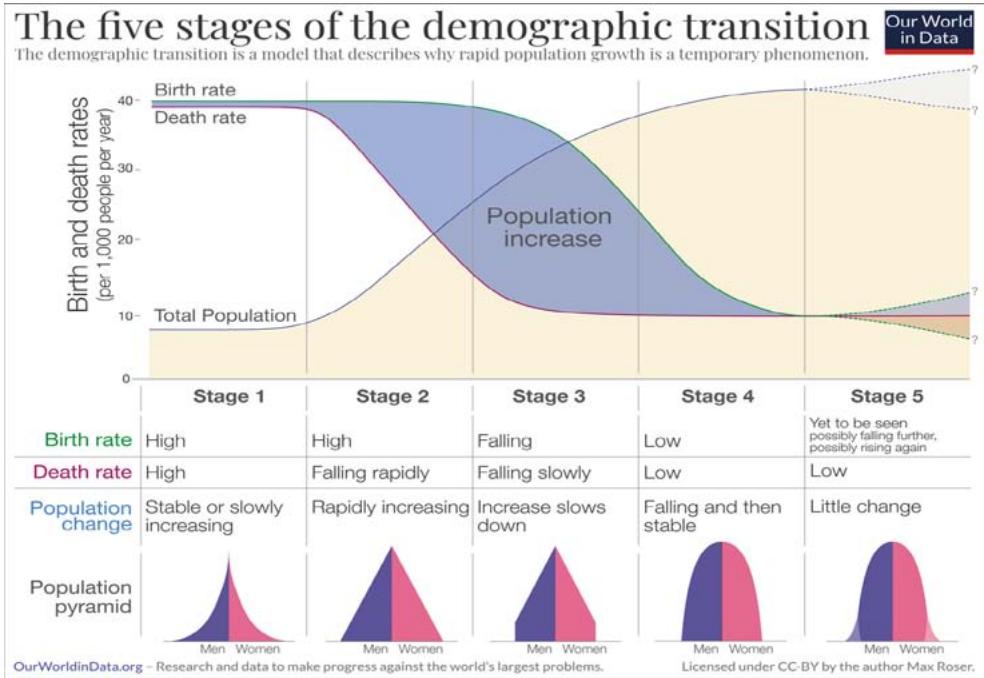
Figure 1: Representation of the Five Stages of the Demographic Transition
Source: Adapted from https://ourworlddata.org/demographic-transition Copyright 2023 by Max Roser
## ii. Demographic Dividend and Dependency Ratio
Another significant theory this thesis is based on the economic theory of demographic dividend, which refers to economic growth due to the change in age/ population structure. Usually, it occurs due to the fall in mortality and fertility rates. A country that switched from both high fertility and mortality rates (rural agrarian economy) to low mortality and fertility (urban industrial society) receives an "economic dividend" or increase in productivity among the working population. With the low birth rate, the number of young dependents (children and youths who have yet to participate in productive activities) grows smaller relative to the working population. This frees the economy's resources as there are fewer people to support and more people in the labor force, and gives room for more investments in other sectors, which in turn accelerates economic growth. According to Kenton (2024), there are two types of demographic dividend periods - the first lasting around five decades or more, which in later stages ends with the growing percentage of elderly people. When the older working population faces a retirement period, they have a strong incentive to accumulate passive income to sustain themselves. These assets are usually invested in domestic and international enterprises and investment vehicles, this is referred to as the second demographic dividend, which continues to be earned indefinitely. The dependency ratio is a statistical indicator that measures the proportion of dependents—individuals aged 0 to 17 and those over 65—relative to the working-age population, defined as those aged 15 to 64. While not a theoretical framework itself, the dependency ratio effectively complements the demographic dividend theory, serving as both a supportive metric and a reinforcing point of analysis. It is sometimes referred to as the total or youth dependency ratio and is used to understand how the burden is placed on those of workforce age by those of non-working age. According to the data from the World Bank, in China, the dependency ratio is $46.5\%$, and in Japan, it is $70.1\%$, which means that for every 100 people of working age, there are more than 46 and 70 seniors and children who have to be supported, respectively. China and Japan are examined as comparative case studies to better understand these trends and their policy implications. By analyzing their successes and failures concerning the theoretical frameworks, potential policy options can be derived to address future population challenges.
## II. DISCUSSION
### a) Similarities between Demographic Crises in China and Japan
## i. The Confucian Culture
The Culture, particularly Confucian values, is the first and most important factor that unites China and Japan. Confucianism traces its origin back to Kong Qiu, or Master Kong (Kongfuzi), who lived 551 - 479 BCE, whose name was later romanized and is now known as Confucius in the Western World. Littlejohn (2011) in his "Introduction to Confucianism" book referred to the words of Zongsan Mou (1909-1995) about Confucianism as a "religion of ethics" where the central goal was to "become a sage within" a process of alleviating of themselves through the cultivation of virtue, morality, nobleness, knowledge, emotions to the point of becoming a different kind of being. According to the author, such transformation is not exclusively internal or external, but rather about creating a new balance or harmony. Externally, it means changing the interaction and being with others, bringing the best out of them, learning from them, helping them, and moving forward along with them. Internally, it is about cultivating wisdom, harmony, virtue, morality, and peace. In the era of the Han Dynasty (206 BC-AD 220), the traditions of Confucianism were fully adopted by the ruling class and intellectuals (Kim, 2009). Confucianism also laid down the role of the cosmic order: Heaven and earth (the physical stage); material things; male and female (life stage); husband and wife (social life stage); father and son (patriarchal stage); sovereign and subject (the political stage); high and low; and propriety and righteousness (the constitutional stage, and the moral stage). Additionally, filial piety and loyalty to social order were emphasized by Confucianism as the key to social stability (Kim, 2009).
To maintain a focused analysis and understanding of Confucianism and its vast impact on East Asia, we will focus on its impact in a way that directly correlates with its role in the demographic crises currently unfolding in China and Japan. Throughout the long history of Confucianism, it has been supplemented, adopted, redefined, and rethought. The political, public, and economic development of the Confucian traditions of patriarchal authority, filial piety and loyalty in the extended family-like social relations, thrift, hard work, and most of all, respect for scholarship and learning, and bureaucratic privilege, have all been deeply integrated into East Asia. Japan stresses the importance of group harmony and social cohesion, called "wa", where the employees are inspired to regard themselves as family members and the workplace as one big family with the CEO as a family head. Also, due to the cultural context of Japan, Japanese Confucianism features inclusivity and subjectivity in its pursuit of "truth", rather than the "goodness" of classical Chinese Confucianism, which stresses morality, harmony, stability, and ethics. (Yan & Pan, 2010). As for China, social behavior and relations revolve around Guanxi (personal connection). Guanxi is about the exchange of favors between two or more people, usually of unequal status, in which a weaker partner asks for a favor from a stronger partner without the need to reciprocate equally (Alston, 1989). Though there seem to be different variations across East
Asian countries, they all trace back to Confucianism social values, which stress the "unequal" or "hierarchical" regulations for harmonious order (Kim, 2009). During the nineteenth and early twentieth centuries, Japan adopted the Western modernization model (Meiji era) and disregarded the Confucian model up until the end of the Second World War. In China, during Mao's era, Confucianism was attacked in the course of the communist modernization process. However, later on, Confucianism was praised as the backbone of belated, but rapid economic take-off and sustainable industrialization in Japan, then South Korea, Taiwan, Hong Kong, and Singapore - collectively known as newly industrialized countries (NICs), and now in China (Berger, 1986, 1988, Tu, 1984, 1996, Tai, 1996). After Mao's era, when China rose to prominence in the global market, it reevaluated and revived Confucianism as one of the core diplomatic strategies for promoting China's "soft power". For one, more than 120 Confucius institutes have been opened around the globe to promote Chinese culture and language, with the first being opened in South Korea, Seoul, in 2004.
Surprisingly, the connecting point between Confucianism and Demographic Crises in China and Japan is its opposing or recently discovered encouraging roles in the modernization process in East Asia. Luo (2023) argued that the demographic crisis in China is not solely rooted in economic factors but is also deeply tied to cultural aspects. He highlights explicitly that Confucian values as fundamentally at odds with the Western model of modernization. This argument holds weight, as scholars such as Bellah (1957, 1968), Eisenstadt (1968), Morishima (1982), Weede (1996), and Bell & Hahm (2003) have attributed the lack of economic development (modernization) in East Asia to Confucianism as a primary reason. In particular, the paternalistic models of family and social relations, coupled with the importance of "pedagogic" attributes in training and selecting the governmental elites of Confucianism, have been regarded as both a stagnation and an outstanding success of economic development in East Asia. For example, Yoshihara Kunio, a famous Japanese Development economist, states that the best way to speed up economic development is through a strong government or a "Developmental State" which educates the population and initiates a dynamic private sector (Yoshihara, 1977, 1994, pp. 196-197, 202; Berger, 1997, p. 269). This, in return, requires highly developed educational institutions, which refers to the characteristics of Confucian "pedagogic" ideas, which again, centralized government, strong educational institutions, hierarchical social order, strong belonging of a person to a company/organization, etc.
Paradoxically, it seems the same Confucian ideas (particularly pedagogic ones) became one of the main reasons for the demographic deterioration in China and Japan. Pedagogic ideas of Confucianism became the driving force of the development of the vast human resources in China and Confucian-influenced countries (such as Japan) with its characteristics of memorization, high competition, test-oriented education, exam-driven promotions, meritocracy, repetition, and the use of education as a means to attain advancement in the social hierarchy. Nevertheless, this pedagogic system has its drawbacks, first of all, personality limitations. This system is mostly suitable for people with good memory, hard work, resilience, and good at examinations. Kim (2009) argued that over time, this type of elitism created rigidity in Korea, with typical characteristics of arrogance, insularity, and cronyism that can corrupt Confucianism's principles of egalitarian educational opportunity and meritocratic selection. Currently, educational and general immigration from China and Korea, for example, to English-speaking countries shows that there is strong public demand for alternative "internationalized" education at all levels in East Asia. By the core Confucian principles, comes yet another setback in the form of the high pressure and competition that deprives the East Asian youth of the motivation to constitute a family, not to mention the prospects of establishing larger families. This is why I believe that the Confucian pedagogic values, despite increasing the quality of human resources in China and Japan, played a crucial role in the demographic crises in these countries.
## ii. The One-child Policy and Liberalization of Abortion Law
Notably, both China's one-child policy and Japan's liberalization of abortion laws exhibit parallels in their underlying economic rationale, suggesting that demographic interventions in both countries were significantly influenced by broader economic objectives. The abortion law initiated in 1948 by the Japanese government was regarded as at least partially responsible for the decline in the birth rate since 1950 (Tkaczynski et al., 2023). The criteria for the termination of pregnancy for Japanese women were as follows:
1. Pregnancy or giving birth may seriously jeopardize the mother's health due to physical or financial factors.
2. The pregnancy resulted from rape, or the woman became pregnant without having the ability to consent or resist.
3. The pregnancy can only be terminated by the mutual consent of both the woman and her husband. However, such consent is not required in the case when the father is unidentified, unable to express his will, or when the woman is unmarried.
In the first decade of its implementation (between 1953 and 1961), around one million abortions were performed per year. The year of 1960 was unusually high with abortion rate compared to other years, i.e., 1.606.041 births to 1.063.256 abortions.
Another aspect that contributed to the overall decline in the 1960s is the optimality of the $2 + 2$ family model that gained widespread popularity due to economic reasons. Over time, the abortion rate decreased, yet so did the birth rate - in 2020, it was 840.835 to 141.433, respectively. Unsurprisingly, the younger age groups have a higher share of abortions, i.e., the 20-29 age group accounts for around half of all abortions in 2020. However, it seems Japan, like China, is also experiencing the unreliability of data regarding demographic representations in the official statistics. Both Norgren (1998) and Tkaczynski et al. (2023) argued that there are underreports of abortion due to the taxation on it, which implies a much higher number of actual abortions compared to the official statistics.
In China, a similar, more extreme encouragement policy was proposed, known as the "one-child policy," which was implemented in 1979 by Deng Xiaoping, the second Chairman, in an attempt to increase industrial development through the demographic dividend and by decreasing the dependency ratio (increase in working-age population to that of non-working, e.g. children and elderly people). Another consequent reason was the probability that the excessive population could have hindered the economic development of China (Kang, 2023). Indeed, this concern seemed viable, as without such a policy, it was predicted that the Han population (Chinese people) as of 2015 would have increased by 520 million. Although this data was questioned by many foreign researchers, who saw it as blindly exaggerated, Daniel Goodkind considered the cases of Vietnam and India as the best comparison standards. The reason why these two countries were taken into comparison is that they implemented family planning policies in similar years, with Vietnam's customs, culture, and ideology closely related to China. So, by Vietnam's models, China's population would have reached about 1.7 billion in 2015 and 1.9 billion by 2060. And if the Indian model is followed, China would have been 2.3 billion in 2015 and a frightening 3.3 billion by 2060 (Goodkind, 2017). Another interesting statement was that China's family-planning policy had positively affected the greenhouse gas emissions (Stephenson et al., 2010). even to the point of saying that the one-child policy is the 4th largest contribution to green emissions reduction by 1.3 billion tons of carbon dioxide (Fofana, 2021). With the addition of these statements, Qing (2024) believes that the one-child policy was a historical necessity to stabilize economic growth and human resources at that time, but with it also came the side effects of changes in society's and family structures, gender imbalance, and inequality. Nevertheless, the author believes that the implementation of the one-child policy was effective and strict, even excessively in some regards, which I follow as well. As for the proper implementation of this controversial policy, families had birth quotas for the number of children, which was one, with heavy penalization for "above quotas", and local governments were given incentive contracts for those who succeeded and heavy penalties for those who failed. Interestingly, the prohibition of 2nd child was intended for the ethnic majority of Han (Chinese) people, but for ethnic minorities, there wasn't such a prohibition. In some cases, even 3rd child was allowed, e.g., in Xinjiang and Tibet Provinces, minority women could have as many as four children without any restrictions (Li & Shi, 2025).
To sum up, the Japanese abortion law and China's one-child policy, in a sense, followed the same intention - economic stabilization through better family planning encouragement policies, which both proved to be effective, but with both unique unexpected side effects due to the differences in political environments, which is another subtopic I would like delve into next as differences.
### b) Differences between Demographic Crises in China and Japan
## i. Authoritarian System vs Democratic System
The democratic system and the Authoritarian system belong to different, mostly opposing spectrums of political regimes. Decision-making, power struggle, and priorities differ depending on the type of system. Japan, for example, adheres to the democratic system; China, on the other hand, has an authoritarian system. And each system has a set of distinctive features that make it different from the other.
Although generally speaking, there is no textbook universal definition of democracy, some attempts have been made to give some patterns in modern democracies. Like Kahn (2024), who claims that modern democracies mainly rely on three distinctive normative patterns: 1) rights that uphold the dignity of the individual; 2) law as a manifestation of commitment to public reason; 3) elections as the means for selecting representatives. Another interesting suggestion implies that democracies enable progress through "experiments in living". In other words, a new wave of populism, or similar movements, is not detrimental to the sustainability of democracy, but instead beneficial, as by distributing basic powers indiscriminately, it gives the most vulnerable a fulcrum to initiate changes in practice. This error-trial approach gives in the long term invaluable experience for moral beliefs and practices (Fuerstein, 2024). Japan's model of democracy is mostly seen as a representation of a successful democracy, with strong institutions, the rule of law, a free press, and regular elections. One of its distinguishing features is hybrid forms of governance. On the one hand, it has elements of the US system, like a supreme court and a written constitution; on the other, it features the UK with a constitutional monarch as a nominal head of the state and government (Nilsson-Wright & Wallace, 2022).
In the general term "authoritarian regime" in the broadest sense, it includes every form of "undemocratic" rule. The most striking difference is that authoritarian systems do not sustain the institutions of elections, participation, separation of powers, plurality of parties, and political competition, fundamental rights, control of power, and so on. But in political science, it is one among three classical types of political rule. Namely, authoritarianism, totalitarianism, and democracy are called "the classical triad". With the end of the Cold War, there are fewer and fewer totalitarian systems in the world, which is why authoritarian and democratic regimes usually take the majority of the spotlight among current researchers. Unlike the vague conception of "democracy", the definition of authoritarianism is advanced by Juan Linz with four defining characteristics: 1) limited, non-responsible, political pluralism - limited presence of multiple political actors, often without genuine competition or accountability; 2) the absence of an elaborate and guiding ideology, having instead "distinctive mentalities" - instead of a fully developed ideology, such regimes rely on vague principles or pragmatic worldviews to guide governance; 3) the absence of both intensive and extensive political mobilization - citizens are not actively engaged or encouraged to participate broadly in political life; 4) the exercise of power within formally ill-defined, but quite predictable, limits by a leader or a small group - authority is concentrated in a leader or group, operating within loosely defined institutional frameworks that, in practice, follow predictable patterns (Schlumberger, 2017). China has been an authoritarian state since its foundation in 1949, and became one of the prime examples of an authoritarian system, having survived many drawbacks and backlashes from its repressive policies, be it the "Great Firewall", surveillance of the populace, political ideologies, and control of the media. This has aroused envy among many authoritarian regimes at China's successes.
Generally speaking, there are many systematic differences between China and Japan. For example, China is a single-party state, which is the Communist Party of China (CPC) with communist ideology. But what this research wants to emphasize is the efficiency differences in responding to challenges by authoritarian systems and democratic ones. For reference purposes, I would like to take the example of how different political systems tackled the issue of COVID-19, specifically democratic and authoritarian regimes. Interestingly, in the case of anti-COVID-19 measures, both regimes had a similarity in narrative - both democratic and authoritarian systems used countermeasures against the pandemic to infringe citizens' rights at a small price for decisive actions. With authoritarian systems going a little bit further, and using the countermeasures as a way to consolidate their power. For one, during that time, tracking of civilians by credit cards and CCTV was legally in South Korea, Taiwan, Singapore, and China. In essence, the empirical evidence suggests that authoritarian countries have had better health outcomes compared to democratic countries, through strict, hardline governmental intervention in the social life of their citizens, which was accompanied by human rights violations and repressive tactics (Ha et al., 2024). Ironically, while examining the similarities between China's one-child policy and abortion law in Japan in the framework of economic and demographic perspectives, it became evident that the means of attaining similar dependency ratio outcomes were vastly different, likely due to their contrasting political structures. Japan, as a successful case of a democratic state, preferred a more non-interventionist way to encourage responsible family planning through the legalization of abortion. China, on the other hand, with its strong governmental control, preferred more immediate actions, which resulted in the one-child policy. In conclusion, the variation in political systems indeed affects the subtle way of handling challenges, as was seen in the case of the COVID-19 pandemic, as well as in the contrasting approaches in managing demographic issues, such as decreasing the dependency ratio and demographic dividends between China and Japan.
## ii. Existential Crisis vs Economic Crisis
One of the interesting points from my observation of the literature review is the striking interest among scholars and researchers regarding the impact and consequences of China's unfolding demographic crisis on economic development. A wide range of studies, such as those by Nielsen and Fang (2007), Kang (2023), Babaev (2023), Luo (2023), Čajkova & Čajka (2021), Pathak (2023), Mo, L., & Wei, Y. (2020), Qing, Y. (2024), (Cai, 2020), (Petrikov, 2025), (Soo et al., 2023), (Ma, 2022), (Mi, 2022) and more have disseminated in their scientific articles how China's upcoming demographic crisis will likely to profoundly affect the economic trajectory of PRC. These studies have explored various issues, including the development of the market in the post-demographic dividend period, the outward foreign direct investment, the challenges of urbanization, the disappearance of rural areas, the slowdown in GDP, depression, gender imbalance, inequality, high cost of living, and so on. However, it should also be noted that the demographic crisis exerts its most immediate and pervasive influence on the state's socio-economic environment. As such, it has become an undeniable subject of concern across different disciplines, ranging from demographers, macro-micro economists, sociologists, politicians, analytics, social activists, human rights activists, influencers, entrepreneurs, industry businessmen, religious preachers, public health experts, and NGOs, NGOs, IOs, etc. Nevertheless, I believe there was excessive attention toward the economic impact that disregarded the social implications of demographic changes in China, both from the academic and governmental perspectives.
In the case of Japan, its roots also lie in the economic fields. If we refer back to the implementation of liberalization of abortions in 1948, the driving force behind it was purely economic. Interestingly, until the 1990s, the demographic decline in Japan was considered a temporary phenomenon, a transitory and changeable challenge akin to natural disasters that happen occasionally. Thus, the hidden danger of this crisis was dormant in the eyes of the public and politicians. There was also overconfidence in the introduction of certain family-planning policies that they would produce the expected outcome soon (Tkaczyński et al., 2023; McDonald, 2006). However, as the situation continued to deteriorate despite the implemented countermeasures, the people's and the government's perspectives also shifted. The crisis came to be viewed not as a temporary phenomenon, but as an anticipated transition, one whose effects must be mitigated and whose reality must be adapted to.
## III. THE IMPACT OF THE DEMOGRAPHIC CRISIS ON CHINA'S EMERGENCE AND ITS GLOBAL ROLE
Foreign and domestic affairs are deeply interconnected with each other, or rather, are extensions of each other in the extremely globalized 21st century. The many factors that dictate a country's stance in the global society are related to domestic circumstances like geopolitical conditions, military strength, human resources, strategic location, political stability, ethnic harmony, and the wealth of its land. In this light, the first thing that needs to be considered when discussing the causal effect of demographic decline on China's emergence and its global role is internal challenges brought by it. As this thesis explores this topic through comparative analysis, it is necessary yet again come to Japan's experience. Buchmeier & Vogt (2023), for their case study, took the reference of Japan, where they have noticed three demographic effects on the political system: participation, representation, and policy effects (see Figure 2). The participation effect causes the overrepresentation of elderly people and under-representation of young adults; in other words, it marginalizes young people. In Japan, this is already happening; $57\%$ of voters (59.6 million) are older than 50, and only $43\%$ (44.4 million) are under the age of 50. The representation effect demonstrates the dominance of elderly politicians in the parliament and the government. And, the policy effect which prioritizes the needs of elderly people, and undermines the needs of youth and children, in the example of Japan, the social expenditures toward the older generation account for almost $9\%$ of its GDP, whereas the families and children enjoy only $1.6\%$. Interestingly, McClean (2021) has found that the younger mayors tend to make more long-term investments in welfare, whereas older mayors tend to provide short-term benefits to elderly people.
Thus, "politics made by the old for the old" has become one of the most pressing issues in contemporary Japan. Although China's political regime differs from Japan's, its experience and closeness to China can still serve as a valuable indicator for China to begin its campaign for more balanced participation, representation, and policymaking between younger and older generations. As China rapidly ages and its old dependency ratio continues to rise, its welfare expenditures are projected to rise significantly, from the current $6\%$ of GDP to $10\%$ or more, like Japan (Ko & Leahy, 2025). This sharp increase in spending will likely constrain China's ability to invest in major international initiatives, such as the Belt and Road Initiative (BRI), as well as infrastructure, market development, and extractive industries in African and Central Asian countries. Another potential consequence of China's demographic aging to its possible emergence is increased social instability. The disproportionality between males and females (118 to 100) might play a significant destabilization factor in China's future decision-making. In this sense, I follow the opinion of Eberstadt (2019), who speculated that the frustrated young, middle-aged, and elderly males who could not find a partner for themselves might become an independent variable that would require extra attention from the authorities. Coupled with the work of Buchmeier & Vogt (2023), these demographic challenges could become a major destabilizing factor for China's future global role.
<table><tr><td>Political domain</td><td colspan="2">Effects of demographic transition on democratic systems</td></tr><tr><td rowspan="6">Electoral system</td><td rowspan="3">Participation effectsYounger generation's underrepresentation as voters</td><td>Young adults as numerical minority among the electorate</td></tr><tr><td>Electoral abstention of younger voters</td></tr><tr><td>Malapportionment of voting districts</td></tr><tr><td rowspan="3">Representation effectsYounger generation's underrepresentation as representatives</td><td>Young adults as numerical minority among MPs, cabinet members, and political candidates</td></tr><tr><td>Structural and cultural hurdles to youth's active political involvement</td></tr><tr><td>Uncontested elections</td></tr><tr><td>Policy making</td><td>Policy effectsPolicy bias toward specific age groups</td><td>Social policy (e.g., social welfare spending)Environmental policy (e.g., climate change)Fiscal policy (e.g., public debt)</td></tr></table>
Figure 2: Effects of Demographic Transition on Democratic Systems
## IV. RECOMMENDATIONS
### a) Advance the Capabilities of Senior Talents
One of the important consequences of demographic transition to later stages is the ever-growing number of senior citizens that will eventually come close to that of the working age population, or even match it in the distant future. In Japan, according to Statistics Bureau of Japan, Ministry of Internal Affairs and Communications (2025), as of 2025, $29.3\%$ (36,250,000) of the population is 65 and over with the 9.1 million senior workers employed which equals to around $25.3\%$ of total number of Japanese people of 65 or above. The group between 65 and 69 takes roughly half $(52\%)$ of the total number of employed senior workers (9.1 million). In China, from the seventh national population census data (2020), persons in the age group of 60 and above accounted for 18.70 percent (264.02 million) of the total population, which showed an increase by 5.44 percent compared to the previous decade, which is expected to continue in the foreseeable future. Therefore, it is essential to develop sustainable strategies to support this demographic shift. Investing in the retraining and requalification of senior citizens appears to be a promising short-term solution with tangible benefits.
### b) Improve the Quality of Human Capital
With one recommendation comes another intangible one: improvements in human capital, digitalization, and automation. That recommendation is nothing new since prior researchers have already discussed how investments in human capital are needed now. For better work competitiveness, especially in those fields, the requalification of senior workers comes hand in hand with advancing human capital. That action is a key one, especially in all of those fields. It is likewise important to note the worry that digitalization plus automation could dominate workplaces, leaving some people without employment. Concerning Japan's experience, where it innovates in these fields, Kikuchi et al (2024) revealed in the subsequent research that evidence does not support the claim that automation reduces overall employment rates. Rather, automation shifts employees out of routine work in manufacturing toward service jobs, while establishments and sales simultaneously increase their share of the manufacturing sector. Finally, the shift within labor demand seems more concentrated for younger generations. This shift can also have an effect on workers without a college education.
With these valuable references from Japan's experience, the basis for the initial stage, as well as further research, is more than possible. In 2024, China enacted the National Preschool Education Law. This law is going to take effect on June 1, 2025, and people do see it as being key for ensuring children's future education all across the country. This law ensures the right to quality education, healthcare, and social services regardless of their parents' status (hukou status). UNICEF welcomed such measures as a comprehensive step for a family-friendly society in China. Although such policies are expected to have a positive impact on Chinese society, it is crucial to maintain a vigilant and critical approach during their execution. As this shift in perspective has yet to be fully adopted, continuous monitoring and evaluation are essential to identify potential shortcomings or missteps. This proactive stance will help ensure that this and future related policies do not remain symbolic or ineffective, but instead translate into meaningful and sustained societal change.
### c) Lessons and Policies from Japan
This subsection emphasizes the practical examples of Japan's policies for the evaluation. Primarily, this thesis focuses on Japan's recent rural revitalization policy. Policies aimed at revitalizing rural areas are not a new phenomenon; at some point in its development process, one country or another experiences an increasingly unequal rural-urban division. The work of Guo & Li (2024) showed that, in China, there have been around 70 rural revitalization policy texts between 2018 and 2024, where the authors identified five frameworks that focused on ecological, cultural, talent, organizational, and industrial revitalization. Additionally, the work of Zhou (2019) also supported the notion of following Japan's rural revitalization experience and applying it to China's context. Firstly, the similarities between these two Asian countries make it possible. Secondly, Japan's success in rural revitalization has been attributed to the effective allocation of resources and enactment of laws as the priority, industrial revitalization as the foundation, urban-rural integration as the goal, environmental protection as the bottom line, and top-level design. Thirdly, Japan is one of the few countries with the smallest urban-rural gap, thanks to the aforementioned policies. And lastly, Japan's experience fills the main weakness of China's rural revitalization policies - that is, environmental protection, and by analysing the main measures and characteristics of Japan's experience, it can serve as a good reference for an eco-livable and friendly rural area.
Another significant recommendation derives from this thesis observation of how the scientific community, and scholars, particularly, regard the infant demographic crisis in China from an economic perspective. While economic backlash is the immediate and direct consequence of the demographic crisis, like labor shortages and slowed growth of GDP, it represents only part of the problem. Other profound and lasting societal implications of it include increased loneliness, rising rates of singlehood, and exacerbation of gender inequality. Although these dimensions have been acknowledged in academic literature, they have not received commensurate attention in policymaking or public discourse. The implemented policies and financial subsidies to young parents by governments of different states suggest that this narrow view is mainstream among policymakers. Japan approved the "Direction on Strategy for Children's Future" plan in 2023 under Prime Minister Fumio Kishida, in which the government plans to spend 3 trillion yen (20 billion US dollars) on combating the demographic decline with the emphasis on increased allowance for childbearing and expanding economic assistance. China, similarly, introduced "Several Measures on Accelerating the Improvement of the Birth Support Policy System" in 2024, which includes grants, maternity insurance coverage, and so on. Thus, we must recognize the permanence and multidimensionality of demographic transition, not as a temporary phenomenon. Accordingly, an even more realistic and pessimistic perspective is important to adopt. This mindset shift would enable policy responses to be more comprehensive, timely, as well as effective, and aim at economic stabilization and broader social sustainability.
## V. CONCLUSION
The topic of demographic transition and its painful stages is a multidimensional issue that can be studied from different perspectives, many of which focus on the pressing short-term issues related to the economic impact of population decline. Other popularly studied impacts include social changes, like redistribution of pensions, welfare, late marriages, smaller households, singlehood, and so on. There is also a political impact, with the increasing disparity in representation of younger and older generations. Other researchers examined the current state of the issue through statistical analysis. Alternatively, there is also a relatively less explored comparative perspective of the challenges of the demographic decline. This thesis contributes to understanding the similarities and distinct differences between the demographic crises in China and Japan by employing a comparative framework for analysis. To achieve it, the study has answered the following questions: What are the similarities and differences of contemporary demographic crises in China and Japan? How have Japan's policies addressed its demographic crisis? What is the impact of the demographic crisis in China on its global role as an emerging power?
The present study presented the various demographic similarities and differences between China and Japan, including similarities like Confucian culture, which essentially played a double-edged role in these countries. On the one hand, the Confucian ethical ideas, albeit with some regional differences, played a crucial role in the economic development of China and Japan. Pedagogic teachings in particular greatly contributed to the level of education in China and Japan; nonetheless, the same pedagogic ethics of high pressure, competition, and the importance of quality education demotivated the younger generation to have large families. The similarities between the one-child policy and the liberalization of abortion law lay in the similar logic behind them - the need to decrease the dependency ratio and gain the privilege of the demographic dividend. The less the dependency ratio, the less the need for welfare, childcare, and kindergarten, and by this, the working-age population increases, which supplies a larger workforce that can produce a near-immediate positive impact on the economy through participation and taxes.
One should note that every observed China and Japan's contemporary demographic crises similarities and differences are interconnected and represent a continuation of one another. Accordingly, the differences like the authoritarian system in China and the democratic system in Japan are interconnected with the said one-child policy and liberalization of abortion law, as China is an authoritarian state, it is expected that it will enforce a more direct and linear policy to control the demographics. Japan, with its democratic regime, prefers a more subtle way to moderate its population changes. Another distinction is how China and Japan perceive and interpret population aging. As was discussed in the relevant chapter, many contemporary China interested scholars and authorities regard the challenge purely from an economic perspective. Japan, in this sense, sees it as an existential threat. It is noteworthy, however, that initially, Japan also had not taken this phenomenon seriously, and regarded it as a temporary issue, which might explain the current trends in China as well.
Taking the gathered data from similarities and differences as a basis, the thesis proposed the following recommendation policies to China: the need for advancing the capabilities of senior talent; improving the quality of human capital, especially in the field and advanced technologies; shifting the understanding of the demographic crisis; learn lessons and policies from Japan.
In conclusion, the study contributes to the scientific field by exploring the demographic crises in China and Japan from a less-explored comparative perspective. The finding demonstrates that China's demographic transition is already underway, with far-reaching implications for its economic trajectory, social stability, and geopolitical influence. Rising welfare expenditures, a shrinking workforce, and a surplus male population point toward mounting internal pressures that could constrain China's external ambitions. In this context, Japan's experience underscores the importance of holistic, inclusive, and culturally sensitive policymaking.
## VI. LIST OF ABBREVIATIONS
DC Demographic Crisis
DD Demographic Dividend
DR Dependency Ratio
DT Demographic Transition
EA East Asia
GDP Gross Domestic Product
PRC People's Republic of China
SRB Sex Ratio at Birth
Economic and Social Affairs
WPP World Population Prospects
Generating HTML Viewer...
References
59 Cites in Article
A Akimov,K Gemueva,N Semenova (2021). The Seventh Population Census in the PRC: Results and Prospects of the Country's Demographic Development.
S Amakobe (2024). Policies signal a promising future for children.
Judith Banister (1984). Population Policy and Trends in China, 1978–83.
Judith Banister (1998). Population, Public Health and the Environment in China.
Kirill Babaev (2023). Demographic situation in China and its potential influence on the Chinese economy.
Michele Bruni (2011). Dwindling Labour Supply in China: Scenarios for 2010–2060.
R Bellah (1957). Tokugawa religion: The cultural roots of Japan.
Robert Bellah (1963). Reflections on the Protestant Ethic Analogy in Asia.
D Bell,C.-B Ham (2003). Confucianism for the Modern World.
Andrea Čajková,Peter Čajka (2021). Challenges and Sustainability of China’s Socio-Economic Stability in the Context of Its Demographic Development.
Fang Cai (2020). The Second Demographic Dividend as a Driver of China's Growth.
(2024). World Population Prospects 2024: Summary of Results.
S Eisenstadt (1968). Comparative Study of Contemporary Demographic Crises in China and Japan.
Nicholas Eberstadt (2019). China’s demographic prospects to 2040 and their implications: an overview.
Faisal Respatiadi,Muzani Jalaluddin,Aris Munandar (2024). Strategy for Overcoming Population Growth Problems in Japan.
Griffith Feeney,Wang Feng (1993). Parity Progression and Birth Intervals in China: The Influence of Policy in Hastening Fertility Decline.
Mariam Fofana (2021). The Deepest Cuts.
Michael Fuerstein (2024). What Is the Lesson of Donald Trump for Democracy?.
Gary Becker,Richard Posner (2009). Uncommon sense.
Susan Greenhalgh (1986). Shifts in China's Population Policy, 1984-86: Views from the Central, Provincial, and Local Levels.
Daniel Goodkind (2017). The Astonishing Population Averted by China’s Birth Restrictions: Estimates, Nightmares, and Reprogrammed Ambitions.
Yi Guo,Shengchao Li (2024). A policy analysis of China’s sustainable rural revitalization: integrating environmental, social and economic dimensions.
Valerie Hudson,Andrea Boer (2002). A Surplus of Men, A Deficit of Peace: Security and Sex Ratios in Asia's Largest States.
Hyesong Ha,Colin Knox,Saltanat Janenova (2024). Authoritarian and democratic states: the COVID-19 pandemic and the efficacy of public health outcomes.
James Lee,Wang Feng (2001). One Quarter of Humanity: Malthusian Mythology and Chinese Realities, 1700-2000.
Shinnosuke Kikuchi,Ippei Fujiwara,Toyoichiro Shirota (2024). Automation and disappearing routine occupations in Japan.
Y Kaneda,E Yamashita,U Kaneda,T Tanimoto,A Ozaki (2024). Japan' s Demographic Dilemma: Navigating the Postpandemic Population Decline.
W Kenton (2019). Demographic Dividend. Investopedia.
Terri Kim (2009). Confucianism, Modernities and Knowledge: China, South Korea and Japan.
Paul Kahn (2024). What Is Democracy?.
H Ko,J Leahy (2025). China government spending on citizens lags behind economic peers.
W Luo (2023). Over Speakerphone [Solution to the Ship of Theseus Paradox #1;].
Ronnie Littlejohn (2010). Confucianism.
Hongbin Li,Xinzheng Shi (2025). The effect of the one-child policy on fertility in China: identification based on difference-in-differences.
Long Mo,Yuhong Wei (2020). China’s Demographic Dilemma and Potential Solutions.
P Mcdonald (2006). Low Fertility and the State: The Efficacy of Policy.
Michio Morishima (1984). Unknown Title.
Yang Ma (2022). Research on the Mechanism of Demographic Structure on China's Outward Foreign Direct Investment.
Lin Mi (2022). Prospects for the development of China's "silver-haired talents" market in the post demographic dividend period.
Charles Mcclean (2021). Psychotic-like experiences and adverse life events in young people. Does gender matter?.
Long Mo,Yuhong Wei (2020). Scientifically Understanding and Responding to the Challenge of Aging in China.
F.G.B. (2023). National Geographic Society. (Edited by John Oliver LaGorce). The book of fishes‐Washington, D. C.: National Geographic Society, 1939. 367 p. $3.50.
Hiroki Nakatani (2023). Aging and shrinking population: The looming demographic challenges of super-aged and super-low fertility society starting from Asia.
Tiana Norgren (1998). Abortion before Birth Control: The Interest Group Politics Behind Postwar Japanese Reproduction Policy.
J Nilsson-Wright,J Wallace (2022). BOP, FUNK, JUNK, AND THAT OLD DEMOCRACY BOOGIE:.
Ingrid Nielsen,Cai Fang (2007). DEMOGRAPHIC SHIFT AND PROJECTED LABOUR SHORTAGE IN CHINA.
S Pathak (2023). What Does It Mean to Be a Global Power: Focus on China.
Sergei Petrikov (2025). From the "one family, one child" policy to the "three-child" policy: historical aspects and contemporary challenges for the demographic situation in China.
Xizhe Peng (2011). China’s Demographic History and Future Challenges.
Yikun Qing (2024). Study on the Social and Economic Impact of Chinas One-Child Policy.
M Roser (2023). Demographic transition: Why Is Rapid Population Growth a Temporary Phenomenon? Our World in Data.
J Stephenson,K Newman,S Mayhew (2010). Population dynamics and climate change: what are the links?.
Oliver Schlumberger (2017). Authoritarian Regimes.
Koi Nyen Soo Khoon Goh,Wong,R Mcnown (2023). Macroeconomic effects of demographic change: From the perspective of China's urbanisation.
J Tkaczyński,J Guzik,M Pletnia (2023). Demographic Crisis in Japan against the Background of Attempts to Build Family-friendly Social Policy Tools.
Valerie Hudson,Andrea Boer (2004). Bare Branches: The Security Implications of Asia's Surplus Male Populations.
Ping Yan,Lili Pan (2010). From “Goodness” in Chinese Confucianism to “Truth” in Japanese Confucianism.
Zhenzhen Zheng (2021). From the past to the future: what we learn from China’s 2020 Census.
宗政 (2024). Earthjustice Statement: New York Gov. Hochul Releases 2024 State Executive Budget Proposal.
No ethics committee approval was required for this article type.
Data Availability
Not applicable for this article.
How to Cite This Article
Dr. Dastan Meirkhanov. 2026. \u201cComparative Study of Contemporary Demographic Crises in China and Japan\u201d. Global Journal of Human-Social Science - H: Interdisciplinary GJHSS-H Volume 25 (GJHSS Volume 25 Issue H3).
Explore published articles in an immersive Augmented Reality environment. Our platform converts research papers into interactive 3D books, allowing readers to view and interact with content using AR and VR compatible devices.
Your published article is automatically converted into a realistic 3D book. Flip through pages and read research papers in a more engaging and interactive format.
Our website is actively being updated, and changes may occur frequently. Please clear your browser cache if needed. For feedback or error reporting, please email [email protected]
Thank you for connecting with us. We will respond to you shortly.