The field of Public School Administration as an area of study in Brazil began to take shape in the early twentieth century. José Querino Ribeiro is widely recognized as the scholar who laid the foundational groundwork for this discipline, publishing his first book on the subject in 1938. In this seminal work, he introduced key conceptual definitions -such as those for ‘administration’, ‘cooperation’, and ‘coordination’ -that would become central to the field. His theoretical framework was notably influenced by Henri Fayol’s general theory of administration. Querino Ribeiro’s impact on school administration in Brazil extended through the 1950s and was significantly reinforced with the publication of his landmark work Ensaio de uma teoria da administração escolar (1952), which remains one of the most influential contributions to the field. This article examines the administrative theory developed by the Brazilian scholar across two seminal works, highlighting their foundational role in establishing Public School Administration as a multidisciplinary field of research in Brazil.
## I. INTRODUCTION
Jose Querino Ribeiro remains one of the most influential scholars in the field of Brazilian public school administration theory, as his publications continue to serve as significant references in this area of study. The research that underpins this article is grounded in an analysis of his two most notable publications in the field, which are identified below. The research problem guiding this inquiry was to examine Querino Ribeiro's contributions to the foundations of public school administration in Brazil, both as a professional practice and as an academic field of study. The main objective was to underscore his pioneering role in the area, particularly through the publication of his foundational 1938 work. It is essential to emphasize, particularly for non-Brazilian readers, that the field of inquiry at the intersection of "education" and "administration", primarily defined in Brazil as school administration – especially by the author – underwent a reclassification to school management in the 1990s. Notwithstanding this, throughout the paper we will retain the original phrasing used at the time, referring to it consistently as "school administration". Although the research identifies Querino Ribeiro as the founder of this field of study in Brazil, he did not view himself as such, instead attributing this distinction to Roldão Lopes de Barros, his former professor at USP, whom he regarded as the founder of the discipline in the state of São Paulo. One key issue is that numerous online bibliographic surveys conducted since 1999 have failed to identify any publications by Roldão Lopes de Barros on the subject. Both pieces of information are corroborated by Costa (2007), who confirmed that she was unable to locate any publications by him, despite his involvement with two newspapers and participation on the editorial boards of several journals in the state of São Paulo. It is important to highlight that Roldão Lopes de Barros was one of the signatories of the Manifesto dos Pioneiros da Educação Nova (1932) representing the theme of public school administration within the text. Nonetheless, in one of his books, Querino Ribeiro (1952) himself referenced concepts he had learned from his professor, drawing on notes he had taken as an undergraduate student at USP. He further noted that Roldão Lopes de Barros was the first professor to teach school administration as a specialized discipline for school administrators at the university level, specifically at the Institute of Education at the University of São Paulo (USP), shortly after its founding in 1934 (Querino Ribeiro, 1952, p. 101). He also stated that his reliance on foreign theoretical references stemmed from the lack of published material in Portuguese that could support his theory on public school administration, which further reinforces the fact that Roldão Lopes de Barros had not published on the subject. In conclusion, based on Costa's (2007) account, there is a strong possibility that Roldão Lopes de Barros was the pioneer in researching school administration in the state of São Paulo. However, due to the absence of any located publications by him, it is not possible to definitively affirm his pioneering status. The discussion regarding the scholar's possible status
as a pioneer in school administration in Brazil remains somewhat inconclusive and represents an unresolved question within the field's historiography. Nonetheless, this debate provided the strongest basis on which to argue for Querino Ribeiro's pioneering role in the research area. Therefore, this article aimed to analyze some of his key contributions to Brazilian public school administration, highlighting his significance to the field – particularly due to the depth of his research and the early historical period in which it was conducted.
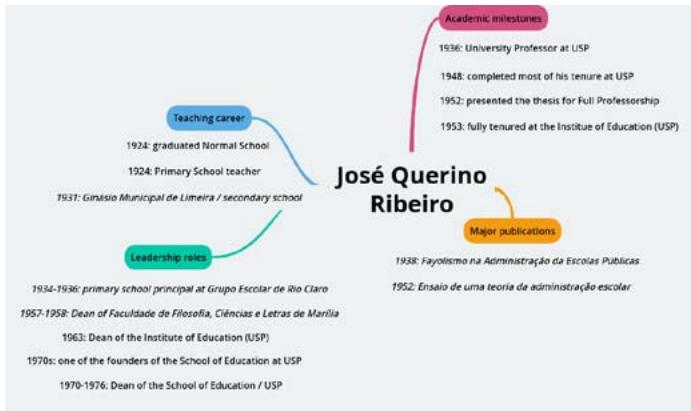 Fig. 1: José Querino Ribeiro: Career Milestones and Major Publications
Source: Chizzotti (2002), Ribeiro & Machado (2007), Dias (2007), Meneses (2007)
An analysis of his professional trajectory (shown in Figure 1) indicates that he began working as a primary school teacher sometime after 1924, the year he graduated from Normal School. According to Dias (2007), he initially taught in his hometown of Descalvado, in the state of São Paulo. Nonetheless, the type of educational experience considered crucial to his theory was related to public school administration – specifically, the opportunities he had to manage educational institutions. He began his academic career as an Assistant Professor of School Administration and Legislation at the Institute of Education at USP (Chizzotti, 2002). With regard to his academic trajectory at USP, he completed a significant portion of his tenure as a professor of School Administration and Comparative Education. Between 1957 and 1958, he was appointed by the Governor of the State of São Paulo to establish a new public college: Faculdade de Filosofia, Ciências e Letras de Marília[^1]. It is important to highlight these various educational experiences of Querino Ribeiro to underscore that, from the 1920s to the 1950s, he served as a primary and a secondary school teacher and principal, as well as a university professor of School Administration. These cumulative experiences positioned him to be invited to take on administrative roles within higher education public institutions. Therefore, it can be inferred that his theory on public school administration was also shaped by his practical experience in managing public institutions, which simultaneously prepared him to take on greater challenges in the field of public educational administration. His first contribution to the emerging field of Brazilian public school administration was the book *Fayolismo na administracao* das escolas Púbicas [could be translated to Fayolism in the administration of public schools], published in 1938 – just two years after he became a university professor. According to Chizzotti (2002), following the publication of his second book *Ensaio de uma teoria da administracao* escolar [could be translated to Essay on school administration theory], in 1952, and his organization of the first Brazilian Symposium on School Administration in 1961, Querino Ribeiro firmly established himself as a leading scholar in the field of Brazilian public school administration research. As will be demonstrated later in this article, his 1938 book laid important foundations for scholarly debate in the area, particularly due to his adoption of Henri Fayol's ideas as a theoretical framework – at a time in Western history when the dominant references in administrative science were the works of Frederick Winslow Taylor and Henry Ford. Additionally, as noted by Sander (2007), the writings of Max Weber on bureaucracy also served as a major intellectual influence during that period. Fourteen years after that influential theoretical work, Querino Ribeiro published an even more significant contribution to the field. Following the presentation of his thesis for promotion to Full Professor at USP, he released one of the most important works ever published on Brazilian school administration: *Ensaio de uma teoria da administracao* escolar. One possible explanation for the significance of this book is that, beginning sometime in the 1940s, he began to develop a multidisciplinary educational theory, which subsequently led to the formation of a multidisciplinary approach to school administration. His perspective on public education was informed by a range of theories from various influential disciplines, including Sociology, Psychology, Philosophy, and History. At the same time, with specific regard to school administration, he engaged with key works by foreign scholars, particularly those from the United States.
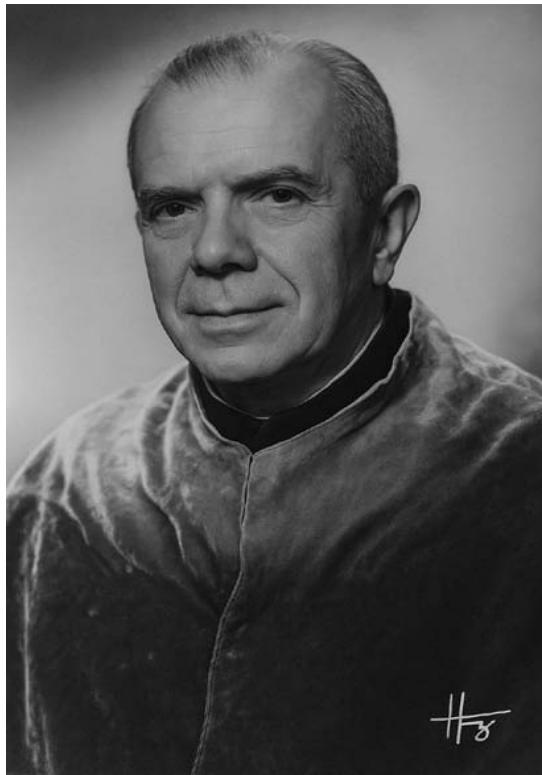 Fig. 2: José Querino Ribeiro. The Photograph is Part of the Former Deans' Gallery at the School of Education/USP
This body of literature had a strong influence on his thinking. Three of these authors are especially noteworthy: Ellwood Patterson Cubberley, and Jesse Brundage Sears from Stanford University; and Arthur Bernard Moehlman from University of Michigan. These three American authors had produced relevant and comprehensive works on public school administration, which played a critical role in advancing the field in Brazil through Querino Ribeiro's 1952 publication. The books are respectively: Public School Administration. A Statement of the Fundamental Principles Underlying the Organization and Administration of Public Education (1916); The Nature of the Administrative Process. With special reference to Public School Administration (1950); and School Administration. Its Development, Principles, And Future in the United States (1940). In a later section, the significant contributions of these authors will be briefly analyzed in relation to the Brazilian scholar's administrative theory. As examined in this article, Querino Ribeiro's ideas represented a turning point in the development of public school administration in Brazil. His effort to formulate and systematize administrative principles for the field helped establish a new area of academic inquiry in the country. As observed by Sander (2007, p. 32), he was embedded in an intellectual environment in Brazil marked by the initial efforts to synthesize academic insights related to school administration and organization, as well as by the emergence of the first theoretical essays on the subject. According to the author, this movement was significantly influenced by contemporaneous academic developments in the United States and Europe, which provided important stimuli for the advancement of the field in Brazil (Sander, 2007). Prior to Querino Ribeiro's efforts to develop a systematized administrative theory, publications on the subject in Brazil largely consisted of personal accounts by successful educational administrators. The fact is that during the 1920s and the 1930s in Brazil, several of the most prominent scholars in education and school administration served as public education administrators, often by invitation from state governors. Querino Ribeiro himself, along with Anísio Spínola Teixeira, Antonio Ferreira de Almeida Júnior, Fernando de Azevedo, Manoel Bergström Lourenço Filho, and Antônio Carneiro Leão, can be cited as authors of some of these personal accounts that were later published. However, Querino Ribeiro (1952) identifies as pioneering examples of this type two personal reports published in 1936 – one by Anísio Spínola Teixeira and another by Antonio Ferreira de Almeida Júnior. These reports, and also Querino Ribeiro's 1938 book, were used as textbooks in the early stages of teaching the subject in teacher and principal training programs across Brazil, due to the lack of systematized theories on public school administration at the time. This use allowed future school administrators to begin learning about the profession not only through on-the-job experience, but also beforehand – during their undergraduate education, for example. These scholars were deeply committed to advancing Brazilian public education, and, to that end, chose to transform their reflections on professional experience into books and textbooks that could be used in the training of future education professionals. It is important to note that, although these materials were thoughtfully crafted by their authors – eminent Brazilian educators – some of the books did not demonstrate the same depth of theoretical foundation and framework as Querino Ribeiro's 1952 publication. Although he identifies Anísio Teixeira's 1936 book as the pioneering work of this kind, we argue that O Ensino no Estado da Bahia (2001), by Anísio Teixeira, should instead be considered one of the earliest examples in Brazil of a published report by a successful educational administrator. This report was published sometime between 1928 and 1929, after its author had served as head of the Department of Education of the State of Bahia from 1924 to 1928, under Governor Francisco Marques de Góis Calmon. The fact that this report was published in the 1920s makes it likely the first work to present a systematized perspective on educational administration in Brazil. The other report cited by Querino Ribeiro, published as a book by Anísio Teixeira in 1936, is titled *Educação para a democracia*. *Introdução à administradora educacional*. The significance of this book for the field in Brazil lies in
the fact that it was published two years prior to Querino Ribeiro's *Fayolismo na Administração das Escolas Púbicas* (1938). Aníso Teixeira served as head of the Department of Education in the city of Rio de Janeiro – then the capital of Brazil – from 1931 to 1935. Upon completing his term, he submitted the report to the Mayor and subsequently published the book, which included chapters based on his writings and speeches as head of the department. Another important book of this type is *Introdução à Administração Escolar* (1953) – its first edition was in 1939 –, authored by Antonio Carneiro Leão. The reports that were transformed into books and textbooks during the 1920s and 1930s represent the genesis of public school administration as a field of scientific inquiry in Brazil. As evidenced by the citations above, the period preceding Querino Ribeiro's theoretical essay on school administration – namely, the 1940s – was marked by the use of publications derived from the practical experiences of scholars who had served as school or county administrators, as well as educational reformers. Returning to the initial analysis of Querino Ribeiro's two works, it can be anticipated that, over a span of fourteen years, the scholar significantly deepened his understanding of the subject and its theoretical foundations. This development is evident in his transition from a single-author, single-model approach to one grounded in a broad and diverse theoretical framework, greatly enriching his contributions to Brazilian public school administration. It is accurate to state that the author's theory evolved from a disciplinary to a multidisciplinary approach. Last but not least, we sought to develop reflections on the profile and responsibilities of principals in Brazilian public schools, drawing on his administrative model as a foundation. An attempt was made to infer the potential challenges faced by these professionals through an analysis of Brazilian educational history and school administration data, using Querino Ribeiro's theories as a foundational framework. The greatest challenge encountered during the research was the lack of available data on the performance of public school principals between the 1930s and 1950s. As will be shown below, it was possible to identify relevant data on the number of public and private schools, public school enrollment, and the growing number of teachers – key indicators of the expansion of Brazilian public education throughout the 1930s and 1940s. On the other hand, very little data was found regarding the challenges faced and actions taken by public school principals during this period. Considering the contextual information presented above, this study was guided by three central research questions: (1) In what ways did Querino Ribeiro's contributions shape the theory of Brazilian public school administration? (2) How did his 1952 book contribute to shifting the field from administrators' reports toward the development of scientific research? (3) Which major concepts in Brazilian public school administration were advanced through his work? This article argues that Querino Ribeiro's theoretical contributions reshaped the field of public school administration in Brazil by establishing a multidisciplinary approach. His development of key concepts – such as 'administration', 'coordination', and 'co-responsibility' – constitutes a lasting legacy that continues to inform the work of subsequent generations of Brazilian educational administrators. Finally, to help guide the reader through this article, we outline its structure as follows: following this introduction, the article is divided into five sections. The next section analyzes Querino Ribeiro's first published book, which presents an administrative theory grounded in Fayol's model. It is important to note that this analysis is significantly enriched by the contributions of Dias (2007), Paro (2007), and Calderón & Fedre (2016), whose scholarly interpretations have provided valuable insights into Querino Ribeiro's theoretical framework. Subsequently, the analysis turns to his second and most influential work in the field, Ensaio de uma teoria da administraçãoesimal (1952). A fourth section was also included to reflect on the interpretations and contributions of Brazilian scholars regarding Querino Ribeiro's administrative theory. The section that follows provides a brief explanation of the research methods employed during the different phases of the study that gave rise to this article. The sixth and final section presents our conclusions based on the analysis conducted.
## II. FAYOLISMO NA ADMINISTRAÇÃO DAS ESCOLAS PUBLICAS (1938)2
Querino Ribeiro's first published work on public school administration was the book *Fayolismo na Administração das Escolas Púbicas* (1938), which, according to Meneses (2007), was also his first publication overall. It is important to note that, in 1930s Brazil, the primary reference for scholars studying administrative theories – whether industrial, educational, or otherwise – was the work of American engineer Frederick Winslow Taylor and his writings. The very fact that Querino Ribeiro, in his 1938 book, chose to base his theory on Jules Henri Fayol's administrative principles and ideas was, for the time, a notably disruptive and forward-thinking approach. This assertion is grounded in the fact that, building on Fayol's theory, Querino Ribeiro developed key concepts such as administration, cooperation, and coordination. Moreover, by adopting a 'general theory of administration' as his theoretical framework, he laid the foundations for Brazilian public school administration in a manner not predominantly tied to industrial management principles.
### a) Socio-Historical Context of Brazilian Education in the 1930s
As contextual background, it is important to inform readers – particularly those from outside Brazil – that the 1930s marked a period of significant change in Brazilian education. This decade was characterized by a notable expansion of access to schooling for a broader segment of the population. According to Ribeiro (1998), the number of public and private schools in Brazil increased from 22,922 in 1923 to 39,104 in 1936. The author also emphasizes that $73.3\%$ of these institutions were public. This growth in the number of schools led to an increase in student enrollment. Enrollment increased from just over two million in 1932 to approximately three million by 1936 (Ribeiro, 1998). As a result, the number of teachers also grew. It rose from 76,025 in 1932 to 96,161 in 1936. Ribeiro (1998) notes that this growth contributed to a certain degree of improvement in the administrative structures of schools. In the same four-year period, more than twenty thousand teachers were hired. It can be inferred that, prior to stabilization, the rapid expansion of the public school system likely led to a certain degree of administrative disorder. According to the author, as student enrollment outpaced the number of available schools, it became evident that the administrative structure had evolved not only in scale but also in its actual capacity to create and accommodate new student placements. With the growing demand for enrollment, public schools were increasingly required to implement more effective coordination and control measures (Ribeiro, 1998). In 1937, just one year before Querino Ribeiro's first publication, President Getúlio Dornelles Vargas established the Estado Novo regime. His government also enacted a new Brazilian Constitution, which stipulated that families unable to demonstrate financial need would be required to contribute financially to support the public school system. The government also placed significant emphasis on manual training within public schools. This initiative reinforced a social dichotomy: while wealthier classes received a predominantly academic education, lower-income groups were directed toward vocational training. This form of education, often of lower quality, aimed to prepare them for positions in Brazil's emerging industrial workforce.
### b) Foundations and Conceptualization of Administration
The opening issue addressed in the book is the necessity of administration, which the author defines as a "guiding force" that directs collective efforts toward the achievement of a common goal (Querino Ribeiro, 1938, p. 9). He expanded on this definition by stating that a group engaged in a collective activity – particularly after reaching a certain scale and level of specialization – requires functionally effective administration. Without it, the group risks falling into disorder, experiencing operational paralysis, or even facing the dissolution of its members (Querino Ribeiro, 1938, p. 9). He then analyzes the nature and possible origins of human activity, asserting that it has always been goal-oriented – that is, directed toward a more or less clearly recognized purpose – and has intentionally involved a degree of foresight or anticipation. The author's statement thus leads to the inference that all human activity is grounded in planning and intentionality, inherently presupposing a certain degree of administrative organization. He further explains that human beings respond to environmental stimuli, and from this analysis, he develops a compelling discussion centered on one particularly striking idea: the "natural" difficulty individuals face in appropriately balancing the various forces they employ in their actions. He concludes his reasoning by asserting that while human beings consistently respond to environmental stimuli, they rarely do so in the most effective or optimal manner given the circumstances. The scholar's assertion prompted us to raise an important question, particularly given the historical context in which it was written: could this book – especially that specific passage – have laid the groundwork for the later development of the concept of "limited rationality"? This question invites an exploration of the concept's chronology, as we first encountered bounded rationality through the insightful writings of eminent Stanford Professor James G. March in the late 1950s (March & Simon, 1958). Continuing his analysis of human social activity, Querino Ribeiro (1938) reflected on the formation of human groups, asserting that such organization arises from the need for collective effort to achieve common, useful, and essential goals – objectives that would be nearly impossible to attain through individual actions alone. Building on these assertions, he concluded that cooperation is one of the fundamental characteristics of social life. Citing Fernando de Azevedo, another distinguished professor at USP, Querino Ribeiro (1938, p. 20-21) emphasizes that cooperation becomes possible only when individuals act collectively, thereby forming a network of relationships that constitutes society. Quoting a paper by Mooney and Reiley, the author argues that intelligent cooperation allows society to flourish, but only when guided by a coordinating authority (Querino Ribeiro, 1938). At this stage, he introduces one of his central foundations for defining administration as a social activity: the concept of coordination. He regards coordination as a fundamental requirement for effective cooperation, enabling social groups to work together toward the goal of achieving efficiency. From his analysis, it can be inferred that coordination involves directing cooperative efforts toward predetermined goals, as the author himself defines it as a corrective
force aimed at achieving the best possible outcome. Additionally, he defines administration as a form of corrective force and, simultaneously, as a means of exercising authority in its corrective capacity (Querino Ribeiro, 1938). Moreover, he asserts that administration extends far beyond the concept of bureaucracy, grounding his principal definition of administration in Henri Fayol's Administration industrielle et generale. According to him, Fayol defines administration as a function composed of six categories of operations: technical, commercial, financial, security, accounting, and administrative. Administration, as the sixth category of operations, is further subdivided into the functions of planning, organizing, directing, coordinating and reporting. In 1937, Luther Gulick published a work that expanded upon Fayol's administrative theory, introducing the well-known acronym POSDCORB - representing Planning, Organizing, Staffing, Directing, Coordinating, Reporting, and Budgeting (Gulick, 1937). These managerial principles had a significant influence on Brazilian public school administration throughout the 1940s and were frequently discussed in comparison to Taylor's administrative theories.
### c) Querino Ribeiro's Comparative Analysis of Administrative Theories
Querino Ribeiro (1938, p. 33) examines administration in relation to government and education, and also explores its nature as either a science or an art – these aspects of the book were highlighted by Dias (2007). Concerning its relationship with government, he asserts that while administration constitutes an essential component of governance, it should not be conflated with it. From his analysis, it can be inferred that government is more closely associated with planning and organizing – implicitly pointing toward policymaking – while administration is primarily concerned with the execution of actions. This distinction later led some scholars to argue that Querino Ribeiro's theory echoed Taylor's principle of the division of labor. One of the most relevant analyses conducted by the author is the comparison between the terms "administration" and "education". In this analysis, he references one of the most influential educators worldwide, John Dewey. Citing Dewey's Democracy and Education, Querino Ribeiro (1938) highlights the American scholar's assertion that education is a process of guiding and directing the natural impulses of non-adults towards better social adaptation. Since Dewey uses the terms "guide" and "direct", he draws a parallel with administration, concluding that while education involves guiding and directing the individual and their impulses, administration performs an analogous function for the group, as noted by Dias (2007). It can be inferred that, drawing on Dewey's theory, Querino Ribeiro (1938, p. 34) redefines administration as the act of guiding and directing the social group and its impulses. He goes even further by questioning whether education could be considered the "administration of the individual" and administration the "education of the group", all possibilities derived from Dewey's definition. Another influence from Dewey's educational theory was the idea of education as a non-coercive action, aimed at channeling human impulses toward a goal – in the case of public schools, enabling individuals to learn. In this sense, administration and education would share a very similar definition, since, according to the author, neither should rely on coercion to operate. Of course, we are not attempting to reduce the interpretation of Dewey's educational theory to a mere play on words. Rather, our aim is to illustrate the type of theoretical construction a Brazilian scholar in the 1930s could develop, given the research resources and bibliography available to him at the time. Moreover, we sought to demonstrate the depth of his analysis and the breadth of his references, considering the field of inquiry he was exploring. Subsequently, Querino Ribeiro (1938, p. 36) discusses whether administration should be considered a science or an art, and categorically concludes that it is neither. Instead, he views administration as a distinct concept, an area of interest, and a fact in itself. According to the author, administration itself cannot be considered a science, as what emerges from its study is the development of an administrative science. He also acknowledges the possibility of an art of effectively applying administrative laws and principles within an enterprise, but only after an administrative science has been established. Finally, he presents two important definitions regarding the concept of administration and its nature: empirical administration and rational administration. He first defines empirical knowledge as originating from sensory experiences and practical, concrete situations (Querino Ribeiro, 1938). He then adds that empiricism represents the early stage of scientific knowledge – in Portuguese he refers to this early stage using the corresponding word for "childhood". He subsequently defines rational knowledge as that which is produced and systematized from empirical experience, following processes of classification, reasoning and the logical organization of information and experiences. He once again cites Dewey, noting that the American scholar defined science as rationalized knowledge. Nonetheless, Querino Ribeiro (1938) emphasizes that empiricism and rationalization are not opposing concepts. Moving forward to connect these ideas to administration, he states that the empirical form of administration is characterized by the absence of planning and control. According to the author, empirical administration leads an enterprise toward routine or stabilization, which, as a consequence, can result in the stagnation of business development. Rational administration, on the other hand, is grounded in facts, emphasizes planning and control, and establishes connections among past
experiences by analyzing their causes and closely monitoring the entire process, including its outcomes. According to his study, these systematic processes are essential to ensuring efficiency within administration. Next, we will analyze some of the author's arguments that justify his choice of Fayol's administrative model as his primary theoretical reference.
### d) Grounding School Administration in Fayolian Theory
As previously mentioned, Querino Ribeiro (1938) incorporated Henri Fayol's principles of general management, adapting them to the context of school administration within Brazilian public schools. In order to make a final decision regarding Fayol's model, he conducted a thorough comparison of the theories proposed by three of the most influential figures in industrial administration at the time: Fredrick Winslow Taylor, Jules Henri Fayol, and Henry Ford. Querino Ribeiro (1938) stated that he had reviewed approximately six hundred pages authored by Ford in order to fully comprehend the principles underlying his concepts of industrial administration. According to the Brazilian scholar, he had read two books published by Ford, which were translated into Portuguese by Monteiro Lobato. Nevertheless, one question persists: if Taylor's administrative theories were dominant in the industrial administration landscape, significantly shaping organizational analysis and administrative thought at the time, what led Querino Ribeiro (1938) to adopt Fayol's model? First, it is important to note that the Brazilian scholar analyzed Taylor's work, La Direction des Ateliers, published in French. A key aspect emphasized by him in relation to Taylor's administrative theory is the American engineer's establishment of the division of labor. Furthermore, he argues that both Taylor and Fayol established essentially the same administrative principles - namely, planning, organizing, directing, coordinating, and reporting - previously mentioned. The Brazilian author highlights that both theorists adopted these principles because they were deemed fundamental to effective administration. However, the scholar contends that only Fayol succeeded in systematizing these principles and clarifying their application within the field, which helps explain his decision to adopt the French author's administrative model. In comparing the administrative theories of Taylor, Fayol, and Ford, Querino Ribeiro (1938) initially remarked that, at the time, very little was discussed regarding Ford's approach to administration, with most references to his ideas being limited to manufacturing methods alone. He asserted that Fayol advocated for the principle of unity of command, whereas Taylor, owing to his principle of division of labor (which was also accepted by Fayol), supported the concept of multiple commands. In contrast, Ford advocated for the absence of any formal command structure. According to the Brazilian author, both Ford and Taylor, within their thorough comparison, the Brazilian author concluded that it is impossible to categorically affirm any absolute affinity or divergence among these administrative approaches – referred to in Portuguese as Fayolismo, Taylorismo, and Fordismo. He emphasizes that, while the three share several points in common, they also present numerous areas of divergence. Although each approach emphasizes different key ideas and elements, they all, in essence, advocate the same fundamental administrative principles – such as planning, directing, and organizing – and pursue the same basic objective: ensuring the profitable operation of the enterprise (Querino Ribeiro, 1938).
Administrative Principles: A Comparative Overview
<table><tr><td colspan="2">PRINCIPLE</td><td>TAYLOR</td><td>FAYOL</td><td>FORD</td><td>QUERINO</td></tr><tr><td colspan="2">Division of Labor</td><td>✓</td><td>✓</td><td>✓</td><td>✓</td></tr><tr><td colspan="2">Planning</td><td>✓</td><td>✓</td><td>✓</td><td>✓</td></tr><tr><td colspan="2">Organizing</td><td>✓</td><td>✓</td><td>✓</td><td>✓</td></tr><tr><td colspan="2">Directing</td><td>✓</td><td>✓</td><td>✓</td><td>✓</td></tr><tr><td colspan="2">Coordinating</td><td>✓</td><td>✓</td><td>✓</td><td>✓</td></tr><tr><td colspan="2">Command</td><td>Multiple</td><td>Unity</td><td>Absence</td><td>Flexible</td></tr><tr><td colspan="2">Authority</td><td>Weak</td><td>Strong</td><td>At the top</td><td>Flexible</td></tr><tr><td colspan="2">Hierarchy</td><td>Broader</td><td>Vertical</td><td>Relaxed</td><td>Vertical</td></tr><tr><td colspan="2">Discipline</td><td>Intense control</td><td>Balanced</td><td>Individual resp</td><td>Balanced</td></tr></table>
Fig. 3: Key differences between Taylorism, Fayolism, and Fordism according to Querino Ribeiro (1938)
Following this comparative analysis of the three administrative theories, it is possible to infer a theoretical model of school administration derived from these principles, designed to guide principals in managing Brazilian public schools at the time. This model can thus be summarized as follows: unity of command with a strong centralization of authority, a cautious division of labor to avoid excesses, emphasis on hierarchy, staff camaraderie, moderated discipline balanced by the judicious application of equity, optimal remuneration, attention to staff initiative and stability, and the maintenance of order within schools. This administrative model, derived from Querino Ribeiro's text and primarily based on Fayol's administrative theory, envisions a public school administration in which the school principal maintains unity of command with a high degree of centralization of authority within a vertical hierarchical structure. Such a framework would foster an educational environment in which professional relationships are predominantly shaped and constrained by hierarchical controls. On the other hand, it can be inferred that the selection of elements from Fayol's model to be incorporated into public school administration was intended to address the human aspects of the issue, particularly through the moderation of discipline, the prudent application of the division of labor, and the emphasis on staff camaraderie and stability. These choices align well with the nature of the educational enterprise, which, as understood, differs fundamentally from the industrial context. An analysis of the administration of Brazilian public schools during the 1940s and 1950s would likely reveal that these institutions adhered to most, if not all, of the principles and elements outlined in this model. The influence of these administrative principles and elements, particularly those derived from Fayol's theory, remains evident in the administration of Brazilian public schools to this day. Why is this the case? These principles are effective because they simultaneously address the need for order and authority, while also accommodating the stability and degree of initiative required from teachers and principals in the daily operations of schools. We contend that these characteristics were inherently adaptable to school administration, which is why Querino Ribeiro (1938) adopted them and subsequently made them a key component of Brazilian literature in the field he himself contributed to shaping. Furthermore, it can be inferred that, when comparing the administrative theories developed by Fayol, Taylor, and Ford, most of the elements proposed by Fayol pointed to a more balanced administrative model, particularly in terms of managing workers within a non-industrial context. We assert that this characteristic was the primary factor that captured Querino Ribeiro's attention, prompting him to adopt Fayol's model in the development of his school administration theory and to advocate for the integration of these elements into Brazilian public institutions. Nonetheless, it is important to offer some reflections of our own, which may diverge from Querino Ribeiro's justification for consolidating his theoretical preference for Fayol's model. Based on our analysis of public school administration in Brazil, it can be argued that Ford's administrative model – as examined by Querino Ribeiro (1938) himself – could also have served as a significant theoretical foundation for the management of Brazilian public schools. Based on our understanding of what constitutes significant and meaningful administrative procedures within a public school, Ford's method would contribute relevant elements to the development of educational administrative processes. One noteworthy example is Ford's abandonment – according to Querino Ribeiro (1938) – of the principle of division of labor. The application of this industrial concept, as originally proposed by Frederick Taylor in the United States, to the educational context was not endorsed by the Brazilian scholar and later faced strong criticism in Brazil, particularly throughout the 1980s and even more so during the 1990s. This aspect, combined with Ford's relaxation of the hierarchical structure – particularly through the fragmentation of authority at the lower levels of the chain of command – would be well suited to the educational context in Brazil, especially given the high value placed on democratic and autonomous school administration within the Brazilian
public education system. On the other hand, by emphasizing individual responsibility as a means to prevent worker procrastination, Ford's administrative model reflects a managerial approach inherently oriented toward outcome-based assessment - an approach characteristic of its origins in industrial administration. Although outcome-based assessment is widely criticized as an inadequate approach for Brazilian public education today, it is important to observe that, in practice, this very model appears to be used to evaluate the performance of public school principals, whose administrative work is often measured by the results their schools are able to demonstrate. As will be discussed later, Querino Ribeiro's work on administration faced significant criticism in Brazil during the 1990s, as he was perceived to have adopted an industrial perspective in the context of public school administration. One of the main points underpinning this critique was likely his characterization of the public school as an enterprise[^3]. While it is evident that public schools and capitalist enterprises pursue fundamentally different objectives, Querino Ribeiro (1938) employed the term empreza - the Portuguese word for company or enterprise - as a broad conceptual definition. He used it to describe "a collective of individuals operating within a hierarchical structure, united in the goal of alleviating human difficulties, fostering solidarity, and facilitating the attainment of a shared, socially valuable purpose: the preservation and development of the human species" (Querino Ribeiro, 1938, p. 58). To arrive at this definition, the scholar drew upon the works of Vilbois-Vanuxem, Mooney and Reiley, and Henry Ford. In order to clarify his general concept of enterprise, he compared the State and Government to a form of public enterprise, emphasizing that their hierarchical structure is grounded in impersonal authority and responsibility. As a public enterprise, in the sense proposed by Querino Ribeiro, the administration of public schools should be grounded in the principle of impersonal authority within their hierarchical structure. However, it is well understood by educators that, particularly in smaller schools, professional managerial relationships often take on a personal character in various ways. Returning to the analysis of Querino Ribeiro's text, he emphasized that neither the State nor the Government, at the time, could afford to disregard two key principles observed in commercial enterprises, which he also considered fundamental to public institutions: efficiency and rational administration. As a consequence of this line of reasoning, Querino Ribeiro (1938) recognized public schools as state-maintained enterprises and, given their
Structural similarities led him to consider it both possible and pertinent to adapt Fayol's administrative principles to the context of public school administration. Furthermore, he advocated for the principle of rationalization, recognizing that Brazilian public schools – both at the time and even more so today – must pursue significant social objectives while contending with substantial financial constraints. Based on this analysis, he argued that public school administration should be guided by the principles of rationalization and efficiency, given the complexity, broad scope, high cost, and inherently sensitive nature of educational services. One of the key aspects the author emphasized in pursuit of administrative rationalization was the need for specific training for school principals, as highlighted by Ribeiro(2024). Once again, in addressing these aspects, the Brazilian scholar endorsed Fayol's administrative model, highlighting its structural flexibility and its encouragement of worker initiative. In comparing the concepts of order and initiative, Querino Ribeiro(1938)sought to demonstrate their compatibility by referencing Auguste Comte, who emphasized their complementary nature, noting that order and initiative involve a dynamic interplay between stability and progress. He underscores the importance of equity in public school administration, drawing a comparison with the concept of justice. According to the author – once again drawing on Fayol's ideas – equity holds greater significance than justice in this context, as it reflects a more balanced and context-sensitive approach to administrative decision-making. Furthermore, he argued that justice is grounded in the fulfillment of established conventions, which presupposes a capacity for accurately predicting outcomes. However, the author noted that such predictability is particularly challenging within public schools, where interpersonal relationships require a greater degree of equity. He further contended that regulations are inherently incomplete and, therefore, cannot be applied rigidly or without contextual interpretation. In light of this analysis, it is essential that public school principals cultivate equitable professional relationships within their institutions to ensure that administrative processes are carried out effectively and appropriately. Based on the administrative elements emphasized by Querino Ribeiro(1938), and in an effort to discern the characteristics of the administrative model he ultimately advocated, it is possible to outline a profile of the Brazilian public school principal during the 1930s and 1940s. According to the elements identified by the Brazilian scholar, the ideal public school principal in Brazil at the time would be a professional specifically trained for the role, capable of rationalizing administrative procedures with a particular emphasis on achieving maximum efficiency at minimal cost. At the same time, this school principal would need to be equipped to manage a public enterprise of increasing complexity and scope, while also recognizing the sensitive nature of the role – particularly as public schools began to serve a growing and more socially diverse population of children and their families. Additionally, the principal should demonstrate strong initiative, recognizing and promoting structural flexibility, and be capable of managing and implementing adaptable administrative procedures within the school context. On the other hand, this professional should not disregard the importance of order, as it remains a fundamental element; it is precisely the balance between order and initiative that enables the creation, expansion, improvement, and advancement of the public school administrative structure. Querino Ribeiro's selection of Fayol's administrative model was thoroughly justified and firmly established by the author. His analysis was grounded in key administrative principles associated with the notion of "general administration", thereby supporting his decision to adapt the model to the context of Brazilian public school administration. Nevertheless, his adoption of Fayol's framework was not uncritical; fully aware of its limitations, he also offered pointed critiques as a means of reinforcing his informed and deliberate choice.
### e) Fayol's Administrative Framework: A Critical Perspective from Querino Ribeiro
As previously noted, although Querino Ribeiro (1938) advocated for the adoption of Fayol's administrative model in the context of Brazilian public school administration - particularly following his comparative analysis with the models proposed by Taylor and Ford - he remained cognizant of the limitations inherent in Fayol's framework and did not refrain from articulating critical observations regarding its applicability. Two specific critiques directed by Querino Ribeiro toward the French author's model merit particular attention. The first critique concerns the concept of planning. According to the Brazilian scholar, Fayol committed a conceptual error in the role he assigned to planning by treating it as an administrative function encompassing the establishment of organizational goals. Querino Ribeiro (1938) argues that if such an interpretation were accepted, it would attribute to administration a level of importance that it does not inherently possess. He argued that planning should not involve the establishment of organizational goals; rather, it should function as a process of identifying and analyzing the elements that may hinder the organization from achieving its predefined objectives. The second critique he directed at Fayol's theory concerns the concept of rigor. According to him, while Fayol asserted that equity within an organization should not preclude the application of vigorous actions or rigor in decision-making, Querino Ribeiro disagreed - arguing that while vigorous actions may indeed align with equity, rigor is inherently incompatible with it. He further argues that rigor may be understood as an attempt to impose absolute justice within organizational operations; however, in his view, absolute justice can lead to profound unfairness (Querino Ribeiro, 1938, p. 104). As this brief analytical overview of Querino Ribeiro's 1938 work demonstrates, he was able to construct a comprehensive theoretical model of public school administration. Although his framework drew on principles of industrial management, he effectively adapted these foundations to the educational context, taking into account the distinct nature of schools – particularly the differences in professional roles and interpersonal dynamics compared to industrial settings. Notably, he developed an administrative approach that, while incorporating key elements of Fayol's general management theory, remained firmly centered on the primary objective of Brazilian public schools: the effective learning of children.
## III. ENSAIO DE UMA TEORIA DA ADMINISTRAÇÃO ESCOLAR (1952)
Querino Ribeiro's second book in the field was published following the defense of his thesis for a Full Professorship at the University of São Paulo (USP) in 1952. According to the author, one of the key responsibilities of a Full Professor in the area of public school administration was to articulate sound administrative principles that could serve as a foundation for the practices of professionals engaged in managing public education. In this sense, the book represented a pivotal turning point in Brazilian educational administration. When comparing the "before and after" of its publication, several key administrative principles emerge from his theory. Among them were his defense of the judicious use of public funds for education and his advocacy for the rationalization of school administrative procedures through systematized practices, in contrast to the earlier trial-and-error approach. Moreover, his pivotal definition of school administration – particularly through the concept of co-responsibility – initiated a shift in understanding the role of the school principal. Rather than being viewed as a solitary authority, the principal came to be recognized as the coordinator of a collective endeavor. In an article published in 2007, we argued that the Brazilian scholar's essay contributed significantly to the development of public school administration in Brazil as a field of scientific inquiry, particularly by enabling the delineation of its object of study (Ribeiro & Machado, 2007). Moreover, one of our principal conclusions is that this work established a scientific foundation for practicing a more flexible form of public school administration – understood as non-mechanistic procedures – within bureaucratic educational contexts (Ribeiro & Machado, 2007). Prior to Querino Ribeiro's thesis, both the area of public school administration and the practices of school administrators faced significant challenges, particularly the absence of a clearly defined domain of study from which to derive theoretical grounding and, consequently, guide professional learning and role development. One of the author's primary concerns in the thesis was to establish foundational bases for the development of a Brazilian theory of public school administration, aimed at providing a set of principles – the ones previously mentioned – to guide school leaders in the effective and reliable management of educational institutions. His book laid the foundations for a Brazilian theory of public school administration by emphasizing a local perspective on co-responsibility. While he adapted Fayol's principles – planning, organizing, and coordinating – his conception of co-responsibility paved the way for one of the most important principles of public school administration in Brazil: community participation in decision-making, which underpins the notion of democratic school management.
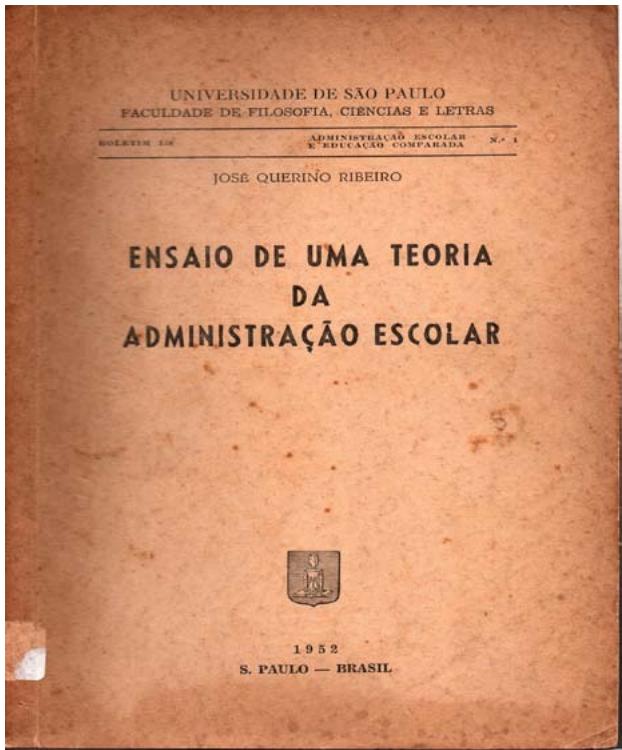 Fig. 4: Front Cover of One of the Rare Surviving Hardcopies of the First Edition of Querino Ribeiro's Thesis, Later published in Book form in Brazil
### a) Socio-Historical Context of Brazilian Education (1940s-1950s)
It is important to highlight the historical context in which the thesis – later published as a book – was likely written. Considering the period between 1937 and 1955, as delineated by Ribeiro (1998), it becomes evident that Brazilian society was undergoing a significant transformation, shifting from an economy predominantly based on agriculture and exportation to a national development model increasingly oriented toward early industrialization. This societal transformation had a profound impact on the social role of public schools and, by extension, their administrative structures. Before the onset of Brazil's industrialization process, the primary objective of public education was limited to teaching children basic literacy and numeracy skills. With the advent of industrial operations, there emerged a growing demand for a more educated workforce - individuals capable of comprehending written instructions and executing standardized industrial procedures. Accompanying these broader social transformations were significant educational developments: public school principals saw their roles evolve from managing small institutions with limited teaching and learning concerns to administering much larger schools and addressing a more complex array of social and educational issues. The increase in student enrollment introduced a distinct set of challenges, including larger class sizes and, consequently, the integration of children from diverse social backgrounds. These factors may partially account for what Querino Ribeiro (1952, p. 73) referred to as the "profound instability in child and adolescent behavior". According to Ribeiro (1998), one of the most complex challenges faced by schools in the 1930s, during the onset of Brazil's industrialization, was the redefinition of the public school's social and educational role - namely, the task of preparing a significantly larger workforce to meet the demands of new and varied functions within the industrial sector. Furthermore, according to the author, there was little interest at the time in public schools in engaging with the distinction between manual and intellectual labor, as both public education and industrial training were primarily directed toward individuals from lower-income social classes (Ribeiro, 1998). Within the context of educational expansion, school principals were required to manage an increasing number of newly hired teachers, whose levels of training and pedagogical competence varied significantly. Between the publication of Querino Ribeiro's two most influential works, from 1938 to 1952, the social and educational roles of Brazilian public education underwent profound transformations, which, in turn, substantially reshaped the responsibilities of school principals. Brazilian public schools evolved from institutions with a limited educational scope, focused on imparting basic knowledge to small groups of children and adolescents, into broader social and educational agencies perceived by the most disadvantaged populations as one of the few viable pathways for social mobility, particularly as industrialization and its associated job opportunities began to demand more advanced knowledge and skills. As a result, public school principals required more comprehensive training and, as evidenced in Querino Ribeiro's work, needed to acquire a stronger foundation in administrative principles that were aligned with the evolving demands of a newly diversified and complex educational institution.
### b) Querino Ribeiro's Conception on Teaching and Learning
Understanding the Brazilian scholar's perspective on teaching and learning as inherently social and educational processes is essential to grasp his theoretical stance on school administration. The first and foundational concept articulated by Querino Ribeiro (1952, p. 14) regarding education is his view of learning as an individual process, which he referred to as 'self-education'. According to the author, contemporary educational theories indicated that individuals must organize and reorganize their own experiences, as this process cannot be undertaken by others on their behalf. When referring to education as the organization of experience, it can be inferred that Querino Ribeiro draws unequivocally from John Dewey's 'Democracy and Education'. Influenced by Dewey, he understood self-education as the process of learning through the integration of biological, psychological, and social experiences. In this regard, Querino Ribeiro (1952) asserted that society defines the means, sets educational objectives, and directs the educational process. He maintained that individuals are educated in accordance with specific social contexts and the resources made available by society. He further argued that intentional and systematized education – such as that offered in public schools – consisted of instructional situations deliberately structured by the social group to promote ideas, attitudes, and behaviors aligned with socially established norms and values. This conception of education as a process of social adjustment suggests the influence of Émile Durkheim's sociological theory on Querino Ribeiro's educational thought and, by extension, his scholarly writings. Furthermore, he asserted that public schools encompassed two fundamental aspects of intentional education. The first was teaching, which he regarded as only meaningful when intrinsically linked to its necessary counterpart – learning. He viewed the teaching and learning processes as the core of the school experience, wherein the systematization and structuring of communication enabled the delivery of systematic instruction. The second aspect was equally significant, as it involved instructional guidance aimed at fostering lifelong learning. The author deemed this essential in contemporary societies, arguing that 'changing civilizations' no longer allowed for the transmission of social behaviors as fixed 'ready-made formulas', as had been done in the past. Moreover, he argued that even the most efficiently organized and administered public school was incapable of covering all the knowledge required by individuals in modern life. This understanding led to the development of an educational program aimed at equipping children and adolescents with the ability to learn independently beyond the school environment – a concept that, in retrospect, closely aligns with what is now recognized as lifelong education. In this context, it can be inferred that the primary role of public school administration was to ensure the provision of essential conditions – such as adequate infrastructure, instructional resources, and well-trained professionals – to support the implementation of this emerging philosophy of lifelong learning.
### c) The Origins of Public Schooling and School Administration in Brazil
In the opening section of his book, Querino Ribeiro (1952) presents a nuanced analysis of the role of education and public schools in shaping modern society. He argues that in less complex societies, direct communication served both as a means of facilitating public participation and as the primary mechanism for educational processes. At a certain point in history, according to the scholar, the increasing complexity of society rendered direct communication insufficient as an educational mechanism. This shift necessitated the creation of formal instructional structures – public schools – which emerged to replace the collective social responsibility of transmitting accumulated knowledge and experiences to new generations. At this point in the book, Querino Ribeiro (1952) unequivocally asserts that public schools in Brazil emerged as a social instrument for the transmission of instructional experiences, framing this development as a manifestation of the social division of labor. Importantly, he distinguishes this notion from Taylor's concept of industrial division of labor, which, despite influencing other authors in the field, was inaccurately attributed by some Brazilian researchers to Querino Ribeiro's administrative theory. His position on the matter clearly reflects his conviction that the division of labor – exemplified by the emergence of public schools – was fundamentally a social phenomenon, rather than one rooted solely in industrial logic. Based on the context in which the term appears, it is reasonable to infer that the author was referring to the social division of labor within society, rather than to Taylor's notion of industrial division of labor. Nevertheless, Querino Ribeiro's work – particularly his 1952 publication – faced substantial criticism in Brazil during the 1990s. At that time, his administrative model was deemed incompatible with educational principles, as the concept of industrial division of labor was viewed as incongruent with the realities and demands of public school administration. A deeper reading of Querino Ribeiro's text suggests that the author was merely acknowledging the existence of a division of labor already present within Brazilian society – a recognition that differs significantly from advocating for the application of the industrial division of labor principle in public school administration. This distinction is crucial, as it indicates that his theoretical position was more aligned with a sociological understanding of labor organization than with the mechanistic logic characteristic of industrial management models. Another significant issue that he analyzed relates to the widespread concern – shared by Brazilian scholars such as himself and Anísio Spinola Teixeira, as well as by school administrators – regarding the high cost of public education. Given that funding for public schools has historically been a sensitive issue in Brazil, there was an urgent need to identify more efficient approaches to managing this costly social enterprise. Querino Ribeiro's educational and administrative experience, particularly within the public sector, informed the systematization of his essay on school administration theory, with a particular emphasis on the judicious use of public funds. His advocacy for the principles of efficiency and rationalization in public education was often misinterpreted through the lens of Taylor's 'one best way' approach. This misreading stemmed from the dominant influence of the American engineer's theories on industrial management, particularly those emphasizing productivity and efficiency, which heavily shaped administrative thought at the time. As previously noted, he had extensive experience within public educational institutions, and his concern with efficiency must be understood in this context. Given that public institutions are funded by taxpayers, his advocacy for rationalization was rooted in the responsible and effective use of public resources, aiming to improve the functioning of public schools. His use of the term, therefore, referred to administrative efficiency rather than to an economic or industrial logic. This distinction is critical, as the criticism leveled at him – particularly the claim that rationalization implied the imposition of industrial management principles on education – reflects, in our view, a misinterpretation of his intent. Rather than importing an industrial model, he framed rationalization as a means of strengthening public school administration within its social and institutional context. Despite the prevailing influence of Taylor's theories, Querino Ribeiro deliberately chose to align himself with a 'general administrative theory' inspired by Fayol. He recognized that Taylor's framework, if applied to education, risked equating schools with industrial plants and their administration with mechanical operations. In contrast, Querino Ribeiro (1952) sought to distance public school administration from such mechanistic analogies, advocating instead for a more flexible and human-centered approach. While conducting the bibliographical research for his Full Professor thesis, he noted the absence of scholarly works published in Portuguese that could serve as a foundational reference for a comprehensive introduction to the topic of public school administration, as well as for a consistent analysis of the subject and its development into specific subfields (Querino Ribeiro, 1952). This lack of local academic resources was one of the primary reasons he turned to literature published in other languages, particularly English. Some of the
challenges encountered by the Brazilian scholar, along with key propositions emerging from his thesis, were previously examined in an earlier analysis of his contributions to public school administration (Ribeiro & Machado, 2007). Selected administrative concepts articulated by the author are revisited below.
### d) Public School Administration: Theoretical Insights from Querino Ribeiro (1952)
In an effort to provide school administration professionals with a reliable foundation for their daily practices, the Brazilian scholar sought to articulate administrative principles grounded in a coherent and accessible theoretical framework, enabling their secure and effective application within public schools. In his attempt to establish principles for the field in Brazil, his administrative ideas were often misinterpreted through the lens of managerial principles derived from industrial management, particularly those associated with Taylorism. One of the most frequent critiques of Querino Ribeiro's work during the 1980s and particularly in the early 1990s in Brazil was that his administrative principles were rooted in the country's capitalist social structure, thereby reflecting an exploitative logic and managerial ideas oriented toward profit. One aspect to consider in response to this critique is that, if current indicators of Brazilian public schools – such as student performance, administrative efficiency, and other factors commonly associated with capitalist models of management – were applied retrospectively, these institutions would likely be deemed bankrupt. Conversely, if the public schools of today reflected the effectiveness presumably intended by the principles the author was accused of endorsing, they might rank among the best in the world. Such critiques of Querino Ribeiro's theory appear, at the very least, to be imprecise, given that he clearly acknowledged – and addressed within his work – the implications and limitations of employing an administrative model rooted in an industrial framework to develop a Brazilian theory of public school administration. Considering that Brazilian society began its industrialization process in the 1930s, as noted by Ribeiro (1998), and given that the adopted economic model was capitalist, it would be unrealistic to expect public schools – operating within a capitalist society characterized by close interrelations between social institutions such as schools and industries – to develop an administrative theory without accounting for foundational principles such as efficiency and rationalization. Had Querino Ribeiro attempted to construct his theory entirely removed from these principles, he would have had to disregard the broader Brazilian social context and, by extension, its educational reality – an unlikely stance given his commitment to public institutions and his academic background in Social Sciences. In such a case, criticism would likely have focused on the anachronistic nature of his theoretical approach. Querino Ribeiro (1952, p. 35) highlighted the hypertrophy of the Brazilian state – reflected in the excessive expansion of public administration – and demonstrated an awareness of its interrelations, concluding that such growth was a consequence of modern societal progress. He argued that the state needed to rationalize its public administration in pursuit of efficiency, which in turn led to an expansion of its role not only in intervening in social affairs but also in legitimizing its functions as a public administrator. In its pursuit of legitimacy, the Brazilian state began to engage in the production of knowledge across various domains. As the scholar insightfully explained, this shift in the state's role supports the inference that the establishment of research institutions – such as the Instituto Nacional de Estudos e Pesquisas Educacionais (INEP) in 1937 and the emergence of Brazilian research centers in the 1950s – was part of a broader strategy to consolidate the state's position not only as a public administrator but also as a producer of knowledge. Consequently, this shift in the state's role had a significant impact on research in school administration, as the Brazilian state assumed not only the function of providing social and educational services but also that of establishing academic institutions. Public universities, such as the University of São Paulo (USP) – which Querino Ribeiro helped to consolidate – were founded not only as centers of teaching but also as hubs for academic research. As the Brazilian state came to exercise an almost monopolistic role in the production of knowledge – particularly in strategically significant areas such as education, teacher training, and school administration – it was able to legitimize a specific trajectory for consolidating its authority to establish educational standards. Simultaneously, by shaping dominant patterns of thought, the state's legitimacy continued to influence the prevailing approaches to teaching and managing public schools. On the other hand, one of the most significant research outcomes supported by the state was Querino Ribeiro's thesis on school administration, which made a substantial contribution to the field through his most important publication – his 1952 book. In this work, he offered a pivotal definition of school administration describing it as the set of scientifically determined processes that, aligned with a specific philosophy of education and educational policy, are carried out before, during, and after school activities to ensure their coherence and efficiency (Querino Ribeiro, 1952, p. 153). In identifying the key components of school administration from a scientific perspective, he emphasized three essential elements: human, legal, and material resources. Among these, he regarded the 'human means' as the most critical. Within this category, one of his most significant contributions to the field was the concept of co-responsibility, which he defined as a foundational principle for effective school administration.
The prevailing view of school administration in Brazil at the time depicted the role of the principal primarily as a solitary authority figure, whose main function was to issue directives. Querino Ribeiro challenged this notion by redefining school administration as a collective endeavor, involving principals, their immediate subordinates, and teachers - each sharing co-responsibility for the various dimensions of managing public schools. He was likely attempting to distinguish public school administration from the management of other types of social organizations by emphasizing a defining feature of educational administration: the principle of co-responsibility among principals, staff, and teachers. He asserted that the effective execution of administrative tasks within schools depended fundamentally on collaboration and shared responsibility among all members of the school community. Although this notion may appear elementary by today's standards, it is essential to recognize that Querino Ribeiro was addressing the context of Brazilian public school administration in the 1950s. Within that historical framework, his emphasis on co-responsibility represented a significant and forward-thinking contribution to the development of educational theory in the field. In analyzing the relationship between educational policy and public school administration, he recognized that the close connection between these dimensions of state governance required school administration to both interpret and implement such policies. This understanding implied that school principals should assume an active and engaged role in the policy implementation process. At this point in the analysis, it is noteworthy that he demonstrated awareness of the detrimental effects that can arise from a rigid separation between planning and execution. Nevertheless, critics of his work often focused their critiques on this very aspect, arguing that Querino Ribeiro endorsed such a division. However, our interpretation differs, as he explicitly criticized Taylor's industrial division of labor - even while acknowledging its effectiveness in certain contexts of rationalized management - thereby signaling his opposition to its application within the realm of school administration. Rather than endorsing the suitability of the aforementioned separation of principles, the scholar approached both the separation and the integration of planning and execution as inherent features of the administrative process. Although he acknowledged the effectiveness of such a division in specific industrial contexts, he firmly rejected its application to public school administration. Instead, he asserted that the philosophy of education and educational policies should guide the definition of the social and educational objectives of Brazilian public schools. As a critical component of his analysis, he sought to interpret the implications of this reasoning for the role of the public school principal. He argued that it was not an easy task to find an individual sufficiently qualified to simultaneously fulfill the roles of educational philosopher, policy-maker, and school administrator – though he acknowledged the possibility of such a figure existing. Based on the scholar's reflections, it is possible to infer the profile he envisioned for a public school principal in Brazil: a highly qualified educator, particularly in the areas of educational administration, philosophy and policy, capable of comprehending and enacting the core philosophical tenets underpinning the nation's educational goals. This individual would implement educational policies with a focus on their legitimacy and alignment with broader societal values, always prioritizing the social and educational well-being of students.
### e) Influence of International Scholars on Querino Ribeiro's Thesis
The Brazilian author explicitly acknowledged the scarcity of publications in Portuguese that could support the development of his thesis, which led him to rely extensively on theoretical works published in other languages, particularly English and French. In the course of gathering bibliographic references to support his work, he consulted three significant publications by leading American figures in the field of school administration, as previously mentioned: Ellwood P. Cubberley, Arthur B. Moehlman, and Jesse B. Sears. He regarded the first as the founding figure in establishing school administration as a specialized function within educational institutions, thereby laying the groundwork for its development as a distinct field of study within educational research. He stated that the American scholar systematized knowledge on school administration at the beginning of the twentieth century. According to him, Ellwood Cubberley himself described in his book how the field was constructed through the collection and organization of numerous publications from the final quarter of the nineteenth century, which had originally been published under various titles. The Brazilian author further noted that Cubberley curated and structured these materials to serve as instructional resources for the school administration courses he taught at Stanford University's School of Education, given their relevance to the emerging field (Querino Ribeiro, p. 99). At this point in his thesis, it becomes evident that the studies Querino Ribeiro identified as reports of successful administrators' professional experiences likely originated with Cubberley, who appears to have been one of the first scholars to document such accounts and utilize them as foundational materials for teaching school administration at the university level. Querino Ribeiro (1952, p. 99) emphasized that E. Cubberley drew upon his professional experience to formulate reflections on school administration, thereby constructing a set of administrative principles for practice within the field.
However, the Brazilian author critiqued Cubberley's work for its predominantly localized focus, noting that it concentrated almost exclusively on specific American administrative issues and their corresponding solutions. As a complementary analysis, Querino Ribeiro (1952, p. 104) noted that Jesse Sears' book on school administration aimed primarily to construct a theoretical framework for the administration of American schools, responding to a recognized need among scholars in the United States. He regarded Sears' treatment of authority within American schools as particularly appropriate and well-founded. His critique of Sears' approach centered on the latter's assertion that educational goals were to be determined by school administration. The Brazilian author contended that such goals should be established at a higher level, external to the school context, and grounded in a well-defined educational philosophy. With regard to Arthur Moehlman's publication, he highlights the American author's definition of school administration as aligning closely with his own perspective – namely, as an instrument for achieving educational goals. Moehlman's central thesis, which significantly influenced Querino Ribeiro's ideas, is the assertion that instruction is the paramount purpose of schools. In this perspective, administration should function as a service activity, facilitating the realization of educational objectives through effective organization and management. However, similar to his critique of Cubberley, Querino Ribeiro considers Mohelman's approach to be overly focused on localized issues, lacking broader theoretical generalization. This aspect may help explain why, in contrast, he sought to formulate an administrative theory grounded in a broader conceptual framework – one that could simultaneously contribute to the development of a distinctly Brazilian theory while addressing a limitation he identified in the work of American scholars: excessive localism. From this perspective, it can be inferred that the limitations of American theories also played a significant role in shaping his own theoretical construction. Nevertheless, it is important to acknowledge the influence that Querino Ribeiro's educational and administrative theory received from a range of international authors, including the Americans John Dewey and Luther Halsey Gulick. Notably, the Swiss Robert Dottrens and the Austro-Hungarian Vaclav Prihoda contributed significantly to this theoretical foundation – Dottrens by adapting Fayol's administrative principles to the field of education, and Prihoda by applying Taylor's scientific management concepts to school practices, both in works published in 1935. Additionally, the British management consultant Lyndall Fownes Urwick played a relevant role in shaping Querino Ribeiro's ideas, particularly through his efforts to synthesize classical management theories and emphasize organizational efficiency, which aligned with the Brazilian author's pursuit of a coherent and scientifically grounded approach to public school administration in Brazil. Scholars from diverse academic fields contributed to Querino Ribeiro's construction of a multidisciplinary theory of public school administration in Brazil – one of his most significant contributions to Brazilian public education.
## IV. SCHOLALRY READINGS OF QUERINO RIBEIRO'S THEORY IN BRAZIL
Over the years, Brazilian authors have examined and critically engaged with Querino Ribeiro's contributions to the field of public school administration, offering diverse interpretations of his theoretical foundations, the context of his work, and its enduring influence on public education in Brazil. The chronological analysis presented here begins with two articles published in the 2000s – both authored by us – which examine Querino Ribeiro's 1952 book. These publications stemmed from research conducted during our Master's dissertation and Doctoral thesis, which laid the foundation for our continued academic engagement with the author's theoretical contributions. The first of these articles, titled Para uma teoria da Administração Escolar no Brasil (Ribeiro & Machado, 2003), analyzed six books authored by Brazilian scholars, including Querino Ribeiro's *Ensaio de uma teoria da Administração Escolar* (1952). In that study, we concluded that his work was grounded in a rational and scientifically oriented approach to school administration, emphasizing the importance of systematic principles in the organization and management of public education. Another conclusion reached at the time – and reaffirmed in the present study – is that his book presents an administrative theory that is markedly multidisciplinary. Moreover, we observed that while Querino Ribeiro adopted Fayol's administrative theory as a significant theoretical foundation, he demonstrated full awareness of its limitations when applied to the context of public school administration. The second article, *Teorias de Administração Escolar em Querino Ribeiro e Lourenço Filho* (Ribeiro & Machado, 2007), focused specifically on the two most influential works authored by José Querino Ribeiro and Manoel Bergström Lourenço Filho, with particular attention once again given to Querino Ribeiro's 1952 publication. The main findings highlighted his pioneering role in advocating for efficiency and rationalization in the use of public educational resources. The study also anticipated the paradox later identified by Paro (2007), as we argued that Querino Ribeiro's administrative theory – while firmly situated within its historical context – deliberately refrained from uncritically adopting rational and bureaucratic principles. Instead, he conceived school administration as a set of operations aimed at fulfilling the school's primary mission: the effective learning of children. Finally, the article concluded that the author was a forerunner in promoting administrative flexibility in schools, recognizing the necessity of ongoing adjustments in response to fluid social dynamics and the evolving behavior of students (Ribeiro & Machado, 2007, p. 18). Following these two publications, still in the 2000s, several prominent Brazilian scholars – through their published analyses – highlighted Querino Ribeiro's administrative theory and the enduring significance of his contributions to the field of public school administration.
### a) Vitor Henrique Paro's Perspective
This author is one of the most influential Brazilian scholars in the area since the 1980s, and offered critical analyses of Querino Ribeiro's theoretical contributions. Our research identified two key publications in which Paro (2007; 2009) directly engages with his work. Although Vitor Paro was a prominent critic of Querino Ribeiro's ideas throughout the 1990s, his writings from the 2000s suggest a significant shift, indicating a renewed appreciation for the relevance and contemporary value of his administrative theory. In 2007, Vitor H. Paro was invited to deliver a lecture at an event commemorating the centenary of Querino Ribeiro's birth. He subsequently transformed his address into an article published in the Revista Brasileira de Poluição e Administração da Educação (RBPAE). In this publication, Paro (2007) examined what he identified as a central paradox in Querino Ribeiro's Ensaio de uma teoria da administração escolar (1952). While Querino Ribeiro proposed an educational administrative theory grounded in general administrative principles - a framework Paro (2007) viewed as inherently non-neutral and aligned with capitalist logic - he simultaneously sought to adopt this model without endorsing its capitalist dimensions, such as the exploitation of labor. In conclusion, the author argues that those who approach Querino Ribeiro's book in search of educational administrative methods and techniques will encounter insights that go far beyond procedural concerns - offering valuable reflections on education and the nature of schools themselves. He closes his analysis by affirming that the study of school administration must take the school as its central object of inquiry, rather than focusing exclusively on administrative principles (Paro, 2007). The second article referenced here was published in 2009 and explored the contemporary relevance of Querino Ribeiro's ideas regarding the training of school principals - an analysis we further developed in our own study on principal preparation in Brazil (Ribeiro, 2024). In his work, Paro (2009) reiterates the presence of a paradox within the Brazilian scholar's administrative theory as it relates to education. In his concluding remarks, Paro (2009) affirms the contemporary relevance of his ideas, particularly emphasizing the necessity of specific training for school principals. He underscores that such training should be grounded in his conception of administrative processes as forms of mediation aimed at fulfilling the fundamental objective of schools: the effective learning of children.
### b) José Augusto Dias's reading
Another relevant article was identified, authored by José Augusto Dias, also a professor at the University of São Paulo (USP), like José Querino Ribeiro and Vitor Henrique Paro. Published in the same 2007 issue of Revista Brasileira de Política e Administração da Educação (RBPAE) as Paro's contribution, Dias's work underscores the significance of his definition of school administration, as previously examined in this article, in the subtopic Public School Administration: Theoretical insights from Querino Ribeiro (1952). Dias (2007), in turn, analyzes the implications of the five core elements that constitute his conceptualization of school administration. The first element refers to the "complex of processes" involved in administration. According to Dias, this component was clearly influenced by Fayol, as both authors conceptualize administration as a sequential set of interrelated processes - such as planning, organizing, directing, and others. The second element identified by Dias (2007) is the scientific determination of administrative processes within schools, highlighting his commitment to grounding school administration in methodologically rigorous and rational principles. According to this author, unlike Taylor, he did not adhere to the notion of a fully scientific administration. Rather, he recognized the value of drawing on scientific knowledge to better understand the human dimensions of the schooling process. In this regard, Querino Ribeiro advocated for the use of scientifically informed techniques that could enhance the effectiveness and performance of school-related activities, while remaining attentive to the inherent complexity of the human dimensions involved in educational processes (Dias, 2007, p. 557). The third element introduces a layer of complexity and contention to the field of public school administration, as it pertains to adherence to a specific educational philosophy and educational policy. According to this principle, by accepting the position, the school principal implicitly agrees to administer the institution in alignment with predetermined philosophical and policy frameworks, over which they have limited or no influence. Dias (2007) observes that, upon accepting their post, principals inherit educational ends and means that have already been defined. This arrangement can create tension, as administrators may feel constrained - and potentially dissatisfied - when required to manage an institution without the authority to make certain key decisions. In contemporary Brazil, this issue remains particularly relevant, as school autonomy and governance are central to ongoing debates about democratic school management and the effective participation of the school community in decision-making processes. The fourth aspect concerns the schooling process, which encompasses activities occurring before, during, and after teaching and learning. However, Querino Ribeiro rejects any notion of simplicity or linearity in this sequence, arguing that school activities cannot be organized chronologically in a rigid manner. He emphasizes that these processes are not hierarchical but rather interdependent, with their effectiveness relying on the dynamic relationship among them. Finally, the fifth element concerns the need to ensure unity of purpose and efficiency in public school administration, with the overarching objective of enabling schools to function effectively using the resources available (Dias, 2007, p. 557). In his concluding analysis, Dias (2007) asserts that Querino Ribeiro's Ensaio de uma teoria da administracao escolar (1952) remained unmatched for many years in terms of its contribution to research in the field. As evidence of its enduring significance, Dias (2007) cites the book's reissue in the late 1970s, more than two decades after its original publication[^4].
## V. METHODS
Before outlining the methodological procedures adopted in this study, it is important to clarify that this article is the outcome of multiple research efforts carried out in three distinct, yet complementary, periods[^5]. The first phase took place during the period of graduate studies (1999-2001), as part of the research conducted to obtain a Master's degree in Education. The second phase occurred between 2002 and 2006 and culminated in the completion of a Doctorate in Education, with a focus on School Administration. The most recent phase was carried out in the final quarter of 2024. These distinct research phases enabled the analysis of Querino Ribeiro's works from multiple perspectives and under varying circumstances, contributing to a more mature and comprehensive inquiry[^6]. Unlike the previous study presented in Ribeiro (2024), it was not possible in this article to apply one of the key techniques proposed by Bardin (1977) – the floating reading technique. Nevertheless, Content Analysis, as outlined by the French scholar, remains one of the principal methodological frameworks guiding this research. Given that the two books analyzed in this study had already been read multiple times, the application of the floating reading technique – as defined by Bardin (1977) as a preliminary step involving the initial, non-exhaustive reading of the material – was deemed inappropriate. Since this technique is intended for first-time, exploratory engagement with the content, it did not align with the advanced stage of familiarity the researcher already had with the texts. For this reason, although the qualitative approach employed in analyzing the author's publications remained consistent throughout the research process, the researcher was able to discern new dimensions of the scholar's work as a result of revisiting the texts during different phases of the investigation – whether for the second, third, or even tenth time. Ultimately, it was this qualitative methodology that enabled an in-depth exploration of the multiple layers and nuances present in the texts. As Sherman and Webb (2005, p. 5) assert, "The aim of qualitative research is not verification of a predetermined idea, but discovery that leads to new insights". That was precisely the case. Although Querino Ribeiro's 1952 book had been read multiple times prior to this final phase of the research, it was only during the most recent analysis that the depth of his engagement with the works of non-Brazilian authors became fully apparent. In light of this, a qualitative approach proved particularly suitable, as the theoretical foundations drawn upon by him were not limited to administrative theories alone, but encompassed a broader and multidisciplinary intellectual framework. Hence, the research required a qualitative perspective, focused on generating insights through the interpretation of open-ended ideas and conceptual frameworks. Particular attention was given to passages that led to significant conclusions – especially those in which underlying meanings and implicit information could be discerned "beneath the surface of the text" (Bardin, 1977). Precisely due to the analytical depth required, it was concluded that only Content Analysis would be suitable for examining such a complex and layered textual structure. A clear example of this can be found in Querino Ribeiro's 1938 publication, in which he compares the administrative theories of Taylor, Fayol, and Ford. In one particular passage, it becomes evident that the author strategically constructs the narrative to position Fayol's administrative model as a balanced intermediary between the contrasting approaches of Taylor and Ford. The way the author constructed the text – something only perceptible through a deeper reading – suggests a deliberate positioning of Fayol's ideas as the most balanced among the others, despite their broader and more general character. This subtle preference helps to explain the choice of the French theorist as the primary reference for his theoretical framework. This observation allows us to formulate a hypothesis grounded in one of the key characteristics of qualitative research, as emphasized by Alves (1991). According to this author, the qualitative approach is based on the premise that
individuals act according to their beliefs, perceptions, feelings, and values. Their behavior is always meaningful, though this meaning is not immediately evident and must be interpreted and revealed through careful analysis (Alves, 1991, p. 54). Based on this, the hypothesis formulated concerns Querino Ribeiro's belief in the necessity of a general administrative theory specifically suited to the context of Brazilian public schools. With this perspective, although the author had access to other significant contributions to administrative thought, he deliberately chose Fayol's model. The structure of his text was crafted to present the French theorist's approach as the most adequate for educational purposes. In contrast, the models proposed by Taylor and Ford were deemed less appropriate due to their strong industrial orientation. Nevertheless, as discussed in this article, certain principles from Ford's administrative model may still support specific aspects of school management, particularly regarding the reinforcement of autonomy within educational institutions. Querino Ribeiro's emphasis on the appropriateness of Fayol's model for public school administration appears to be strongly influenced by his values as an educator, which led him to partially reject industrial management models. This perspective becomes particularly evident in his 1938 work, where he defines the term administration without referencing any specific actor. Instead, he employs the passive voice, suggesting a more universal and abstract conceptualization – one that could be applied across various administrative contexts, including education. This definition of administration can only be fully understood within the conceptual framework developed by the author, in which the origin of administration – referred to as a guiding power – is conceived as a human activity emerging within social groups, aimed at establishing cooperation as a mechanism for collective advancement. This general perspective on administration, initially adopted by Querino Ribeiro, is further reinforced in his 1952 publication, in which he draws significantly on Sears' 1950 work. In our assessment, Sears' contribution aligns with a general theory of administration, also influenced by Fayol's writings. Another important inference, supported by biographical data, is that Querino Ribeiro's consistent theoretical orientation was shaped by his background in the Social Sciences – a field in which he earned his degree from the University of São Paulo (USP) in 1940 (Chizzotti, 2002). This academic foundation appears to have played a central role in his interpretation and appropriation of administrative theories within the educational context. A close reading of Querino Ribeiro's works, aimed at uncovering foundational elements of his administrative theory beneath the surface of the text, reveals his consistent engagement with the field of Social Sciences. This influence is particularly evident in his frequent references to one of
Brazil's most prominent social scientists, Fernando de Azevedo. Such references suggest that Querino Ribeiro's stance on educational administration was deeply informed by sociological perspectives, reinforcing the multidisciplinary nature of his theoretical approach. It is important to recognize that contextual factors play a crucial role in this type of research, as emphasized by Sherman and Webb (2005). In relation to the influence of context on the research process, Alves (1991) further contributes to the understanding of Querino Ribeiro's writings by affirming that reality is a socially constructed phenomenon in which the researcher plays an active role. Consequently, social phenomena can only be comprehended through a holistic perspective that considers the interplay between subjectivity, context, and interpretation (Alves, 1991, p. 55). We maintain that Querino Ribeiro, in writing both of his books, took into account key elements of the research process, particularly those aligned with a qualitative and holistic approach. Given his sociological analysis of the Brazilian public school system, it is plausible to interpret him as a researcher who, albeit implicitly, adopted a holistic perspective in the construction of his administrative theory. Although he does not explicitly articulate his methodological stance in his texts, our analysis has sought to interpret his theoretical contributions as the product of a qualitative inquiry rooted in his interactions with the Brazilian educational reality and broader social context - an outcome that, in our view, could not have been otherwise. Alves (1991, p. 55) emphasizes that only a holistic research perspective - one that considers the components of a given situation in their dynamic interactions and reciprocal influences - enables the researcher to grasp the complexity of educational realities such as those examined by Querino Ribeiro. This approach inherently rejects the notion of linear cause-and-effect relationships and precludes the possibility of statistical generalizations. In fact, our adoption of this methodological framework represents an effort to interpret a historically distant reality of Brazilian public school administration and its implications through the lens of Querino Ribeiro's writings. This approach significantly increased the complexity of the analysis, thereby requiring a robust and comprehensive methodological foundation. For this reason, we employed Content Analysis, which provided the necessary analytical depth to explore the subtleties and underlying structures within the author's texts. Bardin (1977), and her emphasis on reading beyond the surface of the text, makes it evident that many of Querino Ribeiro's critics may not have engaged, at first, in this deeper level of analysis. As a result, certain aspects of his administrative principles were deemed incompatible with public education without a thorough examination of their contextual and conceptual foundations. However, this perspective began to shift in the 2000s, particularly with the contributions of Vitor Paro. In two articles (Paro, 2007; 2009), he highlights the value of Querino Ribeiro's work, especially his nuanced approach to public school administration and his critical awareness of the limitations inherent in applying industrial management principles to the educational field. As a final methodological consideration, it is important to acknowledge that qualitative research is often subject to criticism regarding its scientific rigor. This perception frequently stems from a misunderstanding of the inductive approach commonly employed in such investigations, which is sometimes mistaken for a lack of methodological precision. As discussed earlier, the qualitative approach adopted in this study involves interpreting theoretical constructs embedded in texts produced in a different historical and intellectual context by a previous generation of scholars. This temporal distance places upon the researcher the responsibility of constructing hypotheses and drawing inferences through an inductive process, while engaging deeply with the complex elements of the original works. At the same time, it demands a careful effort to avoid anachronistic interpretations by refraining from imposing contemporary methodological frameworks onto past conceptualizations.
## VI. CONCLUSION
Throughout this article, we have sought to demonstrate the significant contributions of José Querino Ribeiro to the field of public school administration in Brazil.
### a) Historical Context
A key point to emphasize is that Querino Ribeiro published his first major work – an influential text in the area – just four years after the founding of the University of São Paulo (USP), which would later become the country's leading institution for higher education and academic research. Moreover, this publication was released just two years after he began his academic career as a university professor. This contribution is particularly noteworthy, although its significance may not be fully appreciated by many Brazilian educators today. It is important to consider that, unlike the abundance of research infrastructure and academic resources currently available, conducting rigorous scholarly research in the 1930s posed considerably greater challenges due to limited access to materials, institutional support, and communication networks. One example that illustrates the challenges of conducting research during that period is the fact that some of his reflections were based not on formal academic publications, but on notes he had taken as an undergraduate student at USP.
### b) Theoretical Advances
His pioneering efforts in the field of public school administration were instrumental in the creation and consolidation of a new area of study in Brazil. To help foreign readers grasp the significance of Querino Ribeiro's contributions to educational research in Brazil, it is important to contextualize the linguistic and academic conditions of the period. Unlike today – when proficiency in multiple languages is relatively common among researchers – it was unusual at the time for university professors to read academic material in foreign languages. Nonetheless, Querino Ribeiro drew upon sources in English, French and Spanish to inform and develop his research, demonstrating a remarkable intellectual effort and scholarly breadth for that historical context. A second key aspect underscoring the significance of Querino Ribeiro's contributions to Brazilian education is his role in establishing public school administration as a distinct field of research in the country. His importance lies not only in being a foundational figure but also in the depth and rigor of his inquiry. Drawing extensively from his experience in managing public educational institutions, he developed a theoretical framework that represents a systematic articulation of both empirical practice and conceptual analysis, thereby offering a substantial and enduring contribution to the academic study of public school administration. His effort to systematize a Brazilian theory of public school administration was driven by the need to transcend the prevailing status of the field in the 1930s and 1940s, when most publications consisted of reports based on the practical experiences of so-called successful educational administrators. His theoretical endeavor was closely linked to the distinction he established between empirical and rational administration. Accordingly, his work sought to lay the foundation for a Brazilian administrative theory capable of guiding public schools through principles of rational management, grounded in methodological rigor and aligned with the broader goals of public education. In advocating for rational administration, one of the key principles emphasized by the scholar was the efficient and judicious use of public funds in education. He regarded the responsible management of financial resources as a fundamental component of effective public school administration, recognizing its centrality to the sustainability and functionality of the educational system. He was likely the first Brazilian scholar to formulate an administrative theory grounded in a comparative analysis of the principles advanced by Taylor, Fayol, and Ford. Following a detailed examination of these models, he ultimately adopted Fayol's general administrative theory in the late 1930s, considering it the most advanced and suitable framework for the Brazilian public school system. Notably, he demonstrated a critical and mature engagement with it, offering thoughtful and constructive critiques of its limitations within the educational context.
### c) Enduring Influence
It is important to highlight his contribution to Brazilian education in formulating a general definition of the term administration as early as the 1930s. This initiative was particularly significant, considering that a comparable effort to define the concept within the field would only reemerge in the 1980s, notably in the work of Vitor Henrique Paro. In the process of formulating his administrative theory, he not only accomplished this task but also advanced a multidisciplinary approach grounded in a broad array of theoretical references. As a result, he constructed a framework that moved beyond reliance on a single author or administrative model, evolving into a theory informed by contributions from Sociology, History, Philosophy, Psychology, and Biology. As a result, the solidity of his theoretical formulation appears to prefigure elements of the discussion that later enabled James G. March to articulate his influential concept of limited rationality. Moreover, Querino Ribeiro developed the concepts of cooperation, coordination, and co-responsibility by tracing their origins to human activity and adapting them to the context of educational administration. These foundational contributions continue to inform the conceptual use of such terms in the field to this day. Drawing upon influential international theoretical frameworks – particularly John Dewey's educational theory – he redefined the concept of administration as the group education. Furthermore, he posed significant challenges to the field by stimulating renewed debates on foundational educational concepts, including the distinction between education and self-education, as well as ideas now associated with lifelong learning. In the 1960s, he played a foundational role in the establishment of the Associacao Nacional de Professores de Administração Escolar (ANPAE) – National Association of Professors of School Administration – and was one of the principal organizers of the first Symposium on School Administration held in Brazil. Both the association and the event remain, to this day, among the most influential scientific forums in the field of educational administration in the country. Querino Ribeiro's contributions laid the foundations for a field of inquiry that strengthened the professional practice of school principals and left a lasting legacy. Today, the central challenge for Brazilian public school administration is to balance administrative rationality and financial responsibility with the human dimensions of education, particularly by deepening community participation in decision-making.
[^1]: In the 1970s, that college became the School of Education at a state university, Universidade Estadual Paulista “Júlio de Mesquita Filho”, where I studied from 1994 to 2006 – advancing from undergraduate studies to the completion of my doctoral degree. _(p.2)_
[^3]: The fact remains that the author employed the term "empreza" – then spelled with a “z” – which, within the context of Brazilian educational administration literature, was later the subject of significant criticism due to its perceived alignment of public school administration with the management practices of capitalist enterprises. _(p.9)_
[^4]: Regarding the reissue of the book, it is important to acknowledge the role of João Gualberto de Carvalho Meneses, a former student of Querino Ribeiro at the University of São Paulo (USP) and one of his academic mentees. Drawing on his classroom notes and academic training under Querino Ribeiro's guidance, João Gualberto de Carvalho Meneses contributed to the review and revision of the text, ultimately becoming Querino Ribeiro's co-author in the 1970s edition. This justifies the identification of four distinct financial supporters for the research, as noted in a footnote on the first page of the article. - As a result of our previous research on Querino Ribeiro's works, an unpublished paper was written on his 1952 book, intended for publication in 2012, marking the sixtieth anniversary of its first edition. _(p.17)_
[^2]: It is important to inform readers that hardcopies of this book are extremely rare. Although I have been studying school administration theories in Brazil since 1997, I only recently gained access to a digital copy. In light of this, it is relevant to acknowledge Associacao Nacional de Politica e Administração da Educação (ANPAE) for its valuable initiative in digitizing one of the few existing hardcopies available in the country. _(p.4)_
Generating HTML Viewer...
References
25 Cites in Article
Alda Alves,Judith (1991). O planejamento de pesquisas qualitativas em Educação.
Laurence Bardin (1977). Análise de Conteúdo.
Adolfo Calderón,Júlio Ignacio; Fedre,Penna (2016). José Querino Ribeiro: o fayolismo na administração escolar e a defesa da eficiência dos serviços educacionais.
Ana Malheiros Torbey,Ana Durán Bustamante,Aurea Grippa De Souza,Carmen Zampirole Brandão,Luan Rodrigues Abdallah,Yves Pacheco Dias March E Souza,Evandro Tinoco Mesquita (2002). Non-Compacted Cardiomyopathy in Children and Adolescents: From the Challenge of Echocardiographic Diagnosis to Clinical Follow-Up.
Hebe Costa,Canuto Da Boa-Viagem De Andrade (2007). Resgatando a Memória dos Pioneiros em Psicologia: Roldão Lopes de Barros.
Ellwood Cubberley,Patterson (1916). Public School Administration. A statement of the fundamental principles underlying the organization and administration of public education.
José Dias,Augusto (2007). Estudos de administração escolar na Cadeira de Administração Escolar da USP-FFCL entre 1951 e 1970.
Luther Gulick (1937). Papers on the Science of Administration.
Antônio Leão,Carneiro (1953). Introdução à Administração Escolar.
James March,Herbert Simon (1958). Organizations.
João Meneses,Gualberto De Carvalho (2007). José Querino Ribeiro: principais trabalhos publicados de 1938 a 1978.
Arthur Moehlman,Bernard (1951). Book Review Plymouth and the Pilgrims . By Arthur Lord. Boston: Houghton Mifflin Company. 1920..
Vitor Paro,Henrique (2007). José Querino Ribeiro e o paradoxo da Administração Escolar.
Vitor Paro,Henrique (2009). Formação de Gestores Escolares: a atualidade de José Querino Ribeiro.
Djeissom Ribeiro,Silva (2024). Initial and Continuing Principals' Training in Brazilian Education: a historical analysis.
Djeissom Ribeiro,Silva,Lourdes Machado,Marcelino (2007). Teorias de Administração Escolar em Querino Ribeiro e Lourenço Filho: raízes e processos de constituição de modelos teóricos.
Djeissom Ribeiro,Silva,Lourdes Machado,Marcelino (2003). Para uma teoria da Administração Escolar no Brasil: a evolução do conhecimento.
José Ribeiro,Querino (1952). Uma narrativa encantada: o gesto poético transformando o mundo: homenagem a Maria Zilda da Cunha.
José Ribeiro,Querino (1938). Fayolismo na administração das escolas públicas.
Maria Ribeiro,Santos (1998). História da educação brasileira: a organização escolar.
Benno Sander (2007). Administração da Educação no Brasil: genealogia do conhecimento.
Jesse Sears,Brundage (1950). The Nature of the Administrative Process (with special reference to Public School Administration).
Robert Sherman,Webb,B Rodman (2005). Qualitative Research in Education: a focus.
Anísio Teixeira,Spínola (1997). Educação para a Democracia: introdução à administração educacional.
Anísio Teixeira,Spínola (1924). O Ensino no Estado da Bahia.
No ethics committee approval was required for this article type.
Data Availability
Not applicable for this article.
How to Cite This Article
Djeissom Silva Ribeiro. 2026. \u201cJosé Querino Ribeiro and the Foundations of Public School Administration in Brazil\u201d. Global Journal of Human-Social Science - G: Linguistics & Education GJHSS-G Volume 25 (GJHSS Volume 25 Issue G5).
Explore published articles in an immersive Augmented Reality environment. Our platform converts research papers into interactive 3D books, allowing readers to view and interact with content using AR and VR compatible devices.
Your published article is automatically converted into a realistic 3D book. Flip through pages and read research papers in a more engaging and interactive format.
Our website is actively being updated, and changes may occur frequently. Please clear your browser cache if needed. For feedback or error reporting, please email [email protected]
Thank you for connecting with us. We will respond to you shortly.