Introduction
Accelerated eutrophication of lacustrine ecosystems due to human pressure is one of the most widespread ecological crises globally. Lake Pátzcuaro, situated at 2,040 meters above sea level in west-central Mexico, forms part of the endorheic basin of the Upper Lerma River. This system is particularly significant because it combines open-water areas with extensive wetlands, making it a vital refuge for several species. Historically, the lake has served as a critical habitat for endemic species such as the whitefish (Chirostoma estor), the achoque salamander (Ambystoma dumerilii), and the Transvolcanic yellowthroat (Geothlypis speciosa). The survival of these species depends largely on water quality and stable aquatic environmental conditions.
In recent decades, however, the lake has undergone rapid and severe degradation. Previous studies had already documented initial signs of alteration, including an early mesotrophic condition and a progressive increase in phosphorus levels. This has been compounded by the uncontrolled growth of human settlements around the lake. Many of these areas lack adequate drainage and wastewater treatment, allowing domestic waste to enter the water body directly. This organic pollution is exacerbated by agricultural runoff containing large quantities of fertilizers and herbicides.
Although various studies have addressed lake contamination, there remains a need for clearer integration of forest cover loss caused by agro-industrial expansion with in-situ physicochemical deterioration. Given the observed shifts in the lake’s flora and fauna-including invasion by exotic species such as Eichhornia crassipes (water hyacinth), Eucalyptus and Casuarina in terrestrial zones, and Cyprinus carpio (common carp) in the aquatic environment-this study seeks to quantify levels of organic, chemical, and thermal pollution in Lake Pátzcuaro. It examines the relationship between land-use changes in forested areas of the basin (2000-2023) and water quality, based on field measurements conducted between 2019 and 2026.
The working hypothesis posits that the expansion of export-oriented agriculture and unplanned urbanization have exerted intense pressure on water resources. This pressure is associated with critical forest loss and risks to the ecotone; the immediate outcome is evident deterioration in basin water quality, increased environmental risk for local populations, and heightened vulnerability regarding the availability of water for human consumption.
Materials and Methods
Study Area and Spatial Dynamics
The study encompassed the main water body and the shared basin of the municipalities of Pátzcuaro, Erongarícuaro, Tzintzuntzan, and Quiroga. Water sampling stations included direct discharge zones and peninsular areas: San Pedrito, Chupícuaro, Ucazanaztacua, Tzurumutaro, and Tecuenita Island.
In-Situ Sampling Protocols
Data were drawn from experimental campaigns conducted in 2019-2020 and an intensive update campaign in May 2026. In 2026, radial sampling was performed at 45-degree intervals to cover the eight cardinal directions around Tecuenita Island, regarded as a key visual indicator of the lake’s volume and condition. In-situ measurements were taken by submerging sensors for 5-minute stabilization intervals using a Hanna multiparametric meter and an MBL Sciencecube system equipped with pH, temperature, and turbidity sensors.
In accordance with standard pH measurement protocols, both the HANNA multiparameter meter and the Science Cube system were calibrated using pH 4.0, 7.0, and 10.0 buffer solutions to ensure data reliability. Measurements with the HANNA instrument were conducted in situ by submerging the probe at the lake’s shoreline for five minutes per sample. Conversely, for the Science Cube unit, a sample was collected in a beaker with sufficient volume to fully submerge the sensors while running the logging software on a laptop for one minute.
Geographic Database Management
Data on avocado monoculture expansion and wetland (tule) loss were obtained by cross-referencing municipal Urban Development Plans and satellite records (2000-2023), establishing metrics in hectares (ha) by land-cover type.
Characterization of Ecological Requirements of Target Species
Achoque (Ambystoma dumerilii)
Photograph of the achoque, obtained from: https://oem.com.mx
The achoque or Lake Pátzcuaro salamander (Ambystoma dumerilii Dugès, 1870) is a paedomorphic salamander of the family Ambystomatidae, endemic to Lake Pátzcuaro, Michoacán. Its distribution is highly restricted, occupying an area of less than 10 km2 (Aguilar-Miguel, 2005). It reaches approximately 25 cm in total length, remains fully aquatic throughout its life, and reproduces in spring, laying between 100 and 600 eggs (Aguilar-Miguel and Casas-Andreu, 2005). Since pre-Hispanic times, the Purépecha people have used it as food and in traditional medicine, a practice that continues today in the preparation of “achoque syrup” (Huacuz-Elías, 2002). The IUCN categorizes it as Critically Endangered (CR), and NOM-059-SEMARNAT-2010 lists it under Special Protection (Pr). Its main threats are pollution, lake eutrophication, and the presence of invasive species (IUCN SSC Amphibian Specialist Group, 2020; SEMARNAT, 2010).
Water Quality Requirements
| Parameter | Required Condition |
|---|---|
| Temperature | 16-22°C |
| Dissolved Oxygen | High (mg/L recommended for aquatic amphibians) |
| pH | Near neutral (6.5-8.0) |
| Turbidity | Low |
| Contaminants | Absence of toxins, heavy metals, and wastewater discharges |
Water requirements for the achoque (own elaboration)
The Mexican Institute for Sustainable Fisheries and Aquaculture Research (IMIPAS) indicates that variations outside the thermal range of 16-22°C, habitat fragmentation, loss of aquatic vegetation, and the presence of toxins cause stress and disease in the species.
Soil and Habitat Requirements
Lake bottoms with soft sediments.
Abundant submerged and emergent vegetation.
Shallow areas for refuge and feeding.
Low anthropogenic disturbance.
Climatic Requirements
Temperate sub-humid climate.
Low annual thermal variation.
Stable hydrological regime that maintains adequate lake levels.
Pescado blanco de Pátzcuaro (Chirostoma estor)
Photograph of the whitefish, obtained from: https://www.gob.mx
The whitefish (Chirostoma estor Jordan, 1879), whose subspecies C. e. estor has its type locality in Lake Pátzcuaro, is a fusiform medium-sized fish with a silvery lateral band, two dorsal fins, and a terminal mouth directed upward. It can reach 40 cm in length and 500g in weight (Chacón-Torres and Rosas-Monge, 1995). It inhabits slow-moving, semi-warm waters with pH values between 7.2 and 8.2, prefers rocky shores with filamentous algae, and spawns oviparously between March and May (Chacón-Torres and Rosas-Monge, 1995). Of great sociocultural importance since pre-Hispanic times, it was for decades the main fishery resource for lakeshore communities. However, overexploitation, pollution, and the introduction of exotic species reduced commercial catches from 122.6 tons in 1982 to only 13.0 tons in 1996 (Hernández-Monta, 2002).
Water Quality Requirements
It has been documented that the species inhabits slow, semi-warm waters with pH between 7.2 and 8.2 and oxygen concentrations between 4 and 8mg/L. During reproduction, it requires clear, well-oxygenated waters.
| Parameter | Required Condition |
|---|---|
| Temperature | Semi-warm waters (approx. 18-24°C) |
| Dissolved Oxygen | 4-8mg/L |
| pH | 7.2-8.2 |
| Transparency | Medium to high |
| Turbidity | Moderate; tolerates certain levels |
Water requirements for the whitefish (own elaboration)
Soil and Habitat Requirements
Rocky shores.
Presence of filamentous algae for spawning.
Silty and sandy bottoms.
Aquatic vegetation serving as refuge.
Climatic Requirements
Temperate climate of the Mexican highlands.
Hydrological stability during spring (reproductive season).
Sufficient rainfall to maintain lake levels.
Transvolcanic Yellowthroat (Geothlypis speciosa)
Photograph of the Transvolcanic yellowthroat, obtained from: https://ebird.org
The Transvolcanic yellowthroat (Geothlypis speciosa Sclater, 1859), also known as the Lerma yellowthroat or black-capped warbler, is a passerine bird of the family Parulidae endemic to the Neovolcanic Axis of Mexico. Its active distribution is restricted to five localities in Michoacán, Guanajuato, and the State of Mexico, including Lake Pátzcuaro (BirdLife International, 2020). The male displays a black mask that blends into an olive-yellowish green back, with intense golden-yellow underparts and dark legs, while the female is duller and shares the dark legs as a distinguishing feature from related species (eBird/Cornell Lab, 2024). It inhabits exclusively lacustrine tule marshes composed of Typha sp. and Scirpus sp. Only about 8,300 hectares of this habitat remain nationwide, with nearly 80% concentrated in the Michoacán lakes of Cuitzeo, Pátzcuaro, and Zirahuén (Agua.org.mx, 2010). The IUCN categorizes it as Vulnerable (VU), and NOM-059-SEMARNAT-2010 lists it as endangered. Its population is estimated at between 1,500 and 7,000 mature individuals and has been in steady decline since the 1980s (BirdLife International, 2020; SEMARNAT, 2010).
Water Quality Requirements
Although it does not depend directly on specific physicochemical parameters like fish or amphibians, it requires stable environmental conditions. The degradation of wetlands through water extraction and pollution constitutes one of its main threats.
| Parameter | Required Condition |
|---|---|
| Water Quality | Good |
| Nutrients | Moderate |
| Pollution | Low |
| Water Level | Stable |
Water requirements for the Transvolcanic yellowthroat (own elaboration)
Soil and Habitat Requirements
Permanent wetlands.
Tule and reed beds dominated by Typha and Scirpus.
Hydromorphic saturated soils.
Marshy areas and floodplains.
The species is found primarily in cattail (Typha spp.) and tule (Scirpus spp.) marshes associated with freshwater wetlands.
Climatic Requirements
Temperate sub-humid mountain climate.
Altitudes between 1,800 and 2,600m a.s.l.
Permanent presence of wetlands throughout the year.
Results
Landscape Alteration and Loss of Biofilters
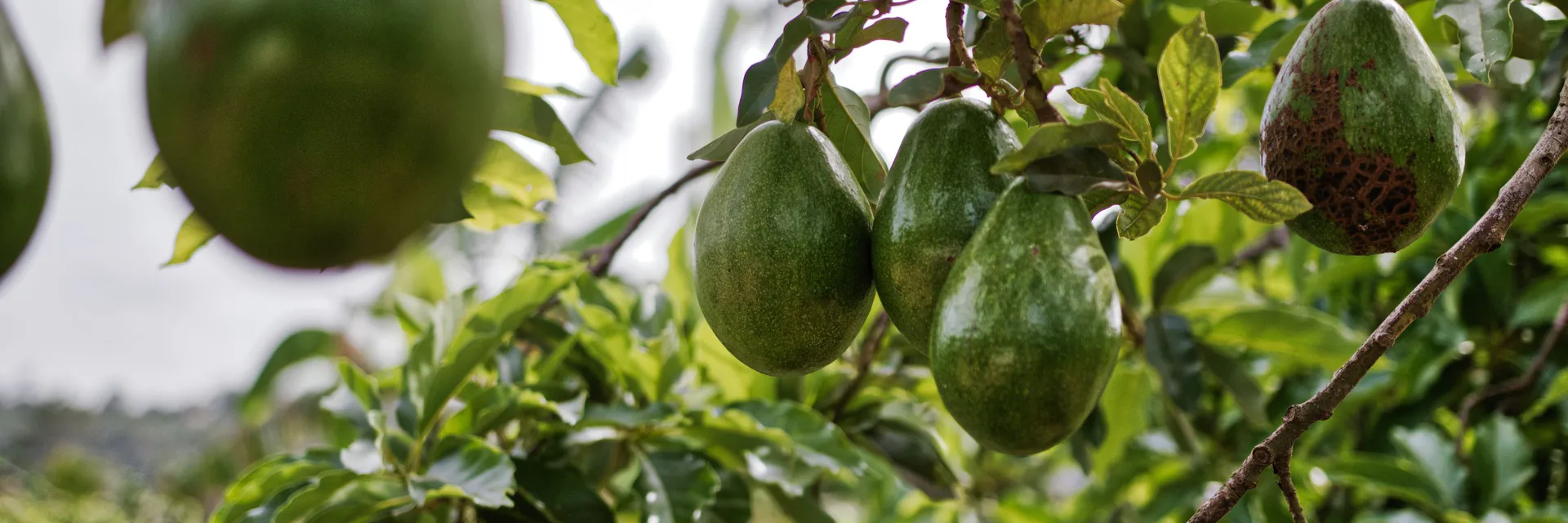
Spatial analysis reveals a severe and largely irreversible transformation of the lacustrine landscape. In the municipality of Pátzcuaro, the area dedicated to intensive avocado cultivation expanded dramatically from 87.70 hectares in 2000 to 4,894.16 hectares in 2023-an increase of nearly 5,000 hectares. Concurrently, traditional agriculture lost 4,323.08 hectares, and pine-oak forests receded by 1,260.60 hectares.
This agro-industrial conversion directly affected tule wetlands, which are essential for sediment biofiltration and pollutant retention before inflows reach the lake basin. Tule areas in Pátzcuaro decreased from 961.34 to 547.65 hectares.
| Land Use (Pátzcuaro) | Area 2000 (ha) | Area 2023 (ha) |
|---|---|---|
| Agriculture (avocado) | 87.70 | 4,894.16 |
| Tular (Wetlands) | 961.34 | 547.65 |
| Traditional agriculture | 18,061.42 | 13,738.34 |
| Forest | 21,612.52 | 20,351.92 |
Land Use in Pátzcuaro (own elaboration)
The dynamics of biofilter loss are even more drastic in the municipality of Tzintzuntzan. Records document an increase in avocado hectares, from 5 to 59, while the forest lost 1,398.71 hectares. The most critical issue is the almost total eradication of the riparian strip in this municipality, where the tulares (reed beds/wetlands) went from 293.66 hectares to only 22.71 hectares in the same period.
| Land Use (Tzintzuntzan) | Area 2000 (ha) | Area 2023 (ha) |
|---|---|---|
| Agriculture (avocado) | 5 | 59 |
| Tular (Wetlands) | 293.66 | 22.71 |
| Traditional agriculture | 5,743.98 | 6,384.98 |
| Forest | 5,999.25 | 4,600.54 |
Land use in Tzintzuntzan (own elaboration)
Historical Evolution of Water Quality (1990-2024)
The environmental deterioration caused by urban discharges and agricultural runoff has been progressive. A retrospective historical analysis integrating data from Jiménez Baltazar et al., Huerto Delgadillo et al., Tomasini Ortiz et al., and the authors’ own samplings demonstrate that the lake’s self-purification capacity has been exceeded.
Calidad del agua del Lago de Pátzcuaro, Michoacán, México.
Jersain Jimenez Baltazar, Rubén Hernández Morales, María Ramírez Martínez y Omar Domínguez Domínguez.
PLACE WHERE THEY BELONG: Laboratorio de Biología Acuática “J. Javier Alvarado Díaz” de la Facultad de Biología UMSNH.
| Type of Parameter | Parameter | Average Reported Value | Unit | Standard / Source | Evaluation or Potential Use |
|---|---|---|---|---|---|
| Field (in situ) | Water Temperature | 17.15 | °C | CE-CCA-001/89 | Suitable for irrigation, livestock, and aquatic life |
| Transparency (Secchi disk) | 16.59 | m | CE-CCA-001/89 | Indicator of turbid, mesotrophic waters | |
| Dissolved Oxygen | 4.61 | mg/L | CE-CCA-001/89 | Suitable for irrigation; slightly low for aquatic life | |
| Electrical Conductivity | 681.18 | μS/cm | CE-CCA-001/89 | Suitable for agricultural irrigation | |
| Salinity | 0.44 | CE-CCA-001/89 | Suitable | ||
| pH | 7.18 | - | NOM-127-SSA1-1994 | Suitable (slightly alkaline) | |
| Total Alkalinity | 101.14 | mg/L | APHA-AWWA-WPCF (1992) | Suitable | |
| Total Dissolved Solids | 416.24 | mg/L | NOM-127-SSA1-1994 | Suitable | |
| Laboratory - Chemicals | Ammonium (NH4+) | 0.15 | mg/L | NOM-127-SSA1-1994 | Suitable for irrigation; not suitable for aquatic life |
| Nitrites (NO2-) | 0.02 | mg/L | NOM-127-SSA1-1994 | Suitable | |
| Nitrates (NO3-) | 0.03 | mg/L | NOM-127-SSA1-1994 | Suitable | |
| Total Phosphorus | 1.10 | mg/L | CE-CCA-001/89 | Not suitable (exceeds 0.1mg/L limit) | |
| Biochemical Oxygen Demand (BOD5) | 5.15 | mg/L | CNA, 1989 | Good quality (low organic matter content) | |
| Laboratory - Biological | Total Coliforms | 439.65 | NMP/100mL | NMX-AA-042-SCFI-2015 | Not suitable for human consumption |
| Chlorophyll “a” (general reference) | Indicates mesotrophy with eutrophic zones in the northern basin | μg/L | Lind (1985) | Moderate biological productivity | |
| Organoleptic Properties | Odor and Taste | Unpleasant | Qualitative | NOM-127-SSA1-1994 | Not suitable for human consumption |
Water quality of Lake Pátzcuaro, Michoacán, Mexico
Source: Jersain Jiménez Baltazar, Rubén Hernández Morales, María Ramírez Martínez y Omar Domínguez Domínguez. Laboratorio de Biología Acuática “J. Javier Alvarado Díaz” de la Facultad de Biología UMSNH.
ESTUDIO ECOSISTÉMICO DEL LAGO DE PATZCUARO: Aportes en gestión ambiental para el fomento del desarrollo sustentable
Rubén I. Huerto Delgadillo, Sergio Vargas Velázquez, Carlos F. Ortiz Paniagua.
Place where they belong: IMTA y la Universidad Michoacana de San Nicolás de Hidalgo.
| Parameter | Average Value | Unit | Sampling Year(s) | Regulatory Reference | Observations |
|---|---|---|---|---|---|
| Temperature | 21.5 | °C | 2006-2009 | NOM-001-SEMARNAT-1996 | Stable temperatures; no marked thermal stratification |
| pH | 7.56 - 9.91 | - | 2006-2009 | NOM-001-SEMARNAT-1996 (6.5-8.5) | High values during algal blooms |
| Electrical Conductivity | 720 - 780 | μS/cm | 2006-2009 | NOM-001-SEMARNAT-1996 | High mineralization associated with agricultural runoff |
| Turbidity | 200 - 250 | UNT | 2006-2009 | NOM-127-SSA1-1994 (límite 5 UNT) | Elevated; indicates strong sediment resuspension and load |
| Dissolved Oxygen (DO) | 5.5 - 6.0 | mg/L | 2006-2009 | NOM-001-SEMARNAT-1996 | Sufficient for aquatic life, but variable by zone |
| Total Phosphorus | 0.11 | mg/L | 2006-2009 | OECD (1982) | Exceeds eutrophic limits (mg/L) |
| Total Nitrogen | 1.25 | mg/L | 2006-2009 | OECD (1982) | Indicates strong input of organic pollutants |
| Biochemical Oxygen Demand (BOD5) | 12.5 | mg/L | 2006-2009 | NOM-001-SEMARNAT-1996 | High organic load; evidence of wastewater pollution |
| Fecal Coliforms | NMP/100mL | 2006-2009 | NOM-001-SEMARNAT-1996 | Constant presence; water unsuitable for recreation | |
| Trophic State Index (TSI) | 80-95 | - | 2006-2009 | Carlson (1977) | Classified as hypereutrophic |
| Water Quality Index (WQI) | 40-55 | - | 2006-2009 | CONAGUA | Classification: “poor” to “very poor” |
Ecosystem Study of Lake Pátzcuaro
Source: Rubén I. Huerto Delgadillo, Sergio Vargas Velázquez, Carlos F. Ortiz Paniagua. IMTA y la Universidad Michoacana de San Nicolés de Hidalgo.
Compendio de estadísticas ambientales 2020
SEMARNAT.
| Parameter | Value Range (1990-2019) | Unit | Regulatory Reference | Observed Trend |
|---|---|---|---|---|
| Temperature | 18 - 22.5 | °C | NOM-001-SEMARNAT-2021 | Slight thermal increase; correlated with climate change and reduced water volume |
| pH | 7 - 9.3 | - | NOM-127-SSA1-2021 (6.5-8.5) | Elevated alkalinity, possibly due to algal proliferation and agricultural waste |
| Dissolved Oxygen (DO) | 3.5 - 7.1 | mg/L | NOM-001-SEMARNAT-2021 (mg/L) | Acceptable for aquatic life, with periods of hypoxia (mg/L) |
| BOD5 | 3.5 - 23.5 | mg/L | NOM-001-SEMARNAT-2021 (mg/L) | Exceeds limit in several years; indicates organic pollution |
| COD (Chemical Oxygen Demand) | 15 - 118 | mg/L | NOM-001-SEMARNAT-2021 | Very high values (2019); reflects degradation of organic matter |
| Oxygen Saturation | 83 - 107 | % | - | Slight decrease after 2014; evidence of reduced natural aeration |
Compendium of Environmental Statistics 2020 (SEMARNAT)
Monitoreo de descargas de aguas residuales y su impacto en el Lago de Pátzcuaro, México (2006–2011)
Ana Cecilia Tomasini Ortiz, Luis Alberto Bravo-Inclán, Javier Sánchez Chávez, Gabriela E. Moeller Chávez.
Place where they belong: IMTA.
| Parameter | Average or Median Value | Unit | Maximum Permissible Limit | Compliance | Observations |
|---|---|---|---|---|---|
| BOD5 | 40-131 | mg/L | 30 | Non-compliant | All sites exceed limit; worst years 2006-2007 |
| COD | 66-88 (median) / up to 728 | mg/L | 100 | Complies | Meets standard on average, but peaks are very high |
| TSS (Total Suspended Solids) | 20-120 | mg/L | 40 | Non-compliant | Exceeds standard at Janitzio, Tzintzuntzan, Guani, and Tzurumútaro Drain |
| Settleable Solids | mL/L | 1 | Complies | Meets standard | |
| Fats and Oils | 10-20 | mg/L | 15 | Partial | Exceeds limit in some years (2006-2007) |
| Total Nitrogen (Nt) | 11-52 | mg/L | 15 | Non-compliant | Very high; only Tzurumútaro Drain complies |
| Total Phosphorus (Pt) | 7-11 | mg/L | 5 | Non-compliant | Generalized nutrient excess; induces eutrophication |
| Fecal Coliforms | to | NMP/100mL | Non-compliant | Severe bacterial contamination at almost all stations | |
| Helminth Eggs | 0-10 | HH/L | 1 | Partial | Non-compliant at Tzintzuntzan and Erongarícuaro (2006-2007) |
| Cyanobacteria | - | cel/mL | - (WHO 2011: = high risk) | Non-compliant | High to very high health risk at Quiroga, Espíritu, and Pacanda |
| Microcystin-LR (MC-LR) | 2 - 3,500 | μg/L | 1 (WHO, 2011) | Non-compliant | Exceeds safety limit; water unsuitable for consumption/recreation |
Monitoring of Wastewater Discharges and Their Impact on Lake Pátzcuaro (Tomasini Ortiz et al.)
Source: Ana Cecilia Tomasini Ortiz, Luis Alberto Bravo-Inclán, Javier Sánchez Chávez, Gabriela E. Moeller Chávez. IMTA.
In the 1990s and early 2000s, BOD5 (Biochemical Oxygen Demand) levels averaged 5.15mg/L, remaining within healthy limits. However, more recent studies (2019-2024) document that the organic load permanently exceeds permissible limits, reaching averages of 16.3mg/L, with peaks of over 130mg/L in direct discharge zones. Total phosphorus has far exceeded the preventive limit of 0.1mg/L, recording values from 0.92mg/L to 1.10mg/L, confirming that the lake is in a state of chronic hypereutrophication.
Current turbidity has reached extreme values of 225.61UNT (exceeding the clean water limit of 5UNT from the NOM-127-SSA1 standard by up to 50 times). This is accompanied by increasingly hard and mineralized water, with an electrical conductivity of 770.05 S/cm and 385.02ppm of Total Dissolved Solids (TDS), a direct product of erosion from deforestation and sediments that wash fertilizers into the basin.
Thermal and Alkalinity Anomalies (2026 Field Campaign)
During May 2026, an intensive radial sampling was conducted on Tecuenita Island, an area geographically in the heart of the lake and considered a critical visual reference by the local population (under the premise “if Tecuenita grows, the lake dies”). The results show critical overheating: compared to historical averages of 17.15°C, the water temperature ranged between 27.83°C and 31.11°C. This thermal anomaly is a direct biophysical consequence of the aforementioned land-use change; the loss of vegetative canopy has induced a severe increase in surface soil temperatures, a condition corroborated in situ through the deployment of stem thermometers across the island. During precipitation events, surface runoff flows over these thermally elevated bare soils, acting as a convective heat vector that transfers thermal energy directly into the lacustrine system, escalating ambient, substrate, and water temperatures well above the 25°C threshold.
| Evaluated Parameter | Historical Range (1990-2010) | Recent Investigations (2019-2024) | Unit |
|---|---|---|---|
| Temperature | 17.15 a 18.0 | 19.2 a 21.72 | °C |
| Turbidity | 200 a 250 | 210 a 225.61 | UNT |
| Electrical Conductivity | 681 a 720 | 690 a 770.05 | μS/cm |
| BOD5 (Organic Matter) | 3.5 a 12.5 | 16.3 a | mg/L |
| Total Phosphorus | 0.11 a 1.10 | 0.92 | mg/L |
Physicochemical Parameters Over Time (own elaboration)
| Radial Sample (°) | pH | Temperature (°C) |
|---|---|---|
| 0-360 | 9.169 | 30.305 |
| 45 | 8.960 | 27.834 |
| 90 | 8.843 | 29.137 |
| 135 | 9.200 | 30.825 |
| 180 | 9.069 | 28.771 |
| 225 | 8.988 | 28.508 |
| 270 | 8.989 | 30.309 |
| 315 | 9.029 | 31.113 |
In situ sampling on Tecuenita island, own elaboration
Model of Anomalous Heat Transfer and Land-Use Change, Lake Patzcuaro (own elaboration)
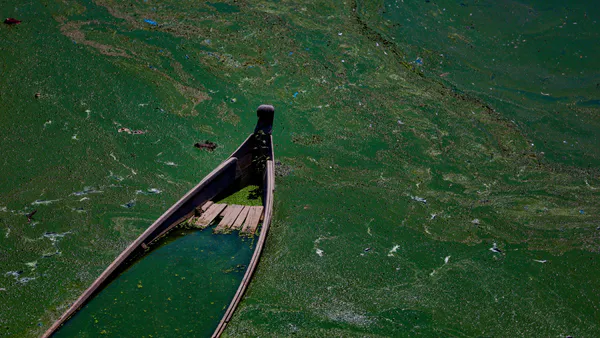
The photosynthetic hyperactivity of algal blooms triggered alkalinity levels to reach a pH of 11.83 and 12.00, an extremely caustic condition that creates an adverse environment for endemic species.
The results of the sampling conducted in May 2026 indicate that the deterioration of Lake Pátzcuaro not only continues but has intensified compared to previous studies. The physicochemical variables analyzed reflect an advanced eutrophic state, with signs of hypereutrophication in several areas.
Among the most relevant findings, the elevated water temperatures (between 22°C and 32°C) stand out, which are higher than historical ranges, a product of the lake’s reduced volume and its greater exposure to solar radiation. These values accelerate biological processes and favor eutrophication. The pH remained markedly alkaline, exceeding the recommended limits for the protection of aquatic life, which is evidence of intense proliferations of algae and cyanobacteria.
Likewise, high values of electrical conductivity and total dissolved solids (around 600ppm) were recorded, reflecting strong mineralization caused by agricultural runoff, wastewater discharges, and water loss through evaporation. One of the most alarming indicators was dissolved oxygen, which in several points fell below 1mg/L, generating conditions of severe hypoxia and practically dead zones in the lake.
Turbidity remained high due both to the resuspension of sediments in a shallow lake and the continuous inputs of organic matter and sediments from the basin. Altogether, these data describe an ecosystem under strong anthropogenic pressure, where untreated discharges, intensive agriculture, and land use changes have exceeded the lake’s self-regulating capacity.
The current state of Lake Pátzcuaro is critical. Without urgent interventions for pollutant control, restoration of riparian zones, and continuous monitoring, its degradation will continue to advance, severely affecting biodiversity and the traditional activities of local communities.
Basin-Scale Degradation and Lacustrine Functional Alteration
The observed loss of biophysical resilience in Lake Pátzcuaro corresponds directly to the structural degradation of its upper basin. According to recent regional territorial dynamics in Michoacán, the progressive decline in vegetative vigor, reflected in sustained decreases of the Normalized Difference Vegetation Index and the substitution of forest cover by intensive agricultural systems have altered regional hydrological functionality, reducing aquifer recharge and increasing accelerated surface runoff. When projecting this territorial dynamic onto the lacustrine basin, a negative synergistic effect becomes evident: the loss of riparian wetlands eliminates the primary barrier for sediment and pollutant biofiltration, while soil erosion in the upper reaches drags massive concentrations of agrochemicals and dissolved solids directly into the lakebed. This geomorphological and hydrological alteration suppresses the system’s thermal and chemical self-regulating capacity, explaining critical anomalies such as the abnormal increase in water temperature and the documented chronic hypereutrophication.
Discussion
To understand what is happening with Lake Pátzcuaro, one must start with the territory rather than the water. The land use change documented in this work goes beyond a transformation of the agricultural landscape, as established by Reyes Cázarez (2026). It is the gradual dismantling of the mechanisms the ecosystem used to absorb human pressure. The expansion of avocado monoculture in the municipality of Pátzcuaro—which went from 87 hectares in the year 2000 to nearly 5,000 in 2023—converted forest soils and traditional milpas into intensive plantations. These rely heavily on agrochemicals like glyphosate and paraquat, whose runoff reaches the lake without any barrier to retain it. In Tzintzuntzan, the process was equally aggressive, with a loss of almost 1,400 hectares of forest during the same period. This local shift reflects a macro-level crisis across Michoacán, where 70% of the state’s harvested rainwater is now diverted to agricultural production (Montaet al., 2021), driven by an export boom that saw statewide avocado plantations surge from 74,969 hectares in 1994 to over 158,800 hectares by 2017 (Montaet al., 2021). Nationally, this dynamic resulted in the loss of 66,272 km2 of forest between 1990 and 2015—an area larger than the state of Michoacán itself (Reyes Cázarez, 2018).
What connects this territorial change with the deterioration of the water is the destruction of the tular (reed bed) wetlands. These ecosystems functioned as the last line of filtration between the basin and the lakebed: they retained sediments, absorbed nutrients, and buffered the arrival of pollutants before they entered the lake. The loss of 684 hectares of tulares in the basin—with reductions from 961 to 547 hectares in Pátzcuaro and from 293 to barely 22 in Tzintzuntzan—eliminated this protection in the most critical stretches. Without this natural vegetative canopy to intercept rainfall and stabilize the substrate (Reyes Cázarez and Monta, 2024), excess nutrients, agrochemicals, and the organic load from untreated urban discharges flow directly into the lakebed.
Added to this dynamic is a factor that often remains in the background: the water demand of agro-industrial avocado plantations pressures the basin’s groundwater and contributes to the progressive reduction of the lake’s total volume. Morphometric tracking illustrates the severity of this deficit: between 1984 and 2025, the lake’s total water mirror shrank from 10,732 hectares to an estimated 6,790 hectares, representing a 37% loss of its original aquatic surface (Reyes Cázarez and Monta, 2024). With less water mass, the system loses its capacity for thermal regulation, explaining the most striking data from the May 2026 intensive radial sampling conducted on Tecuenita Island—a site regarded by the local population as a vital lacustrine biomarker under the premise “if Tecuenita grows, the lake dies” (Reyes Cázarez and Monta, 2024). Compared to historical averages of 17.15°C documented by earlier studies (Jiménez Baltazar et al., n.d.), the water temperatures recorded around the island ranged critically between 27.83°C and 31.11°C. This thermal anomaly is a direct biophysical consequence of the surrounding land-use change; the stripped vegetative canopy has induced a severe rise in bare surface soil temperatures, coinciding with local atmospheric maximums hitting 36.0°C (Reyes Cázarez and Monta, 2024). During precipitation events, surface runoff flowing over these superheated soils acts as a convective heat vector, transferring thermal energy directly into the lake and driving ambient, substrate, and water temperatures well past the 25°C threshold (Reyes Cázarez and Monta, 2024).
Once those thermal thresholds are crossed, hypereutrophication advances under a feedback logic that becomes difficult to stop. Total phosphorus currently reaches 0.92mg/L due to agricultural inputs and untreated urban discharges—almost ten times above the eutrophic limit of 0.1mg/L. That excess of nutrients, combined with anomalous temperatures, triggers cyanobacteria blooms. In their phase of maximum photosynthetic activity, they consume dissolved CO2 and raise the pH to caustic levels of 12.00 in areas of greatest algal concentration; upon decomposing, they deplete dissolved oxygen to generate severe hypoxia below 1mg/L, while releasing hepatotoxins such as microcystin into the system. Tomasini Ortiz et al. (n.d.) already documented microcystin-LR concentrations of up to 3,500μg/L in direct discharge zones, against the World Health Organization safety limit of 1μg/L. When compared to the 1990s baseline (pH 7.18, temperature 17.15°C, BOD5 5.15mg/L), the magnitude of the shift is undeniable: the lake has transitioned from a stable mesotrophic state to chronic toxic hypereutrophication. This empirical reality is corroborated across the basin’s five permanent monitoring stations (Reyes Cázarez and Monta, 2024): current turbidity averages 225.61UNT—exceeding the clean water threshold of NOM-127-SSA1-2021 by more than 50 times (Reyes Cázarez et al., 2024)—while electrical conductivity sits at 770.05 μS/cm, placing the lake squarely in the category of “hard water” resulting from chronic agricultural mineralization (Reyes Cázarez et al., 2024). Furthermore, total suspended solids reach 385.02ppm, surpassing the 20ppm maximum permissible limit of NOM-001-SEMARNAT-2021 by 1,825% (Reyes Cázarez and Monta, 2024).
The deterioration, however, is not limited to physicochemical parameters. The trophic chains have also been destabilized. The most sensitive endemic species have drastically reduced their populations, leaving space for invasive organisms that aggravate the problem from within. The achoque (Lake Pátzcuaro salamander) needs temperatures between 16 and 22°C and dissolved oxygen above 5mg/L (IUCN SSC Amphibian Specialist Group, 2020), conditions that today are practically nonexistent in the lake. The pescado blanco (white fish) requires clear and well-oxygenated waters during its spring reproduction (Chacón-Torres and Rosas-Monge, 1995), precisely when algal blooms reach their greatest intensity. The void left by these species has been occupied by carp and tilapia, which not only compete directly with native fauna but aggravate conditions by stirring up bottom sediment, increasing turbidity through resuspension, and preying on the early life stages of endemic species. The mascarita transvolcánica (Black-polled Yellowthroat) faces a different but equally critical dynamic: its exclusive habitat is the lake tulares (BirdLife International, 2020), and the almost total destruction of that cover in the basin explains the sustained decline of its population since the 1980s. The lake was not damaged on a single front but on all at once; deforestation, agro-industrial expansion, urbanization without sanitation, and invasive species reinforce one another, pushing regional administrative water basins into severe hydrological stress (Montaet al., 2021) and generating a state of degradation that exceeds the natural recovery capacity of the ecosystem.
Conclusions
Field data and comparative historical analysis confirm that Lake Pátzcuaro is going through an advanced phase of physicochemical and biological deterioration, the cause of which is not an isolated factor but the accumulation of decades of anthropogenic pressure on the ecosystem itself. The conversion of thousands of hectares of forests and wetlands into extractive agriculture and monocultures has destroyed the natural mechanisms that allowed the lake to regulate and recover itself. The current documented conditions, with temperatures exceeding historical averages by more than 10degrees, extreme alkalinity, turbidity that multiplies the clean water threshold by 45, and severe bacteriological contamination, mean that the water body can no longer sustain the native species that give it its ecological and cultural character, nor guarantee safe conditions for any direct human use. The proliferation of carp and tilapia has aggravated this scenario, altering the structure of the lacustrine habitat and hindering any spontaneous process of biological recovery.
The results support the working hypothesis: agro-export expansion and peripheral urbanization without sanitation infrastructure are the main drivers of this environmental crisis, added to which is the hydric overexploitation of the basin that reduces the lake’s volume and its thermal regulation capacity. The deterioration was neither sudden nor inevitable; it was the result of territorial policy decisions that prioritized economic growth over the sustainability of the ecosystem and that for decades found no effective institutional counterweight.
Reversing this process requires concrete measures that admit no further delay. The expansion of the agricultural frontier in the basin must be stopped with an effective moratorium that prevents the further conversion of forest soils and wetlands into intensive plantations. In parallel, real control is needed over the clandestine extraction of groundwater that currently feeds monocultures at the expense of the lake’s volume. The wastewater treatment plants of the four riparian municipalities must operate continuously and with sufficient capacity to process current discharges, which today reach the lake practically untreated. To these actions must be added ecological restoration projects that prioritize reforestation with native species on deforested slopes and the active recovery of tular ecosystems in riparian stretches where they practically disappeared. These are the minimum conditions to attempt to return to the lake some of its natural filtration and regulation capacity. Without them, the deterioration will continue to advance to a point where recovery will cease to be a real option.
Future Perspectives: If a participatory governance that involves and professionalizes local inhabitants is not consolidated, the crisis will transcend the mere loss of biodiversity in the different strata of the basin or the depletion of the water mirror. The imminent risk lies in a health emergency of catastrophic proportions, where the physicochemical deterioration and pathogenic load generate epidemiological niches conducive to outbreaks of severe infectious diseases, such as cholera or hemorrhagic fevers similar to Ebola.
If the current trajectory of lacustrine degradation remains unaddressed, Lake Pátzcuaro faces an imminent transition from severe physicochemical impairment to total biological collapse. Statistical projections indicate that without urgent systemic intervention, the lake will lose 58.98% of its surface area by the year 2050. This physical contraction, coupled with sustained maximum temperature spikes across the southern basin, directly threatens the survival of its irreplaceable endemic fauna. The achoque (Ambystoma dumerilii) and the pescado blanco (Chirostoma estor) face physiological thresholds that the water column can no longer support; the former is pushed toward extinction by severe hypoxia, while the latter’s spring spawning is systematically suffocated by hyper-turbidity and toxic algal blooms. Similarly, the acúmara (Algansea lacustris)—already functionally extinct in the wild—faces insurmountable competition and bottom-sediment resuspension from introduced carp and tilapia. On the shoreline, the loss of the tular wetlands seals the fate of specialized avian endemics like the mascarita transvolcánica (Geothlypis speciosa), whose nesting canopy has been virtually dismantled. Ultimately, conserving this fauna requires moving beyond isolated species-rescue efforts toward integrated watershed management that addresses the root conflict between human consumption and agricultural water demand.
I express my gratitude to the Universidad Autónoma de Chapingo, as well as to the Instituto Tecnológico Superior de Pátzcuaro for the conditions to be able to develop this work; from this work will be developed the master’s degree thesis entitled “Social and Environmental Impact of urbanization and gentrification in communities on the shores of Lake Pátzcuaro,” which will be presented in August 2026. I also thank Dr. Sergio Segura Ledesma, Dr. Maria de Lourdes Barón León, Dr. Marcial Reyes Cázarez, and colleague Lesly Limairi Baez Roja, who is soon to present her bachelor’s degree thesis entitled “Evaluation of Environmental Indicators, Biomarker, Pollution and Climate Change in Lake Pátzcuaro Michoacán, Mexico.”