



A recipe for the urgent need for protection, guardianship, and defense of persons, marriage, and families, always from a juridical-doctrinal and curatorial perspective
AI TAKEAWAY
Abstract
This book presents an interdisciplinary examination of the protection, guardianship, and defence of the human person, marriage, and the family, with particular attention to their juridical, doctrinal, historical, theological, and pastoral foundations. Beginning with the evolution of the concept of personhood, the study affirms human dignity as the fundamental principle upon which legal rights, social responsibilities, and institutions of protection must be constructed.
At the centre of the analysis is the Roman legal institution of the curator ventris, a guardian appointed to protect the interests of the conceived but unborn child, particularly in circumstances where the protection ordinarily provided by the pater familias was absent. Through historical and doctrinal analysis of Roman legal sources, the book investigates the functions, appointment, responsibilities, and underlying purposes of the curator ventris. It also examines whether this institution should primarily be classified as cura personae, concerned with the protection of the person, or cura bonorum, concerned with the preservation of property and inheritance. Particular consideration is given to dignitas as a guiding juridical principle in understanding the institution’s protective mission.
The study subsequently extends its analysis to marriage and family through Roman law, civil law, canon law, constitutional principles, Christian theology, and selected comparative legal systems. Marriage is considered not merely as a contractual arrangement but as a legal, ethical, social, and, within Christian traditions, sacramental union founded on consent, reciprocity, responsibility, solidarity, and openness to family life. The family is examined as a primary environment of care, personal development, intergenerational responsibility, and social cohesion.
The book concludes that the protection of persons, marriage, and families must not remain a formal legal declaration. It requires effective institutions, public policies, pastoral action, and practical safeguards capable of protecting human dignity throughout every stage of life, especially in circumstances of vulnerability, exclusion, violence, dependency, or absence of representation.
About the Authors
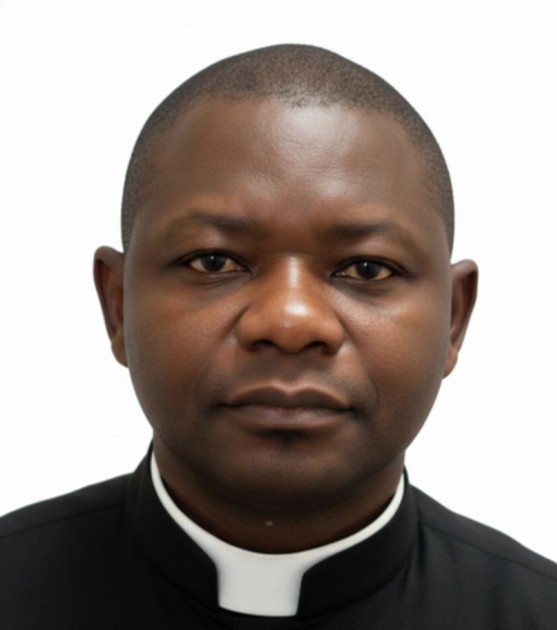
Table of Contents
Academic Disclosures
Ethical Approval
Not applicable for this article.
Conflict of Interest
The authors declare no conflict of interest.
Data Availability
Not applicable for this article.
Acknowledgement
The author thanks God, family members, teachers, academic mentors, colleagues, benefactors, friends, and collaborators whose support, dialogue, encouragement, and spiritual guidance helped sustain the research and reflection behind this work.
AI Use Disclosure
No generative AI use is disclosed for analysis or results,
No statement was found indicating that AI was used to write the book.
Trial Registration
Not applicable for this article
Funding Organization
No external funding was declared for this work.