## Computational Thinking and the Curriculum of Mathematics in Portugal
O Pensamento Computacional e o Curículo da Matemática em Portugal
Aahanatinsa pedagogical trends (Wing, 2006, 2010; NRC, 2011).
In the same perspective Pollock et al. () characterize computational thinking as decomposition, algorithms, data and abstraction.
According to Selby & Woolard (213) and Tabesh (27), computational thinking, in addition to being the solution.
This was th ramework thatwas taken itoaccount for thesta teMatmapilo projt, promotd Dirae-Ectioatiniatitati (APM), University of Coimbra (UC) and of the CCTIC of the University of Évora (CCTIC UE).
This project started in, involved teachers of the 1stCyl of Basic Education from 3 Groups of Schools oa work on issues of computational thinking, algorithms and computing, in the classroom, with students.
Thein considerations point tthe iportance thetheme n the awareness theeaing thatth ntd coataceno with raduoxelu ndetmaticlga gnralizing ransferring theprobem-oing proes wide variyo simiar tsksth importance the student in the evaluation process in the sense of self-assessment and self-correction.
Resumo- A ênfase na importância da programação e pensamento computacional tem sido uma constante nas correntes pedagógicas recentes (Wing, 2006, 2010; NRC, 2011).
Na mesma óptica Pollock et al. (2019) caracterizam o pensamento computacional como a decomposição, algoritmos, dados e abstração.
Segundo Selby & Woolard (2013) e Tabesh (2017) o pensamento computacional para além de estar associado à decomposição, reconhecimento de padrões, algoritmia e abstração, identificam a importância da açãacçã a solução.
Desta forma, há uma convergência de várias áreas que promovem o desenvolvimento da literacia matemática, ou seja, a capacidade de utilizar conhecimentos matemáticos na resolução de problemas da vida quotidiana (Ponte, 2003).
Foi este o enquadramento que foi tido em conta para o início do projeto piloto MatemaTiC, promovido pela Direção-Geralda Educação (), com a organização conjunta da Associação de Professores de Matemática (APM, da Universidade de Coimbra (UC) e do CCTIC da Universidade de Évora (CCTIC UE).
Este projeto, iniciado em 2019, envolveu professores do 1.o Ciclo do Ensino Básico de 30 Agrupamentos de Eonaxsaçã deste nível de ensino, para dar suporte ao desenvolvimento das suas competências profissonais nos domínios da matemática e das TC, para que fiquem habilitados a trabalhar as questões do pensamento computacional, da algoritmia e da computação, em sala de aula, com os alunos.
As considerações finais apontam para a importância da temática na tomada de consciência das aprendizagensqu pretendem consolidar nos alunos;aportânciados contúdos desenvolver;oprocesso apoio aos alunos com tarefas gradualmente mais complexas, ajudando a construir raciocínios e a desenvolver linguage matemática;iortânciaa generalização transferênciaoprocesso resolução e roblemas uma ala vaidade tras smlhantes;iortânciao trabalho colaborativoopaetivoolo construção do conhecimento; e na importância de envolver o aluno no processo de avaliação no sentido de se autoavaliar e de se autocorrigir.
Palavras-Chave: ensino e aprendizagem da matemática, pensamento computacional; resolução de problemas.
Artigo
Em contexto educativo, numa sociedade marcada por rápidas mudanças sociais, decorrentes da evolução científica e tecnológica, torna-se premente que os alunos passem de meros consumidores tecnológicos a produtores de conteúdos. Os alunos de hoje têm de ser preparados para profissões que não existem, pelo que, mais do que conhecimentos, necessitam de adquirir competências para o século XXI, que lhes vão permitir reconstruir o conhecimento à medida das necessidades das novas profissões. O Pensamento Computacional surge, assim, como uma das competências-chave dentro do quadro das $21 ^ { \mathrm { s t } }$ Century Skills, de acordo com o referido no DigiCompEdu - Quadro Europeu de Competência Digital para Educadores.
A ênfase na importância da programação e pensamento computacional tem sido uma constante nas correntes pedagógicas recentes (Wing, 2006, 2010; NRC, 2011). Nas áreas das Ciências, Tecnologias, Engenharias, Artes, Matemática (STEAM), a programação e a robótica revestem-se de particular importância, sendo reconhecidas como indispensáveis no desenvolvimento de competências, tais como a resolução de problemas e o aumento da eficiência através da automação (Wing, 2010).
Desta forma, afigura-se necessário o desenvolvimento do pensamento computacional porque envolve a resolução de problemas, o que enfatiza a ideia de Polya (2004), que definiu a abstração (definida como a combinação de analogia, generalização e especialização) e a decomposição de problemas como cruciais para o sucesso na resolução de problemas.
Na mesma óptica Pollock et al. (2019) caracterizam o pensamento computacional como a decomposição (divide um problema em sub-problemas), algoritmos (cria uma série de etapas ordenadas para resolver um problema ou alcançar uma meta), dados (analisa um conjunto de dados para garantir que facilita a descoberta de padrões e relações) e abstração (reduz a complexidade para criar uma representação geral de um processo ou grupo de objetos para que não seja apenas apropriado para o objeto imediato, mas também para que possa ser usado em diferentes contextos).
Selby & Woolard (2013) e Tabesh (2017) mencionam que o pensamento computacional para além de estar associado à decomposição, reconhecimento de padrões, algoritmia e abstração, identificam a importância da depuração, ou seja, a capacidade para testar e avaliar a eficácia da solução, corrigir erros e procurar refinar e otimizar a solução.
Desta forma, há uma convergência de várias áreas que promovem o desenvolvimento da literacia matemática, ou seja, a capacidade de utilizar conhecimentos matemáticos na resolução de problemas da vida quotidiana (Ponte, 2003).
Foi este o enquadramento que foi tido em conta para o início do projeto piloto MatemaTIC, promovido pela Direção-Geral da Educação (DGE), com a organização conjunta da Associação de Professores de Matemática (APM), da Universidade de Coimbra (UC) e do CCTIC da Universidade de Évora (CCTIC UE).
Para além das referências anteriormente mencionadas tivemos em consideração os documentos curriculares, atualmente em vigor, nomeadamente: o Perfil dos Alunos à Saída da Escolaridade Obrigatória, as Orientações curriculares para as TIC no 1.° CEB e as Aprendizagens Essenciais da Matemática.
Estes documentos curriculares têm um carácter central, enquanto conteúdos de aprendizagem na área curricular de Matemática, tanto nas transversais, como conhecimentos matemáticos, assim como nas atitudes face à matemática.
Este projeto surgiu tendo como referência os autores de renome na área do pensamento computacional e por outro lado como uma necessidade de dar resposta às necessidades dos alunos do século XXI. Salientamos que o pensamento computacional já fazia parte do currículo de 11 países, tais como Eustria, República Checa, Dinamarca, Finlândia, França, Grécia, Hungria, Itália, Lituânia, Suíça e Turquia.
Este projeto, que contribuiu para a reflexão do Grupo Trabalho de Matemática, criado no âmbito do Despacho n.° 12530/2018, alterado pelo Despacho n.° 7269/2019, quereconheceu como necessidade futura relativa à educação matemática o pensamento computacional e as diferentes áreas a ele associadas.
Este projeto, iniciado em 2019, envolveu professores do 1.° Ciclo do Ensino Básico de 30 Agrupamentos de Escolas de Portugal continental e teve como objetivo principal a criação de recursos e contextos de formação para professores deste nível de ensino, para dar suporte ao desenvolvimento das suas competências profissionais, nos domínios da matemática e das TIC, para os habilitar para trabalhar as questões do pensamento computacional, da algoritmia e da computação, em sala de aula, com os alunos.
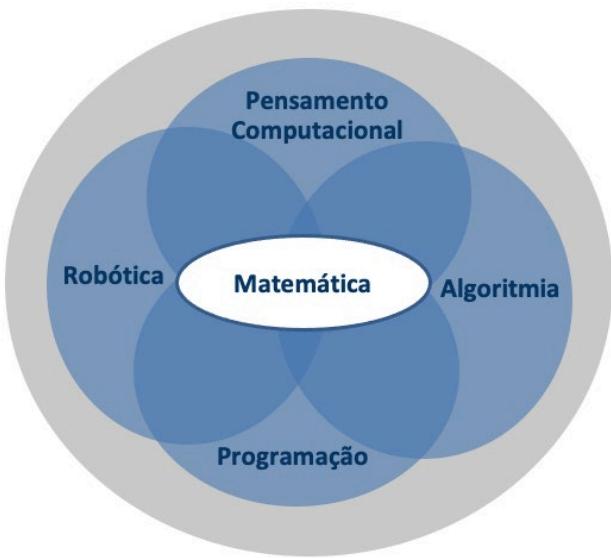 Figura 1: A literacia matemática como ponto de convergência
Os objetivos gerais deste projeto foram: (1) Sensibilizar para a importância destes conteúdos na formação dos alunos do século XXI; (2) Preparar e realizar uma formação para professores em que se mobilizem conceitos do currículo da matemática, de algoritmia, pensamento computacional e programação e se preparem atividades práticas para a sala de aula; (3) Identificar e avaliar as potencialidades do recurso a tarefas que relacionem a Matemática com as TIC; (4) Criar um conjunto de recursos educativos que sirvam de suporte ao trabalho de outros docentes deste nível de ensino.
Integradas na fase de implementação do projeto MatemaTIC, as formações de formadores e de professores decorreram ao longo do ano letivo 2020/21 em regime de elearning. No processo de formação participaram 11 formadores e 107 professores, distribuídos por 9 turmas de norte a sul do país.
Estas formações, na modalidade de curso, realizaram-se de forma articulada, permitindo a existência de tempo, por um lado, para que os formadores discutissem conceitos e dinâmicas de formação e, por outro, para que os professores se apropriassem dos conceitos trabalhados nas tarefas propostas e, deste modo, tivessem condições para as implementar com os seus alunos. Foram, ainda, criadas condições para que os professores pudessem desenhar e/ou adaptar tarefas matemáticas com a intencionalidade de integração e desenvolvimento de práticas do pensamento computacional.
### Formação de Formadores
Curso de formação de 25h
Desenvolvimento do Pensamento Computacional em articulação com as Aprendizagens Essenciais de Matemática do 1.o Ciclo do Ensino Básico
#### Formação de Professores

Curso de formação de 25h
Desenvolver o pensamento computacional dos alunos no 1.o ciclo: articulação entre Matemática e TIC
### (outubro 2020 a junho 2021)
Figura 2: Esquema com organização da formação de formadores e com a formação de professores
No âmbito da formação, foram trabalhadas tarefas matemáticas, que contemplam o uso de recursos muito diversos (desde o papel e lápis, às linguagens de programação por blocos) e as respetivas práticas de sala de aula, tendo sido planificadas com a intencionalidade de desenvolver o pensamento computacional, através da explicitação de práticas como a abstração, a decomposição, o reconhecimento de padrões e a depuração. Os recursos educativos trabalhados, discutidos e implementados, serão tornados públicos, sob a forma de e-portfolio, para serem utilizados por outros professores deste nível de ensino.
Ao longo do projeto, foram organizadas reuniões de acompanhamento, para as quais foram envolvidos elementos da DGE, da APM, bem como da Universidade de Coimbra e do CCTIC da Universidade de Évora. Paralelamente, foi criada uma comunidade de prática, que serviu de apoio e suporte à formação, facilitando o processo de comunicação entre os formadores e professores, através da interação em fóruns de diálogo e partilha de ideias/materiais.
Deste projeto será elaborado um relatório, pela equipa da Universidade de Coimbra, que será tornado público, com dados relativos a:
- Metodologias de Ensino;
- Processos e métodos de implementação de práticas inovadoras;
- Impacto dessas práticas no desenvolvimento profissional dos professores;
- Outros dados considerados pertinentes.
Ainda no âmbito do projeto, decorreu, nos dias 7 e 8 de maio de 2021, o Evento Nacional MatemaTIC, com o título: "O Pensamento Computacional e o Currículo da Matemática em Portugal".
Na $1. \Psi$ parte do evento, concretizou-se uma discussão em torno dos fundamentos de diversas áreas das Ciências da Computação, em articulação com o currículo da Matemática e, na $2. \Psi$ parte, foram apresentadas algumas das atividades práticas desenvolvidas com professores e alunos. Participaram 1330 professores, formadores, especialistas e público em geral.
Deste projeto resultou a reflexão de que as ações de formação tiveram um impacto muito positivo quer nos formandos, quer nos formadores, porque, para além do desenvolvimento de conhecimentos, capacidades e atitudes, se promoveu a ligação entre especialistas e professores e foram sugeridas boas práticas que se assumiram como modelos para a replicação da formação.
Como resultados desta formação sublinhamos uma evolução dos formandos no domínio e na aplicação de práticas do pensamento computacional e foram desenvolvidas aprendizagens e metodologias e estratégias de ensino ativas e motivadoras que levaram os alunos e os professores a desenvolverem competências básicas ao nível da matemática e da prática do pensamento computacional. É ainda de salientar a reflexão que os formandos fazem da formação porque evidenciaram:
- A tomada de consciência das aprendizagens que pretendem consolidar nos alunos;
- A importância dos conteúdos a desenvolver;
- O processo de apoio aos alunos com tarefas gradualmente mais complexas, ajudando a construir raciocínios e a desenvolver linguagem matemática;
- O importância da generalização e transferência do processo de resolução de problemas para uma ampla variedade de tarefas semelhantes;
- A Importância do trabalho colaborativo;
- O papel ativo do aluno na construção do conhecimento; e
- A importância de envolver o aluno no processo de avaliação no sentido de se autoavaliar e de se autocorrigir;
Neste processo destacamos como dificuldades a adaptação da formação na modalidade de oficina, com regime presencial para a modalidade de curso em regime de e-learning uma vez que a manipulação de materiais concretos constituía uma mais-valia da formação. Porém, apesar dos constrangimentos verificou-se uma melhoria gradual da capacidade de explorar e discutir matemática e consequente melhoria das segundas versões das tarefas realizadas nas sessões assíncronas.
Em jeito de síntese, podemos destacar a ênfase crescente nas práticas de pensamento computacional na abordagem das tarefas matemáticas e também é de salientar a importância da discussão de conceitos matemáticos e práticas de sala de aula e do desenvolvimento do pensamento computacional de forma integrada.
Neste contexto, apresentamos como sugestão o desenvolvimento e alargamento das ações a criação de redes de escolas e de formadores que possam replicar a formação, permitindo a construção de uma comunidade de apoio ao trabalho a ser produzido, criando uma estrutura de apoio intermédia.
Generating HTML Viewer...
References
10 Cites in Article
G Martins (2017). Unknown Title.
Nrc (2010). Report of a Workshop on The Scope and Nature of Computational Thinking.
L Pollock (2019). Infusing Computational Thinking Across Disciplines: Reflections & Lessons Learned.
J Ponte (2003). Org.), Literacia e cidadania: Convergências e interfaces (CD-ROM.
No ethics committee approval was required for this article type.
Data Availability
Not applicable for this article.
How to Cite This Article
Sandra dos Anjos. 2026. \u201cComputational Thinking and the Curriculum of Mathematics in Portugal\u201d. Global Journal of Science Frontier Research - F: Mathematics & Decision GJSFR-F Volume 22 (GJSFR Volume 22 Issue F4).
Explore published articles in an immersive Augmented Reality environment. Our platform converts research papers into interactive 3D books, allowing readers to view and interact with content using AR and VR compatible devices.
Your published article is automatically converted into a realistic 3D book. Flip through pages and read research papers in a more engaging and interactive format.
Our website is actively being updated, and changes may occur frequently. Please clear your browser cache if needed. For feedback or error reporting, please email [email protected]
Thank you for connecting with us. We will respond to you shortly.