The future growth of sustainable tourism and its contribution to the Tanzanian economy depends to a large extent on the entrepreneurs with knowledge and ability to supply tourists with the quality services and or products which favor inclusiveness. Entrepreneurs face a challenge of understanding the customer and serve them in a sustainable way. While sustainable tourism development has a close link to the environment, inclusiveness literally means opening more opportunities for people to participate in tourism and results to a more fairly economic distribution of the tourism benefits across the society. While it often includes people with disabilities inclusive tourism also, has no clear boundaries but the services and products offered to enable enjoyment for all is what may shape the boundary, define the degree of inclusivity and benefits. This case examines the characteristics of visitors to Mwanza for effective and successful development and management of a regional tourism for inclusive growth. The case adopts both qualitative and quantitative techniques for data collection. A total of 84 respondents informed this study. For quantitative data a google form was prepared and circulated around and received a total of 74 respondents (80% non-residents and 20% residents).
## I. INTRODUCTION
The two concepts of sustainable development and sustainable tourism are widely advocated in association to activities that affect environment and climate as a result of human and industrial development (Cosbey, 2009). Development that meets the needs of the present generation without jeopardizing the future, the inclusion of the private sector, the inclusion of Small
Island Development States (SIDS), the gaining of the mutual benefits, increasing the earnings of the poor people living in the rural communities, ecotourism, green tourism, pro-poor tourism, and responsible tourism are some of the major concepts that one would learn as far as the sustainable development, and tourism is concerned (Spillane, 2020; Raderbauer, 2011; Cosbey, 2009; Swarbrooke, 1999; Inskeep, 1998 & WCED, 1987). Nevertheless, inclusive, sustainable tourism is often viewed as tourism that should offer its services by responding to the different needs of people especially, by designing solutions to cover as many groups as possible. It is argued that sustainable development will remain a dream without the involvement of the diverse sectors and all the people thus, the authors advocate for a participatory approach to tourism development destinations.
The tourism sector is potential because it contributes to economic development and reduction of poverty while contributing to the quality of life and happiness of people despite the many challenges associated with its development (Ashley, C., & Goodwin, H. 2007; Anderson, 2013; Kessy, 2019 and Rademakers 2011). Opportunities for tourism development are myriad, as tourism is a multisectoral and diversified sector (Jafaris, 1977). By definition, tourism is consumed away from the consumer's home environment, and therefore, access to tourists' places is critical to thriving tourism development (Moschin, 2020; Spillane, 2020; Kessy, 2019; Gossling, Hall, and Scott, 2009); Moschin 2020 and Rademakers, 2011 uphold that adequate infrastructure, well-formulated policies, and touristic attractions are some of the factors that may attract and enhance visitors' satisfaction. Thus, the sustainable and inclusive growth of tourism requires multiple criteria, including the study of market demand for tourism products.
## II. PROBLEM STATEMENT
For many years tourism has been considered a sector that contributed to economic development with a contribution of over Tanzanian shillings 6,138.6 billion or around USD 2.6128 billion in 2019, apart from the creation of over 1,550,000 job opportunities in Tanzania (WTTC, 2020). It has been acknowledged as a high- impact sector for accelerating sustainability, significantly when investing in people and nature. That means increasing sustainable consumption and production. Tanzania tourism has for a long time been marketed based on its natural resources, which is the main attraction for tourism. Despite high chances of community socialization and inclusion, other products such as cultural tourism, marine, and sports tourism have had little attention due to lack of education and innovation (Busagara, 2021; Kessy, 2017). Another essential but little-stated reason is market. Overreliance on almost one type of product and little utilization of other resources is thought to have been attributed not only to the kind of tourists the country target and receive but also because of the knowledge gap that exists between the supply and demand characteristics of the touristic product (Kessy, 2016). Tanzania has always targeted nature wildlife-based "leisure high-end tourists" with the High-Value Low-Volume (HVLV) Strategy. This type of tourism has contributed a lot to scientific tourism mainly research on biodiversity control, wild animals (wildlife), and forests, resulting in the concepts such as ecotourism, green tourism, and pro-poor concepts, all to protect wildlife and bring benefits to the communities. Product lines such as beach and other aquatic tourism emerged as a product of the measures put in Zanzibar about 60 years ago just as an alternative to the clove economy, which was failing (Kessy, 2016). However, since the adoption of the Structural Adjustment Programs (SAPs) in the early 1990s, Tanzania has experienced an increasing number of private business enterprises in tourism. Such enterprises are competing for the same resources and relying on the same (traditional) way of developing tourism. How easy could the use of traditional approaches to markets assist Tanzania in reaching its ambitious target of five million tourists in the year 2025? While the expansion to other types of tourism requires an understanding of the customer and, therefore good planning, what are the characteristics of customers visiting less visited destinations such as Mwanza? The findings of this study are also geared to close the scant gap of literature that exist in regional tourism development (Hall et al., 2007).
## III. LITERATURE REVIEW
### a) Conceptualizing Sustainable Tourism and Inclusive Ecohnomic Growth
The concept of sustainable development received much attention in the 1980s as scientists continued to worry about environmental resources and social justice. The idea appeared for the first time in a strategy paper for the International Union for Conservation and Nature (IUCN) in the same year (Klarin, 2018; Kessy, 2022), although sustainability was not a new concept to many (Moschin, 2020). Tourism has been acknowledged as a driving force in accelerating the implementation of sustainable development goals. Moschin (2020) gives a great summary of the evolution of the term sustainability and sustainable tourism development. The author recalls the world-changing reports such as the Club of Rome's 'Limits to growth' report and the famous UN report 'Our Common future', which is also known as the 'Brundtland Report of 1987. The former had concerns about population growth and resource scarcity while the latter brought the environmental and development issues to the political domain and resulted in the widely known definition of sustainable development commonly used today (Meadows and Meadows, 1972; WCED, 1987; Moschin, 2020). In the 1980s also, as a result of SAPs, Asian countries laid down export-led growth strategies that promoted trade as a potential engine for economic growth (Cosbey, 2009). The exports were thought to ignite the industrial revolution and contribute to global warming. The strategies increased concerns about how human development and the associated activities would affect climate. It was assumed that by adopting the SAPs many organizations would practice unsustainable economic development models therefore the need to increase consciousness to the environment and society. The Brundtland report contains the three pillars of sustainability focused on the economic, social, and environment. Those formed the sustainability triangle which was later added with "institution" as an important factor in attaining sustainability. The 1992 Rio Convention on Climate Change and Biodiversity Protection which comprised 173 nations, approved the famous Agenda 21 as a global program for Sustainable Development (SD). The main aim was to enhance the quality of planning and management of tourism (ICLEI, 2000). However, that initiative has been criticized for the lack of proper funding resulting in little or no implementation of the designed strategies. All those deliberations were later followed by the Millennium Development Goals (MDGs) in 2000 before the Rio +20 UN Conference of 2012, which produced the "Future We Want" document. The "Future We Want" focuses on the three key dimensions of sustainable development, which are poverty reduction, promotion of sustainable patterns of consumption and production, and protection of the natural resources base for social, economic development (Cosbey, 2009). The importance of working "together to promote sustained and inclusive economic growth, social development and environmental protection and thereby to benefit all in the promotion of the world which is just, equitable and inclusive" is also emphasized (United Nations, 1992). It was the Rio +20 summit which was followed by the UN Member States in adopting agenda 2030 in 2015 whereby the 17 Sustainable Development Goals and 169 targets to serve the purposes of sustainable growth are identified. The guiding principles of Local Agenda 21 were reestablished in a more related documents in that
new world agenda. However, the most notable difference between MDGs and SDGs is that with the SDGs, the UN requires even the private sector to support the agenda of 2030 through their marketing strategies (Pizzi et al.,2020). Sustainability as a subject and as a tool for measuring success was then widely adopted across society. For example, while making a bibliometric analysis (Pizzi et al.,2021) revealed around 5,000 authors and five (5) journals related to sustainable tourism and its management, which emerged between 2015 -2021. The authors claim that sustainability has direct impact to natural systems and general livelihood.
According to Goldsmith and Allen (1972) ssustainability also, has its roots in forests. Their publication "Blueprint for Survival" raised a lot of attention in the context of man's future and his relation to growth, resource use, and pressure on the environment and for the first time, it was used by the United Nations (UN) in 1978. Broadly speaking therefore, sustainability is about ensuring everlasting and probably unmeasured prosperity due to human development. It remains an ambiguous and unclear term. Nevertheless, (Klarin, 2018) questions the achievement of sustainability because the three dimensions of social, economic and environment compete each other.
### b) The Inclusive Economic Growth
The term inclusive cannot be perceived as generic as it may be thought. According to Heng (2019), the Global Sustainable Tourism Council (GSTC) views inclusive as making tourism accessible for travelers with impairment and inaccessibility. Also, the term means making tourism gains more fairly distributed across societies while creating opportunities for all. On one the hand, making tourism accessible for all is backed by the rapidly aging population and around 15 percent (one billion people) of the world population living with disabilities (Ivers, 2022). To serve them well emphasis is placed on designing and implementing solutions that considers access needs, especially for the sites and facilities that are not accessible to all. Impaired traveler explains Heng (2019) have spending power with higher multiplier effect since they are likely to travel with other people (they influence purchases for different people of their party). The market segment makes USD 70 billion market in the US and Europe. $15\%$ of the world's population living with some form of disability include visual impairment, hearing loss, intellectual disability, and those who need a wheel-chair. The latter (fair distribution of tourism gains) received much attention in most developing countries where little knowledge of the earlier exists. Ardika (2019) contends that equitable distribution of the benefits of resource cannot be achieved if the communities are not empowered enough. The author describes community empowerment in terms of having their needs taken care of by different institutions or tourism organizations as well as having full right to approve or disapprove policy issues. In the end, for a tourism business to remain competitive, Heng (2019) suggests the application of the Universal Design for tourism products development and management. By definition, the universal design "is the design and composition of an environment so that it can be accessed, understood and used to the greatest extent possible by all people regardless of their age, size, ability or disability. An environment (or any building, product, or service in that environment) should be designed to meet the needs of all people who wish to use it. Such a requirement is not special only for the benefit of minority of the population. It is a fundamental condition of good design. If an environment is accessible, usable, convenient, and a pleasure to use, everyone benefits" (Heng, 2019). Despite that fact, one of the significant barriers that hinder many businesses from being inclusive is the lack of sufficient understanding of the diverse needs of the customers. Customers are different; thus, companies have to get prepared to offer diversified products. Inclusive sustainable development has been emphasized in the Local Agenda 21 which emphasizes economic development as a tool for poverty alleviation (United Nations, 1992).
### c) The Resource-Based Approach Against Market-Based Approach
Tourism development in Tanzania can be traced back to colonial times although, much emphasis is seen from the early 1990s. The benefits of environmental conservation were received through ecotourism principles although the multipliers of tourism were not very well distributed (Kessy, 2018). Despite the focus on nature-based kind of tourism development, responsible travel to the natural areas improved the quality of life. Nevertheless, Tanzania has been acknowledged to have very diverse tourism resources although a synergy is lacking in its development. The resource-based approach proposes that above average returns for any firm are primarily determined by the characteristics inside that firm. That strategic approach works very well with natural resources base and dynamic capabilities theories which result in the principles of valuable, rare, inimitable and non-substitutable (VRIN) (Barney, 1991), which Tanzania uses as its approaches for tourism promotion and marketing. It is argued that such a method may, in the long run, not enable the country to continue to receive what is thought as the "high benefits of tourism" as it is today, because nature is limited and non-renewable (Ardika, 2019). Also, there are a number of new destinations which have been discovered, and many other destinations have already copycatted what was term as VRIN regardless of naturality. As a result, while considering the limited quantity of natural resources Ardika, (2019) advocates for rational resource use while also considering the existing competition. Consequently, the market-based approach aims at studying the needs which may result to new approach for developing tourism. Also, that approach strengthens competitiveness as it focuses on market demand. The method forces firms to develop and market their products with their wide-open eyes and hands ready for competition. The market-based approach was popularized by Michael Porter (1980) when he introduced the five forces for creating a competitive strategy for a business. Porter states that a competitive advantage exists when a firm has a product or service that is perceived by its target markets or customers as better than that of its competitors. Tanzania's tourism industry has to compete with other similar and dissimilar destinations in East Africa, Africa and the Globe. Spillane (2020) contends that to implement a market-based approach could have a significant positive impact on Tanzania's efforts to achieve an even higher level of rapid, sustained, and equitable economic growth. The author cites examples of Mozambique, Rwanda, and the members of the Intergovernmental Authority on Development (IGAD) – Djibouti, Eritrea, Somalia, Kenya, Uganda, Ethiopia, South Sudan, and Sudan which are transforming their tourism industry by formulating and implementing well-formed strategic plans, regulatory reforms and the easing of visa restrictions. He underscores that a narrow tourism product cannot fulfill the very diverse demands of the markets nor create enough employment opportunities. For example, it is stated that in Tanzania tourism contribution to employment is only $8.2\%$ which is very close to Rwanda $(8\%)$, while in Kenya, it contributes $9\%$ of the total employment. Tanzania does not receive as many business tourists as compared to its counter East African States. While it only receives $6\%$ of the business tourists, Rwanda and Uganda are the leading destinations, with 29 and 27 per cent respectively. Nevertheless, it is thought that Tanzania receives more leisure tourists compared to other East African countries. For example, regardless to environmental stability, in 2017 Tanzania and Kenya's natural resources were the underlying factors for the performance of the tourism sector in which each country scored 4.9 and 4.7 out of 7 respectively (World Economic Forum Travel and Tourism Competitiveness Index, 2017).
### d) The Market-Based Approach for Tourism Development a Case Study of Mwanza
The research aimed to study the characteristics of tourists visiting tourism developing areas like Mwanza to find if destinations goals are addressing concerns on sustainability and inclusiveness. In this study, it was thought that the demand for sustainable and inclusive growth of tourism reflects the growing global trend for sustainable and inclusive tourism among customers and other stakeholders. Although the study identifies and analyzes visitor satisfaction with the tourism resources available in the region, it also looks at the types of visitors the destination receives and how the service providers supply them with necessary services, given the growing competition in the tourism sector. The study also considered the industry understanding of inclusiveness and whether they possessed the necessary infrastructures in case of any demand. The results enable any tourism business firm to reorganize and develop competencies needed to satisfy the needs of different types of customers as described below.
### e) Social Demographic Characteristics of the Respondents
Demographic characteristics of respondents are explained in terms of analysis of age, gender, education level, occupation, and nationality of the visitor. It was found that many visitors were above the age of 55 (37%), followed by the age between 25 – 34 (28%), and the age between 35- 44 (24%). The rest were below the age of 25 but not below 18. All the visitors were educated at least at the level of either high schools, technical or vocational education. However, 85% of the respondents were university graduates at the level of either undergraduate or postgraduate degree. The majority of the respondents were male (68%), while the rest were female. Although many respondents were either employed (53%), retiree (20%), and self-employed (16%), many respondents were not Tanzanians (80%). The absence of many domestic tourism respondents to this study does not mean that Mwanza does not receive domestic tourists. Sustainable tourism concepts and the improvement of the quality of life put emphasize to the development of domestic tourism. For example, Hall et al. (2007) contend that domestic tourism is important to regional tourism development because it contribute to the improvement of facilities and public amenities. The authors further elaborate that domestic tourism support small businesses and local tour operators. Such effort efforts have been also applied to Mwanza. For example, due to different campaigns geared to build and strengthen domestic tourism, the region received more than 2,635 domestic tourists between 2015 and 2019 in Saanane Island (MNRT, 2020).
The purpose of the visit to Mwanza also varied, as shown by the following figure 1. It is argued that developing tourism in regional or periphery areas is always confronted by the lack of motivational factors that can activate demand especially because such destinations are considered small with little or no touristic activities (Hall et al., 2007). Such a situation was in Mwanza especially before 2015 but this study found that the area looks appealing to tourist as 66 (84%) of the respondents were paying it a second or a third visit. It was only 8 (16%) of the respondents who were visiting for the first time. Probably the situation has overturned because the myriad micro markets operators like hotels, events planners, cultural and philanthropists and many other segments which compliments tourists' service provision were actively seeking involvement and participation. Such segments were also found growing to become important stakeholders in tourism development decision making. Finally, it was revealed
that the respondents stayed in Mwanza for more than six (6) days. It is assumed that the visitation and the time spent in Mwanza generated spillover effects (externalities) that increased local income multiplier effect to sustain both businesses and community's life.
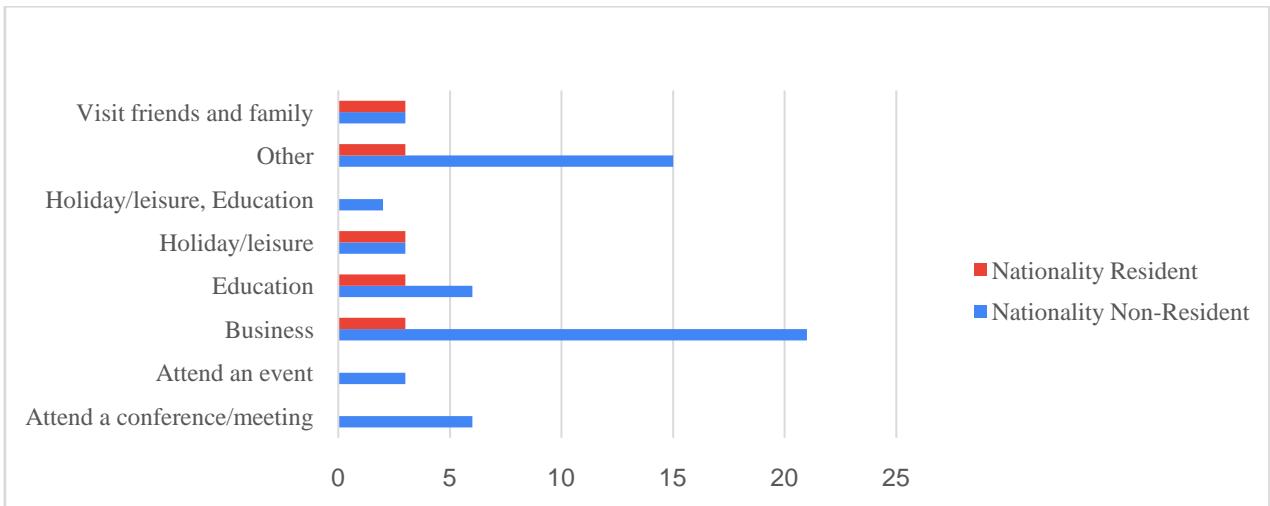 Figure 1: Main Purpose of Visit to Mwanza by Nationality
Source:Field Data,2022 When asked about how they traveled to Mwanza, $33\%$ of respondents said they traveled alone, while $32\%$ were influenced by either their jobs in the different organizations such as NGOs, Government employment and religion. Others were visiting friends and relatives, $28\%$, as shown in figure 2.
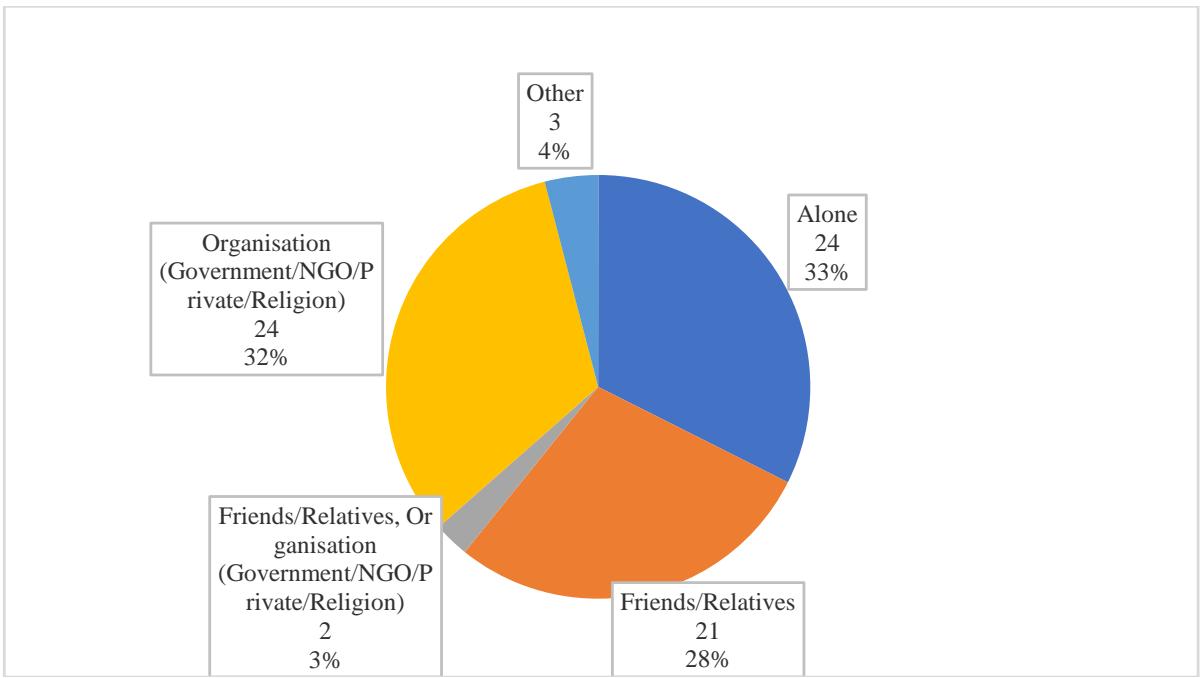 Figure 2: What was your Travel Party? (I.E. Did you Visit Alone or as a Group/Organization)
Source:Field Data,2022 In Mwanza most of the visitors stayed in hotels $(33\%)$, homestays $(20\%)$ followed by the guest houses $(16\%)$. Other places of stay included friends' and relatives' places, $8\%$, guest house or homestay, $4\%$, guest house or hostel $4\%$, hotel or guest house $4\%$, hotel or hostel $4\%$. Some stayed at the university guest center. Figure 3 illustrates the type of accommodation used by visitors.
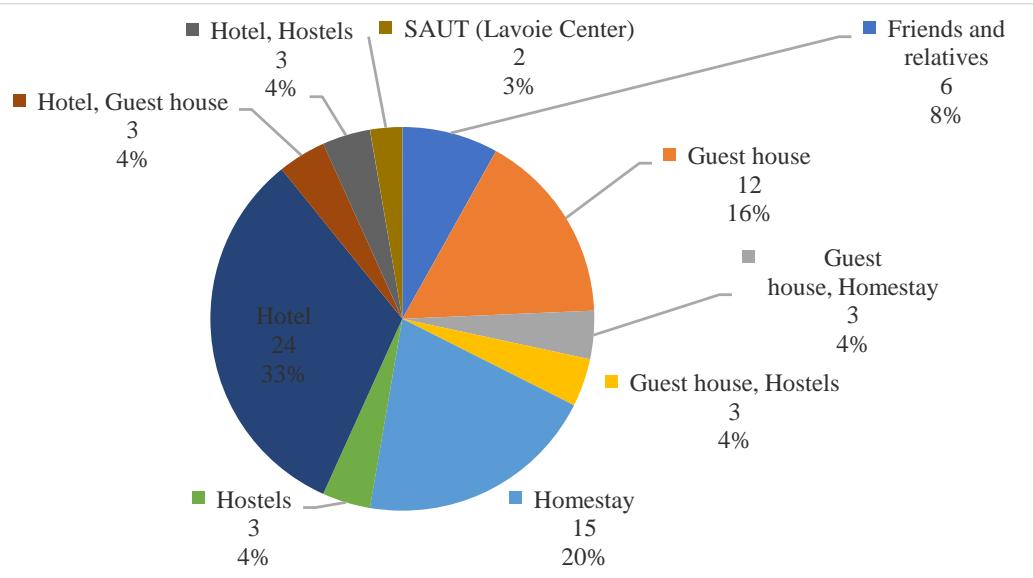 Figure 3: Type of Accommodation used by the Respondents
Source:Field Data,2022
The visitors gathered information about Mwanza through different organizations such as churches, NGOs, Internet, friends and relatives at home or in Mwanza, University, guide books and other publications.
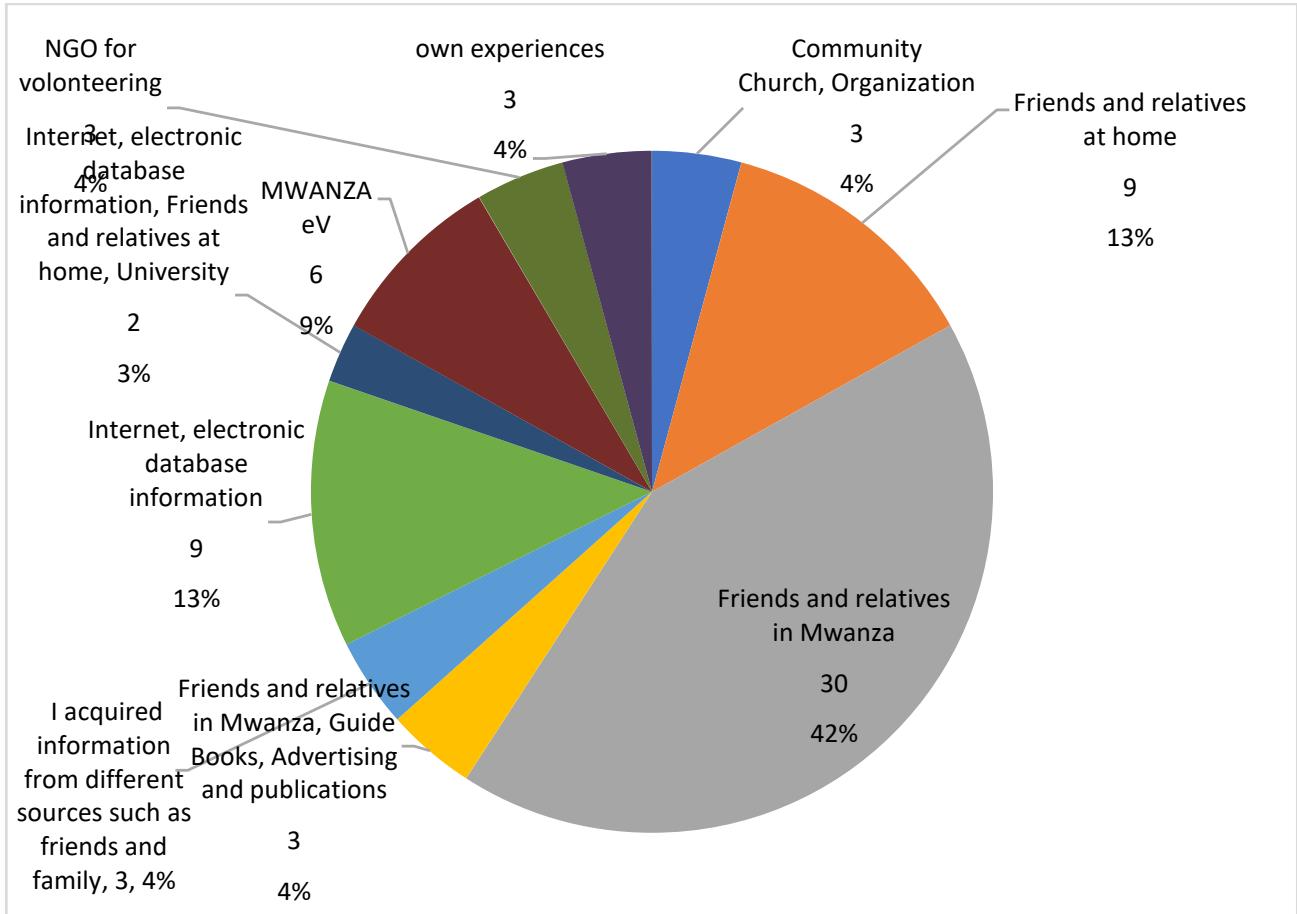 Figure 4: Sources of Information About Mwanza
Source:Field Data,2022
The travel arrangements for the visitors were either done by self (49%), friends or family (38%) and by different programs to which the visitors were attached
(4%). The rest (9%) of the respondents did not understand this question. Motivation or reasons for visits included volunteer work, culture, friendly people, sports activities, and safari to the Serengeti. Hence, visitors participated in different activities such as attending conferences/meetings (22%), volunteering (40%), cultural events (18%) and sightseeing (20%). Almost all visitors had a chance to visit natural attractions such as Saanane and Serengeti or Rubondo National Park. Sightseeing in Mwanza included the beaches and boat riding across Lake Victoria 18% (n=69), a city tour 35% (n=69), hiking, walking and visiting friends, visit to the Museum of Bujora 31% (n=69) and the Gunzert house. Visitors also did some shopping at the Rock City Mall and paid a visit to Saanane National Park. The safari tour through the Serengeti, Ngorongoro, Manyara and later
to Arusha was added with the trekking of Mount Meru or Kilimanjaro. Visitors used transport such as private cars, including tour vehicles, taxis, public (buses) and ships to other places like Ukerewe and or Bukoba. Other such as min buses (daladala) and motorcycle (bodaboda) were common means of transport within the city. When studying the amount of money spent by the visitors while in Mwanza, 30 (41%) of the respondent had spent less than US dollar 2,000; 29 (39%) less than 1,000; 12 (16%) spent between 2000 but less than 5,000 while it was only 3(4%) visitors who spent more than 5,000. The following figure 5 shows expenditure per visitor
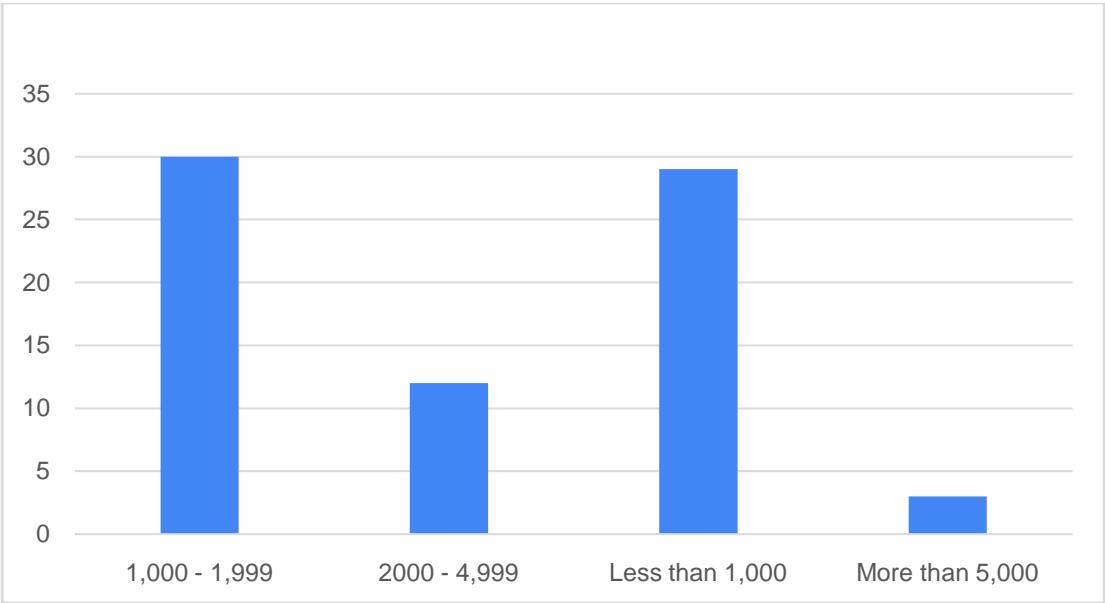 Figure 5: Total Expenditure by Visitor within Mwanza
While studying the understanding of inclusive tourism, the findings indicated little knowledge of the term and how it is perceived. While many respondents comprehend that it is tourism that must include local communities and all in the tourism system the understanding was limited to economic gains (56%, n=25) and left away vital component of visitors with a disability or special needs. The knowledge of sustainable tourism in Mwanza was established by Moschin (2020) who shows that many local people understand it and they can give their own comprehension of the term which includes better utilization of resources for today and future generations. Although 44% of the respondents have a broader understanding of the term inclusive, a significant number of the service facilities do not support inclusiveness (51%). When asked about any soon possible change in the way they provided services all the respondents agreed to incorporate tools that allow services accessibility to all their clients as soon as possible. Respondent I2 said special needs facilities vary among individuals. Thus, it is not easy to have one item that can suit all the clients. Regardless, every one individual gets served to the satisfaction even if it might entail hiring a facility, said respondent I6. Also, it was found that tourism firms did not invest much in terms of new product development resulting in overreliance on only wildlife-based tourism. One reason that contributes to that is when customers come while focused on their planned activities. Nevertheless, MICE tourism has been supported mainly by facilities such as hotels.
## IV. DISCUSSION, CONCLUSION AND RECOMMENDATION
Trade liberalization has created an environment that enhanced many private businesses to participate in tourism development and the reaping of the benefits. But the products, services and experience have remained to a large extent, unchanged, especially in Tanzania and some areas like Mwanza being claimed to lack attractions. That perception is thought to be attributed by overreliance on a narrow tourism product even though tourism exists in different categories. There is a need to carefully develop sustainable tourism that must continue to keep the environment clean, which calls for inclusion, and, therefore, increase social gains in the tourism business field. As a result, many tourism destinations have now increased efforts to capacitate their people and aggressively look for investments in the tourism sector. Efforts to develop domestic tourism has increased the knowledge that tourism exist in many different forms and type. The promotion of domestic tourism has also improved the quality of hospitality services while increasing business sustainability as observed by Hall, et al., 2007. The understanding of the markets also, help tourism business operators and destinations to formulate their tourism serving capacity and have a defined maximum number of visitors a tourism business is able to serve without causing service disconfirmation. For example, the primary purposes of visitors to Mwanza were business and other undefined activities but not to a significant extent, holiday, leisure or visiting friends and family. Thus, knowing the business in which the visitors are engaged to allowed expansion of such a business apart from creating a good environment (such as the build of infrastructure) for them to do their businesses well. Knowing the characteristics of the visitors as well allows for expansion to other types of tourism, as was depicted in the case study of Mwanza. That, not only adds to the efforts of conserving the natural beauty of the country but also increases the earnings and employment opportunities which eventually result in improved individual life and increased earnings of a destination, proving that tourism can reduce poverty. The study did not find any visitor who was accompanied by other parties. It was fortunately found that the visitors' travels were either influenced individually or by their jobs in the different organizations they were employed. There were no visits influenced by other party as a result of special needs of the primary visitor. This does not mean that the destination does not receive impaired persons or people with special needs. Thus, it is advised that firms and destinations must continue to study markets to create products and offer services according to the wants and demand of such markets.
The case study has found that developing destinations receive different types of tourists, such as business travelers, in addition to recreational tourists. This type of tourism is argued to contribute a lot in terms of earnings, and in most cases, it goes with a wide range of expenditure patterns such as shopping and recreation itself. Business tourism has been a significant contributor in earnings in America. In Africa, South Africa holds number one for business tourism while Tanzania receives only 6 percent of this type of tourism as compared to other East African countries such as Rwanda which is the lead. Although, generally, many meetings take place in Europe worldwide, Tanzania and Mwanza, in particular, stand a chance to receive more of this type of tourists. Another very significant finding is that Mwanza receives well-educated and or working (69%) or retired (20%) non-citizen tourists. Also, visitors were making a second or a third visit (84%). That, depicts that the destination stands not only a chance of gaining knowledge and experience from the visitors but also a quality of interaction between tourists and host communities. In the tourism industry, there exist a paradigm shift of experiences and benefit. For example, Hall, et al., (2007) contemplate that the benchmark for success in the tourism field is based on quality of services and cultural interactions between tourists and the host community rather than the number of tourists and expenditures. The quality of services and cultural interactions are parts of benefits to consumers whereas to producers are a source of competitive advantage. Tourism sectors are now emphasizing more on economic growth and the building of mutual understanding between visitors and the host communities to expand recreational spaces and later increase repetitive purchases. In this study (35%) of the visitors walked through the city to learn about the daily life of the people of Mwanza although spending per day did not exceed $200. Also, recreational sightseeing activities such as those associated with the existence of Lake Victoria were only consumed by only 18% of the visitors.
Although the sources of information for Mwanza varied, such information did not affect visitors' places of stay. The most notable sources of information were friends and relatives both in Mwanza (42%) and the visitor's home (13%), followed by the internet (13%). Many visitors stayed in either hotels (33%), homestays (20%), or guest house (16%). Tourism enterprises use social media tools such as Instagram, Facebook, Twitter and Youtube to market tourism at a rate of 36%, 29%, 21% and 14% respectively. The 13% use of internet as a source of information depicts the low use of Information and Communication Technologies (ICT) by the tourism business stakeholders for innovations and marketing of tourism worldwide, and therefore, suggest improvements. Nevertheless, Mwanza was found to have a few attractions put on the social media, which is thought to have contributed to the invisibility of the destination.
The literature has revealed that resources are limited, and their sustainability is emphasized. Thus, to maximize the number of visitors to a destination and for Tanzania to reach the 5 million tourists it targets, there should be further diversification of the marketing strategies as well as increasing research in the natural resources. The case study shows that the tourism sector in Tanzania is expanding although still following the VRIN principle. It is nature-based (wildlife, mountaineering and beach tourism) that has earned Tanzania much benefits of tourism to date primarily through ecotourism. Hence, to maintain sustainability it is advised to utilize other opportunities for tourism development. In Mwanza for example, it is assumed that the presence of Lake Victoria, history and culture could be a good source of tourism products that could
complement the wildlife-based tourism in the Serengeti (Serengeti is only two and half hours from Mwanza), Rubondo and Saanane National Parks.
In conclusion the study reveals that there is a high need to raise more awareness of sustainable development goals and especially on specific topics to increase more of their understanding and adaptability. For example, it was found that only $44\%$ of the respondents had knowledge of the term inclusive tourism in its broad definition of including people with special needs or impaired. The majority $(56\%)$ were confined to the traditional definition which means to include the marginalized community in terms of income and decision-making. Thus, enabling accessibility to tourists' areas for physically or visually impaired persons or a person who cannot hear or on wheel-chair is often mixed with enabling the marginalized community to access the economic gains of tourism. As a result, the little knowledge of the term "inclusive" might have contributed to how the facilities were designed for service provision. However, it is well understood that special needs vary among customers and sometimes among suppliers. Nevertheless, in the context of the use of the term inclusive tourism, the study did not find any travelers who were not satisfied with the services provided by their suppliers although many visitors traveled alone $(33\%)$ and or with friends and relatives $(28\%)$.
Generating HTML Viewer...
References
17 Cites in Article
W Anderson (2013). Leakages in the Tourism Systems: Case of Zanzibar.
C Ashley,C Boyd,H Goodwin (2000). Propoor Tourism. Putting Poverty at the Heart of the Tourism Agenda.
Theresia Busagara,Regina Mukama,Petro Magai (2021). A Comparative Study of Trained and Untrained Science Students’ Attitude Towards Entrepreneurship, Innovation, Training, and Science Studies: Implications for Practical Education.
J Bebbington,J Unerman (2018). Achieving the United Nations sustainable development goals: an enabling role for accounting research.
Aaron Cosbey (2007). How Will Climate Change Affect Trade's Potential to Foster Development? In Palosuo, E. Rethinking Development in a Carbon-Constrained World. Development Cooperation and Climate Change.
M Heng (2019). Advancing Accessible Tourism for Destinations, Companies and People – Compendium of Good Practices International Conference on Accessible Tourism, San Marino, November 2023.
Margaret Reams,Kelsey Clinton,Nina Lam (2000). Achievement of Climate Planning Objectives among U.S. Member Cities of the International Council for Local Environmental Initiatives (ICLEI).
E Inskeep (1988). Guide for Local Authorities on Developing Sustainable Tourism.
L Ivers (2022). Disability Inclusion.
Jafar Jafari (1977). Editor's page.
B Jay (1991). Firms Resources and Sustained Competitive Advantage.
Forbes Kabote (2020). Contribution of Domestic Tourism to Sustainable Tourism Development.
D Kessy (2017). Involving Indigenous Community in Tourism Activities: Strategies and Interventions.
D Kessy (2016). Tourism Product Diversification in Tanzania; The Case for Scuba Diving.
Muganda Michael (2019). Community Involvement and Participation in Tourism Development in Tanzania: A Case Study of Local Communities in Barabarani Village, Mto wa Mbu, Arusha-Tanzania.
D Kessy,N Kiprutto,O Kiage (2018). African Journal of Hospitality Tourism and Leisure.
Tomislav Klarin (2018). The Concept of Sustainable Development: From its Beginning to the Contemporary Issues.
No ethics committee approval was required for this article type.
Data Availability
Not applicable for this article.
How to Cite This Article
Delphine Kessy. 2026. \u201cA Market Based Approach of Sustainable and Inclusive Growth of Tourism: A Case Study of Mwanza Tanzania\u201d. Global Journal of Management and Business Research - F: Real estate, Event, Tourism Management & Transporting GJMBR-F Volume 22 (GJMBR Volume 22 Issue F3).
Explore published articles in an immersive Augmented Reality environment. Our platform converts research papers into interactive 3D books, allowing readers to view and interact with content using AR and VR compatible devices.
Your published article is automatically converted into a realistic 3D book. Flip through pages and read research papers in a more engaging and interactive format.
Our website is actively being updated, and changes may occur frequently. Please clear your browser cache if needed. For feedback or error reporting, please email [email protected]
Thank you for connecting with us. We will respond to you shortly.