Last mile delivery (LMD) focuses on the final step in the supply chain which considered to be the most critical part of the supply chain. This research examines the LMD in Saudi Arabia during and post COVID-19. Further, the challenges and successes of the companies in Saudi Arabia were examined to provide insight into market opportunity. Data was collected by way of semi-structured interviews with professionals working in the LMD industry that were purposively selected based on their roles within their organisation that would allow them to discuss their LMD in their organisation, and the impact of the Covid-19 pandemic on their business and on LMD specifically within and outside their organisation. Interviews were conducted and these were analysed using Grounded Theory combined with thematic analysis. Further, as it relates to the LMD market specifically, there appear to be permanent changes in how people are shopping as well as an evolution of payments in Saudi Arabia.
## I. INTRODUCTION
### a) Background
Last mile delivery (LMD) focuses on the final step in the supply chain and that considered to be the most expensive aspect of providing home delivery (de Souza et al., 2014). This is an issue that has to be addressed by all businesses involved in delivery to consumers, and this has increased over the last two decades as online shopping has grown. The surge in online business across the world has led to increased emphasis on home delivery and the LMD problem is a key issue in this area (de Souza et al., 2014). As a result, there has been a growth in the need for LMD services globally, which is driven by the development and growth in the e-commerce sector business and the rise in the trading activities (Yadav and Mutreja, 2022). The global LMD market size was estimated in 2020 at a value of US$ 39.6 Billion and is projected to grow at a compound annual growth rate (CAGR) of approximately 9% to reach over US$ 66 Billion by 2026 (Sharma, 2021).
In the Kingdom of Saudi Arabia (hereafter KSA or Saudi Arabia) in particular, the LMD market gained great importance on back of e-commerce and trading sectors growth. Development of the LMD market became an integral part of the Kingdom's 2030 vision (CITC, 2019) as the Kingdom has positioned itself to become the new logistics hub for the Middle East (Vision 2030, 2022). The LMD market in Saudi Arabia was valued at US$ 285 Million in 2020, and is projected
to reach US\( 521 Million by 2030, registering a CAGR of \(6.3\%\) from 2021 to 2030 (Yadav and Mutreja, 2022). This research examines the issue of LMD in Saudi Arabia.
### b) Research Overview and Aims
Covid-19 pandemic has led to an increase in online shopping and home deliveries, spurred on by the need for lockdowns andcessations of movements, and this has also affected business models. Thus, this research examines how companies reacted strategically during and post Covid-19 to adapt to the demand trends.
### c) Research Objectives
The key objectives for this study are as follows:
1. To provide an overview of the LMD market in Saudi Arabia during and after Covid-19 and examine how this has influenced the LMD industry in Saudi Arabia; and
2. To assess the challenges that companies faced during the pandemic and might face while entering the LMD market in Saudi Arabia.
### d) Research Question
This research is guided by the following question.
How have LMD companies been adapting to market trends during and after Covid-19?
### e) Research Scope
The scope of the study is limited to providing an assessment of the LMD market in Saudi Arabia. The research data was collected between April 2022 and November 2022 and targeted key opinion leaders of different firms in Saudi Arabian LMD market.
### f) Importance of the Study
The Saudi Arabia launched its Vision 2030 in April 2016 and one of the key pillars of the vision is transforming the Kingdom into the go-to logistics hub for the region, capable of efficiently linking trade across three continents, namely Asia, Europe, and Africa. There are potential development and expected growth in the LMD market in KSA since the government is focusing on logistics as part of its 2030 vision (Vision 2030, 2022). The LMD in KSA was valued at $285.3 million in 2020, and is projected to reach $520.9 million by 2030, registering a CAGR of $6.3\%$ from 2021 to 2030. Last mile delivery aims to deliver items to customers as quickly as possible while minimizing company costs (Cabral A. R., 2021). Last mile delivery accounts for more than $\sim 50\%$
of the total shipping cost. (Yadav and Mutreja, 2022). KSA's e-commerce market grew by \(60\%\) in 2019-2020, accelerated by the pandemic, and is expected to reach US\(13.3 billion by 2025 (Cabral A. R., 2021).
Moreover, there is insufficient research examining the LMD market in KSA; for example, of over 220,000 sources found concerning LMD only 207 LMD-related sources were found that relates to Saudi Arabia. Finally, this research provides practical knowledge regarding, complexity, drivers, supporting function, risks of resources, and related issues in this market and how companies adapt different strategies to manage and meet the demand.
## II. LITERATURE REVIEW
### a) Last Mile Delivery (LMD)
LMD can be defined as "a series of activities and processes that are necessary for the delivery process from the last transit point to the final drop point of the delivery chain" (Kum et al., 2018). Various stakeholders are involved in LMD from the demand side where the customers either individual or companies purchase the goods to the supply side where the goods
are delivered by courier, express and parcel companies (Bandeira et al., 2019). Also, the governments, which sets the regulations for LMD companies where they operate (Bandeira et al., 2019).
As shown in Figure 1, the LMD phase of getting the product to the right person or organisation is considered to be the most complex part of the logistics activities as it requires transportation management of vehicles/motors to the destination delivery points of the end customers/consumers. The prior phases are done at the main warehouses and at different shipping points such as dark stores and micro-fulfilment centres. Therefore, LMD should be well managed and optimised through coordinated activities with all entities involved (Mangiaracina et al., 2019). The LMD challenge is particularly salient for the retail chain as the process involves delivering the goods to many customers at different locations and this involves the collection of goods that are subject to complaints, delivered to wrong locations, or delayed in delivery (Macioszek, 2018; Weltevreden, 2008).
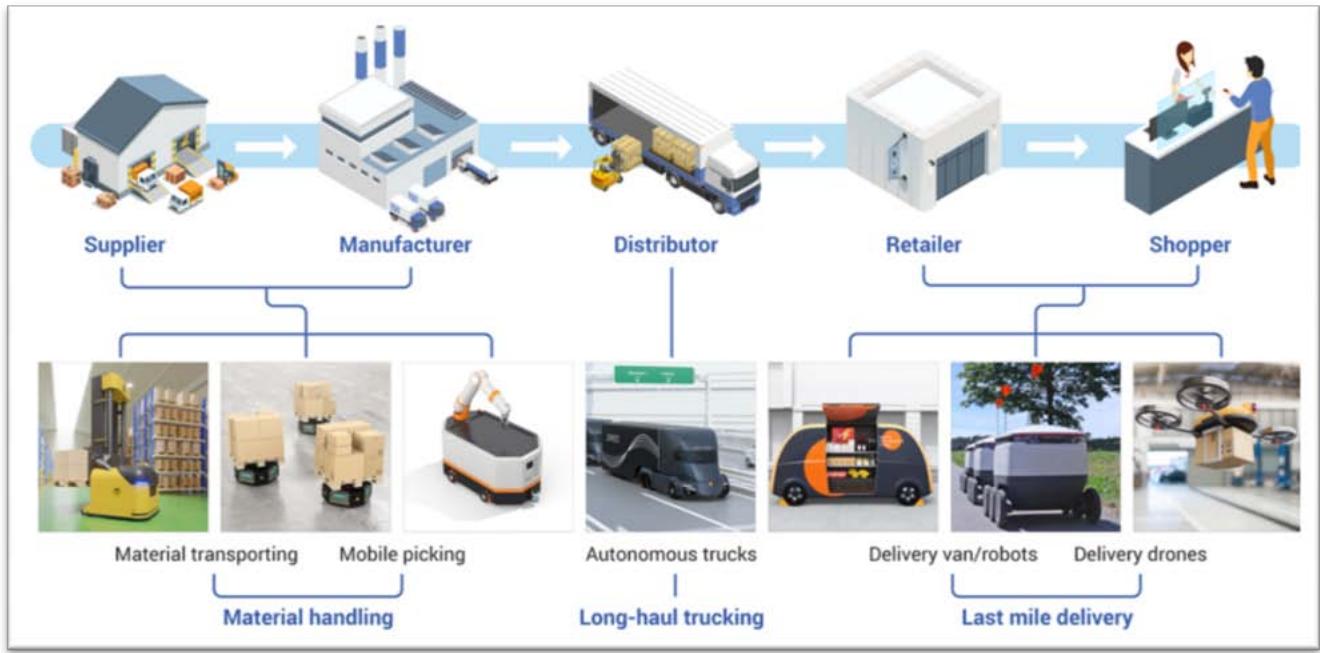
Figure 1: Last Mile Delivery Map (Source: Hafenstrom, 2022)
Based on the characteristic of each supply chain and the industry in which the company is operating, LMD can take different shapes (Mangiarcina et al., 2019). In business-to-business (B2B) distribution logistics that is aimed at physical stores, LMD covers the delivery or supplying the materials/goods to the stores that will be sold to customers at later stage. In manufacturing supply chains (B2B), LMD covers the delivery of components that are required to complete a part of a production process. Finally, in supply chains focused on end consumers and the retail
sector (business-to-consumer or B2C), LMD will be the direct delivery to the customer or at an agreed delivery point (Alharbi et al., 2022; Quaka and Kinb, 2020).
From a more general perspective, LMD is the last leg of the supply chain where the product is delivered to the customer (whether this is a business or final consumer) at the desired location (Mangiarcina et al., 2019). This step considered to be the most significant step in the whole supply chain and should be managed effectively to make sure the consumers are satisfied. Therefore, business need to have a solid and
efficient strategy concerning this logistics critical step for quick customer response and on time delivery (Alharbi et al., 2022).
### b) LMD Market Trends during Covid-19
The LMD market in Saudi Arabia was valued at $285.28 Million in 2020 and is projected to reach$ 520.88 Million by 2030 showing a CAGR of 6.34% from
2021 to 2030 (Yadav and Mutreja, 2022). The rise of the e-commerce business, as well as an increase in trading activities as a result of globalization, are driving the growth of the KSA's LMD. Figure 2 shows the forecasted e-commerce market size from $11 billion in 2020 to$ 21 billion in 2025.
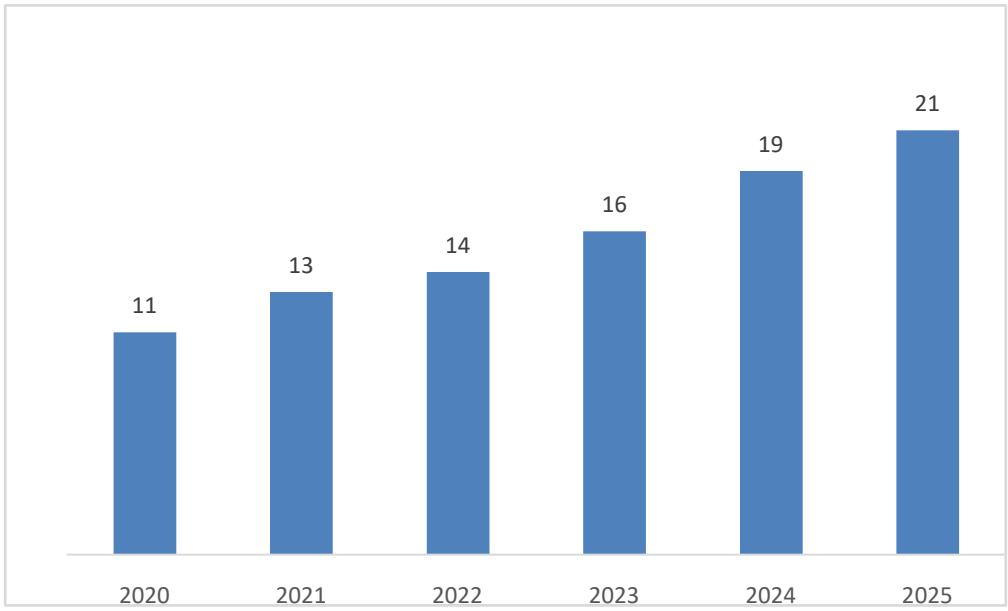
Figure 2: Forecasted E-Commerce Market Size Post-Covid-19, Saudi Arabia, US$ billion (Source: Statista, 2020) To fight Covid-19, the governments all around the world had implanted partial and complete nationwide lockdowns which has forced the general public to stay indoors and revolutionized their purchasing behaviour that resulted rise in consumer e-commerce last mile deliveries in 2020 alone by $25\%$ (Weforum, 2021). The lockdown in KSA resulted in increase in online purchase behaviour among the consumers with $80\%$ of the survey participants confirming an increase in their online purchases (Statista, 2020). Covid-19 has certainly changed the purchasing behaviour on consumers all around the globe including KSA. With rise in e-commerce and with increasing numbers of online shoppers in KSA, from 10.5 million in 2016 to 19.3 million in 2022 as illustrated in Figure 3, growth in LMD market cannot be argued (Statista, 2020).
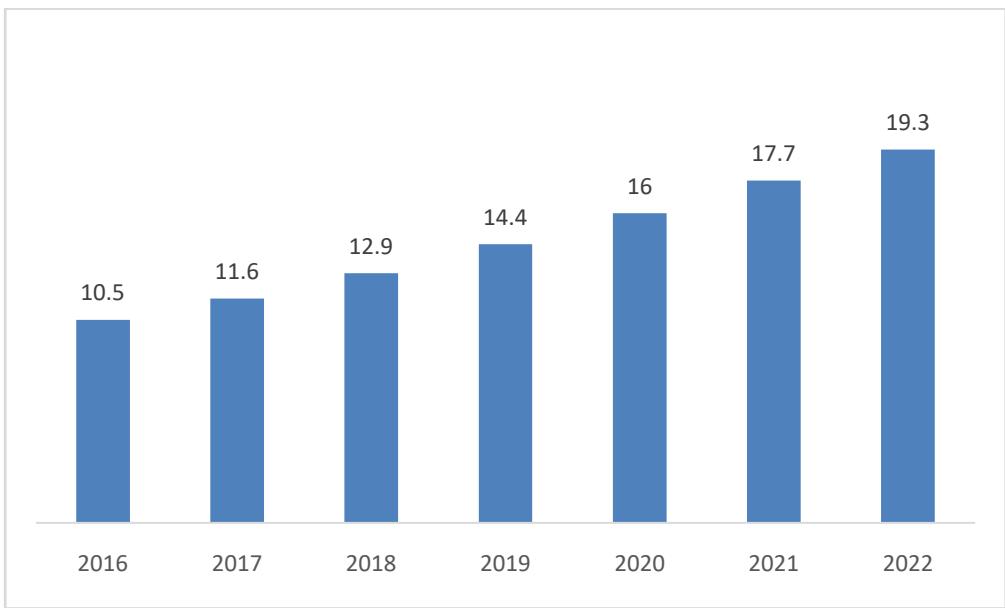 Figure 3: Millions of Online Shoppers in Saudi Arabia, 2016-2022 (Source: Statista, 2020)
The LMD market has seen a surge of new startup entries in recent years, with the majority of them operating on an asset-light strategy and focusing on empowering small businesses by providing shipping services via crowd sourced couriers. Both regional and international investors are interested in the area. The rise in the number of players is due to more than only the pandemic and following e-commerce boom. In fact, the greatest significant increase in start-up entrants occurred before to Covid-19 in 2019, when 28 new firms, particularly in the courier industry, were founded. Wamda (2021) mapped 102 last-mile delivery firms, and
67 of them use the courier model. With rising competitions in the region, usage of technology has been increasing in the country (Wamda, 2021).
An important trend due to increase in online shopping behaviour is the demand of same day or express courier shipping in LMD has been forecasted by Yadav and Mutreja (2022). Figure 4 shows Saudi Arabia's LMD express and same day delivery market size to be $46.8 million in 2020 which is forecasted to reach$ 113.6 million by 2030 registering a CAGR of 9.4%.
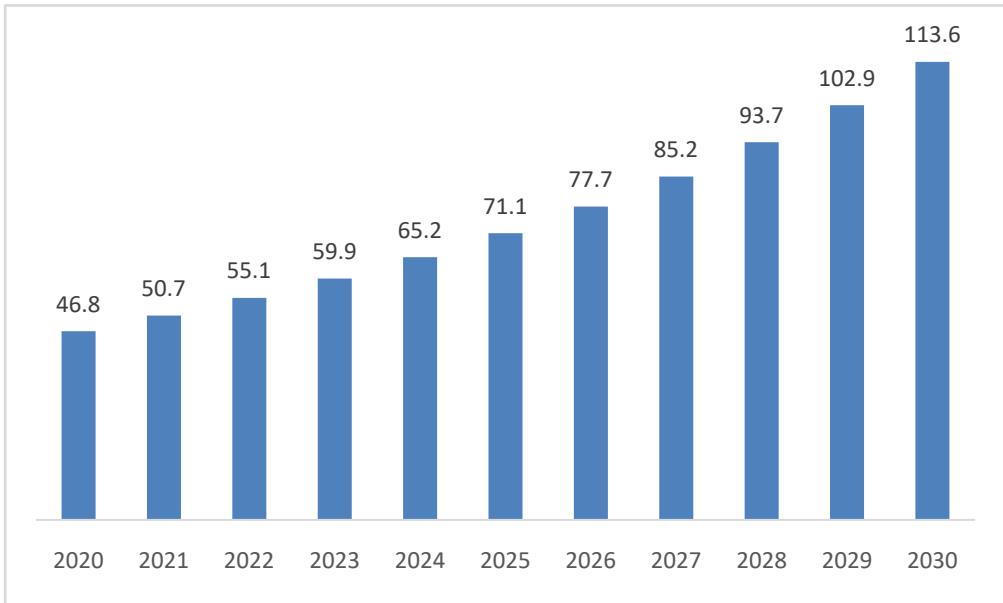 Figure 4: Size of Saudi Arabia's LMD Express and Same Day Delivery Market (Source: Yadav and Mutreja, 2022)
The question of whether to insource or outsource delivery is a key one. In comparison to regular procurement methods, quick technological investment costs more. This research will further explore and try to find answers to this question (Rowan and Laffey, 2020). Figure 5 illustrates the forecasted comparison of LMD market by service type. It can be noted that B2B market share in 2020 was $57.9\%$ which is forecasted to shrink to
41.8% in 2030. In other words, the B2C market share is expected to grow from 42.1% in 2020 to 58.2% in 2030. Similar findings in terms of revenue are represented in Figure 6. In 2021, KSA's Courier Express Parcel (CEP) market was dominated by B2B (almost $70\%$ ) when compared to B2C (30%). This changing trend cannot be argued but only the speed of this trend. (Yadav and Mutreja, 2022).
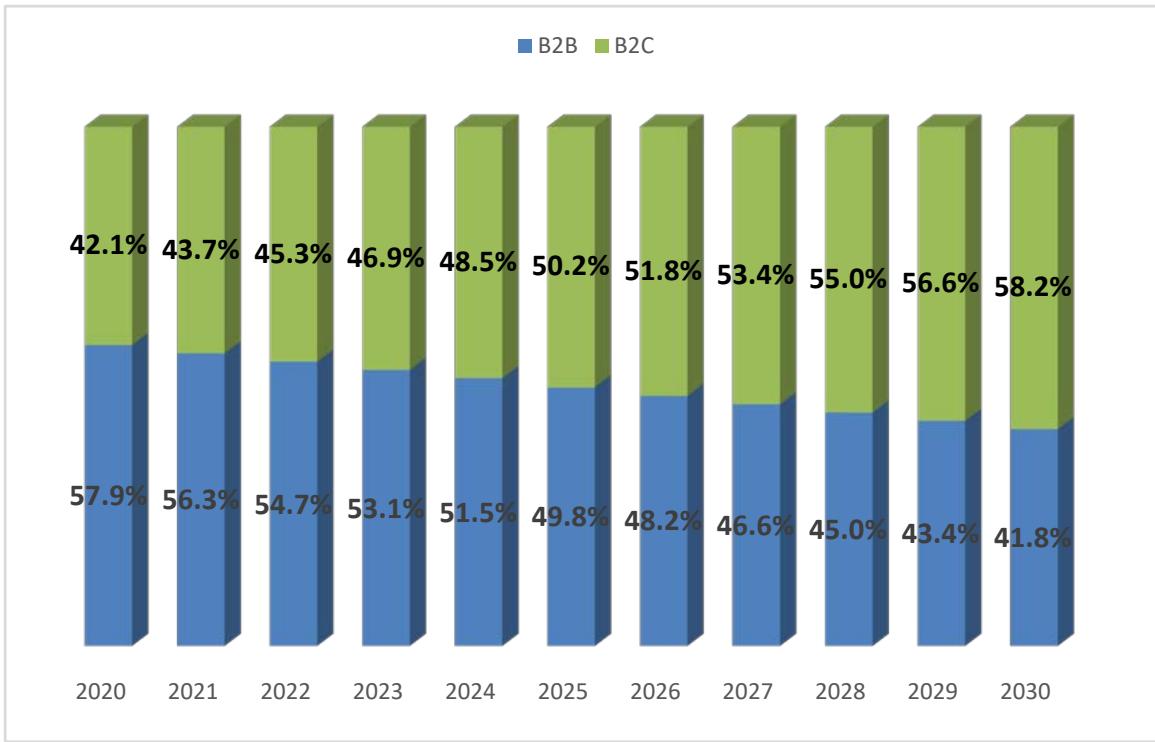
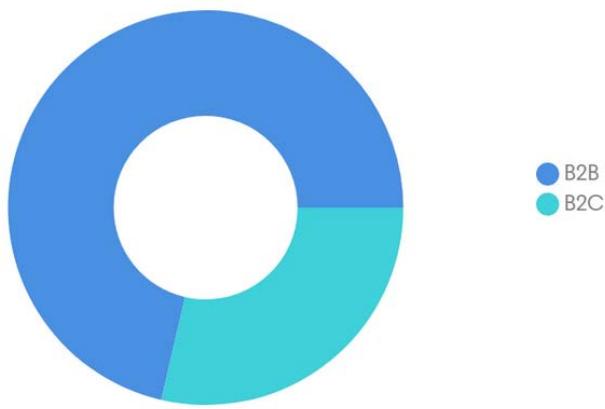 Figure 5: Forecasted Comparison of LMD Market by Service Type (Source: Yadav and Muteja, 2022) Figure 6: CEP Market, B2B Vs B2C (Source: Yadav and Muteja, 2022)
As stated earlier, development in the e-commerce industry is the key factor in the changing trend in the KSA LMD market. Figure 7 shows the key factors playing a major role in shaping KSA's LMD market.
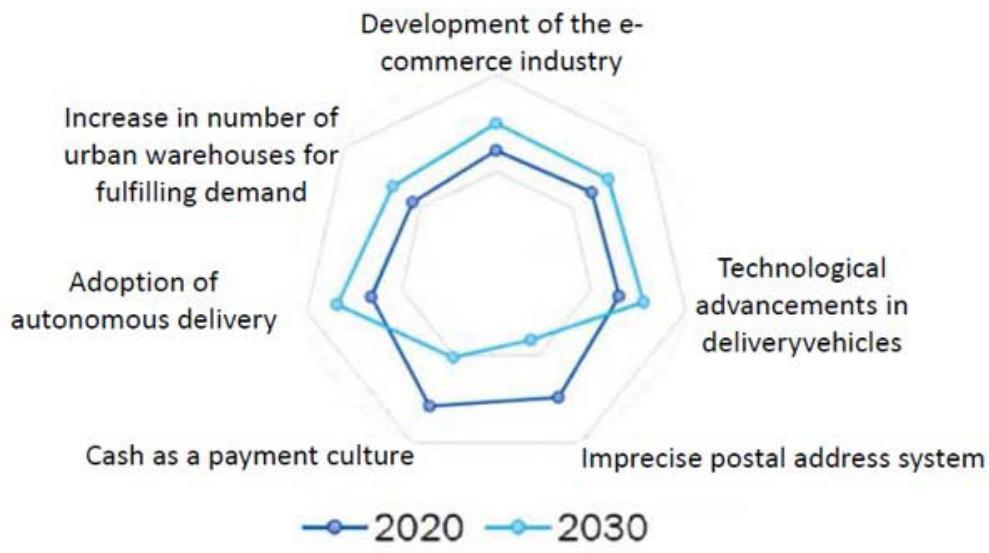 Figure 7: Most Impactful Factors in the LMD Market in Saudi Arabia (Source: Yadav and Muteja, 2022)
This shows that expansion of LMD services by foreign companies in KSA, technological advancements in delivery vehicles, surge in adoption of autonomous delivery that reinforces demand, and increase in the number of urban warehouses to meet demand are all significant factors influencing the growth of the KSA LMD. However, the market is also adversely affected by the region's inaccurate postal addresses as well as the cash-as-payment culture. However, each of these variables is expected to have a significant impact on the total market's growth over the next decade (Yadav and Muteja, 2022).
## III. RESEARCH METHODOLOGY
### a) Introduction
This section presents the methodology that has guided the collection and analysis of the primary data for addressing the research questions. This is guided by the research framework as presented in Figure 8, which positions the research methodology within the research process, shows how it links the literature that has been examined with the findings, discussions, and conclusions of the research.
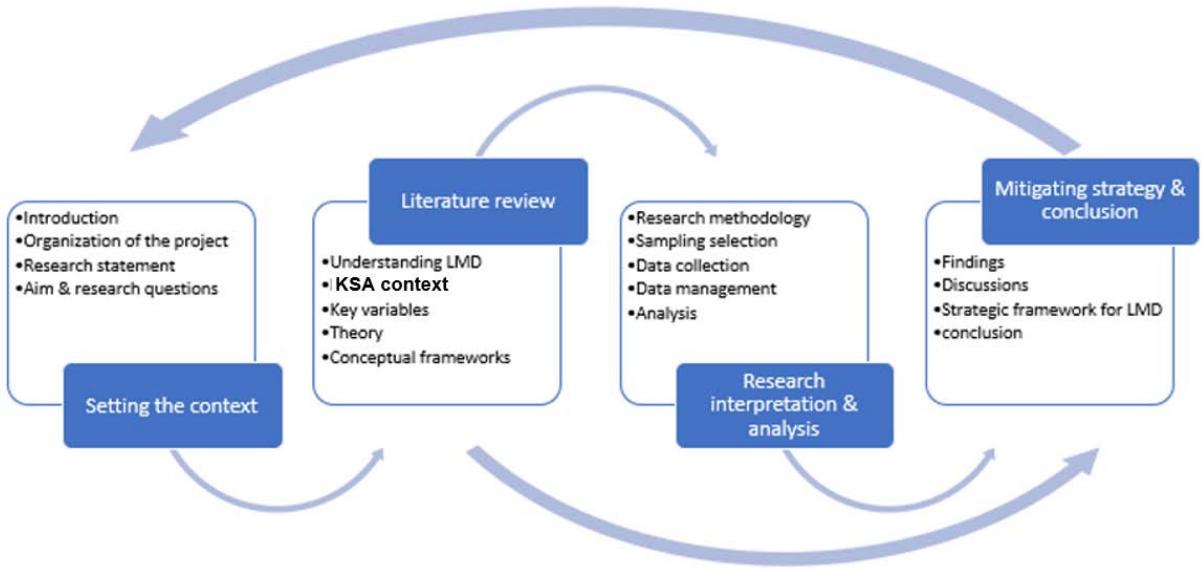 Figure 8: Research Framework (source: Based on Collins and Stockton, 2018)
To explicate the process of engaging and designing, the research framework shows some of the specific areas where the theoretical framework is integrated to the qualitative process. It shows the ways in which the literature covers and guides the empirical research process. As Figure 8 illustrated, the theoretical
framework established and reflects on the methodology for the research where theory is used to support data analysis. The literature review also feds into the discussion, while the last arrow represents the link between the findings and the research. The methodology section of the framework is discussed and justified next. Specifically, the section is divided into three main topics presenting information on the research philosophy, methodological approach, research design, data collection methods, and sampling strategy. Within these sections, the research approach, research choices and strategy, and time horizon of the research are presented and justified.
### b) Research Philosophy
Research problems can be examined from many different perspectives and in this research, an interpretivist framework was used in which the focus was on people's perceptions and experiences of the world (Saunders et al., 2019). This creates the baseline for comparisons in Grounded Theory (Timonen et al., 2018). The qualitative basis of Grounded Theory provides room for conditioning the study to collect actual data. Since Grounded Theory embraces sociological aspects of the phenomena being studied, it creates room for integrating the changes in the behavioural aspects and appreciating the diversities in data sources (Ketchenand Craighead, 2020). The current research focuses on identifying the factors and processes that lead to changes in demand for the last-mile delivery in Saudi Arabia which identifies the steps involved in the product's journey from the warehouses to the final consumer (Timonen et al., 2018).
The delivery process determines the time and convenience factors, all of which affect the consumers. The e-commerce market has considered delivery and the last-mile strategies as part of the critical functions of the business models (de Souza et al., 2014). Although utilising the last-mile delivery approach has been a common venture for online ventures, Covid-19 may have created new dynamics in the market. Therefore, the theory would focus on the issues or requirements for companies in the LMD market, examining how their operations may have changed considering the surge in during and after the pandemic. Through grounded theory, the researcher has better chances of collecting data from the various stakeholders in the market.
The scientific and research approach integrated into the guide theory creates several benefits. The first one is the ability to create new questions to create new knowledge and clarify the current research (Bratianu, 2020). While studying the various attributes within research, it is important to have a comprehensive approach, making grounded theory an important baseline for the entire research (Bryman and Bell, 2018). The research creates insights on the scope of knowledge and contingent practice attributes from the questions and the methodologies involved (Timonen et al., 2018). However, there are disadvantages to using a Grounded Theory approach. The main issue comes from the challenge of collecting large amounts of data that may affect the analytical processes and may affect research objectivity and from a practical perspective, this means this approach is also time consuming, reflective, and intensive (Ketchen and Craighead, 2020). Additionally, the interactions in the research affect the structuring of the research, which may create inconsistencies in the research sources (Ketchen and Craighead, 2020).
### c) Methodological Approach
For this research, a qualitative approach is used to help in obtaining the quality evidence as the research questions to gain insights regarding trends in the LMD market in Saudi Arabia. Finally, the information gathered can be transformed into rich data analysis that allows credible and convincing results to the research questions to be created. Additionally, a cross-sectional timeframe was used in the research, meaning that a 'snapshot' of the issues related to the LMD market in Saudi Arabia are assessed (Saunders et al., 2019). The research was conducted is between April to November 2022.
### d) Data Collection & Sampling
The data collection method remains a critical determinant of the data collected and its utilisation in the research. Grounded Theory is a qualitative approach and uses data collection methods such as participant observation and interviewing (Vakulenko et al., 2019). The current research utilised the interviewing method to collect data, which involves engaging the participants or the samples considered in the research is based on an expert sampling technique (Blumberg et al., 2014). Specifically, qualitative data was collected using semistructured interviews. This method was used for qualitative data as it will give the flexibility for the interviewees to adapt the questions and change the flow as needed during the interview in order to dig deeper in the answer. These are used to obtain primary data as the main method of data collection. Figure 9 outlines the process of data collection and how this fed into the data analysis process described later in this paper.
The interview was designed to cover the gaps identified from the literature review. The set of questions were created by adopting the markets trends identified from secondary data in order to discover the company's responses of such trends. This sets would cover the market trends pre-, during-, and post-Covid-19. Also, it addresses some of the major market challenges, change in consumer behaviour, innovation, demands, and benefits. Specifically, these focused on:
1. Covid-19 impact on the LMD market and company operations.
2. The future of LMD market in Saudi Arabia.
3. Market trends and challenges.
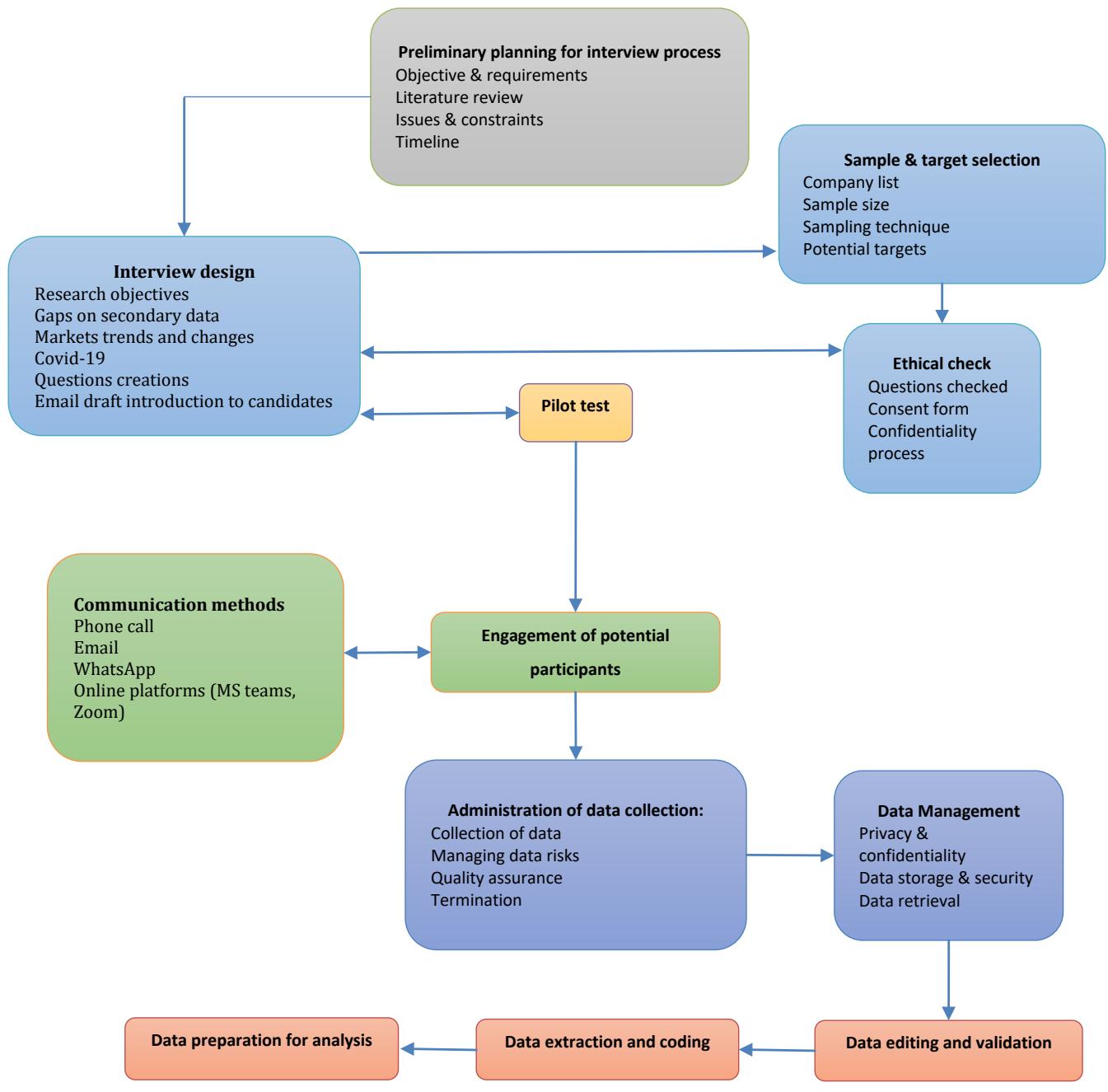 Figure 9: Interview Design, Data Collection & Data Analysis Process (Source: Developed for this Research)
In order to address the research objectives, the sampling approach used ensured that data was collected from highly knowledgeable participants in order to obtain insights on LMD market in Saudi Arabia. Thus, a purposive sampling strategy was used in which respondents were chosen based on their ability to provide the information needed to address the research questions (Saunders et al., 2019). Specifically, the interview data was obtained through 9 semi-structured interviews. First, the list of target population prepared using the government's online listed directory from the
Communications & Information Technology Commission (CITC). This website provided the information of current courier companies with active licenses. Also, another source of identifying companies working on LMD sector was through online tools. Google and LinkedIn were searched using keywords including delivery companies in Saudi Arabia, newly established mail delivery in Saudi Arabia, LMD companies in Saudi Arabia. Third, researcher connections and work colleagues were asked to recommend companies.
There is no commonly accepted sample size for qualitative studies (Saunders et al., 2019). For this research, the targeted sample size for this study is 13 interviews, however, data saturation was reached after reaching 9 interviews as the interviews started to have the almost the same answers. This is consistent with the recommendation when using qualitative research methods to use data saturation to determine the number of interviews to be conducted, meaning that data collection stops when further interviews no longer generate additional significant information (Aldiabat and Le Navenec, 2018; Saunders et al., 2019).
## IV. ANALYSIS, FINDING & DISCUSSION
### a) Data Analysis
In this study, the data obtained from interviews were analysed using a combination of Grounded Theory analysis and thematic analysis, based on Chapman et al.'s (2015) argument that "thematic analysis in the context of Grounded Theory offers a systematic approach to the analysis of qualitative interview data." By itself, thematic analysis "is not wedded to any pre-existing theoretical framework, and therefore it can be used within different theoretical frameworks (although not all), and can be used to do different things within them" (Braun and Clarke, 2006, p. 81). For this reason, it is completed within a Grounded Theory framework since this offers an explicit framework for analysis and theory generation (Chapman et al., 2015). This is also consistent with Heydarian (2016), who outline a process of thematic analysis directed by the Grounded Theory approach based on the position that Grounded Theory is particularly useful when the area of study is new and is also is helpful for identifying details of constructs, while thematic analysis provides a clear structure for the data analysis.
First, the overall study was conducted within a Grounded Theory framework and thus this continues to the analysis. Further, qualitative research questions that seek discovery or exploration of a topic usually draw on Grounded Theory, supporting the appropriateness of the approach for use in this research (Creswell and Poth, 2018). As a data analysis method, it is one of the most widely used approach to analysing qualitative data (Bryman and Bell, 2018). It is particularly useful for using empirical data to analyse and derive theoretical propositions (Aldiabatand Le Navenec, 2018). The process of undertaking the Grounded Theory analysis is presented in Figure 10, showing that the process begins with and is guided by a research problem and research questions that identify the main points to consider when collecting the data (Bryman and Bell, 2018).
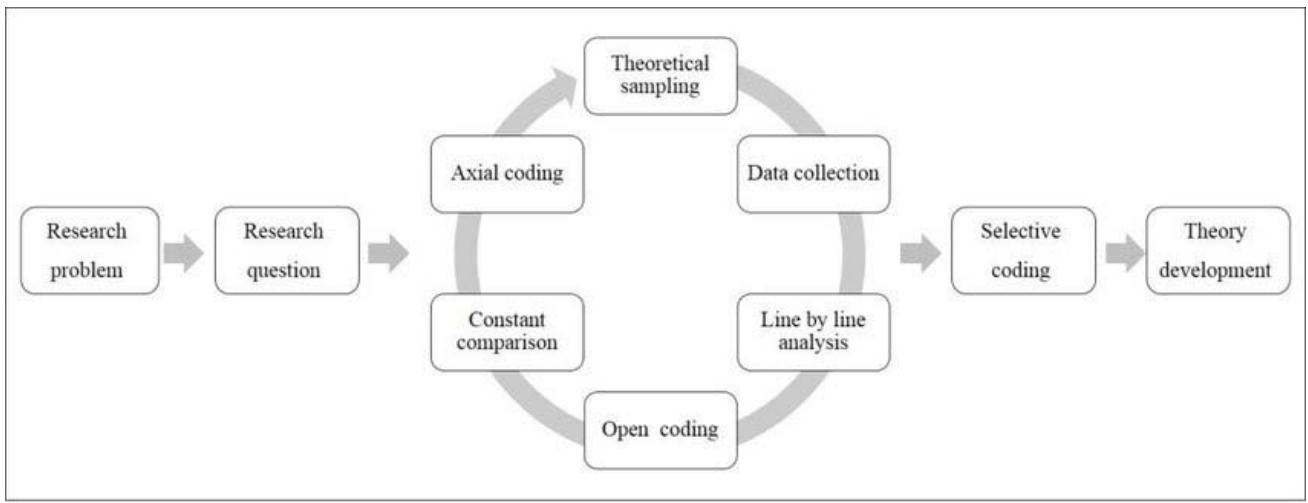 Figure 10: Steps in Grounded Theory Analysis (Source: Based on Bryman and Bell, 2018)
When the data is collected, the coding process is used to categorise the data for comparison purposes (Carmichael and Cunningham, 2017). In order to undertake this process, thematic analysis is used, which involves identifying, analysing and studying themes within interview and other kinds of qualitative data, allowing the research to provide 'rich detail' on the data and interpret the aspects of the research topic that are
identified as most salient (Braun and Clarke 2006). Six specific steps were taken in completing the thematic analysis as shown in Figure 11, which was chosen for the systematic process of analysis and recommendations for increasing the trustworthiness, both of which assist in ensuring the results are consistent and coherent (Nowell et al., 2017).
Specifically, in this research, each answer was first coded into a concept that was reflected in the theme of the answer. For example, some answers mentioned the issues of money collections from customers and the shift to online payments, so the theme here was payment method. All such themes were gathered and started to refine the coding of answers to create the first level of the thematic map.
<table><tr><td>Phases of Thematic Analysis</td><td>Means of Establishing Trustworthiness</td><td></td><td></td></tr><tr><td>Phase 1: Familiarizing yourself with your data</td><td>Prolong engagement with dataTriangulate different data collection modesDocument theoretical and reflective thoughtsDocument thoughts about potential codes/themesStore raw data in well-organized archivesKeep records of all data field notes, transcripts, and reflexive journals</td><td>Phase 4: Reviewing themes</td><td>Researcher triangulation Themes and subthemes vetted by team members Test for referential adequacy by returning to raw data</td></tr><tr><td>Phase 2: Generating initial codes</td><td>Peer debriefingResearcher triangulationReflexive journalingUse of a coding frameworkAudit trail of code generationDocumentation of all team meeting and peer debriefings</td><td>Phase 5: Defining and naming themes</td><td>Researcher triangulation Peer debriefing Team consensus on themes Documentation of team meetings regarding themes</td></tr><tr><td>Phase 3: Searching for themes</td><td>Researcher triangulationDiagramming to make sense of theme connectionsKeep detailed notes about development and hierarchies of concepts and themes</td><td>Phase 6: Producing the report</td><td>Documentation of theme naming Member checking Peer debriefing Describing process of coding and analysis in sufficient details Thick descriptions of context Description of the audit trail Report on reasons for theoretical, methodological, and analytical choices throughout the entire study</td></tr></table>
Figure 11: Steps in the Thematic Analysis Process (Source: Nowell et al., 2017)
The second step was to start linking the codes into themes where all codes related to the lockdown or curfew were linked to Covid-19 impact and so on, this helped to build themes of the thematic map. The third level was built connecting the themes identified in the thematic analysis into the theoretical concepts found in the literature such as Covid-19 impact, cash culture, and technology, B2B and B2C demands shifting in KSA. The analysis was divided into two sections, one to cover the impact of Covid-19 and the second section covers market trends which was identified from the literature review.
### b) Description of the Sample
As noted in the previous section, 13 participants were included in the interview, each being purposively selected based on their roles within their organisation that would allow them to discuss (1) their business structure in KSA, (2) LMD in their organisation, and (3) the impact of the Covid-19 pandemic on their business and on LMD specifically within and outside their organisation.
### c) Coding Scheme
Figure 12 is a diagrammatic representation of the key themes emerging from the analysis of the semistructured interviews. These themes were drawn from the interviewees' responses and each of these themes and their sub-themes are presented next.
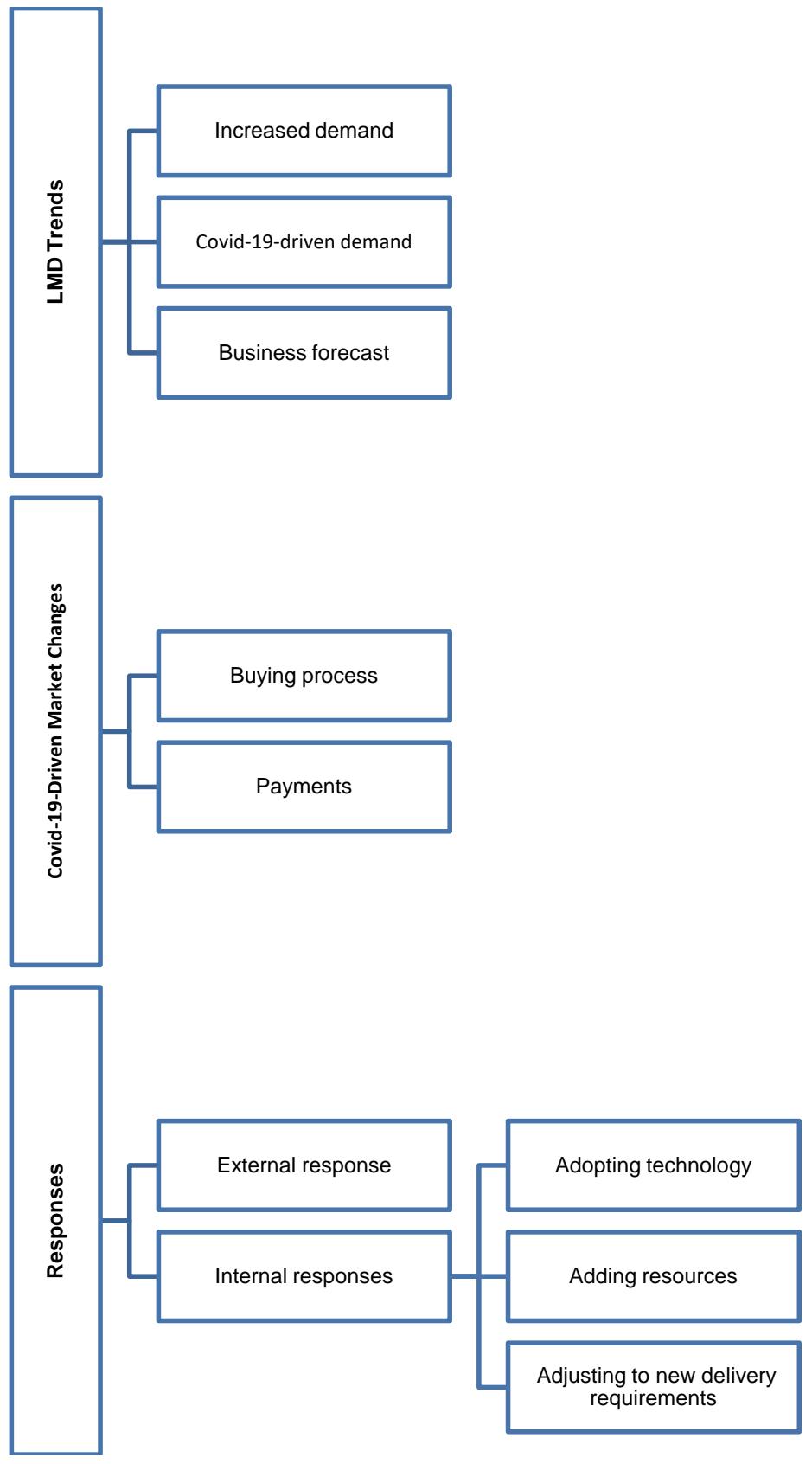 Figure 12: Visual Representation of the Coding Scheme (Source: Developed for this Research)
### d) LMD Trends In Saudi Arabia
The rest of the themes in the research focus on the LMD market specifically. As it relates to the theme of
LMD Trends, three sub-themes were identified and are discussed in this section. First, all the respondents noted increased demand for LMD services over the past two years, as highlighted below:
Yes, the number of orders had the spike that never happened.
...the number of deliveries $200\%$ more than before Covid.
Second, as is clear from the second quote above, this was primarily Covid-19-driven demand, supported by the following quotes:
People need to buy stuff and they have no options, so they order online.
...because you are not allowed to go out of home during lockdown.
...they are going to buy their needs as they can't go out of home.
However, the third sub-theme was that business forecast indicate that this demand would remain high after the pandemic ends, as highlighted below:
The LMD business will keep growing.
LMD market will continue to rise, and operations will become more efficient.
The number of consumers will increase.
B2B LMD will not shrink but the percent of B2C market will rise.
### e) Covid-19-Driven Market Changes
The results from the previous theme link to the second theme identified which was the Covid-19-Driven Market Changes as the LMD market has grown and changed over the last two years. Two main areas of change were identified. First, the buying process itself was evolving as digitization and e-commerce accelerated and Covid sped up the online process for buying. Second, payments specifically had also been evolving since the pandemic, as highlighted below:
I believe before Covid cash-on-delivery was the most usable but now we noticed online payments are increasing and Covid played a big role on it as we didn't allow any deliveries with cash.
... now there is increased to use online payments methods.
We prefer credit payment before making delivery.
This indicates that there are indeed changes taking place in the industry, and likely more widely as it relates to payments, with the cash-as-payment culture in Saudi Arabia identified by Yadav and Mutreja (2022) being challenged by the need to embrace other forms of payment that can facilitate e-commerce in particular.
### f) External and Internal Responses to Market Changes
These changes in the market have seen responses from the businesses themselves (internal) and from the government (external). First, external responses to the Covid-19 induced market changes were particularly related to implementation challenges faced by the companies as a result of both government changes and insufficient capacity respectively, as highlighted below:
Restrictions from the authorities to grant permissions for drivers.
As demand increased, there wasn't enough capacity to meet that demand.
Second, the companies themselves had a range of internal responses to the surge in demand caused by the pandemic, and the first sub-theme identified here related to technological responses being suggested, as highlighted below:
...the company is against the change and would prefer not to invest in expensive technologies but I believe it plays a big role specially now.
Technology can equip us with so many tools that allow us to improve our operations.
...technological factors helping LMD to grow through using AI, automations which help the company to operate better.
This is congruent with the discussion in the literature, with Alharbi et al. (2022) emphasising the importance of new technologies for the LMD market to grow. The companies also were looking to make other responses to ensure they are able to meet the new demand, as highlighted below:
[We are] also setting up 3 urban warehouses.
Fleet management system and warehouse management system. You will be very easily supporting your customers and delivering on time and having no complaints.
... investing in warehouse and transportation.
We are adding resources to tackle the demand.
This supports the point made in the literature that this industry is still heavily dependent on the traditional transport infrastructure and methods (Alharbi et al., 2022). Finally, the aim of these changes was to support the companies in adjusting to new delivery requirements, as highlighted below:
Express delivery, investing in warehouse[s] and transportation.
We have warehouses in each province and big city as a plan for same-day delivery.
Logistics infrastructure must be improved to have the express delivery.
The investment in warehouses developments and.
transportations systems which will allow us to
provide express delivery in the future.
Express delivery requires huge chain in transportation to deliver the shipments.
This thus supports the trend identified in the secondary data sources that forecasted that an important trend due to increase in online shopping behaviour is the demand of same day or express courier shipping in Saudi Arabia (Yadav and Muteja, 2022). The results in this section also come together to support other forecasts and identification of driving factors in the LMD market in Saudi Arabia, including technological advancements in delivery vehicles, surge in adoption of autonomous delivery that reinforces demand, and increase in the number of urban warehouses to meet demand (Yadav and Muteja, 2022).
## V. CONCLUSION
This research has focused on LMD, which is the final step in the supply chain and continues the most expensive aspect of providing home delivery. In Saudi Arabia, development of the LMD market became an integral part of its 2030 vision as the Kingdom has positioned itself to become the new logistics hub for the Middle East (Vision 2030, 2022). In order to contribute to this area in both an academic and practical way, this research provided an analysis of the LMD market and addressed the challenges that companies may face. Further, Covid-19 pandemic has led to an increase in online shopping and home delivery and this research has examined how companies reacted strategically during and post Covid-19 to adapt to the demand trends.
The research question was: How have LMD companies been adapting to market trends during and after Covid-19? In order to answer this question, the first objective of this study was to provide an overview of the LMD market in Saudi Arabia during and after Covid-19 and examine how this has influenced the LMD industry in Saudi Arabia. The research shows increased demand for e-commerce and delivery services overall, consistent with the worldwide trend, as consumers were unable to shop directly from stores. While this demand was primarily driven by the pandemic, it is expected that this demand would remain high after the pandemic ends. However, there appear to be permanent changes in how people are shopping as well as an evolution of payments in Saudi Arabia, with the cash-as-payment culture in Saudi Arabia identified by Yadav and Muteja (2022) being challenged by the need to embrace other forms of payment that can facilitate e-commerce in particular. This is an area for future research as this project was unable to investigate these kinds of changes in-depth but this is likely to have significant implications for the industry going forward.
For the second research objective, which was to examine the challenges companies faced during the pandemic and might face while entering the LMD market in Saudi Arabia. The research showed implementation challenges faced by the companies as a result of both government changes and insufficient capacity. There were both internal and external responses to the Covid-19 pandemic, with the government responses appearing to work against the industry and is an issue that needs further examination. Internally, the companies used a range of strategies or seemed that they intended to do so. Important among these were technological solutions but a key caution was the availability of the resources and whether companies were willing to invest these resources. However, the companies that do well in Saudi Arabia's LMD industry are likely to be those that make the necessary changes to meet the growing need for express delivery by local consumers, which includes greater investment in technology and infrastructure such as warehouses. Future research can examine this issue in more detail, for example, examining the relationship between these kinds of spending and performance in Saudi Arabia's LMD industry.
Generating HTML Viewer...
References
35 Cites in Article
Ahmad Alharbi,Chantal Cantarelli,Andrew Brint (2022). Crowd Models for Last Mile Delivery in an Emerging Economy.
R Bandeira,G Goes,D Goncalves,M D'agosto,C Oliveira (2019). Electric vehicles in the last mile of urban freight transportation: A sustainability assessment of postal deliveries in Rio de Janeiro-Brazil.
Constantin Bratianu (2020). Toward understanding the complexity of the COVID-19 crisis: a grounded theory approach.
Virginia Braun,Victoria Clarke (2006). Using thematic analysis in psychology.
A Bryman,E Bell (2018). Business Research Methods.
A Cabral (2021). Saudi Arabia's e-commerce market to hit $13.3bn by 2025.
T Carmichael,N Cunningham (2017). Theoretical data collection and data analysis with gerunds in a constructivist grounded theory study.
A Chapman,M Hadfield,C Chapman (2015). Qualitative research in healthcare: An introduction to grounded theory using thematic analysis.
Khaldoun Aldiabat,Carole-Lynne Le Navenec (2018). Data Saturation: The Mysterious Step In Grounded Theory Method.
B Blumberg,D Cooper,P Schindler (2014). Business research methods. New York: McGraw-Hill Education. analysis.
(2019). CITC unveils 'Controls and Guidelines for Providing Delivery Services via Digital Platforms.
C Collins,C Stockton (2018). The central role of theory in qualitative research.
J Creswell,C Poth (2018). Qualitative Inquiry and Research Design Choosing among Five Approaches.
Robert De Souza,Mark Goh,Hoong-Chuin Lau,Wee-Siong Ng,Puay-Siew Tan (2014). Collaborative Urban Logistics – Synchronizing the Last Mile a Singapore Research Perspective.
Kathleen Eisenhardt (1989). Building Theories from Case Study Research.
Hafenstrom (2022). Mobile Robotics in Logistics, Warehousing and Delivery 2022-2042.
D Hassanein (2021). A look at last-mile delivery in Mena [Part 1.
N Heydarian (2016). Developing theory with the grounded-theory approach and thematic analysis.
David Ketchen,Christopher Craighead (2020). Research at the Intersection of Entrepreneurship, Supply Chain Management, and Strategic Management: Opportunities Highlighted by COVID-19.
F Kum,W Xueqin,T Li,D Yiik (2018). An investigation of customers' intention to use selfcollection services for last-mile delivery.
Elżbieta Macioszek (2018). First and Last Mile Delivery – Problems and Issues.
Riccardo Mangiaracina,Alessandro Perego,Arianna Seghezzi,Angela Tumino (2019). Innovative solutions to increase last-mile delivery efficiency in B2C e-commerce: a literature review.
L Nowell,J Norris,D White,N Moules (2017). Thematic analysis: Striving to meet the trustworthiness criteria.
H Quaka,B Kinb (2020). The impact of future delivery models in last-mile home deliveries.
N Rowan,J Laffey (2020). Challenges and solutions for addressing critical shortage of supply chain for personal and protective equipment (PPE) arising from Coronavirus disease (Covid19) pandemic-Case study from the Republic of Ireland.
M Saunders,P Lewis,A Thornhill (2019). Research Methods for Business Students.
Varinder Sharma,M Erramilli (2004). Resource-Based Explanation of Entry Mode Choice.
Mohammad Naquibur Rahman (2020). EMERGING RETAIL MARKET TRENDS AND CHALLENGES OF POST COVID-19 IN SAUDI ARABIA.
(2020). Qatar-Saudi Arabia [Report Number 7-14].
Virpi Timonen,Geraldine Foley,Catherine Conlon (2018). Challenges When Using Grounded Theory.
Yulia Vakulenko,Poja Shams,Daniel Hellström,Klas Hjort (2019). Service innovation in e-commerce last mile delivery: Mapping the e-customer journey.
Vision (2022). Vision Realization Program.
Weforum (2021). Unknown Title.
Jesse Weltevreden (2008). B2c e‐commerce logistics: the rise of collection‐and‐delivery points in The Netherlands.
No ethics committee approval was required for this article type.
Data Availability
Not applicable for this article.
How to Cite This Article
Hani K. Alzahrani. 2026. \u201cAn Assessment of the Last Mile Delivery Market in Saudi Arabia during and Post COVID-19\u201d. Global Journal of Management and Business Research - A: Administration & Management GJMBR-A Volume 23 (GJMBR Volume 23 Issue A2).
Explore published articles in an immersive Augmented Reality environment. Our platform converts research papers into interactive 3D books, allowing readers to view and interact with content using AR and VR compatible devices.
Your published article is automatically converted into a realistic 3D book. Flip through pages and read research papers in a more engaging and interactive format.
Our website is actively being updated, and changes may occur frequently. Please clear your browser cache if needed. For feedback or error reporting, please email [email protected]
Thank you for connecting with us. We will respond to you shortly.