## I. INTRODUCTION
Noninvasive ventilation is an alternative approach that was developed to avoid complications in patients with acute respiratory failure (1-6). It is often used for acute exacerbations of chronic obstructive pulmonary disease, because such exacerbations may be rapidly reversed and because the hypercapnic ventilatory failure that occurs in patients with this disorder seems to respond well to noninvasive ventilation (5,7-13). The value of HFNC for acute hypoxemic respiratory failure (unrelated to COVID-19) has been extensively studied. Of eight meta-analyses published since 2017, we concluded HFNC was associated with reduced rates of MV compared with conventional oxygen therapy or NIPPV in the setting of acute hypoxemic respiratory failure (14, 15, 16, 17), Four meta-analyses evaluated the use of HFNC after liberation from MV (17-19, 20); and demonstrated a reduction in the need for re-intubation and re-initiation of MV (20). No meta-analysis of HFNC use, either before or after MV, found HFNC to be associated with worse outcomes. In this study, we investigated the central and peripheral effects of the non-invasive ventilation module to be selected in the management of COVID-19 patients. In this context, we evaluated the effect of (HFNC) and NIMV use on COVID-19 severity scales and neuro-inflammatory markers in terms of peripheral exposure, as well as the relationship between COVID-19 anxiety and changes in MOCA scales in terms of central involvement in acute and subacute stages.
## II. MATERIALS AND METHODS
### a) Study Design and Patient Cohort
This single-center, prospective study was conducted with 50 patients older than 18 years of age who were hospitalized in the Neurology ICU in September 2020 in Ankara City Hospital because of COVID-19. The study was carried out after obtaining the written consent of each participant. Patients who were followed up with HFNC or NIMV in intensive care conditions and who were able to comply with cognitive impairment tests were included. Demographic data including age, gender, education level, history of central neurological disease, history of peripheral neurological disease, symptom onset time, number of positive RT-PCR, the time between positive RT-PCR finding and symptom onset, and neurological complaints were recorded. The relevant datas were collected using a standardized case-report form. All data were performed by the corresponding researcher (E.D.U.). All the patients included in this study were tested for influenza A virus, influenza B virus, respiratory syncytial virus, and parainfluenza virus, and these infections were excluded by a serological test. Nasal and/or pharyngeal swab specimens were collected from all patients, and RT-PCR assays were performed. The patients have received the diagnosis by positive RT-PCR and chest imaging findings for COVID-19. In this study, we classified and compared the patients into two groups according to NIMV or HFNC usage. Hospitalization, treatment, management, and discharge of the patients were decided according to the guidelines of the Turkish Ministry of Health.
### b) Imaging Analysis
Thorax computed tomography (CT) information was obtained from the images during the application to the emergency department. Revolution CT (GE Healthcare, Illinois, U.S.A) CT devices with 64 and 128 detectors were used. The evaluation was made by the corresponded investigator (E.D.U) on the images uploaded to the system by PACS (Picture Archiving and Communication System software) installed on the computer. Each participant's CT was evaluated for viral or bacterial pneumonia and the TLSS score was calculated.
### c) Evaluation of plasma acute inflammatory reactants
Serum samples were taken from each participant on the first and seventh days. Serum acute phase reactants including erythroid sedimentation rate (ESR), neutrophil/lymphocyte ratio (NLO), C-Reactive protein, pro-calcitonin, interleukin-6 (IL-6), ferritin, fibrinogen, triglyceride, aspartate aminotransferase, D-Dimer, and troponin values were measured, and both groups compared. Related tests were carried out by Ankara City Hospital Medical Biochemistry Laboratory and evaluated by the responsible researcher (E.DU).
### d) Evaluation of COVID-19 severity scales
COVID-19 severity scales were included in this study and compared between two groups, including the BCRSS, QCSI, and Hscore. The BCRSS, QCSI, and HScore were evaluated using laboratory information in the emergency department during the admission process on the first day and in the Neurology ICU at the end of the seventh day. In our study, we aimed to calculate the sensitivity and specificity values according to the cut of values in the literature, as well as find the best cut-of value of the scores. The cut of values in the literature were used for these calculations. The BCRSS and Hscore values were $3, \geq 1$, and $>169$ in the calculations, respectively (21-23,24, 25, 26, 27). Consistent with the existing literature, we consider using the worst parameters available in the first 24 h during admission (21-23, 24, 25, 26, 27).
BCRSS: The BCRSS was developed in Brescia, Italy, during that nation's COVID-19 crisis. This prediction rule uses patient examination features and the need for escalating respiratory support levels to suggest treatment recommendations. The scale allows clinicians to compare patients, track the trend of a patient's respiratory severity level over time, and monitor patients nearing a critical action point (28). The BRCSS uses clinical criteria to rank non-intubated patients. It assigns patients a score of 0-3 based on 4 test criteria: (1) dyspnea or staccato speech, defined as being unable to count rapidly up to 20 after a deep breath, at rest, or during minimal activity, such as sitting up in bed, standing, talking, swallowing, or coughing; (2) respiratory rate of $>22$ breaths/min; (3) PaO2 of $<65$ mmHg or SpO2 of $<90\%$ with supplemental oxygen; and (4) significant worsening of chest radiography. In intubated patients, PaO2/FiO2 below 150 mmHg determines whether the score is 5 or above, and the use of adjunctive therapies including prone positioning and neuromuscular blockade agents further increase the score (28, 29)
QCSI: The QCSI score was derived from a dataset of hospitalized COVID-19 patients in the Northwestern United States. Its primary purpose is to predict critical respiratory illness at $24\mathrm{h}$, as defined by high oxygen requirements, non-invasive ventilation, invasive ventilation, or death (30). It is a 12-point scale that uses only three variables available at the bedside: nasal cannula flow rate, respiratory rate, and minimum documented pulse oximetry. The patients were then assigned to four risk strata (0–3) based on the following 217 scores: 0–3 low risk, 4–6 low-intermediate risk, 7–9 high-intermediate risk, and $\geq 10$ high risks (30).
Hscore: The Hscore is composed of nine variable components as follows: three clinical variables (high fever, organomegaly, underlying immunosuppression), five biochemical variables (triglycerides, ferritin, serum transaminases, fibrinogen, presence of cytopenia), and one cytological variable (findings of hemophagocytosis in the bone marrow) (31). Although there are different cut-off values, the most reliable one in hemophagocytic syndrome (HPS) was 169, and it accurately classified $90\%$ of patients with $93\%$ sensitivity and $86\%$ specificity (31).
### e) Evaluation of cognitive function rating scale and COVID-19 anxiety scale
All 50 patients were subjected to the neurocognitive assessment scale on the first and seventh days. Compliance with the test was confirmed by performing a full physical and neurological examination of each patient before the test application. Patients who could not comply with the test were excluded from the study. For the neurocognitive evaluation, MoCA test (8), which has proven effective in COVID-19 patients, and CAS scales (32), which are significant in eld studies in terms of COVID-19 anxiety were used.
MoCA: The MoCA is a widely used screening assessment for detecting cognitive impairment (33). It is a one-page 30-point test administered in approximately 10 minutes that assesses: Short-term memory, visuospatial abilities, executive functions, attention, concentration, working memory, and language (34). Scores on the MoCA range from 0 to 30 and ranges indicate $\geq 26 =$ normal, $18 - 25 =$ mild impairment, $11 - 17 =$ moderate impairment and $\leq 10 =$ severe impairment. According to the validation study, the sensitivity and specificity compared with $18\%$ and $100\%$ respectively for the MMSE. Subsequent studies in other settings were less promising, though superior to the MMSE (35,36)
CAS: The CAS is a 5-item scale with robust reliability and validity based on a study conducted with 775 adults (37). It includes the cognitive (i.e., repetitive thinking; worry; processing biases; dreaming; planning), behavioral (i.e., dysfunctional activities; avoidance; compulsive behaviors), emotional (i.e., fear; anxiety; anger), and physiological (i.e., sleep disturbances; somatic distress; tonic immobility;) dimensions of coronavirus anxiety. Each item was rated on a 5-point scale to react to the frequency of the symptom, ranging from 0 (not at all) to 4 (nearly every day).
### f) Statistical Analysis
SPPS 25 (IBM Corp. Released 2017) statistical package program was used to evaluate the data. In the study, descriptive statistics (mean, standard deviation, median, minimum-maximum values, number, and percentile) were given for categorical and continuous variables. The homogeneity of the variances was checked with the Levene test. Normality assumption was checked with the Shapiro-Wilk test. The differences between the two groups, 'Student's-T Test' if the parametric test prerequisites are met; If not, the 'Mann Whitney-U' test was used. Relationships between categorical variables were analyzed with Fisher's Exact Test and Pearson Chi-Square test. The relationship between two continuous variables was evaluated with the Pearson Correlation Coefficient and Spearman Correlation Coefficient. A $p < 0.05$ level was considered statistically significant.
## III. RESULTS
The study was conducted with patients receiving oxygen supplementation with 25 HFNC and 25 NIMV. Patients who were intubated during their follow-up or who had to take HFNC or NIMV support together were excluded. The mean age was $52.5 \pm 2$ years. Both groups were homogeneous in terms of age, gender, and education level. Among the demographic data, 3 patients had epilepsy and 9 patients had diabetic polyneuropathy. Each participant had at least one RT-PCR test of positivity. PCR negative time was measured in 26 patients. The mean value was $12 \pm 2$. The most common complaints among the participants were sleep disturbance (46%), headache (45%), and lightheadedness (45%). Two patients presented with epileptic seizures. During the treatment period, all patients were treated with favipiravir, while 10 patients were treated with anakinra, 3 patients with tocilizumab, and 3 patients with pulse prednol (1000 mg IV). At presentation, $30\%$ of the patients' thoracic CT scans were typical for viral pandemic pneumonia, and $6\%$ were typical for bacterial pneumonia. $14\%$ had viral-bacterial pneumonia superimposition. The TLSS scale for assessing the severity of COVID-19 pneumonia was $2.36 \pm 2$ in the HFNC group and $2.6 \pm 2$ in the NIMV group. BCRSS, QCSI, and HScore were evaluated in the evaluation of COVID-19 severity scales between groups. BCRSS 1st and 7th-day measurement and QCSI 1st day measurement did not differ statistically between groups $(p < 0.05)$. In Hscore 1st-day measurement, the HFNC group mean was $89.8 \pm 2$ and the NIMV group mean was $98 \pm 2$. HScore 7th-day measurement was lower in the HFNC group than the NIMV group mean in QCSI and HScore 7th-day measurement, the HFNC group mean was $7.44 \pm 2$ and the NIMV group mean was $10.52 \pm 2$. In QCSI and HScore 7th-day measurement, the HFNC group mean was lower than the NIMV group mean $(p < 0.05)$ (Table 1).
Table-1: Comparison of COVID-19 Severity Scales (Day 1-7) in NIMV and HFNC group
<table><tr><td></td><td>HFNC(mean±2)</td><td>NIMV(mean±2)</td><td>P</td></tr><tr><td>BRESCIA SCORE
1.Day Measurement</td><td>2,64</td><td>2,84</td><td>0,658€</td></tr><tr><td>BRESCIA SCORE
7. Day Measurement</td><td>2,40</td><td>2,84</td><td>0,447€</td></tr><tr><td>QUICK COVID-19 SEVERITY INDEX (QCSI)
1. Day Measurement</td><td>8,44</td><td>8,66</td><td>0,933€</td></tr><tr><td>QUICK COVID-19 SEVERITY INDEX (QCSI)
7. Day Measurement</td><td>7,44</td><td>10,52</td><td>0,04*€</td></tr><tr><td>H SCORE
1.Day Measurement</td><td>89,8</td><td>98</td><td>0,042**</td></tr><tr><td>H SCORE
7.Day Measurement</td><td>77,12</td><td>112</td><td>0,001***¥</td></tr></table>
MOCA and CAS scores were calculated in the evaluation of cognitive and anxiety status between groups. CAS score and MOCA 1st-day measurement did not differ statistically in HFNC and NIMV groups $(p < 0.05)$. MOCA 7th-day measurement values were
$19.48 \pm 2$ in the HFNC group and $15.84 \pm 2$ in the NIMV group. At the MOCA 7th-day measurement values, the mean of the HFNC group was higher than the mean of the NIMV group $(p < 0.05)$ (Table 2).
Table-2: Comparison of MoCA (Day 1-7) in NIMV and HFNC group
<table><tr><td></td><td>HFNC(mean±2)</td><td>NIMV(mean±2)</td><td>P</td></tr><tr><td>MONTREAL COGNITIVE ASSESSMENT (MOCA) (1. Day Measurement)</td><td>19,2</td><td>18,84</td><td>0,117€</td></tr><tr><td>MONTREAL COGNITIVE ASSESSMENT (MOCA) (7. Day Measurement)</td><td>19,48</td><td>15,84</td><td>0,044**¥</td></tr></table>
Of those with positive CAS 7th-day measurement, $33.3\%$ were in the HFNC group (n: 12) and $66.7\%$ were in the NIMV group (n: 24) (Table 3). The distributions in these groups are statistically significant $(p < 0.05)$.
Table-3: Comparison of CAS (Day 1-7) in NIMV and HFNC group
<table><tr><td colspan="4"></td><td colspan="2">Groups</td><td rowspan="2">Critical Value</td><td rowspan="2">P</td></tr><tr><td colspan="4"></td><td>HFNC</td><td>NIMV</td></tr><tr><td rowspan="9">Coronavirus Anxiety Scale (CAS)</td><td rowspan="4">1.Day Measurement</td><td rowspan="2">Negative</td><td>n</td><td>3</td><td>1</td><td rowspan="4">1,087</td><td rowspan="4">0,297</td></tr><tr><td>%</td><td>75,0%</td><td>25,0%</td></tr><tr><td rowspan="2">Positive</td><td>n</td><td>22</td><td>24</td></tr><tr><td>%</td><td>47,8%</td><td>52,2%</td></tr><tr><td rowspan="4">7. Day Measurement</td><td rowspan="3">Negative</td><td>n</td><td>13</td><td>1</td><td rowspan="4">14,286</td><td rowspan="4">0,001**</td></tr><tr><td></td><td></td><td></td></tr><tr><td>%</td><td>92,9%</td><td>7,1%</td></tr><tr><td>Positive</td><td>n</td><td>12</td><td>24</td></tr><tr><td></td><td></td><td>%</td><td>33,3%</td><td>66,7%</td><td></td><td></td></tr></table>
### 1 Chi-Square Test
Serum acute inflammatory parameters were measured on the first and seventh days of the groups. In the first day measurements; $34.3\%$ of those with a high IL-6 value were in the HFNC group (n:12) and $65.7\%$ in the NIMV group (n:23); $60.6\%$ of those with a high AST value are in the HFNC group (n:20) and $39.4\%$ in the NIMV (n:13) group; those with high troponin values were $44.2\%$ in the HFNC group (n:15) and $55.8\%$ in the NIMV group (n:22). On the seventh day measurements of serum acute phase reactants; $38.7\%$ of patients with high ESR values were in the HFNC group (n:13) and $61.3\%$ in the NIMV group (n:6); $44.4\%$ of those with high
NLO values were in the HFNC group (n:20) and $55.6\%$ in the NIMV group (n:25); $44.2\%$ of those with high procalcitonin levels were in the HFNC group (n:19) and $55.8\%$ in the NIMV group (n:24); $40.5\%$ of those with high troponin levels were in the HFNC group (n:15) and $59.5\%$ in the NIMV group (n:22) (Table 4). Distributions in these groups are statistically significant $(p < 0.05)$.
Table-4: Comparison of Serum Acute Phase Reactants (Day 1-7) in NIMV and HFNC group
<table><tr><td rowspan="2" colspan="4"></td><td colspan="2">Groups</td><td rowspan="2">Critical Value</td><td rowspan="2">p</td></tr><tr><td>HFNC</td><td>NIMV</td></tr><tr><td rowspan="8">Erythrocyte Sedimentation Rate (ESR)</td><td rowspan="4">1.Day Measurement</td><td rowspan="2">Normal</td><td>n</td><td>6</td><td>7</td><td rowspan="4">0,104</td><td rowspan="4">0,747</td></tr><tr><td>%</td><td>46,2%</td><td>53,8%</td></tr><tr><td rowspan="2">High</td><td>n</td><td>19</td><td>18</td></tr><tr><td>%</td><td>51,4%</td><td>48,6%</td></tr><tr><td rowspan="4">7.Day Measurement</td><td rowspan="2">Normal</td><td>n</td><td>13</td><td>6</td><td rowspan="4">4,160</td><td rowspan="4">0,041*</td></tr><tr><td>%</td><td>68,4%</td><td>31,6%</td></tr><tr><td rowspan="2">High</td><td>n</td><td>12</td><td>19</td></tr><tr><td>%</td><td>38,7%</td><td>61,3%</td></tr><tr><td rowspan="7">Neutrophil/Lymphocyte Ratio (NLO)</td><td rowspan="4">1.Day Measurement</td><td rowspan="2">Normal</td><td>n</td><td>0</td><td>1</td><td rowspan="4">1,020</td><td rowspan="4">0,312</td></tr><tr><td>%</td><td>0,0%</td><td>100,0%</td></tr><tr><td rowspan="2">High</td><td>n</td><td>25</td><td>24</td></tr><tr><td>%</td><td>51,0%</td><td>49,0%</td></tr><tr><td rowspan="3">7.Day Measurement</td><td rowspan="2">Normal</td><td>n</td><td>5</td><td>0</td><td rowspan="3">5,556</td><td rowspan="3">0,018*</td></tr><tr><td>%</td><td>100,0%</td><td>0,0%</td></tr><tr><td>High</td><td>n</td><td>20</td><td>25</td></tr><tr><td></td><td></td><td></td><td>%</td><td>44,4%</td><td>55,6%</td><td></td><td></td></tr><tr><td rowspan="8">Procalcitonin μg/L</td><td rowspan="4">1.Day Measurement</td><td rowspan="2">Normal</td><td>n</td><td>3</td><td>2</td><td rowspan="4">0,222</td><td rowspan="4">0,637</td></tr><tr><td>%</td><td>60,0%</td><td>40,0%</td></tr><tr><td rowspan="2">High</td><td>n</td><td>22</td><td>23</td></tr><tr><td>%</td><td>48,9%</td><td>51,1%</td></tr><tr><td rowspan="4">7.Day Measurement</td><td rowspan="2">Normal</td><td>n</td><td>6</td><td>1</td><td rowspan="4">4,153</td><td rowspan="4">0,042*</td></tr><tr><td>%</td><td>85,7%</td><td>14,3%</td></tr><tr><td rowspan="2">High</td><td>n</td><td>19</td><td>24</td></tr><tr><td>%</td><td>44,2%</td><td>55,8%</td></tr></table>


<table><tr><td colspan="101">IL-6 pg/ml</td><td></td><td></td><td></td><td></td><td></td><td></td><td></td><td></td><td></td><td></td><td></td><td></td><td></td><td></td><td></td><td></td><td></td><td></td><td></td><td></td><td></td><td></td><td></td><td></td><td></td><td></td><td></td><td></td><td></td><td></td><td></td><td></td><td></td><td></td><td></td><td></td><td></td><td></td><td></td><td></td><td></td><td></td><td></td><td></td><td></td><td></td><td></td><td></td><td></td><td></td><td></td><td></td><td></td><td></td><td></td><td></td><td></td><td></td><td></td><td></td><td></td><td></td><td></td><td></td><td></td><td></td><td></td><td></td><td></td><td></td><td></td><td></td><td></td><td></td><td></td><td></td><td></td><td></td><td></td><td></td><td></td><td></td><td></td><td></td><td></td><td></td><td></td><td></td><td></td><td></td><td></td><td></td><td></td><td></td><td></td><td></td><td></td><td></td><td></td></tr><tr><td colspan="100">1 Day</td><td></td><td></td><td></td><td></td><td></td><td></td><td></td><td></td><td></td><td></td><td></td><td></td><td></td><td></td><td></td><td></td><td></td><td></td><td></td><td></td><td></td><td></td><td></td><td></td><td></td><td></td><td></td><td></td><td></td><td></td><td></td><td></td><td></td><td></td><td></td><td></td><td></td><td></td><td></td><td></td><td></td><td></td><td></td><td></td><td></td><td></td><td></td><td></td><td></td><td></td><td></td><td></td><td></td><td></td><td></td><td></td><td></td><td></td><td></td><td></td><td></td><td></td><td></td><td></td><td></td><td></td><td></td><td></td><td></td><td></td><td></td><td></td><td></td><td></td><td></td><td></td><td></td><td></td><td></td><td></td><td></td><td></td><td></td><td></td><td></td><td></td><td></td><td></td><td></td><td></td><td></td><td></td><td></td><td></td><td></td><td></td><td></td><td></td><td></td><td></td></tr><tr><td>Measurement</td><td>7 Day</td><td>Normal</td><td>n</td><td>10</td><td>3</td><td>5,094</td><td>%</td><td>44.2%</td><td>55.8%</td><td>High</td><td>n</td><td>19</td><td>24</td><td>n</td><td>19</td><td>24</td><td>n</td><td>6</td><td>1</td><td>n</td><td>12</td><td>18</td><td>n</td><td>12</td><td>18</td><td>n</td><td>12</td><td>18</td><td>n</td><td>6</td><td>1</td><td>n</td><td>12</td><td>18</td><td>n</td><td>6</td><td>1</td><td>n</td><td>12</td><td>18</td><td>n</td><td>6</td><td>1</td><td>n</td><td>12</td><td>18</td><td>n</td><td>6</td><td>1</td><td>n</td><td>12</td><td>18</td><td>n</td><td>6</td><td>1</td><td>n</td><td>12</td><td>18</td><td>n</td><td>6</td><td>1</td><td>n</td><td>12</td><td>18</td><td>n</td><td>6</td><td>1</td><td>n</td><td>12</td><td>18</td><td>n</td><td>6</td><td>1</td><td>5,094</td><td>4,367</td><td>0.037*</td><td>0.037*</td><td>0.037*</td><td>0.037*</td><td>0.037*</td><td>0.037*</td><td>0.037*</td><td>0.037*</td><td>0.037*</td><td>0.037*</td><td>0.037*</td><td>0.037*</td><td>0.037*</td><td>0.037*</td><td>0.037*</td><td>n</td><td>10</td><td>3</td><td>5,094</td><td>4,367</td><td>0.037*</td><td>0.037*</td><td>0.037*</td><td>0.037*</td><td>0.037*</td><td>0.037*</td><td>0.037*</td><td>0.037*</td><td>0.037*</td><td>0.037*</td><td>0.037*</td><td>0.037*</td><td>0.15</td><td>13</td><td>2</td><td>2</td><td>22</td><td>n</td><td>15</td><td>22</td><td>n</td><td>10</td><td>3</td><td>5,094</td><td>4,367</td><td>0.037*</td><td>0.037*</td><td>0.037*</td><td>0.037*</td><td>0.037*</td><td>0.037*</td><td>0.037*</td><td>0.037*</td><td>0.037*</td><td>0.037*</td><td>0.037*</td><td>0.15</td><td>22</td><td>n</td><td>10</td><td>3</td><td>5,094</td><td>4,367</td><td>0.037*</td><td>0.037*</td><td>0.037*</td><td>0.037*</td><td>0.037*</td><td>0.037*</td><td>0.037*</td><td>0.037*</td><td>0.037*</td><td>0.037*</td><td>0.036</td><td>0.306</td><td>n</td><td>10</td><td>3</td><td>5,094</td><td>4,367</td><td>0.037*</td><td>0.037*</td><td>0.037*</td><td>0.037*</td><td>0.037*</td><td>0.037*</td><td>0.037*</td><td>0.037*</td><td>0.037*</td><td>0.037*</td><td>0.037*</td><td>0.24*</td><td>n</td><td>13</td><td>2</td><td>22</td><td>n</td><td>10</td><td>3</td><td>5,094</td><td>4,367</td><td>0.037*</td><td>0.037*</td><td>0.037*</td><td>0.037*</td><td>0.037*</td><td>0.037*</td><td>0.037*</td><td>0.037*</td><td>0.037*</td><td>0.037*</td><td>0.037*</td><td></td><td></td><td></td><td></td><td></td><td></td><td></td><td></td><td></td><td></td><td></td><td></td></tr></table>
## IV. DISCUSSION
In this study, we aim to evaluate to what extent the ventilation module to be selected affects the severity of the disease, the change of neuroinflammatory markers, and cognitive impairment in the acute and subacute periods in COVID-19 patients who have not yet been intubated. In this respect, our study is the first as far as we know.
The etiology of the SARS-CoV-2 is certainly multifactorial, but the exact pathophysiological mechanisms leading to the neurological and psychiatric consequences of COVID-19 are still not clear. Reports about anosmia (loss of the sense of smell) (38) and ageusia (loss of taste) in patients with COVID-19 infection turned attention toward possible affection of the central nervous system (CNS) (39–42). Other early complications include impaired consciousness, agitation, dizziness, and headache (40). Rogers and colleagues (43) conducted a systematic review and found a few studies that did systematic assessments of cognition in patients following SARS-CoV and MERS-CoV infection. During the acute phase, around a third of the patients experienced impaired memory, concentration, or attention (44). After the illness, around one-fifth of all patients had one or more of the aforementioned cognitive impairments. A letter dating from June 2020 (44) reported that a third of their discharged COVID-19 patients showed a dysexecutive syndrome consisting of "inattention, disorientation, or poorly organized movements in response to the command". As more unusual symptoms emerged, it became gradually clear that COVID-19 could affect a wide variety of organs and tissue (45-47). In our study, both central and peripheral nervous system effects of COVID-19 were investigated, and sleep disturbance (46%), headache (45%), and lightheadedness (45%) were found to be the most common symptom of patients upon admission. Two patients were found to have epileptic seizures.
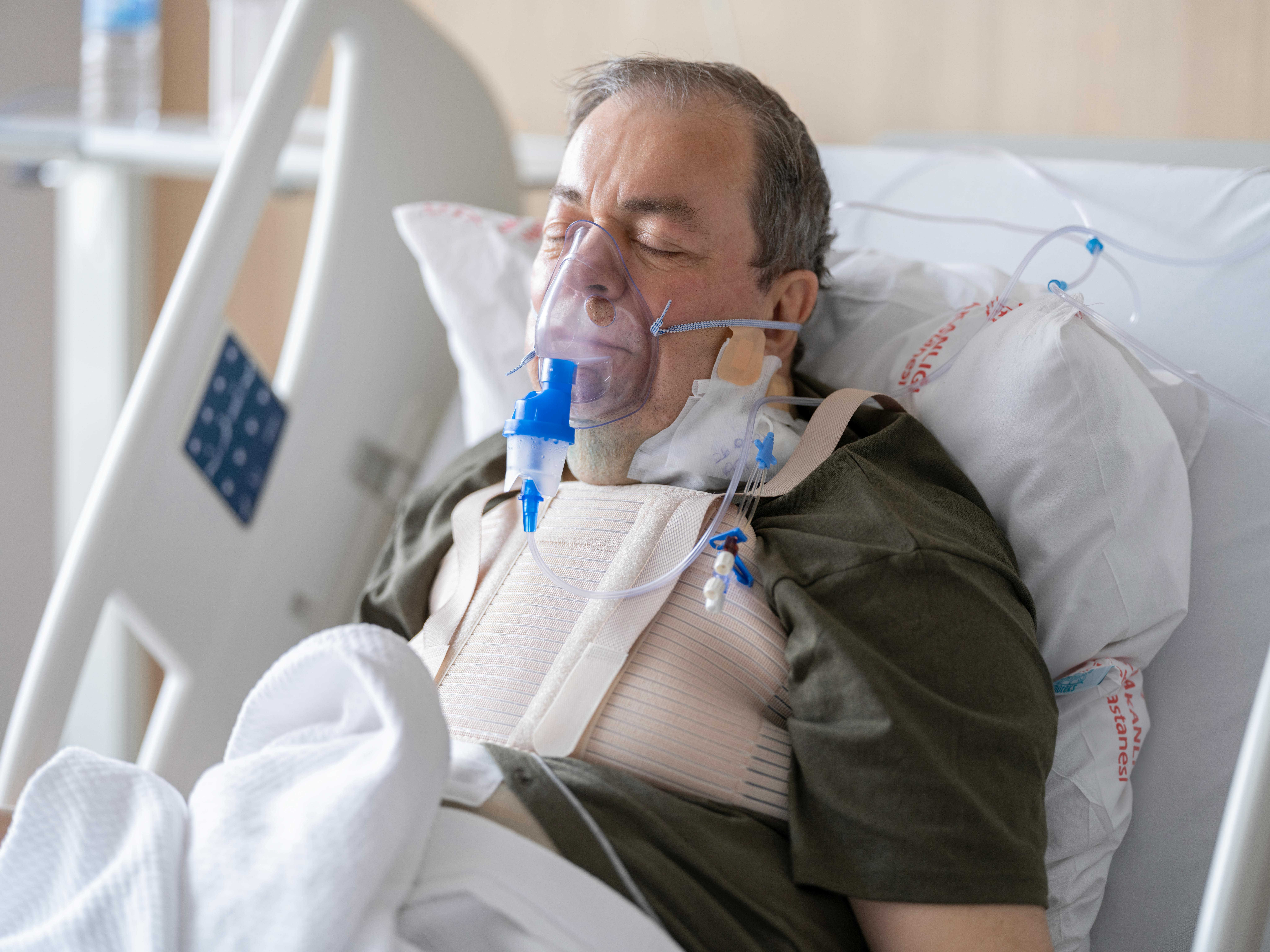
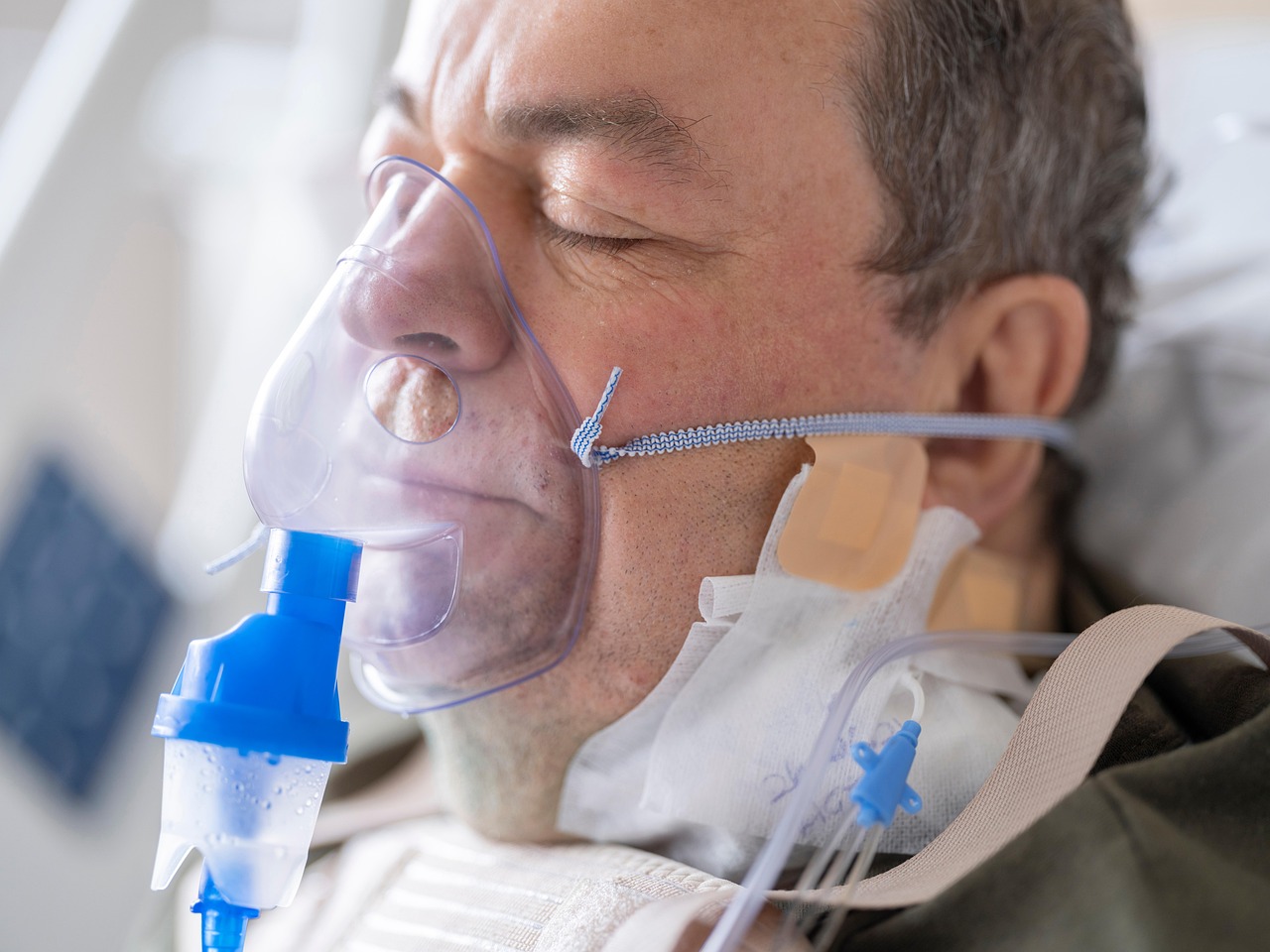
Current observational reports view that a significant proportion of patients with COVID-19 pneumonia can be treated non-invasive (i.e., high flow nasal cannula (HFNC) or non-invasive ventilation (NIV)) instead of invasive mechanical ventilation (IMV). HFNC and NIMV are the leading noninvasive ventilation methods used in COVID-19 patients (48). In our study, HFNC and NIMV were used as non-invasive mechanical ventilation methods in ICU, depending on necessity.
HFNC oxygen therapy refers to the delivery of humidified and heated oxygen at high flows, typically 20-60 L/min, which is titrated to a precise fraction of inspired oxygen (Fi O2). The advantages of delivering oxygen in this manner include improved comfort by satisfying patients on demand, creating an oxygen reservoir in the upper airway, and reducing physiological dead space (reduced CO2 rebreathing) (49). Recent meta-analyses suggest that the application of HFNC in the setting of acute hypoxemic respiratory failure can reduce the risk of intubation and invasive mechanical ventilation by $15\%$ compared with conventional oxygen therapy without affecting mortality. (50). A recent computer simulation study concluded that strategies incorporating HFNC for patients not urgently needing intubation could result in greater mechanical ventilator availability and fewer deaths. Propensity score-matched analyses comparing HFNC and other means of respiratory assistance suggest a lesser likelihood of intubation (51), a higher number of ventilator-free days, and a reduction in ICU length of stay (52) with the former. In previous studies on the use of oxygen support with HFNC in hypoxic respiratory failure, better patient comfort, decreased respiratory distress, regressed tachypnea, better oxygenation and decreased intubation requirement have been found (53).
Non-invasive ventilation (NIV) is delivered through a face mask or a helmet that is placed over the patient's head. The helmet interface potentially presents a safer alternative (from an infection control perspective) because it eliminates leaks. In the settings of acute congestive heart failure and acute hypercapnic respiratory failure due to COPD, NIV has been extremely effective in preventing intubation and reducing mortality (54, 55). NIV was associated with higher intensive care unit mortality among ARDS patients with PaO2/Fi O2 9.5 mL/kg predicted body weight) and poor oxygenation at baseline (PaO2 /Fi O2 9 mL/kg of predicted body weight and PaO2 /FiO2 $\leq 200$ mmHg independently predicted NIV failure (54). A post hoc analysis reported a higher risk of intubation and mortality for patients treated with NIV versus HFNC in a group of immunocompromised patients with acute respiratory failure (55). In our study, the central and peripheral system effects of NMIV and HFNC use in COVID-19 patients were evaluated and the effects on COVID-19 severity scales, serum neuro-inflammatory markers levels, and cognitive impairment were compared between two groups. Consistent with the literature so far, it has been statistically proven that the use of HFNC at the end of the 7th day has a positive effect on both the COVID-19 severity scores. We evaluated BCRSS, QCSI, and HScore on the 1st and 7th-day. There is no difference between BCRSS and QCSI scores on the 1st-day. HScore 1st-day measurement was higher in the NIMV group. HScore 7th-day measurement was lower in the HFNC group. In QCSI and HScore 7th-day measurement, the HFNC group mean was lower than the NIMV group $(p < 0.05)$.
There is evidence that severe COVID-19 patients show hyper-inflammation, hyperferritinemia, and hypercytokinemia. Siddiqi and Mehra stated that in the hyperinflammation phase of COVID-19, there is a significant increase in biomarkers and inflammatory cytokines such as interleukin (IL)-2, IL-6, IL-7, ESR, NLO, troponin, CRP, ferritin, PCT, and D-dimer. It has been reported that uncontrolled hyperinflammation can lead to cardiopulmonary collapse and multiple organ failure (56). To determine the effect of COVID-19 on the neuroinflammatory process and to compare the prognostic change of this process, we measured laboratory values on the first and seventh days in both groups. In the first day measurements of serum acute phase reactants; IL-6 values were higher in the NIMV group, and AST and troponin values were higher in the HFNC group. On the seventh day measurements of serum acute phase reactants; ESR, NLR, pro-calcitonin and troponin levels increased in the NIMV group and had a high that reached statistical significance.
Considering current data, patients in various degrees suffer from short-term cognitive impairment following COVID-19 infection. Compared to healthy controls, all the included studies reported that a higher percentage of patients had a global cognitive impairment. Regarding specific cognitive domains, principally attentional and executive functions seem to be prone to impairments (57). Dysfunctions of the higher mentation go unnoticed, especially if they are mild and occur in otherwise asymptomatic persons (58). Such unrecognized deficits have been brought out in asymptomatic subjects in many other diseases by targeted cognitive tests like MoCA (59, 60). The ICU patient follow-up process creates cognitive impairment in patients because it affects the patient's psychological and physical comfort and because COVID-19 inflammation adversely affects the central nervous system. In this process, we believe that the noninvasive ventilation method to be chosen in non-intubated patients can change the cognitive impact of the patients. MoCA scores were compared to cognitive evaluation scales in both groups. The MoCA day 1 measurement was similar in both groups, while the average for day 7 was higher in the HFNC group. There is not enough data to support this statistically significant data in our study, and there is not enough data yet on which noninvasive method affects cognitive influence for the better.
During an infectious disease outbreak, a significant proportion of people tend to experience clinically significant levels of fear and anxiety (61). Consistent with this, acute infection and mortality rates related to COVID-19 caused widespread fear and anxiety (62, 63). Studies conducted in China demonstrate this, reporting that between $50\%$ (64) and $70\%$ (65) of the participants showed moderate to high psychological symptoms (64, 65). Consistent with this, Wang et al. (64) found that approximately one-third of the participants reported moderate-to-severe anxiety, while for Tian et al. (65) the participants reported high scores for obsessive compulsion, interpersonal sensitivity, phobic anxiety, and psychoticism. Many studies have shown that HFNC is tolerated as well and reduces anxiety better than other means of oxygen supply (66) respected by comfort scores (67), generated noise scores, dryness of the nose scores, and subjective appearance of patient's comfort and complaint (68). The study by Sztrymf et al. (69) included patients who tolerated HFNC for up to 7 days without major side effects. In our study, we compared first and seventh-day CAS scores to measure coronavirus anxiety in the HFNC and NIMV groups. While no statistically significant difference was observed in the first-day scores, we showed that $66.7\%$ of those with high 7th day measurements were in the NIMV group. The present results are in line with data showing that HFNC has a better effect on anxiety.
### Limitations of the Study
The present study was based on a detailed interview with the patient (and/or a carer) that was carried out within 7 days of hospital admission for COVID-19 pneumonia. The parameters examined within the study do not include the significance level of the parameters that have reached statistical significance in chronic return of COVID-19 pneumonia. In addition, the limited patient population included in the study brings to mind the idea that different results can be obtained when similar studies are conducted with larger patient groups of different ethnic origins.
## V. CONCLUSION
In this study, patients ventilated with NIMV or HFNC were evaluated with demographic data, COVID-19 severity scales, serum acute phase reactant parameters, and cognitive scales. We concluded that COVID-19 severity scales and serum acute inflammatory parameters, which may be important in the follow-up and treatment of COVID-19, increase in patients using NIMV, and that the use of NIMV is related to poor cognitive impairment, which may adversely affect the prognosis in patients and increase the need for treatment. There is not enough data to compare the data on the two noninvasive ventilator modules that we compared in the study. In this respect, our study will contribute to the literature.
Conflict of Interest
[^1]: Chi-Square Test _(p.4)_
Generating HTML Viewer...
References
69 Cites in Article
P Leger,J Jennequin,P Gaussorgues,D Robert (1988). Acute respiratory failure in COPD patients treated with noninvasive intermittent mechanical ventilation (control mode) with nasal mask.
Gianfranco Meduri,Craig Conoscenti,Phillip Menashe,Sreedhar Nair (1989). Noninvasive Face Mask Ventilation in Patients with Acute Respiratory Failure.
Laurent Brochard,Daniel Isabey,Jacques Piquet,Piedade Amaro,Jorge Mancebo,Amen-Allah Messadi,Christian Brun-Buisson,Alain Rauss,François Lemaire,Alain Harf (1990). Reversal of Acute Exacerbations of Chronic Obstructive Lung Disease by Inspiratory Assistance with a Face Mask.
Daniel Benhamou,Christophe Girault,Colette Faure,Florence Fortier,Jean-Francois Muir (1992). Nasal Mask Ventilation in Acute Respiratory Failure.
G Meduri,N Abou-Shala,R Fox,C Jones,K Leeper,R Wunderink (1991). Noninvasive face mask mechanical ventilation in patients with acute hypercapnic respiratory failure.
Andrew Bersten,Andrew Holt,Alnis Vedig,George Skowronski,Christopher Baggoley (1991). Treatment of Severe Cardiogenic Pulmonary Edema with Continuous Positive Airway Pressure Delivered by Face Mask.
Marc Wysocki,Laurent Tric,Michel Wolff,Jacques Gertner,Henri Millet,Bernard Herman (1993). Noninvasive Pressure Support Ventilation in Patients With Acute Respiratory Failure.
Caterina Foglio,Michele Vitacca,Armido Quadri,Simonetta Scalcini,Silvia Marangoni,Nicolino Ambrosino (1992). Acute Exacerbations in Severe COLD Patients.
M Vitacca,F Rubini,K Foglio,S Scalvini,S Nava,N Ambrosino (1993). Non-invasive modalities of positive pressure ventilation improve the outcome of acute exacerbations in COLD patients.
R Fernandez,L Blanch,J Valles,F Baigorri,A Artigas (1993). Pressure support ventilation via face mask in acute respiratory failure in hypercapnic COPD patients.
M Elliott,M Steven,G Phillips,M Branthwaite (1990). Non-invasive mechanical ventilation for acute respiratory failure.
J Bott,M Carroll,J Conway,S Keilty,E Ward,A Brown,E Paul,M Elliott,R Godfrey,J Wedzicha,J Moxham (1993). Randomised controlled trial of nasal ventilation in acute ventilatory failure due to chronic obstructive airways disease.
Huiying Zhao,Huixia Wang,Feng Sun,Shan Lyu,Youzhong An (2017). High-flow nasal cannula oxygen therapy is superior to conventional oxygen therapy but not to noninvasive mechanical ventilation on intubation rate: a systematic review and meta-analysis.
Xiaofeng Ou,Yusi Hua,Jin Liu,Cansheng Gong,Wenling Zhao (2017). Effect of high-flow nasal cannula oxygen therapy in adults with acute hypoxemic respiratory failure: a meta-analysis of randomized controlled trials.
Yue-Nan Ni,Jian Luo,He Yu,Dan Liu,Bin-Miao Liang,Zong-An Liang (2018). The effect of high-flow nasal cannula in reducing the mortality and the rate of endotracheal intubation when used before mechanical ventilation compared with conventional oxygen therapy and noninvasive positive pressure ventilation. A systematic review and meta-analysis.
Zhiheng Xu,Yimin Li,Jianmeng Zhou,Xi Li,Yongbo Huang,Xiaoqing Liu,Karen Burns,Nanshan Zhong,Haibo Zhang (2018). High-flow nasal cannula in adults with acute respiratory failure and after extubation: a systematic review and meta-analysis.
Yue-Nan Ni,Jian Luo,He Yu,Dan Liu,Bin-Miao Liang,Rong Yao,Zong-An Liang (2017). Can high-flow nasal cannula reduce the rate of reintubation in adult patients after extubation? A meta-analysis.
Hua-Wei Huang,Xiu-Mei Sun,Zhong-Hua Shi,Guang-Qiang Chen,Lu Chen,Jan Friedrich,Jian-Xin Zhou (2018). Effect of High-Flow Nasal Cannula Oxygen Therapy Versus Conventional Oxygen Therapy and Noninvasive Ventilation on Reintubation Rate in Adult Patients After Extubation: A Systematic Review and Meta-Analysis of Randomized Controlled Trials.
Y Zhu,H Yin,R Zhang,X Ye,J Wei (2019). High-flow nasal cannula oxygen therapy versus conventional oxygen therapy in patients after planned extubation: a systematic review and meta-analysis.
Mervyn Singer,Clifford Deutschman,Christopher Seymour,Manu Shankar-Hari,Djillali Annane,Michael Bauer,Rinaldo Bellomo,Gordon Bernard,Jean-Daniel Chiche,Craig Coopersmith,Richard Hotchkiss,Mitchell Levy,John Marshall,Greg Martin,Steven Opal,Gordon Rubenfeld,Tom Van Der Poll,Jean-Louis Vincent,Derek Angus (2016). The Third International Consensus Definitions for Sepsis and Septic Shock (Sepsis-3).
Qingchun Yao,Peng Wang,Xingguang Wang,Guoqiang Qie,Mei Meng,Xiwen Tong,Xue Bai,Min Ding,Weiming Liu,Keke Liu,Yufeng Chu (2020). Retrospective study of risk factors for severe SARS-Cov-2 infections in hospitalized adult patients.
C Seymour,V Liu,T Iwashyna,F Brunkhorst,T Rea,A Scherag (2016). Assessment of Clinical Criteria for Sepsis: For the Third International Consensus Definitions for Sepsis and Septic Shock (Sepsis-3).
Yonathan Freund,Najla Lemachatti,Evguenia Krastinova,Marie Van Laer,Yann-Erick Claessens,Aurélie Avondo,Céline Occelli,Anne-Laure Feral-Pierssens,Jennifer Truchot,Mar Ortega,Bruno Carneiro,Julie Pernet,Pierre-Géraud Claret,Fabrice Dami,Ben Bloom,Bruno Riou,Sébastien Beaune (2017). Prognostic Accuracy of Sepsis-3 Criteria for In-Hospital Mortality Among Patients With Suspected Infection Presenting to the Emergency Department.
J Stéphan,J Zeller,P Hubert,C Herbelin,J Dayer,A Prieur (1993). Macrophage activation syndrome and rheumatic disease in childhood: a report of four new cases.
Simone Piva,Matteo Filippini,Fabio Turla,Sergio Cattaneo,Alessio Margola,Silvia De Fulviis,Ida Nardiello,Alessandra Beretta,Laura Ferrari,Raffaella Trotta,Gloria Erbici,Emanuele Focà,Francesco Castelli,Frank Rasulo,Michael Lanspa,Nicola Latronico (2020). Clinical presentation and initial management critically ill patients with severe acute respiratory syndrome coronavirus 2 (SARS-CoV-2) infection in Brescia, Italy.
(2020). Lombardy Section Italian Society Infectious And Tropical Diseases -. Vademecum for the treatment of people with COVID-19.
Adrian Haimovich,Neal Ravindra,Stoytcho Stoytchev,H Young,Francis Wilson,David Van Dijk,Wade Schulz,R Taylor (2020). Development and Validation of the Quick COVID-19 Severity Index: A Prognostic Tool for Early Clinical Decompensation.
S Sawhney,P Woo,K Murray (2001). Macrophage activation syndrome: a potentially fatal complication of rheumatic disorders.
Ruchi Patel,Irene Savrides,Christine Cahalan,Gargi Doulatani,Michael O’dell,Joan Toglia,Abhishek Jaywant (2021). Cognitive impairment and functional change in COVID-19 patients undergoing inpatient rehabilitation.
Ziad Nasreddine,Natalie Phillips,Valérie Bédirian,Simon Charbonneau,Victor Whitehead,Isabelle Collin,Jeffrey Cummings,Howard Chertkow (2005). The Montreal Cognitive Assessment, MoCA: A Brief Screening Tool For Mild Cognitive Impairment.
Emma Borland,Katarina Nägga,Peter Nilsson,Lennart Minthon,Erik Nilsson,Sebastian Palmqvist (2017). The Montreal Cognitive Assessment: Normative Data from a Large Swedish Population-Based Cohort.
Yanhong Dong,Vijay Sharma,Bernard Poon-Lap Chan,Narayanaswamy Venketasubramanian,Hock Teoh,Raymond Seet,Sophia Tanicala,Yiong Chan,Christopher Chen (2010). The Montreal Cognitive Assessment (MoCA) is superior to the Mini-Mental State Examination (MMSE) for the detection of vascular cognitive impairment after acute stroke.
Tiago Pinto,Leonardo Machado,Tatiana Bulgacov,Rodrigues-Júnior,L Antônio,Maria Costa,Rosana Ximenes,Sougey,B Everton (2019). Is the Montreal Cognitive Assessment (MoCA) screening superior to the Mini-Mental State Examination (MMSE) in the detection of mild cognitive impairment (MCI) and Alzheimer's Disease (AD) in the elderly?.
Sherman Lee (2020). Replication analysis of the Coronavirus Anxiety Scale.
S Gane,C Kelly,C Hopkins (2020). Isolated Sudden Onset Anosmia in COVID-19 Infection. A Novel Syndrome?.
M Hoang,J Kanjanaumporn,S Aeumjaturapat,S Chusakul,K Seresirikachorn,K Snidvongs (2020). Olfactory and gustatory dysfunctions in COVID-19 patients: A systematic review and meta-analysis.
Ling Mao,Huijuan Jin,Mengdie Wang,Yu Hu,Shengcai Chen,Quanwei He,Jiang Chang,Candong Hong,Yifan Zhou,David Wang,Xiaoping Miao,Yanan Li,Bo Hu (2020). Neurologic Manifestations of Hospitalized Patients With Coronavirus Disease 2019 in Wuhan, China.
Beth Russell,Charlotte Moss,Anne Rigg,Claire Hopkins,Sophie Papa,Mieke Van Hemelrijck (2020). Anosmia and ageusia are emerging as symptoms in patients with COVID-19: What does the current evidence say?.
Luigi Vaira,Giovanni Salzano,Giovanna Deiana,Giacomo De Riu (2020). Anosmia and Ageusia: Common Findings in <scp>COVID</scp>‐19 Patients.
Jonathan Rogers,Edward Chesney,Dominic Oliver,Thomas Pollak,Philip Mcguire,Paolo Fusar-Poli,Michael Zandi,Glyn Lewis,Anthony David (2020). Psychiatric and neuropsychiatric presentations associated with severe coronavirus infections: a systematic review and meta-analysis with comparison to the COVID-19 pandemic.
Julie Helms,Stéphane Kremer,Hamid Merdji,Raphaël Clere-Jehl,Malika Schenck,Christine Kummerlen,Olivier Collange,Clotilde Boulay,Samira Fafi-Kremer,Mickaël Ohana,Mathieu Anheim,Ferhat Meziani (2020). Neurologic Features in Severe SARS-CoV-2 Infection.
B Rochwerg,D Granton,D Wang,Y Helviz,S Einav,J Frat,A Mekontso-Dessap,A Schreiber,E Azoulay,A Mercat,A Demoule,V Lemiale,A Pesenti,E Riviello,T Mauri,J Mancebo,L Brochard,K Burns (2019). High flow nasal cannula compared with conventional oxygen therapy for acute hypoxemic respiratory failure: a systematic review and meta-analysis.
Nicolas Berbenetz,Yongjun Wang,James Brown,Charlotte Godfrey,Mahmood Ahmad,Flávia Vital,Pier Lambiase,Amitava Banerjee,Ameet Bakhai,Matthew Chong (2019). Non-invasive positive pressure ventilation (CPAP or bilevel NPPV) for cardiogenic pulmonary oedema.
Christian Osadnik,Vanessa Tee,Kristin Carson-Chahhoud,Joanna Picot,Jadwiga Wedzicha,Brian Smith (2017). Non-invasive ventilation for the management of acute hypercapnic respiratory failure due to exacerbation of chronic obstructive pulmonary disease.
Hasan Siddiqi,Mandeep Mehra (2020). COVID-19 illness in native and immunosuppressed states: A clinical–therapeutic staging proposal.
F Alemanno,E Houdayer,A Parma,A Spina,Del Forno,A Scatolini,A (2021). COVID-19 cognitive deficits after respiratory assistance in the subacute phase: A COVID rehabilitation unit experience.
Caterina Pistarini,Elena Fiabane,Elise Houdayer,Claudio Vassallo,Marina Manera,Federica Alemanno (2021). Cognitive and Emotional Disturbances Due to COVID-19: An Exploratory Study in the Rehabilitation Setting.
Martha Martínez-Banfi,Jorge Vélez,M Perea,Ricardo García,Pedro Puentes-Rozo,Moises Mebarak Chams,Valentina Ladera (2018). Neuropsychological performance in patients with asymptomatic HIV-1 infection.
Brajesh Lal,Moira Dux,Siddhartha Sikdar,Carly Goldstein,Amir Khan,John Yokemick,Limin Zhao (2017). Asymptomatic carotid stenosis is associated with cognitive impairment.
S Taylor (2019). The psychology of pandemics: Preparing for the next global outbreak of infectious disease.
Daniel Ahorsu,Chung-Ying Lin,Vida Imani,Mohsen Saffari,Mark Griffiths,Amir Pakpour (2020). The Fear of COVID-19 Scale: Development and Initial Validation.
Chung-Ying Lin (2020). Social Reaction Toward the 2019 Novel Coronavirus (COVID-19).
Cuiyan Wang,Riyu Pan,Xiaoyang Wan,Yilin Tan,Linkang Xu,Cyrus Ho,Roger Ho (2020). Immediate Psychological Responses and Associated Factors during the Initial Stage of the 2019 Coronavirus Disease (COVID-19) Epidemic among the General Population in China.
Fangyuan Tian,Hongxia Li,Shuicheng Tian,Jie Yang,Jiang Shao,Chenning Tian (2020). Psychological symptoms of ordinary Chinese citizens based on SCL-90 during the level I emergency response to COVID-19.
Benjamin Sztrymf,Jonathan Messika,Fabrice Bertrand,Dominique Hurel,Rusel Leon,Didier Dreyfuss,Jean-Damien Ricard (2011). Beneficial effects of humidified high flow nasal oxygen in critical care patients: a prospective pilot study.
Carratalá Perales,J Llorens,P Brouzet,B,Albert Jiménez,A Fernández-Cañadas,J,Carbajosa Dalmau,J,Martínez Beloqui,E,Ramos Forner,S (2011). High-Flow therapy via nasal cannula in acute heart failure.
Andrew Epstein,Sidonie Hartridge-Lambert,Judson Ramaker,Louis Voigt,Carol Portlock (2011). Humidified High-Flow Nasal Oxygen Utilization in Patients with Cancer at Memorial Sloan-Kettering Cancer Center.
Benjamin Sztrymf,Jonathan Messika,Thomas Mayot,Hugo Lenglet,Didier Dreyfuss,Jean-Damien Ricard (2012). Impact of high-flow nasal cannula oxygen therapy on intensive care unit patients with acute respiratory failure: A prospective observational study.
No ethics committee approval was required for this article type.
Data Availability
Not applicable for this article.
How to Cite This Article
Esra Demir Unal. 2026. \u201cEvaluation of Neuroinflammatory and Neurocognitive Effects of Noninvasive Ventilation Modes in COVID-19 Patients\u201d. Global Journal of Medical Research - A: Neurology & Nervous System GJMR-A Volume 22 (GJMR Volume 22 Issue A2).
Explore published articles in an immersive Augmented Reality environment. Our platform converts research papers into interactive 3D books, allowing readers to view and interact with content using AR and VR compatible devices.
Your published article is automatically converted into a realistic 3D book. Flip through pages and read research papers in a more engaging and interactive format.
Our website is actively being updated, and changes may occur frequently. Please clear your browser cache if needed. For feedback or error reporting, please email [email protected]
Thank you for connecting with us. We will respond to you shortly.