
I. INTRODUCTION
World health organization (WHO) has estimated Global count of 1.1 billion active smokers and figures are projected to increase to 1.3 billion in . There are substantial scientific evidences that have revealed the deleterious effect of smoking on respiratory health and smoking is supposed to play pivotal role in wide spectrum of respiratory diseases. In concurrence with this, previous outbreaks caused by Coronavirus like MERS-CoV has revealed higher case fatality rates in smokers compared to non-smokers. Conflicting findings are reported by authors across the world in the ongoing SARS-CoV-2 disease outbreak; with regard to smoking as risk factor for disease incidence and worse outcome of diseases in COVID-19 patients. For instance an earliest study published in china concluded smoking as an independent risk factor for severe outcome of disease in COVID-19. Studies have attributed higher rate of mortality in cigarette smokers because of the relative upregulation of the angiotensin converting enzyme 2 (ACE2) receptor the key receptor used by SARS-CoV-2 to invade the recipient mucous membrane and trigger underlying illness. But subsequent studies have proposed smoking is not associated with severe outcome in COVID-19 disease and in fact smoking prevents severe progression of disease in smokers. Recently some studies have reported decreased expression of ACE-2 receptors in smoker population which subsequently prevent severe progression of disease in smoker population. However it remains uncertain if the up regulation of the ACE-2 receptor has any impact on mortality in smoker population of COVID-19. These studies were widely shared on social media and propaganda was perpetuated by tobacco companies that led World Health Organization (WHO) to issue official statement to condemn beneficial role of tobacco based products against COVID-19 as significant and enough evidences were lacking to support the statement. Furthermore To negate the propaganda European Center for Disease Prevention and Control (ECDC) issued guidelines to avoid identified probable risk factors like smoking and medications that can results in severe outcome in COVID-19 and hence increase burden hospital capacity.
These studies gave conflicting results and were having number of limitations which includes mall cohort size, retrospective design, lack of matching, single centered study, difficulty in establishing smoking status of patients. Owing the established side effects associated with smoking there is an urgent need to study smoking as potential risk factor to accurately predict whether smoking subpopulation are at increased risk of severe outcome and help clinician in rational targeted therapeutic strategies for COVID-19 smoking patients. Therefore, a retrospective observational study on large sample size was performed to assess the clinical characteristics, laboratory findings, radiological findings and clinical outcomes in smoker and never smoker COVID-19 patients. The prime advantages of present study were (1) this is up to this time a large cohort study as earlier studies are mostly on limited number of patients. (2). In this study we asked (i) whether inflammatory cytokine response and acute phase proteins can predict severe outcome in smoking COVID-19 patients, in order to study role of cytokines we assayed Interleukins (IL); IL-1, IL-2, IL-6 and TNF- (Tumor necrotic Factor-Alpha). Similarly for Acute phase response we studied D-Dimer, procalcitonin, Heat Sensitive-C Reactive Protein (Hs-CRP), Ferritin and Lactate dehydrogenase (LDH). (ii) All cause mortality as primary outcome and need for mechanical ventilation as secondary outcome in smoker COVID-19 population.
II. METHODS
a) Study Design
Between March 23, 2020 to March 2, 2021, as part of routine clinical treatment, we collected laboratory and health details from 883 patients who were hospitalized with confirmed SARS-CoV-2 infection. Patients included in present retrospective single center cohort study included Adult patients (aged 18 and over) from Chest Disease Hospital Srinagar, Jammu and Kashmir, India. The study was approved by institutional Ethical Committee of Chest Disease Hospital Srinagar (CDSCO U/P No: EC/NEW/INST/2020/7452/01A.). Patients confirmed for COVID-19 by RT-PCR of nasopharyngeal swab were categorized as patients with chronic history of smoking and those without ever history of smoking . Record of all COVID-19 patients was retrieved from central repository of hospital. Number of deaths from all cause mortality was recorded on weekly basis for patients infected with COVID-19. A disease severity scale was utilized to classify patients in different grades of disease severity as per previous study and clinical practice of clinician present in Chest disease hospital Srinagar. In both groups COVID-19 disease was categorized as mild/moderate COVID-19 (patients with pyrexia, abnormal CT findings without need for ventilation), Severe COVID-19 (patients which underwent for ventilation and require intensive care) and critically severe COVID-19.
b) Sample collection
In majority of patients samples were collected once usually after hospitalization (median- 1.53 Days; IQR-1.98 Days). In subset of Patient population were sampling was performed more than once, only those samples were used in current study which were collected immediately after hospitalization. Samples for RT-PCR were obtained from nasopharyngeal/oropharyngeal swab while for biochemical analysis blood samples were collected by venipuncture.
c) Identification of surrogate markers of smoking
In present study we conducted univariate analyses to evaluate pro-inflammatory cytokine response in patients with associated co-morbidities. Univariate analysis revealed inflammatory cytokines (IL-1, IL-2, IL-6 and TNF- ) were significantly elevated in patients with history of hypertension, kidney disease (CKD), congestive heart failure, diabetes mellitus and chronic obstructive pulmonary disease. No significant difference was observed in levels of pro-inflammatory cytokine levels between male and female subpopulation when body mass index (BMI) and sex were considered as risk for exaggerated cytokine response. Although with increasing age of patients cytokine response was found to be enhanced which indicates dysregulation in inflammatory pathway with increase in age. Based on these findings we matched patients with respect to comorbidities and demographic factors in subsequent analysis. Following this we attempted to identify surrogate variables of smoking for that we tested whether smoking was associated with enhanced cytokine response and we evaluated correlation of these pro-inflammatory cytokine with well known inflammatory/acute phase markers identified as an independent risk factors (Hs-CRP, D-dimer, ferritin, procalcitonin and LDH). Following this we evaluated association of surrogate variables of smoking as variable with additional series of well established biochemical parameters for their role in survival in present cohort. We found levels of white blood cells; creatinine, platelet count, nuptrophils, LDH, and oxygen saturation were closely associated with surrogate markers of smoking identified. Next we conducted univariate Kaplan-Meier analyses to determine factors affecting survival of COVID-19 patients regardless of the whether patients who died were smokers or non smokers. Finally we quantified four inflammatory cytokines and acute phase protein response known to lead pathogenic inflammation and evaluated their association with disease intensity and survival. Following this survival model was adopted for our analysis of 883 patients tested positive for SARS-CoV-2 with variables which included pro-inflammatory cytokines, acute phase protein response and other laboratory parameters.
d) MIP treatment Outcomes in smoker and non-smoker population
A Prospective Interventional cohort study was conducted on smoker/non smoker patients treated with Mycobacterium indicus pranii (MIP) and were compared with Comparator groups for smoker and non smokers respectively. To ensure strict control on baseline characteristics, MIP/smoker recipients were propensity-score matched to comparator patients MIP/non-smoker. After establishing matching, patients were retrospectively chart reviewed by team of experts who were unaware of patient information. Patients whose baseline characteristics were not available in system database were retrieved manually. Patients in MIP groups received Mycobacterium indicus pranii (MIP) at dosage of 0.1 ml intramuscular three times a day at three different sites for three consecutive days in addition to standard treatment used and approved at chest disease hospital Srinagar, Jammu and Kashmir India. While patients in comparator groups received standard/symptomatic therapy which included steroids' and remdesvir with symptomatic therapy for comorbidities if any. Primary end point outcome in study population was estimated as all cause mortality observed during time of hospitalization caused by primary COVID-19 disease or underlying secondary disease. While as secondary outcome was estimated on basis of hospital stay, severe manifestation of disease, pro-inflammatory cytokine response, acute phase protein response and need for mechanical ventilation.
e) Statistical analysis
We summarized patient demographic and clinic-biochemical characteristics using standard statistical tools. Continuous variables were expressed as Mean±S.E; IQR (Interquartile Range) while as categorical variables were expressed as count/percentage with OR (Odds Ratio) as randomization was not conducted in present study all statistics were deemed as descriptive. We used Kaplan Meier plots to assessed differences in survival probabilities between smoker and non-smoker population across time of hospitalization in which death was event of interest and discharge from hospital was competing event. Hazard Ratios (HRs) with 95% CIs (confidence intervals) predicted survival probability. Comparison for continuous variables was estimated by Mann-Whitney U test and categorical data was compared by chi square test. Association studies was conducted by using univariate analyses, we assessed association of pro-inflammatory cytokine response with patient clinic-biochemical characteristics by using Mann-Whitney U test, Kruskal-Wallis test and Spearman's rank correlation test as appropriate and spearman's correlation was used for correlation studies. P value of less than 0·05 was considered Statistical significant and statistics was performed with IBM SPSS Statistics, version 20.
III. RESULTS
a) Clinical manifestations: Severe spectrum and severe intensity of clinical signs were observed in COVID-19 smoker population compared to spectrum/intensity of signs in non-smoker COVID-19 population (Table 1). Clinically diseases in smoker compared to non-smoker was presented as Cough (27.27% v/s 55.07%; p-0.01), Sputum (2.2% v/s 17.39%; OR-5.82; p-0.01), Sore throat (5.7% v/s 21.73%; OR-3.00; p-0.01), Fever (28.99% v/s 39.13%; p-0.47), Anorexia (2.2% v/s 43.47%; OR-5.37; p-0.001), Rhinitis (1.9% v/s 12.9%; OR-2.38; p-0.01), Insomnia (1.3% v/s 6.4%; p-0.07), hemoptysis (2.0% v/s 4.2%; OR-1.76; p-0.09), dysguesia (3.4% v/s 7.2%; OR-3.15; p-0.03), Nausea (0.8% v/s 23.18%; OR-11.79; p-0.001), Diarrhea (1.3% v/s 6.4%; OR-1.11; p-0.001), Myalgia (7.1% v/s 17.39%; OR-2.09; p-0.05), Fatigue (4.05% v/s 10.14%; OR-2.85; p-0.01), Headache (2.2% v/s 20.28%; OR-2.87; p-0.01) and Nasal Congestion (0.3% v/s 15.94%; OR-4.15; p-0.003). From these results it is seems that smoker population has more severe presentation of disease compared to comparator group of non-smokers. Of the clinical importance, parameters which were significantly elevated in smoker population compared to non-smoker were productive cough, sore throat, anorexia, nausea, myalgia, fatigue, oro-pharyngeal congestion and conjunctivitis.
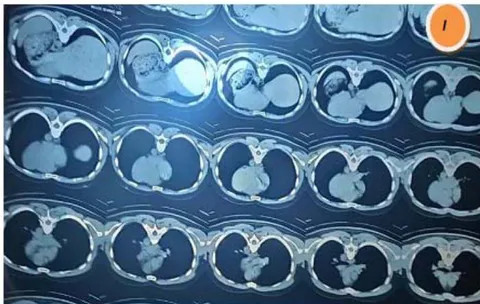
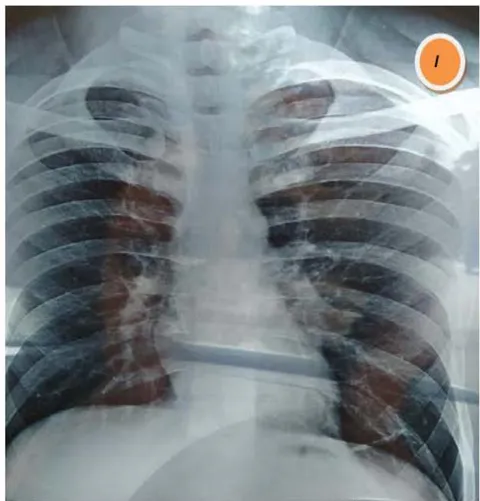
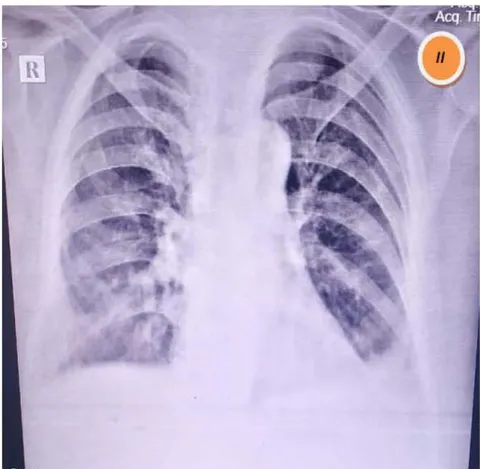
b) Computer tomographic (CT) findings: The typical findings of chest CT images in smoker COVID-19 v/s non-smoker COVID-19 included GGO'S (10.14% v/s 3.07%; p-0.001), Local Patchy Shadow (2.89% v/s 0.61%; p-0.03), B/L Patchy Shadow (8.69% v/s 1.1%; p-0.01), SC (10.14% v/s 8.23%; p-0.99), Effusion (2.89% v/s 0.98%; p-0.04), GGO (U/B (24.64% v/s 9.3%; p-0.001), Nodules (4.34% v/s 1.8%; p-0.03), Consolidation (17.39% v/s 4.42%; p-0.01) and Pleural Effusion (18.84% v/s 1.7%; p-0.01) (Table 2). Taken together present study found increased incidence of overall CT abnormalities in smoker population (24.63%) compared to nonsmoker population (7.86%) with p value of 0.01 (Figure 1A and 1B). An expected finding of present study was higher prevalence of COPD in smoker group compared to comparator group (Table 3). At the time of admission 53.62% smoker population and 16.83% non smoker population were having severe illness of COVID-19 disease. In concurrence with this similarly 52.17% smoker population and 16.83% in comparator population needed mechanical ventilation which further supports severe pathology of lung parenchyma in smoker COVID-19 population compared to non-smoker COVID-19 population.
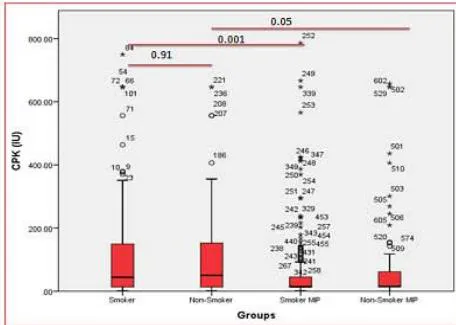
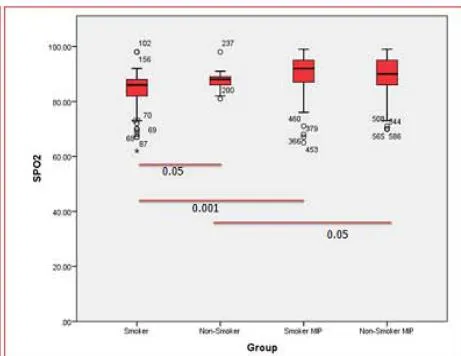
c) Biochemical findings: At the time of admission LDH (423.87±24.48: IQR-204 v/s 261.44±21.98: IQR-154, p-0.01), heart rate (87.05±0.53: IQR-18 v/s 68.15±2.16: IQR-20, p-0.73), Platelet count (159.88±5.86: IQR-232.44 v/s 79.13±16.31: IQR-167.55, p-0.001), and Bilirubin (1.07±0.26: IQR-0.4 v/s 0.99±0.14: IQR-0.6, p-0.02) levels were significantly elevated in smoker COVID-19 population compared to non-smoker (Table 5). Similarly in present study we found significantly reduced in smoker compared to nonsmoker (91.14±0.29: IQR-8 v/s 80.33±0.98: IQR-8, p-0.04) COVID-19 population. Other parameters which did not showed any abnormality between COVID-19 smoker population compared to nonsmoker COVID-19 population included temperature (95.28±1.39: IQR-4 v/s 93.20±6.17: IQR-5, p-0.90), White Blood Cell (6029.22±171.97: IQR-3700 v/s 5813.55±500.77: IQR-3900, p-0.56), Lymphocyte Count (1517.60±42.89: IQR-900 v/s 1502.09±90.59: IQR-650, p-0.79), Creatinine, Blood Sugar, SGOT, SGPT, ALP, Protein and CPK levels (Table 5).
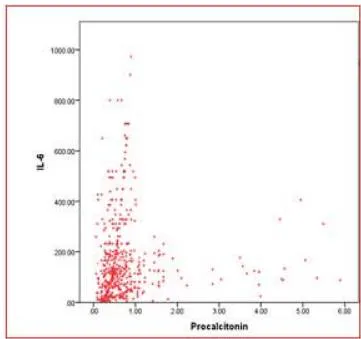
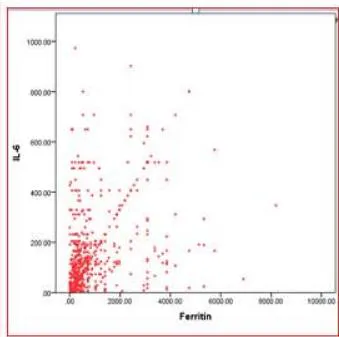
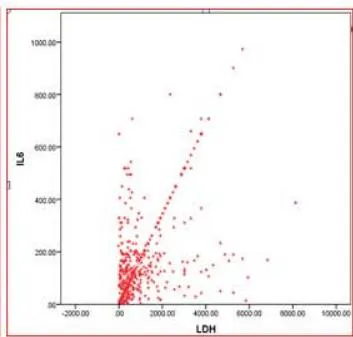
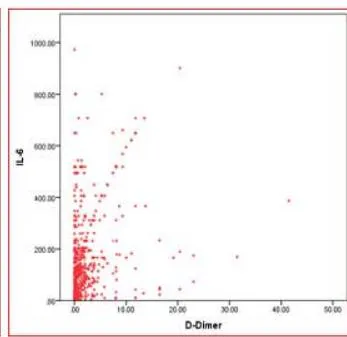
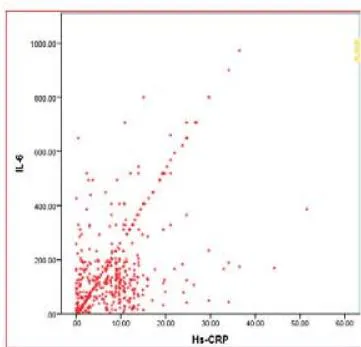
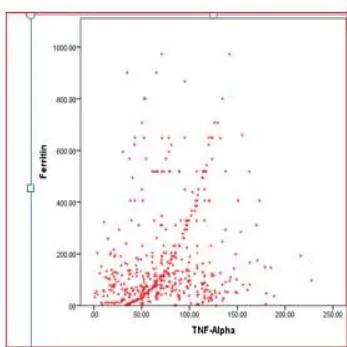
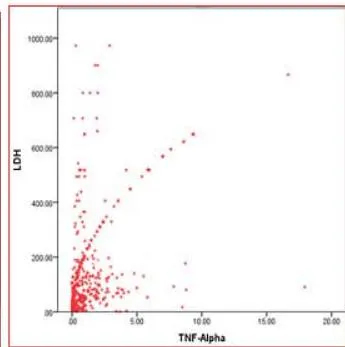
d) Surrogate endpoints: Present study identified cytokines and other surrogate endpoints for severe manifestation of diseases in smoker population. In present study distributions of majority of surrogate endpoints were significantly different between smoker and non-smoker population. In present study we found IL-2 IL-6 and TNF- levels being closely correlated with lung imaging, need for mechanical ventilator support and fever. Contrarily IL-1 could not presented any significant correlation with body temperature, lung imaging and need for mechanical ventilator support. Based on univariate analysis and correlation studies it can be postulated that IL-2, IL-6 and TNF- can be used as surrogate endpoints for patient outcomes for severity of diseases and mortality (Figure 2).
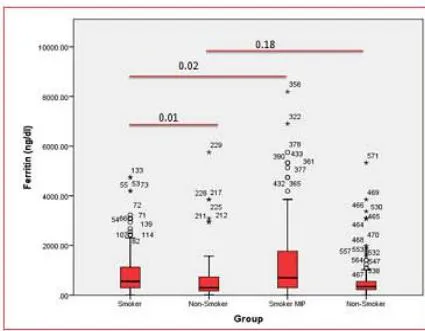
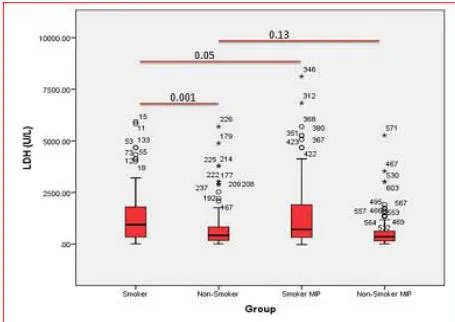
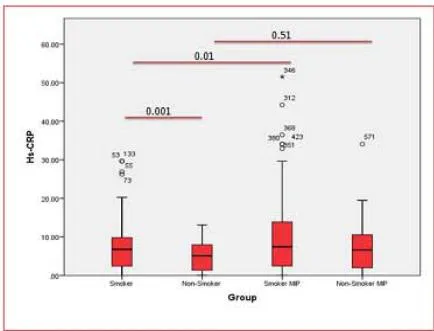
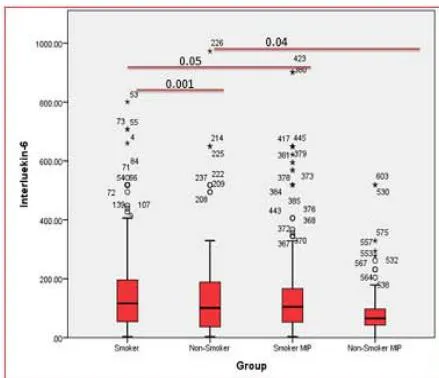
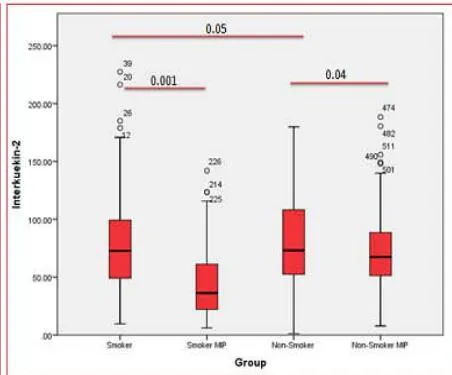
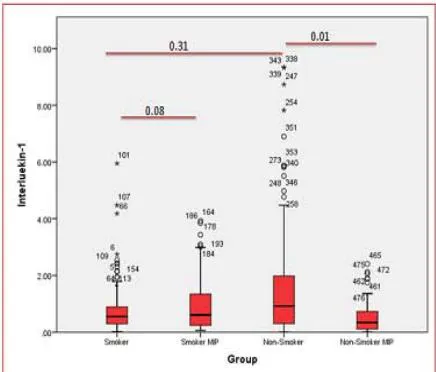
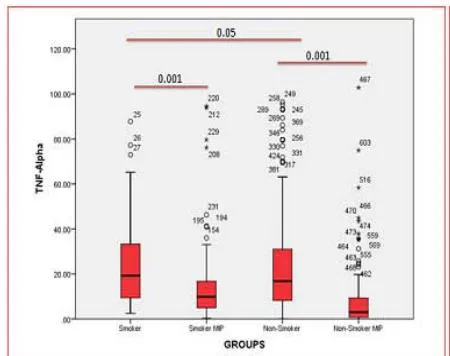
e) Cytokine and Acute Phase Response: It is worth mentioning that despite adjustment for the other covariates which include co-morbidities, disease severity, body mass index (BMI) and demographic characteristics in both classes of patient subpopulations, cytokine levels in smoker patients were significantly higher compared to non smoker population. In present study we found IL-2 , IL-6 and TNF- were significantly elevated in smoking COVID-19 serum compared to non smoking COVID-19 serum (Figure 3). Cytokines assessed in present study indicated varied response in smoker population compared to non smoker population, with IL-1 and IL-6 having most dynamic profile followed by TNF- . While IL-2 was not significantly different between two study populations. From present study it can be postulated that majority of smoker population were having exaggerated cytokine response. Similarly in present study serum ferritin , LDH and Hs-CRP levels were significantly elevated in smoker sub-population compared to non smoker COVID-19 sub population. These results further indicate elevated acute phase response in smoker population which might be possible reason for severe outcome of clinical manifestation of disease in smoker population infected with COVID-19 (Figure 2).
f) Clinical endpoints: At the end of study we observed 15 (21.73%) deaths in smoker sub population and 30 (3.68%) deaths in non-smoker COVID-19 population with Hazard analysis-1.724; CI 95% 1.037-2.866; p-0.033. The median time from hospitalization to discharge in smoker group and non-smoker COVID-19 group was and days respectively.
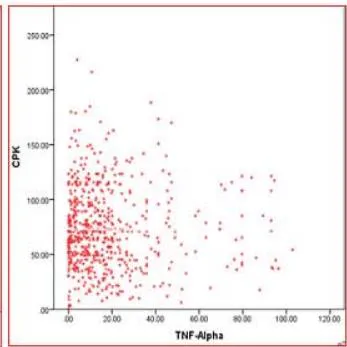
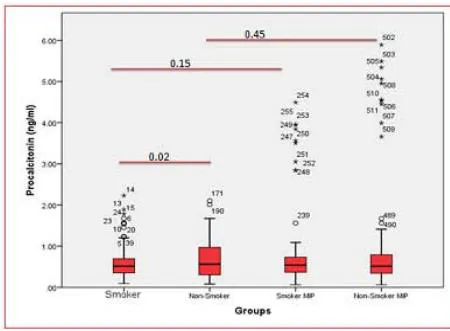
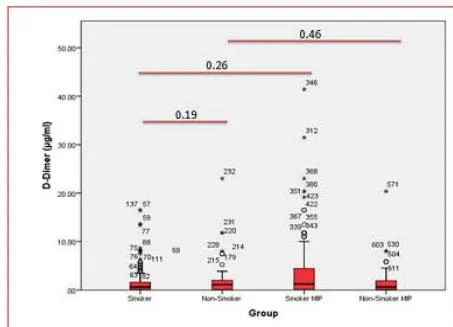
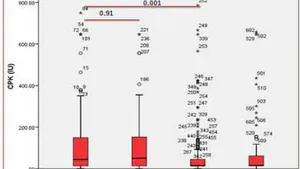
g) Effects of MIP inclusion in therapeutic regimen on risk factors identified: We attempted to evaluate the effect of immune-modulator (MIP) on cytokines and estimated surrogate endpoints, as potential ameliorative strategy should these identified surrogate endpoints be involved in pathogenic pathway of severe manifestation of disease and death. Following these hypothesis results of present study showed smoker patients treated with MIP had significantly reduced levels of cytokine response, with more pronounced reduction observed in IL-2 and IL-6 while as TNF- levels decreased gradually after treatment. Pronounced decrease in these surrogate markers were observed in smoker MIP treatment group while as in non-smoker subset of patients who received MIP drug in their therapeutic regimen showed less dramatic reduction in proinflammatory cytokine levels. These finding indicate beneficial role of MIP inclusion in therapeutic regimen potentially supporting clinical benefits of MIP in smoker population affected with COVID-19. On day of treatment no significant difference was observed in post treatment values of ferritin, LDH and Hs-CRP in non-smoker subpopulation treated with MIP compared to pretreatment values, while as significant difference was observed in post-treatment values of these variables in smoker group (p-0.21). Similarly we observed significant reduction in levels of CPKon day post-treatment in both smoker and non-smoker (p-0.05) sub-populations, with more pronounced reduction observed in smoker population (p-0.001). In concurrence with above findings significant improvement was observed in in both groups of patients. These results indicate MIP therapy has superior role in dampening of acute phase protein response henceforth normalization of pulmonary function (Figure 3 and 4).
Effects of MIP on outcome of disease in smoker v/s nonsmoker population: outcomes considered in present study included hospitalization time, Need for high flow Mechanical Ventilation, (comparison performed on day of treatment) and all cause mortality on 35 days, Negative conversion of SARS-Cov-2 on basis of RT-PCR on 7th day and day of treatment, Retrogression to moderate diseases. Results of present study indicates negative conversion of SARS-Cov-2 on basis of RT-PCR on day were in smoker subpopulation v/s non smoker population with p-0.05. While as on , in smoker v/s in non smoker population with p-0.19 reverted to negative result of SARS-Cov-2 on basis of RT-PCR. Similarly retrogression to moderate diseases was almost similar in smoker MIP group and non-smoker MIP group. In present study hospitalization time (deaths excluded) was significantly lower in smoker MIP group compared to non-smoker MIP group . In smoker MIP group 4 and in non-smoker MIP group 5 deaths with p-0.78 were observed during 35 days of hospitalization (Table 5). On day post treatment most of the clinical parameters considered remained comparable in patients during this time interval in both groups. The clinical outcomes which showed early resolution in smoker population included resolution of shortness of breath (p-0.02) (Table 6; Figure 3 and 4).
IV. DISCUSSION
In present study an attempt was made to investigate association between smoking and mortality from all causes as outcome of COVID-19 illness. In present study we found significant difference in odds of death between actively smokers compared to never smoker population. These findings are in concurrence with earlier studies they reported current smokers were at higher risk of more severe disease than never smokers. But there was no significant difference between former and never smokers (RR: 1.51; 95% CI, 0.82- 2.80).[^10] However findings of present study are contrarily to recently Meta analysis study conducted in 11,590, COVID-19 patients, among then were ever smokers and were never smoking population. They found no significant difference between these two groups in terms of severity and outcome of COVID-19.[^20]Similarly in meta-analytic study,[^5] and one clinical study [^16] support significant correlation between COVID-19 severity and active smoking, while four clinical studies could not appreciate any relation between active smoking and disease severity in COVID-19 patients.12,13,14,15
Smoking damages airway passage and predispose patients having history of active smoking towards severe outcome during respiratory infections , so it can be expected that smoking worsen outcome in COVID-19. In March 2020, study was published from china which concluded smoking as risk factor for severe progression of COVID-19. Subsequently a study proposed smoking is not associated with severity outcome in COVID-19 disease which was refuted widely by scientific community. In present study we found severe clinical manifestation of COVID-19 in active smokers compared to non-smoker. A small cohort study identified smoking history as risk factor for severe progression of SARS-CoV-2 led pneumonia. Information gathered from various Meta-analytic and cohorts studies attributes severe outcome of COVID-19 in smokers to increased expression of ACE-2 receptors in pulmonary epithelial tissue , as these receptors act as primary docking sites for Spike proteins of SARS-CoV-2 for internalization into cellular framework. This might increase susceptibility of active smoking population to get infected with SARS-CoV-2. In addition in present study we report increased hospital stay of active smoker compared to non-smokers. These findings are partially supported and partially contracting with findings that found earlier discharge of active smoking patients and lower risk of progressing towards need of mechanical ventilation. Majorities of clinical findings in present study of biochemical parameters did showed increased manifestation of abnormality in COVID-19 smoker populations compared to non-smoker COVID-19 population. Furthermore we found significantly increased (1.724; CI 95% 1.037-2.866; p-0.033) need of mechanical ventilation in active smokers compared to those who have never smoking history. These findings are in concurrence with the study which observed OR (Odds Ratio) of 1.69 (95% CI, 0.41-6.42) in COVID-19 patients with history of active smoking.[26] These findings may be attributed to over-expression of ACE-2 receptors as they provide effective micro environmental mechanism for severe progression of diseases which are hypothesized to be over expressed in actively smoking population.[27] However some experimental studies have attributed protective action of ACE-2 to catalytic product angiotensin 1-7 (Ang1-7) generated from action of ACE-2 on angiotensin II (Ang II) as these Degradation products like Ang1-7 possess' anti-oxidant, anti-inflammatory and vasodilatory activity[5].
In present study clinical biochemical and hazard analysis suggests a complex relationship between smoking and outcome of disease in COVID-19 patients, so at preliminary levels drawing conclusion may be misleading. Discrepancies in earlier studies may be attributed to categorization of individual data using different criteria, limited number of smokers which ranged between two to five, different response variables in different studies, frequency of tobacco use was not considered, chronicity of tobacco use since those with chronic and frequent use of tobacco might exhibit morphological and pathological modifications in pulmonary tissue. These indirect evidences are further established in studies using recombinant ACE2 (rhACE2) in severe COVID-19 patients where they reported decreased levels of Ang-II and IL-6 after use of rhACE2 thus ameliorating cytokine storm which is commonly associated with severe outcome in COVID-19. To further support this hypothesis an experimental study shows rhACE2 not only lowers risk of severe progression of COVID-19 but also decreases viral load by factor of 1000-5000.[28]
Furthermore in current study an attempt was made to understand role of smoking on proinflammatory cytokines henceforth clinical course and outcome of COVID-19. IL-1, IL-2, IL-6 and TNF-alpha levels were significantly elevated in smoker population compared to non-smokers population at the time of hospitalization. Studying 883 patients during span of 12 months, results of present study support smoking as an important predictive risk factor for severe outcome of disease and mortality as these pro-inflammatory cytokines are involved in activation and recruitment of neutrophils[29]. Furthermore after adjustment of demographics and co-morbidities we found among the acute phase proteins considered in present study Hs-CRP, Ferritin, and D-Dimer levels were significantly associated with IL-1 and IL-6. Hence from these results it can be postulated that IL-1, IL-6, Hs-CRP, Ferritin, and
D-Dimer can serve as an early biomarkers for survival and severe manifestation of disease in COVID-19 patients. These parameters were independently associated with need for mechanical ventilation, levels and day of hospitalization, which indicates validity of these markers in stratification of patients according to severity of disease and henceforth their role in prognosis of disease when these parameters were tested along with other clinic-biochemical parameters. Taken together these results suggest possibility of ameliorative role of anti-cytokine treatments in smoker population to retard severe progression of disease and reduction of mortality. This proposition is further supported by results of single centered observational clinical trial which used IL-6 blocking drugs and they proposed clinical benefits in study population[^30]. In contrast results from randomized double blinded placebo controlled clinical trial which used anti-IL-6 receptor antibody (sarilumab) reported benefits of this drug in severe diseases and no benefit was observed in mild and moderate disease[^31] In present study we used cytokine profiling as an inclusion criteria for evaluation of clinical benefits of MIP in smoker sub population, we observed smoker sub-population with significantly elevated levels of pro-inflammatory cytokines were benefited most by inclusion of MIP in therapeutic regimen which might be attributed to immunemodulatory role of MIP in COVID-19 patients with elevated levels of pro-inflammatory cytokines. To support this statement use of immune modulators was observed to result in reduction of IL-6 in critically ill COVID-19 patients and the study has observed correlation between reduced levels of IL-6 and clinical recovery in study population . Although some studies have recognized IL-6, IL-1 and TNF-alpha as an independent risk factors for severe outcome of disease in COVID-19 patients . Present study observed reduction in TNF-alpha and IL-1, IL-6 levels after treatment with MIP in COVID-19 patients having levels of these pro-inflammatory cytokines above threshold which indicates added clinical efficacy of inclusion of MIP in therapeutic regimen. Cytokine levels measured at the time of hospitalization can be used as prognostic markers for clinical outcome of smoker COVID-19 population and using them in treatment decisions. Henceforth cytokine levels can be helpful in prioritization of smoker COVID-19 patients which are at higher risk of progression to severe outcome and mortality.
In conclusion the preliminary results on Kashmiri COVID-19 patients suggest that active smoking has significant association with risk of mechanical ventilation and there is significant relation between smoking and all cause mortality in COVID-19.There are well established deleterious effects associated with smoking. So there is a need of large cohort study to establish relationship between smoking and COVID-19. Although focus of present study was to establish association of chronic smoking and pro inflammatory cytokine response in smoking COVID-19 population, which indicates from present study the prognostic value of IL-1, IL-6 and TNF-alpha in smoker COVID-19 population. Additional pro-inflammatory cytokine and acute phase proteins having known role in immune cum inflammatory pathogenic pathways will be useful in standardization of treatment in smoker COVID-19 patients.
Acknowledgments: The authors are obliged to all the staff members of Chest Disease Hospital Srinagar, India for their kind support in the supervision of all COVID-19 patients.
Funding: This work did not receive any funding support.
Conflict of Interest: The authors declare no conflicts of interest.
| Parameters n (%) | Group 1 (n=814) | Group II (n=69) | P-value |
| GGO'S | 25(3.07) | 7(10.14) | 0.001 |
| Local Patchy Shadow | 5(0.61) | 2(2.89) | 0.03 |
| B/L Patchy Shadow | 9(1.1) | 6(8.69) | 0.01 |
| Effusion | 8(0.98) | 2(2.89) | 0.04 |
| GGO(U/B) | 76(9.3) | 17(24.64) | 0.001 |
| Nodules | 15(1.8) | 3(4.34) | 0.03 |
| Consolidation | 36(4.42) | 12(17.39) | 0.01 |
| Pleural Effusion | 14(1.7) | 13(18.84) | 0.01 |
| Overall CT Scan Abnormally | 64(7.86) | 17(24.63) | 0.01 |
| Parameters n (%) | Group 1 (n=814) | Group II (n=69) | P-value | OR |
| Azithromycin | 696(85.50) | 58(84.05) | 0.33 | - |
| Hydroxyquinone | 570(70.63) | 61(88.40) | 0.23 | 1.87 |
| Ivermectin | 629(77.30) | 62(89.85) | 0.44 | 0.37 |
| Doxycycline | 251(30.87) | 11(15.95) | 0.01 | 0.41 |
| Plasma | 57(7.00) | 4(5.7) | 0.44 | 0.98 |
| High flow nasal canula/NIV/Mechanical ventilation | 233(28.62) | 36 (52.17) | 0.40 | 0.77 |
| Severe Illness | 137(16.83) | 37(53.62) | 0.68 | - |
| Death | 30(3.68) | 15(21.73) | 0.12 | 2.15 |
| Group I (n=814) | Group II (n=69) | ||||||
| Parameters (at) | 95% confidence interval Lower Bound –Upper Bound | Mean ± SE | IQR | 95% confidence interval Lower Bound –Upper Bound | Mean ± SE | IQR | P-Values |
| BMI | (21.45-23.13) | 22.29 ±0.42 | 5 | (22.43-25.37) | 23.90±0.68 | 0.13 | |
| Temp | (92.55-98.01) | 95.28±1.39 | 4 | (90.53-95.88) | 93.20±6.17 | 0.90 | |
| Heart Rate | (86.00-88.10) | 67.05±0.53 | 18 | (83.78-92.53) | 88.15±2.16 | 0.73 | |
| White Blood Cell Count | (5691.40-6367.03) | 6029.22±171.97 | 3700 | (4806.67-6820.43) | 5813.55±500.77 | 3900 | 0.56 |
| Lymphocyt Count | (1433.33-1601.88) | 1517.60±42.89 | 900 | (1319.38-1684.80) | 1502.09±90.59 | 650 | 0.79 |
| Platelet Count | (148.3672-171.3992) | 159.88±5.86 | 232.44 | (46.3153-111.9618) | 79.13±16.31 | 167.55 | 0.00 |
| Creatinine | (1.073-1.170) | 1.12±0.02 | 0.4 | (0.996-1.235) | 1.11±0.05 | 0.5 | 0.90 |
| Blood Sugar | (103.64-116.30) | 109.97±3.21 | 36 | (93.26-116.81) | 105.03±5.75 | 16 | 0.41 |
| Bilirubin | (0.560-1.595) | 1.07±0.26 | 0.5 | (0.687-1.309) | 0.99±0.14 | 0.5 | 0.02 |
| SGOT | (58.89-74.99) | 66.94±4.09 | 40 | (40.83-59.58) | 50.21±4.63 | 35 | 0.08 |
| SGPT | (62.68-85.33) | 74.01±5.75 | 51 | (48.93-74.86) | 61.90±6.40 | 42 | 0.99 |
| ALP | (119.16-144.26) | 131.71±6.36 | 82 | (115.05-166.17) | 140.61±12.61 | 147 | 0.69 |
| Protein | (6.070-11.928) | 8.99±1.48 | 1.0 | (7.440-8.378) | 7.90±0.23 | 1.3 | 0.08 |

| Smoker (39) | Non-Smoker (47) | |||||
| Characteristics | Pre MIP | Post MIP | P value | Pre MIP | Post MIP | P value |
| Need for high flow Mechanical Ventilation | 32 (82.05%) | 21 (53.84) | 0.01 | 27 (57.44) | 16 (34.04) | 0.05 |
| Hospitalization (Days) | 25.93±10.14 | 32.45±7.16 | 0.02 | |||
| All cause mortality at 35 days | 4 (10.25) | 5 (10.63) | 0.78 | |||
| Negative conversion of SARS-Cov-2 on basis of RT-PCR on 7th day | 18 (46.15) | 13 (27.65) | 0.05 | |||
| Negative conversion of SARS-Cov-2 on basis of RT-PCR on 14th day | 31 (78.48) | 32 (68.08) | 0.19 | |||
| Retrogression to moderate diseases | 33 (84.61) | 39 (82.97) | 0.34 | |||
| Resolution of cough on 7th day; n (%). | 23 (58.97%) | 22 (46.80%) | 0.06 | |||
| Resolution of fever on 7th day; n (%). | 33 (84.61%) | 24 (51.06%) | 0.62 | |||
| Resolution of myalgia on 7th day; n (%). | 33 (84.61%) | 19 (40.42%) | 0.45 | |||
| Resolution of sore throat on 7th day; n (%). | 31 (79.48%) | 31 (65.95%) | 0.77 | |||
| Resolution of shortness of breath on 7th day; n (%). | 35 (89.74%) | 37 (78.72%) | 0.02 | |||