## I. INTRODUCTION
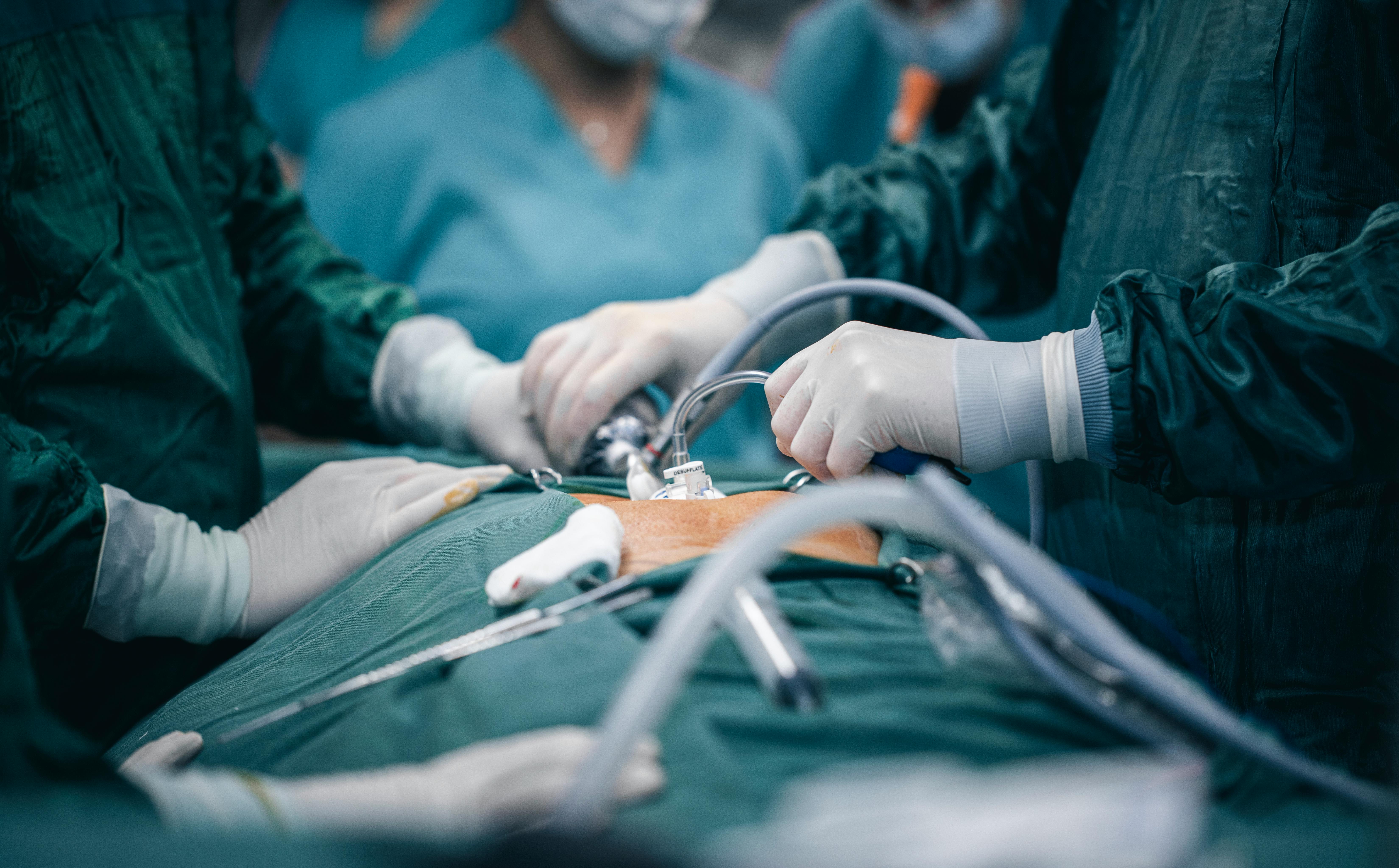
As incidence of diabetes is increasing, it becomes a routine to encounter diabetics in every surgical field. Whether it is cataract surgery, laparoscopic cholecystectomy, hysterectomy or cancer surgeries, screening for diabetes is a norm. Diabetes affects pathogenesis of many conditions requiring surgeries like diabetic foot, pyelonephritis and renal abscess, coronary bypass surgeries. Raised blood glucose also affects the course of operation and post-operative course. It affects the healing, infection and other complications. So it is desirable to well maintain the glucose level, so that neither person get ill effect like ketoacidosis or hyperosmolar coma, renal failure, infections nor he get hypoglycemia which adversely affects the life style of the recovering patients. (2, 3)
## II. MANAGING BLOOD GLUCOSE DURING PERIOPERATIVE PERIOD
### a) Screening for diabetes in PAC (Pre anesthetic checkup)
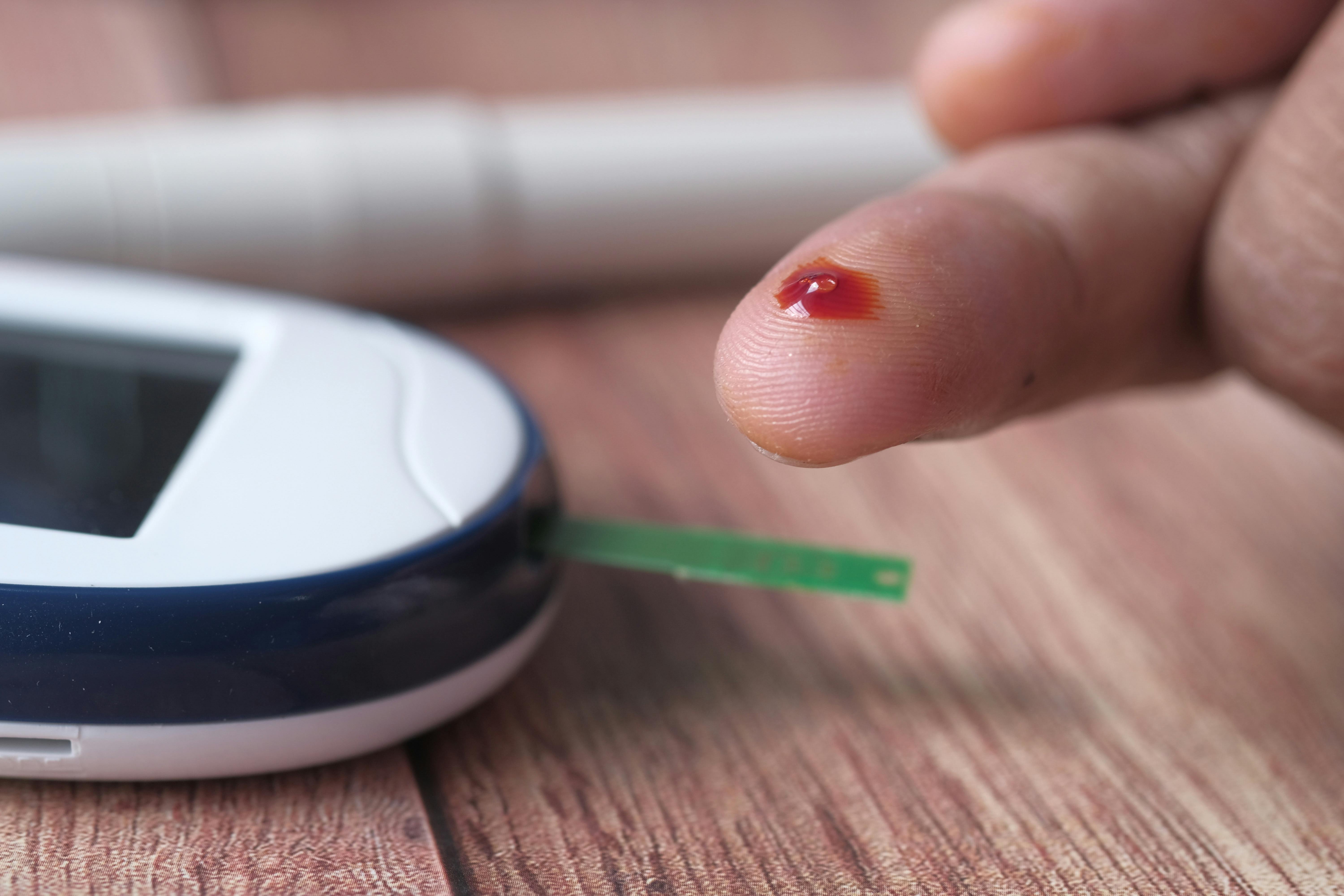
It is recommended for all patients above 35 year of age and one below this age with a risk factor (Obesity, hypertension, family history, h/o GDM, HIV, Physical inactivity).(1) So practically most adult patients requiring surgical intervention undergo blood glucose estimation. This screening many times make the diagnosis of diabetes for the first time.
If patient is found to have impaired blood glucose, then he can be directed to life style modifications, oral hypoglycemic agents and any further investigation required.
Those who are already diagnose with diabetes, it will be required to do fasting, post prandial blood glucose with HbA1c. (4) These test reflects the control and any untoward effect of glucose will be minimized if it remains in the range. The desired premeal blood glucose is $90 - 130\mathrm{mg}\%$ and post meals $140 - 180\mathrm{mg}\%$.
### b) Perioperative control of Glucose
Now it is recommended not to stop oral hypoglycemic agents till day before surgery as we used to do previously except for SGLT 2 inhibitors. (5) If blood glucose is fairly controlled then we can continued with these medicines, otherwise it is prudent to switch to insulin. Use of Insulin has few merits and demerits as explained in the box 1. Most hospitals have their own insulin regimen for control of blood glucose in perioperative period depending upon the practices and insulin sensitivity of the individuals. (6)
#### Merits
I. Short half-life, so can be titrated according to need
II. More physiologic
III. Adverse effect can be managed quickly
#### Demerits
I. Injection phobia to patient
II. Insulin delivery is a skill
### c) Effect of anesthesia on diabetes
Now with introduction of newer techniques and novel agents for induction and maintenance of desired level of anaesthesia, it is very easy to control blood glucose. Local, regional, spinal and epidural anaesthesia lessened the systemic complications.
General anaesthesia, long surgeries and labile diabetes increases the chance of glucose imbalance. These can be better tackled by Insulin infusion and hourly blood glucose monitoring.
Insulin use during surgery should be intravenous only because subcutaneous absorption become erratic due to various reasons like hypotension, anaesthesia drug effect, and various Intravenous infusion of crystalloids and blood products. During operation/surgery random plasma glucose should be maintained between 140-180 mg%.
### d) Post-operative period and Glucose control
In post-operative period, we should give insulin because of its merits discussed earlier. In post op period once the patient extubated, start taking oral diet, we can switch to subcutaneous insulin or re-introduce oral hypoglycemic agents gradually. OHA which are known to cause hypoglycemia like sulphonylureas to be avoided early in the course. It is always better to start multiple subcutaneous insulin injection which is most physiologic and avoid chances of hypoglycemia. (7) Doses can be titrated according to meal, other drugs/fluids influencing blood glucose. Basal insulin is useful to control fasting level. Its steady action decreases the chances of hyperglycemic complications too. Points to be addressed in post- operative period is mentioned in box 2.
1. Eating pattern is not smooth
2. Drugs (fluids, medications and blood products) changes the level of glucose
3. Patient's daily activity is compromised, so it also influence the consumption of glucose.
4. Surgery related effects (pain/immobilization/ anxiety) can affect glucose levels.
BOX 2: Points to be addressed in post-operative periods
## III. CONCLUSION
There is no one regimen which can address all patients in all kind of surgeries. So individual patient to bemanaged with unique approach depending upon the type of surgery, he is undergoing upon. Few basics to be understand in such clinical scenarios as described in box 3.
1. Emergency surgeries not to be postponed for deranged blood glucose.
2. Cancer surgeries are also semi urgent condition, individual risk benefit ratio to be considered before postponing a surgery just because of increased blood glucose.
3. For day care surgeries, no need to stop OHA, and start insulin- we can very well continue OHA, till a day before surgery and reintroduce all one by one as patient oral intake and activity increases.
4. Persons undergoing major surgeries can be switch to insulin (preferably Multi subcutaneous insulin injection (MSII)).
5. Even persons on GLP-1 analogue, DPP 4 inhibitors/ SGLT 2 inhibitors or premixed insulin should switch to MSII.
6. During operation, keep patient on Intravenous insulin with hourly glucose monitoring. Target is (140-180 mg%)
7. During post-operative period, gradual recovery demands gradual upgrading of insulin dose and reintroduction of OHA (if needed).
BOX 3: Summary of blood glucose control in Perioperative period
Generating HTML Viewer...
References
7 Cites in Article
(1997). Report of the Expert Committee on the Diagnosis and Classification of Diabetes Mellitus.
A Frisch,P Chandra,D Smiley,L Peng,M Rizzo,C Gatcliffe,M Hudson,J Mendoza,R Johnson,E Lin,G Umpierrez (2010). Prevalence and clinical outcome of hyperglycemia in the perioperative period in noncardiac surgery.
Guillermo Umpierrez,Saumeth Cardona,Francisco Pasquel,Sol Jacobs,Limin Peng,Michael Unigwe,Christopher Newton,Dawn Smiley-Byrd,Priyathama Vellanki,Michael Halkos,John Puskas,Robert Guyton,Vinod Thourani (2015). Randomized Controlled Trial of Intensive Versus Conservative Glucose Control in Patients Undergoing Coronary Artery Bypass Graft Surgery: GLUCO-CABG Trial.
Patricia Underwood,Reza Askari,Shelley Hurwitz,Bindu Chamarthi,Rajesh Garg (2014). Preoperative A1C and Clinical Outcomes in Patients With Diabetes Undergoing Major Noncardiac Surgical Procedures.
D Patoulias,A Manafis,C Mitas,K Avranas,G Lales,I Zografou,C Sambanis,A Karagiannis (2018). Sodiumglucose Cotransporter 2 Inhibitors and the Risk of Diabetic Ketoacidosis; from Pathophysiology to Clinical Practice.
Guillermo Umpierrez,Dawn Smiley,Kathie Hermayer,Amna Khan,Darin Olson,Christopher Newton,Sol Jacobs,Monica Rizzo,Limin Peng,David Reyes,Ingrid Pinzon,Maria Fereira,Vicky Hunt,Ashwini Gore,Marcos Toyoshima,Vivian Fonseca (2013). Randomized Study Comparing a Basal-Bolus With a Basal Plus Correction Insulin Regimen for the Hospital Management of Medical and Surgical Patients With Type 2 Diabetes.
Explore published articles in an immersive Augmented Reality environment. Our platform converts research papers into interactive 3D books, allowing readers to view and interact with content using AR and VR compatible devices.
Your published article is automatically converted into a realistic 3D book. Flip through pages and read research papers in a more engaging and interactive format.
Our website is actively being updated, and changes may occur frequently. Please clear your browser cache if needed. For feedback or error reporting, please email [email protected]
Thank you for connecting with us. We will respond to you shortly.