## I. INTRODUCTION
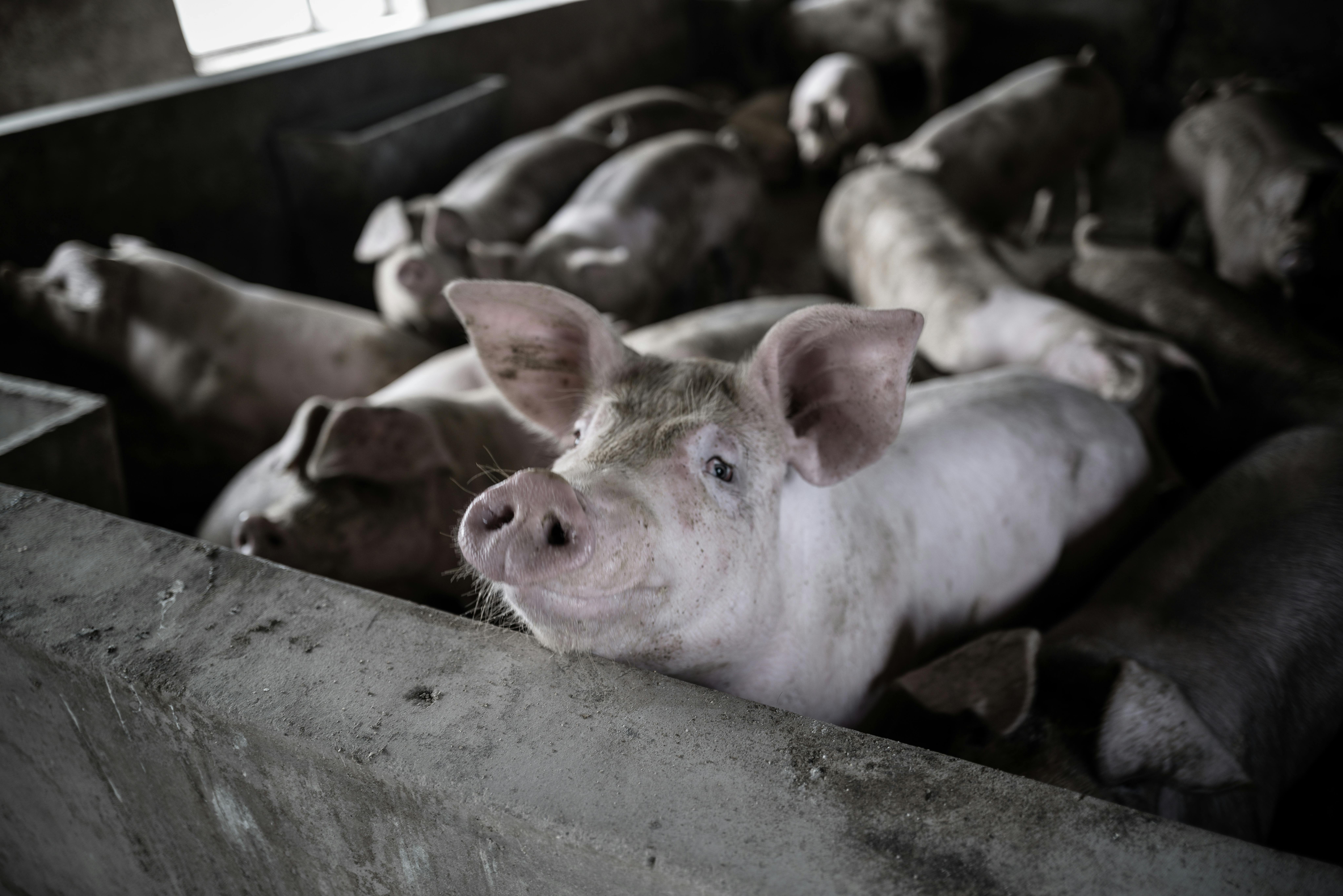
African swine fever virus is one of the most common viruses that infect swine population. This virus causes a systemic disease to swine named African swine fever. The virus was first identified in Africa in 1921 (Montgomery, 1921). African swine fever virus is a member of the Asfarviridae family, and it is the only DNA virus within that family (Costard et al., 2013). Though the virus is endemic to Africa, the virus has been reported to infect swine population in European countries as well, most prominently in the Caucasus region and Russian Federation. African swine fever virus is highly contagious and can lead to $100\%$ morbidity (Costard et al., 2013). The mortality rate due to the disease is varying. The transmission cycle of the virus can continue with or without the presence of the vector (NAHIS). The usual vector in the transmission cycle is the soft ticks of the Ornithodoros species (Guinat et al., 2016). The natural host of the virus is domesticated pigs, wild boar, bush pigs, warthogs, and giant forest hogs. Vector-mediated transmission occurs through the bites of Ornithodoros spp. soft ticks. These are bloodsucking ticks that can transmit the infectious agent from one host to another. The direct method of infectious agent transmission occurs primarily through the nosocomial secretion. The virus mainly enters the body through the upper respiratory tract. The virus has been found in all secretion and excretion of infected domesticated pig (NAHIS). Direct contact with an infected agent containing secretion from an infected animal transmit the disease to another susceptible host. Also, the virus can remain in tissue and blood for a certain period. consumption of tissue of infected animal can spread the disease readily (Guinatet al., 2016). Once exposed, the pigs start showing the symptom within 3 to 7 days (NAHIS). The symptom is mainly systemic (e.g., fever, anorexia, lethargy, etc.). Also, a sign of hemorrhagic lesion may occur on the skin. Bloody diarrhea has also, been reported in cases (NAHIS). However, the treatment option for the disease is very limited. Most importantly, no effective vaccine has been developed for the virus. In this article, the challenges toward developing a definitive vaccine for African swine fever virus will be discussed.
## II. IMMUNE RESPONSE FOR DISEASE PROTECTION
Though the disease is a burden to the pig population in several parts of the world, the immune response required for the protection from this virus has not yet been understood properly. In a broad understanding, both innate and adaptive immune response is necessary for the protection from the African swine fever virus. However, the cause of the high morbidity due to the disease pertains to the fact that the virus can modulate both innate and adaptive immune response of the host. The African swine fever virus attacks the macrophage, monocyte and dendritic cell for replication (Sánchez-Cordón et al., 2018). It predominantly attacks macrophages which is a key factor for both adaptive and innate immune response. Attacking the macrophages enable the virus to manipulate these two types of response. When a virus enters the macrophage for replication, the macrophage challenges the replication with the oxidizing environment. This oxidizing environment cause disruption in the DNA structure. African Swine fever virus acquired the adaption to replicate in the environment by obtaining a base excision DNA repair system (Reis et al., 2016). Also, the virus encodes a protein that can inhibit the transcription of host defense protein. The protein inhibits the transcription of interferon, chemokines, cytokines, and adhesion molecule through producing multiple proteins. This virus also inhibits programmed cell death by the host. It produces four protein that can inhibit the signaling pathway for apoptosis, which is an important phase is necessary for both innate and adaptive immunity. These unique mechanisms of interfering various cellular pathway for the development of immune response enable the virus to exploit the innate and adaptive immune system of the host and replicate rapidly to develop a highly contagious disease.
## III. CURRENT DISEASE CONTROL STRATEGIES
Currently, there is no definitive treatment for this disease. Also, no vaccine has been developed yet to prevent disease occurrence. So, the current control measure is based on the rapid diagnosis of the infected animal and slaughtering them. Appropriate disposal after slaughtering is an important step to prevent further transmission to other susceptible hosts. So, the preventive measure is at the forefront of controlling African swine fever virus transmission. The preventive measure is determined based on the current disease knowledge and the epidemiology of the disease. The government and international organizations are working together in the endemic area to develop the disease surveillance system for early diagnosis and prevent disease transmission. In African endemic areas, pig sector stakeholders are being informed about the disease. Ongoing programs are creating awareness in the pig farmers about the ways of prevention. Early detection of disease, management, and emergency response system is being strengthened by initiating multisectoral collaboration. However, the disease monitoring and surveillance system are still weak in that region, which making the disease elimination more difficult in that region (Gallardo et al, 2013). In the European endemic region, along with above-mentioned measure they have introduced some new measure including strict control during a border crossing, Increasing the biosecurity on farms and livestock markets. These methods helped the European countries to contain the disease in a specific part of the region. The current control program in Eastern Europe is an ideal one to ensure the eradication of the virus from that region (Gallardo et al, 2013).
## IV. THE CURRENT APPROACH TO VACCINE DEVELOPMENT
Successor vaccine development against a microorganism requires complete knowledge about the immune response in the host body following exposure to that organism. In the case of African swine fever virus, the complete knowledge about the immune response in the host body has not yet been understood properly. It is known that the affected pig develops some immunity against the virus following recovery from the virus (Aries et al., 2017). However, it was discussed in the previous section that the virus can modulate the host immune system by inhibiting multiple signaling pathways which is important in orchestrating immune response. Development of a vaccine is largely dependent on identifying the key genes and proteins that play a central role toward evasion of the host immune system. Some progress towards the characterization of such virus "host evasion" genes has been made (Aries et al., 2017). Till date, multiple approaches for developing a vaccine against the virus has been taken. Inactivated viruses, recombinant proteins/peptides, viral vectors for antigen delivery, and live-attenuated vaccines have experimented (Reville et al., 2017). But noteworthy success is yet to come. In the next section, some of the effort to develop a live attenuated vaccine inactivated vaccine and subunit vaccine will be discussed.
### a) Inactivated vaccine
Efforts to develop a vaccine using inactivated infected cell extracts supernatants of infected pig peripheral blood leukocytes, purified and inactivated virions, infected glutaraldehyde-fixed macrophages, and detergent-treated, infected alveolar macrophage cell cultures have been made previously. Also, inactivated virus strain was tried to use with efficient adjuvants. However, these efforts have failed to render the idea of formulating an inactivated African swine fever virus vaccine most unlikely (D.L. Rock, 2016).
### b) Subunit vaccine
It was discussed earlier that African swine fever virus encodes multiple proteins to invade host immune system which makes the task of selecting candidate antigens for developing subunit vaccines very difficult. Aries et al., 2017 described that immunization of pigs with the protein expressed in baculovirus p54 and p30 showed significant improvement. However, the combination of $p54 + p30 + p72$ baculovirus proteins failed to protect the host. Also, DNA vaccines encoding p54 and p30 could not induce neutralizing antibodies. Immunizing pigs with a gene fusion of p30/CP204L and p54/E183L could not protect the host when challenged with a virulent strain. A fusion of three African swine fever virus genes (CD2v/EP402R, p54/E183L, and p30/CP204L) to the ubiquitin gene was able to produce partial protection. But the protection was not enough to produce the required antibody.
### c) Live Attenuated vaccine
Reville et al., 2017 discussed the efforts of developing a live attenuated viral vaccine. According to the article, the first attempt used attenuated African Swine Fever Virus strains OURT88/3 and NH/P68. These two attenuated strains protected pigs against homologous virulent strains but gave only partial cross-protection against heterologous viruses. Moreover, excessive side effects were noticed in the postvaccination period. Genetically modified NH/P68 strain was also tried but it failed to provide $100\%$ protection against both homologous and heterologous virus. A recombinant strain of the virus (modified Georgia 2007) also could not protect the pigs from infection. Recently, attenuated African swine fever virus strains like Benin, Georgia, OUR/88/1, and Ba71 have shown promising efficacy toward certain heterologous and homologous virus.
## V. CHALLENGES FOR VACCINE DEVELOPMENT
It has been almost 100 years since the identification of African Swine fever virus. However, it is a matter of disappointment that the detailed pathogenesis is still unknown for this virus. There are gaps in knowledge of host resistance mechanism and the viral target receptor. To develop a successful vaccine, require detail knowledge in these areas. These knowledge gaps are acting as a barrier to the development of an efficacious vaccine. Although Multiple vaccines have experimented, they failed to provide complete protection against all virulent strains. Live attenuated vaccine is showing promising effectiveness against some virulent strain. But to ensure $100\%$ efficacy, detail studies are required on the mechanism of the virus' ability to modulate host immune responses. Some of the live attenuated vaccines failed to protect against the heterologous virus. Identification of cross-protective epitopes on virus protein can solve the mystery behind this failure. Live attenuated vaccine or DNA vaccine were noticed to provide partial protection. The reason behind failure to provide full protection can be identified by complete knowledge of humoral and cellular response on host body cells. Some research shows that bush pig and warthog have some resistance ability to the virus. Detailed knowledge of that resistance mechanism can help to identify the receptor of the virus on the host cell. This knowledge will eventually lead to a selection of successful vaccine receptor. However, one of the limitations is the lack of availability of wild pig species for experimentation. Some Subunit vaccine has shown efficacy toward certain virulent strain. So, further, emphasize should be given to adding antigens to those vaccines so that they can achieve full protection. Knowledge of protective antigen is needed for this task.
## VI. CONCLUSION
African swine fever virus has been endemic to Africa and some region of Eastern Europe. But there is potential to spread the disease in other parts. The disease itself is a huge economic burden on the pig industry. An outbreak of African swine fever can cause US$910,836.70 loss in a single year (Fasina et al., 2011). An effective way to prevent the disease outbreak is developing an effective vaccine. Lately, several types of vaccine have experimented including inactivated viruses, recombinant proteins/peptides, DNA vaccines and live-attenuated vaccine (LAV). Unfortunately, none of the candidates has proven efficacious to date. However, the hope of developing a successful virus is high. A better knowledge of virus structural protein, the gene involved in the host evasion mechanism and host immune response following exposure is needed for the success to the path of developing an effective vaccine for African swine fever virus.
### Declarations
Conflict of interests: None
Funding: None
Generating HTML Viewer...
References
11 Cites in Article
(2017). African Swine Fever Virus: A Review.
Marisa Arias,Ana De La Torre,Linda Dixon,Carmina Gallardo,Ferran Jori,Alberto Laddomada,Carlos Martins,R Parkhouse,Yolanda Revilla,Fernando And Jose-Manuel Rodriguez,Sanchez-Vizcaino (2017). Approaches and Perspectives for Development of African Swine Fever Virus Vaccines.
P Africaine,F Africana,P Suum,M Montgomery,De (2016). African Swine Fever.
S Costard,L Mur,J Lubroth,J Sanchez-Vizcaino,D Pfeiffer (2013). Epidemiology of African swine fever virus.
Folorunso Fasina,Oludayo,Lazarus,& T David,B Spencer,A Makinde,Armanda Bastos (2011). Cost Implications of African Swine Fever in Smallholder Farrow-to-Finish Units: Economic Benefits of Disease Prevention Through Biosecurity.
Ma Gallardo,Ana Reoyo,Jovita Fernández-Pinero,Irene Iglesias,Ma Muñoz,Ma Arias (2015). African swine fever: a global view of the current challenge.
Claire Guinat,Andrey Gogin,Sandra Blome,Guenther Keil,Reiko Pollin,Dirk Pfeiffer,Linda Dixon (2016). Transmission routes of African swine fever virus to domestic pigs: current knowledge and future research directions.
Explore published articles in an immersive Augmented Reality environment. Our platform converts research papers into interactive 3D books, allowing readers to view and interact with content using AR and VR compatible devices.
Your published article is automatically converted into a realistic 3D book. Flip through pages and read research papers in a more engaging and interactive format.
Our website is actively being updated, and changes may occur frequently. Please clear your browser cache if needed. For feedback or error reporting, please email [email protected]
Thank you for connecting with us. We will respond to you shortly.