Analysis of the archival material of the Ukrainian Research Institute of Prosthetics made it possible to determine the structure of the primary referral of children with spinal deformities to the clinic over the past 10 years. The following factors were assessed: age, gender, type of deformity, magnitude of deformity (Cobb) and bone age (Risser). These data determine the strategy and tactics of treatment and form the basis of its prognosis. At the same time, the timeliness of the child’s parents contacting a specialist is significantly influenced by a number of factors that depend on the organization of healthcare in the country. The generalized material made it possible to create a “clinical portrait” of a patient who sought help from a specialist for the first time. This is a female child aged 11 -13 years with unfinished bone growth (Risser test 2 -3), right-sided thoracic spinal deformity of the 2nd degree. The results obtained do not contradict literature sources and indicate the wide potential of conservative treatment in achieving positive results.
### 1. Материалы и способы
Для проведения анализа использованы архивные материалы (форма 003)о "Медицинская карта стационарного больного") Украинского научно- исследовательского института протезирования, протезостроения и восстановления трудоспособности (УкрНиипП) за последние 10 лет.
В период с 2011 по 2021 годы в клинику УкрНИИПП обратились за помощью 764 ребенка с деформациями позвоночника в возрасте от 0 до 17 лет. Нами анализировались: пол, возраст первичного обращения, вид деформации, индекс Risser и угол Cobb, как основные критерии оценки степени тяжести деформации и прогноза эффективности консервативного лечения[3, 5, 6].
Обработка данных проводилась с помощью пакета статистических программ РSРР. Использовались методы описательной статистики, оценка частотного распределения и сопряженности переменных.
## II. Результаты и обсуждение
Всего было проанализировано 764 истории болезни. По половой принадлежности обследованный контингент распределился следующим образом: 718 $( 94\% )$ девочек, 46 $( 6\% )$ мальчиков. Средний возраст первичного обращения к специалисту - $12,4 { \pm } 8,5$ года, что соответствует литературным данным [2]. Наибольшую группу составили дети в возрасте 11 - 13 лет (период интенсивного роста), несколько меньше было детей смежного возраста (6 – 1 0 лет и 1 4 лет) (таблица 1).
Таблица 1: Распределение пациентов при первичном обращении по возрасту.
<table><tr><td>Возpaced(JеТ)</td><td>КолочECTBO панienteNTOB</td><td>%</td></tr><tr><td>0-5</td><td>31</td><td>4</td></tr><tr><td>6-10</td><td>171</td><td>22,4</td></tr><tr><td>11-13</td><td>393</td><td>51,6</td></tr><tr><td>14</td><td>167</td><td>21,8</td></tr><tr><td>15-18</td><td>2</td><td>0,2</td></tr><tr><td>В薪水</td><td>764</td><td>100</td></tr></table>
Кроме паспортного возраста, определялся костный возраст ребенка (индекс Rиssег), вид и величина деформации методом рентгенографии позвоночника стоя в переднезадней проекции.
Данные исследования показали, что более половины детей (311, $59\%$, из впервые обратившихся в клинику института, имели индекс Rиssег I - IV степени. Это были дети в активном периоде роста, который является наиболее благоприятным для эффективного проведения консервативных методов лечения (лечебная гимнастика, корсет). Однако, наличие низкого индекса Risserтакже свидетельствует о высокой вероятности прогрессировании деформации - чем ниже индекс, тем вероятность прогрессирования сколиоза выше, По данным авторов (2, 3, 4). Поэтому с целью предупреждения прогрессирования и возможной коррекции деформации этим детям были назначены интенсивные курсы реабилитации и корсетотерапия.
Примерно четверть детей (132 $25\%$ первичном обращении имели индекс Rиssег V. Целью консервативного лечения этой группы детей было укрепление мышечного корсета ДЛЯ профилактики прогрессирования деформации путем применения методов физической реабилитации.
Распределение пациентов по возрасту, виду и величине деформации позвоночника представлено в таблице 2.
Таблица 2: Распределение пациентов при первичном обращении по возрасту, величине и виду деформаций позвоночника
<table><tr><td rowspan="2" colspan="2">Сколио3</td><td rowspan="2">Колочьюпauнентов</td><td colspan="3">Сре indianузачение улес Сobb</td></tr><tr><td>Г rudион</td><td>Г руто-посникий</td><td>Посникий</td></tr><tr><td colspan="2">Инфандлыcki SCOLINOЗ (д. 3 Let)</td><td>9 (1,18%)</td><td></td><td></td><td></td></tr><tr><td></td><td>S-образнный сколио3</td><td>5</td><td>30,6°</td><td></td><td>31,2°</td></tr><tr><td></td><td>Г рунов сколио3</td><td>4</td><td>43,5°</td><td></td><td></td></tr><tr><td colspan="2">Ювенилыcki SCOLINOЗ (3-9 Let)</td><td>111(14,5%)</td><td></td><td></td><td></td></tr><tr><td></td><td>S-образнный сколио3</td><td>33</td><td>30,3°</td><td></td><td>28,7°</td></tr><tr><td></td><td>Г рунов сколио3</td><td>44</td><td>29,8°</td><td></td><td></td></tr><tr><td></td><td>Г рунов снichiныcki SCOLINO3</td><td>22</td><td></td><td>24,4°</td><td></td></tr><tr><td></td><td>Пожашичныcki SCOLINO3</td><td>8</td><td></td><td></td><td>17°</td></tr><tr><td></td><td>Нестугтурий сколио3</td><td>4</td><td colspan="3">8°</td></tr><tr><td colspan="2">Пожашичныcki SCOLINO3 (10-17 Let)</td><td>573 (75%)</td><td></td><td></td><td></td></tr><tr><td></td><td>S-образнный сколио3</td><td>253</td><td>33,8°</td><td></td><td>30,3°</td></tr><tr><td></td><td>Г рунов сколио3</td><td>155</td><td>34,4°</td><td></td><td></td></tr><tr><td></td><td>Г рунов снichiныcki SCOLINO3</td><td>98</td><td></td><td>26,6°</td><td></td></tr><tr><td></td><td>Пожашичныcki SCOLINO3</td><td>63</td><td></td><td></td><td>23,5°</td></tr><tr><td></td><td>Нестугтурий сколио3</td><td>4</td><td colspan="3">7,7°</td></tr><tr><td colspan="2">Сколио3 визcolo BOЗ pactа (с 18 Let)</td><td>7 (0,93%)</td><td></td><td></td><td></td></tr><tr><td></td><td>S-образнный сколио3</td><td>2</td><td>115°</td><td></td><td>105°</td></tr><tr><td></td><td>Г рунов сколио3</td><td>3</td><td>37,5°</td><td></td><td></td></tr><tr><td></td><td>Г рунов снichiныcki SCOLINO3</td><td>2</td><td></td><td>21°</td><td></td></tr><tr><td colspan="2">Книож</td><td>64 (8,39%)</td><td colspan="3">45°</td></tr><tr><td colspan="2">В薪水</td><td>764</td><td></td><td></td><td></td></tr></table>
Количество детей с инфантильным сколиозом (до 3 лет) было наименьшим (9 пациентов; $1,17\%$.Дети эТого возраста при первичном обращении преимущественно имели S-образную деформацию или С-образную деформацию грудного отдела позвоночника. Средняя величина деформации соответствовала II степени $( 30 ^ { \circ } - 43 ^ { \circ } )$.
Ювенильный сколиоз чаще возникает в период активного роста ребенка (6-7 лет).Первичное обращении в клиникудетей этого возраста наблюдалось в 111 случаях $( 14,5\% )$. И3 HИХ неструктурный (функциональный) сколиоз диагностирован y 4 пациентов. Виды деформаций при структурном сколиозе отличались разнообразием. Чаще наблюдался сколиоз грудного отдела позвоночника (44 ребенка) с величиной угла деформации, в среднем, $29,8 ^ { \circ }$. По величине деформации преобладал S-образный сколиоз(33 случая) со средним углом деформации $28,7 ^ { \circ } { - } 30 {, } 3 ^ { \circ }$.
Сколиоз подросткового возраста (10-17 лет) был наиболее многочисленным и составил 573 $( 75\% )$ случая. Как и при ювенильном сколиозе, в этой группе пациентов наблюдались различные виды деформации. Преобладали дети с S-образной деформацией позвоночника – 252 ребенка, средний угол деформации составлял $30.3 ^ { \circ } - 33,8 ^ { \circ }$.
Сколиоз взрослых (18 – 25 лет) наблюдался у 7 $( 0,91\% )$ пациентов, это был S-образный и С-образный сколиоз грудного и грудопоясничного отделов.Средняя величина деформации была очень большой $105 ^ { \circ } \cdot 115 ^ { \circ }$. Как известно, привеличине деформации более 50 градусов может наблюдаться прогрессированиена протяжениивсей жизни. Поэтому детям старше 18 лет мы проводили курсы физической реабилитации для укрепления мышечного корсета и рекомендовали оперативную коррекцию.
Деформация позвоночника в сагиттальной плоскости (кифоз) встречалась у 68 $( 8,9\% )$ пациентов, это были преимущественно мальчики с болезнью Шейерман-Мау. Угол деформации в ср еднем со сгавлял $45 ^ { \circ } \pm 5 {, } 6 ^ { \circ }$.
По степени деформации позвоночника дети при первичном обращении распределились следующим образом. У подавляющего большинства пациентов при первичном поступлении в клинику была деформация позвоночника II степени - 374 $( 49\% )$ детей, чтосоответствует литературным данным[2]. Чуть меньше по численности была группа пациентов с II степенью деформациi- 275 $( 36\% )$ человек. Распределение пациентов по величине сколиотической деформации представлено на рисунке 1.
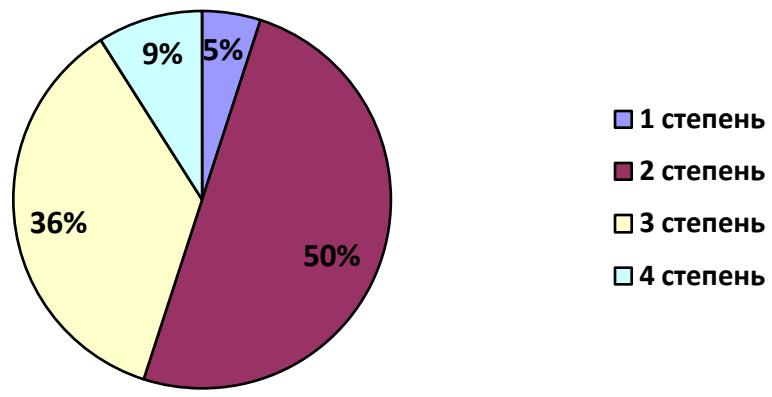 Рисунок 1: Распределение пациентов по величине деформации (Собъ)
Для определенияклинического портрета ребенка с деформацией позвоночника, впервые обращающегося за медицинской помощью, был проведен углубленный анализ групп с наиболее часто встречающейся степенью деформации (2 и 3 степень). Были выявлены особенности этих групппо возрасту (паспортному и костному), виду деформации.
Группу с II степенью деформации составили 374 человек, 325 девочек и 49 мальчиков. По виду деформации они распределились следующим образом (рисунок 2):
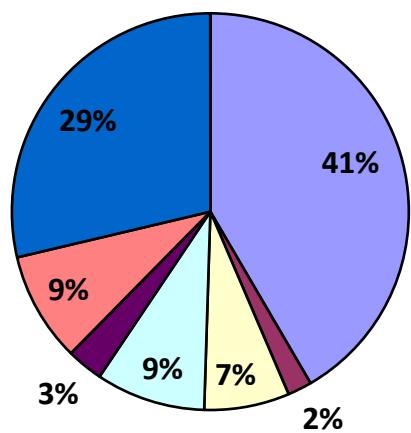 правосторонний грудной левосторонний грудной правосторонний грудопоясничный левосторонний грудопоясничный правосторонний поясничный левосторонний поясничный S-образный
Рисунок 2: Распределениедетей с деформацией позвоночника II степени по виду деформации.
Как мы видим, в этой группепреобладали дети с правосторонним грудным сколиозом $( 41\% )$.
Костный возрастдетей этой группы B большинствеслучаев соответствовал индексу Риссера 3 H 2 $( 22\% \mathrm { ~ H ~ } 21\%$ детей соответственно) (рисунок 3).
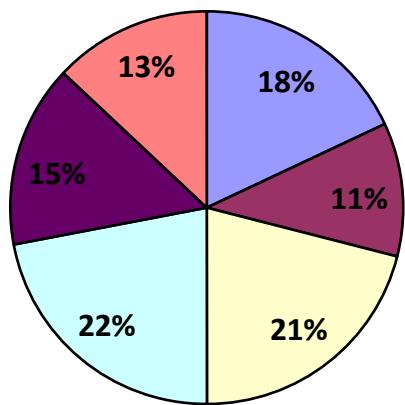 Рисунок 3: Распределение детей с деформацией позвоночника II степени по индексу Риссера. Рисser О Рисser 1 Рисser 2 Рисser 3 Риссer 4 Риссер 5
Такой индекс соответствует возрастному промежутку детей 11-13 лет, когда начинается активный рост возрастают школьные нагрузки количество времени, проведенного в положении сидя.Также в этом возрасте родители еще оказывают существенное влияния на ребенка и поэтому этот контингент является наиболее многочисленным среди первичных обращений к специалисту по поводу деформации позвоночника.
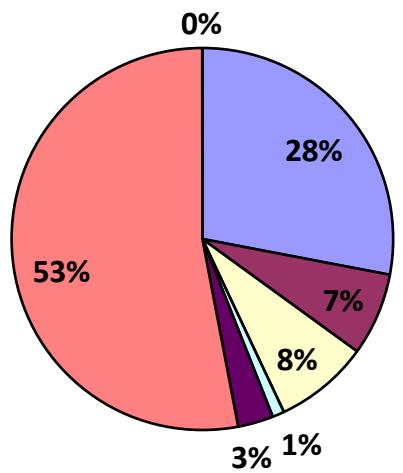
Несколько иное распределение детей по виду деформации отмечалось в группе с деформацией II степени. Группу составили 27 5человек, 22 7 девочек и 48 мальчиков. Данные распределения этой группы по виду деформации представлены на рис. 4.
 о правосторонний грудной правосторонний грудопоясничный левосторонний грудопоясничный правосторонний поясничный левосторонний пояснчный □S-образный
Рисунок 4: Распределение пациентов с деформацией позвоночникаI степени по ее виду.
В этой группе преобладала S-образная деформация. Это можно объяснить тем, что по мере роста ребенка постепенно формируется противоискривлениев др угом отделе позвоночника, как компенсации осевой нагрузки на позвоночник.
По индексу Риссераэта группа распределилась следующим образом (рисунок 5):
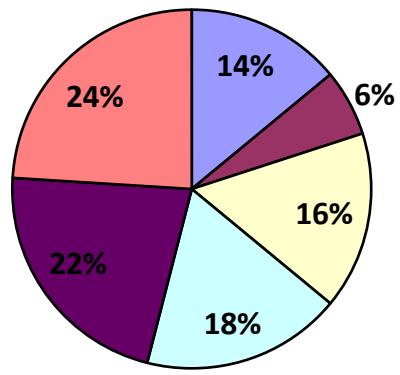 Рисунок 5: Распределение больных с деформацией позвоночника II степени по индексу Риссера. Риsser 0 Риссeр 1 Рисsер 2 Рисseр 3 Риссer 4 Риссер 5
Согласно диаграмме, большинство $24\%$ и 22%) составили дети старшего подросткового возраста с законченным или почти законченным костным ростом (Rissег4 и 5) на их долю пр иодится $46\%$ в группе больных со сколиозом 3 степени.
Таким образом, на основании проведенного анализа контингента детей с деформациями позвоночника, обратившихся впервые для обследования и реабилитационного лечения в клиникуУкрНИипПза
10 лет наблюдения, можно сформировать общий «клинический портретвпервые обратившегося за медицинской помощью пациента: это ребенок женского пола в возрасте 11 – 13 лет с неоконченным костным ростом (тест Rиssег 2 - 3), правосторонней груднойдеформацией позвоночника!I степени.
Дети с такими характеристиками имеют большие потенциальные возможности для достижения позитивного результата консервативного лечения.
Возможно применяется широкого арсенала методов реабилитации - лечебной гимнастики, дыхательной гимнастики По методу K.Schroth, массажа, инновационного оборудования с расширенной обратной СВЯЗЬЮ (ValedoMotion), аппаратнойфизиотерапии, плаванья, а также корсетотерапии по показаниям.
Анализ полученных результатов свидетельствуют, ЧТО большинство детей, впервые обратившихся в по поводу деформации позвоночника, сделало это вовремя и имеет хорошие перспективы консервативного лечения. Своевременность обращения, как мы знаем, зависитот ряда факторов: от доступности медицинской помощи, OT обеспеченности врачами ортопедами regiona OT квалификации, OT медицинской активности населения наличия возможности обращаться за медицинской помощью по месту жительства и в специализированные медицинские центры, от уровня санитарной культуры населения и мотивации к здоровому образу жизни. Это один из показателей социальной направленности работы здравоохранения.
## I. Выводы
Одним И3 условий эффективности реабилитационных мероприятий y детей деформациями позвоночника является своевременное (раннее) обращение к специалисту. Анализ архивных материалов УкрНИИ протезирования позволил оценить структуру первичной обращаемости детей с деформациями позвоночника. Наибольшее количество первичных обращений происходит B возрасте незаконченного КОСТНОГО роста, при правосторонней грудной деформации 2 степени у девочек,что позволяет использовать широкий арсенал консервативных методов лечения ДЛЯ предупреждения прогрессирования возможной коррекции деформации позвоночника.
Авторы выражают искреннюю благодарность Директору Украинского HИИ протезирования, протезостроения и реабилитации, канд. т. н. Салеевой A.Д. за оказанную помощь при планировании и написании настоящей статьи.
Список литературы
Комплексноелечениесколиозов у детей: материалы науч.- практ. конф. с междунар. участием; Санкт- Петербург, 19 сентября 2018 года/ФГБУ «НИдОИ им. Г.Й. Турнера» Минздрава России, СПбГБУз «ВЦДОиТ"«Огонек», Протезно-ортопедический центр «Сколиолоджик.ру». - 2018. – Режим доступу дo pecypcy: https://publishing.intelgr.com/archive/ scoliosis_treatment.pdf.
Generating HTML Viewer...
References
6 Cites in Article
К Цакнакис,Л Брауншвейг,Х Лоренц,А Хелл (2020). Деформация позвоночника при юношеском идиопатическом сколиозе в концелечения с помощью корсета Шено // Ортопедия, травматология и восстановительная хирургия детского возраста.
(2010). Idiopathic Scoliosis.
Г Леин,М Гусев,Современные,Классификации И Лечения Диагностики,Сколиоза Идиопатического,Опыт (2018). Електронний ресурс] / Комплексноелечениесколиозов у детей: материалы науч.-практ. конф. с междунар. участием; Санкт-Петербург.
А Овечкина,И Консервативного Лечения Идиопатического Проблемы,Сколиоза У Unknown Title.
А Ресурс/ Овечкина,Л Дрожжина (2018). // Комплексное лечение сколиозов у детей: материалы науч.-практ. конф. с междунар. участием; Санкт-Петербург.
З Федотова,А Першин (2020). Обзор методов исследования деформации туловища и индексов деформации при сколиозе // Физическая и реабилитационная медицина.
No ethics committee approval was required for this article type.
Data Availability
Not applicable for this article.
How to Cite This Article
Chernyshоva I.N.. 2026. \u201cClinical Characteristics of Children with Spinal Deformities at Initial Visit to the Clinic\u201d. Global Journal of Medical Research - H: Orthopedic & Musculoskeletal System GJMR-H Volume 23 (GJMR Volume 23 Issue H2).
Explore published articles in an immersive Augmented Reality environment. Our platform converts research papers into interactive 3D books, allowing readers to view and interact with content using AR and VR compatible devices.
Your published article is automatically converted into a realistic 3D book. Flip through pages and read research papers in a more engaging and interactive format.
Our website is actively being updated, and changes may occur frequently. Please clear your browser cache if needed. For feedback or error reporting, please email [email protected]
Thank you for connecting with us. We will respond to you shortly.