Background: In today’s dynamic health systems, technology plays an essential role in education and nursing practice. Therefore, it is necessary to study the changing role of nurses and highlight the need for appropriate information technology educational programs to integrate with the ever-increasing pace of technology. Nursing informatics helps improve vital nursing processes, such as documentation, which is a critical aspect of the profession and essential for effective patient care. Before electronic health records, nurses recorded patient information on charts, which could easily be mismanaged. Today, nursing informatics simplifies documentation and automates the transmission of patient data via connected devices to provide access for nurses, physicians, and patients.
## I. INTRODUCTION
In today's dynamic health systems, technology plays an essential role in education and nursing practice, which results in the changing role of nurses and highlights the need for educational programs to integrate appropriate information technology into healthcare. Nursing personnel face a significant challenge to fully benefit from adopting new technological resources in performing their work in a more efficient and effective way.
The success of nursing informatics points to a promising future in its application to nursing practice. The results of one study showed that nursing information systems improved quality through better nursing documentation processes, enhanced patient care planning, and optimized workflow (Darvish et al., 2014):Another case study found a correlation between the technologies used to administer medications and reductions in medication errors, which, in addition to improving patient safety, reduced anxiety in nurses and increased job satisfaction (Kaihlanen et al., 2021).
### a) Significance of the Study
Nursing informatics helps improve vital nursing processes, such as documentation, which is a critical aspect of the profession and essential for effective patient care. Before electronic health records, nurses recorded patient information on charts, which could easily be mismanaged. Today, nursing informatics simplifies documentation and automates the transmission of patient data via connected devices to provide access for nurses, physicians, and patients.
Through the application of nursing science, information technology, and analytical sciences, nursing informatics helps enrich healthcare delivery processes and improve patient outcomes by ensuring that critical technologies connect nurses, doctors, and patients to relevant data and each other.
This study is particularly significant in Saudi Arabia, as digitization is emphasized in the Saudi Vision 2030 program, stating, "In technology, we will increase our investments in, and lead, the digital economy" (Almoheza, 2018).
It is hoped that the results of this study may contribute to the nursing profession and other research.
### b) Purpose of the Study
1. To evaluate the effectiveness of a structured training program on nursing informatics in the Security Forces Hospital Program, Riyadh, from the staff's perspective.
2. To determine the correlations between the variables.
3. To compare the benefits of using electronic documentation pre and post implementation of the system.
### c) Conceptual/Theoretical Framework
A conceptual framework is a theoretical research approach that is scientifically based and emphasizes the selection, arrangement, and classification of its concepts. A conceptual model or framework broadly explains phenomena of interest, expresses assumptions, and reflects a philosophical stance. The conceptual framework formalizes the thinking process so that others may read and understand the frame of reference basic to the research problem. It provides a frame of reference for clinical practice, research, and education.
The conceptual framework of the present study is based on Von Bertalanffy's (1968) general system theory, which defines input, throughput, output, and feedback. According to this theory, a system is a group of elements that interact with one another to achieve a goal. An individual is a system because they receive input from their environment. All living systems are open—there is a continual exchange of matter, energy, and information. The system is cyclical in nature and continues to be so, as long as the four parts (input, throughput, output, and feedback) keep interacting. If there are changes in any of the parts, it will trigger changes in all aspects. Feedback from within the system or the environment provides information, which helps the system determine whether it is meeting its goals.
- Input: It consists of information, material, or energy that enters the system. All systems must receive varying types and amounts of data from the unit. In the present study, input refers to a structured
teaching program regarding electronic documentation systems.
- Throughput: The systems process the input internally, which is called throughput, which refers to the administration of a structured training program for staff nurses regarding an electronic documentation system, which is intended to increase their knowledge, skills, and confidence.
- Output: Outputs is released into the environment in an attempt to restore equilibrium to the environment and refers to energy, material, and information leaving a system after the process. The expected outcome of the present study was obtained by accessing knowledge, skills, and confidence through a questionnaire and Likert scale. The output was evaluated in terms of increments in post-test knowledge, skills, and confidence scores.
- Feedback: Feedback allows a system to regulate itself and provides information about the system's output, that is, response to the system that allows it to monitor itself over time and move closer to a steady state known as equilibrium or homeostasis. It may be positive, negative, or neutral. In the present study, feedback was defined as a process of maintaining the effectiveness of the structured training program. It was assessed by comparing pre-test and post-test scores through the 't' value and identifying correlations between variables. Feedback was used to measure the benefits of the electronic documentation system.
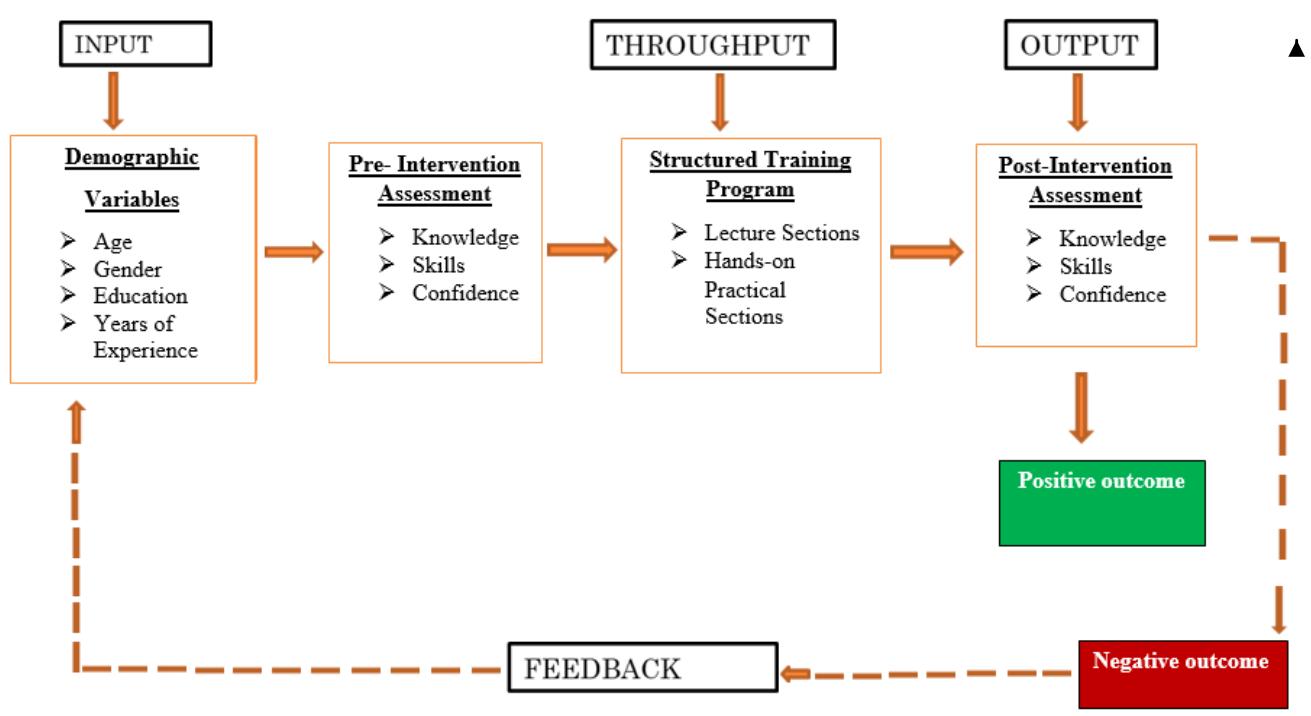 Figure1: General systems theory (GST) was outlined by Ludwig Von Bertalanffy (1968). Not included in the study Figure 1: General systems theory (GST) was outlined by Ludwig Von Bertalanffy (1968). Not included in the study
### d) Definition of Terms
Nursing informatics: Nursing informatics is defined by the American Nurses Association (ANA) as "a specialty that integrates nursing science with multiple information and analytical sciences to identify, define, manage, and communicate data, information, knowledge, and wisdom in nursing practice."
Structured training program: A structured training program has a detailed schedule, time frame, outline of activities, and assignment of responsibilities (Grove & Gray, 2023). It has well-defined goals and consequences. A structured training program leads to more success and employee development than an informal or unstructured one. Structured training is a systematic approach to training to prepare employees for career advancement.
Nursing staff: Nursing staff refers to the registered nurses, licensed practical nurses, nurse aides, and others under nurse supervision who provide patient care.
Quality of care: The degree to which health services for individuals and populations increase the likelihood of desired health outcomes (WHO).
## II. LITERATURE REVIEW
The use of digital services has become an essential part of nurses' work, and consequently, competencies related to informatics have become a necessary prerequisite for nurses to perform their professional roles (Khezri & Abdekhoda, 2019; Kinnunen et al., 2019; T.I.G. E.R., 2011). Nursing informatics is defined as the processing of information (collecting, processing, storing, and sharing data) and the integration of Informatics Competency Training for promoting patients' or clients' health (Staggers et al., 2002; Staggers &Thompson, 2002). Nurses' informatics competence affects the quality of healthcare (Darvish et al., 2014; LIN et al., 2014), and nurses need sufficient informatics literacy to provide safe care for patients and manage services (De Gagne et al., 2012).
To take advantage of new technological resources that allow nurses to perform their work in a more efficient and effective way, they must take on the challenge of systematic training. Nursing informatics is designated in several countries as an essential competence for nursing professionals.
The need to continue with adequate training in nursing informatics can improve knowledge, skills and abilities to perform specific informatics tasks that has been recognized by national and international healthcare systems and the nursing community. This highlights the importance of implementing initiatives to promote nursing informatics competency among nurses in all fields.
A critical assessment of emerging technologies found that the key elements required for implementing nursing informatics were healthcare promotion, advanced systems, internet access, and a network. Because of the nature and development of the information age, receiving the necessary information technology training is required for all categories of nurses.
In today's world, the potential for incorporating informatics and communication technology to enhance the quality of nursing outcomes markedly (Booth et al., 2021). Nurses communicate with patients more closely and interact with technology more frequently. Incorporating technology should create a positive outcome in nursing productivity. Information technology has transformed healthcare and nursing in several aspects, including clinical, management, education, and research areas. Nurses' confidence in using information technology is critical to integrating it successfully in the nursing field. Healthcare managers are advised to investigate nurses' experiences with information technology in their hospitals and organize courses to orient hesitant nurses toward adopting information technology (Farokhzadian et al., 2020).
## III. METHODOLOGY
### a) Research Design, Sampling, and Instrumentation
## i. Research Design
A pre-experimental study conducted at the Security Forces Hospital Program in Riyadh, Saudi Arabia. The research applied a pre-experimental design in which participants completed a pre-test (O1), were exposed to treatment (X, a structured training program), and then completed a post-test (O2) (Polit & Beck, 2021). The aims of the study were first to know whether there is a significant difference before and after the structured training program and second, to understand whether a structured training program can improve nurses' knowledge, skill, and confidence in the use of nursing informatics. Finally, a comparison was made between the effectiveness of manual and electronic documentation.
Table 1: Pre-experimental design, one group (Polit & Beck, 2019).
<table><tr><td>Pre-test</td><td>Treatment</td><td>Post-test</td></tr><tr><td>O1</td><td>X</td><td>O2</td></tr></table>
## ii. Variables and Indicators
There were two variables in this research—the independent variable and the dependent variable. The independent variable was the use of a structured training program (which comprised lectures and hands-on practice), and the dependent variable was the staffs knowledge, skill, and confidence levels.
## iii. Population
The population for this study was all nurses.
### Inclusion and Exclusion Criteria
Nursing staff from all inpatient departments were included in the study. Staff from the administrative and outpatient departments were excluded from the survey.
#### Sample and Sampling Technique
A systematic sampling (n4th) technique was used to select a sample of $25\%$ of all the nursing departments that underwent the training process. Between May and September 2022, a pre-test assessment was conducted, followed by structured lectures and practice sessions for the entire sample. Data were collected using a pre-test, and the final evaluation was done through a post-test survey to evaluate the effectiveness of a structured training program on converting to an electronic system to promote the quality of nursing care.
## iv. Research Hypotheses
The researcher formulated the hypotheses to be tested. They were as follows:
1. The null hypothesis (H0) is that there is no significant relationship between pre-test and post-test.
2. The alternative hypothesis (H1) is that there is a significant relationship between pre-test and post-test.
## v. Instruments/Tools
To collect the required data, a survey questionnaire was applied twice—once in a pre-test and next in a post-test—to assess knowledge and to record observations in the practice session using a Likert scale to rank the level of confidence.
## vi. Data Collection Procedures
The researcher used the following data collection methods:
### 1. Pre-test
Study participants filled out the pre-test questionnaire before taking the structured training program to measure their prior knowledge, skill, and level of confidence.
#### 2. Treatment
The treatment stage—participating in the structured training program on the nursing informatics documentation system—was applied through lectures and hands-on practical sessions (Banandur et al., 2020).
#### 3. Post-test
After the training, the staff filled out the post-test questionnaire assessing knowledge and an observation checklist for the practical sessions with a Likert scale ranking their level of confidence.
#### 4. Comparing pre-test and post-test results
Pre-test and post-test results were compared to determine whether the structured training program in nursing informatics had effectively improved the nursing staffs knowledge, skills, and confidence level.
## vii. Ethical Considerations
Before initiating the study, ethical permission was secured through approval from the Research Committee as per hospital policy. The necessary consent was obtained from the Research Ethics Committee of the Security Forces Hospital program.
## viii. Data Analysis and Evaluation
The data were analyzed as follows:
1. The nurses' mean scores on the pre-test and post-test were calculated
2. The percentage of improvement in the nurses' pretest and post-test scores were calculated
3. At-test to calculate the significance of differences between the nurses' pre-test and the post-test scores was applied
4. The Pearson's correlation coefficient to identify correlations between variables was applied
5. Manual and electronic documentation using ANOVA were compared (Heavey, 2019).
Table 2: The criteria for hypothesis testing.
<table><tr><td>Comparison</td><td colspan="2">Hypotheses</td></tr><tr><td></td><td>H0</td><td>H1</td></tr><tr><td>t-test<t-table</td><td>Accepted</td><td>Rejected</td></tr><tr><td>t-test ≥ t-table</td><td>Rejected</td><td>Accepted</td></tr></table>
Table 2 shows that 1) if the $t$ -test value is lower than the $t$ -table value, the null hypothesis is accepted, and the alternative hypothesis is rejected, and 2) if the $t$ -test value is equal to or greater than the $t$ -table value, the null hypothesis is rejected and the alternative is accepted (Rao & Richard, 2012).
## IV. RESULTS
### a) Demographic Variables among Staff Nurses
Half of the staff nurses belonged to the 31-40 age group, followed by $26.5\%$ who were in the 41-50 age range, with only $10.6\%$ being 50 and above. The majority $(86.3\%)$ of staff nurses were female.
Regarding years of experience, about $25.7\%$ of staff nurses had 1-5 years, followed by $24.8\%$ who had 6-10 years, and $23.5\%$ with 11-15 years of experience. Most of staff nurses $(79.6\%)$ had completed a bachelor's degree, and only $5.8\%$ had completed a master's degree (Fig. 2).
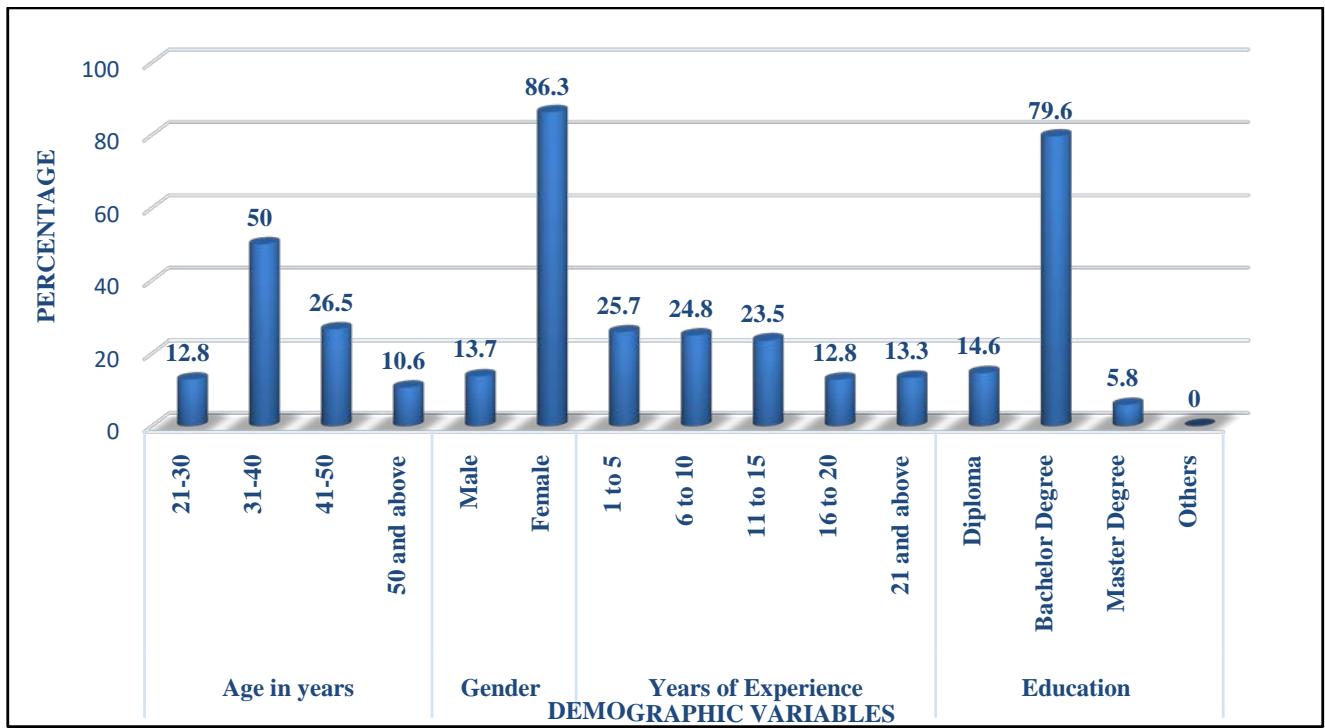 Figure 2: Percentage distribution of staff nurses based on age, gender, years of experience, and education.
### b) Comparison of Pre- and Post-test Levels of Knowledge of Staff Nurses
Pre-testing - the greatest part (35.8%) of the nurses had satisfactory knowledge, and 32.3% had fair knowledge. Only 2.7% had excellent knowledge regarding nursing informatics. In the post-test, $46.5\%$ of the nurses had excellent understanding, $35.4\%$ had satisfactory understanding, and none had a poor level of understanding (Fig. 3).
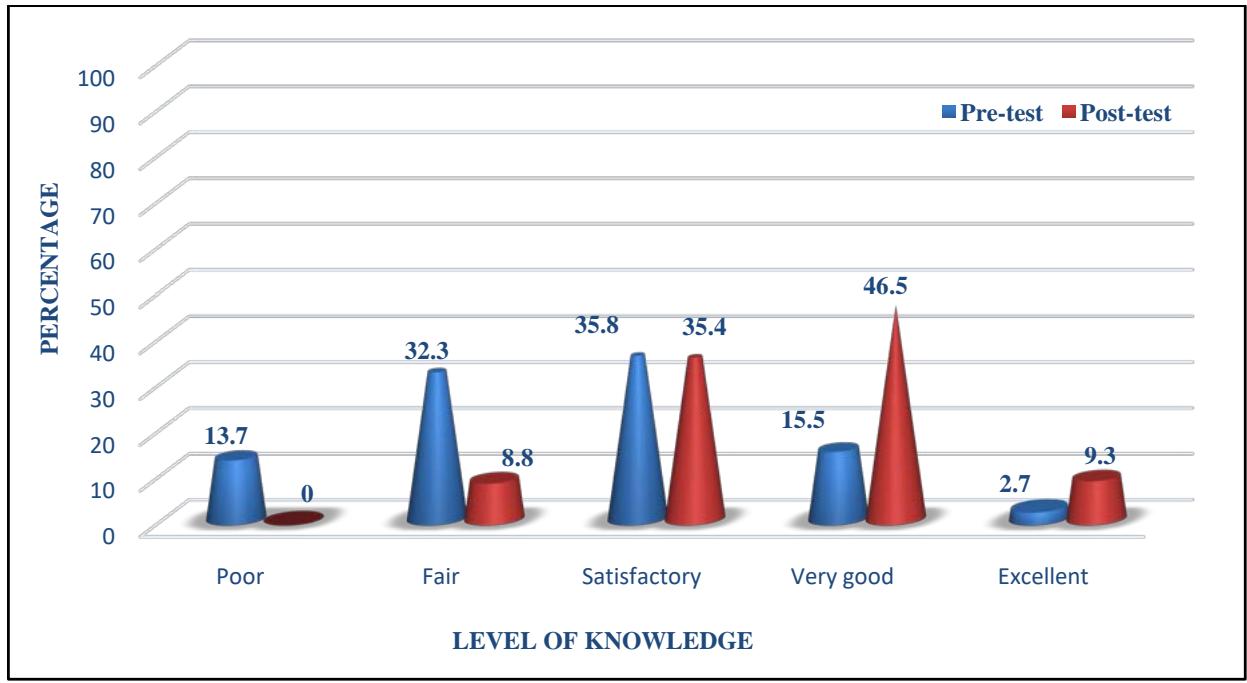 Figure 3: Percentage distribution of levels of knowledge among staff nurses at pre-test and post-test.
### c) Comparison of Pre- and Post-test Skills of Staff Nurses
In pre-testing, the most significant part (35.4%) of the nurses had satisfactory skill levels, 35% had fair skill levels, and only 4% had excellent skills in nursing informatics. In the post-test, the most significant part
(47.3%) of the nurses had an excellent skill level, 35.4% had a satisfactory level of skill, and only 0.4% had a poor level (Fig. 4).
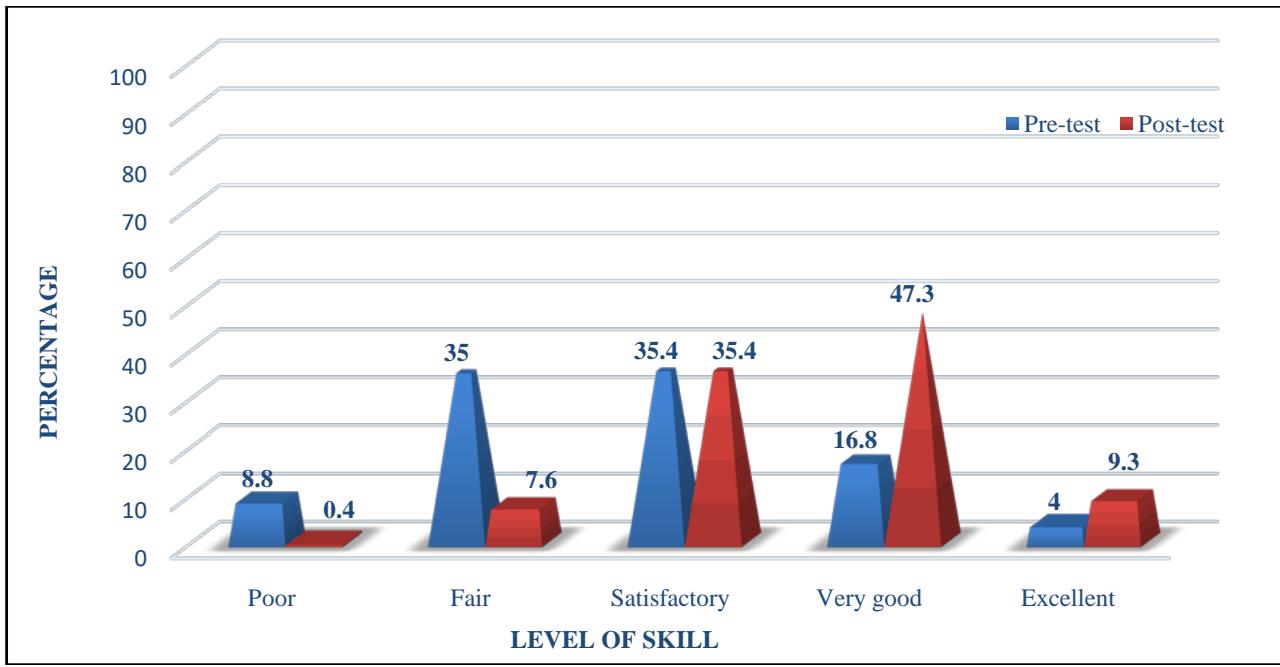 Figure 4: Distribution of pre and post-test levels of skill of staff nurses.
### d) Comparison of Pre- and Post-test Levels of Confidence of Staff Nurses
In the pre-test, the most significant part (35.4%) of nurses had a satisfactory level of confidence, 34.1% had fair confidence, and only 5.3% had an excellent level of confidence about nursing informatics. In post- testing, $46.5\%$ of nurses had an excellent confidence level, $32.3\%$ had a satisfactory level, and none scored a poor confidence level (Fig. 5).
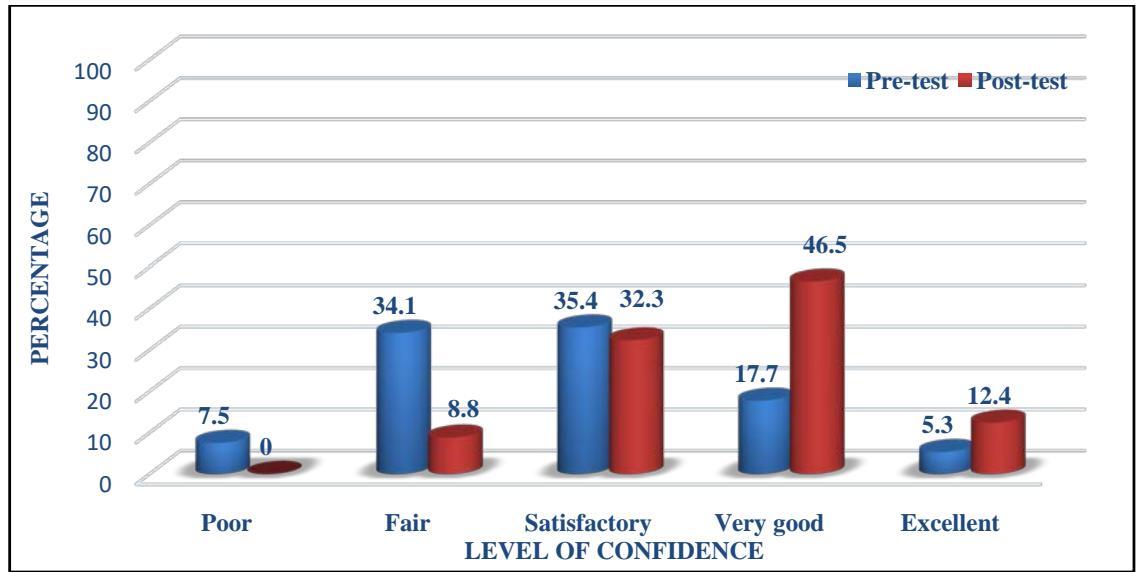 Figure 5: Percentage distribution of pre-and post-test levels of confidence of staff nurses.
### e) Effectiveness of a Structured Training Program on Nursing Informatics for Staff Nurses
Table 3: Homogeneity of parameters among staff nurses $\left( {n = {226}}\right)$.
<table><tr><td rowspan="2">Variable</td><td rowspan="2">Mean</td><td rowspan="2">SD</td><td colspan="2">95% Confidence Interval</td><td rowspan="2">Skewness</td><td rowspan="2">Kurtosis</td></tr><tr><td>Lower Bound</td><td>Upper Bound</td></tr><tr><td>Level of knowledge</td><td>8.52</td><td>3.93</td><td>8.01</td><td>9.04</td><td>0.334</td><td>-0.587</td></tr><tr><td>Level of skill</td><td>8.35</td><td>3.86</td><td>7.85</td><td>8.86</td><td>0.317</td><td>-0.468</td></tr><tr><td>Level of confidence</td><td>11.07</td><td>4.54</td><td>10.47</td><td>11.66</td><td>0.538</td><td>-0.530</td></tr></table>
Table 3 depicts the normality test of the research variables' knowledge, skills, and confidence in nursing informatics. When the results in skewness and kurtosis, more appropriate statistical tests, fall within $\pm$
3.00, the parametric tests of the $t$ -test can be applied to find the mean difference and the Pearson's correlation coefficient to prove the relationship between variables.
Table 4: Comparison of mean levels of staff nurses'(n=226) knowledge of nursing informatics.
<table><tr><td rowspan="2">Assessment</td><td colspan="2">Level of Knowledge</td><td rowspan="2">Mean difference</td><td rowspan="2">Paired T-value</td><td rowspan="2">p-value*</td></tr><tr><td>Mean</td><td>SD</td></tr><tr><td>Pre-test</td><td>8.52</td><td>3.93</td><td rowspan="2">4.98</td><td rowspan="2">27.984</td><td rowspan="2"><0.001</td></tr><tr><td>Post-test</td><td>13.50</td><td>3.14</td></tr></table>
Table 4 illustrates the mean difference in the level of knowledge of nursing informatics among staff nurses before and after training. The results reflect a significant difference (4.98) in the mean scores between the pre-test mean score of $8.52 \pm 3.93$ and its increase to $13.50 \pm 3.14$ in the post-test, which was found to be highly significant ( $p < 0.001$ ). This significant difference between the pre and post-test results proves the intervention was effective. Hence, the null hypothesis was rejected, and the research hypothesis was accepted.
Table 5: Comparison of mean levels of staff nurses' $\left( {n = {226}}\right)$ skills in nursing informatics.
<table><tr><td rowspan="2">Assessment</td><td colspan="2">Level of Skill</td><td rowspan="2">Mean difference</td><td rowspan="2">Paired T-value</td><td rowspan="2">p-value*</td></tr><tr><td>Mean</td><td>SD</td></tr><tr><td>Pre-test</td><td>8.35</td><td>3.86</td><td rowspan="2">4.91</td><td rowspan="2">24.463</td><td rowspan="2"><0.001</td></tr><tr><td>Post-test</td><td>13.27</td><td>2.97</td></tr></table>
Table 5 presents the mean difference in staff nurses' skill levels in nursing informatics before and after the intervention. The results show a significant difference (4.91) in the mean scores between the pre-test of 8.35 ± 3.86 and its increase to $13.27 \pm 2.97$ in the post-test, which was found to be highly significant $(p < 0.001)$. This significant difference between the pre-and post-test results proves the training was practical. Hence, the null hypothesis was rejected, and the research hypothesis was accepted.
Table 6: Comparison of mean level of staff nurses' (n = 226) confidence in nursing informatics.
<table><tr><td rowspan="2">Assessment</td><td colspan="2">Level of Confidence</td><td rowspan="2">Mean difference</td><td rowspan="2">Paired T-value</td><td rowspan="2">p-value*</td></tr><tr><td>Mean</td><td>SD</td></tr><tr><td>Pre-test</td><td>11.07</td><td>4.54</td><td rowspan="2">5.94</td><td rowspan="2">25.608</td><td rowspan="2"><0.001</td></tr><tr><td>Post-test</td><td>17.01</td><td>3.91</td></tr></table>
Table 6 shows the mean difference in levels of confidence of staff nurses in using nursing informatics before and after training. The results show a significant difference (5.94) in the mean scores between the pretest mean score of $11.07 \pm 4.54$ and its increase to
f) Comparing Staff Nurses' Knowledge, Skills, and Confidence in Nursing Informatics
$17.01 \pm 3.91$ in post-testing, which was considered highly significant ( $p < 0.001$ ). This significant difference between the pre-and post-test results proves the training was effective. Hence, the null hypothesis was rejected, and the research hypothesis was accepted.
Table 7: Pearson's correlation coefficient between levels of knowledge and skill.
<table><tr><td>Variable</td><td>Mean</td><td>SD</td><td>Pearson's r</td><td>p value*</td></tr><tr><td>Level of knowledge</td><td>8.52</td><td>3.93</td><td rowspan="2">0.881</td><td rowspan="2"><0.001</td></tr><tr><td>Level of skill</td><td>8.35</td><td>3.86</td></tr></table>
Table 7 shows Pearson's correlation coefficient between the levels of knowledge and skills of staff nurses. The results show a highly significant positive correlation between level of expertise and level of skills at $r' = 0.881$ ( $p < 0.001$ ). It was evident that the two variables moved in the same direction as they increased, inferring that as knowledge increased, the level of skill followed.
Table 8: Pearson's correlation between level of knowledge and confidence(n=226).
<table><tr><td>Variable</td><td>Mean</td><td>SD</td><td>Pearson's r</td><td>p value*</td></tr><tr><td>Level of knowledge</td><td>8.52</td><td>3.93</td><td rowspan="2">0.811</td><td rowspan="2"><0.001</td></tr><tr><td>Level of confidence</td><td>11.07</td><td>4.54</td></tr></table>
Table 8 shows Pearson's correlation between levels of knowledge and confidence of staff nurses. The results show a highly significant positive correlation between level of knowledge and confidence at $r' =$
0.811 ( $p < 0.001$ ). It was evident that the two variables moved in the same direction as they increased, inferring that as knowledge increased, the level of confidence followed.
Table 9: Pearson's correlation between level of skill and confidence (n=226).
<table><tr><td>Variable</td><td>Mean</td><td>SD</td><td>Pearson's r</td><td>p value*</td></tr><tr><td>Level of skill</td><td>8.35</td><td>3.86</td><td rowspan="2">0.834</td><td rowspan="2"><0.001</td></tr><tr><td>Level of confidence</td><td>11.07</td><td>4.54</td></tr></table>
Table 9 shows Pearson's correlation coefficient between the levels of confidence and skills of the staff nurses. The results show a highly significant positive correlation between the level of confidence and the level of skills at $r' = 0.834$ ( $p < 0.001$ ). It was evident that the two variables moved in the same direction as they increased, inferring that as the level of skill increased, the level of confidence followed.
### g) Participants' Post-test Assessment of the Benefits of Electronic Documentation
Table 10: Staff nurses' (n = 226) post-test assessment of the benefits of electronic documentation.
<table><tr><td colspan="2">Benefits of using electronic documentation</td><td>Frequency (f)</td><td>Percentage (%)</td></tr><tr><td rowspan="5">Saves time</td><td>Strongly Agree</td><td>75</td><td>33.2</td></tr><tr><td>Agree</td><td>99</td><td>43.8</td></tr><tr><td>Neutral</td><td>39</td><td>17.3</td></tr><tr><td>Disagree</td><td>7</td><td>3.1</td></tr><tr><td>Strongly Disagree</td><td>6</td><td>2.7</td></tr><tr><td rowspan="5">Reduces errors</td><td>Strongly Agree</td><td>44</td><td>19.5</td></tr><tr><td>Agree</td><td>103</td><td>45.6</td></tr><tr><td>Neutral</td><td>69</td><td>30.5</td></tr><tr><td>Disagree</td><td>7</td><td>3.1</td></tr><tr><td>Strongly Disagree</td><td>3</td><td>1.3</td></tr><tr><td rowspan="5">Convenient</td><td>Strongly Agree</td><td>67</td><td>29.6</td></tr><tr><td>Agree</td><td>111</td><td>49.1</td></tr><tr><td>Neutral</td><td>39</td><td>17.3</td></tr><tr><td>Disagree</td><td>4</td><td>1.8</td></tr><tr><td>Strongly Disagree</td><td>5</td><td>2.2</td></tr><tr><td rowspan="5">Improves productivity</td><td>Strongly Agree</td><td>61</td><td>27</td></tr><tr><td>Agree</td><td>115</td><td>50.9</td></tr><tr><td>Neutral</td><td>44</td><td>19.5</td></tr><tr><td>Disagree</td><td>1</td><td>0.4</td></tr><tr><td>Strongly Disagree</td><td>5</td><td>2.2</td></tr><tr><td rowspan="5">Improves care coordination</td><td>Strongly Agree</td><td>55</td><td>24.3</td></tr><tr><td>Agree</td><td>109</td><td>48.2</td></tr><tr><td>Neutral</td><td>55</td><td>24.3</td></tr><tr><td>Disagree</td><td>3</td><td>1.4</td></tr><tr><td>Strongly Disagree</td><td>4</td><td>1.8</td></tr><tr><td rowspan="3">Improves quality of care</td><td>Strongly Agree</td><td>62</td><td>27.4</td></tr><tr><td>Agree</td><td>96</td><td>42.5</td></tr><tr><td>Neutral</td><td>62</td><td>27.4</td></tr><tr><td rowspan="2"></td><td>Disagree</td><td>2</td><td>0.9</td></tr><tr><td>Strongly Disagree</td><td>4</td><td>1.8</td></tr><tr><td rowspan="5">User friendly</td><td>Strongly Agree</td><td>51</td><td>22.6</td></tr><tr><td>Agree</td><td>107</td><td>47.3</td></tr><tr><td>Neutral</td><td>56</td><td>24.8</td></tr><tr><td>Disagree</td><td>8</td><td>3.5</td></tr><tr><td>Strongly Disagree</td><td>4</td><td>1.8</td></tr></table>
Table 11: Frequency and percentage distribution of staff nurses'
$(n = 226)$ post-test levels of satisfaction with using electronic documentation.
<table><tr><td>Level of Satisfaction</td><td>Frequency (f)</td><td>Percentage (%)</td></tr><tr><td>Excellent</td><td>54</td><td>23.9</td></tr><tr><td>Very good</td><td>103</td><td>45.6</td></tr><tr><td>Good</td><td>53</td><td>23.5</td></tr><tr><td>Fair</td><td>16</td><td>7.1</td></tr><tr><td>Poor</td><td>0</td><td>0</td></tr></table>
Table 11 illustrates the frequency and percentage distribution of staff nurses' reported level of satisfaction with using electronic documentation at posttest. The most significant part (45.6%) of staff nurses expressed an excellent level of satisfaction, 23.9 said it was excellent, 23.5 said it was good, with none reporting that their opinion of using electronic documentation was poor.
## V. DISCUSSION
The Healthcare Transformation Program was formulated for the Kingdom's Vision 2030 project to ensure the continued development of healthcare services in Saudi Arabia and to focus efforts on this vital sector. The program aimed to boost public health and disease prevention, enhanced access to health services through optimal coverage, comprehensive and equitable geographical distribution, and increased the provision of e-health services (Vision 2030, 2016).
In line with this vision, this study aimed to evaluate the effectiveness of a structured training program of nursing informatics in the Security Forces Hospital Program, Riyadh, from the staff's perspective (using Von Bertalanffy's (1968) General System Theory), to identify correlations among the variables and to compare the benefits of using electronic documentation.
The results of the study showed that there was a highly significant $(p < 0.001)$ improvement in the level of knowledge, skill, and confidence, confirming that the structured training program was effective. There were also highly significant positive correlations between level of knowledge and level of skill, level of knowledge and level of confidence, and level of skill and level of confidence, indicating that improvements were closely interrelated.
There is minimal quantitative research in the literature that examines the effectiveness of nursing informatics systems. One study showed that following a nursing informatics training program, nurses showed statistically significant changes in their perception of nursing informatics and their ability to apply information technology to enhance the quality of patient care (Bickford et al., 2005). Another study demonstrated that home healthcare and health informatics training laboratories and hands-on exercises improved students' technology adoption rates and self-confidence in using wireless patient monitoring devices (Sapci & Sapci,
2017). The above studies are consistent with the results of this study.
The results of this study also showed that most participants (93%) were satisfied with using electronic documentation. About two-thirds of the participants either agreed or strongly agreed that using electronic documentation saves time, reduces errors, is convenient, improves productivity, results in better care coordination, improves quality of care, and is user-friendly. These findings are in line with the results of previous studies. Electronic documentation can improve the ability to diagnose diseases and reduce or even prevent medical errors, improving patient outcomes (Healthit, 2019). A study in 2019 affirmed the adoption of electronic health records will significantly reduce patient safety events in the hospital (Akindele, 2019). It reduces the risk of errors by decreasing the clinicians' cognitive workload and synthesizing and organizing information in accessible and usable formats (Ratanawongsa et al., 2019). Information technology benefited nurses by helping them perform their daily tasks with greater ease, and it made the nurses' work more effective as information technology improved their efficiency by reducing resource consumption and facilitating information access, recording, and processing (Yusof, 2015). Electronic documentation implementation appears to enhance documentation and prescription error prevention (Albagmi, 2021).
In this study, a limited number of the staff reported dissatisfaction with electronic documentation. One possible explanation for this is that some of the nurses may not have had any previous experience with technology as they were brought up in a non-technology era (10% of the sample were above age 50) and may be fearful of technology or reluctant to try it. According to research, the Baby Boomer generation (those born between 1946 and 1964) is resistant to change, in contrast, Generation X (Post-Boomers) (those born between 1965 and 1980) is more diverse, entrepreneurial, and educated, and Generation Y, also known as Millennials (those born between 1981 and 2000), stay glued to their phones (Kalita, 2023). Millennials were born into the world of technology. Described as "digital natives," that is, a cohort or generation that has never known a world without computers and handheld electronic devices, millennials demonstrate the ability to absorb information quickly through technology (Jain & Dutta 2018). This explains why the majority of participants were satisfied with using electronic documentation, with nearly $90\%$ of the nurses falling into Generation X and Generation Y (Millennials). The low percentage of nurses reporting dissatisfaction would be a contributing factor to have training courses tailored to those at different levels of experience with technology, rather than simply one training program for all.
## VI. LIMITATIONS
While the study has good scientific rigor in that the methodology was systematic and transparent through complete, organized, and accurate reporting, the study sample was taken from only one hospital and specialty; therefore, the results may not be generalizable. Future studies should include more than one hospital and more than one specialty, such as physicians, pharmacists, laboratory technicians, and others, so that the results are more generalizable.
Another limitation is that there may be response bias in the survey results, as there is an assumption of truthfulness when, nurses may not have been truthful; they may have feared that their responses would impact their jobs. An alternative would be to repeat the study with one-to-one face to face structured interviews rather than a written survey for data collection. Structured interviews can reduce response bias as the questions can be open-ended, and detailed information can additionally be applied.
Future research should involve a follow-up study after 12 to 18 months to identify challenges encountered and explore the patient experience following the implementation of electronic documentation. To improve the electronic documentation system itself, further research must follow. Nurses need to be involved in the initial design of strategies to improve the quality of healthcare and change their culture in this regard (Darvish et al., 2019).
## VII. IMPLICATIONS
The results of this study can inspire institutions that have not yet implemented electronic documentation to do so, by recognizing the benefits of electronic systems.
It can also help universities implement nursing informatics into undergraduate training programs and encourage nursing education departments to recognize the need to implement nursing informatics into their education programs further, for example, transforming nursing competency reviews from paper to electronic assessments. Due to advanced technology, advantage should be taken in information technology in nursing practice and the quality of healthcare which will empower nurses and, further educational adaptation is recommended for nursing informatics (Darvish et al., 2014).
## VIII. CONCLUSION
The study aimed to evaluate the effectiveness of a structured training program for nursing informatics in the Security Forces Hospital, Riyadh. The results demonstrate that the structured training program was effective. Implementation of electronic documentation systems improves documentation, with most nurses pleased with it. The results suggest that nurse managers, decision-makers, nurse educators, and authorities inclinical settings should organize appropriate interventions and training programs with the help of informatics specialists to improve nurses' informatics competency, particularly in the field of information management skills (Jouparinejad et al., 2018).
The transformation to electronic documentation was highly effective and beneficial to the nursing process, which in turn positively impacts the quality of care.
### ACKNOWLEDGEMENT
The authors would like to thank all the selected participants for their participation in the study. Special thanks to the Medical departments, IT departments, Assistant Directors of Nursing, Head Nurses, and Nursing Education for facilitating the training program and data collection process.
Disclosure
The authors report no conflicts of interest in this work
Generating HTML Viewer...
References
32 Cites in Article
Akinade Akindele (2019). The Significance of Electronic Health Records to Reduction of Patient Safety Events in Hospitals.
S Albagmi (2021). The effectiveness of EMR implementation regarding reducing documentation errors and waiting time for patients in outpatient clinics: A systematic review.
R Almoheza (2018). Journalisme international.
Linda Harrington (2015). American Nurses Association Releases New Scope and Standards of Nursing Informatics Practice.
Pradeep Banandur S.,Gautham Sukumar,Mutharaju Arelingaiah,Lavanya Garady,Jyoti Koujageri,Sateesh Sajjanar,Basavaraj Hadapad,M Ramesh,Gururaj Gopalkrishna (2020). Effectiveness of a Structured Training Module on Different Learning Domains among Yuva Parivarthakas under Yuva Spandana Program.
Carol Bickford,Kathleen Smith,Marion Ball,Gerri Frantz,Teresa Panniers,Susan Newbold,Karen Knecht,Holly Farish-Hunt,Nhora Cortes-Comerer (2005). Evaluation of a nursing informatics training program shows significant changes in nurses’ perception of their knowledge of information technology.
Richard Booth,Gillian Strudwick,Susan Mcbride,Siobhán O’connor,Ana Solano López (1190). How the nursing profession should adapt for a digital future.
Asieh Darvish,Fatemeh Bahramnezhad,Sara Keyhanian,Mojdeh Navidhamidi (2014). The Role of Nursing Informatics on Promoting Quality of Health Care and the Need for Appropriate Education.
Asieh Darvish,Fatemeh Bahramnezhad,Sara Keyhanian,Mojdeh Navidhamidi (2019). The Role of Nursing Informatics on Promoting Quality of Health Care and the Need for Appropriate Education.
Jamileh Farokhzadian,Reza Khajouei,Arie Hasman,Leila Ahmadian (2020). Nurses’ experiences and viewpoints about the benefits of adopting information technology in health care: a qualitative study in Iran.
S Grove,J Gray (2023). Understanding Nursing Research: Building an Evidence-based Practice.
Healthit (2019). Improved Diagnostics and Patient Outcomes.
Elizabeth Heavey (2019). Actualización de la toxoplasmosis.
A Jain,D Dutta (2016). Millennials and gamification: Guerilla tactics for making learning fun.
Somayeh Jouparinejad,Golnaz Foroughameri,Reza Khajouei,Jamileh Farokhzadian (2020). Improving the informatics competency of critical care nurses: results of an interventional study in the southeast of Iran.
S Kalita (2023). If you only have five minutes. . . ..
Anu-Marja Kaihlanen,Kia Gluschkoff,Ulla-Mari Kinnunen,Kaija Saranto,Outi Ahonen,Tarja Heponiemi (2021). Nursing informatics competences of Finnish registered nurses after national educational initiatives: A cross-sectional study.
Hero Khezri,Mohammadhiwa Abdekhoda (2019). Assessing nurses’ informatics competency and identifying its related factors.
Ulla-Mari Kinnunen,Tarja Heponiemi,Elina Rajalahti,Outi Ahonen,Teija Korhonen,Hannele Hyppönen (2019). Factors Related to Health Informatics Competencies for Nurses—Results of a National Electronic Health Record Survey.
Hsien-Cheng Lin,Meng-Hsiang Hsu,Chen-Wei Yang (2014). The Influences of Computer System Success and Informatics Competencies on Organizational Impact in Nursing Environments.
Nursing Informatics Teaching Toolkit: Supporting the Integration of the CASN Nursing Informatics Competencies into Nursing Curricula Nursing Informatics Teaching Toolkit: Supporting the Integration of the CASN Nursing Informatics Competencies into Nursing Curricula.
Denise Polit,Cheryl Beck (2019). Is there gender bias in nursing research?.
D Polit,C Beck (2021). Generating and assessing evidence for nursing practice.
S Rao,J Richard (2012). Introduction to Bayesian inference.
Neda Ratanawongsa,George Matta,Fuad Bohsali,Margaret Chisolm (2018). Reducing Misses and Near Misses Related to Multitasking on the Electronic Health Record: Observational Study and Qualitative Analysis.
A Sapci,H Sapci (2017). The Effectiveness of Hands-on Health Informatics Skills Exercises in the Multidisciplinary Smart Home Healthcare and Health Informatics Training Laboratories.
Akila Sarirete,Zain Balfagih,Tayeb Brahimi,Miltiadis Lytras,Anna Visvizi (2022). Artificial intelligence and machine learning research: towards digital transformation at a global scale.
Nancy Staggers,Carole Gassert,Christine Curran (2002). A Delphi Study to Determine Informatics Competencies for Nurses at Four Levels of Practice.
N Staggers (2002). The Evolution of Definitions for Nursing Informatics: A Critical Analysis and Revised Definition.
Muhammad Khan,Irfan Hameed,Kamran Khan (2016). Kingdom of Saudi Arabia.
Von Bertalanffy,L (1968). General System Theory Foundations, Development.
Maryati Yusof (2015). A case study evaluation of a Critical Care Information System adoption using the socio-technical and fit approach.
No ethics committee approval was required for this article type.
Data Availability
Not applicable for this article.
How to Cite This Article
Ali M. Al Yasien. 2026. \u201cThe Effectiveness of a Structured Training Program in Transforming to an Electronic System in Promoting the Quality of Nursing Care\u201d. Global Journal of Medical Research - K: Interdisciplinary GJMR-K Volume 23 (GJMR Volume 23 Issue K6).
Explore published articles in an immersive Augmented Reality environment. Our platform converts research papers into interactive 3D books, allowing readers to view and interact with content using AR and VR compatible devices.
Your published article is automatically converted into a realistic 3D book. Flip through pages and read research papers in a more engaging and interactive format.
Our website is actively being updated, and changes may occur frequently. Please clear your browser cache if needed. For feedback or error reporting, please email [email protected]
Thank you for connecting with us. We will respond to you shortly.