Salvador is seeking to implement new low carbon technologies and establish a process for managing the risks and opportunities represented by climate change since it published its first inventory about of the Greenhouse Gas Emissions in 2016. The continuity of these actions is seen with the publication of its second inventory, in 2020. The existing bibliography on urban inventories of Greenhouse Gas Emissions (GHG) proves the importance and potential of cities to contribute to tackling climate change. The inventory is the instrument for monitoring and controlling these emissions, so its quality is fundamental to support the proposal of mitigating actions. One of the challenges pointed out by the scientific community is the comparability of urban GHG inventories. This work has as main objective to carry out a comparative analysis of the results of the Waste Sector presented in the first and second Inventory of Emissions of Greenhouse Gas Emissions in Salvador and to identify important gaps that still exist.
## I. INTRODUCTION
The concern with the social, environmental and economic impacts of climate change has led Brazilian public and private sectors to discuss and engage in initiatives related to mitigating greenhouse gas emissions (GHG) and to adapt to new climate risks (Salvador, 2016).
Carbon dioxide, the most important greenhouse gas produced by combustion of fuels, has become a cause of global panic as its concentration in the Earth's atmosphere has been rising alarmingly (GUPTA, 2022). Urban centers, especially, are regions of concentration of people that demand the development of various activities that meet their needs. A significant part of these activities, such as energy consumption, transport systems, industrial and agricultural activities, the use and modification of the soil and the generation of waste, emits GHG. This makes it important for cities to participate in tackling climate change (Kennedy et al., 2012).
Urban emissions from residues result from their incineration, biological and effluent treatments and the decomposition of organic residues when they are landfilled, which is a major contributor to the intensification of the greenhouse effect (Castrejón-Godínez et al., 2015; Scharff and Jacobs, 2006). The waste sector can be considered strategic for reducing gases, considering that, although its emissions are directly linked to the amount of waste generated, the technologies used in its management can avoid significant amounts of GHG, in addition to contributing to the generation of energy (Ibrahim et al., 2013).
One of the first steps towards establishing a process for managing the risks and opportunities represented by climate change is the elaboration of an inventory of GHG emissions and removals. There are several methods to develop GHG inventories on a municipal scale, including the consumption-based life cycle and accounting approach (Davis and Caldeira, 2010). However, the adoption of different methods and approaches can make it difficult to compare emissions between cities and raise doubts about the reliability and security of information. One of the challenges pointed out by the scientific community is the comparability of urban GHG inventories. Comparability can be interpreted as a way to improve the inventory because it allows expanding knowledge based on the identification of differences and the observation of opportunities for improvement from other experiences (Alves, 2017).
The city of Salvador published its first GHG Emissions Inventory in 2016, with 2013 as the base year for accounting. The publication of its update was carried out in 2020, having as base years 2014 to 2018. It can be considered that the data on emissions from the Waste Sector was not sufficient in the two inventories. Therefore, this work has as main objective to carry out a comparative analysis of the results of the Waste Sector between the two Inventories of Greenhouse Gas Emission in Salvador, to identify important gaps and to contribute to the improvement of its next revisions.
## II. THEORETICAL FRAMEWORK
Among the environmental problems of the contemporary world, climate change is one of the most challenging as it interferes with the dynamics of biomes and affects life on the planet (Andrade et al., 2017). The emissions inventory is a key tool for establishing a general and detailed overview of GHG emissions, subsidizing decision making, by identifying priorities and enabling the adoption of the most appropriate measures to reduce emissions (CETESB, 2013).
Municipal inventories based on the GPC (Global Protocol for Community-Scale Greenhouse Gas Emission Inventories) methodology, developed in 2014 by ICLEI (Local Governments for Sustainability), WRI (World Resources Institute) and C40 (Climate Leadership Group), can be aggregated at subnational and national levels, considering different sectors and subsectors. The GPC method establishes five principles for drawing up inventories. Following these principles is necessary for an inventory of sufficient quality and consistency to be used as a tool for decision making. Are they:
- Relevance: The inventory must appropriately reflect the government's GHG emissions and must be organized so as to reflect the areas over which the municipality exercises control and has responsibility;
- Scope: All GHG and activities that cause emissions within the borders chosen for the inventory must be accounted for, whose exclusions must be justified;
- Consistency: Consistent methodologies must be used to identify borders, collect and analyze data and quantify emissions;
- Transparency: The relevant issues must be considered and documented in an objective and coherent way, in order to enable the tracing for future reviews and replications. The data sources and assumptions assumed in the inventory must be made available;
- Accuracy: The quantification of GHG emissions should not be systematically under or overvalued.
According to a study published by Leão et al. (2019) analyzing 24 Brazilian cities, several gaps were identified in their GHG inventories. Seventeen inventories did not adequately reflect the emissions that occur as a result of the city's activities and consumption patterns. Twenty reports showed a lack of transparency about assumptions, input data, source of input data, emission factors, methods and or limitations in the calculations. Such information is of great importance to support the elaboration of new GHG inventories with a greater basis, as well as to allow the implementation of mitigation and adaptation measures related to each evaluated sector.
The GPC methodology establishes six major sectors of activity that potentially emit GHG: (i) Stationary Energy, (ii) Transport, (iii) Waste, (iv) Industrial processes and product use (IPPU), (v) Agriculture, forest and land use (AFOLU) and (vi) Other Indirect Emissions. These sectors are still broken down into subsectors, according to the activities developed in each location. The inventory must group the emissions through different but complementary approaches: emissions by scope and emissions induced by the city.
a) Emissions by scope: distinguishes emissions that occur within the city boundary (Scope 1), emissions that occur outside the city boundary (Scope 3) and those that result from the use of electricity supplied by the grid (Scope 2). This allows inventories from different cities to be more easily aggregated, through Scope 1, avoiding double counting of emissions.
b) Emissions induced by the city: account for emissions from production and consumption activities that occur in the city, including some emissions that occur outside the city limit but are due to internal activities. Depending on the relevance and availability of data, these emissions can be considered at two levels: (i) BASIC: Includes Scope 1 emissions for stationary energy, transport and waste; Scope 2 emissions for stationary energy and transport; and Scope 3 emissions for waste; and (ii) BASIC+: It involves more challenging data and calculations, also including emissions of IPPU and AFOLU (Scope 1), as well as emissions from losses in the distribution of electricity and intercity transport (Scope 3).
The level of complexity of the data collection approach and calculation methodology is represented by the rigour classes or tiers. Usually, three types of tiers are established. Tier 1 is the basic and aggregate method; Tier 2 is intermediate and Tier 3 is the most demanding method. Tiers 2 and 3 are also called superior tiers and are considered more accurate.
Emissions should also be reported for inventoried gas. The GPC methodology proposes that the seven cases reported in the Kyoto Protocol be inventoried: carbon dioxide $(\mathrm{CO}_{2})$, methane $(\mathrm{CH}_{4})$, nitrous oxide $(\mathrm{N}_{2}\mathrm{O})$, hydrofluorocarbons (HFCs), perfluorocarbons (PFCs), sulfur hexafluoride $(\mathrm{SF}_{6})$ and nitrogen trifluoride $(\mathrm{NF}_{3})$. It is also recommended to report biogenic emissions separately. Biogenic emissions correspond to emissions from burning biomass, for example, for the production of biofuels.
GPC divides the Waste Sector into four Subsectors: (i) Disposal of Solid Waste, (ii) Biological Treatment, (iii) Incineration and (iv) Waste Disposal and Treatment. According to the Intergovernmental Panel on Climate Change (IPCC, 2006), total waste disposal is responsible for about 3 to $4\%$ of anthropogenic GHG emissions in the world. Although the contribution of the Waste Sector is lower in relation to other factors, the activities developed for its management generate gases that cause the greenhouse effect and contribute to aggravating climate changes.
Solid waste management is associated with GHG emissions in several ways. In the case of disposal in a landfill, the decomposition of waste releases, above all, carbon dioxide, methane, ammonia and hydrogen sulfide (Brasil, 2015). In the case of recycling, the process involves the consumption of energy, water, and the operation of equipment. Organic waste is an important source of GHG for the atmosphere. The form of final disposal or treatment of this waste is decisive in the amount of GHG that is emitted. The IPCC (2006) considers Biological Treatment to be composting, anaerobic digestion of organic waste and biological mechanical treatment (ABRELPE, 2018). Regarding incineration, nitrous oxide and carbon dioxide are released into the atmosphere, among other gases. In all cases, it is necessary to transport the waste from the generating source to the treatment or disposal site, and consequently, this transport consumes fossil fuels that also release GHG (Matos et al., 2017). There are also emissions of gases in the treatment of domestic sewage and industrial effluents, carbon dioxide, by the fossil fraction of the incinerated solid waste and nitrous oxide, also by the incineration of waste (CETESB, 2013).
The vast majority of waste currently produced in Brazil has no sanitary and environmentally appropriate destination. Although there has been progressing in the last twenty years, waste is still deposited in open pit dumps, the so-called dumps, in more than half of the country's municipalities (IBGE, 2010). In addition, the lack of an efficient management system and waste disposal without proper separation contributes to GHG emissions through the decomposition of the organic fraction, resulting in the acceleration of the end of the landfill's useful life and social and economic losses for the valuation of solid waste (Van Elk, 2007). In sewage treatment, two types of GHG are also generated and accounted for, methane and nitrous oxide. These emissions come from the fraction of organic matter removed in the treatment process and the remaining fraction of organic matter and nitrogenous compounds present in the treated effluent, which is released into the receiving bodies (CETESB, 2013).
Several actions are being taken by Brazil to tackle climate issues. With the commitment to consolidate a low carbon economy and to keep the global average temperature rise below $2^{\circ}\mathrm{C}$ above preindustrial levels, the country aims to expand the use of renewable energy sources in the domestic market, increasing the share of wind, biomass and solar energy to a minimum of $23\%$ by 2030 (BRASIL, 2015). In addition, different programs created by the Federal
Government aimed at diversifying the energy matrix, transforming waste into a source of energy and income, in addition to complying with global environmental program standards, such as the Kyoto Protocol and the Clean Development Mechanism (CDM) (Alves, 2017). The CDM is one of the instruments established by the Kyoto Protocol, whose objective is to assist in meeting the goals of reducing GHG emissions. There are currently several projects under the CDM developed in landfills in the country, whose objective is to reduce GHG emissions by mitigating methane emissions (Takimura, 2009).
## III. METHODOLOGY
For the preparation of this article, documentary research and revision of the technical and scientific literature related to the theme were carried out, in addition to thorough consultation of the two GHG emission inventories in Salvador. The comparisons of the inventories were carried out comparing the results obtained between the total emissions of the sectors by the scope approach and by the induced emissions approach, as well as the emissions of the four subsectors that make up the Waste Sector: Solid Waste Disposal, Treatment Biological, Incineration and Waste Disposal and Treatment. The data were compiled in tables and later transformed into graphs to be compared. The Biological Treatment Subsector was not evaluated in the two inventories because its emissions were considered insignificant.
The first Inventory was prepared between 2014/15 and published in 2016, with 2013 as the base year. Its preparation was carried out by the consulting company Pangea Capital, as a result of a partnership between the WRI (World Resources Institute) and the Municipal Secretariat of Sustainability, Innovation and Resilience of Salvador (SECIS), with funds from the British government. The Inventory update was carried out by Way Carbon, in partnership with ICLEI and WWF (World Wide Fund for Nature), contracted by the Municipality of Salvador through the Municipal Secretariat for Culture and Tourism (SECULT), within the Programa de Desenvolvimento do Turismo (PRODETUR). The second Inventory was prepared in 2019 and published in 2020 having as base years 2014 to 2018.
The methodology used for the elaboration of the two inventories was based on the GPC method, previously mentioned, specific for evaluations at the community level. As explained, the method determines different sectors in which the issuing activities can be allocated. The first Inventory in Salvador did not include the sectors "Industrial Process and use of products" (IPPU) and "Agriculture, forests and land use" (AFOFU), because, according to the City Hall, emissions from these sectors are not relevant, due the absence of large
industries or industrial centers and large agricultural activities and the irrelevant rate of deforestation in the municipality in 2013, the base year of the Inventory (Salvador, 2016). The second Inventory started to include emissions from the AFOLU sector but did not consider emissions from the IPPU and "Other Indirect Emissions" sectors, as no sources of these emissions were identified in the period from 2014 to 2018 (Salvador, 2020).
According to the inventories, the choice of emission factors used for the calculation of emissions prioritized the use of values consistent with the Brazilian reality, classified as Tier 2 by the IPCC. However, in some cases, specific and reliable values for Brazil have not been identified and, therefore, default emission factors (Tier 1) published by internationally recognized organizations in the area of climate change were used. Therefore, Level 3 or Tier 3 was not adopted in the inventories of Salvador (Salvador, 2016; Salvador, 2020). According to Almeida (2011) and IPCC (2006), Tiers 2 and 3 are the most complex, as they require more detailed and specific information and allow more advanced approaches and, therefore, are more accurate.
## IV. RESULTS AND DISCUSSION
Next, in view of the objective of this article, the results of the first and second Greenhouse Gas Emissions Inventory in Salvador, with a focus on the Waste Sector, will be detailed and discussed.
### a) Results of the First Greenhouse Gas Emissions Inventory in Salvador
The estimated population for calculating the first Inventory was 2.902.927 inhabitants and GDP was R$
39.66.168. Biogenic emissions are reported in a separate category. In relation to the assessed GHGs, the main emissions are from carbon dioxide, followed by methane and nitrous oxide. The calculations of these emissions are performed using the measurement of "tons of carbon equivalent gas" $(\mathrm{tCO}_2\mathrm{e})$, that is, all gases are compared to carbon dioxide in terms of impact on the greenhouse effect, in order to use a single measure. No HFC, PFC, $\mathrm{SF}_6$ and $\mathrm{NF}_3$ emissions were identified. Considering the report by scope, in 2013, the city of Salvador issued a total of 3.698.964 tCO $_2$ e, of which 3.242.166 tCO $_2$ e (88%) are Scope 1 emissions; 366.395 tCO $_2$ e (10%) Scope 2; and only 90.402 tCO $_2$ e (2%) of Scope 3. Biogenic emissions totaled 1.454.344 tCO $_2$ e.
To report the induced emissions, the BASIC method was used, which covers the main emission sources in Salvador. The total induced emissions were $3.661.647\mathrm{tCO}_{2}\mathrm{e}$. It was considered that $11\%$ of the waste emissions that occur within the geographic limits of the municipality do not come from their own activities (this is waste generated by another municipality and disposed of in the landfill of Salvador, which also receives waste from the municipalities of Lauro de Freitas and Simões Filho). Table 1 presents a compilation of data on total emissions by scope approach and induced emissions approach from the first Salvador Inventory for the base year 2013.
Table 1: Total emissions by scope approach and induced emissions approach from the first inventory in Salvador (2013)
<table><tr><td rowspan="2" colspan="2">Sector</td><td colspan="3">Total by scope</td><td>Total by Induced emissions</td></tr><tr><td>Scope1</td><td>Scope 2</td><td>Scope 3</td><td>BASIC</td></tr><tr><td>Stationary energy</td><td></td><td>303.734</td><td>366.395</td><td>-</td><td>670.129</td></tr><tr><td>Transport</td><td></td><td>2.729.700</td><td>-</td><td>-</td><td>2.729.700</td></tr><tr><td rowspan="2">Waste</td><td>Raised in the city</td><td>205.218</td><td>-</td><td>90.402</td><td>261.818</td></tr><tr><td>Raised outside the city</td><td>3.515</td><td>-</td><td>-</td><td>-</td></tr><tr><td>Total per Scope</td><td></td><td>3.242.166</td><td>366.395</td><td>90.402</td><td>3.661.647</td></tr><tr><td>Total</td><td></td><td colspan="3">3.698.964</td><td></td></tr></table>
Salvador's solid waste is treated at landfills in the municipality. At the time the first Inventory was prepared, incineration was carried out by the SERQUIP company, located outside its territory. However, as reported, Salvador landfill also receives waste from other municipalities. These emissions occur within the municipality of Salvador, but are not induced by their
activities; therefore, they were not included in the total emissions. Emissions from the incineration of waste from health services are the only Scope 3 emissions considered in the Inventory since this waste was generated in Salvador and treated outside the geographic limits of the city.
In relation to the sectors, the Transport Sector was the main GHG emitter (74%), followed by the Stationary Energy Sector (18%) and, finally, by the Waste Sector, which emitted 299.135 tCO $_2$ e, corresponding to 8% of participation in emissions. For the Waste Sector, emissions from the disposal of solid urban waste in landfills, from waste destined for incineration and from the treatment of sanitary effluents were considered. The Waste Disposal subsector was responsible for 11% of emissions in 2013, totaling 31.103 tCO $_2$ e, followed by the Domestic Effluent Disposal and Treatment subsector, representing 59% of emissions, with 177.630 tCO $_2$ e and then the Incineration subsector, which contributed with the emission of 90.402 tCO $_2$ e, which corresponds to 30% of the Sector's emissions.
## i. Waste Disposal
The disposal of solid urban waste in landfills contributed 31.103 tCO $_2$ e in 2013 in the city of Salvador.
Through the analysis of activity data from the inventory and the results presented in the 2013 Diagnosis of Urban Solid Waste Management, available in the National Sanitation Information System (SNIS), it was observed that there is a divergence between the data presented in the Inventory and SNIS. According to the data reported in the Inventory, in 2013, 840.443 tons of solid urban waste was disposed of at the Metropolitan Landfill Center (AMC), as well as 107.069 tons of waste generated outside the city, but landed in Salvador. This was due to the AMC also receiving the waste generated in the municipalities of Lauro de Freitas and Simões Filho. However, according to the Diagnosis available at SNIS, AMC received a total of 914.099.60 tons of waste from the city of Salvador, 87.918.70 tons from the city of Lauro de Freitas and 25.491.80 tons from the city of Simões Filho in 2013. Therefore, there is an opportunity to improve the validation and consolidation of data with the official information systems available to ensure greater precision of calculations.
According to the Basic Urban Cleaning Plan (PBLU) of 2012, most of the waste generated in Salvador is organic and potentially recyclable waste. However, according to the SNIS, in 2013, the coverage rate for selective door-to-door collection in relation to the urban population was only $1.25\%$ and the composting unit in Salvador was not in operation. Therefore, despite the potential for composting and recycling solid urban waste (MSW) in Salvador, they are predominantly sent to the landfill.
Regarding the biogas generated at the landfill, the existence of the Termoverde Salvador plant, which was inaugurated in 2011, was not considered in the Inventory. The plant can serve a city of about 219 thousand inhabitants and all the energy generated is sold independently of the Electricity Company of the
State of Bahia (Coelba) (Pasini, 2011). There was also no mention of the existence of a CDM project at the landfill, implemented in 2004 for the burning of methane and the generation of carbon credit that was developed by Vega Engenharia Ambiental SA through BATTRE, responsible for the administration of AMC, in Salvador.
Another point to be considered is the treatment of leachate generated in the landfill. According to data presented by LIMPURB, the manure is treated by Cetrel S.A., a company specialized in the treatment of waste and effluents located at the Industrial Pole in Camaçari and, subsequently, it is sent to the ocean through a submarine outfall. It was not mentioned in the Inventory if the leachate treatment is being considered in the calculations for the reported emissions.
## ii. Treatment of Liquid Effluents
Emissions from the Liquid Effluent Treatment accounted for $59\%$ among the subsectors, with a total of 177.630 $\mathrm{tCO}_{2}\mathrm{e}$ in the first Inventory. The number of emissions of effluents generated and treated through data obtained from the Bahia Water and Sanitation Company (EMBASA) was presented in the Inventory. However, data from these activities were not identified in the calculation tool in the period evaluated.
## iii. Incineration
A total of 90.402 $\mathrm{tCO_2e}$ generated by incineration were reported, representing $30\%$ of emissions between the assessed sub-sectors. About 396.45 tons of Health Services Waste (RSS) were subjected to thermal treatment by incineration in 2013. However, the calculated emissions considered only the RSS destined for heat treatment by incineration performed by a single company, SERQUIP Treatment Waste, located in Simões Filho. However, Salvador has other providers of this service, whose contributions were not considered. It should also be noted that the SNIS does not have the mass of RSS collected per capita in 2013 for Salvador, whose data could also be considered to improve the calculation of emissions. The possible emissions from Class I (industrial) waste treatments generated in Salvador in the base year were also not accounted for in the Inventory, such as lubricating oils, waste contaminated by oils and greases, cutting fluids, paints, among others which are demanded by the civil construction, mechanical maintenance, machining companies and mechanical workshops in the municipality. In this sense, evaluating and determining the providers of RSS and industrial waste treatment services generated in the municipality of Salvador that perform incineration and co-processing, as well as quantifying their contributions to GHG emissions, can be considered opportunities for improvement for future inventories in Salvador.
### b) Results of the Second Inventory of Greenhouse Gas Emissions in Salvador
Emissions from the municipality of Salvador assessed between 2014 and 2018 totalled 16.797.5 $\mathrm{MtCO}_{2}\mathrm{e}$. The estimated population for calculating the first inventory was 2.872.347 inhabitants and a GDP of $R\mathbb{S}21.231.48$. Considering the report by scope, the city of Salvador emitted 16.978 tCO2e, of which 13.507 tCO2e (80%) are Scope 1 emissions; 1.940 tCO2 (12%) Scope 2; and 1.351 tCO2e (8%) of Scope 3. Biogenic emissions totaled 5.709.201 tCO2e. The renewable emissions from the GHG Inventory in Salvador comprise emissions from the burning of biogas at the Termoverde Salvador plant for power generation. For the transport sector, renewable emissions come from burning anhydrous ethanol (mixed in gasoline) and hydrated, and biodiesel present in the diesel composition. For the Waste Sector, the emissions come from burning biogas in the metropolitan landfill. Scope 1 emissions from renewable sources were also accounted for.
Data on MSW generation and treatment location were sent by LIMPURB. The waste data sent for incineration was sent by the company TRR only for the
years 2017 and 2018, for the years 2014 to 2016 the data were estimated considering the representativeness of the waste for incineration compared to the total waste generated in the municipality. Wastes not collected in the municipality were also considered, obtained through the waste collection rate available at SNIS. Data on gas recovery at the landfill and flare and at Termoverde Salvador were provided by BATTRE.
The total induced emissions were 2.643.622 $\mathrm{tCO}_{2}\mathrm{e}$, since, as in 2013, part of the emissions from the Waste Sector that occur within the geographic limits of the municipality does not come from its activities (waste generated by another municipality and landfill in Salvador).
Considering the emissions of the different sectors evaluated, the Transport Sector was the main GHG emitter (65.6%), followed by the Stationary Energy Sector (21.9%) and, finally, by the Waste Sector, which in turn, issued 409.424 tCO $_2$ e, corresponding to a 12.6% share in emissions. The AFOLU sector contributed - 0.1% of emissions. Figure 1 presents data on emissions by scoping the approach to Salvador's second inventory.
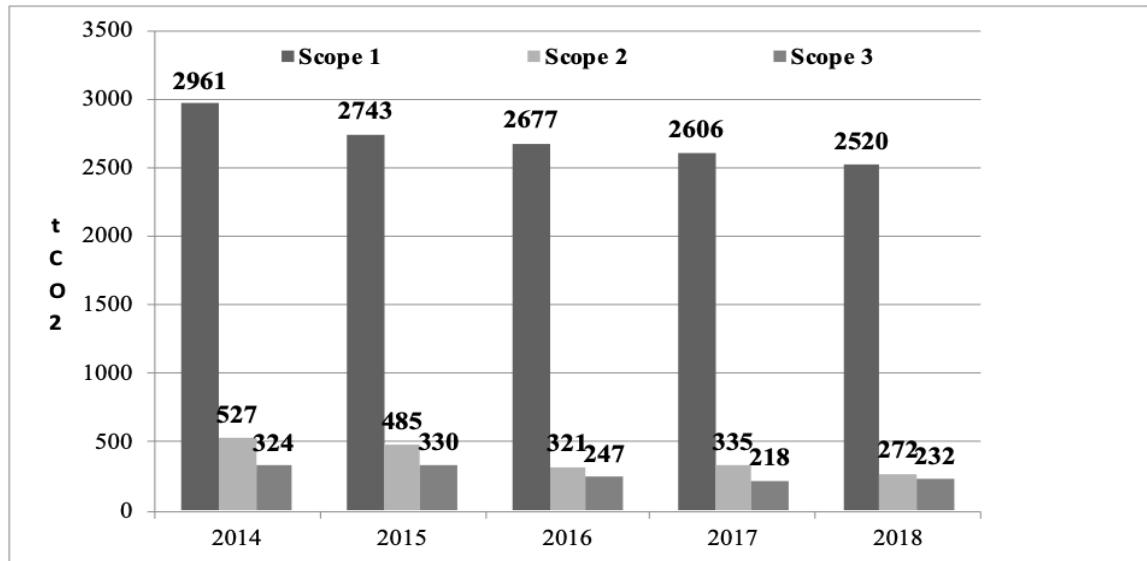
Fig. 1: Total emissions by scope approach of the second Salvador Inventory
Source: Own elaboration based on (SALVADOR, 2020)
As mentioned, the Salvador landfill receives waste from other municipalities, therefore, these values were not included in the total emissions in the two inventories. Additionally, in the second Inventory, the waste that is not collected and is disposed of in irregular landfills in the city was estimated through the information on the waste collection rate for Salvador available on the SNIS. Emissions from these noncollected wastes and disposed of in illegal places in the municipality represent $6.6\%$ of the total emissions from the solid waste disposal sub-sector.
The Waste Disposal subsector is the most representative, responsible for and $58\%$ of emissions,
totalling 1.123.793 tCO2e, followed by the Domestic Wastewater Treatment and Disposal subsector with the emission of 690.194 tCO $_2$ e and then the Incineration subsector, with 12.7343 tCO $_2$ e. The biological treatment of waste was also not included in the second Inventory due to the low representativeness of these treatments.
## i. Waste Disposal
The second inventory reported a total of $1.123.793\mathrm{tCO}_2$ generated by the disposal of solid waste in the period from 2014 to 2018. The solid waste generated in Salvador is sent to the AMC landfill in Salvador and landfills outside the city (landfill of inert waters) Águas Claras and Hera Ambiental landfill).
The AMC landfill has a biogas recovery station that recovers about $60\%$ of the biogas, guaranteeing a methane flaring of around $99\%$ in the flares and $95\%$ in the engines of the Termoverde Thermoelectric Plant for power generation. The carbon dioxide generated by the burning of biogas is categorized as renewable, so fugitive biogas emissions from the landfill and the inefficiency of burning were considered, and the portion of biogas used for energy generation will be reported in category I. Stationary Energy and the remaining portion is reported in category III. Waste. For solid waste treated outside the city limit, emissions from the Hera Ambiental landfill were considered, as the Águas Claras landfill receives inert waste from construction (Salvador, 2020).
For the calculation of emissions from the disposal of solid waste in landfills, the quantities of waste generated in the municipality and destined for landfills within and outside the limits of the municipality were collected. Additionally, the waste from other municipalities received at the landfill located on the limits of the municipality was also considered. The waste generated outside the municipality of Salvador and destined for the Metropolitan Landfill of the Center was measured, but the emissions were not added to the inventory. However, these were reported from a territorial perspective and are detailed in Annex F of the Inventory. Considering the data presented, there is no detail on the sources of emissions considered for the calculations and also on the exclusions of sources of emissions. Also, data on the quantity of MSW (in tons) that were disposed of at the AMC landfill between 2014 and 2018 were not presented, as demonstrated in the first Inventory.
The physical characterization of the urban solid waste of Salvador used for the elaboration of the second Inventory had as reference the average gravimetric composition of the residues for the year 2010. Therefore, it is essential that the gravimetric analysis of the MSW is made for each inventory, due to the importance of understanding the different forms of waste composition.
## ii. Treatment of Liquid Effluents
Emissions from Effluent Liquid Treatment accounted for $31\%$ between the emissions of assessed sub-sectors, with a total of 126.106 tCO $_2$ e.
The premise was adopted that no effluent treatment station in the municipality of Salvador has methane recovery systems. However, some stations perform methane recovery and burning and have not been considered. For the population not covered by sanitary sewage, EMBASA estimates for the municipality of Salvador per year were used. In these cases, it was considered the direct release of raw sewage into the drainage network or directly into the water body adjacent to the residence, as it is a more conservative profile of emissions estimates. It is noteworthy that the methane produced in the untreated effluent and
released into open sewage was estimated, as well as the methane produced in the outfall and other decentralized systems. However, the limitation is that the number of inhabitants considered for the calculations was estimated by EMBASA. Another limitation is the lack of knowledge of the portion of inhabitants served by pits, whose data collection is the responsibility of the municipality.
## iii. Incineration
Health and Class I (industrial) waste generated in the municipality of Salvador is incinerated by the company TRR, in the municipality of Itabuna. 127.343 $\mathrm{tCO}_{2}\mathrm{e}$ from waste incineration were reported in the period from 2014 to 2018, which represented $7\%$ of emissions between sub-sectors. Analyzing the evolution of emissions in the categories of the Waste sector between 2014 and 2018, it is observed that there was a significant reduction in emissions from the Incineration Subsector in 2017 and an increase in 2018. However, there is no detail of the data and no explanation or comment on the data presented.
The incineration of RSS is a factor of great relevance for the calculation of emissions from the Waste Sector, however, there is no sub-item with comments, important information such as the amount of waste incinerated and its classification was not presented. Another limitation observed was the lack of information on incineration in the period from 2014 to 2016. The data were estimated because the company TRR provided only the data from 2017 to 2018.
### c) Comparison of results obtained for the waste sector from the first and second Inventory of Salvador
Regarding the results obtained by sectors, in the two inventories, the Transport Sector was the main GHG emitter in the municipality of Salvador, followed by the Stationary Energy Sector and finally, the Waste Sector. Comparing the proportion of emissions for the Waste Sector, an increase of $8\%$ to $12.6\%$ is observed between the first and second Inventory. This increase is not due to the growth in emissions, but to the decrease in Salvador's total emissions, which have been reduced over the years due to the drop in GDP.
Analyzing emissions from waste disposal and incineration, it can be seen that the figures were very different for 2014 compared to 2013. There was, therefore, an underreporting of data for 2013 for the subsectors of waste disposal and incineration. Therefore, it was identified the need to make the data obtained in the two Inventories compatible, as well as to present the information in a detailed way to meet two important principles that the inventories must meet: accuracy and transparency.
In both Inventories, the emissions generated by the Biological Waste subsector were not measured due to the low representativeness of these treatments. It is suggested that, in future inventories, this subsector be
included for the quantification of emissions, as determined by the IPCC guidelines on the structure of the Waste Sector, in order to improve data collection. Organic waste represents the largest proportion of MSW, being of great importance for the quantification of MSW and for calculating GHG emissions. Comparing the emissions of the sub-sectors between the two Inventories, it is observed that, in the first Inventory, the disposal of waste in landfills contributed with $11\%$ of the emissions, while in the second, the emissions of this
sub-sector represented $62\%$. Effluent treatment contributed $59\%$ of emissions in 2013 and $35\%$ in the second Inventory. The data reported for the incineration subsector represented $30\%$ of emissions in the first Inventory and $7\%$ in the second (Figure 2). However, there is no detail and availability of information that allows the reader to analyze the data in-depth, and there was also no information on the amount of waste disposed of in landfills, the waste from incinerated health services and on sewage treatment plants.
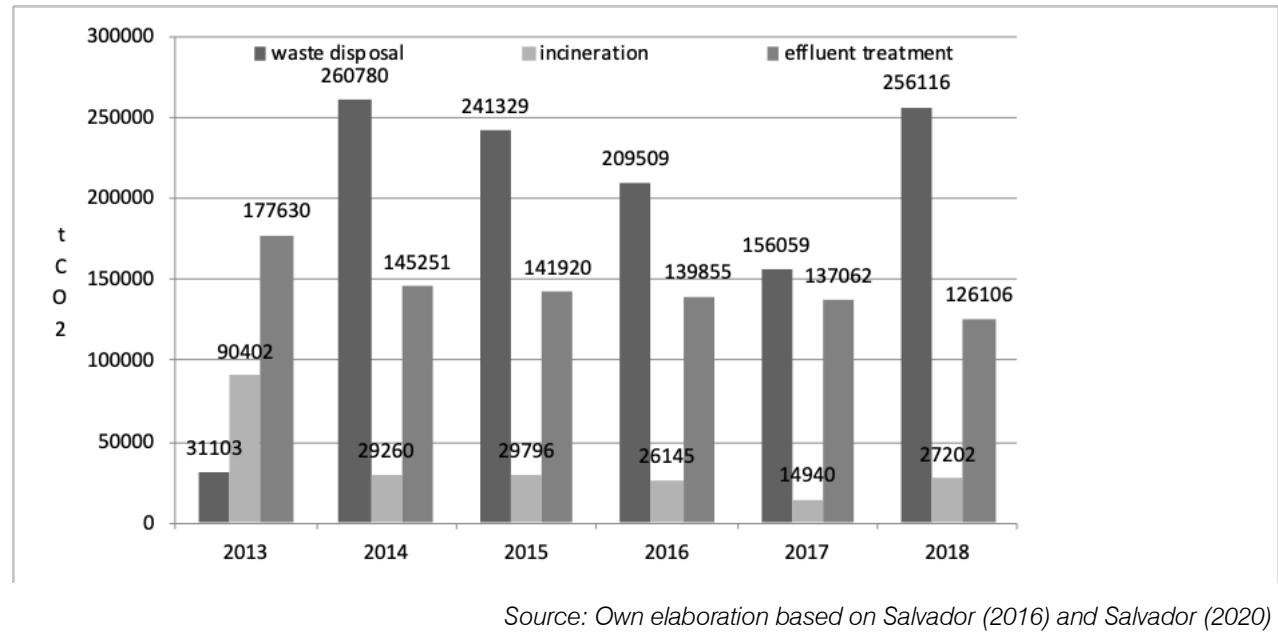
Fig. 2: Emission results obtained for the subsectors of the Waste Sector between 2013 and 2018.
## i. Waste Disposal
According to the data presented in Figure 2, there is a great difference between the values obtained for the Waste Disposal sub-sector in 2013 compared to 2014. Possibly there was an underreporting of the amount of waste sent to the landfill in 2013 because the emissions of $31.103\mathrm{tCO}_2$ in 2013 increased to 260.780 $\mathrm{tCO}_2$ in 2014 and then remained constant until 2017 when there was a reduction in the figures presented. However, there is no comment or explanation for the information presented, as well as data on the quantity of MSW disposed in landfills between 2014 and 2018 were not presented. Therefore, improving data collection is of great importance to ensure greater accuracy of calculations in the next inventories.
## ii. Treatment of Liquid Effluents
Comparing the data reported in the two Inventories, there is a significant reduction in emissions generated in the treatment of effluents. In 2013, emissions represented $59\%$ among the subsectors; for the period from 2014 to 2018, they now represent $35\%$. There is no comment on the reduction of emissions in this subsector between the years 2013 to 2018.
The 2013 Inventory presents the results by type of gas, information that was not presented for the years
2014 to 2018. The first Inventory mentions only the source of effluent treatment without considering that there is a difference between the treated and the untreated fraction, as well as the types of treatment. In this sense, there was an advance in the second Inventory.
The data collection for the second Inventory considered aspects that were not addressed in the first Inventory, but as an opportunity for improvement, the characteristics of each EMBASA station should be better presented, informing the flow, type of treatment and average MCF (Correction Factor Methane) for each one. Other important information that should be included in the data collection for future inventories is the survey of which stations have a methane recovery system, add data on the destination of the sludge from the sewage treatment stations and elaborate scenarios for the emissions considering the expansion of the population served with sewage collection and a possible decision by EMBASA to deactivate decentralized treatments.
## iii. Incineration
In the first inventory, a total of 90.402 tCO $_2$ e were accounted for the incineration of waste. However, the emissions recorded in the second inventory are significantly lower, with 27.202 tCO $_2$ e being reported.
There are no comments on this significant reduction in emissions in the second Inventory, just as there is no sub-item with the detailed presentation and explanations about the data obtained for this subsector in the two inventories.
The two inventories used emission data from a single incineration company, SERQUIP in the first Inventory and TRR in the second Inventory. However, it is important to know if all RSS and all hazardous waste generated in Salvador are incinerated only at TRR and to account for possible emissions from other sources. This important indicator was one of the main limitations observed in the first Inventory and there were no improvements in the second Inventory. Other opportunities for improvement identified for the next inventories are the compatibility of the results obtained and the standardization of the data presentation method. As an advance observed in the second Inventory, emissions from industrial waste treatment generated in Salvador were also accounted for. In the first Inventory, only RSS was considered.
## V. CONCLUSION
The city of Salvador stood out in the scenario of Bahia and Brazil from the first GHG Emissions Inventory in 2016, since most Brazilian municipalities had not yet inventoried their emissions. The municipality is currently seeking to implement new low-carbon technologies and establish a process for managing the risks and opportunities represented by climate change.
There have been some advances in the quality of the second Inventory when compared to the Inventory base year 2013, but some important gaps have been identified that contradict the principles of the inventories, mainly the accuracy and transparency. The inventories provide only the data of the emissions generated, but not the inputs, making it impossible to reproduce the methodology used for the calculations and violating the principle of transparency. As opportunities for improvement, the data collection system for municipal activities should be improved to increase data robustness and calculation accuracy, include other sources of Scope 3 emissions, in addition to the development of specific performance indicators related to GHG emissions, in order to monitor the impact of projects and management programs on Salvador's emissions.
There is a great need for a detailed survey of information on the contribution of the Waste Sector, which was not well presented and discussed in the two inventories. It is necessary to present the data in a more transparent and objective manner, as well as to include detailed information on the quantification of all waste generated in the municipality and its destination.
It is also considered of great importance to include the Biological Waste Treatment subsector for the quantification of emissions as determined by the IPCC guidelines on the structure of the Waste Sector in future inventories in order to improve data collection. Organic waste represents the largest proportion of MSW, being of great importance for the quantification of MSW and for the calculation of GHG emissions.
To calculate the emissions from the disposal of solid waste in landfills, it is necessary to seek information on all sources of waste disposal in the municipality (including irregular disposal points), analyze the gravimetric composition of the MSW generated in the municipality annually, due to the importance understanding the different forms of waste composition, as well as elaborating scenarios for the generation of waste. It is also necessary to evaluate and determine the providers of RSS and industrial waste treatment services generated in the municipality of Salvador that carry out incineration and co-processing, as well as quantifying their contributions to GHG emissions.
For the Liquid Effluent Treatment sub-sector, the collection of data for future inventories should include a detailed survey of information on sewage treatment stations and the elaboration of scenarios for emissions, considering the expansion of the population served with sewage collection and a possible decision by EMBASA to deactivate decentralized treatments. It is also an opportunity to recommend that the sanitation plan of the city that is under development, expand the coverage of sanitary sewage aiming at a reduction of the emissions originated by this source in Salvador.
Obtaining reliable and up-to-date data on the Waste Sector can support the preparation of more accurate calculations on the emissions generated by this sector, in addition to collaborating with the City Hall and the bodies involved in the implementation of public policies aimed at waste management, development of clean technologies and/or alternatives to final disposal in landfills (composting, incineration) and encouraging social participation in waste management and management.
The reflections brought here are important not only for the municipality of Salvador. It is necessary that cities and their respective governments increasingly understand their role in reducing GHG emissions, in order to contribute to tackling climate change. In this way, being able to rely on the example of the comparison made on the Waste Sector of the inventories of Salvador can be extremely useful so that other municipalities, when carrying out their accounting, already do so considering all the essential aspects for effective management of environmental risks by through correct waste management.
Generating HTML Viewer...
References
22 Cites in Article
Abrelpe (2018). Panorama dos Resíduos Sólidos no Brasil 2017.
Thaís Rocha (2011). Diretrizes para elaboração de inventários de emissões de gases de efeito estufa e remoção de dióxido de carbono em propriedades rurais.
C Alves (2017). Inventários municipais de emissões de gases de efeito estufa (GEE) no Brasil: Uma análise de sua prática, potencialidades e desafios.
Andrade (2017). Comparing Madrid and Salvador GHG Emission Inventories: implications for future researches.
Brasil,Mma -Ministério,Meio Do,Ambiente (2015). Aproveitamento Energético do Biogás de Aterro Sanitário.
María Castrejón-Godínez,Enrique Sánchez-Salinas,Alexis Rodríguez,Ma. Ortiz-Hernández (2015). Analysis of Solid Waste Management and Greenhouse Gas Emissions in México: A Study Case in the Central Region.
Larissa Gonçalves,Thales Carra,Fernanda Abra,Juliana Pina,Vanessa Cavaglieri,Ana Mengardo,Camilo Giorgi,Luna Bernstein,Renata Mendonça,Katia Ferraz (2013). Guia de boas práticas para avaliação de efetividade de medidas de mitigação dos impactos sobre a fauna em rodovias.
Steven Davis,Ken Caldeira (2010). Consumption-based accounting of CO <sub>2</sub> emissions.
Ashok Bantwa (2011). Carbon Trading a Step towards Green Environment.
Nadine Ibrahim,Lorraine Sugar,Dan Hoornweg,Christopher Kennedy (2012). Greenhouse gas emissions from cities: comparison of international inventory frameworks.
Georgia Assumpção,Hugo Campos,Ana De Albuquerque,Aline Dos Santos (2008). EDUCAÇÃO A DISTÂNCIA NO IBGE: O USO DE VÍDEO AULAS NO TREINAMENTO DA PESQUISA DE ORÇAMENTOS FAMILIARES 2017/2018.
(2006). Intergovernmental Panel in Climate Change (IPCC).
C Kennedy,S Demoullin,E Mohareb (2012). Cities Reducing Their Greenhouse Gas Emissions.
E Leão,L S; Nascimento,J M; Andrade,J Oliveira (2019). Carbon accounting approaches and reporting gaps in urban emissions: An analysis of the Greenhouse Gas inventories and climate action plans in Brazilian cities.
Vinicius Matos,Jamile Santos,Márcia Marinho,José Andrade (2017). QUANTIFICAÇÃO DE EMISSÕES DE GASES DE EFEITO ESTUFA NO TRANSPORTE DE RESÍDUOS: Estudo de caso da UFBA.
K Pasini (2011). Projetos de mecanismo de desenvolvimento limpo (MDL) em aterros sanitários: contribuições das tecnologias ambientais para o desenvolvimento sustentável.
Salvador (2016). Inventário de Emissões dos Gases do Efeito Estufa da Cidade de Salvador.
(2020). Inventário de Emissões dos Gases do Efeito Estufa da Cidade de Salvador.
Heijo Scharff,Joeri Jacobs (2006). Applying guidance for methane emission estimation for landfills.
M Takimura (2009). Projetos brasileiros de aterro sanitário no MDL: uma análise dos indicadores de sustentabilidade. 147f. Dissertação.
A Van Elk,K Segala (2007). Redução de emissões na disposição final.
Alejandra Balaguera-Quintero,Andres Vallone,Sebastián Igor-Tapia (2014). Carbon Footprint Estimation for La Serena-Coquimbo Conurbation Based on Global Protocol for Community-Scale Greenhouse Gas Emission Inventories (GPC).
No ethics committee approval was required for this article type.
Data Availability
Not applicable for this article.
How to Cite This Article
Suzana Más Rosa. 2026. \u201cGreenhouse Gas Emissions from the Waste Sector from Salvador: Comparative Analysis of the Results and Gaps Found in the First and Second Inventory\u201d. Global Journal of Human-Social Science - B: Geography, Environmental Science & Disaster Management GJHSS-B Volume 22 (GJHSS Volume 22 Issue B2).
Explore published articles in an immersive Augmented Reality environment. Our platform converts research papers into interactive 3D books, allowing readers to view and interact with content using AR and VR compatible devices.
Your published article is automatically converted into a realistic 3D book. Flip through pages and read research papers in a more engaging and interactive format.
Our website is actively being updated, and changes may occur frequently. Please clear your browser cache if needed. For feedback or error reporting, please email [email protected]
Thank you for connecting with us. We will respond to you shortly.