I. INTRODUCTION
Travel is an important aspect of a human life. Travel helps expansion of knowledge and vision. It helps us to understand cultural differences and promotes tolerance towards each other. Travel actually helps us develop our consciousness, our inventiveness, and our perspective. It overall influences how we perceive the world around us. After a good long and meaningful travel experience mindset of any individual is bound to modify. Thus a sustainable travel is obviously going to bring some positive value in one's life. Sustainable tourism concerns economy, environment and also the social issues. Sustainable tourism covers every possible positive aspect of human civilization. It tourism doesn't only cover economy and environment, but also consider culture, community development as an integral part of travel experience. It involves providing job opportunity to the local youth. Encouraging and restoring the heritage, tradition etc. All these aspects happen to be part of a broader understanding of sustainable tourism.
Tribal tourism indeed promotes sustainability. Lifestyle of the tribal community is not only a different experience for the tourists but also lesson that should be learnt keenly. We can consider Tribal tourism as one of the beautiful, colourful and vibrant component of sustainable tourism. A very simple yet mundane life of the tribal people can be so much inspiring and empowering to change a city dwellers' mindset to something that regards kindness, care and tolerance towards our mother nature and surrounding. A simple and peaceful life of the tribal community can really be an eye opening event that can literally show us what we had been missing all the while.
II. OBJECTIVE
Objective of this study is to understand the scope of sustainable tribal tourism in North East India, with special concern to Arunachal Pradesh. The study aims to highlight the tribal tourism zones in Arunachal Pradesh and understanding the importance of different tribal communities and their contributions and value. The study also targets to realise the overall relationship of sustainable tourism with respective of tribal tourism. How culture and eco tourism blends with each other, the study also aims to find that.
III. RESEARCH METHODOLOGY
Secondary data is collected from travel network websites and government organisation websites. As the entire study has been conducted on the basis of secondary data and information government websites and tourism websites has been studied to find out different information related to the topic Research works on sustainable and eco tourism has been consulted. Different research activities and observations on the study have been studied to understand the concept of sustainable tourism and how tribal tourism fits into the concept.
A brief study on different tribal groups of Arunachal Pradesh is done, keeping in concern the tribal community that offers home-stay and is open for tourism. Their culture and tradition is understood properly and how it would help a tourist evolve with the experience they are going to have with them. Festivals of the tribal communities are also understood from the perspective of sustainability.
IV. LITERATURE REVIEW
Tribal tourism includes culture, diet, forestry and environment of the indigenous people. (Chang, Lin and Chuan 2021). Thus a tribal tourism embraces every aspect of lifestyle of indigenous people, their way of living, their food habit, economy, agriculture, customs, festivals etc.
Indigenous tourism is a kind of tourism activity that is attracted by artistic performance, scenic point, historical heritage and customs of the aboriginal culture" as per Ryan and Huyton. Thus we can understand that the main USP of the tribal tourism is its raw exposure to a world which a city dweller can hardly imagine. They are attracted to their artistic performance, crafts, lifestyle, heritage custom etc.
Tribal tourism can also be termed as 'Ethnic tourism' or 'Ethno tourism'. (Rebecca Hallet 2020). Tribal tourism has so much to do with the culture. Tour to the hearth of ethnicity, so we can obviously term it as a ethno tourism or ethnic tourism.
Aboriginals retaining their culture and tradition can be the main attraction of such tourism. Thus tourism and culture exchange can put forward a positive impact on the environment and community. (Chang 2014) The safe cultural exchange of the tribal tourism, the objective of promoting the indigenous heritage, restoring the tribal culture etc all these aspects makes tribal tourism a real sustainable tourism.
V. CONCEPT OF SUSTAINABLE TOURISM AS AN ASPECT OF TRIBAL TOURISM
A sustainable tourism concerns a proper scope of economy without hampering, damaging or exploiting resource. A proper sustainable tourism must also seek to promote local culture, tradition and custom. A proper cultural understanding and exchange is what expected from Tribal tourism but without tampering the core essence of the indigenous culture. Tribal tourism does promote the culture of the tribal community, envisaging the value they hold like the tribal agricultural practice, their concern related to environment, their customs of worshipping different aspects of environment all can be a integral part of the tour which will eventually surfaces as vision and value for the visitors who might be living a very hectic city life.
Tribal tourism is indeed a tourism that embraces sustainability from every aspect. A home stay inside a tribal village does not require to burn down or destroy a huge area of forest or destroy any other natural resource, it does not require a gigantic infrastructure, thus it also doesn't require transportation of huge raw materials that would lead to a large amount of green house gas emission. Rather it promotes the ways to preserve the nature, how to grow your own organic food in your own garden, how recycling is being done etc. Tribal tourism upholds the culture, promote the traditions in true sense. With the advent of the wave of westernization the indigenous culture is in the verge of depletion. People are slowly being drifted from their own root, people are even forgetting their mother languages. Thus in such critical scenario a tribal culture, tradition, festival at any obscure corner world remains unseen, unheard, The sagas would remains unsung. Thus tribal tourism gives a platform to these indigenous tribal groups to show their culture, tradition, lifestyle to the people who might haven't experienced the life the way they does, or who doesn't perceive the nature as the tribal communities does.
VI. SCOPE OF TRIBAL TOURISM IN ARUNACHAL PRADESH
For amazing holidays we need an amazing destination. Arunachal Pradesh offers a very diverse zest of tourism. Along with the mind-blowing scenic beauty of the eastern Himalayas, Arunachal Pradesh serves a very spicy platter of her cultural diversity. Secluded and hidden from the rest of the world, the state became open for tourism since 1992. After 25 years the state celebrated a gala international tourism day on 27th September 2017, spotted as the paradise for the tourists who seek adventure and thrill. Arunachal Pradesh really does offer some splendid chroma of ethnology and heritage of respective tribal groups. Home of 26 major tribes and many more sub tribes, scattered in 3649 villages, tribal tourism is one of the vital attraction for the adventure seekers. And the interesting fact is that every tribe displays their own vibrant shade of praxis. These emerald green valleys of eastern Himalayas are civilized with diverse tribal legions. The Wanchos, Khamtis, Singpohs, Adis, Mishmis, Apatanis, Nyishis and many other ancestries has left their mark on this land, and now this is wide open for the cutting edge visitors. The tribal home stay is now a phenomenal opportunity for an exposure to this unique and exclusive tribal style of living. Highlighting here are some of the beautiful places of Arunachal Pradesh that offers a splendid experience of Tribal home stay within the ethnic heath of the tribal communities. Different tribal groups of Arunachal Pradesh had opened their door for the tourist letting them taste the flavour of a diverse culture.
i. Tribal Villages
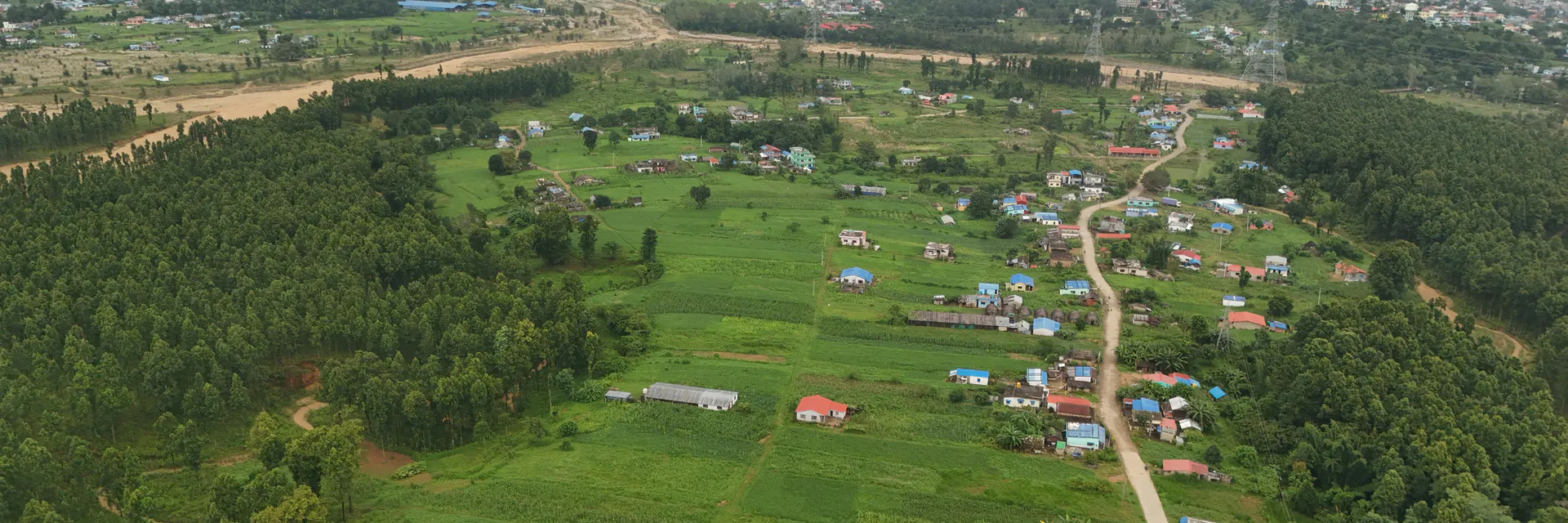
Yazili is a Nyshi Tribal Village is located at the Lower Subansiri district. It can be reach with only a 6 hour drive from Ziro. It is located near the beautiful Ranganadi river. Nyshis do demonstrate a very beautiful holistic, organic and sustainable way of living. They grow their own food, which is absolutely organic and chemical free. Yazili is located beside the majestic unexploited and also mostly unexplored dense forest. Even their religion embraces spirits associated with the nature. Thus few days of experience in Yazili would definitely influence the tourist's mindset, when he/she also becomes a part of beautiful organic lifestyle.
Ziro Valley is known for being the house of the Apatani tribes. Beautiful villages of the Apatanis can be spotted near Ziro. Apatanis are known for their amazing skill of natural resource management. They have a very rich traditional knowledge about natural resource and how to conserve and manage them with sustainability. They are known for celebrating colourful festivals, they are also known for their skilled designing work on handloom, bamboo and cane. The pull of having experience with the Apatani tribe is absolutely magnetic. Because of their extremely high productive organic farming and traditional way of managing ecology, UNESCO proposed the Apatanis of the Ziro Valley to be included as the world heritage site.
A Tagin Tribal Village is located at the Daporijo. The Tagins are one of the Major tribes of Arunachal Pradesh. They are known for utilising resources from the forest. They are also known for their exceptional knowledge of medicine and medicinal plants. They believe that this leads to conservation and protection of medicinal plant, conservation of culture and tradition and also conservation of Biodiversity. And another amazing thing what the Tagin tribe is that they are known is for their pure hearted, warm, hospitable and friendly nature. Thus a visit to a Tagin tribal village would add an amazing experience to one's life.
Galo tribal Villages are located in Raglam Jungle Range. And Adi Gallong Tribal villages are located at Kombo, Pching area. Overnight stay at Along is required to pay a visit to these villages. A cane bridge connects the remote villages. Galos are the agricultural tribe and women are considered to be the backbone of the agricultural work.
Villages of Adi and Adi Miniyongs are located near Pasighat. Adis are also known for being expert agriculturists. Their Villages comprising beautiful Bamboo homes demonstrates their excellent craftsmanship on bamboo works.
ii. Tribal Festivals
Festivals are an integral part of the Tribal society. They are the symbolism of the speciality and distinction of culture a tribal society holds. Every tribal community do have their special festival or celebration. And every festival has their own set of colour and vibrancy. These festivals are part of their lifestyle which demonstrates their beliefs, faith and practices as a whole. Tribal festivals are an excellent part of sustainable tourism. Tribal festivals are so magnetic that they can attract visitors from faraway places with their magnetism of vibrant colour.
The Nyokom is the festival of the Nyshi tribe It is celebrated at Itanagar during to of February every year. Nyokom is the festival of Peace, prosperity and harmony. Thus a vision of a peaceful community and a world is demonstrated through this festival.
Dree is a festival of the Apatani Tribe. It is celebrated at Ziro Valley. During and July every year. This is a festival of Harvest
Mopin is a festival of the Galo Tribe. It is celebrated at Along during to April every year. Mopin is an agricultural festival
Si-Donyi is a festival of the Tagin tribe. It is celebrated at Daporijo during January to January every year. This festival is celebrated to bring prosperity.
Aran festival of the Adi Tribe. It is Celebrated at the Along Valley. It is celebrated around March every year. This is celebrated mostly for harvest purpose.
Etor is the festival of the Adi Tribe. It is celebrated at Along Valley around May every year. Etor is related to the crop cycle.
Solung is also a festival of the Adi Tribe celebrated at Pasighat and Boleng within to September every year. This is also an agricultural festival of the Adi tribe
Another Adi Tribal festival is Podi Barbi. It is celebrated at Along Valley around September every year. This is a harvest festival which is more like a thanks giving to mother nature
Torgy festival belongs to the Monpa Tribe. It is celebrated at Tawang, during to January every year. This festival has a religious significance. It runs for 3 days and demonstrate wonderful colourful costume dances with the objective of removing evil spirit and confirming happiness and prosperity.
Reh is the Festival of the Mishmi Tribe. It is Celebrated at Roing and Anini during to February every year.
There are many other festivals like Donjinn festival of the Adi tribe celebrated between to February, Boori Boot festival, Myoko festival of the Apatanis celebrated during March.
VII. CONCLUSION
Tribal tourism is a sustainable tourism in real sense. Conservation of nature, economic development and promotion of culture all these three angels are predominant in Tribal tours. This can be look upon as follows:
- Tribal tourism of Arunachal is more than a tourism experience, rather it is a tour of lesson. Experience with the tribal community can prove to be really visionary.
- The tribal tourism of Arunachal Pradesh glorifies the culture and heritage of North East India.
- It helps promote the unique unity in diversity of India. It shows us a very distinct colour of the north eastern state being a very special and integral part
of our nation. A proper tourism opportunity in these areas would also help the tourists from all over nation and the world understand the glory and heritage of Arunachal Pradesh.
- It help understand how indigenous lifestyle and the conservation of nature is related. Conservation of nature does not always require a very big budget and number of workforce, but it also can be done in a very simple way that can be related to day to day activity of life.
- Tribal tourism of Arunachal Pradesh creating job opportunity for the youth. Creating the opportunity to grow is another important point of sustainable tourism.
Thus this becomes a sheer fact that culture and heritage are the true asset of any community and ethnicity. Culture and tradition is that magnet that pulls people from all over the world. The tribal home stay is now a phenomenal opportunity for an exposure to this unique and exclusive tribal style of living. The Wanchos inhabiting in the south-eastern part of the Tirap district, mesmerises people with their gorgeous headgear and heavy string beaded jewellery. The Vaishnav Noctes along the Indo-Myanmar border of the Changlang district would fascinate visitors with their traditional lifestyle. They are far more divided into sub tribes and exogamous clans. The excellent craftsmen Singpohs prevails along the Siang and Noa Dihing rivers. Agriculturists Khampti tribe occupies the fertile bank of Kamlang, Dihing and Tengapani. Mishmis and Mijis of the Dibang valley district are there to cherish the explorers with their rooted indigenous lifestyle. Hrussos or Akas with their painted face are similar enticing to an explorer's eye. The traditional Ponung dance of the Adis can contribute an unforgettable chapter in one's travel diary. The Galos had mastered the awesome art of weaving highly artistic designer clothes specially the popular traditional black and white designer skirt. Thus tribal art and culture is also a show stopper that would attract thousands of visitors.
Thus home stay opportunity with these tribes are gaining momentum and giving a fair acceleration in the Tourism industry of Arunachal Pradesh. Like the Ziro valley home stay with the Apatani tribes, Zomithang home stay with the Monpas, Nampong home stay near the densely forested Patkai hills are alluring enough to attract good number of tourists each year. So if one desires to learn how a tribal kitchen looks like or how does a chicken gets cooked inside a bamboo shell. How does a tribal dance feel around a luminous bonfire at night near a dense tropical forest, Arunachal Pradesh has to be a sure destination. For excitements and goose bumps, for adrenaline and peace mind for spicing up the vacation, for ultimate joy and exploration, Arunachal Pradesh welcomes the entire world with wide open arm.