Numerous scientific studies have observed how digital social networks significantly affect the users’ mental health. This research sought to investigate whether new sports technology tools, which record multiple activity data but also enhance social interaction within digital communities, have a detrimental effect on athletes’ emotional health as they are under the pressure of constant self-improvement due to social scrutiny. Strava has become the world’s largest sports community and research is largely focused on its users.
## I. InTroDuCCiÓN
omprobar de forma empírica la posible relación entre la adicción y el consumo de APP deportivas como Strava y la afectación sobre la salud mental de los usuarios y usuarias. Ese es el objetivo principal planteado para el presente estudio, con una investigación inédita que examina un campo todavía no indagado. Para ello se analiza las consecuencias negativas del consumo desmedido de las redes sociales genéricas sobre la salud y se realiza una relación con una encuesta sociodemográfica construida ad hoc en la que participaron alrededor de 300 voluntarios, que fueron preguntados sobre la presión que sienten con la exposición pública de sus resultados deportivos.
El ejercicio físico reporta beneficios sustanciosos para la salud, lo que repercute positivamente en la calidad de vida. Niveles adecuados de actividad física disminuyen el riesgo de desarrollar patologías cardiovasculares, reducen el riesgo de muerte y contribuyen a la salud mental (Penedo y Dahn, 2005; Lollgen y Knapp, 2009; Lee et al., 2017). Sin embargo, su relación descontrolada e inocente con las redes sociales puede traducirse en efectos físicos y emocionales perniciosos, por lo que se precisa de un conocimiento previo y de un análisis maduro de las posibles consecuencias. Aplicaciones como Strava, Garmin Connect, Meet Up, Runtastic, Timpik, MyBestChallenge, Social Sports, Linked2play o Zepp disponen de estrategias de gamificación que, a través de herramientas lúdicas, hacen de las experiencias deportivas un momento en el que eres reconocido e incluso puedes superarte a ti mismo, a otra personas e incluso a perfiles artificiales, como en el caso de la plataforma Bkool.
La competitividad es clave y no se entiende la configuración del perfil digital en dichas plataformas de forma solitaria. Se precisa, ineludiblemente, de la hiperconectividad y la interacción con el otro, con el que se comparten misiones y del que se reciben recompensas. Y en eso, Strava fue una aventajada y sus cien millones de seguidores confirman el acierto empresarial. "Desde su origen, Strava fue concebido como una red social: es más importante compartir que competir, y eso nos diferenció. Vimos que a través de un teléfono móvil, o un aparato similar, existía todo un mundo que podía comunicarse, y que debíamos crear una herramienta sencilla pero que abarcara todas esas posibilidades", contestó, en octubre de 2016, Gareth Nettleton, vicepresidente de marketing de Strava, en una entrevista para Ciclosfera (Nettleton, 2016). El aumento de la motivación de los usuarios acrecienta el engagement (las interacciones) y con ello los beneficios empresariales al crear una comunidad que se retroalimenta a través de galardones digitales (y ficticios) que se convierten en premios emocionales. Compartir la experiencia deportiva públicamente supone exponer una forma de vida y buscar coincidencias en un grupo social que acoge al similar. Se comparte para formar parte de una comunidad, para ser reconocido como miembro. Evidentemente, están en juego los intereses de la industria deportiva y la digital, ya que el mercado precisa de incentivos emocionales para captar la atención de los usuarios, dispersos entre millones de aplicaciones ofertadas. El resultado es que las redes sociales hipertrofian ciertos hábitos mediados por la tecnología para ganar dinero (Gartón e Hijós, 2017; Gelfman, 2016).
## II. Strava, Una Comunidad Mundial DE DEPORtistas
Aliado inesperado del espionaje militar. Con dichos términos tildaron los medios de comunicación de ámbito internacional a la aplicación deportiva Strava en enero de 2018 ¿Las razones? La APP compartió públicamente la posición de soldados de los EEUU de América que se ejercitaron en sus bases militares de Al-Tanf en Siria y Helmand en Afganistán, con una detallada estructura de los complejos que se podía identificar a través de los recorridos de los deportistas. Todo ello para sacar pecho por el impacto internacional que habían conseguido y que exponía a través de un mapa de puntos calientes con más de mil millones de actividades. Lo desveló el australiano de veinte años Nathan Ruser, quien por entonces estudiaba seguridad internacional en la Universidad Nacional Australiana y trabajaba para el Instituto de Analistas de Conflictos Unidos. También se hizo pública la geolocalización de una patrulla turca en el norte de Manbiy (Siria), el perímetro de la principal base área de Rusia en Siria o la base de la fuerza aérea británica en Mount Pleasant, en las Islas Malvinas.
En junio de 2022 el grupo israelí de inteligencia de código abierto FakeReporter volvió a detectar un grave caso de espionaje sobre sus bases militares secretas. Steve Loughran, un investigador de seguridad informático, desveló también en 2018 cómo se podía desbloquear fácilmente el anonimato de los usuarios de Strava, por lo que recomendaba no usar el nombre real, crear áreas privadas y "no esforzarse demasiado" para no aparecer en los rankings de los deportistas más rápidos (Loughan, 2018). "No vendemos datos. Por eso tenemos un equipo dedicado a pensar en todo lo relacionado con la privacidad y la confianza. Queremos que nuestros atletas ejerzan mucho control sobre cómo aparecen sus datos en la experiencia. Cuentan, para ello, unos precisos ajustes de privacidad al detalle que tratamos de hacer fáciles de entender. La privacidad forma parte de la experiencia. Creemos que la relación que tenemos con los 95 millones de personas que se han registrado en Strava se basa en la confianza. Si no pueden confiar en nosotros, no contribuirán aportando sus actividades. Y eso requiere que confíen en que hacemos cosas buenas. Tratamos los datos pensando en la confidencialidad y la privacidad (.....) Los datos están seguros con Strava. No los vendemos, a nadie. Estamos construyendo una marca que estará aquí durante el próximo siglo o más allá. Y necesitamos montar un negocio que lo soporte, y está basado en nuestro modelo de suscripción. Ofrecemos una experiencia por la que vale la pena pagar. No vendemos al cliente", respondió Michael Horvath, cofundador de la popular APP en una entrevista con el periódico español El País en enero de 2022 (Horvath, 2022).
En 2016, el ejército estadounidense prohibió, por razones similares de geolocalización, la aplicación de juego Pokémon Go en teléfonos gubernamentales. El hecho es que dichos problemas puntuales de seguridad (casi anecdóticos a pesar de su gravedad) conviven con otros potencialmente más graves como consecuencia del uso de aplicaciones digitales deportivas, caso de la afectación de la salud mental de los usuarios y usuarias. Todo ello como fruto de un inexistente análisis de las consecuencias asociadas al uso masivo, adictivo e indiscriminado de dichas redes sociales, con paralelismos claros con el uso de otras plataformas como Facebook, Instagram o TikTok.
Strava resultaría la comunidad mundial más numerosa y, con ello, la aplicación móvil representativa del sector, en el que destacan también otras con miles de seguidores y seguidoras. Es el caso de Garmin Connect, Meet Up, Runtastic, Timpik, MyBestChallenge, Social Sports, Linked2play o Zepp. Aznar, Cáceres, Trujillo y Romero (2019) demostraron que el uso de APPs mejora la actividad física e incide en la disminución del peso corporal (....) En este sentido, las APPs móviles de carácter lúdico (...) llevan asociado un componente motivacional intrínseco. Esto es, una pieza clave para reforzar la actividad física a través del juego, con APPs como Pokémon Go o Zombies Run. Dado que el presente estudio busca vincular el consumo de dichas redes sociales con la afectación de la salud mental de los usuarios y usuarias se centrará en la plataforma que, por su difusión y éxito, mayor capacidad tiene para llegar a un público amplio. Es decir, Strava, que además triunfó tras incorporar la interacción entre los miembros de su comunidad.
Strava, la aplicación reina en el mundo, cuenta ya con más de 100 millones de usuarios. Según el portal We Are Social a través de su "Digital 2021 October Global Statshot Report", publicado en colaboración con Hootsuite, en octubre de 2021 existían unos 4.500 millones de internautas asiduos a las redes sociales, con el liderazgo de Facebook con 2.895 millones, seguido por Youtube con 2.291 y WhatsApp con 2.000. Instagram registraba 1.393 millones, Facebook Messenger 1.300, Weixin/Wechat 1.251 0 TikTok 1.000. Representaban en total el $62\%$ de la población mundial, con un aumento anual de un $9\%$. Más de dos tercios de la población mundial utiliza móviles inteligentes (We are social, 2021). Strava, comparadas con ellas, sigue siendo una red menor, simplemente, por su gran particularidad al estar vinculada al ejercicio deportivo.
Con sede central en San Francisco, Strava (que significa "esfuerzo" en sueco) comenzó a funcionar el
18 de agosto de 2009 como una red social principalmente para ciclistas y corredores a través de la puesta en común de los resultados deportivos, captados por GPS. Nació en las cabezas de Michael Horvath y Mark Gainey y el 21 de mayo de 2017 la APP registró la actividad mil millones gracias a la natación de un alemán. Entre sus accionistas se halla el fondo de capital riesgo Sequoia Capital, que antes participó en PayPal, Google o Zoom. La plataforma, que cuenta con más de 300 trabajadores, permite medir todos los parámetros de entrenamiento, caso del recorrido completado, velocidad media, datos concretos por kilómetros, las diferencias de altura o el consumo de energía. Si se aumenta la información aportada a través de tecnología más específica también mide potencia, frecuencia cardiaca o cadencia de pedaleo. Además, se completan registros anuales que sirven para analizar cómputos totales. Evidentemente, todos esos datos pueden ser compartidos con la comunidad en red, incorporando nuevos parámetros de conducta asociados al uso y consumo de redes sociales masivas. Se interactúa a través de Kudos ("Me gusta" en otras plataformas) y de comentarios y se puede competir a través de los segmentos creados a lo largo del mundo y que permiten crear rankings con los más rápidos en dichas etapas. Son los llamados KOM ("King of Mountain") o QOM ("Reina de la Montaña"). Existe una versión de pago que amplía el estudio de los resultados. Se reforzó en mayo de 2021, aportó nuevas funciones y empezó a cobrar otras anteriormente gratuitas, caso de la vista general de las tablas de posiciones de segmentos o la comparación de los esfuerzos de segmento. A finales de 2020 la facturación de Strava aumentó un $70\%$, hasta los 100 millones de dólares, siendo rentable por primera vez.
Strava sigue aumentando los deportes que pueden ser registrados. Actualmente, aparecen el running, ciclismo, natación, esquí, escalada, musculación, crossfit, patinaje, surf, fútbol, golf, vela, skateboarding y piragüismo. La gran acogida entre la comunidad ciclista (que representaba en 2016 el $54\%$ de las actividades totales registradas) provocó que la compañía se convirtiese en patrocinador principal del Tour de Francia y el Tour de France Femmes avec Zwift, el gran evento mundial del sector. Se recogerían en la plataforma todos los entresijos individuales de los participantes, por lo que los aficionados cuentan con la posibilidad de entrar en los segmentos y "competir" con sus ídolos. Además, la compañía anunció una inversión de un millón de euros para fomentar la equidad de género y la inclusión en el deporte a través de becas monetarias.
El último Informe Anual publicado por la compañía, en la que analiza datos totales a nivel mundial (y también concretos por países), vislumbró que el boom deportivo experimentado por los confinamientos masivos por culpa de la pandemia de la Covid-19 continuaron un año después, en 2021, con un incremento de la expansión de los deportistas que registraban sus actividades a través de la red. Si en 2020 se cargaron 21,5 millones de actividades a la semana, en 2021 se pasó a 37 millones, con un aumento del $38\%$,alcanzando los 1.800 millones al año. Los usuarios sumaron 3,8 mil millones de kilómetros, con una distancia media por actividad de 6,2 kilómetros y una duración de 38 minutos y 48 segundos, ligeramente superior de los hombres con respecto a las mujeres. La APP sumó dos millones de seguidores al mes. En dicho periodo se repartieron 9.600 millones de kudos (Strava, 2021).
## III. Las Redes Sociales Deportivas y la Salud Mental
### a) Consecuencias negativas del uso de las redes sociales digitales
Importantes modificaciones en el comportamiento de la oxitocina, la dopamina, la serotonina, la adrenalina, el cortisol o la testosterona. Es la consecuencia del consumo de las redes sociales digitales, diseñadas para activar premios biológicos y que por lo tanto pueden ayudar también a acrecentar la impresión de felicidad y la sensación subjetiva de placer. Se potencia la capacidad de interacción social, el individualismo o la desinhibición. Sin embargo, también ha quedado constatado el efecto negativo que pueden reportar, dado que cae en picado la capacidad de concentración y a menudo la autoestima. Además, también provoca adicciones que pueden reportar consecuencias negativas, creando una dependencia emocional y psicológica. "Los estudios han demostrado que el flujo constante de retuits, me gusta y acciones de estos sitios han afectado al área de recompensa del cerebro para desencadenar el mismo tipo de reacción química que otras drogas" (Challco Huaytalla, 2016). Autores como Garcés y Ramos (2010) defienden que el uso excesivo de dichas plataformas provocan trastornos psicológicos como ansiedad, pérdida de la concentración, olvidos de las obligaciones, aislamiento físico o adicción, hasta desembocar en falta de control. Una investigación llevada a cabo por Think with Google en 2017 expuso que un $22\%$ de los usuarios cierra la pestaña de una página web si tarda en cargarse más de tres segundos, mientras un $35\%$ si la espera excede los cinco segundos (Google, 2017).
Herrera, Pacheco, Palomar y Zavala (2010) llevan mucha más allá sus investigaciones y relacionan el uso de redes sociales con la depresión, la falta de habilidades sociales y la baja autoestima, mostrándose los usuarios indefensos y manteniendo una percepción deteriorada sobre sus relaciones interpersonales. De hecho, diferentes filtraciones publicadas por el periódico The Wall Street Journal en septiembre de 2021 desvelaron que, a nivel interno, Facebook aceptaba que redes sociales como Instagram dañan la autoestima corporal de una de cada tres adolescentes. Se llegaba a aceptar que Instagram puede resultar "tóxica" para los adolescentes. El informe indicaba que "el $32\%$ de las chicas adolescentes dijeron que cuando se sentían mal con sus cuerpos, Instagram las hacía sentir peor" (Eldiario.es, 2021). Ya en 2019 otro informe interno de la empresa afirmaba: "Empeoramos los problemas de imagen corporal en una de cada tres chicas adolescentes" y también que "los adolescentes culpan a Instagram de los aumentos en la tasa de ansiedad y depresión". El $13\%$ de los usuarios británicos y el $6\%$ de los estadounidenses vincularon el deseo de quitarse a la vida al uso de Instagram.
El gran problema de las redes sociales es que no han recibido el escrutinio del público más genérico y las consecuencias de su uso desmedido y descontrolado continúan siendo desconocidos para la mayoría, por lo que se precisa de alfabetización digital y mediática para su comprensión, dado que sus efectos sobre la población (y quizá más sobre los jóvenes) pueden ser muy graves a nivel emocional.
### b) La particularidad de Strava
Strava es, en parte, una aplicación diferente porque incita a la acción. Es decir, no promociona, como sí otras redes, el consumo pasivo a menudo relacionado con el ver y consumir de forma aislada. Strava promociona el deporte y, con ello, vincula la exposición pública al esfuerzo físico y la superación, tanto la propia como la colectiva. Es una comunidad digital de deportistas, lo que le reporta, a priori, características positivas por su promoción de la vida saludable. Un grupo selecto por una particularidad específica, la práctica del deporte. Este estudio se centra en la creación de una identidad deportiva digital en la que es enormemente relevante la opinión del otro, que puede actuar desde el distanciamiento afectivo. La retroalimentación es clave en la configuración identitaria a nivel digital, donde se muestra más aquello que se cree que demanda el interlocutor que aquello que se es o se quiere mostrar. La nueva interacción social es audiovisual, activa, constante, inmediata y multitarea y usa nuevos instrumentos conceptuales y metodológicos, por lo que se logran nuevos significados y valores, nuevas prácticas y relaciones sociales. Tampoco ha resultado suficientemente investigado y este estudio debería ser continuado con mayores muestras poblacionales que ayudasen a entender los efectos que dichas interacciones públicas crean en los y las deportistas.
Aplicaciones digitales como Strava reportan un nuevo paradigma comunicacional, en un ambiente en el que ya se había producido y generalizado una difusión absoluta entre lo público y lo privado. O más bien, una desaparición de lo privado, con una nueva autoconsideración de que cualquier actividad individual interesa a la colectividad. Por alejada que dicha apreciación esté de la realidad. La satisfacción personal, tan sujeta a la lectura pausada de la experimentación, en este caso deportiva, se ve diluida rápidamente, por la velocidad con la que actúa el prejuicio, por la interacción con otros u otras a través de las redes sociales, que siempre aporta herramientas para la crítica o la autocrítica. La comprensión del pasado y la valoración personal quedan sujetos a la relación social. Y, desgraciadamente, en dicha apreciación es general la insatisfacción, la avaricia y el retraimiento. Contrasta, sin embargo, con la ambición, el descontrol y el individualismo. Se podrán observar estas características a través de las respuestas de la encuesta realizada a alrededor de 300 deportistas.
Como acepta el vicepresidente de marketing de Strava, Gareth Nettleton, la gran diferencia de Strava que permitió su éxito empresarial contra la competencia fue la incorporación de premios emocionales a su plataforma, es decir, la publicación de los resultados obtenidos deportivamente y la incorporación de interacción de aprobación (pero también de desaprobación, aunque fuese a través del silencio digital) de una comunidad. Dicha visión la aparejaba a otras redes sociales tradicionales a nivel digital, caso de Instagram, Facebook o Tiktok. En Instagram se dan más de 4.000 millones de likes al día y la necesidad de estar conectado o de mirar constantemente los likes puede convertirse en un pozo de vulnerabilidad del que será muy dificultoso salir porque nunca sacian a la persona, al contrario: siempre se quiere más (Catalán, 2020). Nettleton, en la entrevista citada anteriormente, afirmaba que ellos, como compañía, entendieron que es más importante compartir que competir. Cierto es que se comparte, en cierta medida (unos más que otros) para competir y se compite (unos más que otros) para compartir. Según Nettleton: "A los brasileños le encanta compartir muchas cosas en redes sociales, mientras que los alemanes son mucho más celosos con su privacidad. Con el ciclismo tuvimos suerte: fuimos una de las primeras herramientas centradas en ese deporte. En el caso del running, el panorama era muy distinto: existían aplicaciones buenas y exitosas, pero que no tenían tan desarrollado su carácter social. Desde su origen, Strava fue concebido como una red social (...) El otro reto es ser, cada vez más, una especie de hermano de nuestros usuarios. Queremos ser un habito, una costumbre, el hermano con el que sales a hacer deporte y que te estimula y convierte el deporte en, casi, una adicción" (Nettleton, 2016).
Una adicción al reconocimiento. Según las investigaciones científicas especializadas, la recompensa es un componente central para impulsar el aprendizaje basado en incentivos, las respuestas adecuadas a los estímulos y el desarrollo de conductas dirigidas a objetivos. La activación del sistema de recompensa (...) provoca una liberación de dopamina, especialmente en el núcleo accumbens, que genera una intensa sensación de placer y motiva al sujeto a la repetición de dichas actividades (Hikosaka et al., 2008; Haber y Knutson, 2010). Al núcleo accumbens se imputa funciones relevantes en el placer como la risa y la recompensa pero también otros de diferente índoles como el miedo, la agresión, la adicción y el efecto placebo. Según la psicóloga del deporte, máster en psicología social y deportista de élite durante veintidós años, Davinia Albinyana: "La explicación científica en el ámbito de la psicología del deporte que respaldaría esas causas sería la conocida Teoría de las Metas de Logro (Nicholls, 1989) donde habla de las diferentes maneras de valorar nuestra capacidad en el deporte siendo dos, la autorreferenciada (comparándonos con nosotros mismos) y con criterio normativo (comparando con el resto) De ahí surge los dos tipos de orientación motivacional en el deporte. Los deportistas orientados al Resultado/Ego miden sus capacidades a partir de la comparación con el resto por ese motivo estarán más presionados y sometidos a mostrar sus entrenamientos para compararse. Por otro lado al contrario que los deportistas orientados al Aprendizaje/Tarea los cuales están centrados en aprender y mejorar sus capacidades siguen un criterio de autorreferencia, no están tan presionados en mostrar sus resultados/ marcas/entrenamientos. Esta variable afectaría a largo plazo al nivel de satisfacción en general de la práctica deportiva siendo más satisfactoria para los deportistas orientados a la T/A que los E/R ya que sus mejoras y logros dependen más de factores externos (los demás). Los deportistas de A/T sienten placer simplemente por hacer deporte autosuperarse ya que su energía está centrada en todo aquello que dependa de ellos mismos" (Albinyana, 2022). Por tanto, las APPs deportivas pueden favorecer, si no se consumen con conocimiento de causa y consecuencia efectos como la adicción incontrolada y la obsesión al perseguir premios y reconocimientos alejados de la mejora del estado físico dentro de una ludificación que usa estrategias de interacción interesadas en los beneficios empresariales. También al compartir unos registros de forma pública, que añade dosis de competitividad y con ello también la presión del escrutinio ajeno, lo que se puede convertir en una merma de la autoestima en personas vulnerables a nivel emocional.
Según Martin Turner y Jamie B. Barker (2011), se cree que el éxito como atleta refleja el valor como ser humano y ejercicios como correr ahora son parte de quién eres. Creencias ilógicas asociadas con una mayor dependencia del ejercicio, depresión, ira, ansiedad y agotamiento. Dichos autores consideran que esta forma de interpretar el ejercicio físico obstaculiza el bienestar en lugar de ayudarlo, refleja una motivación a corto plazo y basada en la culpa y no son consistentes de la realidad porque ofrecen excesiva importancia al hecho de competir deportivamente.
Lo que algunos conceptualizan como stravafilia está asociado en ocasiones a la presión social, la merma de autoestima, la gestión inadecuada del tiempo, la falta de concentración, la avaricia y la envidia, secundándose efectos positivos como la socialización, el hecho de compartir experiencias y consejos, la motivación por el apoyo ajeno, la configuración de una comunidad vinculada por la vida saludable o la competitividad sana que ayuda a mejorar.
## IV. Encuesta
### a) Confección del estudio práctico
El estudio se ha confeccionado en dos fases completamente diferenciadas. Por un lado, una investigación sobre la adicción de dichas redes sociales deportivas, que las asimilan a las genéricas y, por otro, el efecto sobre la salud mental y física de los deportistas como fruto de la presión social a la que son sometidos. La primera parte estuvo fundamentada en la lectura y puesta en común de investigaciones previas del mundo científico, aportando una contextualización pertinente para entender el funcionamiento social cuando se produce la interacción en comunidad. Se han consultado revistas científicas, repositorios, páginas web de periódicos acreditados y de prestigio y tesis doctorales.
La encuesta, confeccionada ad hoc para el estudio actual a través de Google Forms, funcionó por bola de nieve, partiendo de un grupo de deportistas vinculados al mundo del triatlón a través de un informante clave, el autor de la investigación, que previamente explicaba el objetivo meramente académico. Las preguntas fueron circulando a través de redes sociales como Facebook, Instagram y Twitter y de otras plataformas como WhatsApp y Telegram. Estuvo en funcionamiento entre el 15 de julio y el 1 de octubre de 2022. La participación fue anónima, con sujetos analizados principalmente de España. La encuesta constaba de 20 ítems, principalmente dirigidas a una respuesta afirmativa o negativa, aunque con cuestiones dicotómicas, politómicas y de múltiple respuesta. En total participaron 288 deportistas. Evidentemente existía una segunda parte de la investigación que pasó por la codificación y análisis de los datos obtenidos a través de la encuesta.
.Limitaciones y futuras líneas de investigación
La principal carencia de este estudio yace en la falta de aplicación de encuestas centradas en parámetros de investigación científica contrastados en el análisis conductual y emocional a nivel psicológico, como son el caso de escalas de Bienestar Psicológico (SPWB) de Ryff (Ryff, 1989; Díaz et al., 2006; van Dierendonck, 2004); de los afectos positivos y negativos (PANAS; Watson et al., 1988); de satisfacción con la vida (SWLS; Diener et al., 1985; Atienza, Pons, Balaguer, Garcia-Merita, 20oo); sobre la autoestima
(RSS; Rosenberg, 1965; Atienza, Moreno, & Balaguer, 2000) o sobre la vitalidad subjetiva (SVS; Ryan & Frederick, 1997; Balaguer, Castillo, Garcia-Merita, & Mars, 2005), por situar algunos ejemplos. La realización de dichas encuestas a los participantes que se han dado cita en el estudio hubiese permitido conocer mejor sus características personales y por lo tanto sus predisposiciones psicológicas, completando perfiles más sofisticados que hubiesen podido sostener más sólidamente las afirmaciones.
Evidentemente, a nivel científico, una muestra más amplia hubiese permitido ampliar la representatividad de los deportistas y sus particulares condiciones. La encuesta se distribuyó por canales prácticamente personales que permitieron llegar a un número limitado de deportistas, centrados quizá en unos específicos deportes y en una determinada zona geográfica. Así se confirma en las respuestas, aunque la encuesta era anónima. Las investigaciones online permiten reducir los costos y los tiempos de recolección de datos pero quizá se ven perjudicadas por una falta de honestidad que responde a aquello que los encuestados desean mostrar de sí mismos pero no a sus condiciones o características reales. Un estudio similar pero contrastado con encuestas científicas vinculadas a la psicología social podría segmentarizar la investigación y, por tanto, conocer datos más concretos para tipos diferentes de personas, por ejemplo por lo que hace a individuos que escenifiquen adicciones en otros campos. Por último, el estudio hubiese podido ampliarse con la investigación de la protección de la seguridad digital que aplican los usuarios, por ejemplo con la aceptación de seguidores que no son conocidos en la vida real o la salvaguarda de la información privada para que no sea visible por parte de los desconocidos.
### b) Resultados
Del análisis pormenorizado de los resultados de la encuesta se pueden lanzar conclusiones descriptivas y algunas afirmaciones evaluativas. Como queda constatado en los resultados, la encuesta fue contestada mayormente por hombres $( 86,8 \ \% )$ de edades comprendidas entre los 18 y los 50 años (un $88,2 \ \% )$. Dada las limitaciones para una mayor difusión del cuestionario, evidentemente fueron del continente europeo, previsiblemente de España.
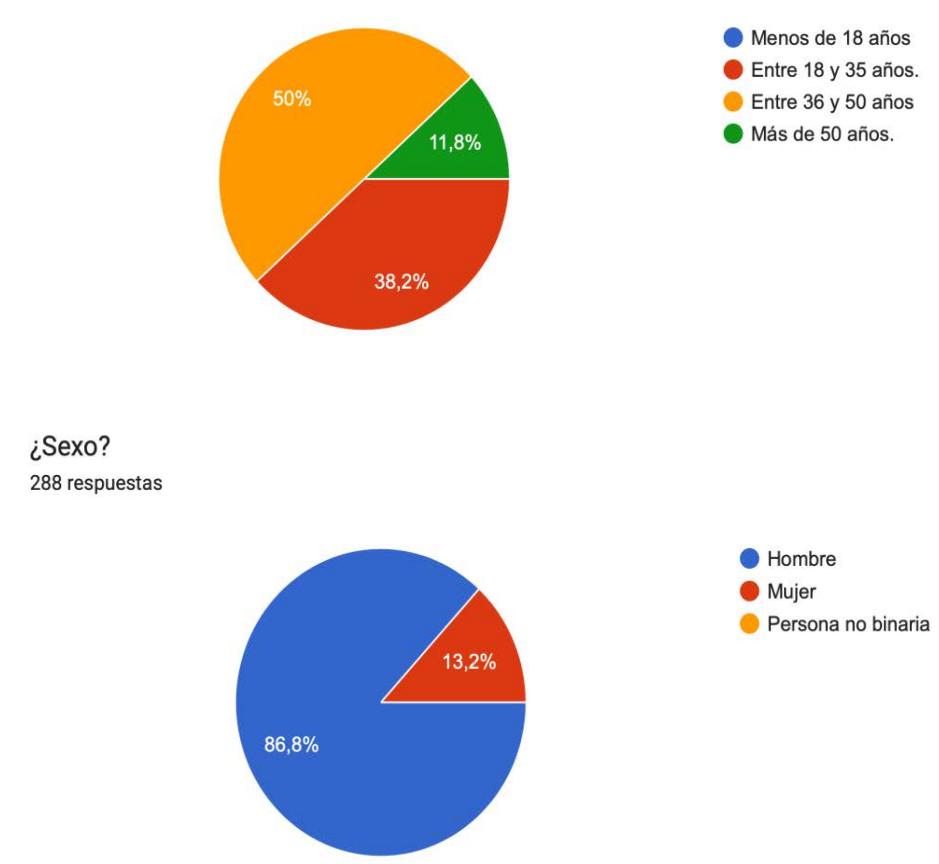 ¿Edad? 288 respuestas
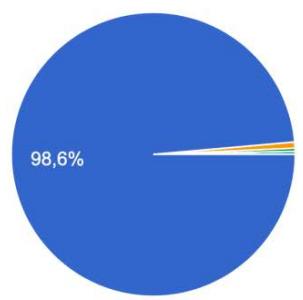 ¿Continente de su nacionalidad? 287 respuestas
La plataforma reina en el mundo del deporte digital también se destacó en la encuesta como la más aceptada y difundida, compartiendo protagonismo con un Garmin Connect que sin embargo es compatible con la primera al prácticamente funcionar siempre como sincronizadas. Los deportistas registran sus prácticas deportivas a través de los relojes Garmin, que ya cuenta con una APP que permite el estudio y análisis de los datos. Sin embargo, consiente la sincronización con Strava (al igual que otras plataformas como Bkool), por lo que los datos pasan automáticamente a esta, permitiendo ahí la interacción social de la comunidad.
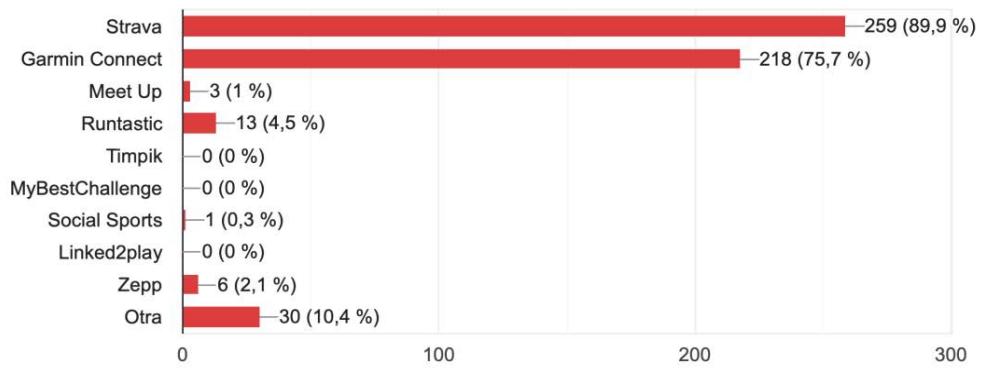 ¿Qué aplicaciones digitales usas como red social deportiva? 288 respuestas
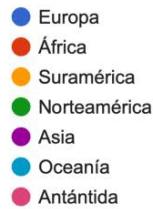
A pesar de la consideración inicial como un portal mayormente de ciclistas y corredores, los informes anuales que aporta Strava demuestran que el senderismo (el hecho de caminar que tanto se popularizó en la pandemia de 2020 y 2021) es más notorio que nunca, con especial popularidad entre las mujeres. Sin embargo, abarca todos los grupos de edad, géneros y regiones. A nivel genérico, el usuario tipo sube caminatas de 2,5 a 4 horas por semana. La caminata y el senderismo fueron los deportes que protagonizaron un mayor aumento en 2021, junto con el yoga y otros entrenamientos de interior. Las particularidades del presente estudio, sin embargo, provocaron que mayormente se expresasen los participantes como deportistas vinculados a la carrera a pie (running) con un $34,7\%$, seguido por el ciclismo y los deportes combinados como el duatlón o el triatlón. La encuesta se lanzó principalmente entre clubes de dichos deportes, a los que es más fácil llegar por estar coordinados a través de grupos de WhatsApp o redes sociales como Instagram o Facebook y por lo tanto es mucho más fácil la difusión del cuestionario entre estas comunidades. Entre el público en general que quizá practica y comparte más el mundo del senderismo y las caminatas es más difícil difundir la encuesta. De ahí la posible alteración.
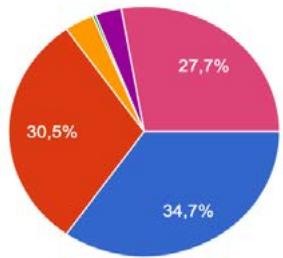 ¿En que deporte utilizas más las APP deportivas como Strava? 285 respuestas Running Ciclismo Senderismo Marcha Natación Deportes adaptados Deportes combinados como duatión o triatlon
Más allá del análisis de los usuarios de la plataforma deportiva, este estudio pretendía incidir en el consumo, en el modo de su utilización y su vinculación con otras redes sociales digitales y, por lo tanto, sujeto también a las consecuencias de uso que se experimentan en dichas plataformas populares como Instagram, Facebook o TikTok. Cuando los casi 300 encuestados fueron preguntados sobre su concepción del tiempo de uso, la mayoría consideró que no consume Strava por encima de lo normal, siendo esta una apreciación subjetiva que, sin embargo, habla sobre la concepción de aprovechamiento del tiempo, ligado este a sentimientos como la insatisfacción. Tampoco hay que obviar que un $15,6\%$ de la población encuestada acepta un uso por encima de lo normal, por lo que pueden estar admitiendo una práctica viciosa de Strava. Petriz Fisas hace referencia en sus estudios a la predisposición con las redes sociales de la comunidad runner, muy proclive a publicar selfies y fotos de sus competiciones o incluso entrenamientos, ritmos de carrera, logros obtenidos, fotos grupales y otro tipo de contenido (Petriz Fisas, 2017). Dicha propensión se puede extrapolar a cualquier deportista, sea cual sea su práctica. López, por su parte, explica en sus investigaciones que dicha conducta se da porque correr está bien visto socialmente, como símbolo de estilo de vida saludable que también se vincula al sacrificio, la búsqueda de desafíos y la superación personal (López, 2019).
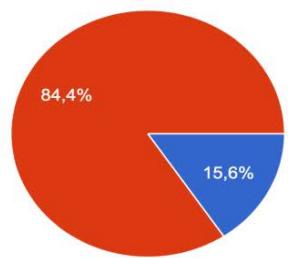 ¿Dedicas más tiempo del que crees que deberías a estar conectado a Strava? 288 respuestas Sí No
De hecho, vinculado a la pregunta anterior y en la misma línea de respuestas, un $6,2\%$ de los encuestados acepta que algún miembro de su familia se ha quejado en alguna ocasión por el uso excesivo de Strava, lo que puede desembocar en problemas en los núcleos de convivencia.
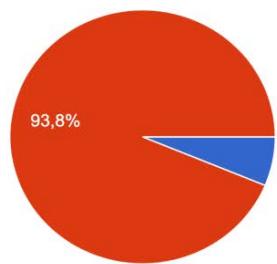 ¿Se han quejado tus familiares de las horas que dedicas a Strava? 288 respuestas Sí No
Dicha línea de respuesta también se observa en la estadística que afirma que la misma cantidad que la respuesta anterior (un 6,2%) aceptan que experimentan dificultades para controlar el impulso de conectarse a Strava y que han intentado sin éxito reducir el número de horas que invierten en la observación de la comunidad digital.
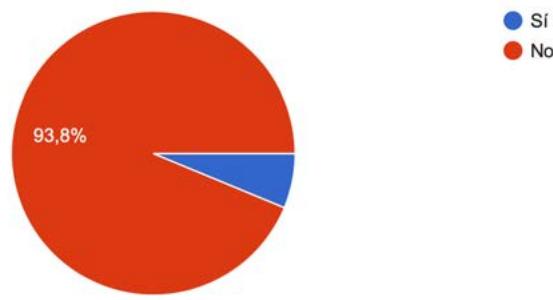 ¿Tienes problemas para controlar el impulso de conectarte a Strava o has intentado sin éxito reducir el tiempo que le dedicas? 288 respuestas
Casi la mitad de los encuestados, en cierta confrontación con los resultados anteriores, acepta que tras hacer deporte usa más a menudo el teléfono móvil por culpa de Strava, es decir, vinculan el deporte al consumo innegociable de la plataforma digital. Son dos prácticas que quedan asociadas, aparejadas. "Observando los resultados de la encuesta de Senso se puede constatar que, aunque en un porcentaje bajo, se observa que las personas consumen más tiempo del que deberían en el uso de dispositivos electrónicos y aplicaciones, no solo los concernientes a los deportes sino también a otras donde pueden tener un punto de referencia y también comparación con otros. Así el uso de aplicaciones deportivas también da paso al consumo de otras plataformas que podrían servir de referencia tanto el ámbito informacional como en el social. Esto se ve asociado a que casi la mitad de los usuarios utiliza otras redes después de usar la aplicación deportiva Strava, un resultado común entre los consumidores de plataformas sociales. Las redes sociales y el uso de internet en general forman parte ya de nuestra vida cotidiana y tanto jóvenes como adultos, han tenido que equipararse para responder ante la necesidad de comunicarse y mantenerse informado, una necesidad que se ha convertido en una "prioridad personal" y una "necesidad primaria" incluso más significativa que otras necesidades como la de interrelación y de seguridad, esto reflejado en que más de la mitad de los usuarios han respondido que cuesta trabajo mantenerse sin internet por días", analiza el psicólogo Alexander López de León, doctorando de la Universidad de Granada y con máster en Psicología Social por la Universidad de Valencia (López de León, 2022).
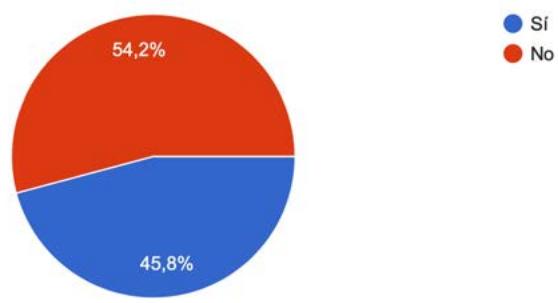 ¿Utilizas el teléfono móvil más a menudo o por más tiempo justo después de hacer deporte y por culpa del consumo de Strava? 288 respuestas
Dichos datos se engloban en una tendencia general conocida en la que los teléfonos inteligentes forman parte de la vida diaria de la mayoría de la población mundial. El $67,4 \ \%$ de los encuestados acepta que le cuesta trabajo permanecer sin Internet varios días seguidos. Los usuarios de teléfonos móviles utilizaron estos dispositivos una media de 4,8 horas al día el pasado año 2021, lo que suponía un tercio de las
horas que pasaban despiertos al día, con un crecimiento del $30\%$ respecto al año anterior. Así lo certificó un informe del Estado Móvil 2022 que publicó la compañía de análisis App Annie (Data, 2022).
Se denomina nomofobia al miedo irracional a permanecer sin el teléfono móvil. Por poco que sea. Los síntomas son propios de los que siempre hemos escuchados vinculados a la drogodependencia. Ansiedad, cefaleas, obsesión, irritabilidad, nerviosismo, taquicardias, dolores de estómago e incluso ataques de pánico. La dependencia es propia de la adicción. El Instituto Nacional de Estadística (INE) expuso en 2018 que el $58\%$ de los hombres y el $48\%$ de las mujeres podrían padecer dicha nomofobia al temer quedarse sin su teléfono y todo lo que ello suponía. Un $9\%$ mostraban estrés con sólo pensar en apagarlo. Más de la mitad justificaron sus sentimientos ante el aislamiento social y un $10\%$ achacaron su adicción a necesidades laborales (El Mundo, 2018). El INE reveló en 2020 que el $96\%$ de las familias cuentan con al menos un teléfono móvil y que el $77\%$ de las personas que acceden a internet lo hacen a través de él. De media, se consulta 34 veces al día. Los psicólogos afirman que esta adicción al teléfono móvil está aumentando rápidamente y que los adictos son cada vez más jóvenes, personas que no cuentan con capacidad intelectual y madurez suficiente como para entender la problemática. Los datos extraídos del Informe Ditrendia:
Mobile en España y en Mundo 2020 volvieron a ratificar la tendencia al alza en el uso de dispositivos móviles y redes sociales. Las encuestas realizadas en todo el mundo, por lo que hacía a España, desvelaban que 7,6 millones se entendían a sí mismos como adictos a sus teléfonos móviles. El 61% de los preguntados respondió que su dispositivo era lo primero y último que miraba cada día, mientras que 3,7 millones no podía pasar más de una hora sin consultarlo. Eso provoca (tanto en España como en el resto del mundo) que los usuarios de Internet dedicasen en 2019 casi 48 días completos a mirar su Smartphone, con una media de 3 horas y 22 minutos al día. La media española era ligeramente inferior pero entre los jóvenes entre dieciocho y veinticuatro años se iba hasta más de 6 horas al día, con un $70\%$ de dicho tiempo en aplicaciones de mensajería como WhatsApp $(41\% )$ O redes sociales como Facebook $(25\% )$. Casi 29 millones de españoles tienen redes sociales y cada uno tiene una media de 8,4 cuentas (Ditrendia, 2020).
La ciberadicción se convierte en un patrón conductual sin control que puede incluso descuidar las relaciones sociales analógicas, las responsabilidades profesionales y la salud y la higiene corporal. El $67.4\%$ de los deportistas analizados en la presente investigación expresaron que les cuesta permanecer sin Internet varios días seguidos.
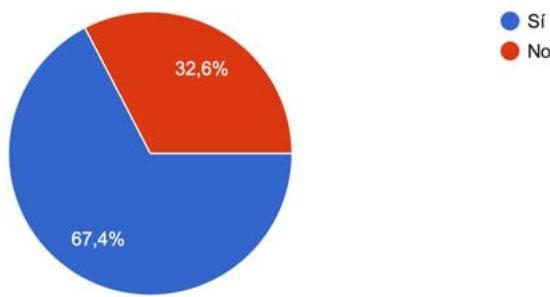 ¿Te cuesta trabajo permanecer sin Internet varios días seguidos? 288 respuestas
Vinculado más específicamente a los efectos sobre la salud mental, el $21,5 \ \%$ de los deportistas preguntados en el presente estudio aceptaron que experimentan la sensación de que están perdiendo o desaprovechando su tiempo cuando navegan por Strava y observan los entrenamientos de los integrantes de su comunidad digital. Esta es una tendencia que se ha generalizado con el consumo de las redes sociales más populares. Como explica Alberto Knapp Bjerén, dicho sentimiento incluso se ha conceptualizado: "Cada vez son más las personas que sienten que su vida es mucho menos interesante que la de sus conocidos y que tienen siempre la sensación de estar perdiéndose algo. Cualquier buen momento se rompe al descubrir que alguno de tus colegas está pasándoselo fenomenal en algo que tu desconocías. Las redes sociales, en las que solo se cuenta lo bueno, se están convirtiendo en un nuevo elemento de agobio que ya tiene nombre: FOMO, Fear of Missing Out. FOMO es un miedo social que siempre ha existido: la exclusión, el saber que tus colegas van a algo o tienen algo mejor que tú. Pero gracias a los smartphones y a la ubicuidad e instantaneidad de las redes sociales, ese miedo se ha convertido en un acompañante habitual. Al consumo clásico aspiracional, querer siempre algo que no tenemos y que creemos es imprescindible para nuestra felicidad, se une ahora la angustia de saber constantemente que nos estamos perdiendo algo, de
no poder disfrutar lo que estas haciendo en un momento concreto porque a la vez sabes a ciencia cierta, gracias a tu móvil y twitter, que te estás perdiendo otra cosa. Ahora siempre sabes qué están haciendo tus amigos, y por lo tanto qué te estás perdiendo. Eso es lo que puede generar ansiedad y una sensación de falta de adaptación o exclusión. Según un estudio de JWT, tres de cada diez personas de entre 13 y 34 años han experimentado esta sensación, y generalmente cuando ven que sus amigos hacen cosas a las que no están invitados" (El País, 2012).
288 respuestas
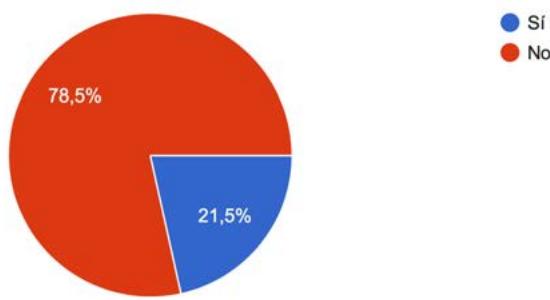 ¿Tienes la sensación de que te estás perdiendo algo o que estás desaprovechando tu tiempo a nivel deportivo cuando navegas por Strava y ves el ritmo de entrenamientos de tus conocidos?
Según añade López de León: "En deportes de alto rendimiento y otras actividades físicas, tener competencia y basarse en los resultados de otros puede ser un aspecto positivo para aumentar el nivel de exigencia, superar sus propios registros y alcanzar los objetivos personales. Sin embargo, la competencia puede ser una fuente de estrés e insatisfacción también. Casi una cuarta parte de los usuarios participantes demuestra que el rendimiento propio y la comparación con otros deportistas tiene una estrecha relación en el uso de la aplicación deportiva. Así, las aplicaciones deportivas podrían estar funcionando (para una sección de la población) no solo como una interfaz de recuentos de los resultados y exigencias propias en el ejercicio físico, sino también como un medio causante de malestar psicológico -estrés, remordimientos, ansiedad, infravaloración de sus propios procesos y progresos personales- debido al uso inadecuado y comparativo de sus herramientas y disposición de información que afecta el rendimiento propio y objetivos personales. Por tanto, es importante adherirse a una educación deportiva que permita el adecuado desarrollo de las capacidades personales, la concienciación en las diferencias de los procesos físicos de los otras personas y la valoración de la competencia sana" (López, 2022).
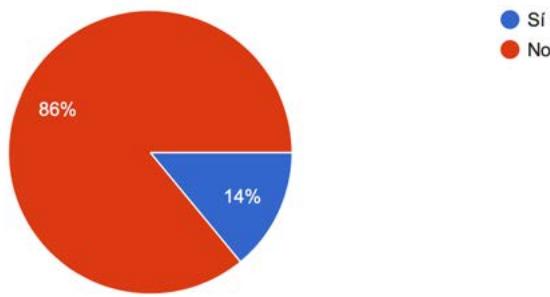
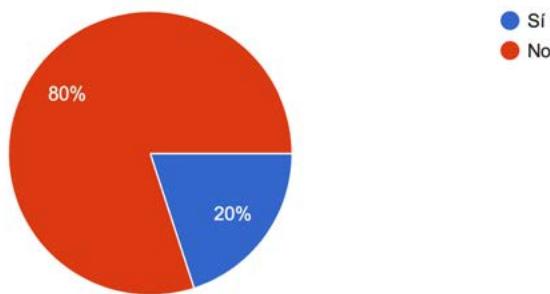
La insatisfacción puede asociarse a la irritabilidad, la ansiedad o la depresión. Así lo atestiguan varias investigaciones en las que por ejemplo se comprobó que el 68% de casi 300 atletas experimentaban una gran ansiedad deportiva y una interrupción de la concentración si en las dos horas posteriores a la práctica usaban Facebook (Encel et al., 2017). El $26\%$ de los y las encuestadas en la presente investigación manifestó sentir insatisfacción al observar sus registros comparados con los de sus compañeros de comunidad digital. Más de 1 de cada 4. El $14\%$ llegó a aceptar una pérdida de confianza asociada y el 20% sentir presión social, lo que aumenta la inseguridad y el sentimiento de inferioridad.
Como con el resto de redes sociales, la actividad digital puede afectar en el rendimiento deportivo. Otra investigación desarrollada en 2019 constató, a través de los tuits de más de un centenar de jugadores de la NBA entre 2009 y 2016, que colgar publicaciones en dicha red social entre las once de la noche y las siete de la mañana del día del partido se asoció con un porcentaje de acierto más bajo en el tiro a canasta y menos rebotes logrados (Jones et al. 2019). Dichas teorías quedaron ratificadas por un nutrido grupo de investigadores, que demostraron con el análisis de veintiún boxeadores que aquellos que jugaban a videojuegos o consumían las redes sociales tomaban peores decisiones después durante los combates en comparación a aquellos que no hacían nada previamente (Sousa et al. 2021). Con futbolistas aportó los mismos resultados (Sousa et al. 2020). La conclusión del estudio fue que navegar por las redes sociales induce un periodo dilatado de impulsos eléctricos en ciertas áreas del cerebro, lo que disminuye el ritmo de procesamiento de la información. La capacidad de concentración se ha reducido de doce a ocho segundos, según un estudio de Microsoft Corporation (Medical Daily, 2015).
Por tanto, el consumo de redes sociales antes del ejercicio físico reduce las capacidades de respuesta y la toma de decisiones adecuadas en el deporte. Dicho consumo con posterioridad puede afectar a la autoestima por la comparación con otros deportistas de la comunidad más y mejor preparados.
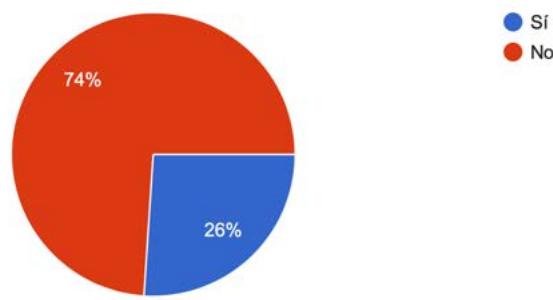 ¿Te produce insatisfacción mirar tus registros si los comparas con los de tus compañeros? 288 respuestas
¿Se podría decir que incluso pierdes confianza en ti mismo cuando observas los mejores registros de amigos o conocidos en Strava?
 285 respuestas
¿Te sientes presionado/a al observar tus registros y la del resto de personas que sigues en estas plataformas tecnológicas como Strava?
 285 respuestas El $11,5 \ \%$ de los encuestados en el presente estudio aceptaron centrar buena parte de su tiempo durante el entrenamiento en la superación de los segmentos del Strava. Para el $29,9 \ \%$ sólo existía ese pensamiento cuando los segmentos estaban próximos. En total, más del $40\%$ aceptaba estar centrados en la superación en dicho "juego" en parte o la totalidad del entrenamiento.
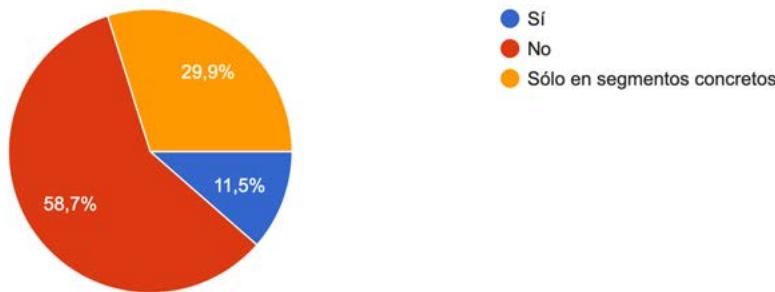 ¿Pasas parte del tiempo de tu entrenamiento pensando en la superación de los registros del Strava? 288 respuestas
Sólo el $10\%$ de los y las encuestadas acepta que borra o directamente no sube el contenido si no se considera lo suficientemente positivo para que sea admirado por la comunidad de seguidores. Es por tanto, un comportamiento inducido por la aceptación del interlocutor. El dato confirma otros estudios como los realizados por Martín Critikián y Medina Núñez que aseguraban, en referencia a la Generación Z (nacidos en los últimos años de los 90's e inicio de los 2000) que, a pesar de los sentimientos negativos que esto pudiese generarles, el $70\%$ de encuestados no borra una publicación aun habiendo recibido comentarios negativos o desagradables y un $90\%$ afirma que tampoco borra una publicación si no recibe los "me gusta" esperados. El $80\%$ de ellos negó hacer publicaciones estratégicamente pensadas para aumentar sus likes (Martín y Medina, 2021). En el mundo digital los usuarios fortalecen su comunidad y la depuran. Lo hacen sin restricciones espaciotemporales, lo que ha supuesto un cambio de paradigma clave en la historia. Con una inexistencia de jerarquía y en el que el autogobierno se impone de forma espontánea. El mecanismo de agregación está sujeto a la voz propia, al espacio reservado en el que cada sujeto digital es escuchado, observado y seguido. Con la exigente exhibición a la que eso obliga, destruyendo prácticamente la separación entre la vida privada y la pública. Se magnifica, con todo, la frugalidad vinculada al individualismo, con una excitación constante que sólo entiende del presente y que anhela la hiperactividad que no descansa y que no reflexiona. La identidad pública depende hoy más de la imagen que se traslada a través del etéreo mundo de las redes sociales que de la vida analógica. Se transmite aquello que se considera que gusta a los demás y en ocasiones el comportamiento primigenio de dicha acción es la autocensura, la feroz crítica sobre una representación del yo que se cree débil. La búsqueda de la reciprocidad se inicia con la pretensión de la homogeneización para encauzar en el grupo, en la comunidad. Porque la identidad nace de la interacción. Es necesario el retorno.
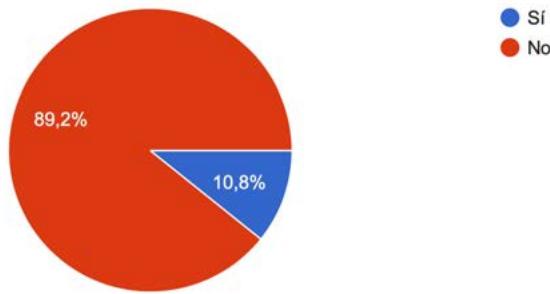 ¿Borras o no subes contenido a Strava si crees que no cuenta con el suficiente nivel para ser admirado o reconocido por tus seguidores? 288 respuestas
Según considera Jordi Pascual (licenciado en Ciencias del Deporte y Máster en Alto Rendimiento Deportivo): "Como entrenador recomiendo Strava a mis deportistas porque considero que es una magnífica herramienta para controlar el progreso. Creé segmentos para testear a mis deportistas, tanto estado de forma como aerodinámica en gente que prepara media y larga distancia en triatlón. También para controlar cargas
semanales, mensuales e incluso anuales. Puedes conocer medias de velocidad anual o kilómetros totales. Eso podría ser totalmente positivo. Si se utiliza de forma profesional y con criterio es una herramienta que nos puede servir para mejorar deportivamente. Pero evidentemente también tiene su parte negativa. He visto a gente crear segmentos única y exclusivamente para tener coronas o KoM. Segmentos que sólo conocer una o dos personas para tener premios. Hay deportistas creando segmentos con el único objetivo de tener reconocimientos, sentirse valorado aunque sea entre el grupo de amigos o entrenamiento. Hay cierta obsesión. Un uso erróneo. Muy perjudicial para la salud mental porque esa ofuscación no está vinculada al deporte, sino al reconocimiento social. Al fin y al cabo como cualquier red social, donde se muestra una vida ficticia a menudo muy alejada de la realidad" (Pascual, 2022).
Dicho comportamiento inadecuado es aceptado por el $18,4\%$ de los encuestados, que respondieron afirmativamente cuando fueron preguntados si habían llevado su cuerpo (su capacidad física) al límite e incluso por encima para superar algún registro de Strava. En el deporte es usual superarse físicamente mediante el entrenamiento pero debe contar con una análisis distinto el hecho de que se pueda llevar la capacidad física por encima de las posibilidades individuales sólo con el único objetivo de mejorar registros en una red social. La admiración y respeto de la comunidad digital es clave en dicho planteamiento. El $7,3 \ \%$ incluso llega a aceptar, en la siguiente pregunta, que su esfuerzo físico pudo llegar a producirse bajo un comportamiento irresponsable.
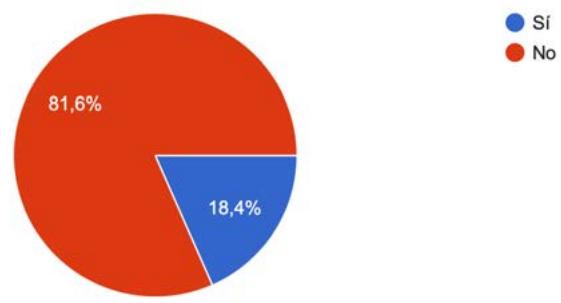 ¿Has llevado tu cuerpo y por lo tanto tu capacidad física al límite o incluso más allá por superar algún registro del Strava? 288 respuestas
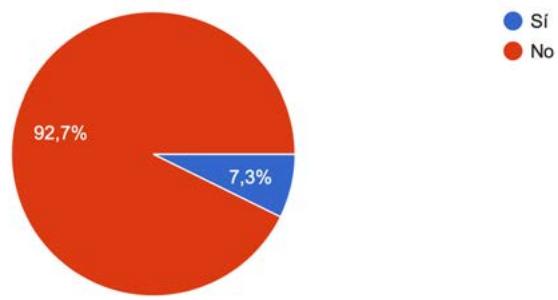 ¿Has podido tener un comportamiento irresponsable en ese sentido que hubiese podido afectarte físicamente? 288 respuestas
En las interacciones humanas, las señales de éxito en las redes sociales dadas, por ejemplo, por el número de seguidores o la cantidad de "me gusta" obtenidos en las publicaciones, implican una mejora de la reputación y son capaces de activar el sistema de recompensa del cerebro ya que activan regiones cerebrales asociadas a este, como la corteza prefrontal ventromedial, el estriado ventral y el área tegmental ventral (Fareri & Delgado, 2014). Sherman, Payton, Hernández, Greenfield & Dapretto (2016) demostraron en una completa investigación que los adolescentes mayor desarrollaban una actividad cerebral en las
regiones neuronales implicadas en el procesamiento de recompensas cuando observaban en Instagram fotografías con más "me gustas" que no otras. Demostraron así que la cantidad de apoyos públicos se vinculaba al respaldo posterior y, por tanto, a la influencia o popularidad social. Las fotos con más interacciones positivas provocaban mayor actividad cerebral también por lo que hacía a la imitación y la atención. Se destacó el papel del núcleo accumbens al recibir retroalimentación positiva de las propias fotografías.
El $21,9\%$ de los encuestados para el presente estudio también aceptan que valoran más el comportamiento deportivo de los compañeros o conocidos en Strava en función de sus resultados subidos a la plataforma.
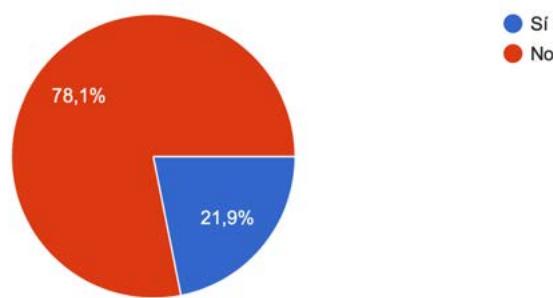 ¿Valoras más el comportamiento deportivo de tus compañeros o conocidos en función de sus números registrados en Strava? 288 respuestas
Por último se quiso preguntar a los y las encuestadas por su predisposición a pagar por la aplicación, dado que la compañía decidió en 2020 dar un paso adelante para aumentar los ingresos, bloqueando con previo pago algunos servicios de gran popularidad entre los usuarios, como era, por ejemplo, los rankings clasificatorios en los sectores ciclistas. Alrededor de 1 de cada 5 de los encuestados manifestó su predisposición al pago, apreciando así el valor añadido de la plataforma. Tras un periodo de prueba gratuito, el precio es de 7,99 euros si se trata de una suscripción mensual o 59,99 euros si es anual.
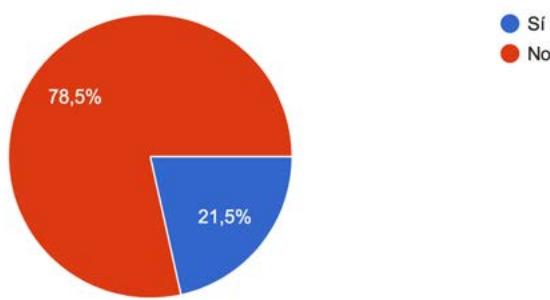 ¿Estás dispuesto/a a pagar para contar con los servicios adicionales que ofrecen las APP digitales vinculadas al deporte? 288 respuestas
## V. CONclusioNES
La cibercomunicación ha reportado productos de entretenimiento caracterizados por la inmediatez, la constante interacción y la participación, provocando que constantemente estemos sujetos a la opinión de los demás. Solo en Instagram se ofrecen más de 4.000 millones de likes al día, que provocan otros tantas reacciones tras los avisos a las personas interpeladas, en lo que supone una dependencia psicológica y emocional sin precedentes en la historia. El deportista quiere mostrar sus avances. Y lo hace a través de comunidades digitales mayoritariamente públicas en las que su privacidad queda de nuevo sometida, rindiéndose al escrutinio social. La tecnología ofrece así una nueva motivación, con una nueva experiencia que trasciende a la práctica deportiva y se expande con posterioridad a través de la búsqueda del reconocimiento público. El ritmo frenético con el que se expande la nueva tecnología modifica prácticamente sin control y sin conocimiento de causa las relaciones humanas y la adaptación de la sociedad llega a
menudo tras consecuencias negativas ya en marcha que perjudican la salud mental y física. En el caso de las redes sociales digitales a través de plataformas como Facebook, Instagram o Tiktok se han estudiado casos de dependencia psicológica y emocional, lo que las ha convertido en un pozo de vulnerabilidad.
El presente estudio buscaba conocer si también las plataformas digitales deportivas que han potenciado la interacción social de sus integrantes podrían ejercer un efecto similar entre sus usuarios y usuarias, provocando presión social, dependencia emocional, frustración e insatisfacción, e incluso llevando a los deportistas a asumir retos deportivos inadecuados para su formación o estado físico sólo con el objetivo de conseguir o consolidar su estatus entre su "comunidad" digital.
La disciplina y el esfuerzo que exige la mejora deportiva van acompañados hoy, de forma general, de la presión por la sobreexposición que se produce a través de la redes sociales. El nuevo paradigma comunicacional que supone la cibercomunicación ha diluido, hasta prácticamente hacer desaparecer, las diferencias entre los espacios público y privado, por lo que hoy la participación en entrenamientos y competiciones son evaluados o, como mínimo observados, por múltiples personas que, siguiendo la tendencia de las otras redes sociales más genéricas, opinan. Opinan sin filtros. Dada la publicación pública de los registros antes privados, Strava introduce la competitividad en el entrenamiento y, con ello, los patrones de consumo y rivalidad individual. Funciona simplemente como la consecución de una serie de estímulos que ayudan a sentirse útil de forma inmediata, aunque no tenga ninguna capacidad transformadora ni disruptiva.
En un principio las aplicaciones de carácter deportivo no tienen teóricamente causas nocivas y simplemente se limitan a controlar parámetros de la capacidad física, lo que teóricamente podría traducirse en mayor motivación para seguir haciendo deporte. Sin embargo el uso y abuso de dichas aplicaciones, como con el resto de la redes sociales de carácter menos concreto, provoca adicción y pueden ser perjudiciales a nivel emocional. El estudio quiso expandir los conocimientos en primer lugar sobre la capacidad adictiva a Internet de una APP como Strava que gamifica la práctica deportiva a través de herramientas tecnológicas y de la interacción social y, por otro, observar los efectos para la salud mental que dicho comportamiento podía provocar en los deportistas sometidos al escrutinio público, lo que obliga a una productividad y perfeccionamiento constante. La adicción a una aplicación como Strava incluso ha sido conceptualizada popularmente con el nombre de stravismo, padecido por deportistas obsesionados en conseguir los mejores tiempos en los sectores establecidos en la plataforma o el reconocimiento de sus seguidores. La compartimentación de los entrenamientos a través de la redes sociales forma parte ineludible ya de dicha preparación. La presente investigación ha venido a ratificar los resultados obtenidos por otros estudiosos por lo que hace al consumo de redes y sus consecuencias sobre la confianza personal, añadiendo aquí que la modificación del comportamiento por culpa del examen popular puede llevar a actuar de forma irresponsable a nivel físico. Así lo aceptaron alrededor del $18\%$ de los encuestados.
El nivel de profesionalización que se ha adquirido en el deporte amateur hace que la mayoría de los registros de records existentes en Strava sean insuperables para el común de los deportistas, lo que provoca sentimientos de frustración que afectan a la autoestima. Además, la mayor disponibilidad horaria durante la pandemia de Covid-19 permitió una expansión del deporte (como se observa en los registros anuales aportados por la compañía), mejorando considerablemente el estado físico general. Los niveles de competitividad son inabarcables en aplicaciones como Strava dado que es un mundo en el que conviven millones de deportistas, cada uno de ellos y ellas subiendo y publicando lo mejor de su estado físico. El $26\%$ de los y las encuestadas en la presente investigación manifestó sentir insatisfacción al observar sus registros comparados con los de sus compañeros de comunidad digital.
A la inyección inicial de autoestima por la práctica del deporte, algunos y algunas consideran que les sigue una insatisfacción al observar que otros usuarios de la comunidad digital hacen más o mejor, por lo que la sensación es de que uno siempre se queda corto. La competición se orienta a los resultados, datos numéricos que no muestran la complejidad de la vida personal, profesional o deportiva. A la postre, según aceptan el $14\%$ de los encuestados, dicha interacción les afecta en la autoestima, mientras el $20\%$ dijo sentir presión social, lo que aumenta la inseguridad y el sentimiento de inferioridad.
El deporte ha interiorizado una nueva variante masiva: El escrutinio social digital. Disfrutar con la práctica, para muchos y muchas, está sujeto ahora a la opinión del resto. A pesar de que el deportista sea amateur, la concepción del éxito o el fracaso irá sujeta a la comparativa. Se precisa una mayor alfabetización digital que capacite a los usuarios de las redes sociales y les dé a conocer las consecuencias del consumo masivo e incluso adictivo. Las nuevas herramientas de interacción social aportan nuevas formas de comunicación y viceversa, por lo que la creación de contenido debe ir sujeta a su comprensión. La alfabetización no se debe limitar a un primer nivel de conocimiento sino abrazar también una mirada ética y, bajo la premisa de que la comunicación es poder, transmitir qué se debe hacer con ella a todos los niveles (tanto públicos como privados) y los peligros que entraña un mal uso. Para combatir, por ejemplo, el acoso digital y sus graves consecuencias sobre la salud mental. Este es un estudio iniciático sometido a carencias y por ello se precisan nuevas investigaciones futuras que profundicen en el efecto de las APP deportivas sobre la salud mental de los usuarios. Se aportan, sin embargo, valiosos datos y tendencias a tener muy en cuenta.
### Media
- Ciclosfera. Entrevista a Gareth Nettleton, de Strava: "Marcas como Nike convirtieron el deporte en algo aspiracional": https://ciclosfera.com/a/gareth-nettle ton-strava-deporte Publicada el 30 de octubre de 2016. Consultada el 13 de octubre de 2022.
- CMD Sports. Petriz Fisas, A. (2017). El "postureo" runner: Más allá de salir a correr. https://www.cmd sport.com/running/cuidate-running/psicologia-cuida te-running/el-postureo-runner-mas-alla-de-salir-acorrer/
- Data. The State of Mobile in 2022: How to Succeed in a Mobile-First World As Consumers Spend 3.8 Trillion Hours on Mobile Devices: https://www.data. ai/en/insights/market-data/state-of-mobile-2022/ Consultado el 4 de octubre de 2022.
- Ditrendia. Informe Mobile en España y en Mundo 2020: https://ditrendia.es/informe-mobile-2020/
- Eldiario.es. Instagram admite en privado que daña la autoestima corporal de una de cada tres adolescentes. Se consultó la información en eldiario.es https://www.eldiario.es/tecnologia/face book-instagram-afecta-salud-mental-adolescentesminimiza-publico_1_8302276.html Consultado el 1 de octubre de 2022.
- El Mundo. Los adictos al móvil no paran de crecer pese al aumento en el precio de las tarifas: https:// www.elmundo.es/economia/ahorro-y-consumo/ 2018/07/14/5b48adfa268e3e43778b45a8.html Publicado el 14 de julio de 2018. Consultado el 1 de octubre de 2022.
- El País. Entrevista a Michael Horvath: "Nos dijeron que la tecnología necesaria para crear Strava nunca iba a existir": https://elpais.com/tecnologia/2022-01- 31/nos-dijeron-que-la-tecnologia-necesaria-para-cr ear-strava-nunca-iba-a-existir.html Publicado el 31 de enero de 2022. Consultado el 25 de septiembre de 2022.
- FOMO: El miedo a perderse algo (Fear of Missing Out): https://blogs.elpais.com/consumi dos/2012/03/fomo-el-miedo-a-perderse-algo-fe ar-of-miss ing-out.html Publicado el 20 de marzo de 2012. Consultado el 15 de julio de 2022.
- Extra. Mindola, A. P. (2019, 28 de noviembre). Depender de likes: ¿Qué sentimos cuando no nos dan like? Extra. Ec. https://bit.ly/2Pmm1g3
- Google. Así afectan los tiempos de carga a las visitas en mobile: https://www.thinkwithgoogle. com/intl/es-es/canales-de-publicidad/movil/asiafectan-los-tiempos-de-carga-las-visitas-en-mobile/
- Loughran, Steve. Advanced Deanonymization through Strava: https://steveloughran.blogspot.com/ 2018/01/advanced-denanonymization-through-stra va.html Publicado el 29 de enero de 2018. Consultado el 25 de septiembre de 2022.
- Medical Daily (2015) Consultado en https://www. medicaldaily.com/human-attention-span-shortens-8-seconds-due-digital-technology-3-ways-stay-foc used-333474
- Strava. Strava's Year In Sport 2021 charts trajectory of ongoing sports boom: https://blog.strava.com/ press/yis2021/Publicado el 7 de diciembre de 2021. Consultado digitalmente el 29 de septiembre de 2022.
- We are social. Digital 2021 October Global Statshot Report: https://www.slideshare.net/DataReportal/ digital-2021-october-global-statshot-report-v01 Consultado digitalmente el 23 de septiembre de 2022.
#### Entrevistas
- Albinyana, Davinia (2022). Entrevista telefónica. Albinyana es psicóloga del deporte, máster en psicología social y deportista de élite durante veintidós años. Realizada el 27 de agosto de 2022.
- López de León, Alexander (2022). Entrevista telefónica López es psicólogo, doctorando de la Universidad de Granada y máster en Psicología Social por la Universidad de Valencia. Realizada el 29 de agosto de 2022.
- Pascual, Jordi (2022). Entrevista telefónica. Pascual es licenciado en Ciencias del Deporte y Máster en Alto Rendimiento Deportivo. Realizada el 15 de agosto de 2022.
Generating HTML Viewer...
References
52 Cites in Article
J Adams,R Kirkby (2003). El exceso de ejercicio como adicción: una revisión.
R Alonso,M Gómez,M Patino,N Sánchez,C Agudo,C Castaño,L García,J Recio (2017). Effectiveness of a multifactorial intervention based on an application for smartphones, hearthealthy walks and a nutritional workshop in patients with type 2 diabetes mellitus in primary care (EMID): study protocol for a randomised controlled trial.
Tim Althoff,Ryen White,Eric Horvitz (2016). Influence of Pokémon Go on Physical Activity: Study and Implications.
H Antunes,G Leite,K Lee,A Barreto,R Santos,H De Sá Souza,M De Mello (2016). Exercise deprivation increases negative mood in exercise-addicted subjects and modifies their biochemical markers.
Inmaculada Díaz,María Reche,José Rodríguez (2018). Efecto de la metodología mobile learning en la enseñanza universitaria: meta-análisis de las investigaciones publicadas en WOS y Scopus.
Aznar Díaz,María Inmaculada; Cáceres Reche,Pilar; Trujillo,Juan Torres,José Manuel; Romero Rodríguez,María (2019). Impacto de las apps móviles en la actividad física: un meta-anaĺisis.
A Barrientos Báez,D Caldevilla Domínguez,J Martínez González (2021). Unknown Title.
Challco Huaytalla,Katherine; Rodríguez Vega,Sheila,Jaimes Soncco,Jania (2016). Riesgo de adicción a redes sociales, autoestima y autocontrol en estudiantes de secundaria.
Challco Huaytalla,Katherine (2016). Riesgo de adicción a redes sociales, autoestima y autocontrol en estudiantes de secundaria (E.P. de Psicología.
D Colombo (2020). Cómo funciona el cerebro cuando usas las redes sociales (s.f.).
M Conde,P Tercedor (2015). La actividad física, la educación física y la condición física pueden estar relacionadas con el rendimiento académico y cognitivo en jóvenes. Revisión sistemática.
U Cuesta,V Cuesta,L Martínez,J Niño (2020). Smartphone: en comunicación, algo más que una adicción.
E Echeburuá (2012). Factores de riesgo y factores de protección en la adicción a las nuevas tecnologías y redes sociales en jóvenes y adolescentes.
Kim Encel,Christopher Mesagno,Helen Brown (2017). Facebook use and its relationship with sport anxiety.
J Filgueira (2016). Apps Para Adquisición de Hábitos Saludables Dentro de la Educación Física.
Alessandro Gabbiadini,Tobias Greitemeyer (2018). Fitness mobile apps positively affect attitudes, perceived behavioral control and physical activities.
J Garceś,M Ramos (2010). Jóvenes consumidores y redes sociales en Castilla-La mancha.
G Garton,M Hijoś (2017). La mujer deportista en las redes sociales: Un análisis de los consumos deportivos y sus producciones estéticas.
N Gelfman (2016). Carreras shopping: un estudio de la práctica del running en Buenos Aires.
Mario Gil,Ngoc‐thao Nguyen,Mark Mcdonald,H Albers (2013). Social reward: interactions with social status, social communication, aggression, and associated neural activation in the ventral tegmental area.
Liam Glynn,Patrick Hayes,Monica Casey,Fergus Glynn,Alberto Alvarez-Iglesias,John Newell,Gearóid Ólaighin,David Heaney,Andrew Murphy (2013). SMART MOVE - a smartphone-based intervention to promote physical activity in primary care: study protocol for a randomized controlled trial.
L Guillen,A Herrera,Y Ale (2018). Las herramientas tecnológicas TIC ś como elemento alternativo para el desarrollo del componente físico.
Suzanne Haber,Brian Knutson (2010). The Reward Circuit: Linking Primate Anatomy and Human Imaging.
M Herrera,M Pacheco,J Palomar,D Zavala (2010). La adicción a Facebook relacionada con la baja autoestima, depresión y la falta de habilidades sociales.
O Hikosaka,E Bromberg-Martin,S Hong,M Matsumoto (2008). New insights on the subcortical representation of reward.
Jason Jones,Gregory Kirschen,Sindhuja Kancharla,Lauren Hale (2019). Association between late-night tweeting and next-day game performance among professional basketball players.
Duck-Chul Lee,Angelique Brellenthin,Paul Thompson,Xuemei Sui,I Lee,Carl Lavie (2017). Running as a Key Lifestyle Medicine for Longevity.
H Löllgen,A Böckenhoff,G Knapp (2009). Physical Activity and All-cause Mortality: An Updated Meta-analysis with Different Intensity Categories.
A Loṕez (2019). Análisis de la adicción al ejercicio y su relación con la motivación, el compromiso y la personalidad Grit en corredores populares.
Rachel Maceri,Nicholas Cherup,Janet Buckworth,Nicholas Hanson (2019). Exercise Addiction in Long Distance Runners.
Iii Mahan,J Seo,W Jordan,J Funk,D (2015). Exploring the impact of social networking sites on running involvement, running behavior, and social life satisfaction.
D Martin Critikiań,M Medina Núñez (2021). Redes sociales y la adicción al like de la generación z.
Dar Meshi,Carmen Morawetz,Hauke Heekeren (2013). Nucleus accumbens response to gains in reputation for the self relative to gains for others predicts social media use.
Frank Penedo,Jason Dahn (2005). Exercise and well-being: a review of mental and physical health benefits associated with physical activity.
Pérez Feijóo,María De La Paz; Y Pedrón,Valeria Teresa (2020). La adicción a correr y su relación con el uso de redes sociales.
Montserrat Peris,Carmen Maganto,Lorea Kortabarria (2013). Autoestima corporal, publicaciones virtuales en las redes sociales y sexualidad en adolescentes.
Lauren Sherman,Ashley Payton,Leanna Hernandez,Patricia Greenfield,Mirella Dapretto (2016). The Power of the <i>Like</i> in Adolescence.
Leonardo Sousa Fortes,Gantois Petrus,; De Lima-Júnior,Dalton; Teixeira Barbosa,Bruno; Caputo Ferreira,Maria Elisa; Yuzo,Fabio Nakamura,Maicon Albuquerque,Souza Fonseca,Fabiano (2021). Playing videogames or using social media applications on smartphones causes mental fatigue and impairs decision-making performance in amateur boxers.
Leonardo; De Sousa Fortes,Lima-Junior,Dalton; Fiorese,; Lenamar,Nascimento-Júnior,R José,Mortatti,L Arnaldo,Maria Ferreira (2020). The effect of smartphones and playing video games on decision-making in soccer players: A crossover and randomised study.
A Tsitsika,M Janikian,E Tzavela (2013). Investigación sobre conductas adictivas a internet entre los adolescentes Europeos.
Martin; Y Turner,Jamie Barker (2011). Examining the Efficacy of Rational-Emotive Behavior Therapy (REBT) on Irrational Beliefs and Anxiety in Elite Youth Cricketers.
Manuel Varchetta,Angelo Fraschetti,Emanuela Mari,Anna Giannini (2020). Adicción a redes sociales, Miedo a perderse experiencias (FOMO) y Vulnerabilidad en línea en estudiantes universitarios.
A Zarauz Sancho (2011). El polo V La opinión de los vecinos en el proyecto de Extensión-investigación «Análisis de las discursividades en torno a la violencia en el deporte».
A Petriz Fisas (2017). How to Succeed in a Mobile-First World As Consumers Spend 3.8 Trillion Hours on Mobile Devices.
El Mundo (2018). Los adictos al móvil no paran de crecer pese.
El País,Michael Entrevista,Horvath (2012). Nos dijeron que la tecnología necesaria para crear Strava nunca iba a existir.
A Mindola (2018). Depender de likes: ¿Qué sentimos cuando no nos dan like? Extra. Ec.
(2021). Strava. Strava's Year In Sport 2021 charts trajectory of ongoing sports boom.
(2021). We are social.
Davinia Entrevistas -Albinyana (2022). Entrevista telefónica. Albinyana es psicóloga del deporte, máster en psicología social y deportista de élite durante veintidós años.
Rubén Burgos-Jiménez,Inmaculada Carrascal López,Alina Corpodean,Fanny Añaños (2022). La maternidad en el medio penitenciario español: estudio de casos para la reinserción de mujeres penadas.
Jordi Pascual (2022). Entrevista telefónica. Pascual es licenciado en Ciencias del Deporte y Máster en Alto Rendimiento Deportivo.
No ethics committee approval was required for this article type.
Data Availability
Not applicable for this article.
How to Cite This Article
Carles Xavier Senso Vila. 2026. \u201cStrava, the Aspirational Sport and its Impact on Mental Health\u201d. Global Journal of Human-Social Science - H: Interdisciplinary GJHSS-H Volume 22 (GJHSS Volume 22 Issue H7).
Explore published articles in an immersive Augmented Reality environment. Our platform converts research papers into interactive 3D books, allowing readers to view and interact with content using AR and VR compatible devices.
Your published article is automatically converted into a realistic 3D book. Flip through pages and read research papers in a more engaging and interactive format.
Our website is actively being updated, and changes may occur frequently. Please clear your browser cache if needed. For feedback or error reporting, please email [email protected]
Thank you for connecting with us. We will respond to you shortly.