## I. INTRODUÇÃO
crescente dependência das tecnologias de informação e comunicação (TIC) é uma tendência observada há algum tempo em diversos países. No entanto, a pandemia da Covid-19 que eclodiu no final de 2019 acelerou o processo de digitalização das economias mundiais. As medidas de isolamento social implementadas pelos governos nos momentos mais críticos da crise de saúde levaram diversas atividades do cotidiano dos cidadãos para o ambiente digital e, mesmo após o relaxamento dessas medidas, muitas atividades se mantiveram ao menos em parte nesse formato.
Essa evolução, no entanto, depende da contínua expansão da infraestrutura de redes de conectividade e principalmente da disponibilidade de acesso para pessoas de diferentes localidades e classes sociais. Por esse motivo, essa tecnologia tem se tornado cada vez mais insumo indispensável para o desenvolvimento econômico e social.
Nesse contexto, o acesso à internet passou também a ser um fator gerador de desigualdade, uma vez que populações sem acesso ou com acesso precário a essa tecnologia passaram à condição de praticamente exclusão nas economias modernas. Essa exclusão tem o potencial de gerar impactos negativos na educação, no emprego e na geração de riquezas de um país. É por isso que o problema da universalização tem se tornado ainda mais urgente, especialmente nos países em desenvolvimento.
No Brasil, apesar de o acesso à internet ter avançado de forma substancial nos últimos anos, ainda temos cerca de $15\%$ da população desconectada. De acordo com a última Pesquisa Nacional por Amostra de Domicílios Contínua (IBGE, 2022), em 2021, 155,7 milhões de brasileiros utilizaram a internet, o que representa $84,7\%$ das pessoas com 10 anos ou mais de idade no país.
Esse acesso não é distribuído de forma igualitária no território, nem entre as diversas camadas sociais. De acordo com o IBGE, enquanto nas cidades $92,3\%$ dos domicílios tinham acesso à internet em 2021, na área rural esse número era de $74,7\%$.
A Pesquisa TIC Domicílios 2021 (CGI.br, 2022) também buscou medir essa diferença, apurando que $82\%$ da população na área urbana era usuária de internet, contra $73\%$ na área rural. Em relação à diferença de acesso entre os perfis de renda da população, a pesquisa aponta que $98\%$ da população da classe A estava conectada, número que era de $93\%$ na classe B, $85\%$ na classe C e chegava a $66\%$ nas classes D e E.
Esses dados apontam a livre alocação de recursos nesse mercado não está sendo capaz de garantir o atendimento a toda a população demandante. Parte da explicação está ligada à relação entre os custos de implantação da infraestrutura de conectividade e a capacidade (ou disposição) dos consumidores em pagar pelos serviços de internet—o que varia nas diferentes classes sociais e regiões do país.
É de se esperar que a população mais pobre tenha maior dificuldade de pagar por serviços de internet, uma vez que suas rendas costumam estar muito comprometidas com itens mais básicos, como alimentação e transporte, por exemplo. Assim, o preço que essas pessoas estão dispostas a pagar pelo serviço nem sempre é capaz de cobrir os custos dos fornecedores, o que impede muitos contratos deixam de ser fechados.
Na perspectiva territorial, a lógica é parecida. No meio rural, a densidade populacional, muito inferior à do meio urbano, dificulta a economia de escala na implantação de infraestrutura e na prestação dos serviços de conectividade. Assim, como é necessário cobrir áreas mais extensas e com menos consumidores potenciais, o custo para os fornecedores tende a ser muito mais elevado no campo do que na cidade. Como resultado, a demanda por serviços tende a cair e, com ela, a quantidade de fornecedores dispostos a investir em infraestrutura nas regiões de baixa densidade populacional.
Nesse cenário, a inclusão digital das populações mais pobres e rurais segue muito menor que a das demais parcelas da população brasileira. Isso, além de reduzir o bem-estar dessas pessoas, também atrasa a inserção do país nas cadeias produtivas e de consumo nacional e internacional, limitando a produtividade da nossa economia.
Essa desigualdade de acesso gera incentivos para a intervenção estatal no mercado de telecomunicações, o que é feito por meio de um conjunto de políticas públicas. Elas têm em comum o objetivo de produzir uma maior eficiência na alocação dos recursos da economia e de tornarem mais igualitária a distribuição do bem-estar econômico (MANKIW, 2013).
Dentre essas políticas, o presente trabalho se debruçará sobre o Fundo de Universalização dos Serviços de Telecomunicações (Fust), criado pela Lei $\mathsf { n } ^ { \mathrm { o } } \mathsf { 9 }. 998$, de 17 de agosto de 2000, com a finalidade de acelerar a universalização das telecomunicações no Brasil. De forma mais específica, vamos buscar avaliar o desenho dessa política e quais os seus impactos no objetivo para o qual se destina.
É sabido que, desde a sua criação, o Fust tem um baixíssimo nível de aplicação de seus recursos na finalidade para o qual foi criado—os recursos arrecadados em 22 anos de existência não têm sido utilizados em políticas de telecomunicações. O primeiro repasse de recursos do fundo só foi realizado em 2022, quando o Ministério das Comunicações (MCom) e o Comitê Gestor do Fust (CG-Fust) transferiram R$ 796,7 milhões para Banco Nacional de Desenvolvimento Econômico e Social (BNDES) para investimentos no setor, com prioridade para ações em prol do acesso à banda larga.
Nossa hipótese é que esse atraso na utilização efetiva do fundo se deveu em parte ao seu desenho institucional, o qual permitiu que os valores arrecadados anualmente pudessem ser utilizados para outras finalidades, notadamente para cobrir despesas em outras áreas do governo e contribuir para o resultado fiscal das contas públicas. Além de testar esta hipótese, também buscaremos outras razões para explicar a falta de efetividade dessa política pública.
Entendemos que o Fust pode ser uma importante ferramenta para minimizar as disparidades socioeconômicas no setor de telecomunicações brasileiro e acelerar a universalização do acesso à internet de qualidade no país. Portanto, o presente trabalho buscará contribuir para o entendimento dos motivos que explicam a baixa efetividade do fundo de universalização brasileiro e apontar caminhos para aprimorar sua governança.
Além de entender o desenho contábil-financeiro do Fust e registrar a evolução histórica da ação governamental sobre a universalização das telecomunicações no Brasil, também buscaremos comparar a experiência brasileira com iniciativas semelhantes em outros países.
Uma contribuição relevante do presente trabalho será sistematizar o desenho regulatório do Fust utilizando ferramentas de análise de políticas públicas, de forma a entender a vontade do legislador e compará-la com os insumos, processos e produtos da implementação do fundo desde sua criação. Esse exercício é inédito na literatura e não foi realizado durante a fase de formulação da política. Portanto, será útil para a presente avaliação e para estudos futuros sobre o tema.
Além desta introdução o trabalho está dividido em cinco seções. Na seção a seguir, abordaremos o contexto teórico do trabalho, baseado principalmente em experiências internacionais de avaliação de fundos de universalização. Na seção 3 detalhamos a metodologia de avaliação de desenho que será utilizada neste trabalho. Na seção 4 faremos a avaliação de desenho do Fust, lançando mão de ferramentas como o modelo lógico da política, os indicadores e a teoria do programa. Na seção 5 apresentaremos os principais achados e faremos recomendações de aprimoramento ao desenho do Fust. Na seção 6 apresentaremos a conclusão do trabalho, refletindo sobre como a metodologia aplicada foi ou não bem-sucedida em avaliar a política pública e indicando gargalos a serem atacados em estudos futuros.
## II. Contexto Teórico
Os desafios de implementação de políticas de universalização do acesso à internet variam de país para país e entre diferentes grupos populacionais. Ainda assim, muitos desses problemas se repetem, independente desses fatores.
As políticas públicas de universalização enfrentam desafios que podem ser de ordem econômica, política, social, geográfica ou cultural. A falta de recursos públicos e privados disponíveis, a baixa atratividade econômica de determinados mercados, os altos níveis de pobreza, a falta de consenso sobre como lidar com questões de
privacidade e segurança cibernética, a existência de áreas remotas ou de difícil acesso, o baixo nível de educação digital e o baixo interesse ou a desconfiança em relação a novas tecnologias são algumas das variáveis que podem explicar a dificuldade de se ampliar a penetração da internet em um país.
Vejamos em mais detalhes algumas experiências avaliadas pela literatura e como os países têm buscado resolver essas dificuldades ao redor do mundo.
### a) Experiências na OCDE
De acordo com estudo comparativo de políticas públicas voltadas à universalização de serviços de telecomunicações em países da OcDE e no Brasil (RAUEN, HIRATUKA e FRACALANZA, 2011), o mecanismo mais comum para financiar a expansão dos serviços no setor são os chamados fundos de universalização de serviço. Em termos gerais, portanto, o Fust está em linha com a prática de países desenvolvidos.
A forma de arrecadação do fundo brasileiro também é comum nos países da OCDE, qual seja, a cobrança de percentual do faturamento das operadoras de telecomunicações em atuação no país. No Brasil, a principal fonte de recursos do Fust é a taxa de um por cento sobre a receita bruta das operadoras. Segundo defende a OCDE, essa solução é mais transparente, apresenta maior custo-benefício, não altera a competitividade, nem a escolha da tecnologia a ser utilizada pelos agentes desse mercado.
Em relação ao escopo de atuação das políticas de universalização, ainda de acordo com RAUEN, HIRATUKA e FRACALANZA (2011), o Brasil segue algumas diretrizes parecidas com oS países desenvolvidos, mas à época do estudo (2011) limitava as obrigações de universalização—e consequentemente a aplicabilidade do Fust—apenas à expansão dos serviços de telefonia fixa. Isso impedia a utilização dos recursos do fundo para levar novas tecnologias, como a banda larga, para regiões menos atrativas economicamente e para populações de menor renda.
Apesar da política pública de universalização das telecomunicações no Brasil, notadamente o Plano Geral de Metas de Universalização (PGMU), prever uma atualização periódica do escopo de atuação do governo no setor—prática também comum nos países da OCDE—, a utilização dos recursos do Fust para ampliação da cobertura de internet de banda larga só foi permitida no final de 2020, após a sanção da Lei $\mathsf {n} ^ {\mathrm{o}} \ 14.109$, de 16 de dezembro de 2020.
Os principais desafios para a expansão da banda larga no Brasil justificam a utilização do Fust como umas das ferramentas para atacar esse problema. Segundo os autores do estudo comparativo com a OCDE, dois dos principais entraves para uma maior penetração da banda larga no Brasil são o alto
custo dos serviços e a falta de infraestrutura de banda larga em regiões remotas e com baixa densidade demográfica. Nos países da OCDE, os fundos de universalização são utilizados para amortizar os custos com implantação de novas infraestruturas e para subsidiar os preços pagos pelos consumidores com maior dificuldade de acesso ao serviço.
Segundo LIN e WU (2013), uma política pública de universalização bem-sucedida deve levar em consideração questões econômicas e sociais que influenciam a adoção da internet. Os autores buscaram identificar esses fatores e analisar como eles se manifestam entre os diferentes indivíduos de uma população. A partir de dados de painel de países da OCDE coletados entre 1997 e 2009, eles dividiram os usuários de internet em três grupos que buscam refletir os estágios de adoção da tecnologia: inovadores e adotantes iniciais (estágio 1); maioria inicial (estágio 2); maioria tardia e retardatários (estágio 3). Os resultados apontaram que renda, escolaridade, custo do serviço, nível de competição no mercado, disponibilidade de conteúdo e taxa de cobertura da infraestrutura são variáveis que podem explicar a penetração da internet de banda larga em um território. Segundo o estudo, o nível de competição no mercado e a disponibilidade de conteúdo são fatores que influenciam a penetração de banda larga em todos os estágios de adoção. Por isso, os autores sugerem que políticas de fomento a esses fatores, pois elas tendem a gerar efeitos positivos na ampliação de infraestrutura disponível e na demanda por conectividade. Ao analisarem separadamente os estágios de adoção, os autores concluíram que no estágio inicial os fatores mais relevantes são a renda, a escolaridade e a disponibilidade de conteúdo. No estágio intermediário, são mais determinantes a competição do mercado e a existência prévia de sinal de internet. E no estágio 3, o preço dos serviços é a variável mais importante.
Com base nesses resultados, é possível defender que as regras de utilização dos fundos de universalização deveriam levar em consideração essa diferença entre os usuários e permitir a aplicação de seus recursos em diferentes segmentos do mercado de internet, a depender da necessidade de cada região ou da população de interesse. Segundo LIN e WU (2013), uma solução geral para todas as realidades tende a gerar resultados piores do que uma política que possibilita a combinação de estratégias.
### b) Experiências nos Estados Unidos
HOLT e GALLIGAN (2013) analisaram quatro programas de universalização criados com base na Lei de Telecomunicações dos Estados Unidos (EUA): o programa federal de universalização em áreas de alto custo (High-Cost program), o programa de baixa renda (Low-Income program), o programa de escolas e bibliotecas (E-rate) e o programa de saúde rural (Rural
Health Care program). As quatro iniciativas têm como fonte de recursos o fundo de universalização americano (USF). O programa de universalização em áreas de alto custo foi criado para estimular a expansão da infraestrutura telecomunicações em áreas rurais e remotas por meio de financiamento oferecido a empresas do setor. O programa de baixa renda teve como objetivo oferecer descontos na instalação de infraestrutura e no pagamento de serviços de telecomunicações para consumidores que não têm condições de arcar com os custos de mercado. O E-rate buscou reduzir os preços pagos pelos serviços de telecomunicações para escolas e bibliotecas que disponibilizarem banda larga para seus públicos. E o programa de saúde rural foi criado para financiar a infraestrutura e os serviços de telecomunicações necessários à prestação de saúde em áreas rurais.
Entre as principais preocupações que vieram à tona nas discussões sobre atualização da regulação do setor de telecomunicações americano estão a criação de mecanismos para estimular a competição no mercado de banda larga, a expansão da infraestrutura em áreas rurais e remotas e a adaptação periódica das políticas a mudanças tecnológicas. Os principais achados dos autores incluíram a falta de indicadores claros e mensuráveis de performance das políticas, a falta de regras de controle interno voltadas ao monitoramento e avaliação, a importância de regulamentações claras em relação aos objetivos das políticas e a necessidade de atualizações constantes das regulações conforme o contexto tecnológico se altera. Os autores concluíram que os desenhos dos programas de universalização influenciam de forma relevante os resultados e impactos gerados pelas iniciativas e, portanto, devem ser estudados com cuidado, de preferência na fase de formulação das políticas—visão com a qual também concordamos no presente estudo.
### c) Experiências na China
Em relação à experiência da China na universalização do acesso à internet, LIU e WANG (2021) buscaram olhar para as características da população que não acessa a internet. Segundo dados apresentados pelos autores, em 2018, $95\%$ da população chinesa estava coberta por redes de 4G—o que colocava a China entre os países com maior cobertura de banda larga móvel do planeta. No entanto, no mesmo ano, aproximadamente $30\%$ das famílias daquele país não acessaram a tecnologia. Ou seja, a expansão da infraestrutura e da disponibilidade de acesso à internet não foi suficiente para garantir a efetiva utilização da tecnologia pela população chinesa—uma realidade que também se repete em outras partes do planeta. LIU e WANG (2021) buscaram analisar as razões e características dessas pessoas que “são deixadas para trás”.
Os resultados de LIU e WANG (2021) não foram surpreendentes. As famílias chinesas em piores condições socioeconômicas apresentaram maior propensão a não acessarem a banda larga. Essas famílias eram formadas em sua grande maioria por pessoas mais velhas, mais pobres, menos escolarizadas e residentes de áreas rurais. Os autores argumentam que por conta da quase universalização da infraestrutura e da saturação do mercado de banda larga chinês, novos investimentos em expansão da rede de conectividade passaram a ter efeitos decrescentes na redução da chamada “desigualdade digital”. Para atacar esse problema, os programas deveriam passar a incorporar estímulos à demanda dos usuários “desconectados", como a criação de subsídios nas contas de internet ou para compra de dispositivos que permitem navegar na rede.
Os autores também recomendam uma reformulação no desenho dos programas de universalização chineses para que os investimentos deixassem de ter uma abordagem baseada em diretrizes gerais de investimento (top-down) e passassem a colocar o usuário final e suas demandas no centro do desenho da política (abordagem bottomup). Outra sugestão apresentada é a criação de programas de subsídios a famílias de baixa renda na contratação de serviços de banda larga. Uma terceira recomendação é ampliar a educação digital da população chinesa—ensinar as pessoas a utilizarem a internet e suas aplicações. E, finalmente, os autores sugerem a criação de um novo mecanismo de coleta de dados oficiais sobre os usuários de internet, reduzindo a dependências das informações nem sempre precisas fornecidas pelas operadoras.
### d) Experiências em Países da África
No continente africano, as experiências com a expansão das telecomunicações enfrentaram desafios semelhantes aos vistos em outras regiões em desenvolvimento do planeta. Desde a onda de privatizações das telecomunicações ocorridas em vários países africanos no final da década de 90, houve relevante avanço da cobertura e adoção da telefonia móvel no continente. Todavia, as privatizações não foram suficientes para garantir a universalização dos serviços, uma vez que diversas regiões—principalmente áreas rurais e remotas—seguiram sem cobertura ou com cobertura insuficiente.
Para resolver esse problema, governos de toda a África, orientados e apoiados por iniciativas do Banco Mundial, criaram fundos de universalização de telecomunicações similares aos observados em outros países fora do continente. No entanto, a implementação dessa estratégia não gerou os resultados esperados e o continente segue com uma cobertura limitada, mesmo depois de vários anos de criação desses fundos, como visto no Brasil.
ARAKPOGUN, WANJIRU e WHALLEY (2017) buscaram identificar os motivos do fracasso dos fundos de universalização na África comparando a experiência de 34 iniciativas ao redor do continente. Segundo eles, o principal problema dos fundos de universalização africanos está ligado a defeitos na formulação das políticas. As regulações analisadas pelos autores pecaram, por exemplo, ao utilizarem definições muito vagas sobre o que é entendido como universalização dos serviços de telecomunicações. Nenhum dos países estudados delimitou com clareza o escopo de atuação dos seus fundos, deixando em aberto quais serviços, tecnologias ou soluções seriam apoiados e qual a prioridade entre as possíveis iniciativas. Isso prejudica a criação de objetivos realistas para as políticas e consequentemente a capacidade de avaliação das mesmas.
Outros problemas encontrados pelo estudo de ARAKPOGUN, WANJIRU e WHALLEY (2017) incluem excesso de influência política nas decisões dos fundos, falta de transparência e prestação de contas, pouco envolvimento de partes interessadas nãogovernamentais na gestão das políticas, monitoramento e fiscalização insuficientes e baixa especialização e capacidade regulatória dos agentes governamentais. Os autores concluem que os desenhos das políticas de universalização africanas deveriam ser aprimorados para definir com maior clareza os objetivos dos fundos de universalização e seus limites de atuação. Assim como apontado pelo estudo da experiência chinesa de universalização, uma recomendação feita para os países africanos é incluir entre os objetivos das políticas de telecomunicações não apenas aspectos econômicos—como expansão da infraestrutura e redução dos custos dos serviços—mas também sociais—como mapeamento de reais necessidades tecnológicas e promoção da educação digital da população.
### e) Experiências na América Latina e no Brasil
Voltando a olhar comparativamente para a realidade brasileira, estudo de GOMES, CORDEIRO e ARAÚJO (2014) buscou analisar caminhos possíveis para universalização dos serviços de banda larga fixa no Brasil a partir de experiências de países da América Latina e da OcDE. Três tipos de soluções regulatórias são analisados: (i) redução de impostos e taxas sobre o setor de telecomunicações; (ii) subsídio direto aos consumidores de baixa renda para contratação de serviços; (ii) incentivos para investimento em infraestrutura em áreas com pouca atratividade econômica.
Na avaliação dos autores, o modelo de redução de carga tributária tem impacto potencial significativo em relação à penetração dos serviços, pois a redução nos preços de contratação permite que famílias com maior propensão a pagar sejam
conectadas. No entanto, o modelo tem duas limitações: (i) para ter o efeito esperado, a redução de carga precisa ser totalmente repassada aos consumidores, o que não é possível garantir; e (ii) não há como garantir que o estoque de recursos disponíveis para as empresas fornecedoras do serviço seja revertido para ampliação de infraestrutura e serviços em áreas não atendidas. Nesse sentido, o modelo funciona melhor em mercados com alto nível de competição.
O modelo de subsídios diretos a famílias de baixa renda para contratação de pacotes de serviços também apresenta alto impacto potencial na penetração dos serviços, especialmente no curto prazo. Mas os autores classificam o modelo como fraco, pois acaba estimulando investimentos apenas nos níveis de tecnologias mais baixos, desperdiça recursos com famílias que estariam dispostas a contratar serviços mesmo sem os subsídios e ataca apenas parte da população. Como resultado, esse modelo tende a não estimular no médio ou longo prazos investimentos em expansão de infraestrutura e cobertura de serviços.
O terceiro modelo, e o que mais se aproxima do formato inicial escolhido para o Fust no Brasil, busca financiar com recursos públicos a expansão da infraestrutura em regiões com baixa viabilidade econômica no curto e médio prazo. Uma forma de implementação dessa estratégia é por meio dos chamados leilões reversos, onde as empresas interessadas competem para atender a obrigações ou projetos propostos pelo governo, vencendo aquela que se comprometer executar o contrato ao menor custo. Esse modelo, na avaliação dos autores, tem impacto potencial positivo em relação à melhora dos serviços e velocidade de conexão, porém tem baixo impacto no aumento do número de acessos.
Nesse sentido, GOMES, CORDEIRO e ARAÚJO (2014) acreditam que a melhor estratégia para buscar a universalização dos serviços de banda larga no Brasil é por meio de um modelo híbrido, que busca aproveitar as vantagens dos três modelos “puros" analisados e maximizar a função de utilidade baseada em percentual de cobertura de acesso e velocidade média de conectividade. Para isso, os autores sugerem que os modelos sejam aplicados em momentos diferentes ao longo do tempo e com alocação de recursos diferentes, conforme as necessidades de infraestrutura e cobertura vão mudando.
Em relação ao Fust brasileiro, isso nos indica um ponto de atenção sobre o desenho dessa política pública e expectativas de resultado esperados. No formato em que o fundo foi criado, focado em estimular investimentos em infraestrutura e, portanto, mais próximo do modelo 3 de GOMES, CORDEIRO e ARAúJO (2014), havia uma limitação em seu potencial de contribuir com a universalização—parte desses problemas foram endereçados na última atualização da legislação do Fust, em 2020. No entanto, outras
variáveis como a tributação e a propensão das famílias a pagar pelos serviços, também afetam os incentivos aos investimentos no setor e, por isso, precisam ser consideradas.
Para além dessas preocupações, o fato é que mesmo o objetivo inicial do Fust não vem sendo respeitado e isso já é de conhecimento dos gestores que atuam no setor. Em estudo mais recente, publicado pelo Instituto de Pesquisa Econômica Aplicada (IPEA), BASSI (2020) constata que boa parte dos fundos públicos brasileiros não vêm atuando em prol dos objetivos para os quais foram originalmente criados. Utilizando o Fust como exemplo, o autor afirma que a aplicação de seus recursos em finalidade diferente da inicialmente planejada faz com que, na prática, o fundo seja um mecanismo alternativo de flexibilização orçamentária. O autor conclui que por conta do fundo ser alimentado em grande parte por tarifas sobre os serviços de telecomunicações, essas deveriam ser revertidas em políticas públicas voltadas a este setor. Ao alterar essa lógica, a tributação passa a ser infundada e o fundo perde seu sentido.
Essa preocupação foi uma das motivações para a recente modificação da legislação do Fust, realizada em 2020. Para além da já citada mudança de escopo do fundo, que permitiu a aplicação dos seus recursos em serviços de conectividade, as novas regras também ampliaram as possíveis destinações e as modalidades de aplicação dos recursos.
Parte dos debates que levaram a essa alteração legislativa são resumidos e defendidos por FREITAS, MOURA FILHO e DE MORAIS (2021). Os autores realizam uma revisão sobre o debate e as propostas de modernização do Fust, traçando um comparativo histórico com as melhores práticas setoriais e aplicações internacionais do conceito de universalização no setor de telecomunicações. Os autores concluem que as mudanças promovidas pela Lei $\mathsf {n} ^ {\mathrm{o}} \ 14.109$, de 2020, conhecida como a nova lei do Fust, permitiram uma modernização importante do fundo no que tange aos aspectos de governança, alocação e financiamento. As novas regras substituíram o foco nos serviços de voz em telefonia fixa por serviços de dados, ampliaram os órgãos de governo responsáveis pelo planejamento e gestão do fundo de universalização (com a criação de um conselho gestor), e incluíram novas formas de apoio financeiro e destinação dos projetos aprovados pelo fundo.
### f Conclusão das Experiências Internacionais
Assim, com base na análise das experiências de diversos países apresentadas nesta seção, podemos afirmar que a criação do fundo de universalização brasileiro, sua forma de arrecadação e as possibilidades de aplicação de seus recursos são condizentes com os objetivos de uma política de universalização de serviços de telecomunicações e
estão alinhadas com as melhores experiências internacionais. No entanto, um problema ainda não resolvido é a utilização incipiente dos recursos alocados no fundo nos últimos 22 anos.
Um dos motivos para o problema é que a arquitetura contábil-fiscal do Fust permitiu nas últimas décadas o desvio de finalidade na utilização dos valores arrecadados pelo fundo—hipótese que buscaremos testar e analisar no presente estudo. Também buscaremos apontar outros possíveis problemas da política de universalização brasileira, os quais podem ser semelhantes aos dos exemplos de outros países que mostramos neste capítulo.
## III. METoDOLOGIA
Para analisar o Fust, adotaremos a metodologia de avaliação de desenho proposta pela Presidência da República (PR), em parceria com o IPEA e os então ministérios da Fazenda (MF), do Planejamento, Desenvolvimento e Gestão (MPDG) e da Transparência e Controladoria-Geral da União (CGU). Essa metodologia consta no manual Avaliação de Políticas Públicas: guia prático de análise ex post (Brasil, 2018).
Avaliação que utilizaremos é do tipo ex post, realizada durante ou após a execução de uma política pública. Ela busca evidências sobre o desempenho da política pública e a aplicação dos recursos públicos reservados para ela, informações que são confrontadas com os objetivos iniciais da ação governamental. Esse trabalho permite a verificação dos parâmetros de economicidade, eficiência, eficácia e efetividade, orientando a tomada de decisão sobre manutenção, aperfeiçoamento ou descontinuidade da política analisada.
Mais especificamente, a avaliação de desenho analisa a performance de uma política a partir do desenho proposto na fase de formulação e de como ele afetou positiva ou negativamente o sucesso da ação governamental. Esse processo analítico busca identificar os aspectos formais da política que possam impactar na sua execução e propor possíveis mudanças na regulação a fim de torná-la mais eficaz e eficiente em relação aos seus objetivos.
A base inicial do trabalho é traduzir o desenho da política pública na forma de um modelo teórico que descreva como a intervenção estatal foi pensada para gerar os resultados desejados. Também conhecido como teoria do programa ou teoria da mudança (Banco Mundial, 2018), esse modelo teórico descreve a lógica causal de como e por que uma determinada decisão governamental (política pública) atinge determinados resultados práticos.
Na avaliação do desenho, busca-se entender as relações entre as diversas etapas da política pública até que ela produza seus efeitos. Em outras palavras,
essa metodologia busca mapear a seguinte lógica: se determinado desenho, então determinados resultados, o que então leva a determinados impactos. Quanto maior a coerência entre essas etapas, melhor avaliado será o desenho da política pública. Mais importante, espera-se que o resultado da avaliação de desenho verifique as hipóteses iniciais da política e aponte quais insumos, processos ou ações poderiam ser mais eficazes para alcançar suas metas e promover os resultados e impactos esperados. O objetivo final desse tipo de avaliação é apoiar a tomada de decisão para aprimorar o desenho da política pública.
No presente trabalho, a avaliação do desenho do Fust será dividida em cinco etapas, conforme veremos a seguir.
### a)Revisão do Modelo Lógico da Política Pública
O modelo lógico de uma política pública é uma ferramenta de formulação que tem como objetivo
detalhar as etapas e resultados esperados com a intervenção a ser realizada pela ação ou ações estatais propostas por determinada política. O modelo permite a visualização desse processo de forma didática e clara e estabelece um nexo causal entre as etapas da política.
Essa ferramenta analítica divide a política em cinco partes: insumos, processos, produtos, resultados e impactos. A ideia é apresentar a lógica entre esses componentes e os mecanismos escolhidos pelos formuladores da política para atingir os resultados e impactos esperados em cada etapa da sua execução. Esse é o primeiro passo da avaliação de desenho. A Figura 1 representa a matriz do modelo lógico sugerido pela Presidência da República.
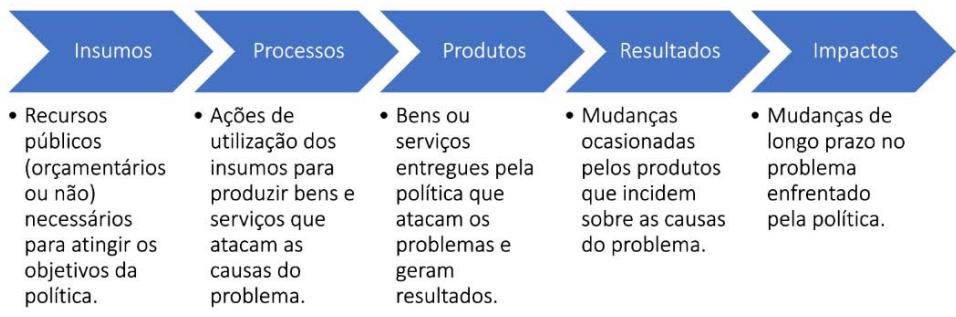 Fonte: adaptado de Presidência da República (2018). Figura 1: Componentes do modelo lógico
### b) Indicadores Relacionados ao Modelo Lógico
A partir do modelo lógico, indicamos os dados a serem monitorados na execução da política pública e que permitem avaliar seu desempenho e identificar possíveis pontos de melhoria. Esses dados são os indicadores da política. O segundo passo da avaliação do desenho é, portanto, mapear esses indicadores, analisar como eles são monitorados e como evoluíram ao longo da execução da política.
Para serem úteis, os indicadores de uma política precisam ser específicos (de fácil explicação), mensuráveis (podem ser observados), atingíveis (realistas no contexto da política), relevantes (condizentes com o modelo lógico) e temporalmente definíveis (permitem monitoramento periódico). Cada estágio da política pública deve possuir um conjunto de indicadores que atendam a esses critérios. Idealmente, eles deveriam ser definidos antes a política comece a ser implementada (etapa ex-ante da avaliação). Caso eles não tenham sido previamente definidos, cabe ao avaliador da política indicá-los.
### c) Análise da Teoria do Programa
Os dois primeiros passos da avaliação nos permitem chegar à teoria do programa, uma ferramenta
analítica que apresenta o contexto no qual a política foi formulada. Nessa etapa, buscamos levantar as premissas, hipóteses, motivações, expectativas e demais fatores que levaram à formulação da política pública em estudo. Também analisamos os mecanismos escolhidos para se promover a mudança buscada pela intervenção estatal—por isso a teoria do programa também é conhecida como teoria da mudança.
O contexto em que uma política foi formulada diz muito sobre as escolhas em relação ao seu desenho, que por sua vez impactam nos erros e acertos da intervenção estatal. O modelo lógico formulado nas etapas iniciais da avaliação nos fornece as informações necessárias para testarmos as hipóteses e o nexo causal entre as diversas etapas da política, o que nos ajuda a explicar por que os objetivos (produtos, resultados e impactos) da intervenção estão ou não estão sendo alcançados. Fatores externos também podem influenciar no sucesso ou insucesso de uma política e, por isso, também devem ser identificados nessa etapa da avaliação. Essa é uma das hipóteses do presente estudo, como veremos mais à frente.
### d)Identificação de Falhas e Erros no Desenho
No quarto passo da avaliação de desenho, consolidamos os nossos achados nos passos anteriores apontando as falhas e erros no desenho da política. De acordo com o guia de avaliação de políticas públicas do Departamento de Finanças do governo britânico (Reino Unido, 2011), desenhos equivocados de uma política podem causar efeitos não planejados e resultados não intencionais. Uma mesma política pública pode apresentar uma combinação de diversos efeitos negativos quando da sua execução, portanto a avaliação do desenho dessa política deve permitir verificar se esses riscos foram considerados pelos formuladores e que mecanismos foram definidos para evitá-los.
Para isso, é importante analisar em detalhes aspectos da política como a definição e identificação da população elegível, a forma e critérios de acesso, o seu arranjo institucional, o nível de prioridade dado pelo governo e demais atores interessados, a disponibilidade de recursos e incentivos necessários para sua implementação e os mecanismos de controle da execução. A partir desse exercício, os avaliadores são capazes de apontar com precisão os erros e falhas no desenho da política, o que dá suporte para a última fase da avaliação.
### e) Recomendações de Melhorias no Desenho
A última fase da avaliação de desenho nada mais é que a consolidação e sistematização dos achados de todas as etapas anteriores na forma de sugestões para aprimorar o desenho da política pública de interesse. As recomendações devem focar nos
pontos com maior influência sobre eventuais resultados negativos ou efeitos não esperados da política.
Esses efeitos podem ser sentidos em momentos distintos da execução da política pública e por grupos diferentes de interessados, o que tende a dificultar um diagnóstico preciso sobre os problemas a serem resolvidos pelos formuladores ou revisores governamentais. A vantagem da metodologia que ora apresentamos é justamente oferecer uma visão simplificada e didática da intervenção, o que facilita a comunicação e o debate sobre ajustes, continuidade ou descarte de políticas.
A avaliação do desenho, nesse sentido, não envolve apenas apontar erros, mas também propor soluções e apoiar as decisões governamentais futuras sobre as políticas de interesse. Essa é a contribuição que pretendemos deixar em relação ao fundo de universalização brasileiro.
## IV. A AvalIaÇÃo dE DEseNho dO Fust
Com base na metodologia apresentada na seção anterior e na legislação do Fust, passemos agora a analisar o desenho dessa política pública.
### a)Revisão do Modelo Lógico do Fust
Como o modelo Íógico dessa política pública não foi disponibilizado durante a formulação do Fust, construiremos um modelo próprio a partir da sua legislação mais recente. Ele servirá de base para nossa avaliação. A Tabela 1 apresenta o modelo lógico dividido pelos componentes sugeridos na nossa metodologia.
Tabela 1: Modelo lógico do Fust
<table><tr><td>Problemas</td><td>Insumos</td><td>Processos</td><td>Produtos</td><td>Resultados</td><td>Impactos</td></tr><tr><td>I - Os serviços de Telecomunicações não está disponible para toda a population.</td><td>I - Recursos Públicos orçamentários.</td><td>I - Arrecadação dos recursos do fundo.</td><td>I - Projetos executados com recursosproprios de entreprises contribuentes do Fust (renúncia de receita).</td><td>I - Expansão, uso e melhoria da qualida dadas redes.</td><td>I - Universalização dos serviços de telecomunicações.</td></tr><tr><td>II - Existem regions sobre a exploração dos serviços não gera incentivos econômicos para investimentos pela iniciativa privada.</td><td>II - Recursos regulátrios e de fiscalização da Anatel (outorgas, concessions, autorações, muitas eindenizações).</td><td>II - Disponibilização orçamentária dos recursos.</td><td>II - Projetos de ampliação do acesso de escolas Púbicas à banda larga (investimentos diretos).</td><td>II - Expansão, uso e melhoria dos serviços de telecomunicações.</td><td>II - Reduição das desigualdades regionais noAceço às Telecomunicações.</td></tr><tr><td></td><td>III - Receita bruta das prestadores de serviços de Telecomunicações.</td><td>III - Apresentação dos projetos ao comité gestor.</td><td>III - Projetos de expansão e melhoria da connectividade e de inclusão digital (investimentos diretos).</td><td>III - Expansão, uso e melhoria da banda larga nas escolas Púbicas.</td><td>III - Reduição das desigualdades sociais noAceço às Telecomunicações.</td></tr><tr><td></td><td>IV - Doações.</td><td>IV - Aproiação e seleção dos projetos pelo comité gestor.</td><td>IV - Financiamenti a projetos de expansão, uso e melhoria da qualida das redes e dos serviços de telecomunicações (linhas de��).</td><td>IV - Ampliação da digitalização dos serviços Públicos.</td><td></td></tr><tr><td></td><td></td><td>V - Aplicação dos recursos e accompanying datas operações.</td><td></td><td>V - Desenvolvimento e adoção de novas technologias de connectividade.</td><td></td></tr><tr><td></td><td></td><td>VI - Avaliação dos resultados.</td><td></td><td></td><td></td></tr></table>
De acordo com a lei de criação do Fust (Lei ${\mathsf n} ^ {\circ}$ 9.998, de 2000), o fundo tem a finalidade de estimular a expansão, o uso e a melhoria da qualidade das redes e dos serviços de telecomunicações, reduzir as desigualdades regionais e estimular o uso e o desenvolvimento de novas tecnologias de conectividade para promoção do desenvolvimento econômico e social.
Ele foi criado, por comando da Lei Geral de Telecomunicações LGT (Lei $\mathsf {n} ^ {\mathrm{o}} \ 9.472$, de 1997), para suprir a esperada falta de recursos para atender ao objetivo de universalização dos serviços. O legislador, quando da construção do arcabouço regulatório do setor, já previa que parte dos recursos que fossem aplicados para expandir o acesso aos serviços não poderia ser recuperado pela exploração eficiente dos serviços. Ou seja, algumas regiões do país não ofereceriam incentivos econômicos suficientes para realização de investimentos em telecomunicações.
Nesse sentido, o Fust busca recursos de diversas fontes, detalhados na Tabela 1 como insumos. Desde sua criação o principal insumo é a contribuição de um por cento $(1\%)$ sobre a Receita Operacional Bruta (ROB) decorrente da prestação de serviços de telecomunicações nos regimes público e privado.
A operacionalização do fundo se inicia com a parte de arrecadação dos recursos e posterior disponibilização orçamentária dos valores na Lei Orçamentária Anual (LOA). Levando em consideração esses valores, o comitê gestor do fundo fica responsável por recepcionar e selecionar projetos que visam atender aos objetivos do fundo. Somente após passarem pelo comitê gestor, os recursos são efetivamente liberados e os projetos iniciados. Também cabe ao comitê gestor fiscalizar a aplicação e avaliar os resultados dos projetos aprovados.
Os produtos esperados desses processos são programas, projetos, planos, atividades e ações voltados a serviços de telecomunicações, seja para ampliar a infraestrutura, a cobertura, os acessos ou as tecnologias disponíveis. Essas iniciativas são viabilizadas por meio dos projetos aprovados pelo comitê gestor, que podem ser executados no formato
de renúncia de receita (quando são utilizados recursos próprios das empresas contribuintes do Fust), investimentos diretos do governo ou financiamentos (por meio dos agentes financeiros cadastrados para operar recursos do fundo).
O objetivo dos projetos é ampliar a qualidade de todo o ecossistema de telecomunicações do país, levar banda larga para as escolas públicas, ampliar a digitalização dos serviços e estimular o desenvolvimento e adoção de novas tecnologias de conectividade. O impacto final dos investimentos apoiados pelo fundo é atingir a universalização dos serviços de telecomunicações no país. Além disso, espera-se reduzir as desigualdades regionais e sociais de acesso da população à banda larga.
Como é sabido, o maior problema da política é a falta de aplicação dos seus recursos na finalidade para a qual ele o fundo foi criado. Nesse sentido, temos uma falha de processo, mais especificamente, uma falha na disponibilização orçamentária dos recursos do Fust. Isso compromete todas as demais etapas da política, as quais dependem desses recursos para serem implementadas. Garantir a efetiva utilização dos recursos é, portanto, a primeira iniciativa para melhorar o desempenho do Fust. A partir de 2022, com a primeira disponibilização efetiva de recursos, é importante começar a avaliar os demais componentes do desenho da política. Vamos discuti-los nas etapas seguintes da avaliação.
### b) Indicadores Relacionados ao Modelo Lógico do Fust
Segundo a Presidência da República (BRASIL, 2018), deve haver um conjunto de indicadores disponível para cada estágio da política, os quais idealmente deveriam ser fixados na etapa de formulação.
Segundo a legislação e regulamentação do Fust, cabe à Agência Nacional de Telecomunicações (Anatel) elaborar e propor planos de metas para universalização de serviços de telecomunicações. A partir dessas diretrizes e do modelo lógico do programa, podemos traçar alguns indicadores para cada etapa dessa política, buscando medir o
desenvolvimento e desempenho da política em relação aos seus objetivos gerais e específicos. Também aproveitamos o planejamento orçamentário do Fust no Plano Plurianual (PPA) e na Lei Orçamentária Anual (LOA).
Considerando que os gestores públicos têm buscado nos últimos anos promover aprimoramentos na política e já iniciaram as primeiras disponibilizações de recursos, os indicadores mais relevantes de monitoramento passam a ser aqueles relacionados aos resultados e impactos. Ou seja, a atenção deve estar focada em expandir as redes e os serviços de telecomunicações e reduzir as deficiências em termo de cobertura, tanto no nível territorial (regiões sem acesso), quanto social (estratos sociais sem acesso). Isso, porém, não tem sido medido ao longo dos anos, pelo simples fato de que nenhum recurso havia sido liberado até 2022 e, portanto, não houve nenhum resultado ou impacto a ser analisado.
Em relação aos demais indicadores, a Lei Orçamentária Anual permite o monitoramento das ações orçamentárias do Fust, contemplando boa parte dos dados quantitativos necessários para a avaliação. Em relação aos detalhes mais qualitativos das iniciativas apoiadas e de seus resultados, sugere-se o monitoramento e disponibilização de dados públicos pela Anatel sobre as redes de telecomunicações e
usuários dos serviços e pelo comitê gestor do fundo em relação a projetos apresentados e aprovados.
No primeiro caso, OS dados são disponibilizados pelo Plano Estrutural de Redes de Telecomunicações (PERT), enquanto os dados sobre projetos apresentados e aprovados ainda precisam ser disponibilizados em páginas dedicadas ao Fust nos portais do Ministério das Comunicações e da Anatel.
Adicionalmente, pesquisas nacionais a cargo do IBGE e do Centro Regional de Estudos para o Desenvolvimento da Sociedade da Informação (Cetic.br), a exemplo da Pesquisa Nacional por Amostragem de Domicílios (PNAD) e a TIC Domicílios, também são grandes fontes de informação para medir impacto das ações de universalização.
Um desafio relevante em relação ao monitoramento e avaliação dos resultados e impactos do Fust é isolar o papel do fundo nos números medidos anualmente pelos órgãos citados acima. Como investimentos em redes e serviços de telecomunicações ocorrem anualmente com recursos públicos e privados de outras fontes, é possível que eventuais valores investidos pelo Fust expliquem apenas parte dos resultados alcançados—o que poderia ser considerado um efeito de peso morto (discutido na seção 4.1 deste estudo).
A sugestão de indicadores para cada etapa da política é apresentada na tabela 2 a seguir.
Tabela 2: Indicadores associados ao Fust
<table><tr><td>Componentes da política</td><td>Descrição/Objetivo</td><td>Indicadores</td></tr><tr><td>Insumos</td><td>Monitorar os recursos Públicos arrecadados para o Fust.</td><td>1) Arrecadação anual do fundo para cada tipo de receita.</td></tr><tr><td>Processos</td><td>Acompanhar as etapas de disponibilização e aplicação dos recursos do Fust.</td><td>2) Valores anuais disponibilizados no orçamento para aplicação.3) Quantidade,价值观es e caractéristicas dos projetospresentados anually ao comité gestor do Fundo.4) Quantidade,价值观es e caractéristicas dos projetosaprovados anually pelo comité gestor do Fundo.5) Valores anuais executados pelos projetos avalados pelo comité gestor do Fundo.</td></tr><tr><td>Produtos</td><td>Registrar asções viabilizadas com recursos do Fust.</td><td>6) Quantidade, valore e caractéristicas de projetos de renúncia de receita apoiados anuallymene.7) Quantidade, valore e caractéristicas de projetos de ampliação doAceço de escolas Púbicas à banda larga apoiados anuallymene.8) Quantidade, valore e caractéristicas de projetos de expansão e melhoria da conectividade e de inclusão digital apoiados anuallymene.9) Quantidade, valore e caractéristicas de financiamenti aprovos para projetos de expansão, uso e melhoria da qualida das redes e dos serviços de telecomunicações.</td></tr><tr><td>Resultados</td><td>Medir quantitativamente e qualitativamente os resultados dos produits do Fust para cada目標o da política.</td><td>10) Dados sobre as redes de telecomunicações criadas ou expandidas com apoio do Fust.11) Dados sobre os serviços de telecomunicações criados ou expandidos com apoio do Fust.12) Dados sobre redes de banda larga em escolas Púbicas criadas ou melhoradas com apoio do Fust.13) Dados sobre digitalização de serviços Públicos realizada com apoio do Fust.14) Dados sobre desenvolvimento e difusão de novas Tecnologias de telecomunicações apoiadas pelo Fust.</td></tr><tr><td>Impactos</td><td>Medir avanço da disponibilitadedecesso à banda larga por região, TECHNOLOGY e usuários atendidos.</td><td>15) Taxa de cobertura deAceço à internet no País por região, localidade e Tecnologia.16) Quantidade de usuários de internet por região, localidade, TECHNOLOGY e caractéristicas sociais.</td></tr></table>
### c)Análise da Teoria do Programa do Fust
Após analisar o modelo lógico e os indicadores, passemos a identificar e avaliar a teoria do programa, que contempla as premissas, as hipóteses, os mecanismos de mudança, os riscos e o contexto em que a política pública é executada. Nosso objetivo nessa etapa é entender a lógica causal do desenho do Fust e responder se os insumos e processos definidos
para o fundo fazem sentido em relação aos produtos, resultados e impactos planejados.
Com base na legislação e informações disponíveis sobre o Fust, a esquematização da teoria do programa pode ser representada pela figura 2 a seguir. O Fust baseia-se na hipótese de que a universalização dos serviços de telecomunicações não será alcançada no livre mercado. Ou seja, é necessária
a intervenção estatal nesse mercado para garantir que não existirão áreas ou grupos populacionais sem acesso a esses serviços.
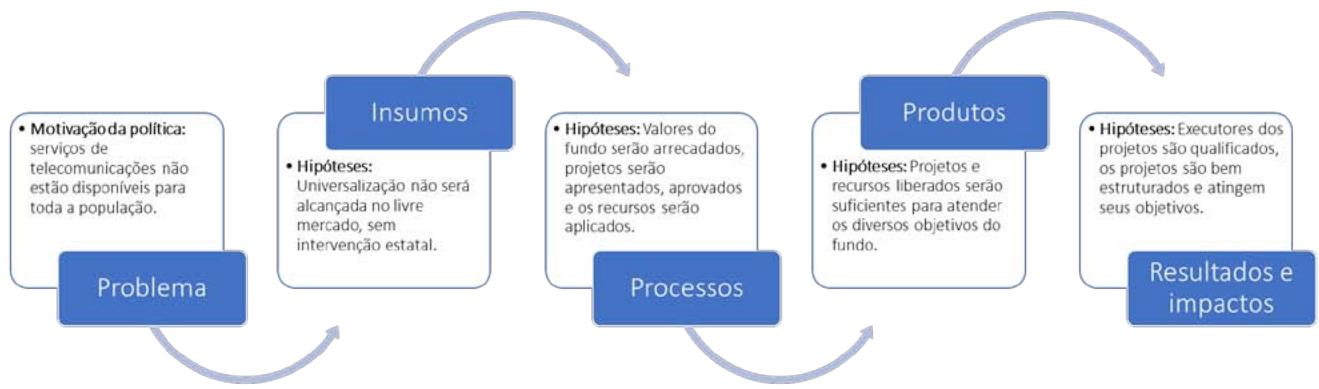 Figura 2: Teoria do programa do Fust Fonte: Elaboração própria.
A expectativa governamental é que a disponibilização de recursos públicos para projetos de universalização possa reduzir as desigualdades de acesso aos serviços de telecomunicações. Assim, a teoria do programa pode ser resumida da seguinte forma: se houver recursos públicos disponíveis para investimentos em universalização, será possível apoiar projetos, ações e iniciativas para expandir e melhorar a infraestrutura e os serviços de telecomunicações, conectar escolas públicas, ampliar a digitalização dos serviços públicos, desenvolver e adotar novas tecnologias de conectividade, o que ao final contribuirá para a redução das desigualdades regionais e sociais no acesso às telecomunicações e para a universalização desses serviços no país.
Para que essa lógica funcione, uma das primeiras hipóteses a serem atendidas é que o governo seja capaz de arrecadar os valores ao fundo e disponibilizá-los no orçamento para investimento—é justamente nesse ponto que o programa falhou nos primeiros 22 anos de existência. Apesar de os valores definidos na legislação serem arrecadados anualmente para o fundo, eles não foram disponibilizados para aplicação até 2022.
Nesse sentido, a evolução da infraestrutura e a expansão dos serviços de telecomunicações no Brasil se deram, desde a privatização do setor no final da década de 90, sem os recursos do Fust. Desde então, as disparidades regionais e sociais foram reduzidas, mas seguem sendo um problema para a universalização dos serviços.
Isso justifica a existência de um fundo de universalização, mas a política não tem sido efetiva e o fundo na prática não vinha sendo utilizado até recentemente. Buscando contornar esse problema, ao invés de alterar a sistemática de operacionalização orçamentária do Fust, o governo e a Anatel recorreram nos últimos anos a outras soluções de universalização.
Entre elas os leilões para concessão de frequências de telefonia móvel.
Um exemplo foi o leilão para implantação de redes de quinta geração (5G), realizado em junho de 2021. Conduzido pela Anatel, o leilão arrecadou $\mathsf {R} \$ \mathbb {\Phi}$ 46,7 bilhões que em sua maior parte foi destinado a obrigações de investimento das empresas vencedoras—o chamado leilão não-arrecadatório. Além de levar infraestrutura e sinal de 5G para todas as regiões do país, as empresas também se comprometeram a conectar escolas, rodovias e regiões remotas com outras tecnologias como 4G e fibra ótica.
Ou seja, na falta dos recursos do Fust, o leilão do 5G (ou outras frequências) passou a ser uma alternativa de política de universalização de infraestrutura e serviços de telecomunicações. No cenário atual, portanto, essas políticas passam a competir, o que dificulta a avaliação de impacto de cada uma e podem gerar o problema de peso morto, ou seja, quando os resultados da política ocorreriam de qualquer forma, independentemente da intervenção.
O decreto de regulamentação do Fust (BRASIL, 2022) se atenta para esse risco ao impedir o financiamento de projetos cuja execução seja imposta por atos regulatórios ou políticas públicas aos quais a entidade interessada esteja submetida ou que sejam redundantes em relação a compromissos assumidos pela entidade interessada em decorrência de outras ações regulatórias da Anatel ou de outras iniciativas em âmbito federal, estadual, distrital ou municipal. Projetos economicamente viáveis também são impedidos de receberem recursos do Fust.
Seguindo as etapas da teoria do programa, após a disponibilização dos recursos, o conselho gestor do Fust (CG-Fust) precisa receber e aprovar projetos que atendam aos objetivos do programa. Nesse aspecto é preciso haver interesse da iniciativa privada e de órgãos públicos autorizados pleitearem
recursos do Fust. Os projetos apresentados também precisam ser bem estruturados para terem o aval do conselho gestor.
Por meio de resoluções e acórdãos, o CG-Fust disciplina a aplicação de recursos do fundo em programas, projetos, planos, atividades, iniciativas e
ações compatíveis com os objetivos e finalidades do Fust. De acordo com essas disposições, o fundo conta atualmente com dois programas, que orientam a apresentação de projetos para acessar seus recursos. Os detalhes desses programas estão descritos na Tabela 3.
Tabela 3: Programas aprovados para o Fust
<table><tr><td>Programa</td><td>Subprograma</td><td>Modalidades</td></tr><tr><td rowspan="2">1. Amplação do accesso de escolas Púbicas à internet em banda larga</td><td>1.1. Conectividade de escolas Púbicas urbanas</td><td>Não reembolsível, reembolsível e garantia</td></tr><tr><td>1.2. Conectividade de escolas Púbicas rurais</td><td>Não reembolsível, reembolsível e garantia</td></tr><tr><td rowspan="7">2. Projetos de Expansão, de Uso e de Melhoria das Redes e dos Serviços de Telecomunicações</td><td>2.1. Expandir a cobertura do Serviço Móvel Pessoal (SMP), com Tecnologia 4G ou superior, em和地区 rurais sem atendimento</td><td>Não reembolsível, reembolsível e garantia</td></tr><tr><td>2.2. Expandir a cobertura do的服务o molevel pessoal (SMP), com Tecnologia 4G ou superior, em和地区 urbanas sem atendimento</td><td>Não reembolsível, reembolsível e garantia</td></tr><tr><td>2.3. Expandir a cobertura do的服务o molevel pessoal (SMP), com Tecnologia 4G ou superior, nas rodovias estaduais brasiléiras sem atendimento</td><td>Não reembolsível, reembolsível e garantia</td></tr><tr><td>2.4. Expandir a infraestrutura rede de transporte de alta capacidade, com Tecnologia de fibra optica, em@municipios ou setores censitários</td><td>Não reembolsível, reembolsível e garantia</td></tr><tr><td>2.5. Expandir a infraestrutura de rede de acesso de alta capacidade, inclusive as redes metropolitanas, em@municipios ou setores censitários</td><td>Não reembolsível, reembolsível e garantia</td></tr><tr><td>2.6. Conectar pontos Públicos de interesse à internet em banda larga</td><td>Não reembolsível, reembolsível e garantia</td></tr><tr><td>2.7. Promover a concentricidade de pessoas em situação de vulnerabilité social por meio de subsídios</td><td>Não reembolsível, reembolsível e garantia</td></tr></table>
Nesse ponto, a atualização de desenho do Fust realizada em 2020 foi bem-vinda, uma vez que atacou diversos pontos problemáticos da legislação anterior. Primeiro, tornou prioridade a busca por universalização da internet, abandonando investimentos em telefonia fixa. Também ficou claro nas regras atuais que o programa vai fomentar não apenas a oferta (infraestrutura), mas também a demanda de serviços de telecomunicações. Outro destaque foi a atualização das modalidades de aplicação de recursos, que incluíram investimentos diretos (não-reembolsáveis), recursos reembolsáveis (financiamentos) e garantia (segurança para a ampliação do crédito). As decisões seguem boas práticas apontadas pela literatura discutida na seção 2.
Para avaliar como os produtos esperados para o programa estão refletidos no desenho do Fust, devemos olhar para as iniciativas definidas como prioritárias pelo CG-Fust, ou seja, o detalhamento dos
programas criados no âmbito do fundo (ver Tabela ). As escolhas dos gestores foram, em sua maioria, condizentes com o modelo lógico da política. Todavia, a busca por resultados em relação à ampliação da digitalização dos serviços públicos e desenvolvimento e adoção de novas tecnologias de conectividade parece ter sido pouco explorada.
Os recursos disponibilizados também precisam ser suficientes para atenderem aos objetivos do fundo. Nesse aspecto, dada a quantidade de ações possíveis e as prioridades definidas pelo CG-Fust, podem faltar recursos para entregar todas as iniciativas pretendidas. Não há uma hierarquia definida entre os projetos a serem apoiados pelo fundo e algumas das ações podem sozinhas tomarem todos os recursos disponíveis.
Um exemplo é o projeto intitulado Bolsa Conectividade, incluído no Caderno de Projetos do CG-Fust para 2023 (BRASIL, 2023). Seu objetivo é
promover desconto em planos de serviços de telecomunicações para famílias cadastradas no Cadastro Único para Programas Sociais do Governo Federal (CadÚnico) e que participam do programa de transferência de renda, Auxílio Brasil. Segundo a referência para métrica de custo do projeto, o custo anual de uma família seria de R$ 600,00. Ocorre que de acordo com dados do governo, mais de 19 milhões de famílias estão na extrema pobreza, sendo necessários mais de 10 vezes o orçamento anual do Fust para atender a todas elas com redução das suas contas de telecomunicações.
Na fase da execução, os programas, projetos, planos, atividades, iniciativas e ações apoiadas pelo fundo precisam ser eficazes e eficientes em atenderem os objetivos do fundo de universalização. Além disso, os resultados alcançados pelos investimentos devem ser capazes de reduzir as desigualdades regionais e sociais, levando à universalização—não adiantaria, por exemplo, expandir e melhorar a infraestrutura e os serviços se eles não atingirem as regiões ou as pessoas que não acessam as tecnologias. Essa parte do desenho ainda é difícil de ser avaliada, na medida que ainda não temos executores definidos nem projetos aprovados no âmbito do fundo.
A respeito dos possíveis executores dos projetos aprovados no âmbito do Fust, vale mencionar que a legislação não delimita critérios para organizações que podem pleitear recursos do fundo, deixando a escolha a cargo do conselho gestor. Segundo a lei do Fust, os investimentos poderão ser executados pela iniciativa privada, por cooperativas, por estabelecimentos públicos de ensino e por escolas sem fins lucrativos que atendam a pessoas com deficiência (BRASIL, 2000).
Já o CG-Fust tampouco define os possíveis executores dos recursos. Esse papel é delegado aos agentes financeiros responsáveis pelos investimentos ou financiamentos—atualmente o BNDES cumpre esse papel. O conselho gestor, no entanto, determina que as seleções de projetos na modalidade não reembolsável devem ser preferencialmente por leilão reverso— quando vence o menor lance para entrega de determinado produto ou serviço—e nas modalidades reembolsáveis e de garantia, a seleção poderá ser por ordem de apresentação de projetos ou outros mecanismos que considerem critérios competitivos.
### d) Identificação de Falhas e Erros no Desenho do Fust
Consolidando as \_reflexões das etapas anteriores da avaliação do Fust, podemos confirmar uma das hipóteses deste estudo, de que o principal gargalo no desenho do programa diz respeito à disponibilização dos recursos arrecadados pelo fundo. As mudanças recentes na legislação e, principalmente, a disposição governamental em instalar e fazer funcionar o conselho gestor do programa favoreceram a primeira utilização dos recursos em 22 anos do fundo. No entanto, a natureza discricionária das despesas do programa—que dão ao governo a liberdade de decidir sobre aplicar ou não seus recursos na finalidade inicial—tornam sua efetividade muito dependente da vontade política.
Um segundo problema percebido em relação ao desenho é o risco do efeito conhecido como peso morto, quando os resultados de uma política tendem a ocorrer de qualquer forma, independentemente da intervenção. O fato de nenhuma ação efetiva ter sido implementada desde a sua criação levaram os gestores públicos e os agentes desse mercado a buscarem outras alternativas para lidar com a universalização dos serviços de telecomunicações. Um desafio que se coloca atualmente para o Fust é justamente encontrar espaço de implementação para os seus recursos que não conflitem com outras políticas públicas e ações governamentais em curso, a exemplo dos compromissos do leilão do 5G.
Em relação à população elegível do programa, faltam critérios mais claros sobre quais podem ser os executores dos recursos e como eles são selecionados. A discricionariedade delegada aos agentes financeiros do programa pode trazer fragilidades e distorções na seleção de projetos a serem apoiados. Há ainda o risco de os critérios de seleção serem diferentes entre diferentes agentes ou regiões do país.
Em relação aos resultados esperados para o fundo, um ponto de atenção é em relação ao objetivo de se estimular a digitalização de serviços públicos e o desenvolvimento de novas tecnologias de conectividade. Apesar desses objetivos estarem contidos na legislação do fundo, eles foram pouco explorados nas prioridades definidas pelo CG-Fust. Não há clareza se esses serão desdobramentos secundários das ações de universalização ou se os recursos do fundo poderão ser aplicados diretamente em ações que busquem esses resultados.
Sobre o ambiente institucional da política, os diversos órgãos participantes do conselho gestor parecem ter atuado em harmonia desde a instalação do CG-Fust, porém as informações sobre o funcionamento, as ações e os resultados do fundo são de difícil acesso pela sociedade, estando espalhadas entre os portais do Ministério das Comunicações e da Anatel e sem uma aparente centralização na comunicação. Isso dificulta o monitoramento e o controle da política.
Ainda sobre esse tema, não está claro como se dará o monitoramento em relação aos projetos aprovados e executados por meio de recursos do fundo. Os relatórios anuais de gestão com avaliação dos resultados do programa, previstos na legislação, não foram disponibilizados até o momento. Falta atenção à definição e ao monitoramento de indicadores da política, que possam ajudar a medir as entregas, resultados e impactos das ações do fundo. Novamente, as informações são insuficientes e dispersas nesse ponto.
Em relação aos incentivos do desenho do Fust, um possível problema é a falta de recursos disponíveis para atender na totalidade aos programas desenhados pelo comitê gestor. Em especial nas ações de incentivos à demanda de serviços, os valores tendem a ser insuficientes para promoverem uma grande diferença na população alvo. O fator tempo também é um complicador nesse tipo de ação, uma vez que politicamente é bastante difícil criar um desconto temporário para serviços com demanda permanente, como é o caso das telecomunicações. Por esse motivo, alguns dos programas criados no âmbito do fundo podem ter um alcance muito limitado ou não estimularem a apresentação de projetos por possíveis executores.
## V. REsultados e REcomendaÇÕes
Como vimos na seção 2, as experiências internacionais trazem evidências de que a utilização de fundos de universalização é uma prática comum para atacar o problema do acesso a serviços de telecomunicações. A forma de arrecadação dos recursos também é condizente com as experiências avaliadas ao redor do mundo. Ademais, o atual desenho do Fust, que permite investimentos tanto em infraestrutura como no fomento à demanda por serviços, ataca os dois principais entraves ao acesso às telecomunicações observados pela literatura.
A última atualização das regras do Fust também trouxe aprimoramentos importantes à sua governança, com a inclusão de novos atores, públicos e privados, nas decisões do fundo e a criação de uma coordenação entre eles que permitiu avanços em termos de priorização e definição de regras para a aplicação dos recursos. Esse movimento também ajudou no fortalecimento político do tema na agenda governamental, proporcionando a primeira transferência efetiva de recursos do Fust para apoiar seus primeiros projetos depois de duas décadas de existência.
Entre os principais desafios ainda enfrentados pela política pública, destacamos a falta de segurança na disponibilização perene dos valores arrecadados, devido às regras orçamentárias aplicadas a esses recursos, e as incertezas na migração de investimentos exclusivos em infraestrutura para a inclusão do fomento à demanda entre seus objetivos. E esses dois desafios estão conectados, uma vez que a fragilidade orçamentária aumenta os riscos dos investimentos focados na demanda.
Nesse sentido, uma das recomendações ao desenho do Fust é buscar criar mecanismos mais restritivos em relação à utilização de seus recursos em ações que fogem aos objetivos dessa política. O papel do conselho gestor é fundamental também para dar poder de agenda e capital político aos objetivos perseguidos por essa política. Cabe, portanto, ao governo manter o CG-Fust ativo e atuante.
Outra recomendação referente à disponibilidade de recursos é abrir uma discussão sobre a possibilidade de novas fontes de arrecadação ou da combinação de ações com outros projetos e políticas públicas. Impactos mais significativos em relação às desigualdades sociais no acesso a serviços de conectividade dificilmente serão superadas com os valores disponibilizados atualmente pelo Fust.
Sobre o processo de priorização de iniciativas a serem apoiadas, sugere-se dar mais clareza aos critérios de seleção de projetos e de possíveis beneficiários dos recursos do fundo. Esses critérios devem conversar com os impactos de longo prazo pretendidos pela política, principalmente no tocante à redução das desigualdades regionais e sociais no acesso às telecomunicações.
Em relação ao monitoramento e controle, sugere-se uma reformulação no plano de comunicação do CG-Fust, incorporando ferramentas tecnológicas mais efetivas para dar transparência à gestão e aos resultados do programa. Também é desejável uma maior aproximação institucional dos gestores do Fust com centros de pesquisa públicos e privados com vistas a ampliar disponibilidade de dados primários e secundários sobre a universalização dos serviços de telecomunicações no país.
## VI. CONcluSÃO
No presente estudo, buscamos analisar uma das políticas públicas brasileiras criadas para alcançar a universalização dos serviços de telecomunicações e que recentemente passou a tratar o acesso à conectividade como sua maior prioridade. O Fust foi criado para reduzir as desigualdades regionais e sociais do país nesse setor, porém vem apresentando resultados decepcionantes desde a sua criação.
Aplicamos uma metodologia de avaliação focada no desenho dessa política pública, buscando primeiramente entender a lógica causal que permeou a formulação da ação governamental. Posteriormente, comparamos essa lógica com as definições apresentadas na legislação, na regulamentação e nas ações implementadas pelo poder público durante a execução da política pública.
Uma contribuição do presente estudo para a literatura do setor foi a estruturação do modelo lógico e da teoria do programa do Fust, ferramentas muito úteis para a avaliação de desenho de uma política pública. Esse exercício não foi feito quando da formulação do fundo, o que impediu uma análise crítica de seu desenho regulatório antes que suas regras fossem colocadas em prática. Nossa estruturação lógica das regras, ferramentas, objetivos e resultados esperados do Fust poderá permitir um melhor monitoramento da execução e avaliação de impacto da política, bem como pode servir como base para estudos futuros sobre o tema.
Também olhamos para as experiências internacionais de programas de universalização estudados pela literatura especializada em diversas partes do mundo, incluindo países desenvolvidos, em desenvolvimento e subdesenvolvidos. Os problemas e recomendações apontados por outros autores nos ajudaram apontar erros e acertos da experiência brasileira.
Nossos principais achados indicam que o Brasil está bem-posicionado em termos de legislação no setor de telecomunicações, repetindo boa parte dos desenhos mais atuais das políticas de universalização. As regras do Fust contemplam preocupações relevantes de países que buscam ampliar a penetração de infraestrutura e serviços de conectividade. O maior desafio está na fase de execução da política pública.
Nesse sentido, o estudo apresenta alguns pontos frágeis do desenho do Fust, que incluem regras pouco rígidas de aplicação dos recursos arrecadados na finalidade do fundo, critérios poucos claros em relação à seleção de projetos a serem apoiados e seus executores, possível falta de recursos necessários para atender os objetivos perseguidos pelos gestores do fundo e dificuldade de acesso às informações necessárias para o monitoramento e avaliação dos resultados do fundo. Apresentamos algumas sugestões que visam aprimorar essas fragilidades, especialmente em relação à disponibilidade de recursos, seleção de projetos e transparência das atividades do Fust.
Em estudos futuros, recomendamos avaliar a execução dos primeiros projetos financiados com recursos do Fust e como os problemas apontados acima foram relevantes para os resultados dessas iniciativas. A falta de casos concretos de investimentos no âmbito do fundo certamente foi uma limitação do presente estudo. Outra pauta interessante é debater o uso de fundos de universalização para fomentar a demanda de serviços de telecomunicações. Essa é a nova fronteira a ser superada pelas políticas públicas de telecomunicações, considerando que as novas tecnologias e investimentos na área tendem a minimizar consideravelmente o problema da disponibilidade, mas não necessariamente o do acesso aos serviços.
[^20]: Brasília, Brasil. e-mail:
[email protected] _(p.1)_