Not a day goes by without news on tv, radio or internet regarding the growing resistance of many Germans against the corona policy of the German government. Recent months show that in Germany, the development of resistance movements against the corona policy of the German government has become a problem. Indeed, there have been types of resistance movements since the beginning of the pandemic in the early 2020, but nowadays, it appears as if resistance movements have massively increased. People meet for walks through cities each Monday to express their resistance and thus, policymakers as well as the police have got a lot of work to ensure and establish order. It could be observed that at the beginning of the pandemic, during the first lockdown in Germany, people’s resistance was more or less directed towards corona mitigation measures such as the lockdown policy. Nowadays, things have changed and people’s resistance is mainly aimed at the restrictions against unvaccinated people and the debate about a general compulsory vaccination for all inhabitants.
## I. CHRONOLOGY OF CORONA POLICY IN THE FEDERAL REPUBLIC OF GERMANY
To get an overview on the German government's corona policy and thus, to better understand resistance movements against the corona policy, the corona mitigation measures are explained in the following, beginning with the first lockdown in March 2020 and ending with the debate on a general compulsory vaccination in January 2022.
In January 2020, the government decided on the so-called "Meldepflicht", which means that people infected with the corona virus have to inform the local health authority. At the beginning of March 2020, the government proposed to cancel all events with more than 1,000 participants, an entry stop for third-country citizens as well as a worldwide travel warning. At March $17^{\text{th}}$, travels in the European Union that are not necessary were restricted and by means of a total lockdown, most shops except supermarkets and drugstores had to close. Also, schools and childcare institutions had to close. These strong restrictions were followed by a limitation of contacts and a quarantine of 14 days for people coming to Germany from abroad.
In April 2020, the first shops with an area of under 800 square meters could re-open, whereas big events still had been forbidden up to the end of August 2020. Wearing mouth and nose masks was urgently suggested and at the end of April, wearing masks in shops and public transport was decided. All contact restrictions have been extended to June 2020, but some relaxing of regulations such as visiting people in hospitals and nursing homes were decided. Schools and childcare institutions could also relax their care offers during pandemic times. During summer 2020, incidences have been quite low, but as autumn arrived, the government had to handle increasing numbers of infected people again. As a result, the government decided the second lockdown, the so-called "lockdown light" in October 2020. This lockdown light was also characterized by many restrictions regarding the public and social life.
As the lockdown light was not successful and incidences increased rapidly, the German government decided another hard lockdown with Germany-wide restrictions – this lockdown was also called the "Bundesnotbremse" in December 2020 and it remained till April 2021. Beginning in June 2021, the "3-G-Regel" was introduced and many events or locations could only be visited if people either were vaccinated, recovered or tested. To get a test, people could visit several institutions such as drugstores or even extra installed test-tents in their hometown. Initially, these tests were free for everybody, but in August 2021, the government decided to stop this free use of testing facilities. In contrast, people should pay for a test.
As one might expect, paying for a test only to get access to shops, restaurants or other events hampered people. Many companies brought cases and courts were flooded with complaints. As a result, the government cancelled the regulation and testing was free again. Additionally, the government decided the so-called "2-G-Regel", which means that specific locations and event can only be visited if people are either vaccinated or recovered. In December 2021, the government again decided on contact restrictions for both, vaccinated and unvaccinated people. In December 2021 and January 2022, the "2-G-Plus-Regel" has been introduced for many areas such as restaurants and swimming baths – this means, that only vaccinated or recovered people can visit such locations, but in contrast to the "2-G-Regel", an additional test is required. Also in January 2022, the quarantine time was shortened, since the government worries about the possibility that many people can be infected with the new corona virus mutation Omikron, which would lead to another crisis for the economy.
One of the most promising strategies to stop the corona pandemic is the vaccination. As the following figure shows, from December 2020 to January 2022, 159 million doses of vaccine could have been given to the German population, whereas approximately 60.6 million people are fully vaccinated.
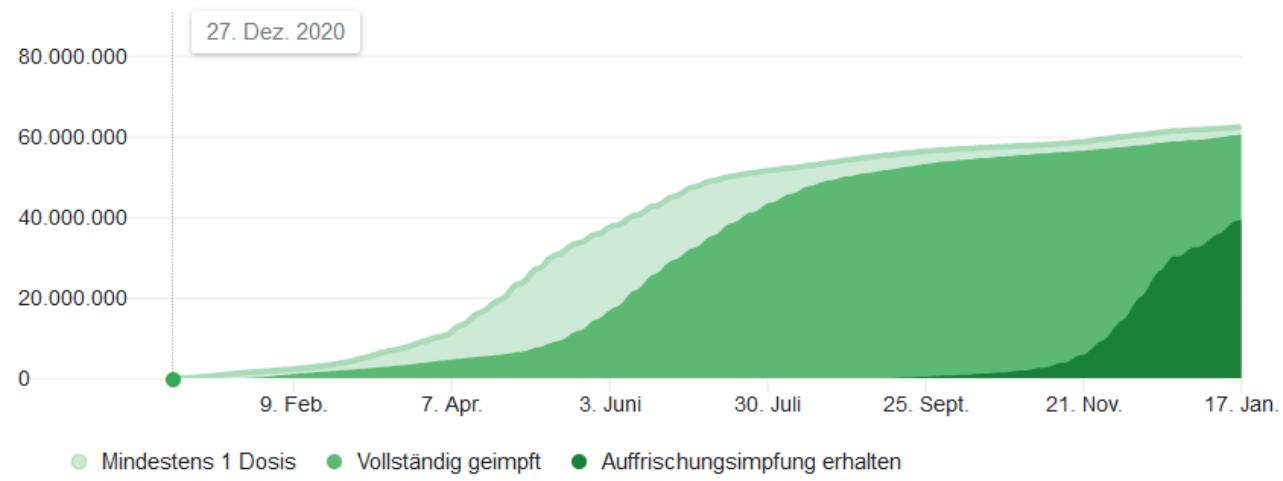 Figure 30: Corona Vaccination in Germany [Our World in Data, 2022, n. p.]
Lu et al. [2021] compared Germany's COVID-19 mitigation strategy with China. The authors state that Germany followed a mitigation strategy, whereas China's goal was to eliminate the spreading of the virus. In the different WHO regions, the corona pandemic shows variable dynamics. In this context, the lowest disease can be observed in the Western-Pacific region, since China was able to significantly eliminate the transmission of SARS-CoV-2. In contrast, Germany and many other countries in America and Europe are still struggling with high numbers of cases, especially in times of the new virus mutation called Omikron. According to Lu et al. [2021], these developments can be traced back to the following aspects:
- Countries' experiences with previous outbreaks of the corona virus
- Countries' classification of the SARS-CoV-2 virus in the highest risk category accompanied with an early implementation of aggressive suppression measures
- Mandatory isolation of contacts and cases in institutions
- Countries' broad implementation of contact tracking technologies
- Countries travel restrictions to prevent a reimportation of the SARS-CoV-2 virus
- Cohesive communities that possess varying levels of social control.
However, restrictions of people's lives in order to fight a further spreading of the corona virus must not solely lead to positive effects. Mass media such as television, radio, newspapers and social media platforms report many demonstrations all across the world, since some people feel massively restricted regarding their fundamental rights. In this context, corona containment strategies such as the one of the Federal Republic of Germany resulted in an emerge of different groups that strive for stopping all corona containment measures. In the following, the development of such resistance movements against governmental corona policies is explained in detail, whereas the focus is on the development of violent rebellion movements in the Federal Republic of Germany.
## II. RESISTANCE MOVEMENT AGAINST CORONA POLICY
Recent months show that in Germany, the development of resistance movements against the corona policy of the German government becomes a problem area. Indeed, there has been types of resistance movements since the beginning of the pandemic, but nowadays, it appears as if resistance movements have massively increased. In connection with the chronology of the German government's corona policy explained previously, it must also be emphasized that corona mitigation measures are not popular with the entire population. Indeed, the major aim of corona mitigation measures is to save people's lives. Nevertheless, for some people, the negative aspects of mitigation measures predominate the positive ones.
In this context, Moser et al. [2020] concentrated on years of life lost due to the psychosocial consequences of COVID-19 mitigation strategies.
According to the authors, governments are forced to implement social mitigation measures to reduce mortality and morbidity. However, these strategies carry significant risks for people's mental health – this again might lead to short- and long-term mortality. Moser et al. [2020] state that impacts like this are not considered in modeling the pandemic's impact. Due to this, the authors used the so-called years of life lost (YLL) and focused on influencing factors such as depression, childhood trauma, domestic violence, suicide, alcohol use disorder, social isolation and changes in marital status. These influencing factors are referred to increase the YLL, since they all came up with a restriction in the freedom of movement and social contact. Moser et al. [2020] came to the conclusion that an average person suffers 0.205 YLL due to the psychological consequences of the corona mitigation measures.
Other scientists such as Akseer et al. [2020] state that the corona pandemic globally ravages both health and economic metrics, which also includes progresses in terms of maternal and child nutrition. As a consequence of COVID-19, impacts on the coverage of essential interventions, poverty, and the access to nutritious foods can be observed. In this context, incomes, social protection, food systems as well as health care services are somehow affected by the corona pandemic. Also, many experts raise concerns regarding the effects of lockdowns on the health of children. The German Ärzteblatt for instance emphasizes that the corona mitigation measures of the German government and hereby especially the limitation of contacts by closing school, sports clubs and leisure and culture facilities for children and adolescents have resulted in severe problems. In concrete this means that corona mitigation measures negatively affect the health of children and adolescents [Ärzteblatt, 2021]. Child and youth psychotherapists report a massive run on treatment units. Children explain that they feel isolated, have problems with learning, self-organizing and knowledge acquiring, which results from homeschooling. Associated with this issue, children report that they suffer from anxiety not to be able to perform good at school. Additionally, therapists can observe that children draw back, suffer from mood swings, show depressive symptoms, anxiety states and intense their media consumption. Some children even deal with death, which strengthens their anxiety about the future [Ärzteblatt, 2021].
Other studies such as the COPSY-Study of the Universitatsklinikum Hamburg-Eppendorf (UKE) report that every third child shows anomalies in terms of psychological burden, based on the contact restrictions. Ravens-Sieberer et al. [2021] focused on the impact of the corona mitigation strategy on mental health and life quality of children and adolescents in Germany. The authors emphasize that the corona pandemic has affected the lives of 1.6 billion children and adolescents.
Studies from India, China, the US, Brazil, Italy and Spain have already shown the negative impacts of mitigation measures on the mental health of children.
Ravens-Sieberer et al. [2021] investigated the corona pandemic's impact on the mental health of children and adolescents as well as the health-related quality of life (HRQoL) in Germany. The authors conducted an online survey of 1,586 families with children in the age of between 7 and 17 years to measure HRQoL, mental health problems, anxiety as well as depression. The results were then compared with the data of a survey that was conducted in Germany. According to the results, it can be stated that two thirds of the participated children and adolescents feel extremely burdened by the corona pandemic. In this context, their HRQoL decreased from 40.2 percent before the pandemic to 15.3 percent during the pandemic. Additionally, an increase in mental health problems could be observed (from 9.9 percent to 17.8 percent). Children and adolescents also reported higher anxiety levels (from 14.9 to 24.1 percent). Regarding the second hypothesis, it can be stated that children with migration background, a low socioeconomic status, and limited living space are negatively affected significantly more. [Ravens-Sieberer et al., 2021].
To summarize the academic publications on the topic "effects of the corona mitigation measures", it can stated that mitigation measures do not only avoid the spreading of the virus. They also affect many other areas of life such as mental health and the economic situation.
The development of resistance movements against corona policies thus can also be seen as people's response to many uncertainties as well as to the negative effects of the corona policy. A survey conducted in the Federal Republic of Germany from March 2021 shows that more than two third of the population is not satisfied with the government's corona management. In detail,
- 65 percent are dissatisfied with the government's justification of the corona measures,
- 66 percent are dissatisfied with the supply and the use of corona rapid tests,
- 73 percent are dissatisfied with the government's organization of the corona vaccinations,
- 67 percent are dissatisfied with the government's organization of the school operation and childcare opportunities,
- 69 percent are dissatisfied with the government's corona aid for the economy and self-employed people and
- 74 percent are dissatisfied with the government's efforts to procurement of vaccines against the corona virus. [Scholz, 2021, n. p.]
In connection with people's acceptance with corona mitigation measures, the following figure shows people's agreement with different mitigation measures.
The survey has been conducted between March and July 2020 with a total of 3,600 participants.
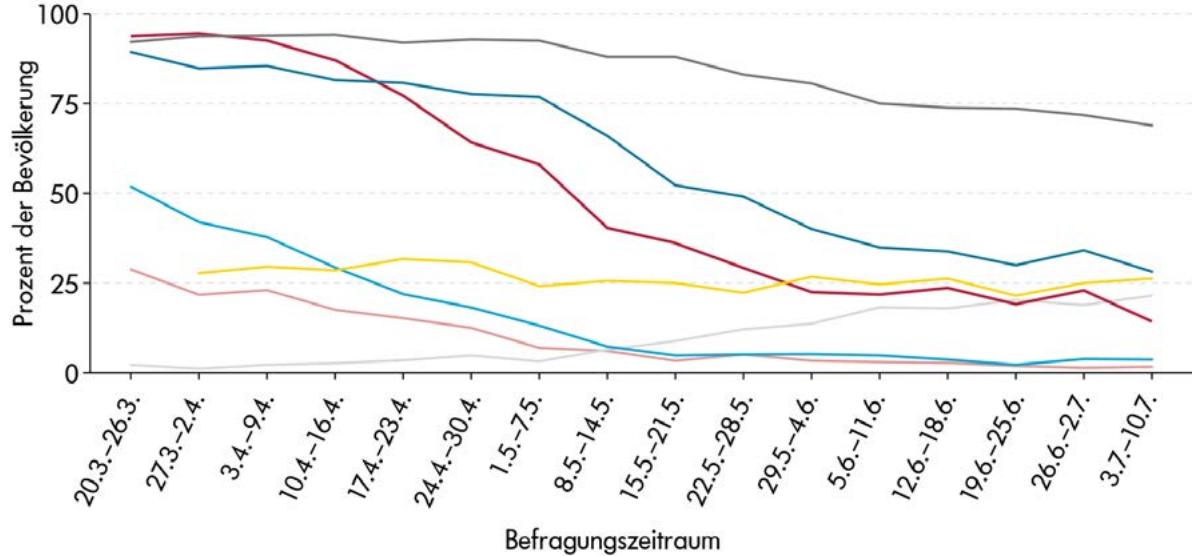 Figure 2: Acceptance of Corona Mitigation Measures in Germany [Bundeszentrale für politische Bildung, 2020]
Schliebung von Unis, Schulen, Kitas Einstellen des Nah- und Fernverkehrs Grenzschliebungen Ortung von Mobiltelefonen ohne Zustimmung ■ Veranstaltungsverbot (ab 100 Teilnehmer) Keine dieser Maßnahmen Allgemeine Ausgangssperre
Das Konfidenzintervall beträgt 95 Prozent.
Quelle: Mannheimer Corona-Studie, 20. März bis 10. Juli 2020, eigene Analysen
The figure above shows people's agreement to the following six different mitigation measures:
1. Closure of universities, schools and day care centers (red-colored line)
2. Closure of borders (dark blue colored line)
3. Prohibition of events with more than 100 participants (dark grey-colored line)
4. General curfew (light blue colored line)
5. Cancellation of local and long-distance transport (pink colored line)
6. Positioning via mobile phones without permission (yellow-colored line)
The light grey colored line represents people's agreement for none of the above-listed measures. As can be seen from the figure above, people's agreement with the closure of universities, schools and day care centers, the closure of borders as well as the prohibition of events with more than 100 participants initially was very high – between 85 and 90 percent in March 2020. However, their agreement rapidly declined from March 2020 to July 2020. This is especially the case for the closure of borders and the closure of universities, schools and day care centers.
Abu-Akel et al. [2021] explain that an information overload should be avoided by public health officials. This is due to the fact that people might develop a so-called psychological fatigue – they start to simply tune out relevant information, which jeopardizes the entire information campaign. Arafat et al. [2020] add that misplaced fear and uncertainty about the future is likely to support irrational behaviors such as hoarding and panic-buying. History in Germany and other countries could show that even panic-buying might result in resistance movements and violent demonstrations, since people are concerned about running out of essential products.
The US-American psychologist Van Bavel concentrated on predicting people's support for governmental public-health measures such as the closure of shops and restaurants or physical distancing. As a result, Van Bavel et al. [2020] could show the following connection: People who rate national identity as being important are more likely to support governmental health policies. In this context, Van Bavel et al. [2020] found out that national identification positively correlated with national narcissism as well as right-wing political ideology. The authors concentrated on the investigation how behavioral research is able to improve and inform people's response to the coronavirus, given the background that people are skeptical, scared as well as inundated by many information. In the context of the development of resistance against the government's corona policy, internet research shows that in many cases, protests and demonstrations are somehow accompanied by rumors, fake news and conspiracy theories. In concrete this means that people are either shouting slogans or they carry posters with specific slogans.
Following Ellis [2020], conspiracy theories have come up immediately after the initial COVID-19 news and they persist up to now. In the context of flourishing conspiracy theories, Leman and Cinnirella [2007] state that people tend to explain large events such as the corona pandemic with large causes – thus and in times of crises, they are more likely to believe in rumors, fake news and conspiracy theories. Douglas et al. [2017] add that people are more likely to believe in conspiracy theories whenever they perceive their psychological needs as being frustrated. In this context, Graeupner and Coman [2017] state that conspiracy theories even gain more traction when people start to isolate themselves and COVID-19 spreads. People's belief in fake news, rumors and conspiracy theories might result in harmful consequences, since it might be associated with climate denial, prejudice, extremist political views and in the context of the present paper's topic, the vaccine hesitancy [Jolley & Douglas, 2014]. Conspiracy theories on the COVID-19 topic might represent a similar problem, since people who believe in alternative remedies to fight against the corona virus might be less likely to follow governmental mitigation measures and health officials' advice. Instead, they opt for lethal or less effective alternatives. According to Marchlewka et al. [2019], people's belief in conspiracy theories might also result in hostility towards specific groups.
Coming back to the global survey of Van Bavel et al. [2020], one of the study's results was that countries with motivated people regarding precautionary measures also tended to develop a sense of cohesion and public unity. In contrast, right-wing political ideology was found to correlate with people's resistance to public health measures. However, people showing a strong national identity were found to better support public health measures. Due to these findings, Van Bavel et al. [2020] suggest that leveraging people's national identity might also be an effective strategy to change people's behavior in terms of increasing their support for public health policies such as the corona mitigation measures.
However, the last two years could show that independent from the specific measures taken by governments and public health authorities, it is not possible to stop the population's resistance movements against corona policies. Indeed, there are differences between countries and thus, in some countries, people do not react in the same manner as they do in Germany. Nevertheless, even small resistance movements can be observed in almost all countries worldwide. In the following, it will be shown that in some cases, it is also possible that resistance movements turn from peaceful demonstrations into violent rebellion.
## III. FROM PEACEFUL DEMONSTRATIONS TO VIOLENT REBELLION
Initially, it should be mentioned that in most cases, people's rebellion is directed towards the COVID-19 vaccination. However, it can also be associated with other governmental corona mitigation measures such as the discrimination of unvaccinated people. Since public resistance against the German corona policy is a quite young phenomenon, it is obvious that this field of research is not investigated sufficiently yet. However, some scientists such as Schmelz and Bowles [2021] started to develop suggestions to overcome public resistance against specific corona mitigation measures such as vaccination. In this context, the authors are seeking for an effective vaccination policy. By means of a large panel survey, Schmelz and Bowles [2021] came to the result that the opposition against vaccination increased from the first to the second corona wave in Germany. Regarding the reasons for people developing resistance against COVID-19 vaccines, the authors could identify several reasons. One of them is that people believe the vaccines are ineffective and additionally, they compromise the individual freedom. However, according to the results of Schmelz and Bowles [2021], people's willingness to be vaccinated can vary over time, depending on the population fraction that is already vaccinated and depending on whether vaccination stays voluntary or not. Voluntary citizen compliance was found to be essential for corona policy success.
In the context of fighting the corona pandemic, the concept of herd immunity can often be found in the media. This concept is considered to be an important aspect of subduing the corona pandemic outbreak. Cherian et al. [2019] state that the vaccination of a sufficient share of the world's population would be steptowards stopping the spread of the COVID-19 disease, since it is able to protect vulnerable persons. In this context, psychological factors are of high relevance, since for many people, vaccination is still voluntary and people subject themselves to the vaccination on a voluntary basis. A surrounding based on fear and anxiety regarding the possible side effects of the COVID-19 vaccination thus acts as a barrier and impedes a timely vaccination. It becomes clear that not only the government itself but also health care organizations and health care workers play an important role when it comes the clearing of misconceptions, which also includes the dissemination of accurate information.
Having in mind the chronology of the corona pandemic, it can be stated that during the first wave of the corona pandemic in spring 2020, people's protests against the governmental corona policy has been organized by some short-lived groups. In most cases, there was little or even no coordination between these groups. However, these things have changed with the upcoming Querdenker movement in Germany in summer 2020. The emergence of the Querdenker movement can be explained as the first group that had and even nowadays has many sympathizers from all over the Federal Republic of Germany. The movement started in Stuttgart as a local group, but it rapidly grew up and became a nationwide protest movement. It organized many protest events in many cities all across the Federal Republic and more and more people started to participate. Especially at the beginning of the second corona wave, the Querdenker movement dominated the protests against the governmental corona containment policies. The group's main goals are to immediately repeal the governmental corona restrictions, since they affect people's fundamental rights [Plümper et al., 2021].
However, summarizing the protest results from 2020, it must be noted that the Querdenker movement was not very successful, since in winter 2020/21, the Federal Republic of Germany implemented stringent corona containment policies compared to other countries. Also, Germany has kept these corona containment policies longer than many other European governments. On the other hand, a protest's success must not solely be defined by political changes. In this context, protest movements such as the Querdenker movement might be able to influence political decision-making processes. It might slowly gain momentum; it can win more and more supporters and it is able to increasingly attract attention. Thus, the Querdenker movement cannot be characterized as being unsuccessful in this sense.
According to Plümper et al. [2021], the survival of the Querdenker group, the success of its group leaders as well as its moderate institutionalization have been facilitated by protest organizers' strong orientation on people's demand for protests. In this context, Querdenker protests follow a strategy, which again follows two logics. On one hand, these protest events are politics-oriented, which means that protesters from different society parts have one thing in common: they distrust mainstream parties and some of them can even be called as being conspiracy theorists, political radicals and vaccination opponents. Some of them oppose the political order in Germany and according to Nachtwey et al. [2020], despise the political establishment. Following the daily reports of newspapers, it can be observed that group mobilization is facilitated if protests against corona containment policies take place in German states or districts in which mainstream parties only have low followships. The second logic of the Querdenker movement strategy is policy-oriented, which means that corona protest events have often been organized in times with low incidence rates and stringent containment policies. In this way, protest organizers were able to successfully mobilize people who are convinced that the stringent corona containment policies are not necessary anymore.
During the last two years of corona pandemic, many researchers such as Karkowski et al. [2020] and Bol et al. [2020] have started to focus on the political consequences of the corona pandemic, which is for instance an increase in social polarization. As protests and movements against the government's corona policies become increasingly frequent and grow in both, visibility and size, it becomes clear that many researchers observe the ongoing developments. In this context, it should be mentioned that all scientific publications, which are used in the present paper, are from 2020 and 2021. Hence, the new developments from December 2021 and January 2022 could not be considered, although these developments are of high relevance.
At this time, in January 2022, newspapers, tv and social media platforms are flooded with pictures, videos, articles and comments on public resistance movements - mainly against the discrimination of unvaccinated people, but also against corona policy in general. Since December 2021, people meet each Monday in many cities. These so-called Montagsspaziergänge[^2] are directed to the German government as a protest against its corona policy. Newspapers such as the Stern report that only on January $4^{\text{th}}$, in the entire Federal Republic of Germany, many tens of thousands have been protesting against the government's corona policy and many of these protests were accompanied by violent riots [Stern, 2022].
The German police emphasizes that although most protests remain peaceful, the number of participants is growing and at the same time, clashes between violent demonstrators and the police increase in all federal states. Many of the so-called Montagsspazieränge are not permitted, since they are subject to approval. During many of these events, police officers have been attacked by some demonstrators, which resulted in injured police officers. There was even a case in which demonstrators tried to snatch a police officer's weapons. Aggressive appearance, quarrels and verbal attacks have been registered and, in some cases, police officers even made use of pepper spray. The police inspection in Magdeburg [Saxony-Anhalt] reported breaking through police chains, throwing of bottles and the use of pyrotechnics. Opponents of the corona mitigation measures call others for the protest in form of the Montagsspaziergänge. In some cities, these assemblies were forced to end by the police, since police officers have been attacked by demonstrators, the demonstrators did not wear masks and/or the security distance between people kept [Stern, 2022].
The German police is increasingly concerned about the radicalization of minority groups and complains about considerable fanaticism of people. In Berlin, some protesters stopped at the ZDF [central German television] studio and shouted slogans such as Lügenpresse, which means lying press. On social media, many videos are posted that show demonstrators shouting slogans [Stern, 2022].
Since these forms of resistance are quite new, especially in the context of the government's corona policy, the scientific literature on the development of violent resistance against health-preserving measures is very rare. However, some scientists have already published studies in which they address the problem of radicalization in the context of corona policy. For instance, Falkenbach and Greer [2021] investigated the impact of the corona pandemic on populist radical right politicians as well as their influence on the government's corona policy. The results show that populist radical right politicians generally do not have much experience in health and welfare policies. In the context of the corona pandemic policy, they might lead to destructive effects, since they subordinate the health topic to their other goals. It could be observed that populist radical right politicians did not say much during the actual corona pandemic, but do not lose time to opt for denial and distraction. Denial in this context can be explicit such as calling the corona pandemic a hoax or implicit such as trying to reopen countries after travelling restrictions. Distraction in this context means blaming someone and thus leading to damaging border control policies. Independent from the strategy, both results in a cost of lives and undermines public health. In summary, populist radical right politicians help making the public health crisis even worse and, in some countries, they even contribute to a democracy crisis.
It becomes clear that populist radical right politicians and/or their parties play an important role when it comes to the mobilization of people against the government's corona policy. Plümper et al. [2021] for instance investigated the strategy of protest against corona containment policies in the Federal Republic of Germany. In this context, the authors found out that protest organizers strive for organizing more protest events in times of low COVID-19 mortality rates, in times of a high stringency of corona mitigation policies and in specific districts with traditionally low vote share of mainstream parties. In summary, their aim is to maximize the mobilization potential. Plümper et al. [2021] analyzed 401 different districts in Germany regarding their total number of protest events from
March to May 2020. According to the results, the authors conclude that their findings can be seen as
[...] evidence of the strategic behavior of protest organizers that target protest participation and mobilization to keep the movement alive and potentially grow it." [Plümper et al., 2021, p. 2236]
Despite all resistance among a minority of a country's population, Kornfeld [2021] explains that legally required vaccination can be considered as being an essential part of the global public health policies. Resistance against COVID-19 policies such as vaccination can be observed in many countries, even in the United States of America there have been antivaccine demonstrations. Many countries' challenge thus is to reach people who do not want being vaccinated and to increase their acceptance [Gottlieb & McClellan, 2021]. To increase the coverage, some countries left the voluntary base and made vaccination mandatory. This is for instance Italy, where COVID-19 vaccination is mandatory for specific groups such as health care workers [Borrelli, 2021]. Germany also announced a mandatory vaccination for health care workers beginning at the $1^{\text{st}}$ of March 2022. In contrast, countries such as China instructed their local authorities to stop mandatory vaccination, since the government fears adverse public reactions [Bloomberg, 2021].
As survey in the United States from March 2021 shows that many people [41 percent] were concerned about being forced to get the COVID-19 vaccine even if they do not want to [Hamel et al., 2021]. People's acceptance towards vaccination was found to be depending on their social environment: 69 percent of people living in a household with at least someone who has already been vaccinated report that they also want to be vaccinated as soon as possible. In contrast, only 37 percent of those who do not know anyone who has already been vaccinated report the same [Hamel et al., 2021].
According to the results of Schmelz and Bowles [2021], vaccine resistance among the German population is changing over time – the challenge is to identify the determinants that cause these changes, which also includes people's trust and whether the COVID-19 vaccination remains voluntary or not. Other researchers such as Milkman et al. [2021] also focused on changing people's attitude towards corona mitigation measures and hereby especially the COVID-19 vaccine. The authors tested nudges to encourage people to decide upon the influenza vaccine. In this context, Milkman et al. [2021] tested 20 different messaging strategies reaching from jokes up to direct appeals. According to the results, saying people that the flu shot has been reserved only for them was able to boost the vaccination rates. Although the paper of Milkman et al. [2021] is still not peer reviewed yet, their paper includes important starting points for changing people's attitudes towards the COVID-19 vaccination. For instance, specific messages such as "flu shot reserved for you" are able to increase in flu vaccination. As a result, scientists have started to replicate the strategy in the context of the current corona pandemic. For instance, Dai et al. [2021] found out that this strategy is also effective for the increase of the COVID-19 vaccination and thus is able to change people's attitude. Also, Milkman et al. [2021] emphasize that some groups could be identified as being more critical than others. This is for instance the case for young females – many of them have been shown to be more skeptical about the COVID-19 vaccine. In this context, scientists such as lacoella et al. [2021] ask themselves whether pandemics necessarily result in rebellions. The authors empirically investigated protests against corona policy in the United States and came to the result that more stringent corona containment measures were driving the protest incidence. The authors assume that one of the reasons might be an increase in unemployment due to pandemic-related changes in economic conditions. Also, counties characterized by a lower trust in politicians and their institutions were found to have more protests.
In summary, it can be noted that international media frequently reports on the rebellion, the protest or the resistance of the German population against the government's corona policy - in this context, the readiness to use violence is emphasized by many authors. Having in mind the international reports on the German population's readiness to use violence at demonstrations against the government's corona policy, it seems as if other countries' inhabitants do not react in this way. Hence, the readiness of using violence becomes a research field of high interest and should be addressed by scientists. Also, it remains to be seen how the German population's resistance against the government's corona policy develops in the next months. One can assume that the population's readiness to use violence is somehow correlated with people's trust in politicians, which needs to be investigated.
[^2]: The term Montagsspaziergänge can be translated with "walks on Mondays", since these demonstrations only take place Mondays in many cities and districts of Germany. _(p.6)_
[^1]: The term Querdenker does not have a clear translation, but can be explained by people who are called as being a lateral or unconventional thinker; also, the term "contrarian" might be an appropriate translation. _(p.6)_
Generating HTML Viewer...
References
34 Cites in Article
A Abu-Akel,A Spitz,R West (2021). The effect of spokesperson attribution on public health message sharing during the COVID-19 pandemic.
N Akseer,G Kandru,E Keats,Z Bhutta (2020). COVID-19 pandemic and mitigation strategies: implications for maternal and child health and nutrition.
S Arafat,Sujita Kar,Marthoenis Marthoenis,Pawan Sharma,Ehsanul Hoque Apu,Russell Kabir (2020). Psychological underpinning of panic buying during pandemic (COVID-19).
Sibylle Anderl (2021). Pessimistische Meta-Induktion Warum glauben wir, dass wir die Welt heute richtig sehen?.
C Bloomberg (2021). China calls for halt to mandatory COVID-19 vaccinations amid inoculation push.
S Borrelli (2021). Italy first in Europe to make jabs mandatory for health workers.
(2020). Zum gesellschaftlichen Umgang mit der Corona-Pandemie.
V Cherian,N Saini,A Sharma (2019). Assessment of timely immunization in an urbanized agglomeration of East Delhi, India.
H Dai (2021). Behavioral Nudges Increase COVID-19 Vaccinations.
E Ellis (2022). The coronavirus outbreak is a petri dish for conspiracy theories.
Michelle Falkenbach,Scott Greer (2021). Denial and Distraction: How the Populist Radical Right Responds to COVID-19 Comment on "A Scoping Review of PRR Parties’ Influence on Welfare Policy and its Implication for Population Health in Europe".
B Ginigaddara,S Perera,Y Feng,P Rahnamayiezekavat (2020). Typologies of offsite construction.
S Gottlieb,M Mcclellan (2021). FDA advisers greenlight Novavax COVID-19 vaccine.
D Graeupner,A Coman (2017). The dark side of meaning-making: how social exclusion leads to superstitious thinking.
L Hamel,L Lopes,A Kearney,M Brodie (2021). COVID-19 vaccine monitor.
L Hamel,G Sparks,M Brodie (2021). COVID-19 vaccine monitor.
Francesco Iacoella,Patricia Justino,Bruno Martorano (2021). Do pandemics lead to rebellion? Policy responses to COVID-19, inequality, and protests in the USA.
Daniel Jolley,Karen Douglas (2014). The Effects of Anti-Vaccine Conspiracy Theories on Vaccination Intentions.
M Kornfield (2021). Anti-vaccine protesters temporarily shut down major coronavirus vaccine site at Dodger Stadium in Los Angeles.
P Leman,M Cinnirella (2007). A major event has a major cause: evidence for the role of heuristics in reasoning about conspiracy theories.
Marta Marchlewska,Aleksandra Cichocka,Filip Łozowski,Paulina Górska,Mikołaj Winiewski (2021). In search of an imaginary enemy: Catholic collective narcissism and the endorsement of <i>gender conspiracy beliefs</i>.
K Milkman (2021). A Mega-Study of Text-Based Nudges Encouraging Patients to Get Vaccinated at an Upcoming Doctor's Appointment.
Katherine Milkman,Mitesh Patel,Linnea Gandhi,Heather Graci,Dena Gromet,Quoc Ho,Joseph Kay,Timothy Lee,Modupe Akinola,John Beshears,Jonathan Bogard,Alison Buttenheim,Christopher Chabris,Gretchen Chapman,James Choi,Hengchen Dai,Craig Fox,Amir Goren,Matthew Hilchey,Jillian Hmurovic,Leslie John,Dean Karlan,Melanie Kim,David Laibson,Cait Lamberton,Brigitte Madrian,Michelle Meyer,Maria Modanu,Jimin Nam,Todd Rogers,Renante Rondina,Silvia Saccardo,Maheen Shermohammed,Dilip Soman,Jehan Sparks,Caleb Warren,Megan Weber,Ron Berman,Chalanda Evans,Christopher Snider,Eli Tsukayama,Christophe Van Den Bulte,Kevin Volpp,Angela Duckworth (2021). A Mega-Study of Text-Based Nudges Encouraging Patients to Get Vaccinated at an Upcoming Doctor’s Appointment.
S Miller (1987). Monitoring and blunting: Validation of a questionnaire to assess styles of information seeking under threat.
Dominik Moser,Jennifer Glaus,Sophia Frangou,Daniel Schechter (2020). Years of life lost due to the psychosocial consequences of COVID-19 mitigation strategies based on Swiss data.
Oliver Nachtwey,Robert Schäfer,Nadien Frei (2020). Politische Soziologie der Corona-Proteste.
Keerthana Thiyagarajan (2022). Hesitation to COVID-19 Vaccinations during Menstruation.
T Plümper,E Neumayer,K Pfaff (2021). The strategy of protest against Covid-19 containment policies in Germany.
U Ravens-Sieberer (2021). Seelische Gesundheit und psychische Belastungen von Kindern und Jugendlichen in der ersten Welle der COVID-19-Pandemie -Ergebnisse der COPSY-Studie. Bundesgesundheitsblatt, Gesundheitsforschung.
Katrin Schmelz,Samuel Bowles (2021). Overcoming COVID-19 vaccination resistance when alternative policies affect the dynamics of conformism, social norms, and crowding out.
K.-A Scholz (2022). Deutschland und die große Politik anno 1911. Part 2.
Stern (2022). Zehntausende protestieren gegen Corona-Maßnahmen -"Lügenpresse"-Parolen vor ZDF-Hauptstadtstudio.
Van Bavel,J (2020). National identity predicts public health support during a global pandemic: Results from 67 nations.
Javad Dehghannezhad,Vahid Zamanzadeh,Damanabad Heydarpoor,Hadi Hassankhani,Malcolm Boyle,Abbas Dadashzadeh (2020). Review on home care recommendations for patients with suspected COVID-19 presenting with mild symptoms.
No ethics committee approval was required for this article type.
Data Availability
Not applicable for this article.
How to Cite This Article
Oliver Harald Kempkens. 2026. \u201cOn the Development of Resistance against the Corona Policy of the German Government\u201d. Global Journal of Human-Social Science - F: Political Science GJHSS-F Volume 23 (GJHSS Volume 23 Issue F5).
Explore published articles in an immersive Augmented Reality environment. Our platform converts research papers into interactive 3D books, allowing readers to view and interact with content using AR and VR compatible devices.
Your published article is automatically converted into a realistic 3D book. Flip through pages and read research papers in a more engaging and interactive format.
Our website is actively being updated, and changes may occur frequently. Please clear your browser cache if needed. For feedback or error reporting, please email [email protected]
Thank you for connecting with us. We will respond to you shortly.