The Scientific Discussion of Revealing Key Issue Aspects of Features of Simulation of Inflammatory Pain through AMPA Receptor Subunits of Exosome Origin
The aim of the research was to study key issue aspects of features of simulation of inflammatory pain through AMPA receptor subunits of exosome origin in mice. The mechanism of functional modulation of AMPARs by their auxiliary subunits will benefit from further efforts to reach a tipping point where it will be useful for the development of improved therapies. Lipids require special attention because they may play an important role in the function of the AMPAR accessory subunit. Structural studies should only provide snapshots of complexes in action. Therefore, functional studies and molecular dynamics simulation approaches are expected to play an equally important role. Native AMPAR complexes contain more than one type of accessory subunits.
## I. INTRODUCTION
Ionotropic glutamate receptors are the main mediators of excitatory synaptic transmission in the vertebrate nervous system. Glutamate receptor subunits are classified based on their pharmacological properties, biological role and sequence into those that are sensitive to the following: 1) $\alpha$ -amino-3-hydroxy-5-methyl-4-isoxazolepropionic acid (AMPA; GluA1-4). 2) neurotoxin kainate (GluK1-5); and 3) N-methyl-D-aspartic acid (NMDA; GluN1, GluN2A-D, GluN3A-B). Important structural details of glutamate receptors were determined first by solving the structure of the ligand-binding domain and N-terminal domain, and then the structure of the complete tetrameric GluA2 subtype of AMPA receptor. Structures in the presence of various agonists, partial agonists, and antagonists, combined with spectroscopic measurements, electrophysiological measurements, and site-directed mutagenesis, have provided insight into the relationship between structure and function. The binding domain is a bilobed structure to which the agonist binds in the cleft between the two lobes. Two linker peptide chains connect the lobes, and the lobes can close to enclose the agonist. One lobe forms the dimer interface with a second copy of the ligand-binding domain within the tetrameric structure, and the second lobe is associated with the ion channel domain. When the dimer interface is intact, the force generated by the closing of the lobes can affect the ion channel and likely open the gate, allowing ions to pass through the channel. Complexities arise from the tetrameric structure and subtle differences between glutamate receptor subtypes, but the general pattern of channel activation is likely the same for this receptor class [1-5].
The mechanism of channel activation by partial agonists remains unclear. Single-channel recording measurements of AMPA receptors have shown that three or four conductance levels can be observed from a single channel, and these conductance levels are the same for full and partial agonists. Populations with higher conductance levels are favored at higher agonist concentrations, but at any given concentration, higher conductance levels are more common among full than partial agonists. The concentration dependence is consistent with a model in which each subunit has a gate that promotes ionic conduction, and the more the gate is open, the higher the conductivity. However, since conductance levels are similar for all agonists, this suggests that gate opening is an all-or-none process. That is, the signal from the ligand-binding domain leads to a coordinated change in the structure of the channel region. The question then becomes whether this change is caused by a particular conformation of the ligand-binding domain (e.g., complete closure of the lobe), or whether multiple conformations can cause the same change, perhaps with different probabilities, or may be a combination of the two changes models [6-8].
Initial crystal structures of the GluA2 ligand-binding domain in the presence of partial agonists indicate a correlation between the degree of flap closure and ligand efficiency, suggesting that multiple conformations may control channel opening. Full closure results in a high probability of closing, while partial closure results in a significantly lower probability of opening. However, subsequent studies have shown that at least some partial agonists can induce multiple flap closures, and even the correlation in crystal structures between flap opening and efficacy is not always maintained. Most strikingly, the crystal structures of NMDA receptor partial agonists have a completely closed lobe, suggesting that partial agonism is fundamentally different for NMDA and AMPA receptors. Another view of partial agonism is that the stability of complete flap closure determines effectiveness. That is, partial agonists can potentially exist in dynamic equilibrium between two or more conformations. Some conformations may have a relatively open lobe orientation, while other conformations may be closed to the same extent as full agonists. According to this hypothesis, activation of the channel would require a completely closed form, and the stability of this form would determine efficiency. The binding of some weak partial agonists such as iodowillardine (IW) is consistent with this idea, as a wide range of lobe closures have been observed in crystal and NMR structures and there is evidence of large-scale dynamics in the NMR spectra. In addition, mutations that reduce AMPA efficiency exhibit a range of lobe orientations measured by single-molecule FRET. On the other hand, kainate, a weak partial agonist, represents a structural barrier to flap closure. The isoprenyl group of kainate appears to block flap closure due to an apparent steric conflict with the GluA2 side chain of Leu-650. Mutation of Leu-650 to threonine increases the potency of kainate, likely reducing the steric interaction between this position and isoprenylkainate. Additionally, little evidence of dynamics on microsecond to millisecond time scales in the presence of kainate has been observed in NMR studies. However, the structures of GluA3 and GluA4 are more closed than those of GluA2 in the presence of kainate, and the D651A mutation of GluA3 results in even greater closure of the lobe by rotation of the Leu-650 side chain (GluA2 numbering) [9-14].
$\alpha$ -Amino-3-hydroxy-5-methyl-4-isoazolepropionic acid-type (AMPA-type) glutamate receptors (AMPARs) play a crucial role in synaptic plasticity within the central nervous system. While there is anatomical evidence suggesting the presence of AMPAR expression in the peripheral nervous system, the functional significance of these receptors in vivo remains unclear. To address this knowledge gap, we used mice with specific deletions of key AMPAR subunits, GluA1, exclusively in peripheral pain-sensing neurons (nociceptors). Importantly, we maintained the expression of these subunits in the central nervous system. The nociceptor-specific deletion of GluA1 resulted in the disruption of calcium permeability and a diminished response to capsaicin stimulation in nociceptors. The deletion of GluA1, led to reduced mechanical hypersensitivity and sensitization in models of chronic inflammatory pain and arthritis. Further investigation unveiled that GluA1-containing AMPARs played a regulatory role in the nociceptors' responses to painful stimuli in inflamed tissues, influencing the excitatory signals transmitted from the periphery into the spinal cord. Consequently, the application of AMPAR antagonists to the periphery alleviated inflammatory pain by specifically targeting calcium-permeable AMPARs, without affecting physiological pain or causing central side effects. Exosomes, nanoscale particles secreted by cells (typically ranging from 30 to $150~\mathrm{nm}$ in size), carry a diverse array of biological molecules, including nucleic acids, proteins, and lipids. These exosomes are recognized for their crucial roles in facilitating intercellular communication. Leveraging their inherent stability, low immunogenicity, and impressive tissue/cell penetration capabilities, exosomes show promise as advanced platforms for targeted drug and gene delivery. Despite their potential, practical applications of exosomes may encounter limitations, such as inadequate targeting ability or low efficacy in specific cases. To address these challenges, various strategies have been employed to engineer exosomes derived from cells, aiming to enhance their selectivity and effectiveness in drug and gene delivery. To address this issue, we used mice specifically lacking of the key AMPAR subunits, GluA1, in peripheral, pain-sensing neurons (nociceptors), while preserving expression of these subunits in the central nervous system. Nociceptor-specific deletion of GluA1 led to disruption of calcium permeability and reduced capsaicin-evoked activation of nociceptors. Deletion of GluA1, led to reduced mechanical hypersensitivity and sensitization in models of chronic inflammatory pain and arthritis. We generated exosomes containing GluA1 and introduced them to mice around nociceptors, observing a reverse effect compared to GluA1 deletion. Mice treated with exosomes were more sensitive to pain [15-19].
Cysteine trapping studies (i.e., introducing two cysteines to determine whether a disulfide can form) have been used to determine the proximity of different parts of a protein or the proximity of two proteins or subunits. A criticism of this method is that proteins are dynamic structures and very rare conformations can potentially be captured. In this case, the disadvantage of the method may turn out to be an advantage. Partial agonists can activate the channel through a relatively rare transition to a fully closed lobe conformation, and then cysteine capture should be able to stabilize this form for further analysis by X-ray crystallography, NMR spectroscopy, and radioligand binding. Here we show that upon binding of glutamate, iodovyladiyne, kainate, and CNQX, the A452C/S652C ligand-binding domain of GluA2 can be captured in a gated manner [20-24].
The Fast excitatory synaptic transmission in the mammalian brain is largely mediated by AMPA-type ionotropic glutamate receptors (AMPARs), which are activated by the neurotransmitter glutamate. At synapses, AMPAR function is regulated by accessory subunits, a diverse set of membrane proteins associated with the core pore-forming AMPAR subunits. Each accessory subunit provides distinct functional modulation of AMPARs, ranging from regulation of transport to modeling ion channel opening kinetics. Understanding the molecular functioning of these complexes is essential to deciphering synaptic modulation and its global role in cognitive activities such as learning and memory [25-29].
Ionotropic glutamate receptors (iGluRs) are ligand-gated ion channels that are activated by the neurotransmitter glutamate. Among them, the flagship of fast excitatory synaptic transmission is AMPA-type iGluR (AMPAR), which transmits signals on a millisecond time scale. The pore-forming subunits of AMPAR, known as GluA1-4, are composed of four domains. The N-terminal domain (NTD) in the extracellular space is furthest from the membrane. The function of the NTD is the least understood but is critical for subunit assembly as well as receptor clustering and synaptic localization. The C-terminal region of the NTD forms a short linker that connects the NTD to the ligand-binding domain (LBD). When bound to glutamate, the LBD undergoes conformational changes that lead to channel closure. The LBD binds to the transmembrane domain (TMD), which consists of three membrane segments (M1, M3 and M4) and a reversible helical loop (M2). In the primary structure of DNPN M1-3 is divided into two fragments: S1 and S2. The TMD forms an ion channel in the membrane that conducts cations when it is open [30-34].
The pore-forming AMPAR subunits assemble into homo- and heterotetramers. A structural feature that generally distinguishes AMPARs and iGluRs from other ligand-gated cation-permeable tetrameric ion channels is the change in symmetry between the extracellular domains and the TMD; The NTD and LBD form dimers, and the TMD is a tetramer. Ligands that connect the LBD to the TMD and are part of the triggering mechanism compensate for this change in symmetry. Moreover, the transition between DTN and LBD involves domain swapping; Within each subunit, the NTD dimer partners differ from the LBD dimer partners. Free NTD-LBD linkers allow such domain substitution. Among the iGluRs, the architecture of GluD1 is distinct and does not exhibit domain switching, maintaining the flexibility of the NTD-LBD linker [35-38].
The biochemical property that distinguishes AMPARs and kainate receptors (KARs) from NMDARs is their solubility in detergents. NMDARs require much more aggressive cleaning agents to dissolve them than AMPARs and KARs. The properties of the membrane surrounding the receptors and the mechanism of receptor docking are likely to vary significantly between iGluR subtypes. Lipids are often found in ion channel structures. In fact, cholesterol and fatty acids modulate the function of NMDAR and KAR ion channels, respectively. Cholesterol deficiency in cultured hippocampal neurons results in redistribution of synaptic AMPARs. However, it was only recently that lipids were found to be associated with AMPARs [39-43].
Lipid density was observed in a heterotetrameric AMPAR architecture consisting of GluA1 and GluA2 in complex with TARP $\gamma$ -8. These lipids must have been transferred from HEK cells in which the receptor complex was expressed. Interestingly, the lipids surrounding the GluA2-CNIH3 complexes are organized differently than the lipids of the GluA1-GluA2-TARP- $\gamma$ -8 complex. These observations have led to the hypothesis that lipids may play a functional role in the assembly and action of accessory subunits and that they may play different roles in different classes of AMPAR accessory subunit complexes [44-46].
TARPs were required to keep the channel gate open in the detergent because no free TARP structures supported the open gate architecture despite being bound to an agonist plus a desensitizing blocker or potentiating toxin. AMPAR-TARP complexes exhibit higher open probabilities and longer residence times at higher conductance levels than AMPARs without TARP, suggesting that TARP stabilizes the conformation of open and activated channels. The allosteric relationship between agonist binding and blockade can be disrupted by detergent, as is known to occur with nicotinic acetylcholine receptors. Therefore, it is possible that TARP recruits lipids into the complex and creates a membrane-mimicking environment [48-52].
Some complex-stabilizing lipids may be absent in non-neuronal cells but are present in brain lipids. This is supported by the observation that different detergent conditions were optimal for AMPAR solubilization in the brain compared to recombinant expression systems such as Sf9 and HEK cells. Identification of the lipid composition of native AMPARs will be challenging but may be critical to understanding the function of AMPAR accessory subunit complexes [53-54].
The postsynaptic receptor cycle is a complex and poorly understood cell biological process. Although it is clear that disruptions in the interactions between many of the dozens of proteins that mediate exo- and endocytosis can influence synaptic function and plasticity, a clear interpretation of the outcomes requires a much more complete understanding of the role that these proteins play in post activity synaptic. The proteins such as NSF, synaptobrevin, and amphiphysin play roles in the presynaptic vesicle cycle, little is currently known about the postsynaptic localization or function of these proteins. The unexpected finding that NSF directly interacts with AMPARs suggests that other proteins involved in vesicle fusion or endocytosis also serve dual functions as receptor chaperones or play other important roles in maintaining PSD integrity [55-59].
Although there is still no consensus regarding AMPAR cycling rates and the direct role of constitutive turnover in rapid forms of synaptic plasticity, it is likely that regulated endocytosis and exocytosis will become an important mechanism for rapidly influencing synaptic strength. It is possible that AMPAR components cycle too slowly to play a role in LTP and LTD (as suggested by half-life studies). Alternatively, long-term modulation of the relative rates of exo- and endocytosis may play an important role in homeostatic forms of plasticity such as: Synaptic scaling or activity- or development-dependent modifications. in the location of receptors acting over time. Finally, it remains to be seen that the role of the regulation of AMPAR-binding proteins plays in fast and slow forms of central synaptic plasticity. It is unclear whether introducing more receptors into the membrane without the resources to trap those receptors at the synapse would be beneficial. It is possible that longterm changes in the number of receptors at the synapse require both the delivery of more receptors to the membrane and an increase in the ability to bind and immobilize these receptors [60-64].
## II. GOAL
The aim of the research was to study and analyze the key issue aspects of features of simulation of inflammatory pain through AMPA receptor subunits of exosome origin in mice.
## III. MATERIALS AND METHODS
Animals are used to the surveillance camera. The rats were injected subcutaneously (s.c.) with $15\mathrm{ml}$ of a $5\%$ formaldehyde solution (formalin) onto the dorsal surface of the hind paw. The time spent licking the formalin-injected paw was recorded at 5-minute intervals up to 45 minutes after the formalin injection. Rats were injected with $50\mathrm{ml}$ of $5\%$ formaldehyde and grimaces were counted at intervals ranging from 1 minute to 60 minutes, starting immediately after formaldehyde injection. Gusts at 5-min intervals were summed as average gusts per minute. The observer was not informed about treatment methods or genetic background.
In contrast to mechanical hyperalgesia, mice developed CFA-induced thermal hyperalgesia, calculated as the percentage reduction in paw withdrawal latency in the inflamed paw compared to the contralateral non-inflamed paw. SNS GluA1-/- and GluA1-/-+ exosomes (P < 0.05) at similar levels (P > 0.05 between genotypes). SNSGluA2-/- mice did not differ from their GluA1-/-+ exosome-bearing littermates in CFA-induced thermal and mechanical hypersensitivity.
Construction of a plasmid and stable MSC cell line overexpressing GluA2. Mouse bone marrow mesenchymal stem cells (BMSCs) were cultured in minimal alpha essential medium (MEM) (Gibco) containing $10\%$ fetal bovine serum (BI) and $1\%$ penicillin-streptomycin. GEN button) at $5\%$ CO2 and $37^{\circ}\mathrm{C}$. All plasmids were provided by Genome Ditech, and the mouse GluA2 coding sequence was cloned into the PGMLV-4931 vector (Genome Ditech). GluA2 overexpression plasmid or control plasmid and Lenti-HG mixture were transfected into 293T cells using HG transgene reagent (Genome ditech). The cell culture medium was then replaced with fresh medium 20 hours after transfection. After 48 hours of incubation, the medium was collected and viruses were isolated by sequential centrifugation. The viruses were then used to infect BMSCs, and puromycin was used to screen for stable cells resistant to puromycin. The effect of gene overexpression was confirmed by qPCR and Western blotting as described below.
Characterization of BMSC-derived exosomes overexpressing GluA2. BMSC-derived exosomes (Exo) and GluA2-overexpressed BMSC-derived exosomes (GluA2) were purified using an Optima XPN-100 ultracentrifuge (Beckman Coulter). To observe the morphology, images were taken using a transmission electron microscope (TEM). Zeta potential and exosome size were determined using Zetaview-based nanoparticle tracking assay (NTA) technology (Particle Metrix). Exosome markers were identified using Western blotting. Protein was measured using a BCA protein quantitation kit (Key GEN).
All animal experiments were checked and approved by local authorities (taking into account international animal welfare regulations). All behavioral measurements were performed on awake, unrestrained adult mice of both sexes of the same age ( $>3$ months) by persons blinded to the genotype of the mice analyzed. Before analysis, rats were habituated to the experimental setup several times. Nociceptive testing in rat models of acute and chronic pain was performed as previously described in detail (Supplementary Methods). All animal experimental protocols were approved by the local institutional review board. All behavioral measurements were performed on adult mice of both sexes, awake, unrestrained, and of the same age ( $>3$ months). Before analysis, rats were habituated to the experimental setup several times. In all experiments, the genotypes of the mice analyzed were not taken into account.
The latency of paw withdrawal in response to noxious heat and pressure gradient was determined using the plantar test with a sensitivity of 0.1 s (n 7-14 per group). Nociceptive thresholds and dimensions of each hindpaw were recorded before and at specified intervals after intraplantar injection of CFA $(20\mu l)$. The dimensions of the hind paw were measured using a caliper and a plethysmometer. Paw edema was calculated as the change in paw volume (length-width-height) using a plastinometer as described in detail by Cirinoetal.
The nociceptive tail flick reflex was induced by noxious heat applied through an infrared light source with a sensitivity of 0.1 s as previously described. Formalin test and capsaicin test Formalin (1%, 20 L) or capsaicin (0.06%, 10 L) was injected into the plantar surface of the right hind paw and the duration of nocifentive behavior including lifting, licking, or flinching of the paw. The injected paw was measured within 5 minutes after capsaicin injection or at 5-minute intervals for 50 minutes after formalin injection as previously described.
All data are presented as mean SEM. Student's t tests or analysis of variance (ANOVA) for random measures followed by Fisher's postdoc LSD tests were used to determine statistically significant differences $(p = 0.05)$.
## IV. RESULTS AND DISCUSSION
Activation of mGluR1 as a mechanism for removing CP-AMPARs from synapses is common in other systems. For example, VTA dopamine neurons express CP-AMPAR LTD, which is induced in vitro by mGluR1 agonists or in vivo by a positive allosteric modulator of mGluR1. Later, the same group provided evidence that the GluA2 subunit, which replaces internalized CP-AMPARs, is rapidly synthesized in response to mGluR1 activation through the mTOR pathway. More detailed information about the regulatory mechanism of GluA2 synthesis and subsequent synaptic inclusion is still missing.
Another important feature of the VTA synapse is the cocaine-induced enhancement (and consequent CP-AMPAR expression) appears to persist for at least a week rather than returning to baseline levels later. It has not been directly demonstrated that this potentiation is still mediated by CP-AMPARs, but since the total amount of AMPARs is assumed to be unchanged, the remaining potentiation is likely still mediated by the greater conductance of CP- relative to CI-AMPARAS. Otherwise, cell viability is reduced 24 hours after injury in cultured neurons, making it difficult to assess surface or synaptic CP-AMPAR expression at later time points. In addition, GluA2 mRNA levels begin to decline 6 hours after ischemic stroke in vivo, promoting CP-AMPAR expression after this time. Although transport of specific subunits triggers a switch to CP-AMPAR after further disease/ischemia, this transition is largely supported by changes in GluA2 gene expression. A similar mechanism may underlie the persistence of cocaine-induced VTA plasticity, although the results do not support this. Changes in GluA1 and GluA2 mRNA expression have been reported under these conditions [65-69].
Chronic pain is a common and poorly understood medical problem. Plasticity of synaptic transmission in the nervous system during peripheral organ inflammation or nerve injury is an important component of the cellular basis of chronic pathological pain. Glutamate acts as an important excitatory neurotransmitter at several key synapses in the somatosensory nociceptive pathway, activating ionotropic and metabotropic receptors there. Recently, $\alpha$ -amino-3-hydroxy-5-methyl-4-isoxazolepropionic acid (AMPA-type) glutamate receptors (AMPARs) have emerged as important mediators of synaptic plasticity in the brain. Unlike NMDA-type glutamate receptors, which always mediate Ca2+ influx when activated, AMPARs are an activity-dependent switch that controls glutamate-induced Ca2+ influx into neurons. This activity-dependent change is mediated by the regulated expression and binding of the GluA2 subunit (previously called GluR-B or GluR2), which mediates low Ca2+ permeability to AMPAR channels. In contrast, the GluA1 subunit (previously called GluR-A or GluR1) is highly expressed in regions with high densities of calcium-permeable AMPARs, including components of pain pathways. Although global genetic deletions of AMPAR subunits demonstrated that GluA1-containing AMPARs play an important role in chronic pain mechanisms, they were unable to determine anatomical localization. In fact, AMPARs are expressed in several important modulatory regions of somatosensory pathways that mediate pain, such as: peripheral nociceptive neurons, the dorsal horn of the spinal cord, the ventral horn, and several brain regions that control sensory and emotional pain. and emotional. emotional pain. However, the different relative contributions of these regions to central sensitization and chronic pain remain unclear. All peripheral sensory neurons use glutamate as a major transmitter, and large subpopulations of dorsal root ganglion (DRG) sensory neurons are known to express mRNA or be immunoreactive for ionotropic and metabotropic glutamate receptors. Electron microscopy studies have provided compelling evidence that AMPAR subunits are transported to the peripheral processes of sensory neurons, and recent ex vivo anatomical and electrophysiological data also indicate a presynaptic localization and functional involvement of AMPAR subunits in vertebral terminals. However, the functional role of AMPARs located in the central and peripheral terminals of sensory neurons in whole-body nociceptive modulation in vivo remains unclear. Moreover, because AMPARs are also expressed in peripheral sympathetic neurons, Schwann cells, and keratinocytes, the use of pharmacological agents alone does not allow for a comprehensive analysis of the contribution of AMPARs at different sites to pain modulation in vivo [70-74].
The mechanism of functional modulation of AMPARs by their auxiliary subunits will benefit from further efforts to reach a tipping point where it will be useful for the development of improved therapies. Lipids require special attention because they may play an important role in the function of the AMPAR accessory subunit. Structural studies should only provide snapshots of complexes in action. Therefore, functional studies and molecular dynamics simulation approaches are expected to play an equally important role. Native AMPAR complexes contain more than one type of accessory subunits. Structural and functional studies of additional AMPAR subunits with complex molecular compositions, including lipids, will be required in the future. Given the strong functional modulation imposed on AMPAR by a specific accessory subunit, its regulation is expected to have significant effects on circuit activity, cognition, learning, and memory. The function of TARP $\gamma$ -8 in hippocampal LTP has been extensively studied, but the role of additional non-TARP subunits in synaptic plasticity is only now being elucidated. The specific underlying molecular mechanisms that regulate circuit dynamics will be important questions to be addressed in the future [75-79].
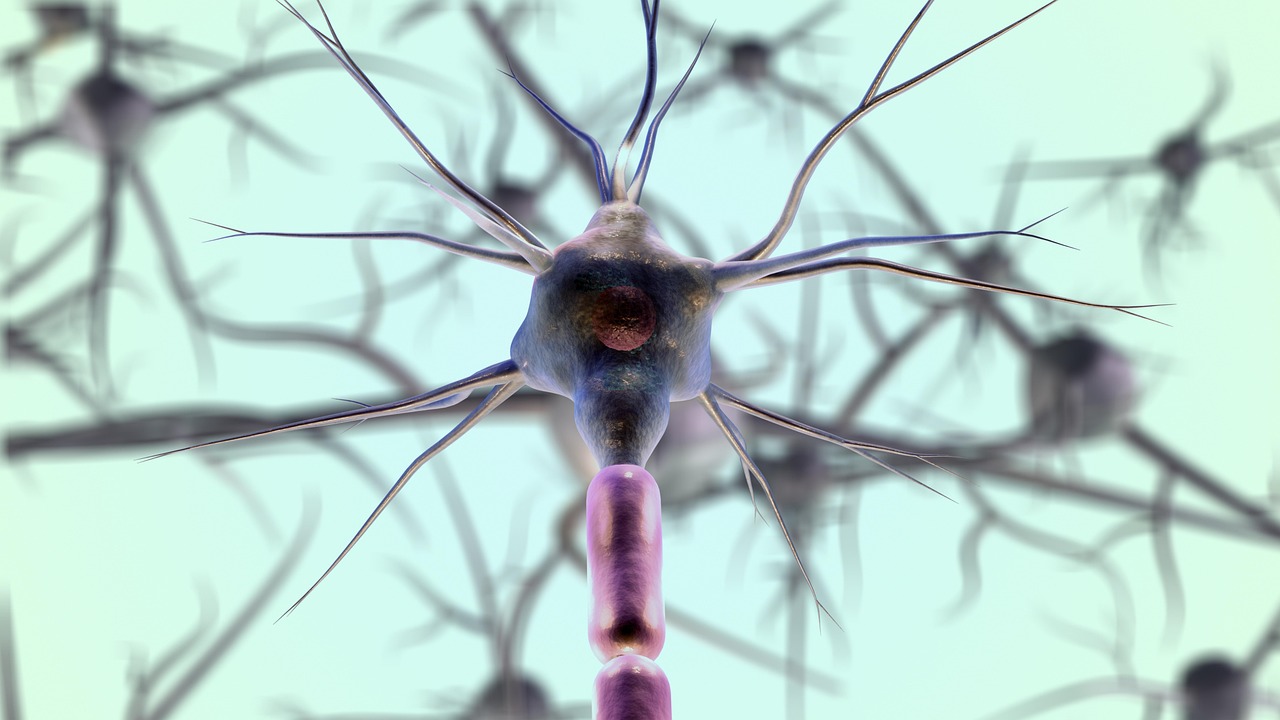
Exosomes are nanosized vesicles secreted by various cell types, including neurons, into the extracellular space. These vesicles carry a cargo of proteins, lipids, and nucleic acids, facilitating intercellular communication. Recent investigations have uncovered the presence of AMPA receptors, crucial for synaptic transmission, within exosomes, suggesting a novel mechanism of information transfer between neurons.
Here, we analyzed transgenic mice that lack the essential GluA1 subunit of AMPAR, specifically in the peripheral arm of the somatosensory pain pathway, i.e., the nervous system. System. The results showed that exosome derivatives containing GluaA1, restores nociceptive effects in GluA1 knockout mice.
Central and somatic signals received by nociceptors in paraplegia, and the consequences of bringing nociceptors into a stable hyper functional state. Nociceptors receive injury-related signals in the spinal cord (highly activated postsynaptic dorsal horn (DH) neurons, activated glial cells, and infiltrating immune cells) and in the dorsal root ganglion (DRG) (from other DRG neurons, satellite glial cells, blood, etc.). Nociceptors have strong excitatory effects on pain pathways (referred to as DG neurons) and on circuits supporting somatic and visceral functions. LTP at DG synapses can be generated by somatic and peripheral AS, as well as after-discharge, which is facilitated by the hyper functional state of the nociceptor. Nociceptor activity causes central sensitization, promotes spontaneous and evoked pain, and enhances somatic and visceral reflexes. Nociceptor activity also results in positive feedback interactions with postsynaptic neurons, other somatic DRGs, inflammatory cells (microglia, infiltrating macrophages, and T cells), astrocytes, and satellite glial cells. PN - Proprioceptive Neuron:Proprioceptive neurons are specialized sensory neurons responsible for conveying information about the position and movement of body parts to the central nervous system (CNS). They play a crucial role in proprioception, which is the sense of the relative position of neighboring parts of the body. IN - Interneuron:Intereurons are neurons that transmit signals between other neurons, acting as connectors or relays within the nervous system. In the context of the DRG, interneurons could be involved in processing and modulating sensory information before it reaches the spinal cord or higher brain centers. They contribute to the integration and coordination of signals within neural circuits [80-84].
CFA-induced mechanical hypersensitivity was tested by applying gradual point pressure to von Frey hairs, and the minimum force producing a pull-off response in at least 2 out of 5 applications of von Frey hairs was termed threshold. Answer. While exosome SNS-GluA1-/-+ mice developed significant mechanical hypersensitivity (reduced von Frey capillary threshold) 4, 12, 24 and 48 hours after CFA injection compared to their respective baseline values.
Changes in paw withdrawal latency (PWL) in response to infrared heat in the inflamed paw represented as the percentage decrease over the contralateral uninflamed paw. $P < 0.05$.
During exosome formation, the plasma membrane is invaginated and intracellular multivesicular bodies with intraluminal vesicles are formed. This endocytic pathway from the donor cell is followed by transport of transmembrane and intra vesicular proteins from the Golgi complex, leading to the formation of early endosomes. After maturation and differentiation, they become late endosomes. They are degraded by fusion with lysosomes, the plasma membrane or autophagosomes, releasing intraluminal vesicles into the extracellular environment as exosomes (40-150 nm in diameter).
Exosomes interact with recipient cells through their surface receptor molecules and ligands. Some exosomes remain on the cell membranes of donor cells after secretion, while others interact with recipient cells. Internalization of exosomes occurs through a raft- or caveolae-mediated membrane integration process or clathrin-dependent endocytosis. Micropinocytosis and phagocytosis have also been described as methods for internalization of exosomes by recipient cells. This process of physiological integration into target recipient cells is believed to have therapeutic potential as a targeted delivery system to effectively carry out biological functions. However, the exosome components responsible for cell type or organ specificity remain unclear.
Exosomes have great therapeutic potential for various diseases due to their intracellular transport ability. Nanomedicine technologies have given impetus to the study of the use of the pathogenic value of exosome particles in various diseases. Nanomedicine targeted drug delivery system focuses on the sustained release of exosomes to exert biological activity at the target site. Exosomes are used as vectors or carrier molecules to trigger a biological response.
Under certain physiological circumstances, exosomes exhibit very low immunogenicity and the ability to bypass the physiological blood-brain barrier. Thanks to the stable lipid bilayer, the cargoes contained in exosome vesicles are protected from the action of native immune cells and digestive enzymes. Artificial exosome vesicles transport the cargoes with which they are loaded to the site of action through various mechanisms of endocytosis or membrane fusion. Electric vehicles are made up of different types of cells and tissues. When injected into a specific diseased tissue, EVs trigger tissue regeneration and homeostasis under certain conditions. EVs derived from mesenchymal stromal cells exhibit cell viability, cell trophism, anti-inflammatory, immunomodulatory, and therapeutic effects. They support neo angiogenesis and cell proliferation. Exosomes exhibit the same targeting effect as the parent cell.
AMPA receptors belong to the family of ionotropic glutamate receptors and are crucial for the transmission of excitatory signals in the brain. This article provides an overview of AMPA receptor structure and function, emphasizing their contribution to synaptic plasticity and their involvement in various neurological disorders.
Moreover, these structural insights have unveiled the dynamic nature of AMPA receptors, showcasing conformational changes that occur during various stages of receptor function. The GluA1-GluA4 subunits exhibit unique structural features that contribute to the diversity in their functional roles within the receptor complex.
Studies utilizing X-ray crystallography and cryoelectron microscopy have elucidated key interactions between the individual subunits and their binding sites for glutamate, the neurotransmitter that activates AMPA receptors. GluA2, in particular, plays a crucial role in regulating calcium permeability, impacting the overall signaling properties of the receptor.
The intricate architecture of AMPA receptors extends beyond the individual subunits, as auxiliary proteins like TARP (transmembrane AMPA receptor regulatory proteins) and cornichons have been identified as modulators of receptor activity. These auxiliary proteins influence trafficking, synaptic localization, and channel properties, further highlighting the complexity of AMPA receptor function.
Understanding the structural dynamics of AMPA receptors has significant implications for pharmacological interventions targeting neurological disorders. Drug design efforts can benefit from precise knowledge of the receptor's three-dimensional arrangement, allowing for the development of compounds that selectively modulate specific aspects of AMPA receptor function.
In summary, recent strides in structural biology have unraveled the intricacies of AMPA receptor architecture, emphasizing the importance of the arrangement of GluA1, GluA2, GluA3, and GluA4 subunits in determining the receptor's functional properties. These revelations pave the way for a deeper understanding of synaptic transmission and open avenues for the development of novel therapeutic strategies targeting neurological conditions associated with aberrant AMPA receptor activity.
Mechanisms of AMPA Receptor Function: Upon glutamate binding, AMPA receptors undergo conformational changes that lead to channel opening, allowing the influx of cations, predominantly sodium ions. The rapid activation and subsequent desensitization of AMPA receptors contribute to the fast nature of excitatory neurotransmission. Moreover, the regulation of AMPA receptor trafficking and localization is critical for synaptic plasticity, synaptic strength, and learning and memory processes.
Synaptic Plasticity and AMPA Receptors: Long-term potentiation (LTP) and long-term depression (LTD) are forms of synaptic plasticity that underlie learning and memory. AMPA receptors play a central role in these processes by modulating the strength of synaptic connections. The dynamic regulation of AMPA receptor trafficking, insertion, and removal from the synapse contribute to the fine-tuning of synaptic strength and plasticity.
AMPA Receptors in Neurological Disorders: Dysregulation of AMPA receptor function has been implicated in various neurological disorders, including epilepsy, Alzheimer's disease, and mood disorders. Understanding the molecular mechanisms underlying AMPA receptor dysfunction in these conditions provides potential targets for therapeutic intervention. Modulators of AMPA receptor activity, such as positive allosteric modulators and selective agonists, are being explored as potential treatment options.
Therapeutic Implications: Given the crucial role of AMPA receptors in synaptic transmission and plasticity, targeting these receptors holds promise for therapeutic interventions in neurological disorders. Researchers are actively investigating novel compounds and strategies to modulate AMPA receptor function selectively. The development of subtype-specific modulators and precise regulation of AMPA receptor activity may offer more targeted and effective therapeutic approaches.
The role of the AMPA receptor in painful sensations. AMPAs are transmembrane proteins made up of 4 subunits (tetramers). There are 4 different subunits in the AMPAR family, GluR1-4. Each subunit contains approximately 900 amino acids and 4 main components: a large amino-terminal extracellular domain, an adjacent ligand-binding domain, a transmembrane domain, and a carboxy-terminal cytoplasmic domain. Most native AMPARs are heterothermie, meaning they are made up of a combination of different subunits. The synthesis of AMPAR subunits and their assembly into functional receptors begins in the rough endoplasmic reticulum. A group of proteins called AMPAR transmembrane regulatory proteins (TARPs) facilitate the transport of AMPARs from the endoplasmic reticulum to the plasma membrane and anchor these receptors at the synapse. Transport of AMPARs to and from the synaptic membrane occurs in a highly regulated manner. For example, phosphorylation of residue S831 in GluR1 by Ca/calmodulin-dependent protein kinases (CaMKII) and protein kinase C has been shown to result in transport of GluR1 subunits into the synapse. By adjusting the number and type of AMPARs on the synaptic surface, a postsynaptic neuron can modify its excitability, that is, its response to presynaptic signals [85-89].
Electrophysiological properties of AMPA receptors. Most functional AMPAs are located on the postsynaptic surface. When bound to glutamate, they are permeable to Na and K ions, but usually not to Ca2 ions. Each AMPAR, when open, conducts a miniature excitatory postsynaptic current inward. Each of these small incoming currents depolarizes the cell membrane to a small extent. When enough AMPARs bind glutamate and open, these miniature excitatory postsynaptic currents can sum and create a large depolarizing force, causing the neuron to fire an action potential. 3 Thus, AMPAR opening in response to glutamate provides the cellular basis for excitatory synaptic transmission. In addition, a subset of AMPARs, receptors without GluR2 subunits, are Ca2+ permeable. Most of these calcium-permeable AMPARs (CPARs) are composed of GluR1 homo tetramers, but they can also be formed by assembling a combination of GluR1, 3, and 4 subunits. CPARs conduct faster and larger inward currents than AMPARs. impermeable to calcium. CPARs not only exhibit faster and stronger postsynaptic currents, but through Ca2 influx they can also activate Ca2-dependent signaling cascades that lead to long-term changes in synaptic strength. Thus, CPARs act as surrogates for NMDA receptors and likely play a similar role in processes such as memory formation and central sensitization. AMPA receptors and pain. Given the critical role of AMPARs in determining the strength of synaptic transmission in various neurological systems, it is not surprising that they are involved in pain transmission. In recent years, animal studies have focused on the first synaptic contact in the pain pathway, namely the synapse between the primary afferent neuron and the dorsal horn neuron. Using sophisticated electrophysiological recordings, the spinal cord neurons expressing AMPARs receive primary afferent inputs of nociceptive origin. During this time, Polgar and his colleagues were able to provide eight quantitative estimates of AMPAR. They observed that, for example, in lamina I-II of the dorsal horn, all neurons expressed GluR2 AMPAR subunits, whereas only $65\%$ of these neurons expressed GluR1 subunits. In lamina III, $100\%$ of neurons express GluR2 and $80\%$ express GluR1. They found that GluR3 and GluR4, although in smaller amounts, are also expressed in dorsal horn neurons. They also showed that these AMPARs are localized to postsynaptic density proteins, proteins that function as structures on the postsynaptic surface. Thus, their finding suggests that AMPARs are not only expressed by spinal cord neurons but likely play an active role in synaptic transmission between peripheral nociceptive neurons and spinal cord neurons [90-95].
The discovery of AMPARs at the synaptic site of the pain pathway is the first step in determining the importance of these receptors in pain. The next steps are to identify specific AMPAR changes that occur during pain and show that these changes contribute to the experience of pain. Larsson and Broman recently showed that during acute pain (induced by capsaicin), there is an increase in the number of GluR1 subunits recruited to synaptic sites. This is an important finding because the dominant AMPARs in GluR1 tend to be $\mathrm{Ca^{2+}}$ permeable receptors, which can trigger long-term cellular changes. According to their model, inflammation caused by capsaicin leads to the transmission of pain signals to the C-fiber neuron in the form of action potentials. The flooding of these action potentials is sufficient to recruit CPAR to the synaptic site of the dorsal horn neuron. The accumulation of CPAR in turn induces long-term memory at this synapse between the C-fiber and the spinal neuron, facilitating subsequent pain transmission. Thus, $\mathrm{Ca^{2+}}$ permeable AMPARs act as surrogates for NMDA receptors to mediate central pain sensitization. Additional evidence for the accumulation of $\mathrm{Ca^{2+}}$ -permeable AMPARs during pain conditions comes from studies focusing on chronic pain. $\mathrm{Ca^{2+}}$ permeable AMPARs accumulated at spinal cord synapses in several rodent models of chronic pain. After administration of Freund's complete adjuvant, a proinflammatory agent, to the paws of rats or mice, these rodents exhibited long-lasting (2 weeks) mechanical allodynia and thermal hyperalgesia. After the onset of chronic pain, Luo and his colleagues dissected the spinal cords of these mice and found that not only did the number of GluR1 subunits in spinal cord neurons increase, but also the active part of this subunit (phosphorylated, fraction) was also increased. Thus, their results indicate that chronic pain activates AMPAR GluR1 and recruits it to the cell surface. dorsal horn neurons. Two additional studies showed that not only did the number of GluR1 subunits increase, but there was also a concomitant decrease in the number of GluR2 and GluR3 subunits at the synapse between the peripheral nociceptive neuron and the dorsal horn neuron. Regulation of the soluble factor N-ethylmaleimide fusion protein, a protein required to transport GluR2 subunits to the cell surface, was actually downregulated due to chronic pain. Moreover, Tao's group showed that GluR2-containing AMPARs can subsequently be internalized or cleared from the synaptic site over time through activation of the NMDA receptor. Thus, a complex signaling cascade begins to emerge from these studies. First, chronic pain induces intense AMPAR-mediated synaptic transmission between the peripheral nociceptive neuron and the dorsal horn neuron, activating NMDA receptors and causing $\mathrm{Ca^{2+}}$ influx. Ca influx in turn activates a number of downstream signaling proteins, including kinases and other transport proteins, to replace Ca-impermeable AMPARs with $\mathrm{Ca^{2+}}$ permeable AMPARs in the cell membrane. Finally, administration of $\mathrm{Ca^{2+}}$ permeable AMPARs allows for increased $\mathrm{Ca^{2+}}$ influx, thereby improving synaptic transmission from peripheral neurons to spinal cord neurons. This pathway partially underlies the mechanism of central sensitization [96-99]. Modulation of AMPA receptors leads to changes in pain sensitivity. If AMPA receptors are involved in spinal cord pain pathways, and more specifically in the synaptic contact between a nociceptive afferent neuron and a spinal cord neuron, modulation of these receptors should lead to changes in pain sensitivity in animals. In fact, researchers have been trying to administer intrathecal glutamate receptor blockers to treat pain for many years. The reason for this approach was to interrupt all synaptic transmission between peripheral nerves and spinal nerves by blocking AMPARs. For example, Sang and colleagues showed that tezampanel, a nonspecific AMPAR blocker, can be used to reduce mechanical hyperalgesia in a rodent model of inflammatory pain. This treatment model impairing pain transmission—requires chronic administration of the drug. However, chronic administration of an AMPAR antagonist results in unacceptable side effects by interfering with normal nociceptive and non-nociceptive sensory transmission and motor functions. In addition, these drugs can penetrate the cerebrospinal fluid and disrupt synaptic transmission in the brain. However, recent studies on the role of CPARs in the induction and maintenance of central sensitization have shed new light on the therapeutic potential of AMPAR blockade. Therefore, therapeutic AMPAR blockade may require a different strategy aimed at disrupting the molecular mechanisms of central sensitization rather than disrupting complete synaptic transmission. This strategy may only require proactive blocking of signaling events that lead to accumulation of CPARs or selective antagonism of CPARs themselves. In support of this strategy, the examined pain perception in mice carrying genetically modified GluR2 as part of an investigation into the mechanism of central sensitization in the spinal cord. They genetically modified GluR2 subunits to render these receptors unable to be internalized. Consequently, these mutated GluR2 receptors remained on the cell membrane longer and displaced GluR1 receptors. Remember that CPARs require the absence of GluR2 and the presence of GluR1. This mutation essentially results in a decrease in the amount of CPAR on the cell surface. Interestingly, but perhaps unsurprisingly, rodents with this mutation exhibited less chronic pain. Using a different genetic approach, examined the effect of selective deletion of GluR1 or GluR2 on the acute pain threshold in mice. for transmission. signs of acute pain. However, in a model of chronic inflammatory pain, genetic deletion of GluR1 subunits in mice resulted in a higher pain threshold, and deletion of GluR2 had the opposite effect. Because GluR2 is Ca2-permeable without AMPARs, these genetic data suggested that altering the number of Ca-permeable AMPARs at synaptic surfaces may alter pain transmission. The difference lies in the chronic nature of the pain. Although CPARs are interesting for acute pain signaling, they are likely to play an important role in chronic pain due to their influence on central sensitization [100-104].
AMPA receptors mediate fast excitatory synaptic transmission in the mammalian central nervous system when activated by the neurotransmitter glutamate at the postsynaptic membrane. The receptors are composed of four subunits GluA1-GluA4, which can combine with each other in various combinations to form glutamate-activated ion channels with different physiological properties. However, AMPA receptor function is also influenced by concomitant factors, such as the TARP family of AMPA receptor transmembrane regulatory proteins. For example, TARP $\gamma 8$ allows AMPA receptors that have been desensitized due to the chronic presence of glutamate to return to an open state [105-107].
NMDA receptors are well expressed on the cell surface and function when double cysteine mutations are introduced into NR1 or NR2 to block lobes. The GluA2 A452C/S652C mutation is highly expressed but does not reach the cell surface. However, when expressed in bacteria, the GluA2 LBD with these mutations' folds correctly and the agonist binding site remains intact. Assuming that the protein is correctly folded but does not translocate to the cell surface, the transport defect may be due to a defect in dimer or tetramer formation or a conformational state (e.g., desensitization). The L483Y mutation appears to promote tetramerization and stabilize the interface between LBD dimers. Despite the formation of tetramers, the lack of desensitization of L483Y mutants limits their penetration to the cell surface. The formation of the A452C/S652C disulfide destabilizes the interface between LBD dimers and likely has the opposite effect on tetramerization (or even dimerization) [108-112].
The use of a disulfide bond demonstrated that it is possible to obtain an almost completely closed form of the GluA2 LBD in the presence of several partial agonists. This suggests that the flocs may exhibit transitions to multiple conformations, as previously suggested by dynamic NMR measurements and single-molecule FRET experiments. Although these experiments do not directly address the conformation required for channel activation, previous studies showing that partial agonists can adopt a range of conformations suggest that this ensemble may determine efficacy. The finding that the fully closed form is part of this set is consistent with the idea that the stability of the fully closed form determines performance.
Activation of AMPA receptors begins with agonist binding and general movement of the LBD, which in turn causes displacement of the ion channel gate and the passage of cations through the channel pore. Closure of the LBD bipartite structure is at least partially responsible for channel opening. Single-channel recording experiments showed that full and partial agonists can activate AMPA receptor channels at the same three or four different conductance levels. At saturating agonist concentrations and without desensitization, partial agonists exhibit lower currents than full agonists because lower conductance levels fill preferentially than those observed with full agonists. The different levels of conductance were thought to be due to the activation of separate gates on each of the four subunits. That is, the highest level of conductance is achieved with the gates open for all four subunits, the next highest level of conductance is with three gates open, and so on. At saturating concentrations of agonists, all four subunits are occupied, so in the absence of desensitization, the occupancy of lower conductance states by partial agonists suggests that the activation channel is not automatically triggered upon agonist binding, but rather that the channel is open. The gate to one subunit is associated with conformational equilibrium, the energy levels of which change upon agonist binding. Partial agonism is based on a number of crystal structures that correlate lobe orientation in the GluA2 LBD with efficiency. The more sheet closures observed in a set of crystal structures, the higher the efficiency. Conduction states were shown to be identical for full and partial agonists, and the population of conductance levels followed a bionomic distribution. The success rate of a bio name can be viewed as a measure of effectiveness. The efficiency coefficient, in turn, correlates with the relative orientation of the LBD flaps. This hypothesis has been called the explanation because the relatively fixed degree of gate closure determines the likelihood of gate activation. An alternative, but not mutually exclusive, dynamic model is that each subunit has a conformational set that is modified by the binding of full and partial agonists. For full agonists, the conformational set primarily favors a closed valve state and gate activation for the subunit, whereas partial agonists include a fully closed state as well as a distribution of more open states with less frequent gate activation for the subunit. This subunit. In the simplest version of the model, the fully closed state of the LBD would be the trigger to activate the channel gate, and the probability of achieving a fully closed LBD would determine the effectiveness [113-118].
The half-life of AMPAR in cultured spinal neurons, measured by pulse receptor labeling or surface biotinylating, is approximately 30 hours. In contrast, a recent report using an antibody pulse to label surface receptors on live human embryonic kidney (HEK) cells and hippocampal neurons in culture showed that the labeled receptors were internalized very quickly, with a constant of time of approximately 40 minutes. These internalized receptors were colocalized with proteins, associated with clathrin-coated pits. This suggests that receptor endocytosis occurs much more rapidly than receptor degradation, leaving the majority of internalized AMPARs intact (and possibly functional). This, in turn, raises the possibility that internalized AMPARs may be recycled back to the synaptic membrane. Although constitutive cycling models of receptors at the NMJ emphasize a slow, stately exchange of receptors over a period of days, these recent studies suggest that central AMPARs may constantly travel between extracellular and intracellular compartments, although direct tests provide proof of this. require the reappearance of receptors on the synaptic membrane. Another reason for caution in interpreting the discrepancy between half-life and internalization rates is the possibility that the method used to measure internalization itself (the binding of antibodies to AMPARs in living cells) influences the rate of receptor internalization. For example, it would be good to know whether the receptor half-life decreases with antibody treatment. An interesting observation in cells treated with hypertonic sucrose or transfected with a dominant negative dynamin mutant (both manipulations intended to inhibit endocytosis) was that constitutive AMPAR internalization was significantly reduced, the percentage of AMPAR but the total surface area was not increased. This observation led to propose that the internalization and insertion rates of the constituent receptors are somehow linked, such that a change in one result in coordinated changes in the 'other, and that the total number of surface receptors remains constant. This interpretation could explain the lack of effect on basal transmission observed with subsequent blockade of exocytosis, but is in direct contradiction to the findings that exocytosis blockers had a profound effect on basal transmission. Insulin treatment reduced the number of surface receptors on cultured HEK or hippocampal neurons, and this reduction was sensitive to agents that disrupt endocytosis. Additionally, insulin treatment and LTD blocked in hippocampal slices. This suggests that certain agents (such as insulin and activity) are able to transiently uncouple endocytosis and exocytosis and produce a net gain or loss of cell surface receptors. These results are supported by the accompanying report that cerebellar LTD (and reduction in insulin-mediated synaptic transmission) was strongly attenuated by inhibitors of clathrin-mediated endocytosis, whereas basal transmission was not affected. The reports suggest that the synaptic plasticity mechanisms from different brain regions (hippocampus and cerebellum), using different transduction mechanisms, might ultimately converge on the same cellular mechanism to control the number of AMPARs expressed at synaptic sites [119-123].
The CP-AMPARs have been implicated in pathological processes such as ischemia for many years, their role in "normal" physiological memory processes has only recently been recognized, and CP-AMPARs are now emerging as an important additional property of various forms of synapses. The subunit composition of synaptic AMPARs can change quite rapidly due to the movement of certain subunits. Compared to the wealth of knowledge about AMPAR trafficking in general, little is known about the specific mechanisms that regulate synaptic inclusion of CP-AMPARs. As mentioned above, GluA1-dependent mechanisms, already identified as important for LTP expression but previously thought to apply primarily to GluA1/GluA2 heteromers, may be synonymous with CP-AMPAR transport immediately following LTP induction and perhaps other forms of plasticity that also include the CP-AMPAR insert [124-127]. Internalization of GluA2, which is part of CP-AMPAR expression, may share mechanisms with the induction of LTD (which does not involve synaptic CP-AMPAR expression). It will be important to see how signaling pathways upstream of AMPAR subunits and the accessory proteins are specific for CP-AMPAR expression. Unraveling the details of the illicit trade requires a modern cell culture system that can be used for high-resolution imaging in combination with acute genetic manipulation. Although such a system is clearly available for hippocampal neurons, research on other types of neurons has lagged in this regard. However, it is already clear that there are many similarities between the neurons of the hippocampus, VTA and lateral amygdala.
## V. CONCLUSION
So, the Modulation of AMPA receptors leads to changes in pain sensitivity. The AMPA receptors are involved in spinal cord pain pathways, and more specifically in the synaptic contact between a nociceptive afferent neuron and a spinal cord neuron, modulation of these receptors should lead to changes in pain sensitivity in animals. In fact, researchers have been trying to administer intrathecal glutamate receptor blockers to treat pain for many years. The reason for this approach was to interrupt all synaptic transmission between peripheral nerves and spinal nerves by blocking AMPARs. For example, Sang and colleagues showed that tezampanel, a nonspecific AMPAR blocker, can be used to reduce mechanical hyperalgesia in a rodent model of inflammatory pain. The nociceptorspecific deletion of GluA1 resulted in the disruption of calcium permeability and a diminished response to capsaicin stimulation in nociceptors. The deletion of GluA1, led to reduced mechanical hypersensitivity and sensitization in models of chronic inflammatory pain and arthritis. So, the GluA1-containing AMPARs played a regulatory role in the nociceptors' responses to painful stimuli in inflamed tissues, influencing the excitatory signals transmitted from the periphery into the spinal cord.
Statement of Conflicting Interests: The authors announced, that there is no potential conflict of interest with regard to the research, and/or publication of this article.
Generating HTML Viewer...
References
116 Cites in Article
A Kato,E Siuda,E Nisenbaum,D Bredt (2008). AMPA receptor subunit-specific regulation by a distinct family of type II TARPs.
Konstantin Khodosevich,Eric Jacobi,Paul Farrow,Anton Schulmann,Alexandru Rusu,Ling Zhang,Rolf Sprengel,Hannah Monyer,Jakob Von engelhardt (2014). Coexpressed Auxiliary Subunits Exhibit Distinct Modulatory Profiles on AMPA Receptor Function.
Anders Kielland,Paul Heggelund (2002). AMPA and NMDA currents show different short‐term depression in the dorsal lateral geniculate nucleus of the rat.
Eunjoon Kim,Morgan Sheng (2004). PDZ domain proteins of synapses.
R Klaassen,J Stroeder,F Coussen,A Hafner,J Petersen,C Renancio,L Schmitz,Normand Lodder,J Rotaru,D Rao-Ruiz,P Spijker,S Mansvelder,H Choquet,D Smit,A (2016). Shisa6 traps AMPA receptors at postsynaptic sites and prevents their desensitization during synaptic activity.
Miloslav Korinek,Vojtech Vyklicky,Jirina Borovska,Katarina Lichnerova,Martina Kaniakova,Barbora Krausova,Jan Krusek,Ales Balik,Tereza Smejkalova,Martin Horak,Ladislav Vyklicky (2015). Cholesterol modulates open probability and desensitization of NMDA receptors.
Matthew Lee,Kevin Gardinier,Douglas Gernert,Douglas Schober,Rebecca Wright,He Wang,Yuewei Qian,Jeffrey Witkin,Eric Nisenbaum,Akihiko Kato (2017). Structural Determinants of the γ-8 TARP Dependent AMPA Receptor Antagonist.
E Lein,M Hawrylycz,N Ao,M Ayres,A Bensinger,A Bernard,A Boe,M Boguski,K Brockway,E Byrnes,L Chen,L Chen,T Chen,Chin Mc atlas of gene expression in the adult mouse brain.
Yu-Li Liu,Cathy Shen-Jang Fann,Chih-Min Liu,Wei Chen,Jer-Yuarn Wu,Shuen-Iu Hung,Chun-Houh Chen,Yuh-Shan Jou,Shi-Kai Liu,Tzung-Jeng Hwang,Ming Hsieh,Chien Chang,Wei-Chih Yang,Jin-Jia Lin,Frank Huang-Chih Chou,Stephen Faraone,Ming Tsuang,Hai-Gwo Hwu (2008). RASD2, MYH9, and CACNG2 Genes at Chromosome 22q12 Associated with the Subgroup of Schizophrenia with Non-Deficit in Sustained Attention and Executive Function.
S Long,X Tao,E Campbell,R Mackinnon (2007). Atomic structure of a voltage-dependent K+ channel in a lipid membrane-like environment.
Michael Maher,Jose Matta,Shenyan Gu,Mark Seierstad,David Bredt (2017). Getting a Handle on Neuropharmacology by Targeting Receptor-Associated Proteins.
L Matt,L Kirk,G Chenaux,D Speca,K Puhger,M Pride,M Qneibi,T Haham,K Plambeck,Y Stern-Bach,J Silverman,J Crawley,J Hell,E Diaz (2018). SynDIG4/Prrt1 Is Required for Excitatory Synapse Development and Plasticity Underlying Cognitive Function.
L Mcgoldrick,A Singh,K Saotome,M Yelshanskaya,E Twomey,R Grassucci,A Sobolevsky (2018). Opening of the human epithelial calcium channel TRPV6.
Joel Meyerson,Janesh Kumar,Sagar Chittori,Prashant Rao,Jason Pierson,Alberto Bartesaghi,Mark Mayer,Sriram Subramaniam (2014). Structural mechanism of glutamate receptor activation and desensitization.
A Milstein,R Nicoll (2009). TARP modulation of synaptic AMPA receptor trafficking and gating depends on multiple intracellular domains.
Aaron Milstein,Wei Zhou,Siavash Karimzadegan,David Bredt,Roger Nicoll (2007). TARP Subtypes Differentially and Dose-Dependently Control Synaptic AMPA Receptor Gating.
T Nakagawa (2010). The biochemistry, ultrastructure, and subunit assembly mechanism of AMPA receptors.
L Cai,G Courtine,A Fong,J Burdick,R Roy,V Edgerton (2006). Plasticity of functional connectivity in the adult spinal cord.
A Craig (2003). P<scp>AIN</scp> M<scp>ECHANISMS</scp>: Labeled Lines Versus Convergence in Central Processing.
Holly Engelman,Amy Macdermott (2004). Presynaptic ionotropic receptors and control of transmitter release.
E Fetz,S Perlmutter,Y Prut,K Seki,S Votaw (2002). Roles of primate spinal interneurons in preparation and execution of voluntary hand movement.
Amy Helms,Jane Johnson (2003). Specification of dorsal spinal cord interneurons.
Barry Jacobs,Casimir Fornal (1993). 5-HT and motor control: a hypothesis.
E Jankowska (1992). Interneuronal relay in spinal pathways from proprioceptors.
R Ji,T Kohno,K Moore,C Woolf (2003). Central sensitization and LTP: do pain and memory share similar mechanisms?.
Ole Kiehn (2006). LOCOMOTOR CIRCUITS IN THE MAMMALIAN SPINAL CORD.
Soo-Kyung Lee,Samuel Pfaff (2001). Transcriptional networks regulating neuronal identity in the developing spinal cord.
David Mclean,Jingyi Fan,Shin-Ichi Higashijima,Melina Hale,Joseph Fetcho (2007). A topographic map of recruitment in spinal cord.
Mark Millan (2002). Descending control of pain.
Richard Poppele,Gianfranco Bosco (2003). Sophisticated spinal contributions to motor control.
Serge Rossignol,Réjean Dubuc,Jean-Pierre Gossard (2006). Dynamic Sensorimotor Interactions in Locomotion.
P Rudomin,Robert Schmidt (1999). Presynaptic inhibition in the vertebrate spinal cord revisited.
K Seki,S Perlmutter,E Fetz (2003). Sensory input to primate spinal cord is presynaptically inhibited during voluntary movement.
W Willis,R Coggeshall (1991). Sensory Mechanisms of the Spinal Cord, Second Edition.
Ingo Greger,Jake Watson,Stuart Cull-Candy (2017). Structural and Functional Architecture of AMPA-Type Glutamate Receptors and Their Auxiliary Proteins.
Philip Chang,David Verbich,R Mckinney (2012). AMPA receptors as drug targets in neurological disease – advantages, caveats, and future outlook.
C Chen,D Blitz,Wg (2002). Contributions of receptor desensitization and saturation to plasticity at the retinogeniculate synapse.
C Chen,W Regehr (2000). Developmental remodeling of the retinogeniculate synapse.
Lu Chen,Dane Chetkovich,Ronald Petralia,Neal Sweeney,Yoshimi Kawasaki,Robert Wenthold,David Bredt,Roger Nicoll (2000). Stargazin regulates synaptic targeting of AMPA receptors by two distinct mechanisms.
Lei Chen,Katharina Dürr,Eric Gouaux (2014). X-ray structures of AMPA receptor–cone snail toxin complexes illuminate activation mechanism.
Shanshuang Chen,Eric Gouaux (2019). Structure and mechanism of AMPA receptor — auxiliary protein complexes.
S Chen,Y Zhao,Y Wang,M Shekhar,E Tajkhorshid,E (2017). Activation and Desensitization Mechanism of AMPA Receptor-TARP Complex by Cryo-EM.
Xufeng Chen,Muhammad Aslam,Tim Gollisch,Kevin Allen,Jakob Von Engelhardt (2018). CKAMP44 modulates integration of visual inputs in the lateral geniculate nucleus.
Tomohiro Chiyonobu,Shin Hayashi,Kazuhiro Kobayashi,Masafumi Morimoto,Yuri Miyanomae,Akira Nishimura,Akemi Nishimoto,Chiyomi Ito,Issei Imoto,Tohru Sugimoto,Zhengping Jia,Johji Inazawa,Tatsushi Toda (2007). Partial tandem duplication of <i>GRIA3</i> in a male with mental retardation.
Chang-Hoon Cho,Fannie St-Gelais,Wei Zhang,Susumu Tomita,James Howe (2007). Two Families of TARP Isoforms that Have Distinct Effects on the Kinetic Properties of AMPA Receptors and Synaptic Currents.
Graham Collingridge,Richard Olsen,John Peters,Michael Spedding (2009). A nomenclature for ligand-gated ion channels.
I Coombs,D Soto,M Zonouzi,M Renzi,C Shelley,M Farrant,S Cull-Candy (2012). Cornichons Modify Channel Properties of Recombinant and Glial AMPA Receptors.
B Davies,L Brown,O Cais,J Watson,A Clayton,V Chang,D Biggs,C Preece,P Hernandez-Pliego,J Krohn,A Bhomra,Srf Twigg,A Rimmer,A Kanapin,Wgs Consortium,A Sen,Z Zaiwalla,G Mcvean,R Foster,P Donnelly,J Taylor,E Blair,D Nutt,A Aricescu,I Greger,S Peirson,J & Flint,H Martin (2017). A point mutation in the ion conduction pore of AMPA receptor GRIA3 causes dramatically perturbed sleep patterns as well as intellectual disability.
G Dawe,Md. Kadir,Raminta Venskutonytė,Amanda Perozzo,Yuhao Yan,Ryan Alexander,Camilo Navarrete,Eduardo Santander,Marika Arsenault,Christian Fuentes,Mark Aurousseau,Karla Frydenvang,Nelson Barrera,Jette Kastrup,J Edwardson,Derek Bowie (2019). Nanoscale Mobility of the Apo State and TARP Stoichiometry Dictate the Gating Behavior of Alternatively Spliced AMPA Receptors.
G Dawe,M Musgaard,M Aurousseau,N Nayeem,T Green,P Biggin,D Bowie (2016). Distinct Structural Pathways Coordinate the Activation of AMPA Receptor-Auxiliary Subunit Complexes.
Javier Díaz-Alonso,Yujiao Sun,Adam Granger,Jonathan Levy,Sabine Blankenship,Roger Nicoll (2017). Subunit-specific role for the amino-terminal domain of AMPA receptors in synaptic targeting.
K Durr,L Chen,R Stein,De Zorzi,R Folea,I Walz,T Mchaourab,H,E (2014). Structure and Dynamics of AMPA Receptor GluA2 in Resting, Pre-Open, and Desensitized States.
Kate Everett,Barry Chioza,Jean Aicardi,Harald Aschauer,Oebele Brouwer,Petra Callenbach,Athanasios Covanis,Olivier Dulac,Orvar Eeg-Olofsson,Martha Feucht,Mogens Friis,Françoise Goutieres,Renzo Guerrini,Armin Heils,Marianne Kjeldsen,Anna-Elina Lehesjoki,Andrew Makoff,Rima Nabbout,Ingrid Olsson,Thomas Sander,Auli Sirén,Paul Mckeigue,Robert Robinson,Nichole Taske,Michele Rees,Mark Gardiner (2007). Linkage and association analysis of CACNG3 in childhood absence epilepsy.
Karijn Floor,Tuva Barøy,Doriana Misceo,Øivind Kanavin,Madeleine Fannemel,Eirik Frengen (2012). A 1 Mb de novo deletion within 11q13.1q13.2 in a boy with mild intellectual disability and minor dysmorphic features.
Masahiro Fukaya,Maya Yamazaki,Kenji Sakimura,Masahiko Watanabe (2005). Spatial diversity in gene expression for VDCCγ subunit family in developing and adult mouse brains.
J Garcia-Nafria,B Herguedas,J Watson,Ih (2016). The dynamic AMPA receptor extracellular region: a platform for synaptic protein interactions.
K Gardinier,D Gernert,W Porter,J Reel,P Ornstein,P Spinazze,F Stevens,P Hahn,S Hollinshead,D Mayhugh,J Schkeryantz,A Khilevich,O De Frutos,S Gleason,A Kato,D Luffer-Atlas,P Desai,S Swanson,K Burris,C Ding,B Heinz,A Need,V Barth,G Stephenson,B Diseroad,T Woods,H Yu,D Bredt,J Witkin (2016). Discovery of the First alpha-Amino-3hydroxy-5-methyl-4-isoxazolepropionic Acid (AMPA) Receptor Antagonist Dependent upon Transmembrane AMPA Receptor Regulatory Protein (TARP) gamma-8.
Martin Gill,Akihiko Kato,Matthew Roberts,Hong Yu,He Wang,Susumu Tomita,David Bredt (2011). Cornichon-2 Modulates AMPA Receptor–Transmembrane AMPA Receptor Regulatory Protein Assembly to Dictate Gating and Pharmacology.
Ingo Greger,Jake Watson,Stuart Cull-Candy (2017). Structural and Functional Architecture of AMPA-Type Glutamate Receptors and Their Auxiliary Proteins.
Xinglong Gu,Xia Mao,Marc Lussier,Mary Hutchison,Liang Zhou,F Hamra,Katherine Roche,Wei Lu (2016). GSG1L suppresses AMPA receptor-mediated synaptic transmission and uniquely modulates AMPA receptor kinetics in hippocampal neurons.
Karl Hackmann,Sarah Matko,Eva-Maria Gerlach,Maja Von Der Hagen,Barbara Klink,Evelin Schrock,Andreas Rump,Nataliya Di Donato (2013). Partial deletion of GLRB and GRIA2 in a patient with intellectual disability.
Fadi Hamdan,Julie Gauthier,Yoichi Araki,Da-Ting Lin,Yuhki Yoshizawa,Kyohei Higashi,A Park,Dan Spiegelman,Sylvia Dobrzeniecka,Amélie Piton,Hideyuki Tomitori,Hussein Daoud,Christine Massicotte,Edouard Henrion,Ousmane Diallo,Masoud Shekarabi,Claude Marineau,Michael Shevell,Bruno Maranda,Grant Mitchell,Amélie Nadeau,Guy D'anjou,Michel Vanasse,Myriam Srour,Ronald Lafrenière,Pierre Drapeau,Jean Lacaille,Eunjoon Kim,Jae-Ran Lee,Kazuei Igarashi,Richard Huganir,Guy Rouleau,Jacques Michaud (2011). Excess of De Novo Deleterious Mutations in Genes Associated with Glutamatergic Systems in Nonsyndromic Intellectual Disability.
Wenyan Han,Jun Li,Kenneth Pelkey,Saurabh Pandey,Xiumin Chen,Ya-Xian Wang,Kunwei Wu,Lihao Ge,Tianming Li,David Castellano,Chengyu Liu,Ling-Gang Wu,Ronald Petralia,Joseph Lynch,Chris Mcbain,Wei Lu (2019). Shisa7 is a GABA <sub>A</sub> receptor auxiliary subunit controlling benzodiazepine actions.
Kasper Hansen,Hiro Furukawa,Stephen Traynelis (2010). Control of Assembly and Function of Glutamate Receptors by the Amino-Terminal Domain.
Natalie Hawken,Elena Zaika,Terunaga Nakagawa (2017). Engineering defined membrane‐embedded elements of AMPA receptor induces opposing gating modulation by cornichon 3 and stargazin.
Beatriz Herguedas,Javier García-Nafría,Ondrej Cais,Rafael Fernández-Leiro,James Krieger,Hinze Ho,Ingo Greger (2016). Structure and organization of heteromeric AMPA-type glutamate receptors.
Beatriz Herguedas,Jake Watson,Hinze Ho,Ondrej Cais,Javier García-Nafría,Ingo Greger (2019). Architecture of the heteromeric GluA1/2 AMPA receptor in complex with the auxiliary subunit TARP γ8.
H Hering,C Lin,M Sheng (2003). Lipid rafts in the maintenance of synapses, dendritic spines, and surface AMPA receptor stability.
Bruce Herring,Yun Shi,Young Suh,Chan-Ying Zheng,Sabine Blankenship,Katherine Roche,Roger Nicoll (2013). Cornichon Proteins Determine the Subunit Composition of Synaptic AMPA Receptors.
Michael Hollmann,Cornelia Maron,Stephen Heinemann (1994). N-glycosylation site tagging suggests a three transmembrane domain topology for the glutamate receptor GluR1.
H Hoshino,T Uchida,T Otsuki,S Kawamoto,K Okubo,M Takeichi,O Chisaka (2007). Cornichon-like protein facilitates secretion of HB-EGF and regulates proper development of cranial nerves.
Richard Huganir,Roger Nicoll (2013). AMPARs and Synaptic Plasticity: The Last 25 Years.
Johansen Amin,Catherine Salussolia,Kelvin Chan,Michael Regan,Jian Dai,Huan-Xiang Zhou,Hiro Furukawa,Mark Bowen,Lonnie Wollmuth (2017). Divergent roles of a peripheral transmembrane segment in AMPA and NMDA receptors.
Armstrong N & Gouaux,E (2000). Mechanisms for activation and antagonism of an AMPA-sensitive glutamate receptor: crystal structures of the GluR2 ligand binding core.
Neali Armstrong,Yu Sun,Guo-Qiang Chen,Eric Gouaux (1998). Structure of a glutamate-receptor ligand-binding core in complex with kainate.
Gai Ayalon,Yael Stern-Bach (2001). Functional Assembly of AMPA and Kainate Receptors Is Mediated by Several Discrete Protein-Protein Interactions.
Caleigh Azumaya,Emily Days,Paige Vinson,Shaun Stauffer,Gary Sulikowski,C Weaver,Terunaga Nakagawa (2017). Screening for AMPA receptor auxiliary subunit specific modulators.
A Ben-Yaacov,M Gillor,T Haham,A Parsai,M Qneibi,Y Stern-Bach (2017). Molecular Mechanism of AMPA Receptor Modulation by TARP/Stargazin.
Craig Blackstone,Stephen Moss,Lee Martin,Allan Levey,Donald Price,Richard Huganir (2002). Biochemical Characterization and Localization of a Non‐<i>N</i>‐Methyl‐D‐Aspartate Glutamate Receptor in Rat Brain.
C Bonnet,B Leheup,M Béri,C Philippe,M Grégoire,P Jonveaux (2009). Aberrant <i>GRIA3</i> transcripts with multi‐exon duplications in a family with X‐linked mental retardation.
S Boudkkazi,A Brechet,J Schwenk,B (2014). Cornichon2 dictates the time course of excitatory transmission at individual hippocampal synapses.
Penelope Brockie,Michael Jensen,Jerry Mellem,Erica Jensen,Tokiwa Yamasaki,Rui Wang,Dane Maxfield,Colin Thacker,Frédéric Hoerndli,Patrick Dunn,Susumu Tomita,David Madsen,Andres Maricq (2013). Cornichons Control ER Export of AMPA Receptors to Regulate Synaptic Excitability.
Patricia Brown,Hugo Mcguire,Derek Bowie (2018). Stargazin and cornichon-3 relieve polyamine block of AMPA receptors by enhancing blocker permeation.
Ananth Burada,Rajesh Vinnakota,Janesh Kumar (2020). Cryo-EM structures of the ionotropic glutamate receptor GluD1 reveal a non-swapped architecture.
Ondrej Cais,Beatriz Herguedas,Karolina Krol,Stuart Cull-Candy,Mark Farrant,Ingo Greger (2014). Mapping the Interaction Sites between AMPA Receptors and TARPs Reveals a Role for the Receptor N-Terminal Domain in Channel Gating.
Elisa Carrillo,Sana Shaikh,Vladimir Berka,Ryan Durham,Douglas Litwin,Garam Lee,David Maclean,Linda Nowak,Vasanthi Jayaraman (2020). Mechanism of modulation of AMPA receptors by TARP-γ8.
Philip Chang,David Verbich,R Mckinney (2012). AMPA receptors as drug targets in neurological disease – advantages, caveats, and future outlook.
C Chen,D Blitz,W Regehr (2002). Contributions of receptor desensitization and saturation to plasticity at the retinogeniculate synapse.
Chinfei Chen,Wade Regehr (2000). Developmental Remodeling of the Retinogeniculate Synapse.
Lu Chen,Dane Chetkovich,Ronald Petralia,Neal Sweeney,Yoshimi Kawasaki,Robert Wenthold,David Bredt,Roger Nicoll (2000). Stargazin regulates synaptic targeting of AMPA receptors by two distinct mechanisms.
L Chen,K Durr,E Gouaux (2014). X-ray structures of AMPA receptor-cone snail toxin complexes illuminate activation mechanism.
Shanshuang Chen,Eric Gouaux (2019). Structure and mechanism of AMPA receptor — auxiliary protein complexes.
S Chen,Y Zhao,Y Wang,M Shekhar,E Tajkhorshid,E Gouaux (2017). Activation and Desensitization Mechanism of AMPA Receptor-TARP Complex by Cryo-EM.
Xufeng Chen,Muhammad Aslam,Tim Gollisch,Kevin Allen,Jakob Von Engelhardt (2018). CKAMP44 modulates integration of visual inputs in the lateral geniculate nucleus.
Tomohiro Chiyonobu,Shin Hayashi,Kazuhiro Kobayashi,Masafumi Morimoto,Yuri Miyanomae,Akira Nishimura,Akemi Nishimoto,Chiyomi Ito,Issei Imoto,Tohru Sugimoto,Zhengping Jia,Johji Inazawa,Tatsushi Toda (2007). Partial tandem duplication of <i>GRIA3</i> in a male with mental retardation.
Chang-Hoon Cho,Fannie St-Gelais,Wei Zhang,Susumu Tomita,James Howe (2007). Two Families of TARP Isoforms that Have Distinct Effects on the Kinetic Properties of AMPA Receptors and Synaptic Currents.
Graham Collingridge,Richard Olsen,John Peters,Michael Spedding (2009). A nomenclature for ligand-gated ion channels.
I Coombs,D Soto,M Zonouzi,M Renzi,C Shelley,M Farrant,S Cull-Candy (2012). Cornichons modify channel properties of recombinant and glial AMPA receptors.
Benjamin Davies,Laurence Brown,Ondrej Cais,Jake Watson,Amber Clayton,Veronica Chang,Daniel Biggs,Christopher Preece,Polinka Hernandez-Pliego,Jon Krohn,Amarjit Bhomra,Stephen Twigg,Andrew Rimmer,Alexander Kanapin,Arjune Sen,Zenobia Zaiwalla,Gil Mcvean,Russell Foster,Peter Donnelly,Jenny Taylor,Edward Blair,David Nutt,A Aricescu,Ingo Greger,Stuart Peirson,Jonathan Flint,Hilary Martin (2017). A point mutation in the ion conduction pore of AMPA receptor GRIA3 causes dramatically perturbed sleep patterns as well as intellectual disability.
G Dawe,M Kadir,R Venskutonyte,A Perozzo,Y Yan,Rpd Alexander,C Navarrete,E Santander,M Arsenault,C Fuentes,Mrp Aurousseau,K Frydenvang,N Barrera,J Kastrup,J Edwardson,D ; Bowie,G Dawe,M Musgaard,M Aurousseau,N Nayeem,T Green,P Biggin,D ; Bowie,S ; Hochman,Mb,A Kato,M Roberts,H Yu,H Wang,S Tomita,Ds ; &bredt,I Greger,J Watson,S Cull-Candy (2007). Nanoscale Mobility of the Apo State and TARP Stoichiometry Dictate the Gating Behavior of Alternatively Spliced AMPA Receptors.
X Gu,X Mao,M Lussier,M Hutchison,L Zhou,F Hamra,K Roche,W Lu (2016). GSG1L suppresses AMPA receptor-mediated synaptic transmission and uniquely modulates AMPA receptor kinetics in hippocampal neurons.
K Hackmann,S Matko,E Gerlach,Von Der Hagen,M Klink,B Schrock,E Rump,A,Di Donato,N ; Gauthier,J Araki,Y Lin,D Yoshizawa,Y Higashi,K Park,A Spiegelman,D Dobrzeniecka,S Piton,A Tomitori,H Daoud,H Massicotte,C Henrion,E Diallo,O Group,S Shekarabi,M Marineau,C Shevell,M,Maranda Mitchell,G Nadeau,A,D 'anjou,G Vanasse,M Srour,M Lafreniere,R Drapeau,P Lacaille,J Kim,E Lee,J Igarashi,K Huganir,R Rouleau,G Michaud,J (2011). Excess of de novo deleterious mutations in genes associated with glutamatergic systems in nonsyndromic intellectual disability.
Wenyan Han,Jun Li,Kenneth Pelkey,Saurabh Pandey,Xiumin Chen,Ya-Xian Wang,Kunwei Wu,Lihao Ge,Tianming Li,David Castellano,Chengyu Liu,Ling-Gang Wu,Ronald Petralia,Joseph Lynch,Chris Mcbain,Wei Lu (2010). Shisa7 is a GABA <sub>A</sub> receptor auxiliary subunit controlling benzodiazepine actions.
Beatriz Herguedas,Javier García-Nafría,Ondrej Cais,Rafael Fernández-Leiro,James Krieger,Hinze Ho,Ingo Greger (2016). Structure and organization of heteromeric AMPA-type glutamate receptors.
Beatriz Herguedas,Jake Watson,Hinze Ho,Ondrej Cais,Javier García-Nafría,Ingo Greger (2019). Architecture of the heteromeric GluA1/2 AMPA receptor in complex with the auxiliary subunit TARP γ8.
Heike Hering,Chih-Chun Lin,Morgan Sheng (2003). Lipid Rafts in the Maintenance of Synapses, Dendritic Spines, and Surface AMPA Receptor Stability.
Bruce Herring,Yun Shi,Young Suh,Chan-Ying Zheng,Sabine Blankenship,Katherine Roche,Roger Nicoll (2013). Cornichon Proteins Determine the Subunit Composition of Synaptic AMPA Receptors.
M Hollmann,C Maron,S ; Heinemann,H Hoshino,T Uchida,T Otsuki,S Kawamoto,K Okubo,M Takeichi,O Chisaka (1994). Nglycosylation site tagging suggests a three transmembrane domain topology for the glutamate receptor GluR1.
Richard Huganir,Roger Nicoll (2013). AMPARs and Synaptic Plasticity: The Last 25 Years.
A Jackson,R Nicoll (2011). The expanding social network of ionotropic glutamate receptors: TARPs and other transmembrane auxiliary subunits.
Rongsheng Jin,Satinder Singh,Shenyan Gu,Hiroyasu Furukawa,Alexander Sobolevsky,Jie Zhou,Yan Jin,Eric Gouaux (2009). Crystal structure and association behaviour of the GluR2 amino‐terminal domain.
Evgenia Kalashnikova,Ramón Lorca,Inderpreet Kaur,Gustavo Barisone,Bonnie Li,Tatsuto Ishimaru,James Trimmer,Durga Mohapatra,Elva Díaz (2010). SynDIG1: An Activity-Regulated, AMPA- Receptor-Interacting Transmembrane Protein that Regulates Excitatory Synapse Development.
Alexander Jackson,Roger Nicoll (2011). The Expanding Social Network of Ionotropic Glutamate Receptors: TARPs and Other Transmembrane Auxiliary Subunits.
Jason Shepherd,Richard Huganir (2007). The Cell Biology of Synaptic Plasticity: AMPA Receptor Trafficking.
No ethics committee approval was required for this article type.
Data Availability
Not applicable for this article.
How to Cite This Article
Nodar Sulashvili. 2026. \u201cThe Scientific Discussion of Revealing Key Issue Aspects of Features of Simulation of Inflammatory Pain through AMPA Receptor Subunits of Exosome Origin\u201d. Global Journal of Medical Research - A: Neurology & Nervous System GJMR-A Volume 24 (GJMR Volume 24 Issue A1).
Explore published articles in an immersive Augmented Reality environment. Our platform converts research papers into interactive 3D books, allowing readers to view and interact with content using AR and VR compatible devices.
Your published article is automatically converted into a realistic 3D book. Flip through pages and read research papers in a more engaging and interactive format.
Our website is actively being updated, and changes may occur frequently. Please clear your browser cache if needed. For feedback or error reporting, please email [email protected]
Thank you for connecting with us. We will respond to you shortly.
Lorem ipsum dolor sit amet, consectetur adipiscing elit. Ut elit tellus, luctus nec ullamcorper mattis, pulvinar dapibus leo.
The Scientific Discussion of Revealing Key Issue Aspects of Features of Simulation of Inflammatory Pain through AMPA Receptor Subunits of Exosome Origin