Discover simple yet impactful strategies to conserve water in your daily life and protect our planet’s most precious resource. From easy household tips to innovative technologies, learn how you can make a difference, one drop at a time. Join the movement to preserve our water for future generations.
## I. "THE STATE OF OUR WATER: UNDERSTANDING THE URGENCY"
Water is essential for all life on Earth, yet its availability and quality are increasingly threatened by human activities and environmental degradation. In this chapter, we delve into the current state of our water resources, highlighting the urgency of the conservation efforts needed to safeguard this precious resource for future generations.
Across the globe, water scarcity is becoming a pressing issue, exacerbated by factors such as population growth, climate change, pollution, and unsustainable water management practices. According to the United Nations, over 2 billion people currently live in countries experiencing high water stress, with projections indicating that this number will only rise in the coming decades.
Furthermore, the quality of our water sources is under threat from pollution stemming from industrial runoff, agricultural practices, urban development, and improper waste disposal. Contaminants such as pesticides, heavy metals, pharmaceuticals, and microplastics pose significant risks to both human health and ecosystems, highlighting the critical need for comprehensive water management and pollution control measures.
In light of these challenges, there is an urgent need for collective action to address the state of our water resources. This requires not only improved water governance and policy frameworks but also individual and community-level efforts to reduce water consumption, protect water sources, and promote sustainable water use practices.
By understanding the urgency of the situation and recognizing the interconnectedness of water with human health, economic prosperity, and ecological wellbeing, we can galvanize efforts to conserve and protect our water resources. Together, we must work towards a future where clean, safe, and accessible water is available to all, ensuring the sustainability and resilience of our planet for generations to come.
## II. "EVERY DROP COUNTS: PRACTICAL TIPS FOR WATER CONSERVATION AT HOME"
Conserving water at home is not only crucial for reducing water bills but also for preserving our planet's most precious resource. In this chapter, we explore practical tips and strategies that individuals can implement to minimize water waste and promote sustainability within their households.
One of the most effective ways to save water at home is by investing in water-saving products and technologies. Companies like Neoperl offer a wide range of innovative solutions designed to maximize water efficiency without compromising performance. Products such as faucet aerators, showerheads, and flow regulators are easy to install and can significantly reduce water consumption in the kitchen, bathroom, and throughout the home.
In addition to using water-saving products, simple behavioral changes can also make a big difference in water conservation. For example, fixing leaky faucets and pipes, turning off the tap while brushing teeth or washing dishes, and taking shorter showers can all help minimize water waste. Installing low-flow toilets and using water-efficient appliances like dishwashers and washing machines further contribute to reducing water usage.
Furthermore, outdoor water conservation is essential, particularly in regions prone to drought or water scarcity. Implementing practices such as xeriscaping, mulching, and collecting rainwater for irrigation can help maintain beautiful landscapes while minimizing water consumption.
By incorporating these practical tips and utilizing water-saving products from companies like Neoperl, individuals can play a significant role in conserving water resources and promoting sustainability at home. Every drop saved not only contributes to lower water bills but also helps protect the environment for future generations.
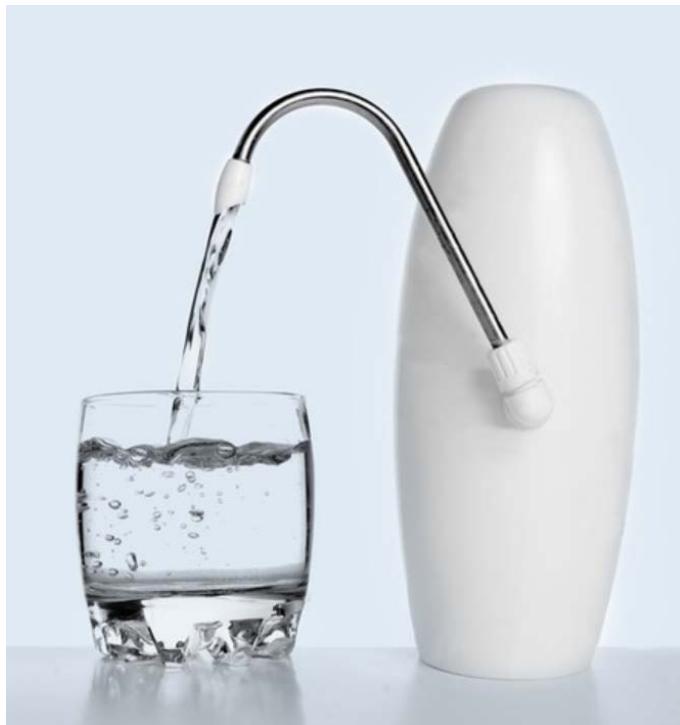 Fig.1: Drinking Water Filtration System for Domestic usage
## III. "INNOVATIVE SOLUTIONS: TECHNOLOGIES REVOLUTIONIZING WATER CONSERVATION"
In the face of mounting water scarcity and environmental challenges, innovative technologies are playing a pivotal role in revolutionizing water conservation efforts. In this chapter, we explore some of the cutting-edge solutions that are transforming the landscape of water management and sustainability.
One of the most promising advancements in water conservation technology is the development of smart water meters and monitoring systems. These devices utilize sensors and data analytics to provide real-time insights into water usage, detect leaks, and optimize irrigation practices. By empowering users with actionable information, smart water meters enable more efficient water management and significant reductions in water waste.
Another groundbreaking technology making waves in water conservation is the emergence of advanced filtration and purification systems. From membrane-based filtration to ultraviolet disinfection, these systems are capable of removing contaminants and impurities from water sources, ensuring access to safe and clean drinking water for communities around the world.
Additionally, the integration of Internet of Things (IoT) technology and artificial intelligence (AI) into water infrastructure holds tremendous potential for improving efficiency and sustainability. IoT-enabled sensors and smart networks enable remote monitoring and control of water systems, allowing for proactive maintenance, optimized resource allocation, and reduced water losses.
Furthermore, innovations in water-efficient appliances and fixtures are helping to minimize water consumption in homes and businesses. High-efficiency toilets, low-flow showerheads, and water-saving faucets are just a few examples of products that are revolutionizing water use practices and promoting conservation on a daily basis.
By harnessing the power of these innovative technologies, we can address the challenges of water scarcity, improve water quality, and build a more sustainable future for generations to come. From smart meters to advanced filtration systems, these solutions are paving the way towards a world where every drop of water is valued and preserved.
## IV. "WATER-WISE LANDSCAPING:
### CULTIVATING GARDENS THAT THRIVE WITH LESS WATER"
In a world where water scarcity is becoming increasingly prevalent, water-wise landscaping offers a sustainable solution for maintaining beautiful outdoor spaces while conserving precious water resources. In this chapter, we explore the principles and practices of water-wise landscaping, empowering individuals to create gardens that thrive with less water.
At the heart of water-wise landscaping is the concept of designing landscapes that are well-adapted to their local climate and conditions. By selecting native and drought-tolerant plant species that are suited to the natural rainfall patterns of the region, homeowners can reduce the need for irrigation and create resilient gardens that require minimal water inputs.
In addition to plant selection, water-wise landscaping also involves thoughtful design and maintenance practices that optimize water efficiency. This includes incorporating features such as mulch, which helps retain soil moisture and suppress weed growth, as well as using permeable paving materials that allow rainwater to infiltrate into the ground rather than running off into storm drains.
Furthermore, efficient irrigation systems play a crucial role in water-wise landscaping, ensuring that water is delivered directly to the root zone of plants where it is needed most. Drip irrigation, soaker hoses, and smart irrigation controllers are all effective tools for minimizing water waste and maximizing the effectiveness of watering practices.
By embracing the principles of water-wise landscaping, homeowners can create gardens that not only conserve water but also provide habitat for wildlife, support biodiversity, and enhance the beauty and value of their properties. With careful planning and attention to detail, cultivating gardens that thrive with less water is not only achievable but also rewarding and environmentally responsible.
## V. "COMMUNITY ACTION: MOBILIZING FOR
### CHANGE AND ENSURING SUSTAINABLE
#### WATER PRACTICES"
Community action plays a vital role in mobilizing for change and ensuring the adoption of sustainable water practices on a broader scale. In this chapter, we explore the power of collective action and community engagement in addressing water conservation challenges and promoting long-term sustainability.
At the heart of community action for water conservation is raising awareness and educating individuals about the importance of water stewardship and the impact of their daily choices on water resources. Through outreach programs, workshops, and educational campaigns, communities can empower residents to take proactive steps to reduce water consumption, minimize pollution, and protect local water sources.
Furthermore, community-based initiatives such as water conservation competitions, neighborhood clean-up events, and tree-planting drives can foster a sense of collective responsibility and camaraderie among residents, inspiring them to work together towards common goals. By harnessing the power of community engagement, local organizations and grassroots movements can mobilize resources, build partnerships, and drive meaningful change in water management practices.
In addition to raising awareness and fostering community engagement, community action also involves advocating for policy changes and infrastructure investments that support sustainable water practices. By working collaboratively with local governments, businesses, and other stakeholders, communities can advocate for the implementation of water-saving measures, such as water-efficient building codes, green infrastructure projects, and incentives for water conservation technologies.
Ultimately, community action is essential for creating a culture of sustainability and ensuring that sustainable water practices are integrated into the fabric of society. By coming together to address water conservation challenges, communities can make a significant impact on the health of local ecosystems, the resilience of water supplies, and the well-being of future generations.
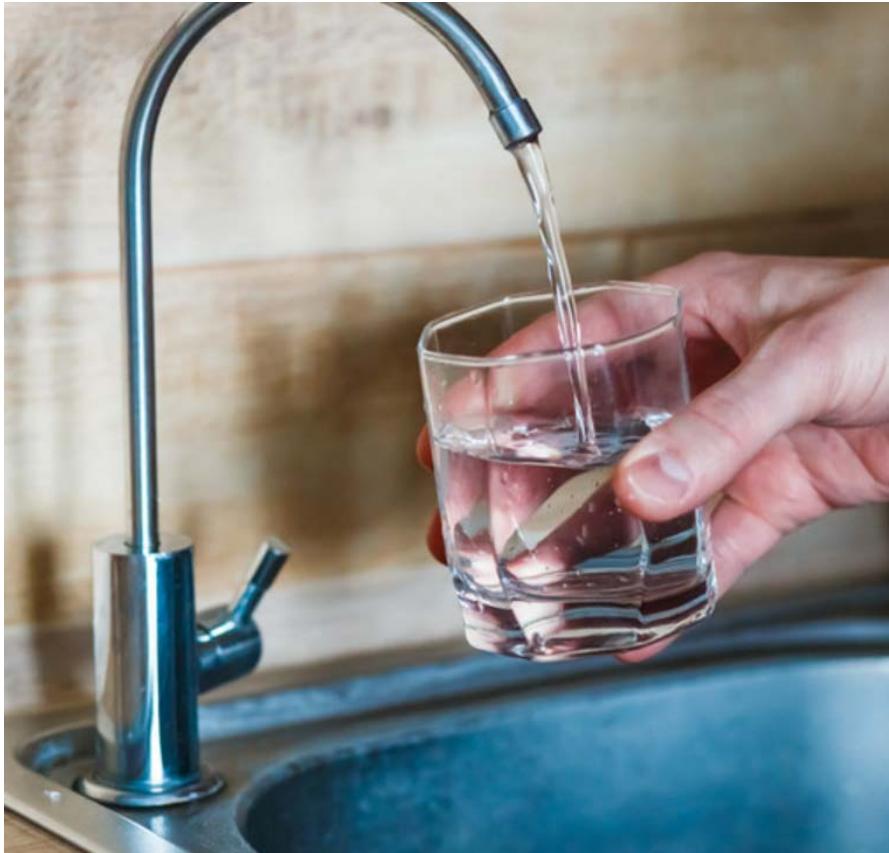 Fig. 2: Saving Water is Crucial for Future Generations
## VI. CONCLUSION
Embark on a journey towards sustainability by implementing practical water-saving strategies and embracing energy-efficient practices in your daily life. From utilizing innovative technologies to fostering community action, there are countless ways to make a meaningful impact on water conservation and energy efficiency. By joining the movement to save water and energy, you're not only safeguarding our planet for future generations but also creating a brighter, more sustainable future for all. Every drop saved and every watt conserved makes a difference – together, let's pave the way towards a greener, more resilient world. Start today, and be the change our planet needs.
Generating HTML Viewer...
Funding
No external funding was declared for this work.
Conflict of Interest
The authors declare no conflict of interest.
Ethical Approval
No ethics committee approval was required for this article type.
Data Availability
Not applicable for this article.
How to Cite This Article
Robert Kurek. 2026. \u201cDrip by Drip: How Small Changes Can Make a Big Splash in Water Conservation\u201d. Global Journal of Science Frontier Research - H: Environment & Environmental geology GJSFR-H Volume 24 (GJSFR Volume 24 Issue H1).
Explore published articles in an immersive Augmented Reality environment. Our platform converts research papers into interactive 3D books, allowing readers to view and interact with content using AR and VR compatible devices.
Your published article is automatically converted into a realistic 3D book. Flip through pages and read research papers in a more engaging and interactive format.
Our website is actively being updated, and changes may occur frequently. Please clear your browser cache if needed. For feedback or error reporting, please email [email protected]
Thank you for connecting with us. We will respond to you shortly.