I. INTRODUCTION
After more than a century of scientific study and philosophical debate, psychological, emotional, and behavioral disorders are still being classified descriptively and treated with various psychological, behavioral, and medical techniques without a clear understanding of what pathological process is being treated or how the therapy imparts its therapeutic effects. Unsurprisingly, treatment outcomes continue to be unacceptably poor [1, 2], and patient faith in the behavioral healthcare system continues to be concerningly low, with nearly half of all symptomatic persons failing to seek professional help [3]. Moreover, their lack of faith in the behavioral healthcare system is partly shared by third-party payers, as behavioral health services continue to be reimbursed at lower rates than most other health conditions. In the meantime, the mental health of the world's population continues to decline, and the mental health crisis affecting many subpopulations continues to spin out of control. This underscores the need for a radical change in the way that mental illness is understood and the way that various therapies are matched to patients who present for treatment.
In this article, the multifaceted disorder called "psychopathology" will be defined in a radically new way. It will be reconceptualized as a group of psychological, emotional, and behavioral abnormalities that can be divided into two structurally different but functionally overlapping categories; namely, those that are rooted in psychological abnormalities, and those that are rooted in biological abnormalities. Based on this reconceptualization, which is guided by a more comprehensive understanding of the anatomy of the cognitive-emotional system, the assessment of psychological, emotional, and behavioral disorders will be markedly simplified, and the treatment of these disorders will become far more targeted. In a field that continues to rely on symptoms rather than pathology to guide treatment, the new paradigm that will be discussed could be transformative. We will see how it could completely reshape the way that psychiatric disorders are treated, reduce the stigma of mental illness, and bring an end to the mental health crisis.
II. ANATOMY OF THE COGNITIVE-EMOTIONAL SYSTEM
The logical place to start in reconceptualizing mental illness is with a reevaluation of the structural and functional anatomy of the cognitive-emotional system. Although many of the early pioneers in the medical field, such as Socrates, Plato, Descartes, Popper, and Eccles, believed that the essence of the mind was different than that of the brain, the concept of a mind-brain duality was largely replaced by the reductionist view that all psychopathology could ultimately be understood through a more comprehensive understanding of brain structure and function. Yet despite moderns advances in neuroscience, we are still no closer to distinguishing the psychological from the biological underpinnings of psychiatric disorders.
However, the recent explosion of near-death testimonials is beginning to reshape the way we conceptualize the cognitive-emotional system. According to researchers who have studied these experiences, consciousness continues even after the brain stops working and the heart stops beating [4-9]. Most of those who claim to have had a near-death experience (NDE) say that they had left their physical bodies and continued to think, perceive, and remember things that, based on a reductionist view of brain function, would have been physically impossible [4-9]. However, many of these accounts have been corroborated by factual information that the NDEs could not possibly have known had they not actually separated from their physical bodies and retained their cognitive, sensory, and memory functions [4-9]. The evidence is now so strong that, in 2022, the New York Academy of Sciences published a multidisciplinary consensus statement concluding that "NDEs are not hallucinations or illusions but rather evidence that life continues after death" [10].
In an effort to experimentally explore the possibility that the mind is a separate entity that interacts with the brain, Cerf et al. [11] found that willful thoughts and their associated emotions readily stimulated specific neurons when subjects were asked to perform specific mental tasks. Conversely, Wilder Penfield [12], about a century earlier, had found that stimulating the brain in specific places caused his patients to experience specific thoughts and emotions. More recently, it was demonstrated that the behavior of laboratory animals could be influenced by stimulating or inhibiting specific neurons [13, 14]. These later experiments helped clarify the means by which the touch of Penfield's electrical probe was stimulating related thoughts and emotions. Taken together, these observations provide compelling evidence that the mind and the brain are separate entities that influence each other.
Another line of evidence in support of a mind-brain duality is the tremendous explanatory power that it has. To begin with, it seems intuitively obvious that the mind and the brain are not the same thing. Notice that in referring to the brain, one naturally says "my brain" just as one says "my heart," "my lungs," or "my kidneys." Thus, one naturally refers to the brain as a body-part rather than as "the self." That begs the question: who am I? Also, it is intuitively obvious that we train our brains rather than being robotically led around by our brains. We teach our brains to coordinate walking, talking, reading, writing, and complex athletic movements. Though most of us come into the world with a fully functioning brain, we cannot perform any of the aforementioned skills until we teach our brains to help us perform them. So that raises the question: who is doing the teaching?
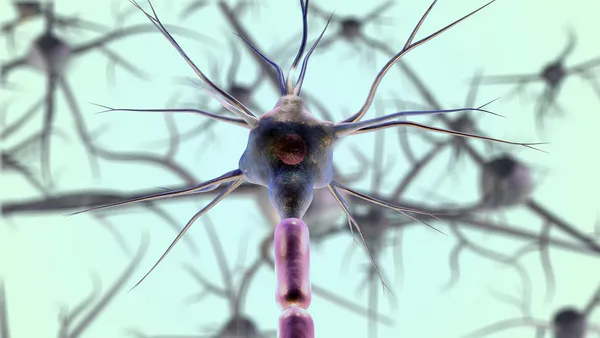
The same question was asked by Nobel Prize laureate Francis Crick in his thought-provoking article, "Function of the Thalamic Reticular Complex: The Searchlight Hypothesis" [15]. In the article, Crick references the pioneering work of Anne Treisman and her colleagues, which suggests that there is an "attentional searchlight" that scans and then selects information coming into the thalamic reticular nucleus (TRN). Recall that the thalamus is the central hub of the brain where nearly all sensory input is relayed directly [15]. The searchlight is not proposed to light up areas of a completely dark landscape but rather, like a searchlight at dusk, is thought to illuminate those parts of a dimly lit landscape that are of particular interest to it. According to the investigators, it does this by stimulating select assemblies of cells in the TRN. Although the collaterals of these cells are largely (if not entirely) inhibitory, specialized burst activity allows them to enhance the activation of select neural networks when stimulated [16]. The mechanism by which this occurs is based on the unique physiology of thalamic neurons. Elegant studies on thalamic slices from the guinea pig have confirmed that when hyperpolarized thalamic neurons are stimulated, they respond by producing a single spike (or short burst of rapid spikes) followed by a brief period during which they are unresponsive to continued stimulation [17-19]. This implies that when the attentional searchlight turns its attention to a point of interest, the excitatory phase initiates a wave of inhibition that turns down irrelevant information, while the refractory phase allows activity in select circuits to be turned up. In this way, the TRN allows the searchlight, which could be nothing other than the human mind, to scan the information coming into the thalamus, highlight select inputs, and then shift attention to other areas of potential interest. This could explain how, on a psychophysiological basis, the mind is able to contemplate or, conversely, repress various thoughts, emotions, and images. It suggests that the mind, like a pilot seated in the cockpit of an airplane, interacts with the brain in much the same way that we interact with our computers. The TRN would be the computer monitor, and the individual neurons would be the keys on the keyboard. Furthermore, the high degree of specificity of various neuron-types [20], and the equally precise topography of the TRN [15, 20, 21], could help explain why damage to specific neurons causes functional deficits that can only be recovered by training other neurons to take over the functions of the damaged neurons.
Another line of evidence for a mind-brain duality is the ability of mental and emotional stress to dysregulate brain function. What we call "stress" cannot logically be experienced by the brain because the brain is merely a collection of fats, proteins, and carbohydrates. Stress is a human emotional experience, and this experience, like other emotional experiences, such as love, joy, fear, and anger, cannot possibly be attributed to the physical components of the brain. However, from the perspective of a mind-brain duality, the stressed mind, like a whirling wind, could be hyper-activating specific circuits in the brain. This effect would be akin to using mental effort to increase the force with which a muscle contracts.
III. MIND-BRAIN COMMUNICATIONS
However, this raises the same question that René Descartes was asked in the 17th century: if the mind is neither visible nor tangible, how could it communicate with the physical brain?
The answer to this question appears to be provided by several key discoveries that were made in biology, chemistry, and physics over the last few centuries. From the field of biology came the discovery of the neuron; from the field of chemistry came the discovery of electrochemical processes; and from the field of physics came the discovery of electromagnetic energy. Taken together, these discoveries seem to provide the answer to the mind-brain problem. The mind and the brain could communicate with each other via the induction of magnetic fields. The mind, being an energy body, could induce magnetic fields as it thinks and emotes; and the brain, being an electrical organ, could induce magnetic fields as neurons depolarize and repolarize. Of course, the idea that electromagnetic energy could communicate intelligible information should come as no surprise to us. Electromagnetic signals are the means by which television programming is relayed to our television sets and intelligible information is relayed across the internet. The idea of mind-brain communication via electromagnetic energy is also supported by the fact that all forms of sensory input, including vibration (sound), mechanical (touch), and chemo (taste), are converted into electrical signals en-route to the brain. This conversion prepares the information to be relayed to the mind via electromagnetic energy.
IV. INTEGRATING MENTAL PROCESSES WITH NEUROLOGICAL PROCESSES
The sharing of electromagnetic energy by the mind and the brain helps to explain, for the first time, the psychophysiological distinction between conscious, preconscious, and unconscious thoughts as described by the renowned Austrian psychiatrist Sigmund Freud. Although Freud used his structural theory of the psyche to better understand and treat his patients, he did not, in his work, relate it to the workings of the brain [22]. However, a mind-brain duality of the cognitive-emotional system offers a coherent anatomical and functional explanation of these three operations of the mind. Conscious mental processing would describe the state in which neurologically-induced magnetic fields were fully synchronized with mentally-induced magnetic fields; preconscious mental processing would describe the state in which neurologically-induced magnetic fields were partially synchronized with mentally-induced magnetic fields; and unconscious mental processing would describe the state in which neurologically-induced magnetic fields were minimally or completely unsynchronized with mentally-induced magnetic fields. This could help explain why, for instance, there is sometimes a delay between the time that one tries to recall someone's name and the time that one actually recalls the name. The delay would represent the time that it took for neurological signals that had previously been associated with the person's name to synchronize with the mental signals that were attempting to reactivate them. The mind-brain duality could also explain why most of our thought-life would, as Freud theorized, be unconscious. The mind, being a body of electromagnetic energy, would be processing information millions of times faster than the brain.
Now then, if we were to seriously consider the possibility of a mind-brain duality, the brain would be reduced to a neurological switchboard that primarily relays electrical signals between the mind and the body. If this were the case, it would logically redirect our attention to the mind as the chief source of psychopathology. However, that would raise the question of what, from a psychological standpoint, psychopathology really is.
At its most fundamental level, "psycho," meaning psychological, and "pathology," meaning disease, refers to unhealthy ways of thinking. But that raises the question of what one means by "unhealthy." To answer that question, we must delve into the purpose of life because the true health of the psyche involves an actualization of who we really are and where we are ultimately going. Of course, there are countless different philosophies about this, but there is only one that fully resonates with the human spirit. That is the belief that life is eternal because the idea of permanent annihilation is contrary to the eternal concepts of faith, hope, and love. In addition, if there were no life after death, it would render all pain, sorrow, and suffering in this life meaningless. It would also render all of our relationships meaningless, all of our accomplishments meaningless, and the whole dying process meaningless. On the other hand, if life continued after death, everything that we experience in this life would have eternal value. Being kind to others would have eternal value because our relationships would continue forever; working hard would have eternal value because it would teach us the value of eternal rest; the experience of suffering would have eternal value because it would create gratitude for eternal happiness; and the dying process would have eternal value because it would help us truly appreciate all that we have been given. Therefore, one form of unhealthy thinking would be to assume a nihilistic attitude—a belief that life is limited to this world and that, contrary to the eternal concepts of faith, hope, and love, there is nothing to look forward to beyond the grave. In its most pathological form, this would include a lack of respect for the moral code or the dignity of other human beings.
Until recently, there had been little scientific evidence that life continued after death. However, as previously discussed, the rapidly growing body of NDEs is beginning to change all that. NDEers consistently affirm that consciousness, memories, and relationships continue even after the mind leaves the body. These reports provide evidence that is even stronger than traditional scientific investigation because most of them, though being independent of one another, concur with one another, even across diverse languages, cultures, and religions. Moreover, the observers typically have nothing to gain. On the contrary, they often have much to lose because their testimonies tend to be frowned upon and discounted by those who have never had such experiences. This contrasts sharply with traditional scientific research, which is often reported by only one observer (or handful of observers), is generally accepted by others based on faith in the scientific process, and is typically supported by monetary grants. Another observation that supports the validity of NDEs is that the impressions made on experiencers almost universally affirm what theologians have been saying for thousands of years...that the purpose of life on earth is to grow in closeness to God and one's fellow human beings.
A duality of mind and brain makes this spiritual growth possible because it implies that the mind has two natures; it has a carnal nature that overseas the physical body, and it has a moral nature that aligns with moral precepts. The carnal mind would relate to Freud's concept of the "id," and the moral mind would relate to Freud's concept of the "superego." However, just as the carnal mind would be troubled if the body's sense organs were to convey painful signals to it, the moral mind would be troubled if it were to violate its moral obligations. This can create intrapsychic conflict because we cannot always satisfy our moral obligations without incurring some degree of carnal discomfort. According to Freud, this intrapsychic conflict could be repressed and then re-emerge as various behavioral and somatic symptoms that he referred to as "neuroses." The problem with this theory, however, is that intrapsychic conflict is a normal consequence of our functional anatomy. It would be abnormal not to feel conflicted at times. That raises the question of whether Freud's patients had some overlapping problem that was driving their symptoms.
V. THE MULTI-CIRCUIT NEURONAL HYPEREXCITABILITY HYPOTHESIS OF PSYCHIATRIC DISORDERS
An emerging hypothesis contends that a pathological hyper-reactivity or "hyperexcitability" of the neurological system could abnormally amplify and perpetuate the thoughts and emotions with which the mind is grappling. According to the Multi-Circuit Neuronal Hyperexcitability (MCNH) hypothesis [23], psychiatric symptoms are the consequence of a pathological hyperactivity of the brain circuits that correspond to them. Thus, for example, abnormally-elevated and persistent feelings of anxiety would be the consequence of pathological hyperactivity in anxiety circuits; abnormally-elevated and persistent feelings of depression would be the consequence of pathological hyperactivity in depressive circuits; abnormally-elevated and persistent feelings of anger would be the consequence of pathological hyperactivity in irritability circuits; etc... Beyond causing mental and emotional symptoms, pathological hyperactivity in specific brain circuits could cause somatic symptoms, such as migraine headaches, musculoskeletal pain, and irritable bowel [24]. Without any knowledge of this, and in the absence of any demonstrable end-organ disease, it would have been logical for Freud to assume that such symptoms were purely psychosomatic in nature.
It is also noteworthy that the term "neurosis" did not originate with Freud. Rather, it originated with Sir William Cullen about a century earlier [25]. Cullen, a Scottish physician, coined the term to describe a "general affection of the nervous system." Cullen hypothesized that this abnormality was rooted in a sickness (osis) of a nerve, (neuron); hence the term neurosis. Cullen divided neuroses into four basic types: melancholia (depressive), mania (euphoric), dementia (schizophrenic), and idiotism (deranged) [25]. These would roughly correspond to the different degrees and manifestations of psychopathology caused by different levels of neuronal hyperexcitability [20].
An associated finding that can likewise be explained by neuronal hyperexcitability is the tendency for psychiatric symptoms to cycle. Because the neurological system is highly interconnected, the chances that one hyperexcitable circuit would, like a short-circuit in a wired electrical system, aberrantly fuel hyperactivity in another circuit would tend to increase as the level of excitation in the system increased. This could help explain why the frequency of symptom-cycling tends to increase as one's level of stress and, over time, the frequency of psychiatric episodes increases due to the kindling effect of persistent stress on untreated neuronal hyperexcitability [26]. However, due to synaptic pruning, the number of neuron-to-neuron connections decreases dramatically from early childhood to early adulthood [27]. This could help explain why children who develop psychiatric symptoms tend not to show any symptom-cycling until adolescence or early adulthood. On the other hand, childhood is generally a time of relatively low stress; hence, even in children who inherit the genes for neuronal hyperexcitability, there is often not enough excitation in the system to precipitate any symptom-cycling (or perhaps any psychiatric symptoms) until the child's stress levels begin to rise appreciably. This could help explain why most children who inherit the genes for neuronal hyperexcitability do not become symptomatic until adolescence, when the stress of transitioning from childhood to adulthood begins to fan the flames of neuronal hyperexcitability.
Beyond these observations, the aberrant circuit-induction hypothesis could help explain why different persons tend to have their own characteristic cycling frequency. The average adult brain has between 73 and 89 billion neurons [28], and with each neuron forming connections with up to 15,000 other neurons [29] there is a lot of room for variance in the number of neuron-to-neuron connections that any individual's brain can have. Persons with a greater number of neuron-to-neuron connections would be expected to cycle more rapidly than persons with fewer connections, and those with the fewest connections would be expected to cycle the least rapidly or perhaps not at all [30].
The idea that most of the common psychiatric disorders are rooted in a hyperexcitability of the neurological system is also supported by the effect that neuronal hyperexcitability would have on the mind-brain dynamic and, consequently, one's thoughts, emotions, and behavior. Stress in the mind would tend to overstimulate the brain. The hyperactive brain would then further stimulate the mind, thus creating a vicious cycle of mutual overstimulation between the mind and the brain. As the emotional tension continued to ramp up, various cognitive-emotional states would be experienced, and various defense mechanisms would be employed. The specific constellation of thoughts, emotions, defense mechanisms, and willful choices would determine which specific psychiatric syndrome (or syndromes) a particular individual would have [24]. In some cases, the level of neuronal hyperexcitability could be so high that various psychiatric symptoms could be induced even in the absence of any significant environmental stress or intrapsychic conflict. Of course, the pattern of neuronal firing could change at any time, thus explaining why a given individual could be diagnosed with one psychiatric syndrome at one point in time, and a different psychiatric syndrome at another point in time.
Although William Cullen did not elaborate on neurosis in this much detail, he recognized that it could cause a wide range of psychopathology from major depressive disorder to bipolar disorder and from generalized anxiety disorder to schizophrenia. In contrast, Freud divided psychopathology into two basic types: neurosis, in which he hypothesized that "the ego suppresses part of the id out of allegiance to reality," and psychosis, in which the ego "lets itself be carried away by the id and detached from part of reality." From the perspective of the MCNH hypothesis in conjunction with a mind-brain duality of the cognitive-emotional system, this would translate to the mildly hyperexcitable brain allowing the mind to remain partially in control of one's thoughts and emotions (i.e., neurosis), and the severely hyperexcitable brain completely usurping the mind's willful thoughts and emotions (i.e., psychosis).
Although any mental, emotional, or biological factor that increases neuronal excitability could, in theory, precipitate psychiatric symptoms, most of the candidate genes that have been linked to the major psychiatric disorders code for proteins that are involved in the regulation of neuronal firing [31-43]. This suggests that a constitutional hyperexcitability of the neurological system is, in the vast majority of cases, the underlying driver of psychiatric symptoms and that that constitutional abnormality is the consequence of gene variants whose protein products fail to adequately regulate the firing of neurons.
VI. STRUCTURAL AND FUNCTIONAL INTEGRATION OF PSYCHOPATHOLOGY
The difference between the MCNH classification of psychopathology and the Freudian classification of psychopathology is that the former integrates psychological and neurological function in conceptualizing the pathology. Accordingly, it divides psychopathology into two functionally distinct groups: psychosocial (due to extreme self-centeredness, immorality, and lack of respect for the dignity of others); and neuropsychiatric (due to neuronal hyperexcitability). Some of those in the first group may actually have hypoexcitable neurological systems [30], thus causing them to be relatively unemotional, matter-of-fact, and insensitive to the feelings of others [44, 45]. Such persons have been referred to clinically as "primary psychopaths" [45].
In contrast, persons in the second group are constantly hounded by recurrent signals from their hyperexcitable brains, thus causing their thoughts and emotions to keep replaying like a broken record. This may include physical restlessness, emotional hypersensitivity, persistent or cyclic anxiety, depression, irritability, euphoria, distractibility, impulsivity, insomnia, energy changes, persistent grief, substance misuse, somatic symptoms, or any other symptom that characterizes the common psychiatric disorders. If the neuronal hyperexcitability were in the mild-to-moderate range, the affected person would manifest what Freud called "neurosis." If the neuronal hyperexcitability were in the moderate-to-severe range, the affected person would manifest what Freud called "psychosis." Hallucinations would occur when neuronal signaling in the associated sensory pathways became so high that the input was perceived as coming from the environment. Similarly, delusional thinking would occur when the intensity of internally-driven thoughts and emotions, which is normally lower than that of environmentally-driven thoughts and emotions, became so high that it was thought to reflect external rather than internal reality.
Of course, psychosocial and neuropsychiatric forms of psychopathology are by no means mutually exclusive. A person who is morally appropriate could also have a hyperexcitable neurological system. In such cases, the neuronal hyperexcitability trait would tend to accentuate any psychopathic tendencies, especially as the individual began to encounter the stress of adolescence. However, due to the activating effect of neuronal hyperexcitability, such individuals, who have been referred to clinically as "secondary psychopaths," would tend to be highly reactive, anxious, and impulsive in comparison to the cold, callous, and calculating nature of primary psychopaths [44-46]. Yet because of the aforementioned differences in age-of-onset and emotional temperament, it can appear as though primary psychopathy is more genetically-based, whereas secondary psychopathy is more environmentally-based. What is more likely, however, is that both are equally genetically-based but with neurophysiological traits that are at opposite ends of the neuronal excitability spectrum: hypo-excitable neurons in the primary psychopath, and hyper-excitable neurons in the secondary psychopath [30]. This would allow primary psychopathy to grow out of a hedonistic disrespect for others in comparison to secondary psychopathy, which would grow out of a defensive disrespect for others. Primary psychopathy would be an emotional under-reactivity that was relatively unaffected by environmental stress, whereas secondary psychopathy would be an emotional hyper-reactivity that was highly affected by environmental stress.
Acquiring a better understanding of these two disorder-types is important because primary psychopathy, being an emotional deficit, would not be very amenable to pharmacotherapy, whereas secondary psychopathy, being an emotional disturbance, would be highly amenable to brain-calming drugs. The other reason that distinguishing between these two disorders types is important is that a hyperexcitable brain, irrespective of a person's moral disposition or reason for seeking treatment, tends to both instigate and exacerbate intrapsychic tension [21]. Hence, attempting to psychotherapeutically treat psychopathology that is fueled by neuronal hyperexcitability can further stimulate circuits that are already pathologically hyperactive, thus placing affected persons at risk for regression. This risk would be greatest in those patients with the highest levels of neuronal excitability, irrespective of their symptom-based diagnosis.
Although the neurophysiological underpinnings of psychopathology were unclear to Freud, he learned clinically that he should limit his psychoanalytic practice to neurotic-range patients (i.e., those who would have had only mild or moderate levels of neuronal hyperexcitability). In such patients, he assumed that intrapsychic conflict was the primary driver of the symptoms; hence, he believed that their symptoms could be reduced if they could resolve their intrapsychic conflicts. Although this may be true, intrapsychic conflict is a normal part of life and, therefore, should not in itself be considered pathological. What creates the psychiatric symptoms is the abnormal amplifying effect that neuronal hyperexcitability has on cognitive-emotional processes.
VII. HOW TO IDENTIFY THE NEURONAL HYPEREXCITABILITY TRAIT
That raises an important question: is there some objective way to determine whether a person's neurological system is hyperexcitable? If so, correcting that abnormality as a first-line intervention in affected persons would not only streamline treatment, but it would also reduce the risk of regression in the event that complementary psychotherapy were needed.
Until recently, there had been no objective way to identify the neuronal hyperexcitability trait. However, an explosion of recent studies has identified a link between resting vital-sign measurements and the later development of various psychiatric and general medical conditions. In a longitudinal study involving more than one million men in Sweden, Latvala et al. [47] found that subtle elevations in resting heart rate (RHR) were predictive of the later development of generalized anxiety disorder, obsessive-compulsive disorder, and schizophrenia. Similarly, Blom et al. [48] found that adolescent girls with emotional disorders had increased resting respiratory rates (RRR) in comparison to healthy controls. Persons with higher resting heart and respiratory rates have also been found to be at increased risk of developing a wide range of chronic medical conditions, including diabetes [49-52], high blood pressure [53-55], cardiovascular disease [56-61], cerebrovascular disease [62-64], cancer [64-66], dementia [67], and all-cause mortality [64, 68]. The subtle vital-sign elevations with which these conditions are associated are thought to be the consequence of a tonic elevation in basal neurological activity in those persons who inherit the genes for neuronal hyperexcitability [69]. This is the MCNH explanation for why the lifespan of persons with severe mental illness tends to be much shorter than the general population
[69]. The reason that psychiatric symptoms tend to precede the development of diagnosable physical abnormalities is that the cognitive-emotional system is more expressive of neuronal excitation than other organs and systems of the body [70]. The physical consequences tend to be delayed because they express the gradual erosive effects of neuronal hyperexcitability, which can take years or even decades to develop.
Thus, there is mounting evidence that the neuronal hyperexcitability trait can be identified objectively [30, 69]. It has been estimated that, in the absence of any significant cardiorespiratory disease, confounding medications, or substances of abuse, an RHR above 75 beats/min or an RRR above 15 breaths/min is indicative of the neuronal hyperexcitability trait. Notably, in the more than 300 consecutive outpatients that I have studied thus far, resting heart and respiratory-rate measurements have proven to be more sensitive in detecting the neuronal hyperexcitability trait than formal clinical assessments. Then again, any person who presents for treatment is likely to be a carrier of the neuronal hyperexcitability trait, else he or she would probably not be presenting for treatment. This is also important to understand from a medical standpoint because, as previously discussed, the neuronal hyperexcitability trait increases one's vulnerability to developing any of a wide range of general medical conditions. Hence, treating the abnormality early in life may be as important medically as it is psychiatrically.
VIII. DISCUSSION
In the hope of streamlining treatment and improving clinical outcomes, the goal of this article was to differentiate the various forms of psychopathology as opposed to the different diagnostic categories that are described in the Diagnostic and Statistical Manual of Mental Disorders. What was discovered was that re-evaluating psychopathology from an anatomical and functional perspective yielded a very simple dichotomy of illness-types; namely, 1) psychosocial pathology due to extreme self-centeredness, immorality, and lack of respect for the dignity of others; and 2) neuropsychiatric pathology due to a hyperexcitability of the neurological system. This is based on a mind-brain duality of the cognitive-emotional system and the emerging hypothesis that psychiatric symptoms are driven by a pathological elevation in the activity of the neuronal circuits that correspond to them.
A major barrier to effective treatment in behavioral healthcare continues to be the application of various treatment techniques without a clear understanding of how those techniques confer their therapeutic effects or even what pathological process they are treating. Many patients who are being treated with psychotherapy alone should also be treated with medication, and many patients who are being treated with medication should be treated with different kinds of medication than they are currently being prescribed. This not only continues to delay clinical improvement but it also drains clinical resources and continues to perpetuate a lack of public confidence in the behavioral healthcare system. Moreover, when psychotherapy targets psychological symptoms that are actually rooted in neuropathology, the therapist and the patient may never get around to addressing the unhealthy attitudes and dysfunctional core beliefs that should be the primary focus of psychotherapy. This underscores the need to more accurately distinguish symptoms that are rooted in psychology from those that are rooted in biology.
As previously discussed, the vast majority of patients who present for psychotherapy are actually suffering from a neurologically-based abnormality; namely, neuronal hyperexcitability. Yet some of these patients may not be open to the idea that their symptoms are neurologically-based. Also, some of them may fear the stigma of taking medication for what they perceive to be a purely psychological problem. For such patients, resting vital-sign measurements may provide the kind of objective evidence that they need to believe that medical intervention is appropriate. These measurements may also help clinicians either validate or invalidate their subjective clinical impressions.
For those patients whose symptoms are primarily rooted in neuronal hyperexcitability, both natural and pharmacological interventions should be discussed. Natural interventions include stress-reduction, establishment of an early sleep schedule, moderate exercise, avoidance of caffeine and other psychostimulants, minimization of refined sugar, and meditative practices. For patients with low-to-moderate-range neuronal hyperexcitability, these interventions may be adequate. However, for those with higher levels of neuronal hyperexcitability, natural interventions may neither be sufficient nor practically doable because of the disruptive effect that higher levels of neuronal hyperexcitability have on self-discipline. Also, the majority of these patients have chronic insomnia, which robs their brains of their primary way to reduce their excitability. For all of these reasons, pharmaceutical agents that reduce neuronal excitability will usually be needed in such patients. These drugs, which in neurology are known as "anticonvulsants" but in psychiatry are known as "mood stabilizers," are fast-acting, safe, and non-addictive. Also, unlike antidepressants, mood stabilizers can easily be stopped and started, and they are generally effective in long-term use without the need for further dosage adjustment or medication changes.
Although mood stabilizers, which could more aptly be called "neuroregulators" [71] in light of their neurophysiological effects, have been in psychiatric use for more than fifty years, they have been sorely underutilized due to the traditional practice of symptom-based treatment. Fortuitously, however, the increasing acceptance of the "bipolar spectrum" as a dimensional diagnostic classification is helping to identify more patients who could benefit from neuroregulator therapy [72]. Note, however, that this is still a symptom-based treatment approach. What is desperately needed in psychiatry is a deeper understanding of mental illness that would allow a shift from symptom-based treatment to pathology-based treatment. The MCNH hypothesis in conjunction with a mind-brain duality of the cognitive-emotional system offers such a paradigm shift because it identifies the core biological abnormality that drives the symptoms not just of bipolar spectrum disorders but of virtually all of the common psychiatric disorders. Moreover, because the MCNH approach to treatment focuses on correcting the electrical abnormality that underlies the chemical imbalances in psychiatric disorders, neuroregulators can safely be combined with one another in a technique called "focused neuroregulation" [73]. Unlike with other psychotropic drugs, combining neuroregulators caries little risk of creating new chemical imbalances because it simply normalizes brain function. This far exceeds the safety, tolerability, and long-term effectiveness of other classes of psychotropic drugs, such as antidepressants, antipsychotics, and psychostimulants, which attempt to reduce symptoms by correcting chemical imbalances in specific neuronal circuits. Finally, all of the neuroregulators that have demonstrated benefit in reducing neuronal excitability are now available in generic form, thus helping to make neuroregulation more affordable than any other treatment approach. Never has there been such an opportunity to save lives, reduce costs, and resolve the mental health crisis.
IX. DIRECTIONS FOR FUTURE RESEARCH
Urgently needed are controlled studies to evaluate the effectiveness of neuroregulator therapy in comparison to symptom-based treatment for a variety of psychiatric disorders, including unipolar depressive disorders. These studies should include an evaluation of the sensitivity and specificity of resting heart and respiratory-rate measurements in identifying which patients would benefit most from neuroregulator therapy. Also needed are family, twin, and adoption studies aimed at identifying the familial distribution of neuronal hyperexcitability, a trait that may, in some carriers, manifest only as soft signs of psychiatric illness or upper-end-of-normal resting vital signs. If confirmed by these studies, the informal clinical observations that have thus far identified an autosomal dominant distribution of the neuronal hyperexcitability trait could have enormous implications for genetic engineering as a means of correcting the gene abnormalities that, based on a classic Mendelian distribution, appear to be isolated single nucleotide polymorphisms [74].
X. CONCLUSION
Based on the MCNH hypothesis in conjunction with a mind-brain duality of the cognitive-emotional system, the assessment, referral, and treatment of psychiatric disorders could potentially be streamlined, as the new paradigm divides psychopathology into just two groups: those who have psychosocial pathology, and those who have neuropsychiatric pathology. It also provides the first objective way to identify what is believed to be the core neurophysiological abnormality in the vast majority of patients who present for psychiatric treatment. Along with this, it identifies the wide-ranging utility of a sorely underutilized class of generic drugs that are known to be faster acting, safer, and more continuously effect than any other class of psychotropic medications. The clinical application of these insights could markedly simplify treatment, more rapidly reduce symptoms, and potentially change the face of modern psychiatry.
Conflicts of Interest
The author declares that he has no competing interests.