The number of Eritreans leaving Eritrea in search of a better life and future in foreign countries has increased in the past years. As a consequence of the conflict that has erupted between Ethiopia and Eritrea, Eritrean communities in the USA have established organizations and consortiums in order to encourage their members to work together towards common goals. The aim of this research study is to investigate and evaluate the positive and negative sides of being a first-generation Eritrean expatriate in the USA through empirical qualitative interviews with 20 respondents. The study begins with the backstory of the respondents regarding the reasons why they moved to the USA in the first place. It then goes on to examine the respondents’ acculturation process in terms of Eritrean culture and American culture. Furthermore, the results from the interviews are analyzed and evaluated in terms of supporting and opposing arguments, as well as implications, applications, and recommendations for future similar research projects. The research study provides insight into the experiences of Eritrean expatriates in the USA, making it useful for anyone who has an interest in the lives of expatriates.
## I. INTRODUCTION
Eritrea is a country located in the Horn of Africa with a multi-ethnic population consisting of nine different ethnic groups. After Eritrea gained independence from a protracted war with Ethiopia in 1991, the establishment of the People's Front for Democracy and Justice (PFDJ)-led government, a regime characterized by authoritarianism and illiberalism, prompted the exit of many Eritreans to different parts of the world (Connell, 2005; Hepner, 2009; Zere, 2024). In the absence of a pliant civil society or a governance framework that legitimizes the modalities of resettlement and acclimatization, adaptation into the host community, and preservation of one's Eritrean identity in the diaspora, a universal narrative of the experience of Eritrean expatriates in the USA has yet to be unveiled (Koser, 2003; Bernal, 2014). Characterized by a communitarian approach to culture, language, and religion, the cultural onus post-migration is in most instances transferred onto the family structure (Hepner, 2015). Eritrean parents residing in the USA typically labor to maintain the Eritrean heritage, raising their children to be strong, culturally cognizant, and linguistically competent members of the Eritrean community (Bernal, 2017). Comprising the spoken language Tigrinya and the ethnic language Tigre, as Eritrean languages represented in the USA, an introductory exposition to the Eritrean language in the USA and its modulations is provided (Pool, 1997; Treiber, 2014). Cognizant of the soundness of research grounded in the qualitative philosophical school, appreciation of the Eritrean language and culture as experienced by Eritrean expatriates in the USA necessitates deploying a research method with affordances for deep comprehension, sensitivity of inquiry, and cultural awareness (Schroder, 2017; Conrad, 2006). It is thus imperative to delve into in-depth semi-structured qualitative interviews with Eritrean expatriates who have experienced the transition of parental upbringing in Eritrea versus parental upbringing in the US (Hepner & O'Kane, 2009; Abbay, 2021).
Adopting the peer review process, in-depth semi-structured qualitative interviews substantiated by member checks were employed to curate meaningful data amidst the electronically edited responses of thirty-one informants (Al-Ali et al., 2001; Humphris, 2013; Dawit, 2022). Each response was thematically reconstructed into a four-faceted, fifteen-parameter informational framework that encompasses the communicative, extracurricular, domestic, and intracommunal domains of Eritrean culture (O'Kane & Hepner, 2009). Preceding inductive analysis, the framework substantiates the defense of salient contributions ascribed to either Eritrean culture maintainership or to its regression (Hirt, 2010; Conrad, 2006).
The focus is on the Eritrean expatriate community living in the United States of America (USA) (Riggan, 2016; Ghebreyesus and Teklu, 2023). The Eritrean people have been migrating en masse abroad since the 1970s due to the political and economic realities in Eritrea (Connell, 2005). This study's aim is to explore the lived experiences of Eritrean expatriates in the USA in relation to their identity and community (Treiber, 2014). Since independence was gained in 1993, a new era of nation-building has emerged in Eritrea (Hepner & Conrad, 2015). Unfortunately, most of its initial successes were reversed after the eruption of the Ethio-Eritrean border conflict that started in 1998 and lasted until 2000 (Connell, 2011; Hirt, 2010). The immediate consequences of this protracted conflict were the cessation of many of the government's ambitious developmental projects and the imposition of draconian regulations on socio-economic life in Eritrea (Hirt, 2015; Poole, 1997; Lemma, 2023).
After 2000, President Isaias Afeworki's government instituted a national military service scheme that has been described as a system of political repression and state-sponsored forced labor (Riggan, 2016). Indeed, it has been acknowledged that for a small and proud nation like Eritrea, the infliction of long-distance isolating confinement in distant and barren lands by a ruthless and oppressive government is a question of life and death (Bozzini, 2011; Connell, 2011). Since the late 1990s, Eritrea has become a source country of high levels of outmigration in East Africa, with many Eritreans losing their lives in the Sahara Desert, the Mediterranean Sea, and inhuman conditions in refugee camps in Libya and Sudan, where thousands escaped summary execution and torture by state agents (Treiber, 2014). Isolated and in deep fear of persecution from the dictatorial regime, exile and estrangement from home, relatives, and the motherland interrogate the identity of refugees in new cultural contexts (Bernal, 2017; Hirt, 2015).
Over the last two decades, many Eritreans have resettled in western countries, including Finland, with an iceberg of unfulfilled expectations and aspirations, aware of conflicting cultural norms governing normative families, economic and sociopolitical engagement, and the position of Eritrea's current migrants (Humphris, 2013). The research is designed as an empirical qualitative interview evaluation of Eritrean expatriates in the USA (Al-Ali et al., 2001). By calling for an in-depth qualitative understanding of Eritrean expatriates' perspectives, this research deepens previous insights through the study of life stories from Eritrean refugees and the diaspora in the USA (Schroder, 2017). It expands on the understanding of long-distance PetroModernity as the transnational geopolitical construction of fast-track capitalism and the development of financialized, infrastructural city-regions, by examining the Eritrean case of disenfranchisement and arrest of mobility in the light of societal contours of PetroModernity, dependency, and the Cold War setting (Poole, 1997).
First, to understand the group of Eritrean expatriates that gathered in the state of Georgia, they will be kept strictly anonymous. Anonymity increases trust, thus increasing the reliability of the interviews. However, in addition to anonymity, there is a need for guidelines on the participant selection process. Such information also ensures feasibility and the quality of the empirical findings (Bozzini, 2011; Koser, 2003). Although there are many people with an Eritrean background in the United States, only those with the following selection criteria will be considered. For one, the participant should be an Eritrean expatriate, meaning that their family can be traced back to Eritrea. Moreover, the participant should be living in the United States presently. Furthermore, the participant should have left Eritrea for a reason related to politics or activism (O'Kane & Hepner, 2009)
## II. LITERATURE REVIEW
Holistic, multi-disciplinary, contextual, and integrated knowledge-intensive perspectives define migration and diaspora studies against the backdrop of globalization, global interconnectedness, and an increasingly globalizing world (Castles et al., 2020; Cohen, 2019; Faist, 2021). By combining the concern with space, place, and territory context with the structure-agent conundrum, and by attending closely to wider socio-cultural, political, historical, and economic processes and how these enable and constrain agency, they subsequently posit the need for both "deep-global" multidisciplinary perspectives and "cross-departmental" knowledge exchange (Bakewell & Bonfiglio, 2018; Betts & Collier, 2017). Migration and diaspora studies of the last three decades have focused on the idea of locales, networks, and spaces of migration, straddling the social domains of politics, economics, culture, and identity (AlAli, 2017; Koser, 2017). Consequently, a holistic, all-encompassing, multi-disciplinary, and inter-disciplined approach to migration and diaspora studies is paramount (Hansen & Koehler, 2017). Within this operational framework, fourteen distinct yet overlapping "thematic fields" of migration and diaspora studies are identified, defined, and discussed (Fiddian-Qasmiyeh, 2020; Van Hear & Cohen, 2023).
Qualitative methodologies have been gaining more awareness and uptake recently in migration studies, diaspora studies, popular culture studies, development studies, and social sciences in general (Mezzadra & Neilson, 2019; Roy, 2020). Focusing on films, literary texts, photos, performances, ethnographic and biographic interviews, and surveys, this essay expands on previous work, including feedback therein on methodological approaches to analyzing literary and visual texts that represent various modes, forms, channels, and genres of literary and visual representation (Portes & Fernandez-Kelly, 2017; Toma & Vause, 2017). It also expands beyond textual analysis, which, on its own, only tells part of the story (Adepoju, 2018). Further methodological developments include increasing attention to textual production, publication, reception, and dissemination, as well as to modes of literary performativity, embodiment, intermediality, transmediality, trans-genericity, and transnationality, encompassing what are considered "texts" and "modes of representation" (Landau, 2018; Lindley, 2018).
Migration is a global phenomenon (McAuliffe & Khadria, 2022). Historical records indicate that humans have always migrated on a small or large scale in search of food, water, better climates, and fertile land. It is believed that the first human migration from Africa occurred around 45,000 to 60,000 years ago. However, more recent large-scale migrations are closely linked to global political and economic developments (Migration Policy Institute, 2021). Colonialism, ethnic cleansing, and wars have pushed millions of people to reconsider their homeland and seek a better life elsewhere (Van Hear & Cohen, 2023). Waves of migration occurred in the nineteenth and early twentieth centuries from Europe to North America, seeking better economic opportunities and political stability (Adepoju, 2018; Cohen, 2019). Since the end of World War II, Europe has become home to many migrants from former colonies or conflict-ridden areas (Castles et al., 2020).
Eritrea is known for a history of mass migrations during and after its war for independence from Ethiopia (Fiddian-Qasmiyeh, 2020). The genocide that accompanied the war caused the escape of many Eritreans into exile (Betts & Collier, 2017). The Ethiopian and Eritrean wars of the late twentieth century were a direct response to the large-scale migration of Eritreans (Mezzadra & Neilson, 2019). The Ethiopian regime fled the country in 1991 and has since engaged in the cross-border pursuit of Eritrean rebels. The military action escalated in the late 1990s and early 2000s with the Second Ethiopia-Eritrea War. During these years, thousands of Eritreans fled their homeland (Cohen, 2019; Fiddian-Qasmiyeh, 2020).
Migration studies as a distinct subfield began to develop in Europe and North America in the early twentieth century (Castles et al., 2020). Migration was primarily understood in economic or demographic terms, focusing on the movement of people and things and the consequences for the host society (Toma & Vause, 2017). However, migration studies as an interdisciplinary field emerged only in the 1990s, often understood as a crying need to change the nature of research from sending countries to receiving countries and put the emphasis back on the migrant (Hansen & Koehler, 2017). Recent studies question the dominance of an Anglo-American perspective and investigate the development of migration studies in other cultural contexts (Koser, 2017).
New patterns, types, and forms of migration have emerged globally since the 1990s, requiring more nuanced and comprehensive interpretive models (Van Hear & Cohen, 2023). These include media globalism, war and mass displacement, border-crossing, diaspora mobilization, and new regimes of incorporation (Roy, 2020; McAuliffe & Khadria, 2022). The need for theoretical and methodological novelty as well as a wider scope of cases has created possibilities for the emergent interdisciplinary field of Migration Studies to develop academically (Mezzadra & Neilson, 2019).
## III. METHODOLOGY
Designing the research approach encompassed decisions on how the research purpose was to be achieved. The approach taken, following considerations of the research choices available, from among quantitative, qualitative, or both methods to determine an empirical situation, was qualitative. Based on the relative focuses of the research, either thick description or the analysis of a few cases tended to be relevant. Again, for practical reasons, the attention of the project remained on the in-depth analysis of a few cases. There was a choice between a nomothetic or ideographic approach. With the latter and narrower focus on the in-depth analysis of a few cases, the attention was to describe the view of a world through the perspective of its residents. Based on these considerations, it was chosen to conduct an empirical qualitative interview evaluation.
The task before running an empirical qualitative interview evaluation, as planned on Eritrean expatriates covering the years 1990 to 2010, who resettled in the USA, was to determine who to choose as candidates for interviews. That meant considering a strategy for selection, that is, a sampling technique. There was a choice between probability sampling techniques or nonprobability sampling techniques. Either approach has advantages and disadvantages, but for practical reasons in this case, non-probability techniques seemed more applicable. The intense focus on one national minority in a specific locality, small in numbers, and with reference to a specific time frame, was not considered conducive to representative sampling. There were therefore good grounds for choosing a more narrow intentional sampling approach.
Intensive sampling turned out to be feasible. There turned out to be social networks convenient for coverage of key persons. Coercive links through kinship extended far, covering even the earliest arrivals of waves of Eritrean nationals coming to the USA. Based on their residences and locations, it was possible to conduct interviews in Washington, DC, Boston, Atlanta, La Crosse, Wisconsin, and Portland, Oregon. Though the number of interviews ended at 28, it was anticipated that the number of Eritrean nationals exploring people's experiences with expatriation would be high enough. However, more were needed, as there was the chance that pre-meeting the suggested contacts would arise persons outside the inquiry group. Hence, the possibility of pursuing another two or three contacts in DC could appear, extending the number of interviews to approximately 30 or so.
### a) Research Design
The aim of the study is to assess the effects of a qualitative interview with a member of the Eritrean diaspora in the United States on their personal stress experience and social participation, as well as its meaning or importance to the interviewee and their reflection on the crisis in Eritrea and its diaspora. The effects are being explored with regard to four dimensions: experience of stress and social participation before the interview, during the interview, and after the interview; meaning or importance of the interview for the interviewee; and deeper reflections following the interview on the crisis in Eritrea and its diaspora. An empirical qualitative study was conducted to achieve the goal. As part of the broader research framework, this strand of the research was designed to add knowledge in relation to the defined goal. The research design is explained in the following.
According to the exploratory research design, the researcher aims to have an understanding of the phenomenon. At this stage, relatively little is known about the phenomenon. Therefore, the researcher approaches the issue in an inquisitive manner that promotes exploration and discovery. Given that the phenomenon to be studied is as yet unrecognized, the exploratory research is deemed appropriate. Moreover, in exploratory research, there are fewer constraints on the kinds of knowledge a researcher might intend to pursue or the methods they might choose to pursue it, and typically gather a wide variety of data using diverse methods. Here, such methods are deemed applicable as well. It enables a consideration of the elements of the common pathway to social recognition: anterior stress experience, interest in activism, and interview conduct and its effects. The exploratory analysis can provide an understanding of it. It is also considered suitable given the transnational character of the research task, which spatially extends across the US, Switzerland, and Eritrea. In a pilot study, a qualitative interview of a member of the diaspora concerning personal stress experience, activism interest, and transnational political identity was found to be feasible.
### b) Sampling Techniques
This section will describe the sampling techniques employed to recruit participants. First, it will define the sampling selection criteria for foreign-trained health care professionals. Next, it will elaborate on the participant recruitment strategy and the recruitment materials used. Finally, it will provide a demographic overview of the study participants that highlights the diversity of experiences and backgrounds within the sample.
The participants for this study met the following inclusion criteria: (1) attainment of a foreign medical degree beyond the high school level, such as a medical, nursing, or dental degree from outside the U.S.; (2) attainment of at least one formal license or certification in a health care-related occupation in the U.S.; and (3) status as a person of color or as a member of an underrepresented minority group, such as being an immigrant, refugee, or member of racial, ethnic, or other groups facing essential barriers to education and other resources. Given that rural, remote, impoverished, and inner-city U.S. communities often face severe shortages of health care professionals, notwithstanding the appropriate level of education or training, sponsorship, or other legal avenues of immigration, this study deliberately targeted cities and towns in the U.S., other than major metropolitan areas that have large communities of refugees from Eritrea.
There is no single established database or agency dedicated to the tracking of refugees in the U.S.; thus, the participants for this study were recruited based on community accessibility and existing connections. Refugee communities served by resettlement agencies are likely to be more visible, connected, organized, and integrated than those refugees who encounter informal or exploitative migratory channels. As a result, the participants were recruited from communities settled in smaller cities and towns throughout the U.S. - namely, in the states of Ohio, Vermont, Wyoming, Nebraska, and Kansas- where there were pre-existing connections with community leaders. Most participants had lived in the U.S. for less than ten years, and all participants were citizens or legal residents at the time of the interview. Importantly, while the refugee experience is foregrounded in this research, not all participants from Eritrea to the U.S. were born in the countries facing the major sociopolitical upheaval associated with the broadly defined global War on Terror, nor did all participants cite explicit reasons for fleeing violence or persecution.
As for a recruitment strategy for the participants, both formal and informal recruitment materials were used. A formal recruitment letter detailing the research was sent to key informants working in professional organizations, educational institutions, and health care policy advisory agencies, as well as non-profit organizations and religious institutions serving the needs of refugees, who subsequently distributed the recruitment materials to the communities they served. Simultaneously, a group of community leaders representing the very communities and groups to be approached were asked to work as cultural brokers in initial non-research interview contacts. Conducting recruitment through key community informants and leaders facilitated the awareness that this study was being conducted by a researcher from outside the communities being studied. Multiple recruitment strategies were necessary due to the high number of undocumented members within these groups and communities, as well as the relatively high level of distrust towards external individuals.
### c) Data Collection Procedures
The first step in the process of collecting data with semi-structured interviews was to draft a set of sample open-ended questions, which can also be referred to as a general interview guide. Because it was anticipated that some questions would be asked of all interviewees in an attempt to elicit similar responses, this approach was considered a form of qualitative interviewing that fell within the semi-structured interview paradigm. Using the general interview guide approach allowed for a standardized line of questioning while also enabling the researcher to diverge from it to pursue individual responses further, as desired. The purpose of the interview guide was to ensure that the same general areas of information were covered in all interviews. However, responses to questions sometimes prompted follow-up questions different from those mapped out in the guide, and that was the intent of this approach. Draft interview questions fell into six broad categories: (a) background information, (b) acculturation, (c) health services, (d) religion, (e) political participation, and (f) immigration stories.
After this interview guide was drafted, it was circulated to several scholar friends for feedback. This is seen as an important step in preparation for undertaking qualitative interviews, as critics often argue that the outcomes of qualitative research are inevitably influenced by who does the research and who is researched. Revisions were made to the interview guide based on the feedback from colleagues who were Eritrean refugees or had experience conducting qualitative interviews with Eritrean refugees. These colleagues pointed out questions that were confusing, unrealistic, or culturally insensitive. With their assistance, some questions were clarified or omitted entirely. Other questions were rephrased to elicit more specific responses and were also reworded so they were less likely to be interpreted by respondents as personal attacks, sarcastic, or dismissive.
Next, an Axiom Plan Executive and Interview Settings was developed in an effort to identify and gain access to appropriate subjects. A recruitment flyer was drafted in both English and Tigrinya, which was the native language of Eritrean refugees, and was distributed through Eritrean community organizations and informal networking connections. Flyers were posted in churches and community centers where Eritrean refugees prayed and gathered. Targeted phone calls to individuals believed to be interested in participation in the study as well as acquaintances that could lead to potential participants were made in English and Tigrinya. The recruitment flyer and personal phone calls resulted in interviews with 38 Eritrean refugees.
## IV. DATA ANALYSIS
The analysis of the qualitative interviews was guided by a thematic analysis framework. Initial steps in this analytic plan entailed familiarizing oneself with the data, generating initial codes, and constructing themes at the semantic level. Working closely with the raw data, the researcher took detailed notes, providing context notes, reflections, and ideas directly in both the interview transcripts and research journal. Following this, the transcripts were manually coded, which included generating categories, identifying data segments that could illustrate categories, and outlining the data analysis. Qualitative data analysis software was used to code and construct initial themes at both the semantic and latent levels of analysis. The focus of this stage in the analytic process was on interpreting the data to understand what it is saying about the phenomenon of interest and what those messages say about society, culture, and historical circumstances.
The final steps in the analytic framework included refining themes and writing the report. Initial themes were reviewed in relation to coded data extracts and the entire data set. The function of this step was to consider how well each theme captured the meaning of the data it was based on, as well as ensure that themes were coherent and consistent in relation to the data set as a whole. This involved both a willingness to tweak themes and reconsider aspects of the analysis, but also a readiness to discard themes that did not live up to expectations. Coherent, consistent, and plausible themes were then defined, with the focus on aspects of the analysis that were particularly interesting and about which the researcher felt confident. The overall story that the analysis told was then considered, with attention paid to reflecting on the themes and how they fit together, as well as what to include in the final report. The themes, sub-themes, and codes were noted in detail as a plan for the final write-up of the report.
Interviews were transcribed verbatim and reviewed several times in order to enhance credibility and mitigate bias. Instrumental care was taken during transcription and initial reads to become as familiar with the dataset as possible. This became the focus for describing the findings in ways that clearly illustrated the participants' views and experiences. Peer debriefing and negative case analysis across interviews were employed to consider alternative meanings, themes, and interpretations of the data. Prior to defining themes, sub-themes and illustrative quotes were shared with the committee members for input.
### a) Thematic Analysis
Thematic analysis is a flexible technique for identifying patterns, or themes, in qualitative data. Though often associated with an interpretive approach, it is compatible with both essentialist and constructionist paradigms. Thematic analysis can be conducted with varying depths of analytic engagement. For instance, a review of teachers' perceptions of technology in schools is an example of thematic analysis based on surface-level readings of transcripts. By contrast, an analysis of verbal and nonverbal gestures in one classroom is a more in-depth examination of the same slice of data. Although distance is a continuum, researchers must be aware of context in order to help readers gauge the involvement of the analyst and their preconceptions. Thematic analysis is composed of a set of steps for conducting analysis and a set of theoretical principles. With respect to the steps, a guide for conducting thematic analysis includes six phases: (1) familiarization with the data; (2) coding the data; (3) generating themes; (4) reviewing themes; (5) defining and naming themes; and (6) producing the report. These steps need to be recursive rather than systematic, as one may need to change the direction and switch between steps, especially with the first four steps. However, a potential danger in applying these steps is to restrict analysis to simple theme identification based on the steps alone, making analysis become mechanical. With respect to theoretical principles, it is emphasized that analysis should move beyond the mere description of themes to interpretation of various aspects of the phenomenon. This goal is epitomized in the notion of a theme, which is defined as a patterned response or meaning within the dataset. There are three components of this notion of theme: (1) representation of concepts; (2) meaning; and (3) pattern. On the one hand, it highlights that thematic analysis is more than surface-level exploration of the data. On the other, it invites a set of questions that a theme should address. For instance, representation urges analysts to think about what respondents believe or want to portray and the accuracy of such portrayals.
### b) Coding Procedures
In qualitative analysis, coding procedures are a crucial step in transforming raw textual data into a structured and interpretable format. Following the thematic analysis, a coding procedure is performed using a software tool. This tool facilitates the creation of coding systems, which are lists of codes serving as criteria for the interpretation of data passages. The chosen codes for the present study come from pre-existing code categories based on topics outlined in the interview questions. In total, 14 codes were identified beforehand based on the qualitative interview guideline. The coding process involves a careful reading of all interview transcripts in English. Full comprehension of the text is essential for identifying and interpreting meaningful text passages that best correspond to the created codes. When a text passage is interpreted as fitting a certain code, it is highlighted and assigned to the corresponding code as a favorite. In later steps, all favorite text passages are merged into output documents, which consist of the text passages related to the corresponding code only. A comparison function is applied to compare the coding results of both coders (the researcher and the supervisor). The percentage of agreement between the two coders is $80\%$, which indicates a high level of consistency across the coding procedures. The coding differences are discussed with the aim of reaching consensus decisions on the differences.
After the coding procedures were completed and differences in coding were resolved, the output documents for each code were created. Each output document consists of the text passages coded with the same code from all eight interviews. As a last step, the structured output documents are analyzed with the aim of detecting sub-codes for each main code. The sub-codes are within individualized analyses of output documents for each of the first six codes. The detailed analyses of these sub-codes are presented in the section entitled 'Presentation of Research Findings'.
## V. RESULTS AND FINDINGS
The study employed qualitative interviews to gain insights into the experiences and challenges faced by Eritrean expatriates living in the USA. To obtain a comprehensive understanding of the research question, the analysis and interpretation of the collected data are presented in this chapter. The analysis is divided into two sections. The first section outlines the demographic characteristics of the interviewees, while the second section explains the identified themes and patterns.
### a) Demographic Characteristics
Demographic characteristics of the interviewees are crucial to consider as they provide background and context for understanding the data collected. Therefore, data regarding the demographic characteristics of the interviewees are summarized in the tables presented below.
The first table below presents the demographic characteristics of the interviewees that show their gender and age distribution. In total, 20 participants were interviewed, $40\%$ of whom are female and $60\%$ are male. See Figure 1.
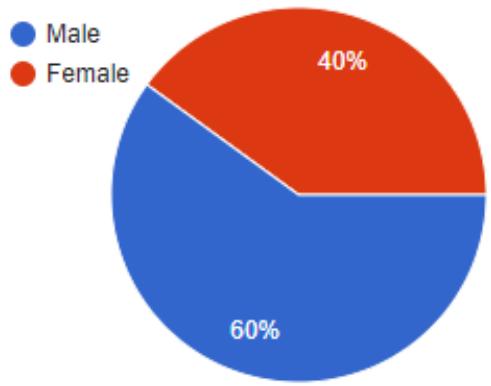 Figure 1: Gender Distributions
Regarding age distribution, 7 of the interviewees are between the age range of 19 and 29, 7 are between 30 and 39, 3 are between 40 and 49, and 3 are between 50 and 59 years. The age range of 19-29 constitutes
$35\%$ of the sample group, while the age range of 30-39 also constitutes $35\%$. On the other hand, the age range of 40-49 and 50-59 accounts for $15\%$ and $15\%$ of the sample group, respectively (see Figure 2).
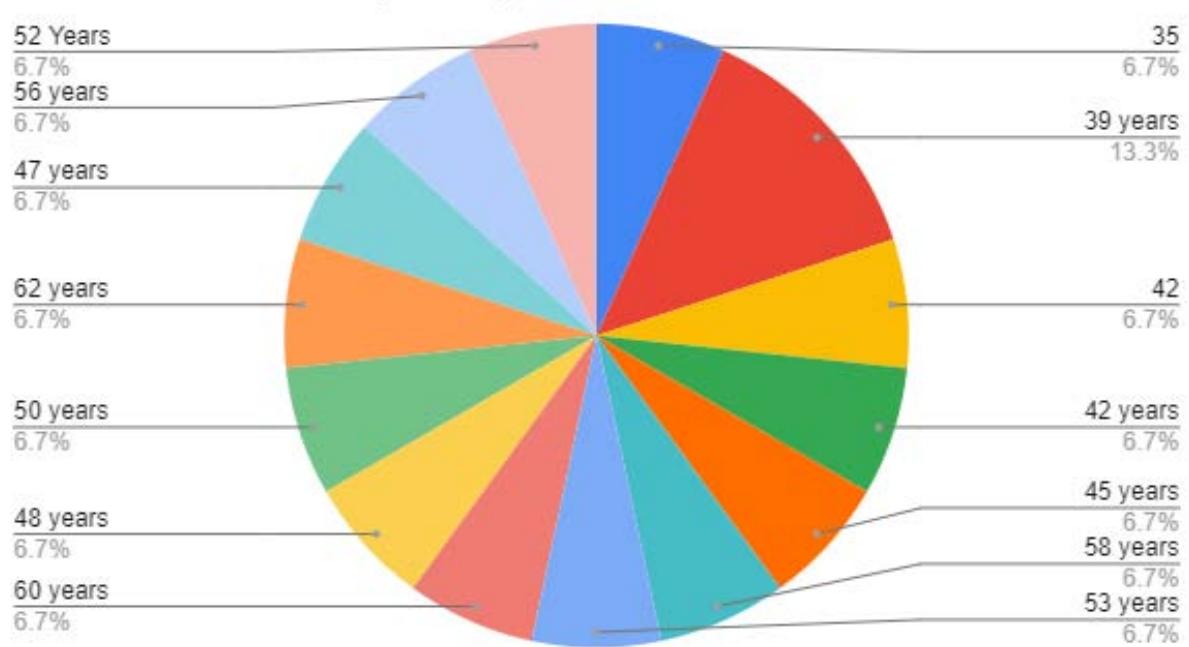 Figure 2: The Age Distribution of the Participants
The marital status and duration of time spent in the USA are important. However, according to the Figure 3 of the interviewees time spent in the USA range from 8 years to26 years, $6\%$ of the participants have lived in the USA for about 26 years as the highest participants lived in the USA for a period between they have gain a lot of experience.
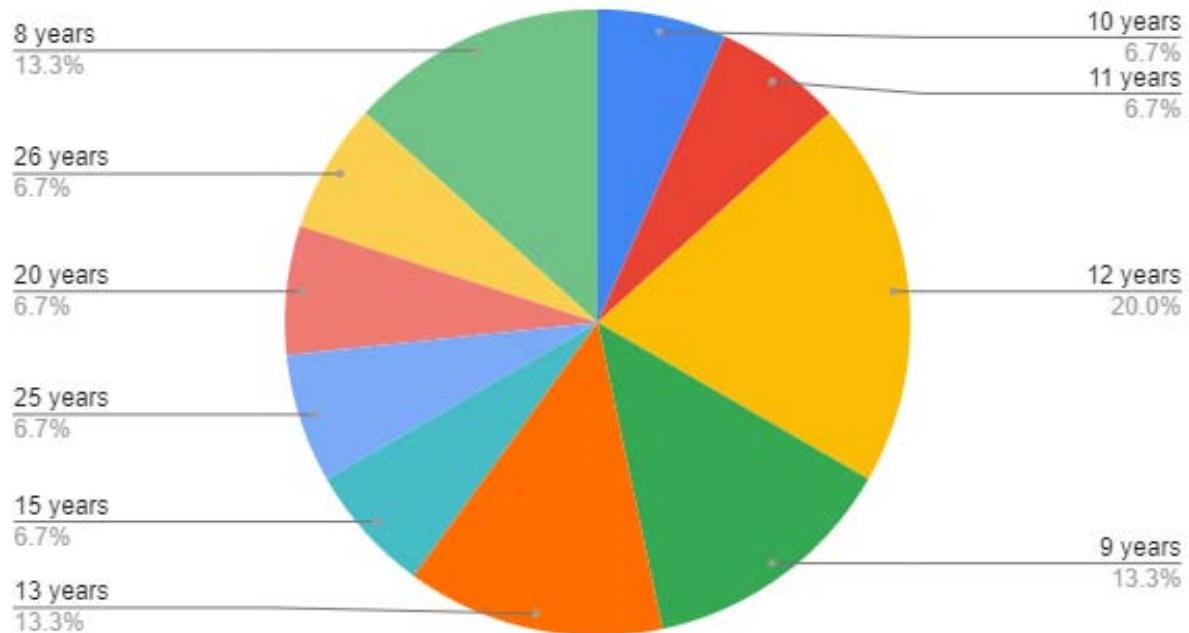 Figure 3: The Number of Years Spend in Malaysia
### b) Themes and Patterns
The primary purpose of the interview was to determine how Eritrean expatriates in the USA have perceived their adjustment to life and culture in the USA. However, the interview did raise some other significant points related to the adjustment issues of Eritrean expatriates in the USA. The following are the major themes identified to be significant in relation to the experiences of the Eritrean expatriates with regard to their adjustment in the USA: language barrier as a challenge in life adjustment; being treated differently and experiencing social exclusion due to skin color and culture; cultural shock and adjustment to cultural differences; having an immigrant visa as both an
advantage and a challenge; adjustment with regard to family role and structure; adjustment with regard to cultural change; struggling to maintain identity while adapting to a new culture; adjustment to financial difficulty; adjustment to lack of support; adjustment with regard to societal versus friendship relationships; and subjects of factors influencing expatriates' life adjustment and adaptation.
### c) Demographic Characteristics
The demographic characteristics of the participants recruited for this study are summarized in the following section. The twenty participants interviewed, females were underrepresented in the sample, there was still a more-than-satisfactory variation in demographics, particularly in age, duration of stay in the USA, and regions of the USA in which they reside. Since it is common to say that 'orthodox Eritrean men' are more likely to exile than women, those factors, particularly gender and ethnicity, could lead to consistent cultural perceptions among interviewees. Different opinions on acculturating and awareness among patriotic Eritreans with questionable perspectives could be based on those homogeneous perceptions as a group, which could lead to biased perspectives. Therefore, while those factors were maintained as variables in recruiting participants as the initial steps of cohorting, the interviews themselves were held in a semi-structured format allowing variation of order and wording of questions.
As depicted in the Figure 2, the age of the participants ranged from 26 to 51 years old, constituting a young to middle-aged population with a mean age of 38.1 years and a standard deviation of 7.47. The participants reside in different counties in the USA, mainly on the East Coast and West Coast with three others scattered in Minnesota, Texas, and North Carolina. Therefore, more than half of the participants have been living in the USA for less than 8 years (mean duration = 7.2 years). The level of education is kept higher than average, as all the respondents are either college or graduate degree holders. Except for one participant who has a green card and has an active permanent resident application, everyone else is either a permanent resident or a US citizen.
### d) Presentation of the Result
Interviews with Eritrean expatriates revealed diverse perspectives concerning their reasons for migration. The most frequently reported motivations for emigration were tied to schooling opportunities, including family reunification to facilitate educational chances. Safety and stability from conflict were also prevalent reasons for displacement. By contrast, unfulfilled aspirations of returning to previously resettled countries featured weakly.
With regard to the cultural difference of Eritrea and the USA, one respondent revealed that:
"Eritrean society is highly communal, with strong family ties and a collective approach to life"
However, American culture tends to emphasize individualism, with a focus on personal independence and self-reliance. Pursuing higher education or specialized training that is not available or of the same quality in one's home country. It was also revealed the most of them
"I've embraced the local culture, including language, customs, and social norms. I feel comfortable navigating cultural differences and have formed meaningful relationships with locals".
Addressing the relationship with the birthplace and destination country, attachment to the birthplace diminished due to unhappiness with the government and conflict concerns, as well as worries for loved ones remaining behind.
Adaptation to the present destination country was largely reported positively. However, differing attitudes toward acceptance were noted depending on the government and societal measures concerning birthplace family reunification. The preservation of cultural heritage issues featured by the roots generation prominently in the analysis was raised with greater concern and emotion in the branch generation narratives. In discussions surrounding personal circumstances and life chances in the individual dimensions, better opportunities for growth were reported, including schooling, career chances, and personal safety. Moreover, there were better life chances for offspring, coming about with higher chances of taking control of their lives and possibilities and choices, including education and career.
In the relational dimension, life chances changed to feel more secure in close ties. This was related to feelings of heartache from missing close family and caring for loved ones remaining behind. However, the life chance of having family living in the birthplace was also mentioned in the relational dimension, with more complexities including fears. Overall, the analysis shows dynamics in the themes and patterns over time and between the interviewees that resonate with both deep but latent mismatches in the need and desire for disassociation from the birthplace. This indicates emotions involved in independence from the birthplace but also dissatisfaction with that independence seen from the present inside socio-spatial bounds.
The constraints in professional adaptability might hinder both job effectiveness and interpersonal relationships. Another respondent revealed that:
"I may have difficulty embracing a wide range of ethnic traditions or concepts, therefore impeding my assimilation."
This is attributed to maintaining composure, attentively listening to all parties involved, and seeking areas of agreement, despite the challenges posed by limited proficiency in language and culture. The potential failure or escalation of my dispute resolution plan may be attributed to inadequate methodologies or comprehensive understanding. "Achieve high success by implementing local social norms and appropriate behaviour in diverse social contexts, hence showcasing cultural assimilation. The continuous application of local rules and etiquette leads to social friction, resulting in limited success. In terms of "Modesty", one rsponendent revealed that:
"My contacts and collaborations are satisfactory but may not possess the same level of depth as larger networks. My network is restricted in terms of contacts and partners. However, I possess a high level of sensitivity and adaptability, which enables me to effectively employ cultural knowledge in both romantic relationships and decision-making processes".
Finally, it is recognized that organizational culture of Eritrea's workplace may exhibit a hierarchical structure characterized by well-defined positions and authority. Workplaces in the United States highly priorities teamwork, creativity, and informality.
## VI. DISCUSSION
The main significance of the study of Eritrean expatriates residing in the United States of America is to fill the knowledge gap in the research literature regarding Eritrean expatriates in the new world. It also provides a further framework for future in-depth studies on the hidden and overlooked group of Eritreans in the diaspora. It can create awareness and understanding of the socio-economic conditions of Eritrean expatriates in the West, as it puts a spotlight on the hard and painful tribulations faced by Eritrean refugees in a variety of matters. The study of the group largely overlooked and unseen in the research literature of African refugees in the West can be of great importance. The group of Eritrean refugees is one of the oldest refugee communities in the USA, with the first batch of refugees having arrived in the early 1980s. Some of the earliest Eritrean refugees in the West recall their refuge in the Islamic Republic of Sudan in the 1970s. Nevertheless, they remain understudied, unheard, and unseen in the literature of African refugees in diaspora settlement countries.
The research literature on African refugees and forced migratory experiences in the West has overwhelmingly focused on the refugee experiences of Sudanese, Somali, Ethiopian, and more recently the Rwandan genocide, with Eritrean experiences hesitantly and rarely mentioned marginally as an afterthought to broader research works on other countries. Understanding the socio-economic and political challenges and experiences of the often-overlooked and lonely group of Eritrean refugees in the diaspora, particularly in the USA, can be of paramount importance to create understanding and awareness of the gross violations of basic fundamental human rights in the East African one-party state of Eritrea. A one-party state since independence, far worse than the years of British colonialism, Somali, Italian fascism, and national oppression, the First International Conference on Eritrean Refugees and Displacement was organized in 1992 at a university campus by a refugee and displacement development association and the Eritrean community of a major city. The conference attempted to gather and discuss the very painful socio-political, economic, educational, mental health, and social effects of the seventy-three years of military conflict, twenty years of semi-ruling by the victors, and the recent effects of the border war and its subsequent dire effects on the Eritrean people's political, social, and cultural spaces both within Eritrea and the diaspora settlements, making visible the agony and pain of individual experiences of displacement hidden in the grand narratives of political events. Nevertheless, the diasporic experiences of the 1990s were mainly understood as a unique experience of resettlement and sustainability.
The real-life interviews conducted indicate that Eritrean immigrants in the US continue to face challenges despite their difficult circumstances. However, the findings also suggest that these issues and challenges are different or new compared to what is commonly understood. The social and psychological problems faced by Eritrean immigrants in the host country appear to have persisted and grown, particularly mental and psychological problems due to trauma. There is a growing perception among Eritrean immigrants living in the US that they are silent victims of the country's foreign and local policies. This perception comes from personal or closely observing religious, ethnic, or identity-related discrimination, economic inequality, labor discrimination, and criminalization. As a result, amoral, cynical, and indifferent social tendencies and perceptions seem to be developing among Eritrean immigrants. The idealization of individuals who can escape harsh life situations indicates a growing negative attitude towards confrontational and politically interested individuals.
Prioritizing the search for a better life without interfering in political, social, and economic scenarios in the host or origin country worldviews seems to be developing. There appears to be a growing view that affiliates with the perception that below-the-belt political, social, and economic fights do not have any winners, but rather innumerable silent victims or collateral damage. Consequently, being passive observers of inhumane actions initiated by validated authorities or organizations of their countries, including campaigns to liberate or humanize some of the criminals, is also growing. This type of perception is grounded in the notion that holding powerful authorities or organizations accountable is not compatible regardless of presenting facts or maintaining evidence.
These challenges are manifested in different settings, affecting family, personal life, and communication with home countries and people. Families and individuals appear to be breaking down or falling apart, particularly due to social misunderstandings, criminal activities, drug and alcohol addictions, losing temper and motivation to fight back, and emotional numbness. There seems to be a growing difficulty in communicating with home countries and people, especially in remembering and embracing the past. The past seems to be vanishing and dissolving. There also appears to be a growing idea that diaspora life is an existential drift or being in limbo. Participation in professional or cultural interchanges and diasporic social encounters seems to be dwindling.
## VII. CONCLUSION
The present thesis strives to evaluate the empirical qualitative interview study of Eritrean expatriates who have fled from Eritrea and, more or less involuntarily, ended up in the USA. The aim is firstly to achieve a deeper understanding of the Eritrean diaspora as a specific group of expatriates. As an innate part of this, the study intends to gain insights into questions concerning the life histories of the interview participants and their trajectory across countries. Secondly, the goal is to learn more about the cultural integration experience of Eritrean expatriates in a Western country such as the USA. Thirdly, in continuation of the previous two goals, the ambition is to understand how the different factors impacting and influencing integration vary among various expatriate groups, specifically Eritreans and other groups. The empirical qualitative interviews consist of either the personal life story of the interview participants or an elaboration on a significant chapter in their lives. The interviews analyze the country of origin and other external countries and states that significantly impact fundamental areas of life. Attempts are made to portray the life stories from the perspective of the interview participants. What does the interviewee consider important in their life history? What factors does the interviewee assess to have had a life-altering impact? The empirical qualitative interview study of Eritrean expatriates in the USA has shown that the life histories of Eritreans are characterized by the same basic situation and mechanism: the consistency of long suffering. This consists of the colonial period, the war of independence, the post-independence era, and the attempt to escape the country. Each of these exerted a different socio-political environment within a certain historical perspective. According to the interviews, each interview participant might have been exposed to a specific variable path of historic time-space within that specific socio-political condition. Nonetheless, exile tends to homogenize the social space of expatriates due to the consistent expatriation from the same state where a certain political scheme is dominant.
Generating HTML Viewer...
References
44 Cites in Article
A Abbay (2021). The Eritrean diaspora and its role in shaping post-independence Eritrea: Political engagement, remittances, and identity preservation.
Aderanti Adepoju (2018). Regional and Intercontinental Migration in Sub-Saharan Africa.
N Al-Ali (2017). Diasporas and transnationalism: Challenges for gender and feminist frameworks.
O Bakewell,A Bonfiglio (2018). Moving beyond the 'refugee crisis': New migration patterns in Europe.
V Bernal (2014). Nation as network: Diaspora, cyberspace, and citizenship.
V Bernal (2017). Diaspora and the afterlife of violence: Eritrean political imaginaries.
A Betts,P Collier (2017). Refuge: Transforming a broken refugee system.
David Bozzini (2011). Low-tech surveillance and the despotic state in Eritrea.
S Castles,H De Haas,M Miller (2020). The age of migration: International population movements in the modern world.
R Cohen (2019). Global diasporas: Migration and cultural transformation in the contemporary world.
D Connell (2005). Against all odds: A chronicle of the Eritrean revolution.
D Connell (2011). Refugees, ransoms, and revolts: An update on Eritrea.
J Conrad (2006). Eritrea: Country note.
T Dawit (2022). Eritrean refugees and the trauma of displacement: A critical study of their mental health and adaptation in the US.
T Faist (2021). Transnational social protection: Social welfare across borders.
Elena Fiddian-Qasmiyeh (2020). Introduction.
M Ghebreyesus,T Teklu (2023). The politics of belonging in the Eritrean diaspora: National identity and the challenges of integration in Western societies.
Glick Schiller,N (2018). Transborder citizenship and diasporic networks.
R Hansen,J Koehler (2017). New approaches in migration studies.
T Hepner (2009). Soldiers, martyrs, traitors, and exiles: Political conflict in Eritrea and the diaspora.
T Hepner (2015). Eritrean national service: What it is and why it matters.
T Hepner,J Conrad (2015). Petro-modernity, transnationalism, and neoliberalism in Eritrea.
Tricia Hepner,David O’kane (2009). INTRODUCTION Biopolitics, Militarism, and Development in Contemporary Eritrea.
N Hirt (2010). Dreams Don't Come True in Eritrea": Anomie and Family Disintegration Due to the Structural Militarization of Society.
N Hirt (2015). The Eritrean diaspora and its impact on regime stability: Responses to UN sanctions.
R Humphris (2013). Refugees and the Rashaida: Human smuggling and trafficking from Eritrea to Sudan and Egypt.
K Koser (2003). Mobilizing new African diasporas: An Eritrean case study.
K Koser (2017). Migration, global governance, and international relations.
L Landau (2018). 7. Managing Migration in the Twenty-first Century.
S Lemma (2023). Eritrean transnationalism and its discontents: A sociological examination of the role of the diaspora in Eritrean politics.
A Lindley (2018). Crisis and migration: Critical perspectives.
(2022). World migration report 2022.
Sandro Mezzadra,Brett Neilson (2019). The Politics of Operations.
(2021). Migration and diaspora dynamics: Global trends and projections.
D O'kane,T Hepner (2009). Biopolitics, militarism, and development: Eritrea in the twentyfirst century.
D Pool (1997). Eritrea: Tigrinya and Tigre language and cultural preservation.
A Portes,P Fernandez-Kelly (2017). The state and the grassroots: Immigrant transnational organizations in four continents.
J Riggan (2016). The Struggling State: Nationalism, Mass Militarization, and the Education of Eritrea.
A Roy (2020). Urban studies and diaspora dynamics: Intersectionality in the global south.
G Schröder (2017). Eritrean migrant experiences in Germany: Adaptation and acculturation.
S Toma,S Vause (2017). Migrant networks and integration processes in transnational perspectives.
M Treiber (2014). Leaving Eritrea behind: An analysis of Eritrean outmigration.
N Van Hear,R Cohen (2023). Diasporas, development, and transnationalism.
A Zere (2024). Navigating identities: The intergenerational transmission of culture and language among Eritrean families in the US.
No ethics committee approval was required for this article type.
Data Availability
Not applicable for this article.
How to Cite This Article
Osman Yusuf. 2026. \u201cAn Empirical Evaluation of Eritrean Expatriates in the USA\u201d. Global Journal of Management and Business Research - A: Administration & Management GJMBR-A Volume 24 (GJMBR Volume 24 Issue A4).
Explore published articles in an immersive Augmented Reality environment. Our platform converts research papers into interactive 3D books, allowing readers to view and interact with content using AR and VR compatible devices.
Your published article is automatically converted into a realistic 3D book. Flip through pages and read research papers in a more engaging and interactive format.
Our website is actively being updated, and changes may occur frequently. Please clear your browser cache if needed. For feedback or error reporting, please email [email protected]
Thank you for connecting with us. We will respond to you shortly.