This article proposes a basic drug formulation that, with additions according to the particular behavior, addresses all psychiatric conditions. The drugs examined are those that address the five major types of brain cells, neurons, astrocytes, oligodendrocytes, endothelial cells and microglia. Approximately 40 drugs need consideration. Five of those drugs have the widest activity but drug-drug interactions eliminate fluoxetine, leaving ketamine, metformin, minocycline, and valproate, as the drugs for formulating a basic treatment for all psychiatric conditions.
## I. BACKGROUND
Is there a basic formulation of drugs that, with additions according to the particular behavior, is appropriate for all psychiatric diagnoses? Behavior, whether involving cognition, emotion, decision-making, or voluntary movement, is brain-based; possible exceptions are reflexive or autonomic. Thus, abnormal behavior, i.e., psychological or psychiatric disturbance, is normally also brain-based even when the immediate, apparent causes were environmental or societal. Because the molecular biology of brain function depends upon some of the five major types of brain cell, i.e., neurons, myelinating oligodendrocytes, astrocytes, endothelial cells, and microglia, changing any brain function requires addressing one or more of those brain cells. The biochemical events in those cells during abnormal behavior, might not be seen directly but may be discerned indirectly by finding the drug or drugs that benefit a particular function and noting the mechanisms that are known to derive from such drugs. Thus, if condition 'a' is benefitted by drug 'b', and drug 'b' benefits mechanisms 'c, d,...n', the mechanism by which drug 'b' benefits condition 'a' might be contained in 'c,d,...n'. Pragmatically, if a psychiatric condition is reliably benefitted by one or several drugs, the mechanism that is responsible for that benefit may be ascertained from the known effects of those particular drugs. If the same drugs were useful for treating several psychiatric conditions, then using those drugs plus others appropriate for the particular condition being treated, should be a basic formulation that benefits all such conditions.
## II. INTRODUCTION
If all psychological and psychiatric abnormalities have a biological basis, then it is possible that they may all be addressed by a basic drug formulation that would, necessarily, derive from addressing the changed function of the brain cells that underpin all brain functions. The following discussion shows how the functions of each of the five types of brain cell may be influenced by available drugs, so that a formulation of drugs for a basic treatment regimen might be applicable.
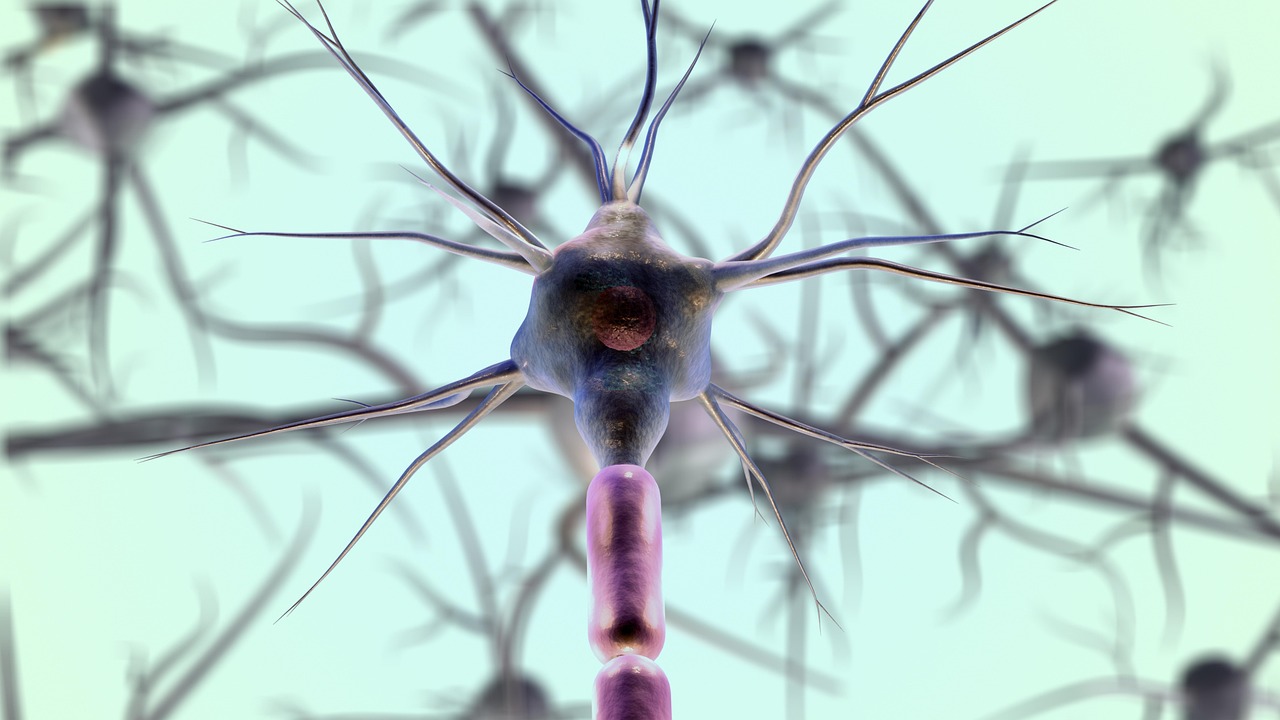
1. Neuronal Cell Function: A huge number of drugs enhance neuronal function, doing so by acting on neurotransmitters, ion channels, receptors, metabolism, or other intracellular signaling pathways.
Multiple drugs promote neurotransmission, including L-dopa and dopamine agonists (e.g., pramipexol and ropinirole) via the dopamine receptor $3^{1}$, monoamine oxidase inhibitors that reduce breakdown of dopamine (e.g., selegiline and rasagiline) $^{2}$, cholinergic drugs (acetylcholinesterase inhibitors e.g., donepezil, rivastigmine) $^{3}$; glutamatergic drugs that either block NMDA receptors (e.g., memantine or ketamine) $^{4}$ or enhance AMPA/NMDA, GABAergic drugs (benzodiazepines that increase the frequency of Cl $^{-}$ channel opening, barbiturates that increase the duration of Cl $^{-}$ channel opening $^{5}$; valproate that inhibits GABA transaminase) $^{6}$, $\mathrm{Na^{+}}$ channel blockers (e.g., phenytoin) $^{7}$; $\mathrm{Ca^{+ + }}$ channel blockers (e.g., gabapentin) $^{8}$, neurotrophic agents (e.g., the SSRI fluoxetine), neuroprotective agents (e.g., GLP-1 agonists such as liraglutide, thiamine needed for glucose metabolism in neurons, mitochondrial function enhancement (coenzyme Q10 and nicotinamide riboside), anti-inflammatory/microglia-modulating (e.g., minocycline that inhibits microglial activation), increase of dopamine/norepinephrine by using methylphenidate or amphetamine to support neuronal growth and survival, and IGF-1 and insulin to modulate social and emotional processing.
2. Astrocyte Function: Is both neuroprotective and anti-inflammatory. It is influenced by a variety of drugs. Minocycline reduces activation by astrocytes of microglia and decreases pro-inflammatory cytokine release[^9]. Ibudilast (approved in Japan but not yet in the US) inhibits phosphodiesterases and
macrophage migration inhibitory factor (MIF), reduces astrocyte-mediated inflammation[^10]. Low to mid-range levels of glucocorticoids suppressed inflammatory gene expression (e.g., IL-6, TNF- $\alpha$ )[^11] in astrocytes. Ceftriaxone increased expression of glutamate transporter EAAT2 (GLT-1) and alters glutamate uptake in astrocytes[^12]. Valproic acid also influences astrocytic glutamate metabolism, as well as anti-inflammatory signaling and histone deacetylase inhibition, and also alters astrocyte gene expression[^13]. Treatment with metformin maintained a significantly higher number of oligodendrocytes and its precursor cells, improved myelination and lowered activated astrocytes and microglia[^14]. Thiamine supports astrocyte energy metabolism; its deficiency causes astrocyte dysfunction and Wernicke's encephalopathy[^15]. Fluoxetine (SSRI) increases secretion of BDNF from astrocytes, and modulates gliotransmission[^16]. Ketamine stimulates multiple pathways including astrocytic glutamate and inflammation, and promotes neuroplasticity[^17], and influences calcium signaling and the anti-inflammatory pathway in astrocytes[^17].
3. Oligodendrocyte Function: Clemastine promotes differentiation of oligodendrocyte precursor cells (OPC) and therefore enhanced remyelination in both multiple sclerosis (MS) models and a clinical trial for $\mathsf{MS}^{18}$. Benztopine promotes differentiation of OPC $^{19}$, and so does metformin, via activation of $\mathsf{AMPK}^{14,20}$, so both drugs promote remyelination. Remyelination did not adequately occur in the absence of IGF signaling, and OPCs did not proliferate or survive as well without IGF1; thus, IGF-1 promotes oligodendrocyte survival and, therefore, myelination $^{21}$.
4. Endothelial Function: Statins upregulate nitric oxide synthase (NOS) and thus increase nitric oxide (NO) bioavailability; they also reduce reactive oxidative stress (ROS), inflammation, and low density lipoprotein (LDL) oxidation[22]. Angiotensin-converting enzyme (ACE) inhibitors and angiotensin receptor blockers (ARBs) e.g., enalapril and losartan, promote improved endothelial-dependent vasodilation via reduced angiotensin II-induced oxidative stress and inflammation[23]. GLP-1 receptor agonists (e.g., liraglutide, semaglutide) reduce endothelial inflammation and reactive oxygen species (ROS) via activating GLP-1R in endothelial cells, causing promotion of anti-inflammatory signaling[24]. Metformin improves endothelial NO production and reduces reactive oxidative stress (ROS) via activating AMPK, and enhancing NOS activity and mitochondrial function[25]. Sodium-glucose cotransporter 2 (SGLT2) inhibitors e.g., empagliflozin, dapagliflozin, reduce
endothelial dysfunction $^{26}$, reduce oxidative stress, and improve mitochondrial function $^{27}$. Thiazolidinediones e.g., pioglitazone improved insulin sensitivity via activation of PPAR $\gamma$, and reduced inflammation $^{28}$. Omega-3 fatty acids improve endothelial cell-induced vasodilation, and reduce inflammation $^{29}$.
5. Microglial Function: May be changed either by modulating its activation to being pro-inflammatory versus anti-inflammatory, altering its phagocytic activity, or influencing its production of cytokines (see above). Minocycline reduced formation of pro-inflammatory cytokines (IL-1β, TNF- $\alpha$ ), and decreased ROS[^30]. Ibuprofen and other NSAIDs inhibited COX enzymes and thus suppressed microglial-mediated inflammation[^31]. Signaling by glucocorticoid receptors down-regulated microglial inflammatory gene expression[^32]. Drugs such as pioglitazone (a PPAR- $\gamma$ agonist) or rosiglitazone, promote alternative activation of microglia by switching their morphology from M1 (pro-inflammatory) to M2 (anti-inflammatory)[^33]; they may also reduce deleterious production by microglia of NO and TNF- $\alpha$ [^34]. Rapamycin (mTOR inhibitor) inhibits microglial proliferation, so reduces their activation and expression of inflammatory cytokines[^35].
## Choice from Multiple Drugs
Over three dozen drugs are listed in the above paragraphs. Rational choice of a regimen should be based upon those drugs with the widest therapeutic effects. In the above list, those include fluoxetine, ketamine, metformin, minocycline, and valproate; Using only those five provides a more manageable number. Ketamine blocks NMDA receptors[17] and valproate is a GABAergic drug[13], so both agents have wide effects; fluoxetine increases secretion of BDNF from astrocytes, and modulates gliotransmission[16]; metformin enhances endothelial nitric oxide (NO) activity and so improves endothelial NO production; it also reduces reactive oxidative stress (ROS) via activating AMPK, and enhances mitochondrial function[25]; minocycline inhibits microglial activation, reduces pro-inflammatory cytokines (IL-1β, TNF-α), and decreases ROS[30].
Drug-drug interactions cannot be ignored in creating a drug formulation. Fluoxetine + valproate may increase valproate levels, raising the risk of CNS depression, hepatic toxicity, or thrombocytopenia, so these two should not be co-administered. Fluoxetine may increase the hypoglycemic effect of metformin, so blood glucose levels must be monitored, especially at initiation or dose change. Fluoxetine + ketamine risks causing the serotonin syndrome since both have serotonergic effects, so these two drugs should not be administered together. For these reasons, it would be prudent to remove fluoxetine from the final drug formulation. Valproate + minocycline may rarely increase intracranial pressure, which may be monitored by observing for vision changes and headache.
Provisionally, then, using four drugs, ketamine, metformin, minocycline, and valproate, would allow formulation of a basic treatment regimen for all psychiatric abnormalities with additions depending upon the specific abnormality being treated.
## ACKNOWLEDGEMENTS
There are no conflicts of interest. No funds for this article were received from either public or private sources.
Y.-Q Liang,X.-C Tang (2006). Comparative studies of huperzine A, donepezil, and rivastigmine on brain acetylcholine, dopamine, norepinephrine, and 5hydroxytryptamine levels in freely-moving rats.
C Nyakas,I Granic,L Halmy,P Banerjee,P Luiten (2011). The basal forebrain cholinergic system in aging and dementia. Rescuing cholinergic neurons from neurotoxic amyloid-β42 with memantine.
Paul Whiting,Timothy Bonnert,Ruth Mckernan,Sophie Farrar,Beatrice Bourdelles,Robert Heavens,David Smith,Louise Hewson,Michael Rigby,Dalip Sirinathsinghji,Sally Thompson,Keith Wafford (1999). Molecular and Functional Diversity of the Expanding GABA‐A Receptor Gene Family.
O Larsson,L Gram,I Schusboe,A Schousboe (1986). Differential effect of gamma-vinyl GABA and valproate on GABA-transaminase from cultured neurones and astrocytes.
Yoel Yaari,Michael Selzer,Jonathan Pincus (1986). Phenytoin: Mechanisms of its anticonvulsant action.
K Sutton,D Martin,R Pinnock,K Lee,R Scott (2002). Gabapentin inhibits high-threshold calcium channel currents in cultured rat dorsal root ganglion neurones.
N Garrido-Mesa,A Zarzuelo,J Gálvez (2013). Minocycline: far beyond an antibiotic.
P Rolan,M Hutchinson,K Johnson (2009). Ibudilast: a review of its pharmacology, efficacy and safety in respiratory and neurological disease.
Anna Macpherson,Klaus Dinkel,Robert Sapolsky (2005). Glucocorticoids worsen excitotoxin-induced expression of pro-inflammatory cytokines in hippocampal cultures.
P Chen,C-C Wang,C Bortner,G-S Peng,X Wu,H Pang,R-B Lu,P-W Gean,D-M Chuang,J-S Hong (2007). Valproic acid and other histone deacetylase inhibitors induce microglial apoptosis and attenuate lipopolysaccharide-induced dopaminergic neurotoxicity.
Sarah Demaré,Asha Kothari,Nigel Calcutt,Paul Fernyhough (2021). Metformin as a potential therapeutic for neurological disease: mobilizing AMPK to repair the nervous system.
Alan Hazell,Samantha Faim,Guilherme Wertheimer,Vinicius Silva,Cleiton Marques (2013). The impact of oxidative stress in thiamine deficiency: A multifactorial targeting issue.
L Hertz,D Rothman,B Li,L Peng (2015). Response: Commentary: Chronic SRI Stimulation of Astrocytic-HT 2B Receptors Change Multiple ene Expressions/Editings and etabolism of Glutamate, Glucose nd Glycogen: A Potential Paradigm Shift.
M Stenovec (2021). Ketamine alters functional plasticity of astroglia: an implication for antidepressant effect.
A Green (2017). Clemastine fumarate as a remyelinating therapy for multiple sclerosis (ReBUILD): a randomised, controlled, double-blind, crossover trial.
V Deshmukh (2013). A regenerative approach to the treatment of multiple sclerosis.
Björn Neumann,Roey Baror,Chao Zhao,Michael Segel,Sabine Dietmann,Khalil Rawji,Sarah Foerster,Crystal Mcclain,Kevin Chalut,Peter Van Wijngaarden,Robin Franklin (2019). Metformin Restores CNS Remyelination Capacity by Rejuvenating Aged Stem Cells.
Jeffrey Mason,Shouhong Xuan,Ioannis Dragatsis,Argiris Efstratiadis,James Goldman (2003). Insulin-Like Growth Factor (IGF) Signaling through Type 1 IGF Receptor Plays an Important Role in Remyelination.
Reza Ranjbar,Mojtaba Shafiee,Amirreza Hesari,Gordon Ferns,Faezeh Ghasemi,Amir Avan (2019). The potential therapeutic use of renin–angiotensin system inhibitors in the treatment of inflammatory diseases.
X Ma (2021). Glp-1 receptor agonists (Glp-1ras): Cardiovascular actions and therapeutic potential.
Xinguo Hou,Jun Song,Xiao-Nan Li,Lin Zhang,Xingli Wang,Li Chen,Ying Shen (2010). Metformin reduces intracellular reactive oxygen species levels by upregulating expression of the antioxidant thioredoxin via the AMPK-FOXO3 pathway.
Pasquale Mone,Fahimeh Varzideh,Stanislovas Jankauskas,Antonella Pansini,Angela Lombardi,Salvatore Frullone,Gaetano Santulli (2022). SGLT2 Inhibition via Empagliflozin Improves Endothelial Function and Reduces Mitochondrial Oxidative Stress: Insights From Frail Hypertensive and Diabetic Patients.
Yasuhiro Maejima (2020). SGLT2 Inhibitors Play a Salutary Role in Heart Failure via Modulation of the Mitochondrial Function.
H Al-Muzafar,F Alshehri,K Amin (2021). The role of pioglitazone in antioxidant, anti-inflammatory, and insulin sensitivity in a high fat-carbohydrate diet-induced rat model of insulin resistance.
Jorge Farías,Víctor Molina,Rodrigo Carrasco,Andrea Zepeda,Elías Figueroa,Pablo Letelier,Rodrigo Castillo (2017). Antioxidant Therapeutic Strategies for Cardiovascular Conditions Associated with Oxidative Stress.
Christopher Henry,Yan Huang,Angela Wynne,Mark Hanke,Justin Himler,Michael Bailey,John Sheridan,Jonathan Godbout (2008). Minocycline attenuates lipopolysaccharide (LPS)-induced neuroinflammation, sickness behavior, and anhedonia.
Michael Heneka,Magdalena Sastre,Lucia Dumitrescu-Ozimek,Anne Hanke,Ilse Dewachter,Cuno Kuiperi,Kerry O'banion,Thomas Klockgether,Fred Van Leuven,Gary Landreth (2005). Acute treatment with the PPARγ agonist pioglitazone and ibuprofen reduces glial inflammation and Aβ1–42 levels in APPV717I transgenic mice.
Isaias Glezer,Ariel Chernomoretz,Samuel David,Marie-Michèle Plante,Serge Rivest (2007). Genes Involved in the Balance between Neuronal Survival and Death during Inflammation.
Shweta Mandrekar-Colucci,Andrew Sauerbeck,Phillip Popovich,Dana Mctigue (2013). PPAR Agonists as Therapeutics for CNS Trauma and Neurological Diseases.
Bin Xing,Tao Xin,Randy Hunter,Guoying Bing (2008). Pioglitazone inhibition of lipopolysaccharide-induced nitric oxide synthase is associated with altered activity of p38 MAP kinase and PI3K/Akt.
D Li (2016). Targeting Pro-Inflammatory Neuronal Death After Intracerebral Hemorrhage Improves Neurological Deficits in Mice.
No ethics committee approval was required for this article type.
Data Availability
Not applicable for this article.
How to Cite This Article
Dr. Jeffrey Fessel. 2026. \u201cA Basic Drug Formulation Appropriate for Many Psychiatric Diagnoses\u201d. Global Journal of Medical Research - A: Neurology & Nervous System GJMR-A Volume 25 (GJMR Volume 25 Issue A1): .
Explore published articles in an immersive Augmented Reality environment. Our platform converts research papers into interactive 3D books, allowing readers to view and interact with content using AR and VR compatible devices.
Your published article is automatically converted into a realistic 3D book. Flip through pages and read research papers in a more engaging and interactive format.
This article proposes a basic drug formulation that, with additions according to the particular behavior, addresses all psychiatric conditions. The drugs examined are those that address the five major types of brain cells, neurons, astrocytes, oligodendrocytes, endothelial cells and microglia. Approximately 40 drugs need consideration. Five of those drugs have the widest activity but drug-drug interactions eliminate fluoxetine, leaving ketamine, metformin, minocycline, and valproate, as the drugs for formulating a basic treatment for all psychiatric conditions.
Our website is actively being updated, and changes may occur frequently. Please clear your browser cache if needed. For feedback or error reporting, please email [email protected]
Thank you for connecting with us. We will respond to you shortly.