
I. INTRODUCTION
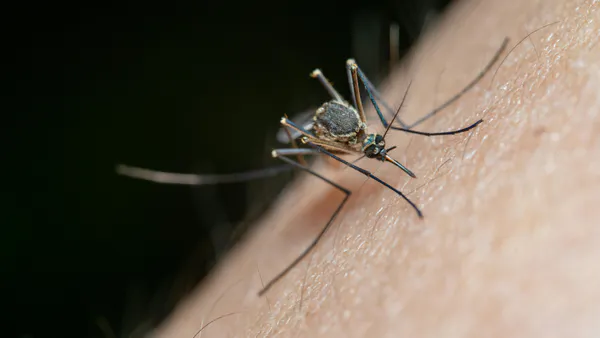
Malaria has remained a major public health problem in India, with cases therein contributing significantly to the overall malaria burden in Southeast Asia. Majority of malaria cases in India have occurred within the eastern and central regions of the country. Around 90 countries, accounting for approximately of the total world population, continue to be exposed to the risk of malaria. The main causative agent for this infectious disease is a parasite called "Plasmodium" from the protozoan family, which is spread through Anopheles or Culex mosquitoes—the main vectors of this infectious disease. World Health Organization (WHO) estimates show that out of the 1.4 billion total population across 11 countries, approximately 1.2 billion are at risk of being exposed to the malaria epidemic. Among the aforementioned 11 countries, India has reported 2.5 million cases of malaria, which accounts for approximately of the total reported cases, substantially contributing to the global burden nowadays,[1,2]. Three prospective research areas can be utilized to study malaria, that is, biological, ecological, and socio cultural. The biological area, in which most studies have focused, holds more significance compared to the rest of other areas [3]. Nonetheless, sociocultural factors are evidently critical in controlling malaria given that human behavior can control the etiology of this disease. The combined interdisciplinary approach has been considered the best possible method of dealing with malaria. Most of the studies in India have focused on prevalence data collected from epidemic investigations. Despite studies on malaria, limited data have been available specifically for age, gender, and seasonal variance [4]. The current study therefore focuses on some of these aspects.
a) Background of the study
After India attained independence in 1947, 75 million malaria cases had been estimated in a population of 330 million. During the eradication era in the late 1950s and early 1960s, remarkable malaria eradication had been achieved, with malaria cases significantly declining to just 100,000 cases in 1964. Unfortunately, the number of cases gradually increased thereafter, reaching 6.4 million by 1976 [5]. Nonetheless, despite having the highest burden of malaria within the Southeast Asian region, India has shown a declining trend in malaria incidence in recent years [2]. Malaria is essentially a protozoan infectious disease caused by four main Plasmodium species in humans, namely Plasmodium falciparum, Plasmodium vivax, Plasmodium ovale, and Plasmodium malariae. Among the aforementioned protozoans, vivax has caused majority of the deaths worldwide. Only female anopheles mosquitoes can be the vector for malaria. In terms of malaria transmission, approximately 30 out of over 400 different species can transmit malaria. Such mosquitoes mostly bite at night, with some resting outdoors and others indoors. A person bitten by a mosquito carrying the malaria parasite may become infected with malaria. Similarly, a mosquito without the malaria parasite who bites a person already infected with malaria may acquire the malaria parasite and subsequently infect another person [6]. The epidemiology of malaria in India is complex given the geo-ecological diversity, multiethnicity, and wide distribution of nine anopheline vectors transmitting three main Plasmodium species: . falciparum, . vivax, and . malariae. The number of cases within the country still account for of global malaria cases and approximately half of the total Plasmodium vivax cases worldwide [7]. Kolkata (formerly Calcutta), the capital of state West Bengal, India with an area of ,is under the jurisdiction of the Kolkata Municipal Corporation (KMC). According to 2011 census, Kolkata has a population of 45 lakhs. Kolkata has still been considered the most malaria-prone district of West
Bengal, India given the conducive climatic condition and urban lifestyle maintained within the city. Over a century ago, the city provided Sir Ronald Ross an opportunity to eradicate the transmission cycle of the disease. Unfortunately, the transmission cycle of malaria has still yet to be interrupted permanently [8]. Nonetheless, the status of malaria within Kolkata has improved considerably over last decade under the keen supervision of the officials of the KMC [9].
b) Objective
The current study aimed to investigate the present status and trends of malaria in a designated ward under the jurisdiction of the KMC to determine timing, location, and distribution of malaria cases, as well as identify risk factors to mitigate future outbreaks.
II. MATERIALS AND METHODS
A cross-sectional study was designed based on data collected from the KMC documents and a pretested questionnaire administered to Taltala area residents during the winter. For ethical consideration, verbal or written approval was taken from the residents. Variables taken into account included age, sex, malaria category, medicine intake history, and others. Most of the wards were also found to be at high risk for malaria peaking during the postmonsoon season. Appropriate statistics had been utilized for the present study. The study included a total of 120 participants who were interviewed using pretested questionnaires on sociodemographic parameters, education, occupation, household information, and malaria-related behavior upon recruitment. A medical history was taken, after which a clinical examination was performed in all patients using standard protocol. Weight and height were measured following the standard anthropometric protocol. Body mass index was calculated as . Fever was defined as an axillary temperature . Venous blood was collected in ethylenediaminetetraacetic acid vials. Malaria parasites were counted per 200 white blood cells on Giemsa-stained thick blood films, whereas parasite species were defined based on thin-film microscopy.
III. RESULTS
| Borough | ABER | SPR | API |
| 6 | 9.61 | 15.6 | 15.53 |
| Groups | N = 120 | Percentage (%) |
| Plasmodium vivax (PV) | 105 | 87.5 |
| Plasmodium falciparum (PF) | 15 | 12.5 |
| SI No. | Groups | N = 120 | Percentage (%) |
| 1. | Male | 106 | 88.33 |
| 2. | Female | 14 | 11.66 |
| Plasmodium vivax affected = 105Mean (SD) | Plasmodium falciparum affected = 15Mean (SD) | |
| Age in years | 36.773 (3.59) | 28.46 (7.35) |
| SI No. | Characteristics | N = 120 | Percentage (%) |
| 1. | October, 2019 | 59 | 49.16 |
| 2. | November, 2019 | 61 | 50.83 |
| Chloroquine tablets | Artemisinin-based combination therapy | Primaquine tablets | ||
| Total dose: 25 mg/kg given over 3 days. | Days 1 and 2: 10 mg/kg. | Day 1: 25 mg/kg followed by Day 2 and 3: 12.5 mg/kg | 0.25 mg/kg or 15 mg daily for 14 days | 0.75 mg/kg weekly for 8 weeks |
| Day 1: 10 mg/kg, followed by 5 mg/kg 6-8 h later. | ||||
| Days 2 and 3: 5 mg/kg in a single dose. | ||||
| 92 individuals | 15 individuals | 7 individuals | 20 individuals | 95 individuals |
| 76.66% | 12.5% | 5.83% | 16.66% | 79.16% |
Table 1 shows indicators of malaria intervention, including annual blood examination rate, slide positivity rate, and annual parasite incidence among the study participants. A total of 105 (87.5%) individuals were infected with vivax, while 15 (12.5%) were infected with falciparum (Table 2). Among the included patients, 106 (88.33%) and 14 (11.66%) were male and female, respectively (Table 3). Moreover, those infected with vivax and falciparum had a mean (standard deviation) age of 36.77 (3.59) and 28.46 (7.35) years, respectively (Table 4). Among the included patients, 59 (49.16%) and 61 (50.83%) were infected in October and November, 2019 respectively (Table 5). Table 6 details the patient's antimalarial treatment as recommended by the WHO doses of chloroquine, artemisinin-based combination therapy (ACT), and primaquine. We observed that patients fared better with chloroquine (total dose of 25 mg/kg body weight) distributed over 3 days (76.66%) compared to distributed doses (12.5%). The 3 day treatment with ACT was found to be effective only in a small number of patients (5.83%). Radical treatment with primaquine (0.25 mg/kg or 15 mg daily for 14 days followed by standard chloroquine therapy) yielded a cure rate of 16.66%, whereas a dose of 0.75 mg/kg weekly for 8 weeks yielded a cure rate of 79.16% in affected individuals.
IV. DISCUSSION
The present study showed that among the included patients affected by malaria in Kolkata, almost were due to vivax, whereas only were due to falciparum. Majority of the patients managed with oral medications. Moreover, severe malaria was rare, whereas fatalities were absent. The present study has several limitations that need to be considered. The study area selected was mainly populated by individuals from middle or low socioeconomic background. This pattern may in turn impact the knowledge and awareness of malaria, as well as the degree and pace of health care utilization adopted by the private sectors of the city as a whole. However, the present study provides a sufficiently representative depiction of the status of malaria within Kolkata. The percentage of subjects affected by malaria after the peak monsoon season during the early winter months was quite high, suggesting vivax relapse (i.e., long and short latency) in the eastern part of India. However, given that the present study does not comprehensive investigate this phenomenon, further detailed studies on the matter should be encouraged. The medications adopted from the WHO manual of drugs used in parasitic diseases, edition [10] has provided the necessary information for understanding routine treatment approaches for cure. In practice, however, the selection of treatment is influenced not only by the intrinsic properties of the drug but also by the degree to which the locally occurring parasites developed specific patterns of drug resistance. This study emphasized that prompt diagnosis and treatment of the disease is dependent on targeted use of antimalarial drugs with the aim of reducing the risk of drug resistance and unnecessary drug-induced toxicity. The present study did not investigate occurrence of drug-induced toxicity from the antimalarials used or a detailed description of the intrinsic properties of specific drugs and the degree to which locally occurring parasites developed specific patterns of drug resistance to each medication. A number of well-structured National Disease Control/Elimination Programs have been implemented by the state governments following national policies. The organized National Vector Borne Disease Control Program (NVBDCP) provides technical and operational guidelines to the state governments aside from shouldering half the costs for malaria control. Early detection and complete treatment, selective vector control, and behavior change communication are the key components of current malaria control strategies employed by the NVBDCP. To emphasize such components, the present study was conducted in one of the malaria-infested areas within Kolkata, a state of West Bengal. Accordingly, young males of low socioeconomic status, many of whom had migrated from other parts of India, were predominantly affected by malaria. A large percentage of malaria cases occur among individuals of economically productive ages. Determining the actual disease burden and its control is therefore critical in addressing issues regarding effective interventions, with the ultimate aim of lifting human resource above the poverty line. In this regard, strengthening health care systems remain a cornerstone for successful malaria control strategies.
V. CONCLUSION
To develop the potential of human resource, which is important for equitable and sustained economic growth, malaria control is vital. Therefore, investing in malaria control provides public health benefits while improving the economic environment during the ongoing economic liberalization throughout India.
Disclaimer: The findings and conclusions in this report are those of the authors and do not represent the official position of the Kolkata Municipal Corporation.
Financial Assistance: Financial assistance was received from UPE 2, while a research grant and teachers' research grant were received from the University of Calcutta.
Disclosures: AMS: conceptualization of the study, literature search, preparation of the first draft and critical revision of the manuscript; DC: conceptualization of the study, revision of the manuscript; RS: literature search, data collection.
Conflicts of interest: The authors declare no conflicts of interest.
Editorial assistance: Enago (www.enago.com) contributed in the English language review and provided editorial assistance for this paper