
Introduction
Industrial warehouses support daily operations by supplying materials to various departments using reusable packaging assets such as pallets, boxes, cartons, and bags. While these assets are essential for safe material handling and transportation, they often receive little attention once the requested materials have been delivered.
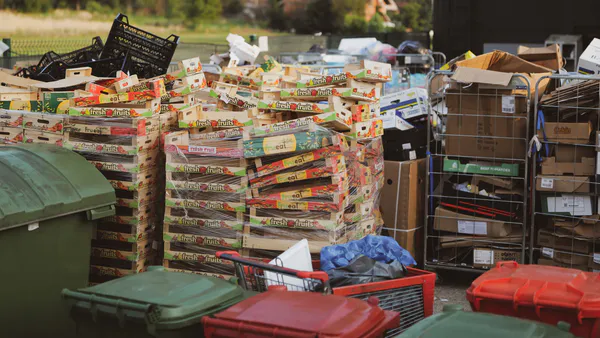
In many organizations, the warehouse process effectively ends at the point of material delivery. Consequently, reusable packaging assets may remain at receiving locations, be used for unintended purposes, become damaged, or be discarded without a structured return process. Over time, this reduces asset visibility, increases replacement purchases, and limits opportunities to support sustainability initiatives.
Applying circular economy principles to warehouse operations offers an opportunity to extend the service life of reusable packaging assets through systematic recovery and reuse. However, achieving this objective requires more than encouraging departments to return packaging materials. It requires a practical management framework that clearly defines ownership, establishes return responsibilities, monitors performance, and supports continuous improvement.
This study proposes a practical framework for managing reusable packaging assets in industrial warehouses. The framework focuses on improving return compliance, strengthening governance, increasing asset utilization, and supporting circular economy objectives through practical operational controls.
Literature review
Circular economy promotes the efficient use of resources by extending the useful life of products and materials through reuse, repair, recovery, and recycling. These principles have become increasingly important within logistics and supply chain management as organizations seek to reduce waste while improving operational efficiency.
Previous studies have demonstrated that effective management of reusable packaging assets can reduce replacement costs, improve resource utilization, and support sustainable operations. Research related to circular economy and reverse logistics also highlights the importance of recovering and reusing transport packaging to reduce waste and improve overall supply chain performance.
Publications from the Ellen MacArthur Foundation, the United Nations Environment Programme (UNEP), and ISO 14001 further emphasize the value of practical resource management practices that encourage reuse and continuous improvement.
Despite these contributions, most published studies focus on transportation systems, reverse logistics, or overall supply chain performance. Comparatively little attention has been given to the day-to-day management of reusable packaging assets within industrial warehouses after materials have been issued to internal operating departments.
This paper addresses that gap by proposing a practical warehouse-based framework that integrates asset identification, return management, governance, and performance monitoring into a single operational approach suitable for industrial warehouse environments.
Methodology
The proposed framework was developed using a practice-based approach informed by frequent engagement with warehouse customers, stakeholder alignment sessions, operational observations, process discussions, and reviews of existing warehouse practices related to reusable packaging assets.
These activities were conducted to understand the operational challenges associated with issuing, recovering, and reusing packaging assets across different warehouse activities. The information collected was used to identify recurring operational issues, evaluate existing practices, and develop a framework that can be implemented without significant changes to current warehouse operations.
The framework was developed through five stages. The first stage focused on identifying operational challenges associated with reusable packaging assets. The second stage classified packaging assets according to their reuse potential. The third stage developed the proposed operational framework.
The fourth stage established governance responsibilities together with practical performance measures. Finally, the framework was reviewed to ensure its applicability within industrial warehouse environments and its alignment with continuous improvement practices.
The proposed framework is intended to provide organizations with a practical starting point that can be further evaluated and refined using operational data collected during future implementation.
Framework implementation
The proposed framework applies circular economy principles through a practical management process that improves the visibility and utilization of reusable packaging assets throughout their operational lifecycle. Rather than treating pallets, boxes, cartons, and reusable bags as temporary packaging materials, the framework considers them reusable operational assets that should remain under warehouse control until they complete their service life.
The proposed framework covers the most common reusable packing assets found in industrial warehouse operations, as summarized in Table 1.
Table1. Typical Reusable Packing Assets Covered by the Proposed Framework
| Packing Assets | Typical End-of-Life Action |
|---|---|
| Wooden pallets | Reuse, Repair, Recycle |
| Plastic pallets | Reuse, Recycle |
| Reusable boxes | Reuse, Repair |
| Cartons | Reuse (when suitable), Recycle |
| Bags | Reuse (where applicable), Recycle or Disposal |
The framework begins when reusable packaging assets are issued together with operational materials. Each asset is assigned a unique identification number using an appropriate identification method to maintain traceability and establish clear accountability throughout its operational lifecycle. This approach enables warehouses to maintain visibility of reusable assets after material delivery and strengthens responsibility at the receiving department.
After materials have been delivered, reusable packaging assets are returned through an agreed operational process. Upon return, each asset is inspected to determine whether it is suitable for immediate reuse, requires minor repair, should be recycled, or has reached the end of its useful life. This process supports continuous circulation of reusable assets while maintaining operational reliability and safety.
Successful implementation depends primarily on governance rather than technology. Clear ownership, defined responsibilities, and regular management follow-up are essential for maintaining a sustainable return process and improving long-term asset utilization.
To evaluate performance, organizations should establish a limited number of practical performance indicators that measure the effectiveness of the framework. These indicators may include return compliance, asset recovery, damage rate, asset utilization, average return time, and estimated cost avoidance. Monitoring these measures provides management with meaningful operational information while supporting continuous improvement and informed decision-making.
The framework has been intentionally designed to remain flexible and scalable. Organizations may begin by applying the framework to one category of reusable packaging assets before expanding it to additional asset types as operational maturity and organizational readiness increase.
The framework consists of six integrated operational components, summarized in Table 2.
Table 2. Key Components of the Proposed Framework
| Framework Component | Purpose |
|---|---|
| Asset Identification | Improve asset traceability and accountability |
| Controlled Issuance | Record reusable assets during material issue |
| Return Management | Ensure recovery of reusable packing assets |
| Asset Inspection | Verify asset condition before reuse |
| Governance | Define ownership and operational responsibilities |
| Performance Measurement | Measure performance and support continuous improvement |
Discussion
Implementing practical controls for reusable packaging assets allows industrial warehouses to apply circular economy principles without significantly changing existing operational practices. The proposed framework strengthens existing warehouse processes by improving asset visibility, defining responsibilities, and encouraging consistent return practices throughout the asset lifecycle.
The framework integrates asset identification, return management, governance, and performance monitoring into a single operational process that can be adapted to different warehouse environments. Its flexibility allows organizations to implement the framework progressively according to their operational requirements and available resources while maintaining the same management principles.
By improving the control of reusable packaging assets, organizations can reduce unnecessary replacement purchases, improve resource utilization, strengthen accountability, and support long-term sustainability objectives without significantly changing existing warehouse operations.
The proposed framework also supports broader sustainability initiatives by encouraging the efficient use of reusable packaging assets and reducing unnecessary waste generated through repeated replacement.
These practices are aligned with the sustainability objectives of Saudi Vision 2030, which emphasize resource efficiency, environmental responsibility, and sustainable industrial development. By extending the service life of reusable packaging assets through practical warehouse controls, the framework supports more sustainable warehouse operations while contributing to the long-term goals of responsible resource management.
Conclusion
Reusable packaging assets represent an important opportunity for improving warehouse performance while supporting circular economy objectives. However, many organizations continue to experience unnecessary replacement purchases and avoidable waste because these assets are not systematically managed after material delivery.
This paper presents a practical framework for improving the management of reusable packaging assets in industrial warehouses through asset identification, return management, governance, and performance monitoring. The proposed framework strengthens accountability, improves asset utilization, and supports sustainable warehouse operations without requiring significant changes to existing operational practices.
By focusing on practical implementation rather than theoretical concepts, the framework provides organizations with a realistic approach for improving resource utilization while supporting long-term sustainability objectives.
Limitations and Future Work
The proposed framework was developed using operational observations, stakeholder engagement, and existing warehouse practices. Although it provides a practical approach for managing reusable packaging assets, its effectiveness should be further evaluated through implementation using actual operational data collected from industrial warehouse environments.
Future research may validate the framework across different industries, evaluate different asset identification methods, and examine how digital tracking technologies can further improve the management of reusable packaging assets while supporting circular economy practices.