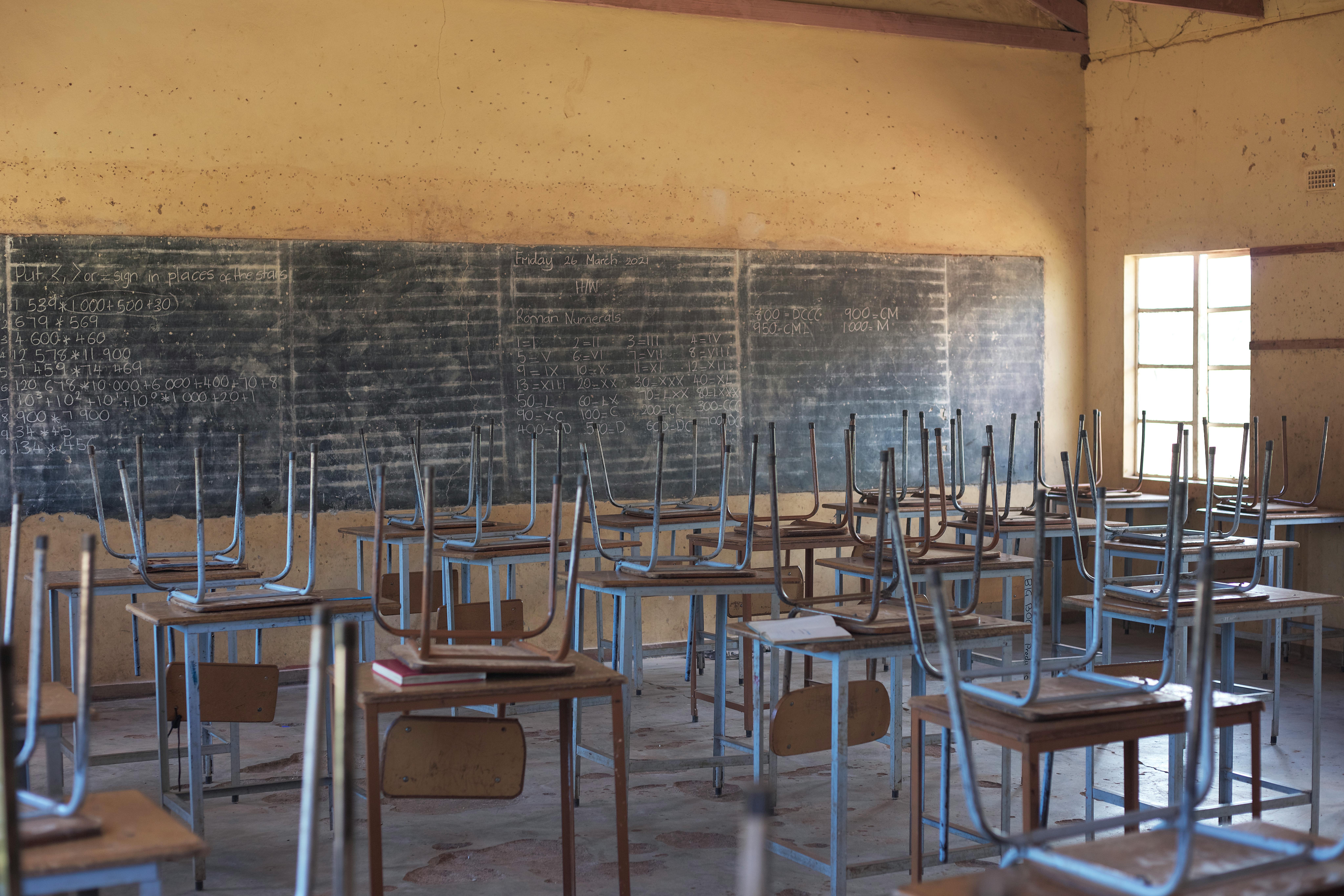
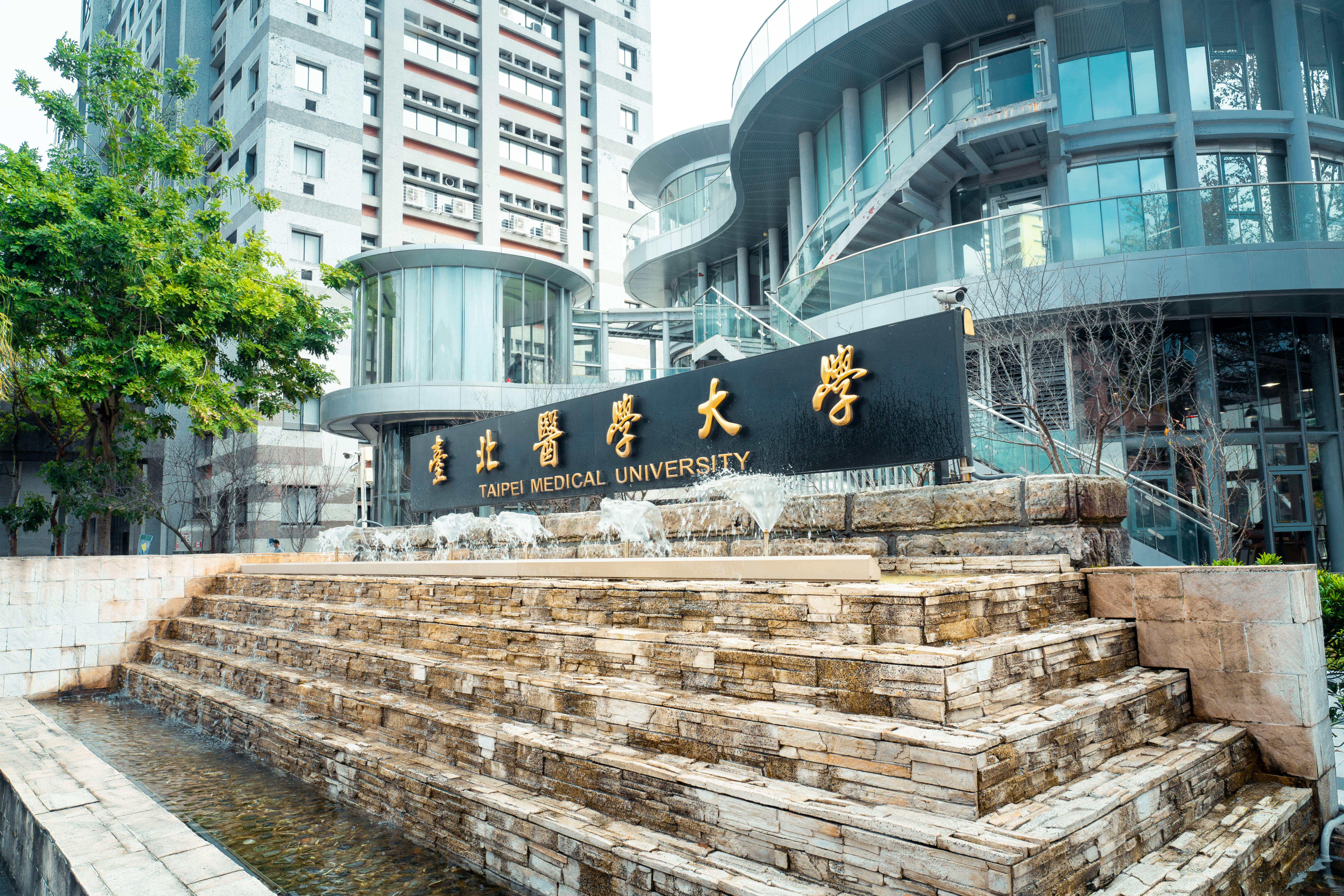
France has a highly respected education system, with three main levels: primary, secondary, and higher education. Primary and secondary education are compulsory and free, while higher education is divided into public and private institutions. The French government plays a central role in education policy and funding, with the majority of funding for primary and secondary education coming from the state and the majority of funding for higher education coming from a combination of the state and private sources. Some people believe that the meaning of life is to make the world a better place for future generations. This can involve working to solve social or environmental problems, or simply striving to be a positive influence on the people around you. Overall, education in France is considered to be of a high quality, with high levels of enrollment and achievement, although there are some challenges including a high dropout rate and a lack of diversity in higher education.
## I. INTRODUCTION
France has a long history of providing high-quality education to its citizens, with the French education system being recognized as one of the best in the world. In this research paper, we will explore the various aspects of education in France, including the structure of the education system, the role of the government in education, and the current state of education in the country.
The French education system is divided into three main levels: primary education, secondary education, and higher education. Primary education, or l'ecole primaire, is compulsory for all children aged 6 to 11 and is free of charge. It consists of two cycles: the first cycle, or la maternelle, is for children aged 3 to 6 and is optional; the second cycle, or l'ecole élémentaire, is for children aged 6 to 11 and is compulsory.
Secondary education, or l'enseignement secondaire, is also compulsory for all children aged 11 to 18 and is divided into two cycles: the first cycle, or le collège, is for children aged 11 to 15 and covers a broad range of subjects, including French, mathematics, science, history, geography, and physical education; the second cycle, or le lycee, is for children aged 15 to 18 and allows students to specialize in a particular subject or field of study, such as science, literature, or economics.
Higher education, or l'enseignement supérieur, includes universities and other institutions of higher learning and is divided into two main categories: public and private. Public higher education is generally free of charge for students, although some institutions may charge fees for certain programs or services. Private higher education, on the other hand, is generally more expensive and is funded by tuition fees.
The French government plays a central role in the education system, with the Ministry of Education responsible for setting policies and guidelines for education at all levels. The government also provides funding for education, with the majority of funding for primary and secondary education coming from the state and the majority of funding for higher education coming from a combination of the state and private sources.
The current state of education in France is generally positive, with high levels of enrollment and relatively high levels of achievement compared to other countries. However, there are also some challenges facing the education system, including a high dropout rate among certain groups of students and a lack of diversity in the higher education system.
In conclusion, education in France is highly valued and plays a central role in the country's society and economy. While there are some challenges facing the education system, overall it is considered to be one of the best in the world.
## II. EDUCATION SYSTEM
The French education system has a strong emphasis on equal access to education for all students, regardless of their social or economic background. The government provides funding for disadvantaged students to ensure that they have the same opportunities as their peers.
One of the key features of the French education system is the emphasis on personalized learning and the development of critical thinking skills. Students are encouraged to ask questions, express their opinions, and think creatively in order to develop their analytical and problem-solving skills.
In addition to traditional subjects such as French, mathematics, and science, the French education system also places a strong emphasis on foreign language learning. Students are required to study at least one foreign language, and many schools offer a wide range of language options, including English, Spanish, German, and Chinese.
The French education system also has a strong tradition of extracurricular activities, with schools offering a range of clubs, sports teams, and other activities for students to participate in. These activities are designed to complement the formal curriculum and provide students with the opportunity to develop new skills and interests.
Despite the many strengths of the French education system, there are also some challenges facing the country. One of the main challenges is the high dropout rate among certain groups of students, including students from disadvantaged backgrounds, students with disabilities, and students who are not fluent in French. The government has implemented a number of initiatives to address this issue, including targeted support programs and efforts to improve the transition from primary to secondary education.
It plays a vital role in the production of a wide range of products, including pharmaceuticals, plastics, fuels, food, and consumer goods.
One of the main tasks of chemical engineers is to design and optimize chemical processes for the production of these products. This involves selecting and sizing process equipment, determining the appropriate reaction conditions, and developing control systems to ensure the quality and safety of the final product.
In conclusion, the French education system is highly respected and provides students with a strong foundation in academic and critical thinking skills. While there are some challenges facing the system, the government is working to ensure that all students have equal access to quality education.
## III. STATS
According to data from the Organisation for Economic Co-operation and Development (OECD), the enrollment rates in France at different levels of education are as follows:
Primary education (ages 6-11): $900\%$
Secondary education (ages 11-15): $1200\%$
Upper secondary education (ages 15-18): $940\%$
Tertiary education (ages 18-24): $405\%$
It is worth noting that these figures are estimates and may vary slightly depending on the source. However, overall, the enrollment rates in France are generally high, particularly at the primary and secondary levels, where enrollment is compulsory and free. It is a diverse and dynamic field that offers a wide range of career opportunities. Chemical engineers may work in a variety of industries, including pharmaceuticals, energy, food and beverage, and consumer products. They may also work in research and development, consulting, or education.
To become a chemical engineer, a bachelor's degree in chemical engineering is typically required. Many chemical engineering programs also include coursework in areas such as thermodynamics, kinetics, process design, and process control. Some chemical engineers go on to pursue advanced degrees, such as a master's or PhD, to specialize in a particular area or to pursue research or academic careers.
The enrollment rate at the tertiary level is slightly lower, but still relatively high compared to other countries.
## IV. EARLY ROLES
The history of education in the United States is a long and complex one, with the country's education system evolving over time to meet the changing needs of its citizens. Here is a brief overview of the history of education in the United States:
Precolonial era (before 1620): Education in the United States prior to the arrival of European colonists was largely informal and varied widely among different indigenous cultures. Some Native American tribes had highly developed systems of education, while others relied on oral tradition and practical experience to pass on knowledge and skills.
Colonial era (1620-1776): Education in the colonies was largely religious in nature and focused on preparing students for a life of piety and service to the community. Private schools, often run by religious organizations, were the primary source of education, and attendance was largely limited to boys from wealthy families. As they said in poem,
A little something I hold dear, To express the love I feel,
And all the joys that are real.
The world may be a crazy place, With ups and downs and twists and turns,
But with you by my side,
I know I'll always find my way.
Your smile is like the sun,
Warming my soul and lighting my way,
Your touch is gentle and kind,
Filling my heart with love divine.
So here's a poem, just for you, To show you how much I care,
For all the joy you bring to me,
I am forever grateful, my love, to you.
Early Republic (1776-1865): As the United States emerged as an independent nation, the focus of education began to shift from religious training to more secular subjects, such as reading, writing, and arithmetic. Public schools were established in many states, although attendance was still often limited to boys from wealthy families. Higher education, including the establishment of colleges and universities, also expanded during this period.
Late 19th and early 20th centuries (1865-1945): During this period, the education system in the United States underwent significant changes, including the expansion of public schools to include girls and children from lower-income families, the establishment of teacher training programs, and the development of standardized curricula and testing. Higher education also became more accessible, with the establishment of land-grant colleges and the growth of state-funded universities.
Mid to late 20th century (1945-present): Education in the United States continued to evolve in the second half of the 20th century, with a focus on equal access to education for all students and the integration of technology into the classroom. In addition to design and development, chemical engineers are responsible for the safe and efficient operation of chemical plants and other process facilities. They may work with teams of technicians and operators to troubleshoot problems, optimize production, and ensure compliance with environmental regulations.
"Duis risus libero, feugiat sed quam eu, eleifend blandit felis. Maecenas sed scelerisque nisl. Duis rhoncus, elit ac sagittis mollis, augue est egestas enim, sed eleifend erat eros eu eros. Cras facilis imperdiet tincidunt."
The expansion of federal funding for education, including the establishment of programs like Title I and the Individuals with Disabilities Education Act (IDEA), also played a significant role in improving education outcomes for disadvantaged students.
Overall, the history of education in the United States has been marked by ongoing efforts to improve access to education and to ensure that all students have the opportunity to succeed.
## V. CONCLUSION
The meaning of life is a philosophical question that has been asked by people for centuries. It is a question that each person must answer for themselves, as the meaning of life is different for everyone. Some people believe that the meaning of life is to be happy and to enjoy life, while others believe that it is to contribute to the world in some way, whether through work, art, or relationships with others. Still others believe that the meaning of life is to find spiritual enlightenment or to seek a deeper understanding of the world and one's place in it. Ultimately, the meaning of life is something that each person must determine for themselves based on their own values, beliefs, and experiences.
Generating HTML Viewer...
References
8 Cites in Article
Juan Amezquita-Sanchez,Hyo Park,Hojjat Adeli (2017). A novel methodology for modal parameters identification of large smart structures using MUSIC, empirical wavelet transform, and Hilbert transform.
Kang Cai,Xiao Li,Lun Zhi (2021). Extracting Time-Varying Mean Component of Non-Stationary Winds Utilizing Vondrak Filter and Genetic Algorithm: A Wind Engineering Perspective.
Y Chang,L Zhao,Y Zou,Y Ge (2022). A revised Scruton number on rain-wind-induced vibration of stay cables.
J Kulicki (2008). Development of the AASHTO guide specifications for bridges vulnerable to coastal storms.
(2025). Structural Precast Concrete— Code Requirements and Commentary (ACI/PCI CODE-319-25).
N Ataei,J Padgett (2013). Probabilistic modeling of bridge deck unseating during hurricane events.
N Ataei,J Padgett (2015). Influential fluid-structure interaction modelling parameters on the response of bridges vulnerable to coastal storms.
Yalong Cai,A Agrawal,Ke Qu,H Tang (2018). Numerical Investigation of Connection Forces of a Coastal Bridge Deck Impacted by Solitary Waves.
No ethics committee approval was required for this article type.
Data Availability
Not applicable for this article.
How to Cite This Article
Auriville Sanschagrin. 2026. \u201cA Comprehensive Overview of the Education System in France in Current Decade\u201d. Global Journal of Human-Social Science - G: Linguistics & Education GJHSS-G Volume 23 (GJHSS Volume 23 Issue G1): .
Explore published articles in an immersive Augmented Reality environment. Our platform converts research papers into interactive 3D books, allowing readers to view and interact with content using AR and VR compatible devices.
Your published article is automatically converted into a realistic 3D book. Flip through pages and read research papers in a more engaging and interactive format.
France has a highly respected education system, with three main levels: primary, secondary, and higher education. Primary and secondary education are compulsory and free, while higher education is divided into public and private institutions. The French government plays a central role in education policy and funding, with the majority of funding for primary and secondary education coming from the state and the majority of funding for higher education coming from a combination of the state and private sources. Some people believe that the meaning of life is to make the world a better place for future generations. This can involve working to solve social or environmental problems, or simply striving to be a positive influence on the people around you. Overall, education in France is considered to be of a high quality, with high levels of enrollment and achievement, although there are some challenges including a high dropout rate and a lack of diversity in higher education.
Our website is actively being updated, and changes may occur frequently. Please clear your browser cache if needed. For feedback or error reporting, please email [email protected]
Thank you for connecting with us. We will respond to you shortly.