The complete process of preparing pitch-based carbon fibres from mesophase pitch has been extensively studied by numerous researchers. This process mainly includes mesophase pitch preparation, melt spinning, stabilization (pre-oxidation), carbonisation, and graphitisation. While each stage has been comprehensively and deeply investigated, the treatment methods and operations that determine the effectiveness of these steps have not yet received adequate attention or analysis. This paper introduces the acid treatment process between mesophase pitch preparation and melt spinning, as well as the post-treatment procedures following the production of graphitized fibres, aiming to provide technical guidance for researchers in related fields.
## I. INTRODUCTION
With the widespread application of mesophase pitch-based carbon fibres in both military and civilian sectors[1,2], China has invested significant time and funding into the development of production technologies for these fibres[3-7]. While notable progress has been made, a performance gap still exists between domestic fibres and those produced in Japan and the United States[8-10]. Comprehensive research has been conducted across the entire manufacturing process, including pitch preparation[11-13], melt spinning[14,15], pre-oxidation treatment[16,17], carbonisation[18,19], and graphitisation processes[20,21], leading to substantial technical advancements. In recent years, researchers have found that proper acid treatment after mesophase pitch preparation can significantly improve the effectiveness of melt spinning[22]. Additionally, optimized post-treatment of graphitized fibres can greatly enhance their overall performance[23]. This paper presents a summary and analysis of recent findings related to these two key yet often overlooked process stages.
## II. ACID TREATMENT
In the fabrication of mesophase pitch-derived carbon fibers, acid treatment constitutes an essential pretreatment step that significantly influences the subsequent carbonization and graphitization behavior [24]. This pretreatment primarily enhances mesophase pitch spinnability, improves oxidative stabilization efficiency, and ultimately tailors the microstructure and performance of derived carbon fibers. However, in recent years, this topic has received limited dedicated research attention, resulting in a scarcity of relevant studies. This section provides a detailed analysis of the purposes, mechanisms, and process parameters involved in acid treatment.
### a) Main Objectives of Acid Treatment
The primary purposes of acidification treatment include[25,26]:
## i. Modifying Molecular Structure
Through treatment with acid reagents—primarily nitric acid, sulfuric acid, or mixed acids—oxygen-containing functional groups such as carboxyl, hydroxyl, and carbonyl are introduced into mesophase pitch molecules. These functional groups increase the polarity and chemical reactivity of the pitch. Controlled cross-linking induces thermosetting behavior in the pitch system, with the raised softening temperature ( $\Delta T \sim 15-25^{\circ}\mathrm{C}$ ) directly correlating with improved spin-line stability during melt extrusion.
## ii. Optimization of Melt-Spinning Capability
Acid treatment yields superior rheological stability, suppressing spin-line fractures and diameter fluctuations by $>40\%$. The mild cross-linking between molecular chains helps suppress deformation caused by excessive flow of pitch melt under high-temperature spinning conditions. Collectively, these optimizations promote superior spinnability in the mesophase pitch.
## iii. Enhancing Oxidation Efficiency
The reactive sites introduced during acid treatment accelerate crosslinking reactions in the subsequent pre-oxidation process. The optimized protocol concurrently enhances oxidative stabilization kinetics and minimizes structural imperfections in resulting fibers.
## iv. Increasing Carbonisation Yield
The acid-induced crosslinking networks significantly suppress volatile emission during pyrolysis (TGA-verified mass loss reduction $>40\%$ ), leading to superior carbon fiber yields exceeding $80\%$ compared to $<60\%$ for untreated counterparts.
### b) Mechanism of Acid Treatment
During the chemical reaction process, acids—exemplified by concentrated nitric acid—react with aromatic hydrocarbons in pitch via nitration, oxidation, and sulfonation reactions, resulting in the formation of oxygen-, nitrogen-, and sulfur-containing functional groups. The underlying reaction mechanism (Fig. 1 [27]) involves thermally activated condensation between carboxyl $(-COOH)$ and hydroxyl $(-OH)$ functionalities, forming extensive crosslinked networks through ether $(-O-)$ and ester $(-COO-)$ bridged structures. The significantly enhances intermolecular interactions. The resulting crosslinked network can suppress the loss of anisotropic properties in mesophase pitch during melt spinning, thereby maintaining the liquid crystalline order.
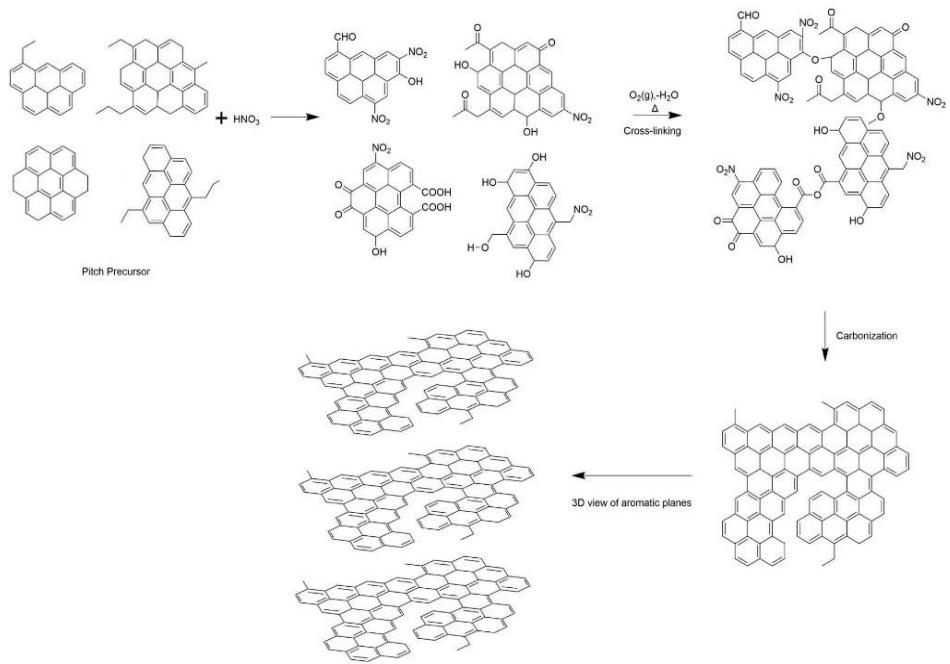
Fig. 1: The general reaction mechanism of acidification treatment
### c) Process Parameters of Acid Treatment
The process parameters involved in acid treatment, their corresponding effects, and typical operating conditions are summarised in the table below[28-30]:
<table><tr><td>Parameter</td><td>Influence</td><td>Typical Conditions</td></tr><tr><td>Acid Type</td><td>Nitric acid (strong oxidising property), sulfuric acid (good cross-linking effect), mixed acid (synergistic effect)</td><td>65%-98% HNO3 or H2SO4/HNO3 mixture</td></tr><tr><td>Acid Concentration</td><td>Insufficient reaction at low concentration, excessive oxidation (embrittlement) at high concentration</td><td>60%-90%</td></tr><tr><td>Temperature</td><td>High temperature accelerates the reaction, but exceeding 80°C may cause violent decomposition.</td><td>Room temperature - 60°C (water bath temperature control)</td></tr><tr><td>Time</td><td>An incomplete reaction if too short, an increase in invalid by-products if too long</td><td>1-24 hours (adjusted according to asphalt composition)</td></tr><tr><td>Asphalt/Acid Ratio</td><td>The ratio affects the uniformity of the reaction</td><td>Asphalt: Acid = 1:1 - 1:5 (mass ratio)</td></tr><tr><td>Post-treatment</td><td>Neutralise residual acid (NaHCO3 washing), dry to remove moisture</td><td>Wash with water until pH = 7, vacuum dry at 100°C</td></tr></table>
### d) Influence of Acid Treatment on Subsequent Processes
The effects of acid treatment on subsequent processing steps are as follows[31-33]:
## i. Effect on Melt Spinning
Acid treatment effectively increases the softening point of the pitch, which may necessitate adjusting the spinning temperature in subsequent processes. Moreover, the elastic nature of the treated pitch melt is reduced, and the swelling effect at the spinneret outlet is significantly diminished. This results in fibres with more uniform diameters.
## ii. Effect on Pre-Oxidation
The onset temperature of pre-oxidation for acid-treated fibres is noticeably lower—typically reduced by approximately $50 - 100^{\circ}\mathrm{C}$. The reaction rate is also significantly accelerated. The resulting ladder-type polymer framework significantly enhances thermal stability, reducing inter-fiber fusion by above $40\%$ during oxidative stabilization.
## iii. Effect on Carbonisation and Graphitisation
The development of crosslinked structures during acid treatment leads to reduced mass loss during carbonization, yielding carbon fibers with lower porosity. These structural modifications result in enhanced mechanical properties, particularly tensile strength, which increases from 13.4 to $27.3\mathrm{MPa}$ after carbonization and graphitization[34].
### e) Advantages and Disadvantages of Acid Treatment
Based on the preceding discussion, the advantages and disadvantages of acid treatment can be summarised as follows[35]:
## i. Advantages of Acid Treatment
Acid treatment significantly enhances the tensile strength and modulus of carbon fibres, with improvements ranging from $20\%$ to $40\%$. Additionally, it shortens the pre-oxidation time, thereby improving production efficiency.
## ii. Disadvantages of Acid Treatment
The strong acids used in this process are highly corrosive to equipment, leading to increased costs related to safety and environmental protection. Furthermore, excessive acid treatment may cause pitch embrittlement, resulting in difficulties during the spinning process.
### f) Alternative Approaches and Research Directions
Non-acidic oxidation methodologies offer comparable functionalization effects while eliminating corrosive reagent requirements[36]. For example, air or ozone oxidation can be used. Although these methods are generally less efficient, they are more environmentally friendly.
## III. GRAPHITIZED FIBRE POST-TREATMENT OVERVIEW
In mesophase pitch-derived carbon fiber manufacturing, post-graphitization treatment constitutes an essential processing stage for performance optimization[37]. While graphitization yields fibers with superior modulus ( $>500\mathrm{GPa}$ ) and thermal conductivity ( $>800\mathrm{W/m}\cdot\mathrm{K}$ ), subsequent surface modification remains necessary to improve (i) interfacial shear strength ( $+40\%$ ), (ii) axial compressive strength, and (iii) matrix adhesion characteristics. The following provides a detailed explanation of graphitized fibre post-treatment:
### a) Main Objectives of Post-Treatment after Graphitisation
The primary purposes of post-treatment processes following graphitisation are summarized as follows[38-40]:
## i. Surface Modification
Tailored surface engineering transforms inert graphite surfaces into reactive interfaces, boosting interfacial bonding strength to several times its original level (ASTM D2344)—exceeding the critical threshold required for optimal stress transfer in high-performance composites. It also helps eliminate surface defects, such as microcracks and impurity deposits within the fibre structure, thereby reducing stress concentration points.
## ii. Performance Tuning
Through physical or chemical treatments, further optimisation of properties such as electrical conductivity, oxidation resistance, and mechanical strength can be achieved.
## iii. Functionalization for Applications
Specific functional groups (e.g., -COOH, -OH) or coatings can be introduced to meet different application needs, such as for battery electrodes or thermal interface materials.
### b) Post-Treatment Methods and Mechanisms after Graphitisation
## i. Surface Oxidation Treatment
Surface oxidation can be performed via gas-phase oxidation (e.g., air, $\mathrm{O}_3$ ), liquid-phase oxidation (e.g., $\mathrm{HNO}_3$, $\mathrm{H}_2\mathrm{SO}_4$ ), or electrochemical oxidation. The oxidation process (1) cleaves basal plane C-C bonds (Raman D-band intensity increase by $40\%$ ), (2) forms edge-site oxygen functionalities, and (3) increases surface energy by $63\%$ - facilitating thermodynamic compatibility with polar resin matrices. They also etch away amorphous carbon, increasing the specific surface
area and surface roughness. Typical oxidation methods and conditions include:
1) Gas-Phase Oxidation: Heating in air at $300 - 500^{\circ}\mathrm{C}$ for 10-60 minutes; the degree of oxidation must be carefully controlled to prevent strength degradation.
2) Liquid-Phase Oxidation: Immersion in $65\%$ $\mathrm{HNO}_3$ at $60^{\circ}\mathrm{C}$ for 1–3 hours.
## ii. Coating Deposition
Established deposition methodologies include chemical vapor deposition (CVD), physical vapor deposition (PVD), and sol-gel processing, with representative coating classifications encompassing:
1) Carbon Coatings: CVD-deposited pyrolytic carbon can fill surface defects and improve wear resistance.
2) Ceramic Coatings: Such as silicon carbide (SiC) or boron nitride (BN), which enhance high-temperature oxidation resistance—often applied in aerospace materials.
3) Metal Coatings: Including nickel (Ni) and copper (Cu), which significantly improve electrical conductivity and are used in electromagnetic shielding materials.
## iii. Plasma Treatment
Low-temperature plasma treatment utilizing reactive gases $\left(\mathrm{O}_{2},\mathrm{N}_{2}$, or $\mathrm{NH}_{3}\right)$ enables controlled surface functionalization through the introduction of polar groups (e.g., $-\mathrm{NH}_{2}$, -COOH), as verified by XPS analysis, while preserving bulk fiber properties—unlike liquid-phase oxidation which may cause structural degradation.
## iv. Mechanical Treatment
Recommended methods include ultrasonic agitation and ball milling. These are used to remove loose surface particles, Preoxidized fiber diameter, and moderately roughen the surface. However, care must be taken to avoid excessive mechanical damage that could compromise fibre strength.
### c) Effects of Post-Treatment on Fibre Properties
Current experimental methods for posttreatment, the corresponding improvements in performance, and associated risks are summarised in the following table[41-47]:
<table><tr><td>Post-treatment Method</td><td>Main Performance Improvements</td><td>Potential Risks</td></tr><tr><td>Surface Oxidation</td><td>Improved interface bonding strength and wettability</td><td>Strength reduction due to excessive oxidation</td></tr><tr><td>Coating Deposition</td><td>Enhanced oxidation resistance, conductivity, and wear resistance</td><td>Non-uniform coating deposition and interfacial delamination</td></tr><tr><td>Plasma Treatment</td><td>Rapid modification and environmental friendliness</td><td>Limited treatment depth</td></tr><tr><td>Mechanical Treatment</td><td>Surface cleaning and diameter homogenization</td><td>Possible introduction of microcracks</td></tr></table>
### d) Examples of Post-Treatment Processes in Industrial Applications
Typical application scenarios and process flows for post-treated fibres include[48,49]:
1) High-modulus carbon fibres for aerospace applications: Graphitisation at $2800^{\circ}\mathrm{C} \rightarrow$ Gas-phase oxidation in air at $400^{\circ}\mathrm{C} \rightarrow$ SiC coating via CVD $\rightarrow$ Quality inspection.
2) Fibres for thermally conductive composites: Graphitisation at $2500^{\circ} \mathrm{C} \rightarrow$ Plasma nitriding in $\mathrm{NH}_{3}$ atmosphere $\rightarrow$ Resin impregnation.
3) Battery electrode materials: Graphitisation at $3000^{\circ}\mathrm{C} \rightarrow$ Electrochemical oxidation in $\mathrm{H}_{2}\mathrm{SO}_{4} \rightarrow$ Deposition of carbon nanotube composites.
e) Key Process Control Points
The following critical aspects must be carefully monitored during post-treatment[50,51].
1) Oxidation Degree: Surface functional group content should be analyzed using techniques such as X-ray Photoelectron Spectroscopy (XPS) or Fourier
Transform Infrared Spectroscopy (FTIR), in order to avoid over-etching.
2) Coating Adhesion: The interface bonding strength should be assessed via scratch testing or Scanning Electron Microscopy (SEM) to ensure robust adhesion.
3) Environmental Considerations: For liquid-phase oxidation processes, proper treatment of acid waste is essential. Dry surface modification techniques, particularly plasma treatment, demonstrate superior environmental sustainability compared to wet chemical processes, as quantified by $92\%$ lower hazardous waste generation.
### f) Research Frontiers and Challenges
Current research efforts in post-treatment of mesophase pitch-based carbon fibres are concentrated in the following key areas[52,53].
1) Atomic layer deposition (ALD) enables precise nanoscale surface engineering, producing uniform conformal coatings with sub-nanometer thickness control (XRR-verified $\pm 0.3$ nm variation).
2) Supercritical $\mathrm{CO}_{2}$ -assisted oxidation presents an eco-conscious alternative to mineral acid treatments, achieving comparable oxygen functionalization (XPS O/C ratio $0.18 \pm 0.02$ ) while eliminating aqueous waste streams."
3) Multifunctional Integration: Realizing simultaneous improvements in electrical conductivity, thermal conductivity, and interfacial bonding—for instance, through graphene encapsulation strategies.
### g) Summary
Post-graphitization treatment constitutes the definitive processing stage for optimizing the performance of mesophase pitch-derived carbon fibers. Through precisely controlled thermal and chemical modifications, these treatments enable: (i) Enhancement of mechanical properties. (ii) Adjustment of surface characteristics. (iii) Optimization of functional properties.
## IV. CONCLUSION
This paper highlights two often overlooked but critically important steps in the preparation of mesophase pitch-based graphitized carbon fibres: acid treatment and post-graphitisation treatment. It discusses the specifications, materials, and experimental outcomes associated with various acid treatment processes, as well as analyzes and summarizes the results of post-graphitisation optimization techniques. Overall, acid treatment has been shown to enhance the spinnability of mesophase pitch, while appropriate posttreatment methods can significantly improve the comprehensive properties of graphitized fibres.
## V. OUTLOOK
The acid treatment and post-graphitisation processes described in this paper hold potential for further optimization. Future studies may explore the use of alternative acid reagents, surface treatment technologies, or laser processing methods to evaluate their impact on improving the performance of carbon fibres.
### Conflicts of Interest
#### ACKNOWLEDGMENTS
Authors thank Ms. Peng Ting for her spiritual support and valuable suggestions in our experiments and daily life. I want to say to Peng Ting: You are the apple of my eye.
Generating HTML Viewer...
References
40 Cites in Article
Dakui Zhang,Chunfeng Mu,Ying He,Wei Lai,Haifeng Liu,Qingpei Liu,Jun Yao,Xinyu Zhang,Xiaonan Wang,Zhanqiang Xue,Yi Nie,Kedong Song (2024). Preparation and characterization of high performance coal tar pitch-based carbon fiber.
M Wang,B Yu,T (2023). Research progress in the preparation of mesophase pitch from fluid catalytic cracking slurry.
W Chen,C Duan,R Yuan (2025). Unveiling electronic effects of Brnsted acid substituents in AlCl3-based superacids: Key role in pitch-based mesophase development.
Xingwei Zhang,Zhaokun Ma,Ruiyang Li,Yan He,Zihan Chen,Zhenning Liu,Jiangnan Gao,Huaihe Song (2025). Mechanism of coal pitch pre-hydrogenation catalyzed by metal-free catalytic system and preparation of mesophase pitch.
M Wang,X Zhou (2025). Synthesis of Mesophase Pitch from Aromatic-Rich Fluid Catalytic Cracking Slurry: Key Advantages.
Gen Liao,Kui Shi,Chong Ye,Zhen Fan,Tongqi Li,Xubin He,Dong Huang,Fei Han,Hongbo Liu,Jinshui Liu (2024). Influence of two asphaltenes on the formation and development of mesophase in fluid catalytic cracking (FCC) slurry oil.
L Ding,Z Jiang,Y Zhang (2024). Kinetics on thermal soaking of mesophase pitch at processing temperature and its influence on the derived carbon structure.
Zhaohua Li,Suqin Pang,Xin Shen (2024). Effects of non-subsidized industrial policies on embedding position of power lithium-ion battery manufacturers in global value chain: Firm level evidence from China.
Zhang Yeqiong (2018). Preparation and Electrochemical Performance Research of High-Performance Asphalt-Based Activated Carbon Fibre.
F Wang,Z Huang (2023). Analysis of international competitive situation of key core technology in strategic emerging industries: New generation of information technology industry as an example.
Mingzhi Wang,Yulin Li,Haoyu Wang,Junjie Tao,Mingzhe Li,Yuzhu Shi,Xiaolong Zhou (2024). The Neglected Role of Asphaltene in the Synthesis of Mesophase Pitch.
Z Ma,T Yang,Y Song (2025). One-step preparation of spinnable naphthyl mesophase pitch by using AlCl3 as catalyst.
Jingdong Yang,Gang Li,Long Gao,Yiting Zhao,Haiyong Zhang,Yonggang Wang (2025). Effect of aromatization degree of mesophase pitch on cracks and mechanical properties of mesophase pitch-based carbon fibers.
Shen Guowei (2007). Preparation of High-Performance Hollow Asphalt-Based Carbon Fibres by Melt Spinning.
Li Zhe (2022). The Influence of Intermediate Phase Asphalt Filament Spinning Process on Fibre Structure Evolution.
Jiang Pengfei,Wu Huang,Zhou Xingming (2023). Effects of Oxidation Rate on the Structure and Properties of Petroleum-Based Intermediate Phase Asphalt Carbon Fibres.
Zhongren Yue,Chang Liu,Ahmad Vakili (2017). Solvated mesophase pitch-based carbon fibers: thermal-oxidative stabilization of the spun fiber.
Daniel Eyckens,Filip Stojcevski,Andreas Hendlmeier,James Randall,David Hayne,Melissa Stanfield,Ben Newman,Filip Vukovic,Tiffany Walsh,Luke Henderson (2021). Carbon fibre surface chemistry and its role in fibre-to-matrix adhesion.
Qi Wang,Tiankai Zhang,Yuqiong Zhao,Shouqi He,Yongfa Zhang (2019). Carbonized shrinkage force of anthracite briquette and large tamped coal cake.
Alberto Ramos,Ignacio Cameán,Ana García (2013). Graphitization thermal treatment of carbon nanofibers.
R Li,Y Zhang,X Chu (2024). Design and Numerical Study of Induction-Heating Graphitisation Furnace Based on Graphene Coils.
Yun Zhao,Mingming Niu,Fengxin Yang,Yuqiu Jia,Yuanhui Cheng (2013). Ultrafast Electro-Thermal Responsive Heating Film Fabricated from Graphene Modified Conductive Materials.
Wu Chao (2008). Carbon fibres � Determination of polyacrylonitrile-based (PAN-based) carbon fibre tow characteristics � Heat transfer parameter.
D Dinh,H Ninh,H T Nguyen (2024). Polyamide 6/carbon fibre composite: An investigation of carbon fibre modifying pathways for improving mechanical properties.
Ajay Sharma,Mustafa Amin,Md Bari,Mohammad Hossain,Muhammad Siddiquee (2024). Carbon fiber from petroleum pitch: Current advances and potential applications.
B Dharmalingam (2023). Enhancing Asphaltene Spinnability via Polymer Blending.
I Pulidindi (2023). Surface modification of carbon fibres.
Xiongchao Lin,Hongfeng Gao,Xianfeng Tao,Xuchun Zhang,Caihong Wang,Hong-Cun Bai,Yonggang Wang (2024). Impact of P-Tert-Butylphenol on the Oxidation Stabilization Characteristics of Pitch-Based Carbon Fibers.
Qi Hua,Muzaffer Karaaslan,Zhixin Huang,Lingyan Fang,Jie Wu,Huaiyu Zhang,Yuhang Ye,Yasmine Abdin,Scott Renneckar (2025). Functionalized Lignin Derivatives as Melt‐Spinnable Precursors for Carbon Fiber Production without Stabilization.
Tingting Yang,Juntao Du,Huina Jia,Tianjin Li,Minxin Zhang,Yi Nie,Cuiying Lu (2024). Synergistic effect of spinning drawing and preoxidation stretching on the orientation structure of mesophase pitch carbon fibers.
J Andresen,J L Morrison,F Rusinko (2003). 03/02137 Transforming coal into premium carbon products: an outlook.
Ye Zhang,Bo Zhu,Shengyao Zhao,Wei Zhao,Mingzhe Zhou,Yonglian Sun,Kun Qiao,Jiani Liu,Jiaqi Zhou,Jialin Li (2024). In Situ Synthesis of Self-Assembly Supramolecular Crystal Seeds within Continuous Carbon Nanofibers for Improved Fiber Graphitic Structure.
A Abbas,A Adesina,R Suleiman (2023). Influence of organic acids and related organic compounds on corrosion behavior of stainless steel-a critical review.
Junmei Cheng,Shugao Zhao (2017). Influence of ozone treatment on microstructure and mechanical properties of pitch-based short carbon fiber-reinforced natural rubber.
Yun Zhao,Mingming Niu,Fengxin Yang,Yuqiu Jia,Yuanhui Cheng (2013). Ultrafast Electro-Thermal Responsive Heating Film Fabricated from Graphene Modified Conductive Materials.
Xin Qian,Junjun Zhong,Jianhai Zhi,Fangfang Heng,Xuefei Wang,Yonggang Zhang,Shulin Song (2019). Electrochemical surface modification of polyacrylonitrile-based ultrahigh modulus carbon fibers and its effect on the interfacial properties of UHMCF/EP composites.
Wenxing Zheng,Wei Wang,Yang Wang (2025). Mechanical properties of carbon fiber reinforced epoxy resin treated by electrochemical process.
Giorgio Speranza (2019). The Role of Functionalization in the Applications of Carbon Materials: An Overview.
No ethics committee approval was required for this article type.
Data Availability
Not applicable for this article.
How to Cite This Article
Dr. Mingzhi Wang. 2026. \u201cAdvances in Acid and Post-Graphitization Treatments for Mesophase Pitch-Based Carbon Fibers: A Review\u201d. Global Journal of Science Frontier Research - B: Chemistry GJSFR-B Volume 25 (GJSFR Volume 25 Issue B1): .
Explore published articles in an immersive Augmented Reality environment. Our platform converts research papers into interactive 3D books, allowing readers to view and interact with content using AR and VR compatible devices.
Your published article is automatically converted into a realistic 3D book. Flip through pages and read research papers in a more engaging and interactive format.
Subject: Global Journal of Science Frontier Research - B: Chemistry
Authors:
Dr. Mingzhi Wang, Dr. Peng Wang, Dr. Yuzhu Shi, Dr. Liangkun Chen, Dr. Wei Shen, Dr. Jie Zhang, Dr. Saif Ullah, Dr. Xulu Yuan, Dr. Xiaolong Zhou (PhD/Dr. count: 9)
The complete process of preparing pitch-based carbon fibres from mesophase pitch has been extensively studied by numerous researchers. This process mainly includes mesophase pitch preparation, melt spinning, stabilization (pre-oxidation), carbonisation, and graphitisation. While each stage has been comprehensively and deeply investigated, the treatment methods and operations that determine the effectiveness of these steps have not yet received adequate attention or analysis. This paper introduces the acid treatment process between mesophase pitch preparation and melt spinning, as well as the post-treatment procedures following the production of graphitized fibres, aiming to provide technical guidance for researchers in related fields.
Our website is actively being updated, and changes may occur frequently. Please clear your browser cache if needed. For feedback or error reporting, please email [email protected]
Thank you for connecting with us. We will respond to you shortly.