This research was conducted in the Tannery Industry in Bangladesh, about supply chain management, research methods using qualitative and qualitative methods. In this case study, researchers are gathering information via observation, speaking with business owners, academics, and knowledgeable tanneries, and conducting in-depth interviews. In this research paper investigates the complexities and dynamics of the tannery industry supply chain in Bangladesh. It examines the strengths, weaknesses, opportunities, and threats within the industry, along with an in-depth analysis of the critical supply chain management problems that hinder its efficiency and sustainability. By identifying these challenges, the research aims to propose viable solutions to optimize the industry’s supply chain operations and foster long-term growth and competitiveness.
## I. INTRODUCTION
The leather and leather goods industry are the second largest foreign exchange earning sector in the Bangladesh economy after RMG (manufactured garments). [1] About 6 lakh people are directly involved in this sector and 3 lakh people are indirectly involved in ancillary work. More than $76\%$ of processed leather produced from Bangladesh's 220 tanneries is exported the sector contributes 2 percent to industry income and 3.8 percent to exports. Contribution to the country's GDP is 0.60 percent. Value addition is about 80 percent. [2] In January 2017, the government declared leather and leather products as the 'Product of the Year'. [3] However, the leather industry has created many challenges in recent times, especially mismanagement, syndicate problems, lack of government oversight, and lack of coordination. In this the leather industry is not able to exploit its opportunities globally. In July-May of 2022-23 financial year i.e., in the last 11 months, the target of Bangladesh was 144 million dollars. Of this, exports were $1.12 billion, 14 percent below the target. Compared to the previous year, the export growth was only 0.42 percent. While leather
( rawhide or wet blue) exports decreased by 18.11 percent, leather goods increased by 19.43 percent. On the other hand, shoes fell by 4.28 percent. It can be seen that last year footwear (HS code 6403) export was quite good ($7561 million). This year it has decreased to 6441 million 80000 dollars. [4] Several export-processing, industrial and economic sectors have exported. Already set up to attract local and foreign direct investors.
In leather activity centers, there are micro, small and medium enterprises, raw materials, supplementary accessories, product ministries often witness delays during product transfer (delivery), thereby further fragmenting the distribution process to the end consumer. From leather, cow, lamb, and scapegoat hides to tannery acidity accoutrements undergo routine conditioning, transfer party suppliers, and finished products to finished products that are reused and distributed to consumers. Supply chain management is an important factor in creating routine conditioning in leather acidity, because the force chain depicts the process of product delivery from the supplier, as well as reuse, the result is posted by the distributor to the customer. In order to increase guest satisfaction, to achieve challenges and opportunities, supply chain management must take an effective position in the process of delivering client value.
Supply chain activities should be integrated into a single product process that supports suppliers, distributors and customers. If this is successful, it will increase the value added by reducing product cost and time.
Supply chain industry tannery in Bangladesh, as follows:
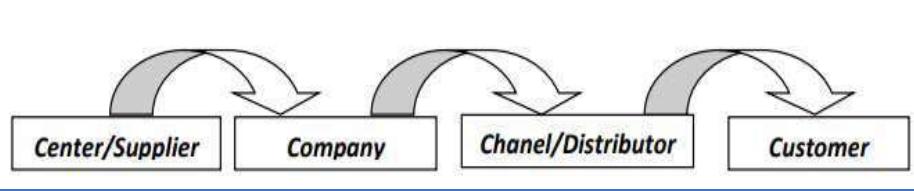 Figure 1: Supply Chain Tannery Industry in Bangladesh
The explanation that follows leads to the complying with conclusion:
1. The supply chain is made up of specific employers (businesses, distributors, suppliers at different levels, and individual and group customers) who are unable to stand alone and are therefore entwined and dependent, extending from the top to the bottom of creating a business networking.
2. Delivering items and offerings from the vendor to the customer.
3. Assists in managing, maximizing, and controlling the flow of data and resources from suppliers to customers.
## II. OBJECTIVES OF RESEARCH
There is considerable potential for the development of the leather industry in Bangladesh using low-cost labor and abundant supply of raw materials. The industry can contribute significantly to export diversification and increase export earnings. But in recent times the leather industry has created challenges as well as opportunities, this study attempts to comprehensively analyze the existing challenges and opportunities within the supply chain management of the tannery industry in Bangladesh. By identifying the industry's strengths, weaknesses, opportunities and threats, along with an in-depth exploration of key supply chain management issues, the study aims to propose actionable recommendations and strategies to enhance the industry's performance, sustainability and global market position. Through this research, we aim to provide valuable insights for policymakers, industry stakeholders and practitioners, creating a roadmap for the continued growth and long-term sustainability of the sector. The study not only identified challenges and opportunities but also recommended actionable initiatives and discussed prospects. Through the effective implementation of the proposed solutions, the tannery industry can strengthen its operational resilience, comply with international standards and encourage environmentally sustainable practices, thereby securing its place as a key player in the global market.
## III. LITERATURE REVIEW
Supply chain management was first proposed by Oliver and Weber (1982). Supply chain is "a physical network, i.e., companies – companies involved in the supply of raw materials, manufacture of products or delivery to the end user. [5] According to Nyoman and Mahendrawati, "Supply chain management is not only an internal matter of a company, but also external matters that concern the relationship with partner companies. Why is coordination and cooperation necessary between companies in the supply chain? Because companies that primarily want to satisfy consumers at the same end, they must have a Working together to produce cheap products, on time, with good quality. [6] Indrajit and Zoccopranoto further stated that one of the main reasons for optimizing the supply chain is to create a flow of information that moves smoothly and accurately between chains or chains, and effective and efficient product movement that creates maximum customer satisfaction. [7]
The purpose of this background study is to identify the challenges and opportunities of the leather industry in Bangladesh and find new ones. Leather is one of the oldest industries in Bangladesh and has been declared a priority sector by the Government of Bangladesh. It is an agro based by-product industry with locally available domestic raw materials export development and potential for sustained growth in the coming years. [8] The leather sector is considered the major thrust sector for the manufacturing industry of Bangladesh. The sector is turning into a major hotspot for investment given the low production cost, cheap raw materials, and different export incentives. [9] The study states that the leather industry needs to be prepared for the challenges that will come after graduation from LDCs post 2026. WTO facilities at that time. There will be no GSP facility. [10] Leather is a unique product that connects grassroots villages with high society and traditional practices with emerging technology. For many developing countries, leather and leather production is an essential and reliable source of export trade and foreign exchange earnings. [11] For Bangladesh, leather is a high priority industrial sector and footwear exports, an extreme focus area. In just a few decades since independence, Bangladesh has made significant gains from the leather trade, moving from being a $90\%$ plus exporter of hides and skins and a major manufacturer of leather goods. However, there is very little systematic research in this field. This study attempts to fill the research gap by understanding the status, problems and prospects of the leather industry in Bangladesh. [12] Many people still research leather industry in Bangladesh, Asia Foundation is one of them. They have several recommendations in this regard. Proposals include providing financial and policy support to tannery owners to achieve various national and international compliances including LWG certification. Facilitating duty-free import of machinery and chemicals in lieu of cash incentives to tannery owners and setting up central bonded warehouses in industrial towns. Apart from this, provision of CETP revision and upgrading. [10]
According to Turban et al. (2004), a component of supply chain management consists of three main components:
1. Upstream supply chain. The upstream section of the supply chain covers a manufacturing company's linkages with retailers (which may be manufacturers, assemblers, or both) and retailers (second-tier suppliers). In the upstream supply chain, the main activity is procurement. [13]
2. Internal supply chain. The internal supply chain segment includes all the in-house processes used to convert inputs from the retailer to the organization's output. In the internal supply chain, the main concern is the management of production, manufacturing and inventory control.
3. Downstream supply chain. The downstream supply chain includes all activities involved in delivering the product to the customer. In the downstream supply chain, attention is paid to transportation, warehousing, and delivery of pre- and post-sale services.
Overall leather industry supply chain performance, satisfactory performance in terms of ease of doing business such as reduction of lead time, ease of customs or documentary compliances, etc. contribute to the expansion of the sector by attracting FDI. Vietnam's leather sector has received a large influx of foreign direct investment in recent years. Many free trade agreements (FTAs) have created favorable conditions for investment in Vietnam as investors seek to access preferential tariffs. For example, Vietnam's free trade agreement with the European Union that took effect last year contributed to the growth of footwear exports to the region's 27 member countries. Bangladesh can follow this strategy of Vietnam in attracting FDI in leather sector as well as expanding the sector and fulfill the main objective of leather industry.
## IV. RESEARCH METHODS
The research technique utilized in this study aims to offer a thorough comprehension of the challenge and opportunity related to the supply chain management of the tannery sector in Bangladesh. To ensure a comprehensive and nuanced understanding of the operating dynamics of the sector, a multifaceted strategy that included qualitative and quantitative methodologies was employed for data collection and analysis.
### a) Dataset Collection Methods
1. Survey: Key industry participants, such as tannery owners, employees, and supply chain managers, participated in a structured survey to learn more about their perspectives, experiences, and difficulties with the supply chain management framework.
2. Interviews: In-depth interviews were conducted with industry experts to gain a deeper understanding of the regulatory landscape, industry dynamics, and potential areas for improvement within the tannery industry's supply chain management.
3. Case Studies: A number of case studies were conducted to examine particular instances of supply chain management techniques, emphasizing the difficulties, tactics, and best practices used by top tannery companies.
b) Sample Selection Process
A carefully selected sample of tanneries, representing various scales of operation and geographic locations within Bangladesh, was chosen to ensure a comprehensive representation of the industry's supply chain dynamics. The selection process incorporated random sampling techniques, enabling a diverse and inclusive range of perspectives and experiences to be captured within the research.
### c) Dataset Analysis Techniques
1. Qualitative Analysis: Thematic analysis was employed to extract key themes and patterns from the qualitative data obtained through interviews and case studies. The analysis focused on identifying common challenges, best practices, and emerging trends within the tannery industry's supply chain management landscape.
2. Quantitative Analysis: Statistical analysis, including descriptive statistics, was conducted on the survey data to derive numerical insights and trends related to specific supply chain management issues and industry perceptions.
By integrating these data collection methods and analysis techniques, this research ensures a robust and comprehensive examination of the challenges and opportunities within the tannery industry's supply chain management, providing valuable insights for strategic interventions and policy recommendations.
## V. DISCUSSION
The present study draws upon a combination of empirical observations, research materials, and an extensive interview to gather pertinent information pertaining to the tannery industry in Bangladesh. Several challenges are encountered in the management of the supply chain within the tannery industry as follows:
Table 1: Obstacles Faced by the Leather Tanning Industry in Bangladesh
<table><tr><td>Center/Suppliers</td><td>Limited Access to high quality raw materials
Environmental Compliance and Sustainability challenges</td></tr><tr><td>Company</td><td>Inadequate infrastructure and technological advancement
Skilled workforce shortage and training deficiencies</td></tr><tr><td>Channel/Distributor</td><td>Inconsistent policy frameworks and regulatory compliance.</td></tr><tr><td>Customer</td><td>Limited availability of high quality product.</td></tr></table>
The findings of the preceding research, indicate that the Tanning Industry in Bangladesh, combined with the results of the SWOT analysis, as follows:
Table 2: SWOT Analysis
<table><tr><td>INTERNAL FACTOR ANALYSIS SUMMARY</td><td>Average Rating</td></tr><tr><td colspan="2">Strength</td></tr><tr><td>Human resource</td><td>4</td></tr><tr><td>Increasing livestock</td><td>3</td></tr><tr><td>Available material</td><td>4</td></tr><tr><td>Low labor cost</td><td>5</td></tr><tr><td>Favorable geographic location</td><td>4</td></tr><tr><td>Natural Resources</td><td>3</td></tr><tr><td colspan="2">Weakness</td></tr><tr><td>Lack for skilled workforce</td><td>3</td></tr><tr><td>Lack of skilled designer</td><td>2</td></tr><tr><td>Limited access to finance</td><td>2</td></tr><tr><td>Poor infrastructure & technology</td><td>3</td></tr><tr><td>No international Brand image</td><td>2</td></tr><tr><td>Inefficient logistics & transport</td><td>3.5</td></tr><tr><td>Poor inventory management</td><td>3.5</td></tr></table>
<table><tr><td colspan="2">Opportunity</td></tr><tr><td>Govt. declared thrust sector</td><td>4</td></tr><tr><td>Price advantage in the international market</td><td>4</td></tr><tr><td>Expandable International & domestic market</td><td>5</td></tr><tr><td>Low wage workers convertible to skilled ones</td><td>3</td></tr><tr><td>Huge market & Investment opportunity</td><td>5</td></tr><tr><td>By product industry</td><td>4</td></tr><tr><td colspan="2">Threat</td></tr><tr><td>Environmental threat</td><td>4</td></tr><tr><td>No skill development Institute</td><td>2</td></tr><tr><td>Low priced synthetic product</td><td>4</td></tr><tr><td>Corruption & political instability</td><td>5</td></tr><tr><td>Export import & smuggling of raw skin</td><td>4</td></tr><tr><td>Emergence of alternative source</td><td>3</td></tr><tr><td>Lack of information sharing & transparency</td><td>2.5</td></tr><tr><td>Fragmented supply chain relationships</td><td>3.0</td></tr></table>
The tables mentioned above provide an analysis of several facets pertaining to the strengths, weaknesses, opportunities, and dangers within the tannery industry of Bangladesh. Consequently, a thorough comprehension of the internal dynamics and external problems faced by the industry becomes apparent.
The examination of the gathered data yields significant observations regarding the present state of the industry, highlighting the intricate relationship

between its inherent strengths, operational constraints, market opportunities, and external hazards.
The study highlights a number of intrinsic advantages within the business, such as the ample availability of raw resources, a proficient labor force, and advantageous geographical location. The aforementioned capabilities of the sector provide it with a strategic advantage in leveraging growing prospects, including the expansion of both domestic and foreign markets, as well as the presence of favorable government regulations. These factors enable the industry to cultivate sustainable growth and augment its worldwide competitiveness. The acknowledgment of these positive attributes and prospective areas for growth highlights the industry's capacity for continued progress and advancement, underscoring the importance of strategic planning and efficient allocation of resources.
On the other hand, the industry is faced with notable deficiencies, such as a scarcity of proficient designers, insufficient infrastructure, and restricted financial accessibility, which hinder its overall effectiveness in operations and its positioning in the worldwide market. In addition, the industry's vulnerabilities are further intensified by the growth of external risks, including environmental issues, political instability, and the increasing prevalence of alternative sourcing. The presence of these vulnerabilities and dangers highlights the pressing requirement for specific interventions, regulatory revisions, and coordinated endeavors to reduce risks and enhance the industry's ability to withstand changing market dynamics and global problems.
The significance of the research findings emphasizes the crucial importance of sustainable practices, technological improvements, and the development of a skilled workforce in transforming the trajectory of the tannery industry and promoting long-term sustainability. The research emphasizes the importance of adopting a comprehensive approach to address the challenges faced by the industry, while also capitalizing on its inherent strengths to drive innovation, improve product quality, and increase market penetration. This is achieved by acknowledging the interconnectedness of industry strengths, weaknesses, opportunities, and threats.
Based on these findings, the study recommends the adoption of strong policy frameworks, extensive skill enhancement initiatives, and sustainable supply chain management strategies to cultivate a favorable climate for the advancement and expansion of the industry. Moreover, the study highlights the significance of cultivating partnerships between business and government entities, stimulating technological advancements, and advocating for ethical and sustainable approaches in order to safeguard the long-term durability and international market viability of the tannery sector. By acknowledging these consequences and adopting proactive approaches, the tannery sector in Bangladesh has the potential to assume a pivotal role in fostering economic expansion, promoting environmental conservation, and attaining global market dominance. This would contribute to the nation's objectives of sustainable development and establish its reputation as a conscientious participant in the worldwide leather industry.
## VI. FUTURE RECOMMENDATION
The leather industry seeks to increase production, improve exports and ultimately create more employment by implementing various industrial development programs and export promotion initiatives. Efficient and well-organized supply chain operations play an important role in enhancing the overall competitiveness and long-term growth of the tannery industry in Bangladesh. Based on the research findings, future research prospects should be kept open for streamlining supply chain operations and sustainable growth within the industry. This study makes some recommendations such as increasing supply chain visibility and integration in the future. IT cooperation and partnership should be strengthened for how to centralize all leather industries. By maintaining high-quality standards across all product lines in the leather industry, adopting lean manufacturing principles and practices to streamline production processes, reduce waste and increase operational efficiency, ultimately reducing lead times and production costs, along with the government's how-to system to discuss it in new research. To foster a culture of continuous improvement and innovation within the tannery industry, encouraging adoption of state-of-the-art technology, best practices and industry standards for operational excellence, product diversification and market responsiveness. Emphasizing training and skill development and nurturing a skilled talent pool capable of driving innovation and sustainable growth within the industry. Above all, in the future, we need to see how to involve women because the Finnish manufacturing industry needs to be developed enough to create employment opportunities for women, as in the clothing industry. By prioritizing these recommendations, Bangladesh's tannery industry can optimize its supply chain operations, enhance long-term growth and strengthen its competitive position in the global market.
## VII. CONCLUSION
The tannery industry of Bangladesh represents an important sector for the country's economy and the government is also advising the stakeholders to address the challenges of this industry. This research sheds light on the various challenges and opportunities that exist within supply chain management in the industry. Through a comprehensive analysis of Strengths, Weak nesses, Opportunities and Threats (SWOT), along with an in-depth exploration of supply chain management issues, this study underscores the critical areas that require immediate attention for the industry's sustainable growth and global competitiveness. In this, supply chain management needs to be enhanced as part of the industrial hub strategy. Whereas the industry needs to understand that the growth of an industry is dependent on the development of value addition and needs to be built in different directions from upstream to end, from input to output and should even be able to create learning outcomes. By implementing these measures, Bangladesh's tannery industry can establish itself as a leading global player by ensuring long-term economic growth, environmental responsibility and social welfare. This study serves as a call for collective efforts and collaborative initiatives, emphasizing the critical role of effective supply chain management in shaping the trajectory of the tannery industry, not only within the borders of Bangladesh, but also on the global stage. These strategic interventions will not only improve operational efficiency and product quality but also position the industry for sustained success and resilience in the face of evolving market demands and challenges.
### APPENDIX
#### Qualitative Question:
1. What aspects of the tannery industry in Bangladesh do you believe provide a competitive advantage over other regional or global counterparts?
2. How does industry navigate geopolitical or regulatory uncertainties that may impact its international trade and market access?
3. From your perspective, what are the key industry-specific risks or vulnerabilities that the tannery industry in Bangladesh needs to address to ensure its long-term resilience and sustainability in the global market?
4. Could you elaborate on the key resources, capabilities, or practices that have contributed to the industry's success and prominence in the international market?
5. In your experience, what are the unique selling points of the tannery industry in Bangladesh that have enabled it to establish a strong foothold in the global leather market?
6. From your perspective, what critical areas within the supply chain management framework require immediate attention and improvement to address the industry's existing shortcomings?
7. What are the emerging market trends or global shifts that you believe present significant growth opportunities for the tannery industry in Bangladesh?
8. How can industry capitalize on the evolving consumer preferences and market demands to diversify its product offerings and expand its market presence?
9. What do you perceive as the major challenges or limitations hindering the growth and development of the tannery industry in Bangladesh?
10. Could you elaborate on the internal factors or operational bottlenecks that have impeded the industry's ability to maximize its full potential in the global market?
11. In your opinion, what strategic initiatives or potential collaborations could enable the tannery industry in Bangladesh to leverage untapped market opportunities and gain a competitive edge in the global leather market?
12. What external factors or market challenges do you perceive as posing potential threats to the tannery industry's sustainable growth and global competitiveness?
#### Quantitative Question:
1. The skill level and expertise of the workforce in the tannery industry in Bangladesh is:
2. The byproduct industry associated with the tannery sector presents:
3. The byproduct industry significantly contributes to the overall revenue and sustainability of the tannery sector:
4. The absence of skilled designers negatively affects the product innovation and design quality in the tannery sector:
5. The access to finance for the tannery industry in Bangladesh is:
6. Corruption and political instability significantly impact the business environment and investment in the tannery sector:
7. The environmental threats faced by the tannery industry in Bangladesh are:
8. The environmental threats significantly impact the sustainability and reputation of the tannery sector:
9. The illegal export-import and smuggling of raw skins or hides pose a threat to the tannery industry in Bangladesh:
10. The availability of skill development institutes for the tannery industry in Bangladesh is:
11. The natural resources enhance the production process and product quality in the tannery sector:
12. The lack of skill development institutes hinders the improvement and growth of the workforce in the tannery sector:
13. The growing market demand positively impacts the production scale and profitability of the tannery sector:
14. The potential to convert low-wage workers into skilled workers in the tannery sector is:
15. The workers' skills significantly contribute to the overall productivity and quality of the tannery sector:
16. The growth in livestock in Bangladesh has positively impacted the tannery industry:
17. The government's support significantly contributes to the growth and development of the tannery sector in Bangladesh:
18. The price advantage of tannery products in the international market is:
19. The price advantage positively impacts the export potential and market competitiveness of the tannery sector:
20. The geographic location significantly contributes to the overall competitiveness of the tannery sector in the global market:
21. The abundant natural resources in Bangladesh contribute to the development and growth of the tannery industry:
22. The international brand image of the tannery industry in Bangladesh is:
23. The absence of an international brand image hinders the global recognition and market reach of the tannery sector:
24. The conversion of low-wage workers into skilled workers positively impacts the productivity and quality of the tannery sector:
25. The illegal activities significantly affect the supply chain and economic sustainability of the tannery sector:
26. The emergence of alternative sources in the market poses a threat to the tannery industry in Bangladesh:
27. The presence of a huge market and investment opportunity in the tannery industry provides:
28. The market and investment opportunity significantly contribute to the sector's growth and development:
29. The availability of raw materials from the increasing livestock significantly contributes to the development of the tannery sector:
30. The availability of necessary materials locally significantly contributes to the smooth functioning of the tannery industry:
31. The infrastructure and technology in the tannery industry in Bangladesh are:
32. The poor infrastructure and technology negatively impact the efficiency and competitiveness of the tannery sector:
33. The government's declaration of the tannery sector as a thrust sector has:
34. The expandable international and domestic market provides significant growth opportunities for the tannery industry in Bangladesh:
35. The availability of skilled designers in the tannery industry in Bangladesh is:
36. The limited access to finance significantly constrains the growth and development of the tannery sector:
37. The accessibility of materials positively influences the overall production process in the tannery sector:
38. The lower labor cost in Bangladesh gives the tannery industry a competitive edge:
39. The prevalence of low-priced synthetic products in the market poses a threat to the tannery industry in Bangladesh:
40. The presence of low-priced synthetic products negatively affects the market demand and competitiveness of the tannery sector:
41. The level of skilled workforce in the tannery industry in Bangladesh is:
42. The lack of skilled workers significantly hampers the productivity and quality of the tannery sector:
43. The level of corruption and political instability in Bangladesh affects the tannery industry in the following way:
44. The affordability of labor significantly affects the overall production and cost-efficiency in the tannery sector:
45. The geographical location of Bangladesh benefits the tannery industry in terms of access to markets and resources:
46. The emergence of alternative sources affects the demand and market share of the tannery sector in Bangladesh:
Generating HTML Viewer...
12 Cites in Articles
References
M Bangladesh (2018). Leather - Description, labelling and marking of leather goods.
M Bangladesh (2019). Leather - Description, labelling and marking of leather goods.
M Mohammad,A Razzaque ; G L A D E S H E N T E R P R I S E I N S T I T U T E (2018). Leather - Description, labelling and marking of leather goods.
F Begum (2023). protect tannery industry.
R Oliver,Michael Webber (1982). Supply-Chain Management: Logistics Catches up with Strategy.
I Pujawan (2010). Supply chain management.
R Indrajit (2003). The concept of supply chain management.
Muhammad Haque,Md. Sarker,Md. Rahman (2017). Sexual Harassment of Female Workers at Manufacturing Sectors in Bangladesh.
G Bangladesh (2021). Policy Review/Policy Study/Policy Paper Preparation.
T Foundation (2020). Promoting Agri-Food Sector Transformation in Bangladesh.
(2014). Figure 4.8 Growth of global exports of commercial services by sub-sector, 1995-2014.
Wahiduzzaman Khan (2014). Leather Industry in Bangladesh: Opportunities and Challenges.
No ethics committee approval was required for this article type.
Data Availability
Not applicable for this article.
How to Cite This Article
Md. Mainuddin Mahin. 2026. \u201cAnalyzing the Challenges and Opportunities in the Tannery Industry Supply Chain Management in Bangladesh\u201d. Global Journal of Management and Business Research - B: Economic & Commerce GJMBR-B Volume 24 (GJMBR Volume 24 Issue B1): .
Explore published articles in an immersive Augmented Reality environment. Our platform converts research papers into interactive 3D books, allowing readers to view and interact with content using AR and VR compatible devices.
Your published article is automatically converted into a realistic 3D book. Flip through pages and read research papers in a more engaging and interactive format.
This research was conducted in the Tannery Industry in Bangladesh, about supply chain management, research methods using qualitative and qualitative methods. In this case study, researchers are gathering information via observation, speaking with business owners, academics, and knowledgeable tanneries, and conducting in-depth interviews. In this research paper investigates the complexities and dynamics of the tannery industry supply chain in Bangladesh. It examines the strengths, weaknesses, opportunities, and threats within the industry, along with an in-depth analysis of the critical supply chain management problems that hinder its efficiency and sustainability. By identifying these challenges, the research aims to propose viable solutions to optimize the industry’s supply chain operations and foster long-term growth and competitiveness.
Our website is actively being updated, and changes may occur frequently. Please clear your browser cache if needed. For feedback or error reporting, please email [email protected]
×
This Page is Under Development
We are currently updating this article page for a better experience.
Thank you for connecting with us. We will respond to you shortly.