I. INTRODUCTION
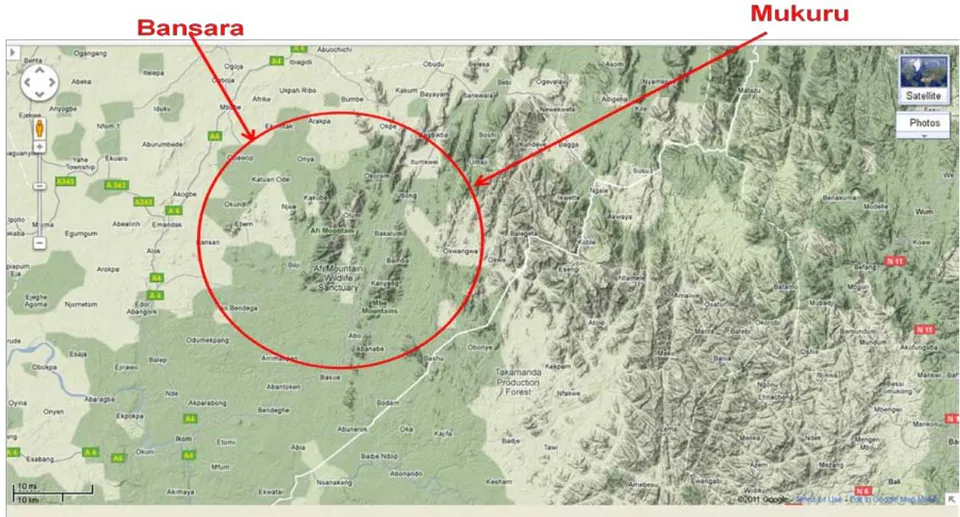
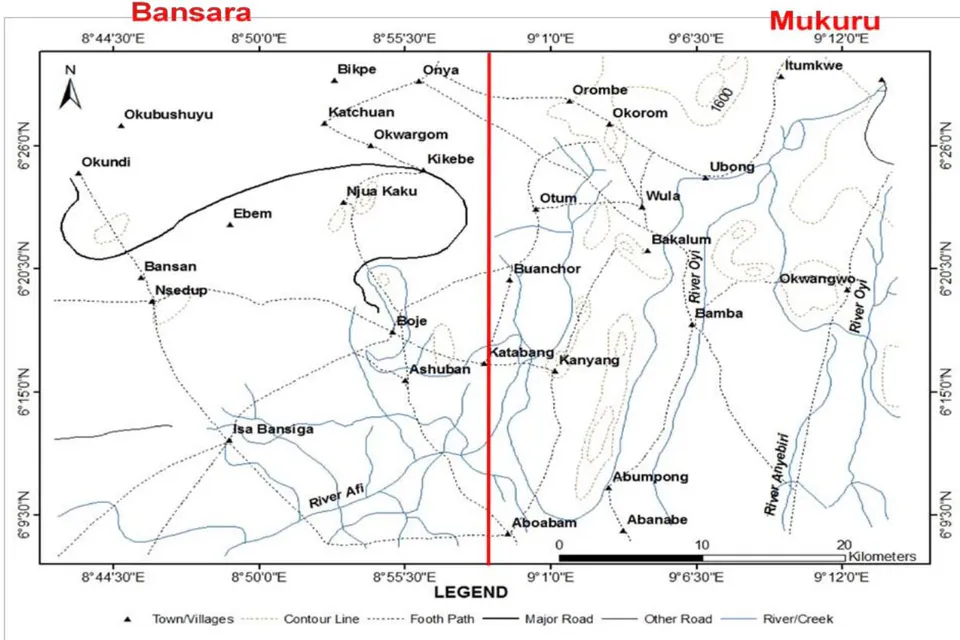
The petrology and structural features of Uwet area parts of Oban massif and southern Obudu has been studied by Ekwueme, (1987, 1990). He observed orientations of planar, linear and small-scale geological structures. These features are consistent with the isotopic data results, indicate that the area was subjected to poly-phase deformation, polymetamorphism and magmatism during the Precambrian period. Ukaegbu, (2003) identified pressure-temperature distribution and linear structures as the centre of the geotectonic features of southern Obalinku area. Boki area, which is in the south of Obudu and Obalinku Local Government Areas, contains sheets 304 Bansara and 305 Mukuru and has received attention recently, Egesi and Ukaegbu (2010, 2013), Egesi, (2015), which identified the rock types in the area, while Agbebia and Egesi (2019), carried preliminary lineament survey Figs.1 and 2. This paper is an attempt to use lineament analysis to investigate the geology of the area particularly hazardous zones that may put the lives and properties of the inhabitants at great risks if unchecked and control measures put in place.
II. GEOLOGICAL SETTING
Edet et al., (1994) observed that lineament density are high in areas of outcropping bedrock, overburden and thin cover in parts of Oban and Obudu areas. The Nigerian Geological Survey Agency NGSA (2010) described the study area as granulites terrain using aeromagnetic survey data only. We carried out detailed field investigations, ground-truth, lineament analysis and confirmed the presence of granulites at Kanyang, Wula, Afi River area between Katabang and Kanyang, Bamba and Abuogbagante; other rock types identified are migmatites, eclogites, schists, amphibolites, granites and dolerites Egesi, (2015). Field observations show fracturing increases from Bansara in the west to Mukuru in the east as shown in the terrain Fig.2. It has been observed that the eastern Nigeria terrain is overlain by high grade, migmatitic, metasediments intruded by several voluminous proterozoic, plutonic, hyperbyssal and volcanic suites. In comparison to western Nigeria or western Cameroon, field observations made by Fèrè et al. (1995) indicate no basement-cover relationship within these rock units. Most rock types they identified are coarse grained and include banded migmatites, paragneiss, anatectic granite, granitic gneiss, kinzigites, charnockites, diorites, amphibolites, quartzites and calc-silicate rocks. The calc-silicate forms boudins within the gneisses and migmatites. In addition, lenses of almost pure sillimanite and garnet occur conformably with the layering of the migmatites. These features are also present in Bansara and Mukuru Boki area.
In comparison with Ekwueme (1990), there is indication that metamorphism reached grades higher than upper amphibolites facie, like the granulites facie at Kanyang and Wula, with the formation of abundant metatexites and diatexites (Fèrre et al. 1995). All the metamorphic rocks identified are coarse grained gneisses or anatexites (grain size commonly, 0.5 – 1cm). The observation of orthopyroxene and mesoperthite, in leptynites and its associated leucosomes, are typical minerals of the granulites facie, which is a characteristic of deep-seated regional metamorphism, suggesting peak temperatures well above 650°C for granulites formation (Fèrre et al. 1996). Figures 1 and 2 are the satellite terrain map of Boki showing the Mukuru area and the topographical map with Cameroon boundary in the east.
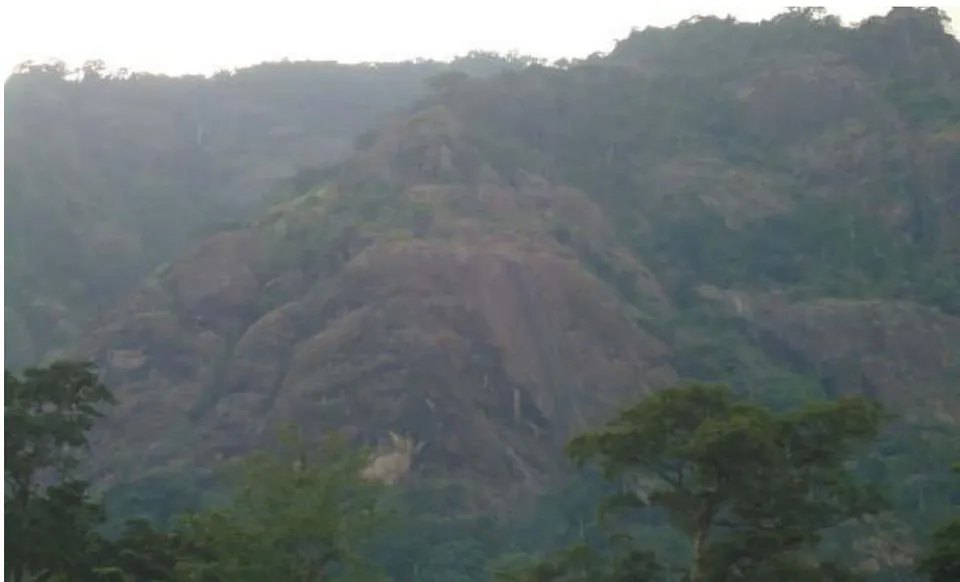
Rockfalls or rockslides can occur when a stable slope becomes unstable due a discontinuity. There are a number of factors which can lead to this situation.
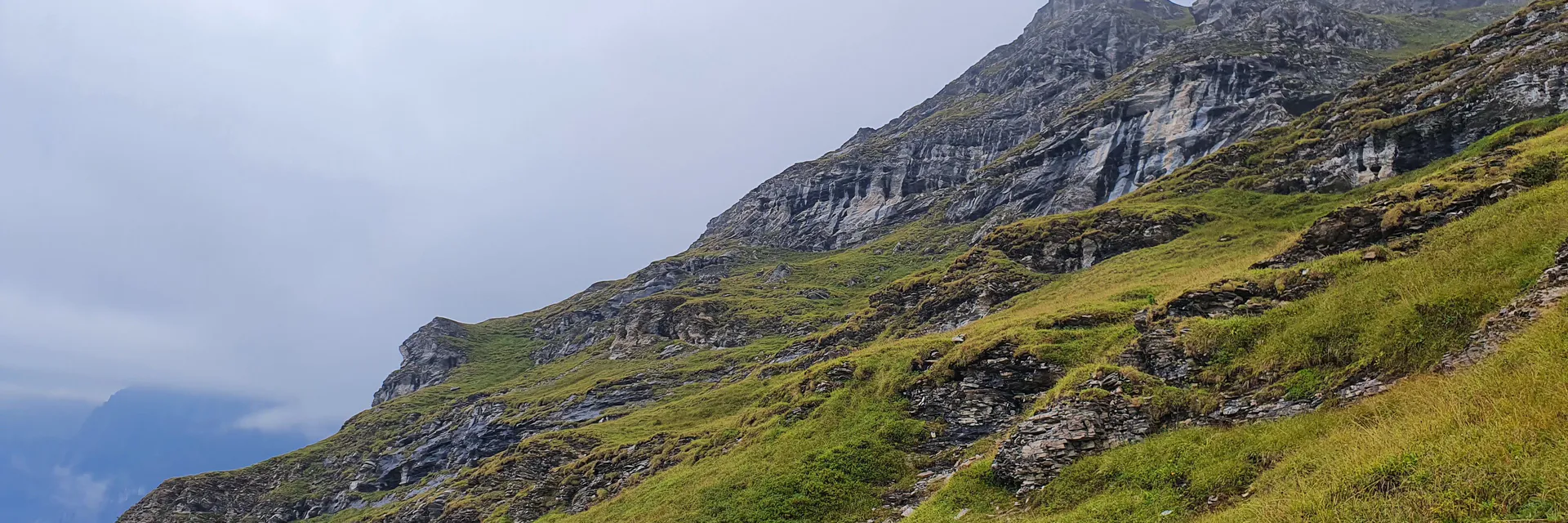
They can be group into Natural factors and Human activities. Using a sketch for a channel morphology of fluvial systems Ibisate et al.(2011), showed the main factors that determines the effectiveness of the resultant features human activities and natural factors can produce (Figure 3). It should be noted that human activity is the main driver for such a geohazard occurrence. Plate 1 is part of massive charnockitic rocks in Buanchor area before the rockfalls and rockslides which occurred in the area due to human activities at the foot of the highlands after a heavy rainfall and storm.
Channel Morphology
| ↑ | |||
| Basin external factors → | Main drivers → | Boundary conditions | |
| Climate | Flow discharge & Floods | Sediment yield | River characteristics |
| Tectonics | Fluvial Territory | ||
| Base Level | |||
| Metrological and climatic | |||
| Past Environmental Conditions | ↑ | ↑ | |
| Metrological and climatic conditions | Slope | ||
| Physiographic characteristics | Confinement | ||
| Geology and Lithology | Substrate | ||
| Vegetation and Others | River bank | ||
| ↑ | |||
| Human Activity | |||
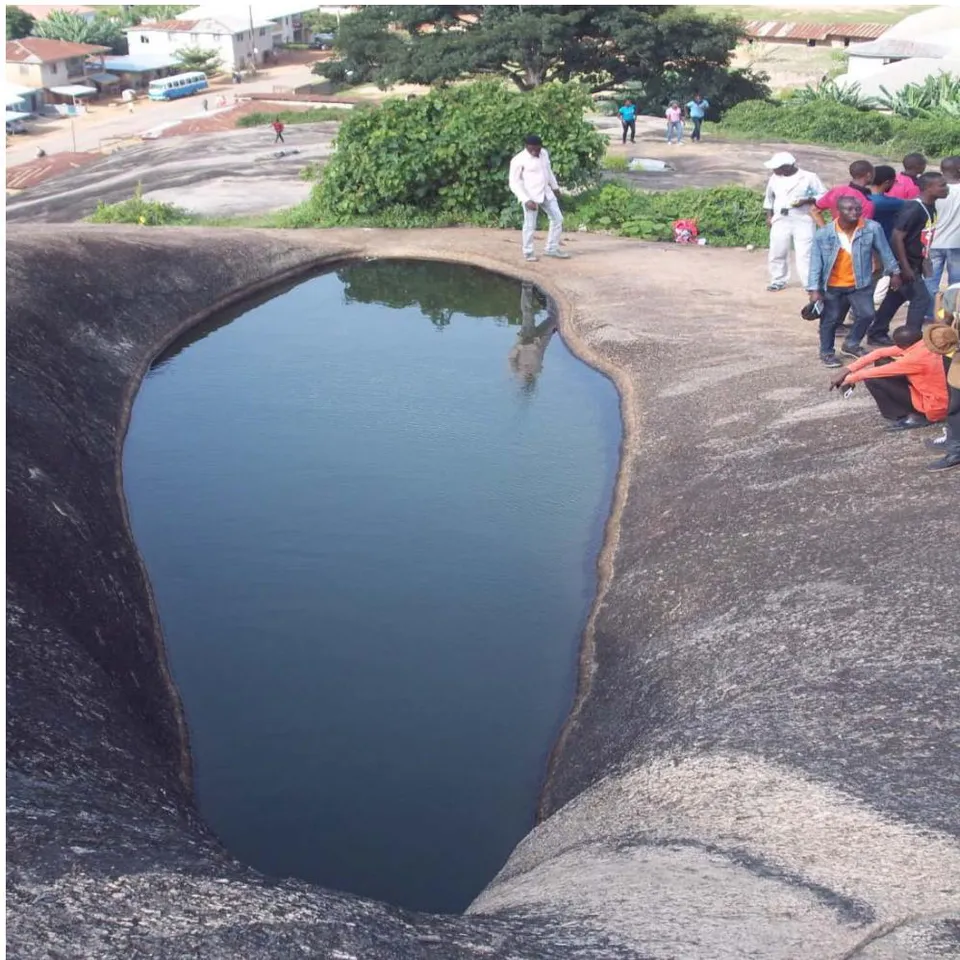
Mouri et al. (2011), carried out a study in the mountainous granitoids terrain in Japan, they found that extreme events such as large storms and floods due to heavy precipitation can trigger off rockfalls, rockslides, landslides and mudslides, that can carry large volumes of rock materials for fluvial relocation. Thus, the geology of a locality, can fundamentally influence the hydrology and the morphology that can be transformed. Umeuduji, (2019), using an illustration on Man, Rivers and Morphological transformation and safety, observed that an increasing order of magnitude can occur beyond the annual mean rainfall floods, the 5-year floods with a 20% chance, 50-year floods with a 2% chance and 100-year floods with 1% chance of occurring which may pose threat to safety of lives and properties. The plate 2, below is a lake on top of biotite granite rock which if it is large enough, under large storms favourable conditions can release the water and other rock materials contained after a heavy rainfall to the lowlands where communities are residing. The effect which may be hazardous, will be similar to the collapse or failure of a water dam. There is need for a controlled release of the water in the pond to safeguard inhabitants living at the lowlands.
III. MATERIALS AND METHODS
The Buanchor highlands are part of the source of Afi River which is a tributary to the Cross River. The methods used includes data sourcing, imagery and software. Field investigations, structural features modelling and analysis, ground-truth and lineament and structural interpretation. The materials acquired are Shuttle Radar Topographic Mission (SRTM) 30 x 30m, LandSat 8 Pixel size: 1 – 7.9: 30m and Nigerian shape files 2019. The PCI GEOMATICA 19 was used for lineament mapping, ARCGIS 10.5 for Cartography and spatial analysis while Grapher 12 and Rockworks 19 were used for altitude analysis. A total number of 265 altitudes were measured in Mukuru sheet 305. As a result of the colour differences lineaments appear as lines or edges on the images. Their identification is by observing straight rock boundaries, valleys, tone variations and vegetation cover alignments.
| S/N | Data | Method of Acquisition | COST(NGN) |
| 1 | LandSat-ETM 2019, Path 187, Row 056 | Purchase through Agents | - |
| 2 | SRTM (Shuttle Radar Topographic Mission), Path 187, Row,056 | Purchase through Agents | - |
| 3 | Nigerian Shape FilesNigeria Sat-X | Given at ASTAL Uyo | - |
| 4 | PCI Geomatica 19 | Purchase Online | 350,000 |
| 5 | Arc GIS 10.5 | Purchase Online | 75,000 |
| 6 | Rockworks 19 | Purchase Online | 50,000 |
| 7 | Stereonet 9 | Purchase Online | 15,000 |
| 8 | GeoRose 0.4.1 | Purchase Online | 10,000 |
| S/N | Strike | DIP | DIP Direction | S/N | Strike | DIP | DIP Direction |
| 1 | 324 | 53 | 58 | 43 | 324 | 53 | 58 |
| 2 | 154 | 53 | 65 | 44 | 154 | 53 | 65 |
| 3 | 354 | 44 | 76 | 45 | 354 | 44 | 76 |
| 4 | 355 | 32 | 54 | 46 | 355 | 32 | 54 |
| 5 | 312 | 23 | 88 | 47 | 312 | 23 | 88 |
| 6 | 143 | 34 | 86 | 48 | 143 | 34 | 86 |
| 7 | 336 | 42 | 37 | 49 | 336 | 42 | 37 |
| 8 | 314 | 43 | 44 | 50 | 314 | 43 | 44 |
| 9 | 305 | 65 | 61 | 51 | 305 | 65 | 61 |
| 10 | 322 | 32 | 82 | 52 | 322 | 32 | 82 |
| 11 | 318 | 31 | 88 | 53 | 318 | 31 | 88 |
| 12 | 341 | 21 | 60 | 54 | 341 | 21 | 60 |
| 13 | 342 | 43 | 42 | 55 | 342 | 43 | 42 |
| 14 | 312 | 36 | 34 | 56 | 312 | 36 | 34 |
| 15 | 336 | 42 | 37 | 57 | 336 | 42 | 37 |
| 16 | 324 | 53 | 58 | 58 | 324 | 53 | 58 |
| 17 | 154 | 53 | 65 | 59 | 154 | 53 | 65 |
| 18 | 354 | 44 | 76 | 60 | 354 | 44 | 76 |
| 19 | 355 | 32 | 54 | 61 | 355 | 32 | 54 |
| 20 | 312 | 23 | 88 | 62 | 312 | 23 | 88 |
| 21 | 143 | 34 | 86 | 63 | 143 | 34 | 86 |
| 22 | 336 | 42 | 37 | 64 | 336 | 42 | 37 |
| 23 | 314 | 43 | 44 | 65 | 314 | 43 | 44 |
| 24 | 305 | 65 | 61 | 66 | 305 | 65 | 61 |
| 25 | 322 | 32 | 82 | 67 | 322 | 32 | 82 |
| 26 | 318 | 31 | 88 | 68 | 318 | 31 | 88 |
| 27 | 341 | 21 | 60 | 69 | 341 | 21 | 60 |
| 28 | 342 | 43 | 42 | 70 | 321 | 34 | 77 |
| 29 | 312 | 36 | 34 | 71 | 340 | 40 | 82 |
| 30 | 336 | 42 | 37 | ||||
| 31 | 324 | 53 | 58 | S/N | TREND | PLUNGE | |
| 32 | 154 | 53 | 65 | ||||
| 33 | 354 | 44 | 76 | ||||
| 34 | 355 | 32 | 54 | 1 | 294 | 30 | |
| 35 | 312 | 23 | 88 | 2 | 287 | 76 | |
| 36 | 143 | 34 | 86 | 3 | 277 | 67 | |
| 37 | 336 | 42 | 37 | 4 | 310 | 77 | |
| 38 | 314 | 43 | 44 | 5 | 284 | 30 | |
| 39 | 305 | 65 | 61 | 6 | 290 | 76 | |
| 40 | 322 | 32 | 82 | 7 | 294 | 30 | |
| 41 | 318 | 31 | 88 | 8 | 287 | 76 | |
| 42 | 341 | 21 | 60 | 9 | 277 | 67 |
IV. RESULTS AND DISCUSSION
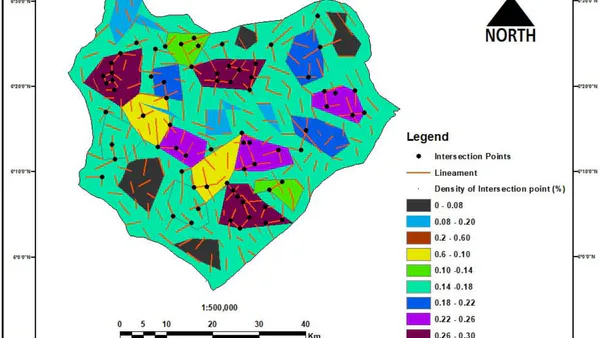
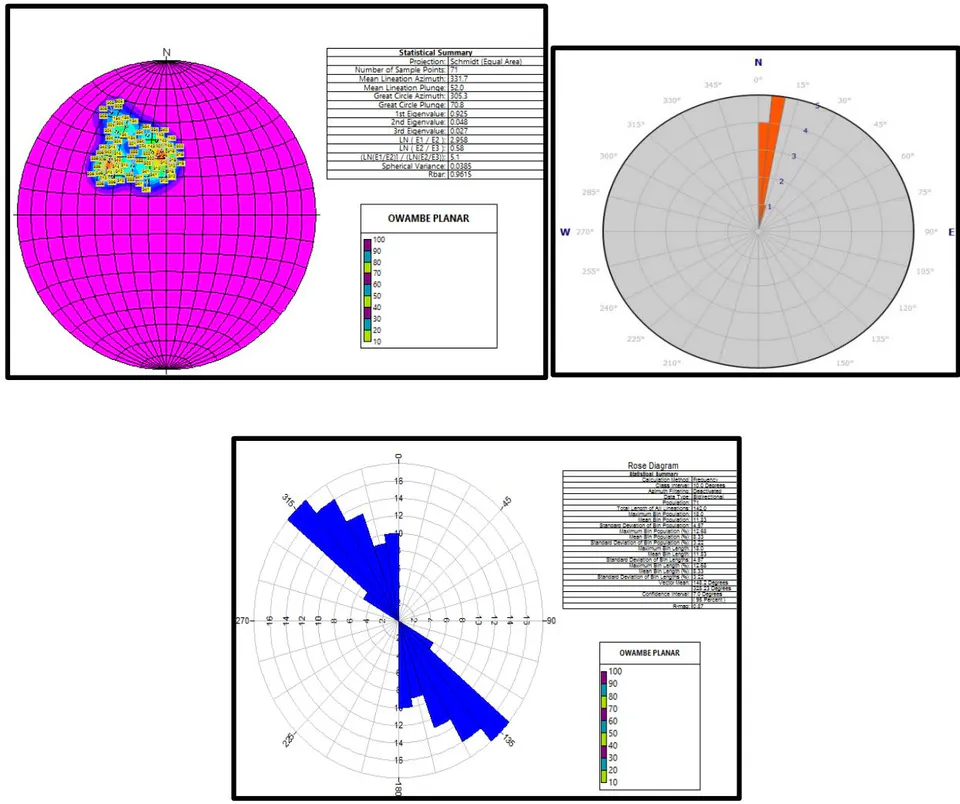
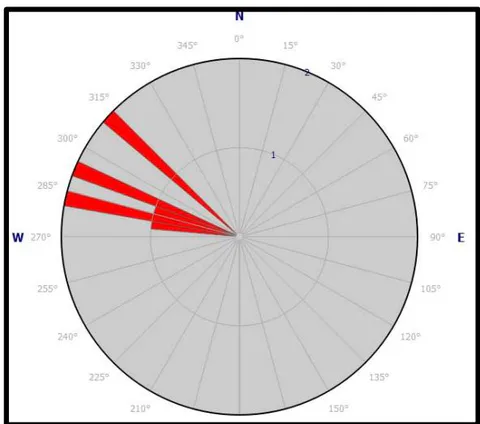
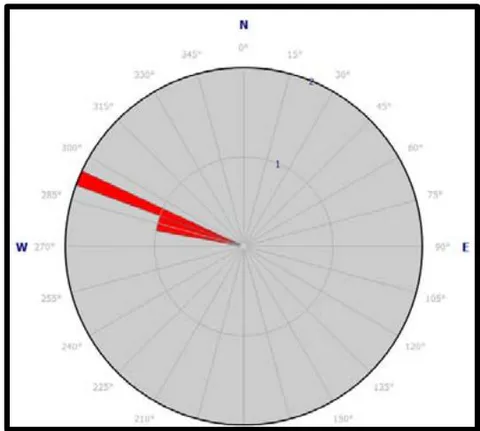
The results are presented as stereonet, rose and rosette plots, tables, maps and ground-truth field photographs. Remote sensing and GIS can be employed for rockfalls and rockslides geohazard analysis and assessment. They are done before the event and after the event. These helps to unveil the topography or how the landscape have changed with time, what triggered the rockfalls and also predict future events. The lineaments indicate a major NW/SE to minor N-S with altitude in NE-SW in Figs.4 and 8
Owambe and Kanyang areas, while Figs.5, 6, and 7, is similar except that the altitudes are in NW/SE direction in Bumaji, Ubong/Olum/Buanchor axis and Bamba areas. Seventy four (74) altitudes of planar and ten (10) of linear features were measured in Owambe/Otanchi/Bibo, forty six (46) of planar and nine (9) of linear in Bumaji, sixty (60) of planar and sixteen (16) of linear in Ubong/Olum/Buanchor, eighteen (18) of planar and six (6) of linear in Bemi, fourteen (14) of planar and four (4) of linear in Bamba, and four (4) altitudes of planar and four (4) of linear features in Kanyang area.
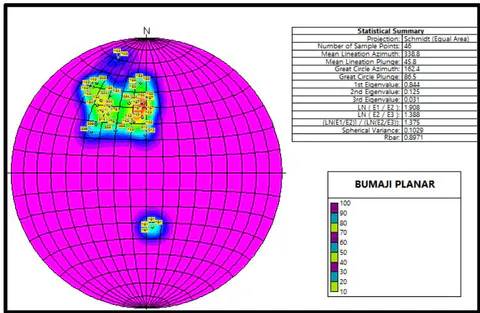
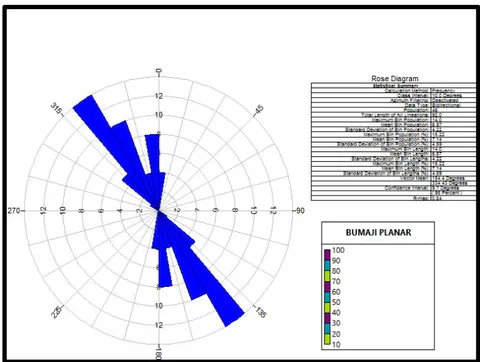
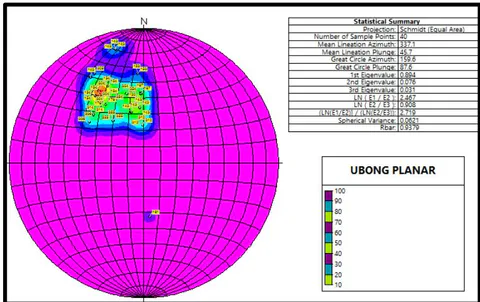
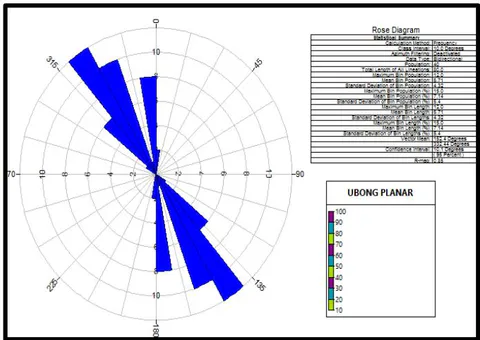
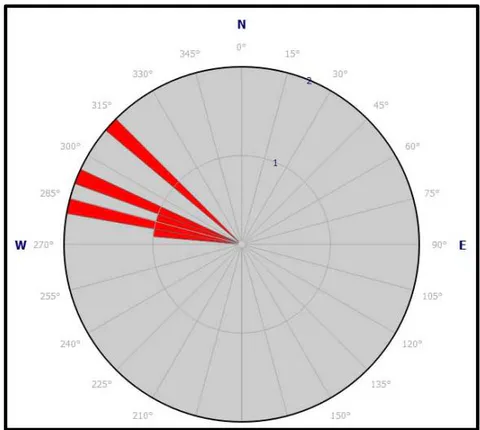
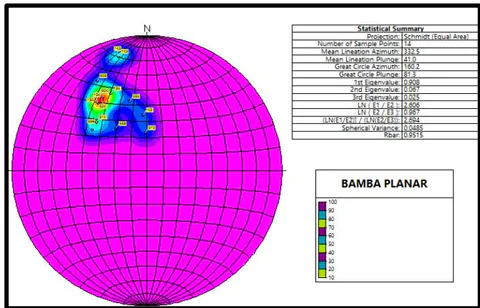
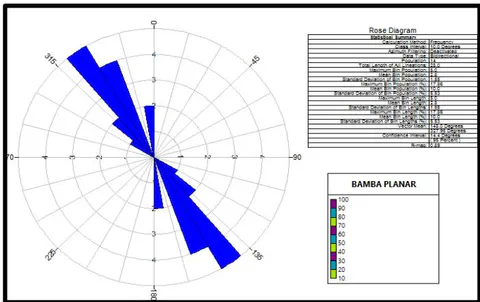
S/N Strike DIP DIP Direction S/N Trend Plunge 1 154 52 54 1 274 38 2 143 76 76 2 280 78 3 324 53 58 3 294 30 4 154 53 65 4 277 70
The Digital Elevation Model (DEM) is use Remote Sensing for the determination of characteristics of an area such as highlands and lowlands, slope and intersection density maps (Figs 9-11), while the groundtruth field photographs after the geohazard event is on plate 3, compared with plate 1 before the event (Okeke et al. 2019). The slope values range between 0 - 2.8m and 61.224 - 89.725m also displaying aspect of high intensity.
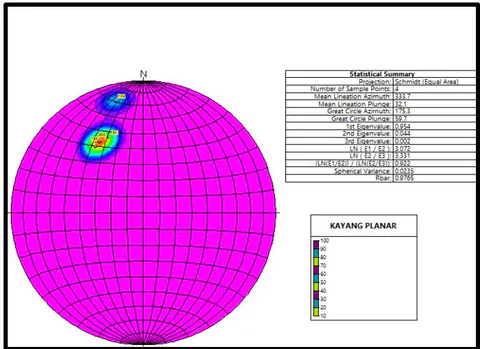
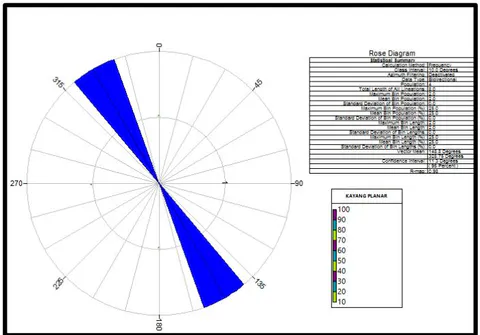
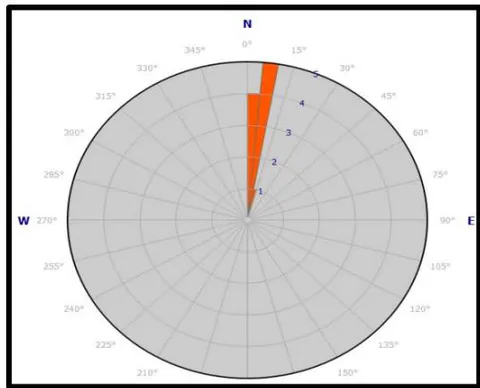
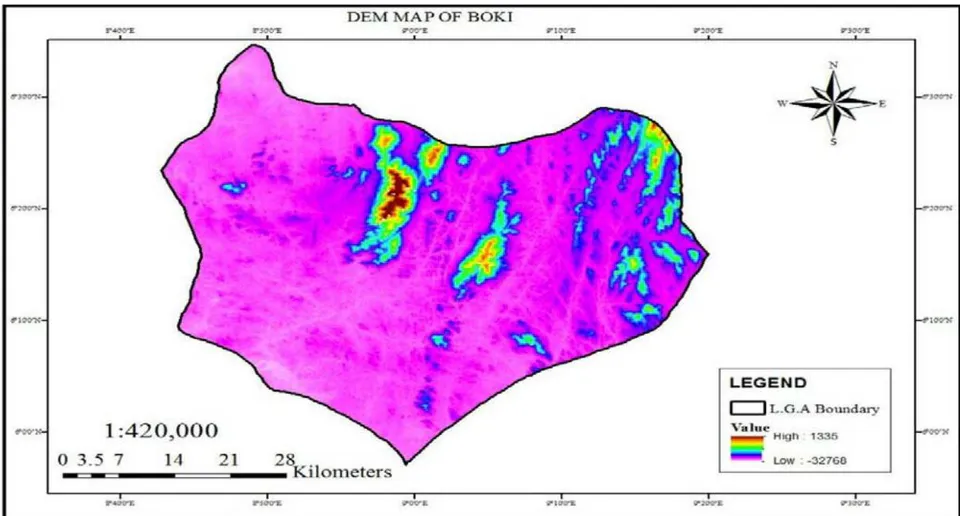
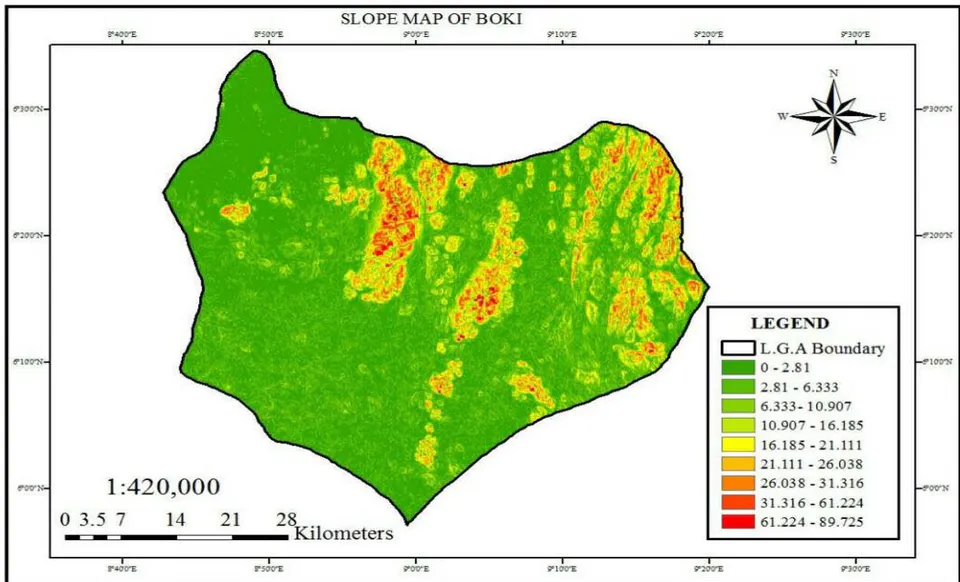
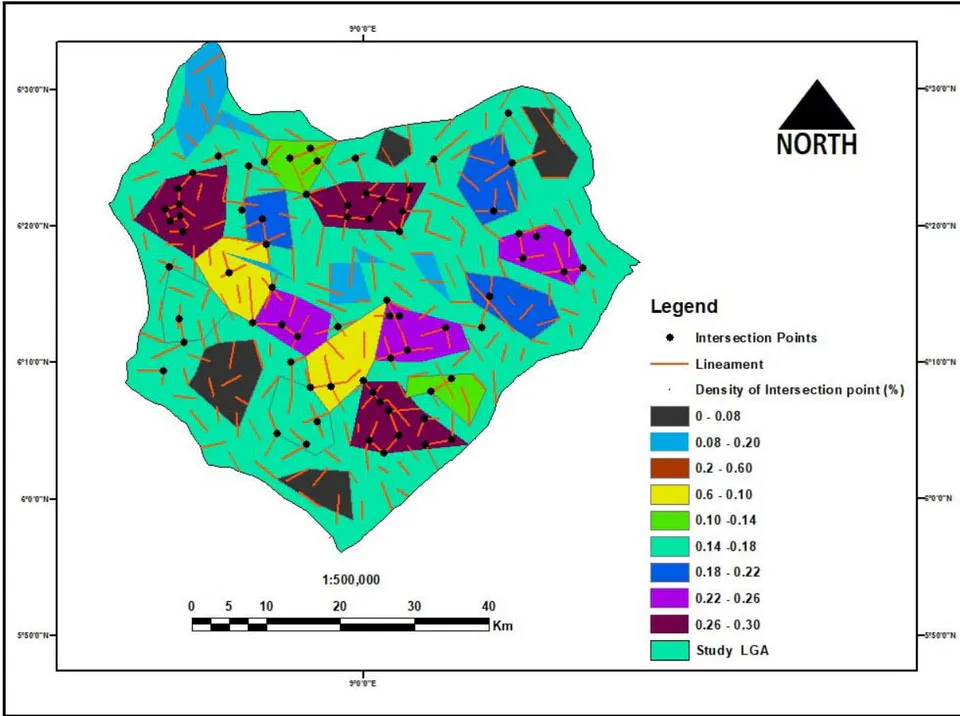
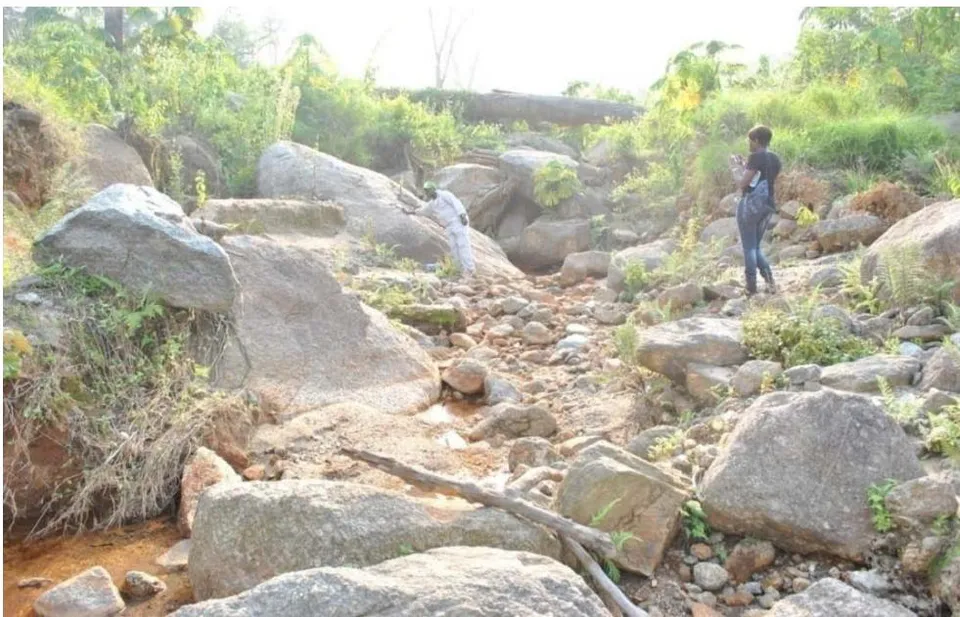
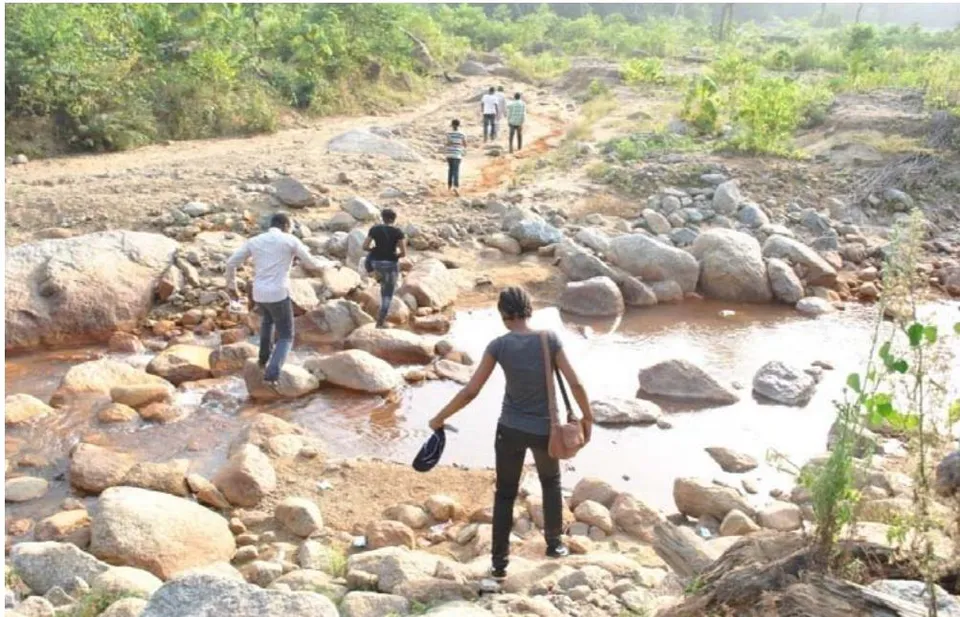
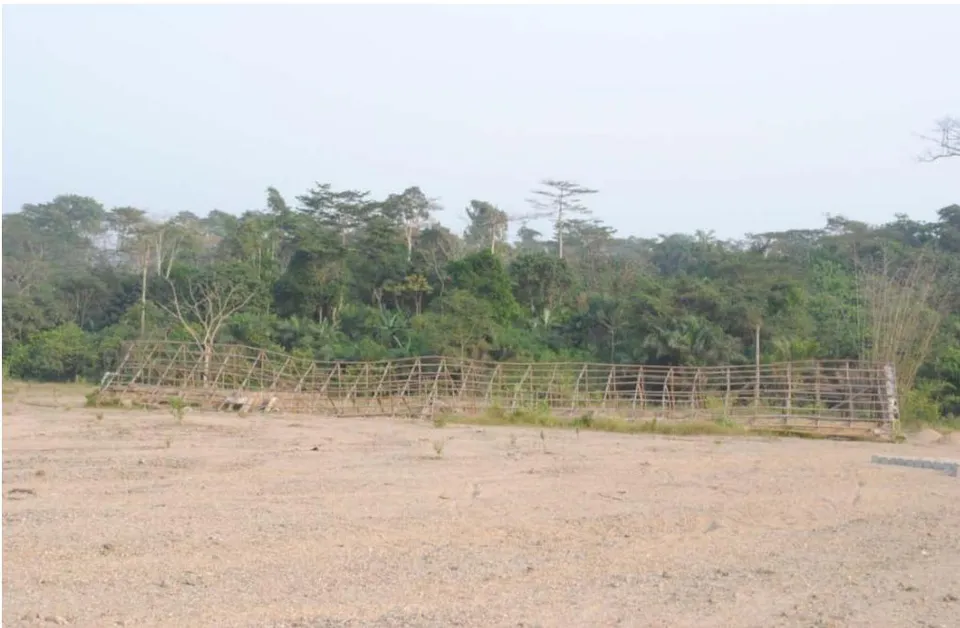
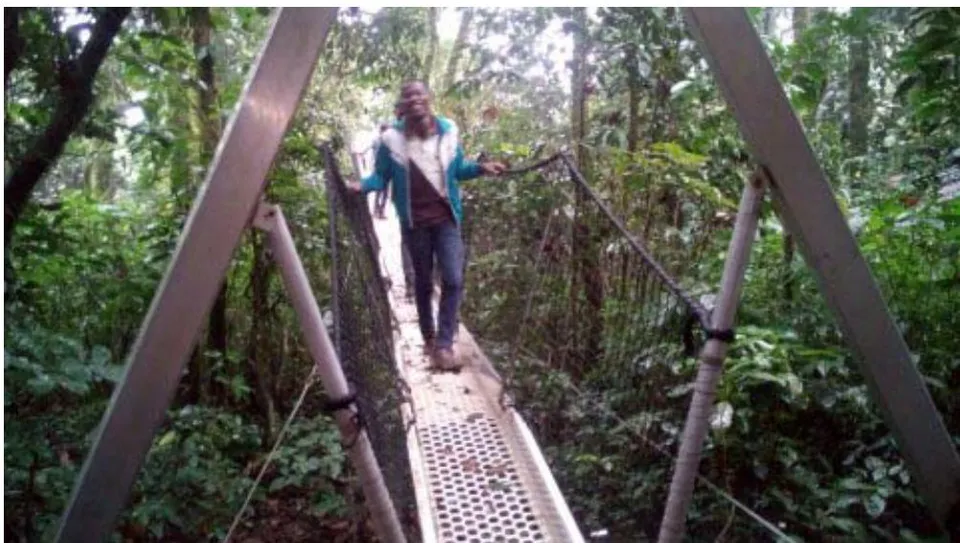
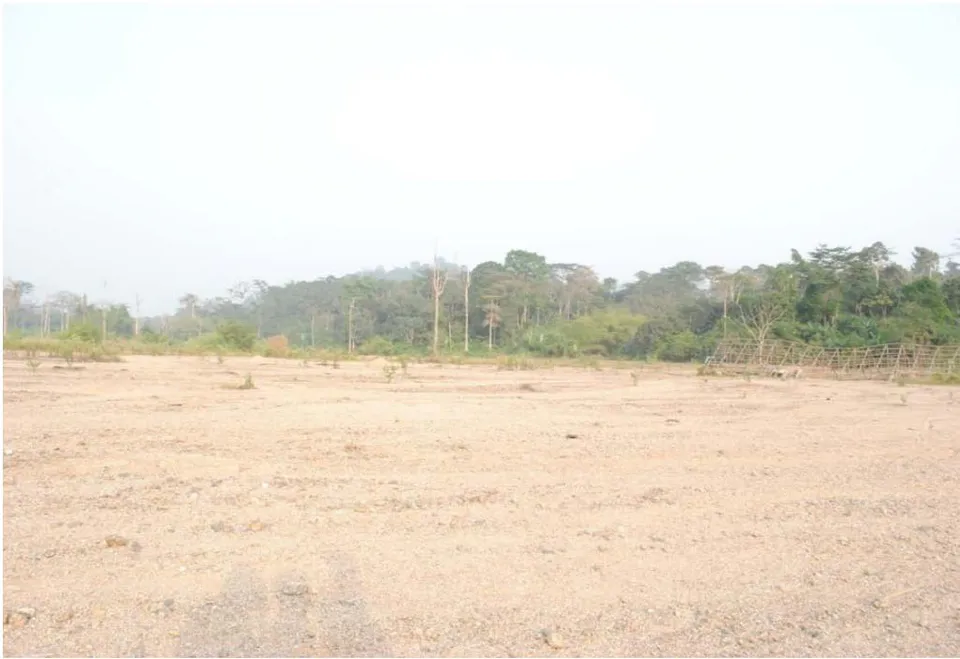
Plate 4, is a damaged six class room block of Community Secondary School Buanchor which is about 1km from the foot of the highlands after the rockfalls and rockslides in the area, while plate 5 is the Walkaway part which are usually connected to trees, was also damaged as the trees were equally affected at about
2km from the highlands. The farmlands were also washed off and filled with sands and gravels (plate 6). The methods of controls on any identified slope prone to rockfalls and rockslides or have been affected by such geohazards are protected with rock netting as shown on plate 7.
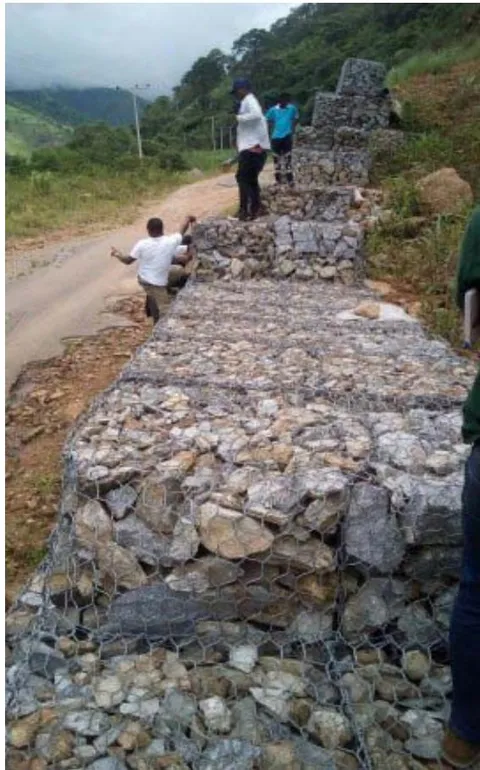
Rockfalls and rockslides are geohazards features, their mapping and analysis can provide valuable information to mitigate or prevent the catastrophic loss and provide guidelines for a sustainable planning and development (Agbebia and Egesi, 2019). In the Northwestern part of Cameroon, the Lake Nyos which is part of the Cameroon Volcanic Line (CVL), about 190 km from Buanchor-Boki area has been identified as active and violent Ebeniro (2012). The lake is located at a height of about 1.34km above mean sea level. It has previously, released large volumes of carbon dioxide and other gases into the atmosphere and has capacity to do more. In 1986, the lake activity led to the release of poisonous gases which killed over 1,000 people, about 2000 livestock and numerous wild animals which were uncountable. The Lake Nyos Dam contains -rich water at this height and has been eroding at a fast rate with more than 600m of its area already eroded off. Presently, less than 35m of the dam is left and evidence of its weakness can be observe as water spews out from different points around the dam that is not the spillway created at the lowest part of the dam.
If the dam collapses or fails it will release several tons of -rich water from its high elevation through the northeast to the southeast parts of Nigeria in areas like Kumbi, Mbum and Katsina Ala Rivers drainage system and contributes to issues of Climate Change in the region. The resultant effect may cause flooding in all the drainage channels particularly low-lying areas and towns in Cameroon as well as densely populated areas like Katsina Ala and Adikpo in Benue State, Ogoja, Obudu and Boki towns in Cross River State which are about 155km, 150km, 160km and 165km away from Lake Nyos respectively (Ebeniro, 2012). To determine the lithology of the area, geoelectric study of the structure and its Geological implications of lake Nyos indicated a shallow basement at 113m depth, saturated pyroclastic rocks and weathered basement at 110m, with probably 10m thick agglomerate occurring at about 6m depth from the surface. This result is an indication that there is a need to either strengthen the dam at its lowest point to protect it from failure or alternatively to carry out a controlled release of the lake waters to reduce its level and potential strength (Okwueze et al., 1995). In Mineral Exploration surveys, lineament density and intersections are pointers to possible mineralization and mostly target for search for minerals (Ashano and Olasehinde, 2010).
Available data indicates Nigeria may not be on any location considered to be at danger of any powerful earthquake (Ebeniro, 2012). However, it can never be ruled out that a much smaller earthquake can cause a lot of damage to the national psyche, as we are close to the Cameroon Volcanic Line (CVL) which is known to be active both onshore and offshore. It is in our interest to identify lineaments and lakes that are hazardous on top of highlands and appropriately advise the government of today at Federal, State, Local and initiate the processes of taking safety first. We should learn from the experiences of other countries rather others using our own experiences to solve their problems, as I witnessed in Cape Town South Africa, during America Association of Petroleum Explorationists AAPG Cape Town 2018 conference, where Nigeria was given as a bad example of oil wealth management and no country wants to copy that type of example.
V. CONCLUSION
The use of lineaments in geohazard surveys is important and requires ground-truth to ensure accuracy. A personal communication on the reasons for the rockfalls and rockslides from Peter Jekings the Director of the Wildlife Santuary and Walkaway at Buanchor area, Boki Cross River State indicated that one of the major causes or main drivers of the disaster is human farming activities at the base of the hills which exposes the rocks to massive erosion, by the citizens who are primarily farmers. There is need to identify lakes or ponds, establish protected areas and buffer zones in the area and other highlands within the residential areas in
Boki, Obalinku and Obudu Local Government Areas. These highlands particularly those with altitude ranges from about 1,050m to 1,650m. This will help reduce the damage that may be cause by such potential geohazards occurrence, will pose threat to human lives and properties and also caves which are wildlife closet during adverse weather conditions.