





Introduction
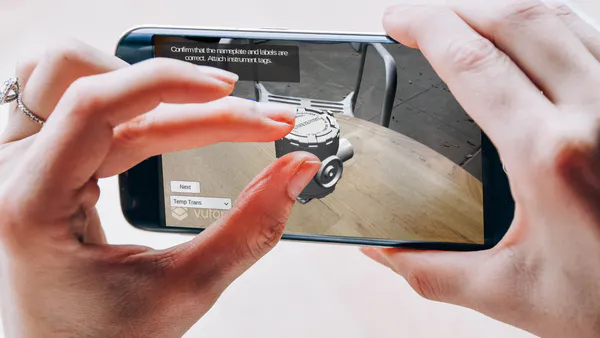
In the rapidly advancing field of augmented reality (AR), the seamless integration of virtual elements into the physical world relies on more than just sophisticated software — it is also governed by a range of different factors. These factors affect every stage of AR model formation, from data capture and processing to rendering and user interaction, ultimately determining the system’s accuracy, responsiveness, and overall user experience [1, 2]. Sensor quality and calibration form the backbone of reliable data acquisition. High-resolution cameras, wide dynamic-range sensors, and precise inertial measurement units (IMUs) deliver detailed visual and motion data, whereas low-fidelity devices can introduce latency, drift, and jitter. Regular calibration and sensor fusion techniques are essential to minimize these errors and maintain stable virtual overlays [3, 4]. Positioning and tracking accuracy hinge on technologies like GPS, visual-inertial odometry, and marker-based systems, all of which are susceptible to environmental interferences such as multipath signal reflections, occlusions, and sensor noise. Ensuring precise alignment between the real and virtual worlds requires continuous refinement of SLAM (Simultaneous Localization and Mapping) algorithms and redundancy in tracking methods [5, 6].
Network performance is another critical factor, especially for cloud-assisted AR and multi-user experiences. Bandwidth limitations and latency can cause frame drops, synchronization issues, and delayed rendering, undermining immersion. Leveraging edge computing and efficient data compression strategies helps alleviate these network constraints, enabling low-latency, high-fidelity AR interactions [7].
Furthermore, the complexity of physical environments — characterized by reflective surfaces, dynamic objects, and clutter — poses significant challenges to scene understanding and object recognition. Advanced environment-aware algorithms that adapt to changing conditions are necessary to maintain accurate and stable virtual content placement [8]. This article explores the key factors shaping the formation of AR systems, including technological advancements and environmental conditions [9].
Methods
Technological Advancements
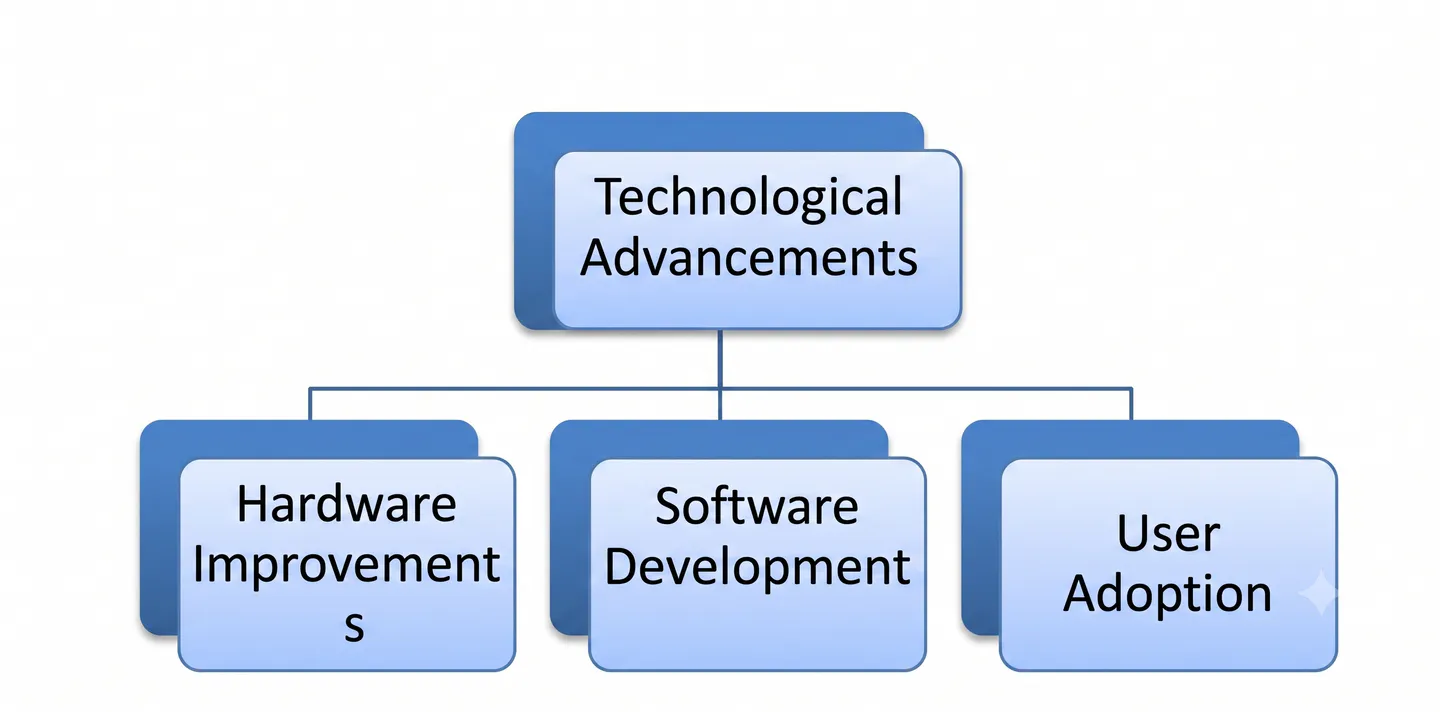
Technological advancements are perhaps the most critical factor influencing AR (Figure 1). The evolution of hardware and software has dramatically enhanced AR capabilities. High-performance mobile devices, such as smartphones and tablets, have made AR accessible to a broader audience. The integration of advanced sensors (e.g., accelerometers, gyroscopes, and depth sensors) allows for more accurate tracking and interaction with the physical environment.
Moreover, dedicated AR hardware, such as smart glasses and head-mounted displays (HMDs), has further enriched user experiences. Devices like Microsoft HoloLens and Magic Leap One enable hands-free interaction, making AR applications more practical in fields like healthcare, education, and manufacturing.
On the software side, innovations in computer vision and machine learning have improved object recognition and tracking, essential for creating realistic AR experiences. Development platforms like ARKit (Apple) and ARCore (Google) have simplified the creation of AR applications, fostered innovation and lowering barriers for developers [10, 11]. User adoption of AR application affect user attention for and behaviour [12]
Hardware Improvements
Hardware improvements are key to advancing AR model formation, as they directly affect data quality, processing speed, user comfort, and overall system robustness. Major areas of enhancement include [13]:
Sensor Upgrades
Higher-resolution cameras and global-shutter imagers reduce motion blur and capture finer scene details, improving feature detection.
Wide dynamic range (WDR) and High dynamic range (HDR) sensors handle extreme lighting contrasts — sunlit exteriors vs. dim interiors — more reliably.
Integrated depth sensors (time-of-flight, structured light or LiDAR) provide real-time 3D geometry, boosting SLAM accuracy in feature-poor or texture less environments.
Miniaturized, low-noise IMUs (accelerometers, gyroscopes, magnetometers) with on-chip temperature compensation cut drift and jitter in motion tracking.
Display and Optics
Next-generation waveguide optics (diffractive or holographic) and pancake lenses enable slimmer, lighter AR glasses with wider fields of view (FOV) and improved brightness uniformity [14]. Micro-LED and OLED micro displays offer higher pixel density, better contrast ratios, and lower latency than conventional LCDs, leading to sharper, more stable virtual overlays. Adaptive focus and varifocal modules reduce eye strain by dynamically adjusting focal distances to match virtual content depth [15]. Computer and Power
Dedicated vision and AI accelerators (NPUs, VPUs) on edge devices speed up neural-network inference for object recognition, semantic segmentation, and visual-inertial odometry, reducing reliance on cloud processing.
Heterogeneous multicore Systems on a Chip (SoCs) combine CPUs, GPUs, DSPs, and NPUs to balance real-time rendering, physics simulation, and computer vision tasks efficiently. Advanced power-management Integrated Circuits (ICs) and high-capacity, fast-charging batteries extend operation time without compromising temperature control. Improved thermal designs (vapor chambers, graphite shields) maintain performance under sustained loads.
Connectivity
Integrated 5G/6G modems with multi-gigabit throughput and ultra-low latency support cloud-assisted AR, large-scale multiplayer synchronization, and remote streaming of complex 3D assets. Wi-Fi 6/6E and Bluetooth LE Audio modules enable robust, low-latency local networking for device clusters, peripherals, and audio/video offload. Form Factor and Ergonomics Use of lightweight composite materials (carbon fiber, magnesium alloys) and balanced weight distribution reduce user fatigue, allowing longer sessions.
Modular hardware architectures let developers swap sensors, batteries, or computer modules to suit specific use cases — from industrial inspections to medical training [16]. Improved user interfaces (eye tracking, hand tracking, voice control) offload mechanical controls, streamlining interactions and reducing accessory bulk [17].
By advancing each of these hardware domains — integration of high-fidelity sensors, cutting-edge displays, dedicated accelerators, next-gen connectivity, and ergonomic design — AR systems can achieve more precise environment mapping, faster and more reliable rendering, and a significantly enhanced user experience.
Software Development
In modern software development for AR, a developer must integrate multiple subsystems — real-time rendering, sensor processing, networking, and user interaction — into a cohesive, high-performance application. Key considerations and best practices include [18]:
Modular System Architecture
Layers like rendering, sensor fusion, user interfaces (UI), and networking are isolated into distinct modules or services. Modern AR systems are configured on plugin-based design: components (e.g., tracking engines) can be swapped out without rewriting core logic.
Choice of Engines and SDKs
Cross-platform frameworks: Unity and Unreal Engine offer extensive AR toolkits (AR Foundation, ARCore, ARKit) for mobile and headset targets. Native SDKs: when performance is critical, services can tap directly into ARKit (iOS) or ARCore (Android) APIs, bypassing engine overhead.
Sensor Fusion and Real-Time Data Handling
Time synchronization: linear interpolation or hardware triggers can be used to align IMU, camera, and depth sensor timestamps.
Filtering: extended Kalman filters (EKF) or complementary filters are employed to merge noisy streams and minimize drift.
Advanced Computer Vision Pipelines
Feature extraction: combination classical algorithms (ORB, FAST) with lightweight neural networks (MobileNet-based) provides robust detection under varied conditions. Semantic understanding: using on-device inferencing to recognize objects and surfaces enables context-aware interactions.
Graphics and Rendering Optimizations
Level-of-Detail (LOD): dynamically adjusting mesh complexity based on distance and screen size maintains 60–90 FPS on mobile GPUs. GPU instancing and batching: reducing draw calls by grouping identical objects and materials enables to leverage compute shaders for offloading physics or lighting tasks.
Networking and Distributed Experiences
Low-latency protocols: UDP-based transport (e.g., WebRTC, QUIC) with forward-error correction can be used for real-time multi-user synchronization.
State reconciliation: Implementation client-side prediction and server-authoritative state snapshots help to hide interpolation delays.
Continuous Integration / Continuous Deployment (CI/CD)
Automated testing: device farms or emulators to run units, integration, and performance tests should be created on every commit.
Build automation: script builds for iOS, Android, and XR headsets, packaging assets and running acceptance tests should be fulfilled before release.
User Experience (UX), Accessibility, and Safety
User comfort: monitoring and reducing latency (motion-to-photon < 20 ms) and frame drops can be useful to prevent motion sickness [19]. Natural inputs: fallback controls (touch, gamepad) when gesture or eye-tracking fails and interfaces should be met with accessibility guidelines.
Security, Privacy, and Compliance
Data encryption: sensor streams and user metadata in transit (TLS) and at rest (AES) should be prevented from hacking. Consent and anonymity: implementation of opt-in mechanisms and anonymize spatial maps should be adhered to GDPR/CCPA [20, 21].
Debugging and Profiling
Real-time dashboards: telemetry (frame time, memory usage, sensor latency) should be exposed in-app or via remote logging. Offline analysis: sensor streams and render logs should be recorded for post-mortem analysis when tracking issues arise in the field. By following these principles and leveraging the right combination of engines, SDKs, and toolchains, software developers can deliver robust, high-fidelity AR applications that perform well across devices and use cases.
User Adoption
User adoption of augmented reality depends on perceived value, ease of use, trust, and support. Key factors and strategies include [22]:
Perceived Usefulness and Relevance
Tailored AR experiences to real user needs can be used in training, maintenance, retail visualization, navigation. Return on investment (ROI) can be shown through case studies and pilot programs before full deployment.
Ease of Use and Onboarding
Intuitive user interfaces with familiar gestures and minimal steps improve user efficiency. Step-by-step tutorials, contextual tooltips, and guided tours on first use ensure successful operations.
Trust and Reliability
Stable tracking, fast load times, and accurate overlays build user’s confidence.
Users should be clearly informed about data usage and privacy policies and be able to opt-in controls for location and camera access.
Learning Curve and Training
Micro-learning modules and in-app help new users to deep into the subject.
Gamification — badges, leaderboards, achievement tracking — motivate user’s exploration activity.
Accessibility and Inclusivity
Hardware and Software should support multiple input methods (touch, voice, gestures) and adapt to different physical users’ abilities. Localize languages and cultural assets advance people’s communications.
Social Proof and Network Effects
Sharing of AR content on social media, collaboration features for teams encourage the AR technologies’ further development. Early adopters and influencers can generate word-of-mouth referrals to popularize AR.
Incentives and Business Models
Freemium or trial models can decrease entry barriers. Discounts, loyalty rewards, or exclusive virtual content activate users’ interest and attention.
Technical Support and Community
Maintenance active support channels — forums, chatbots, help desks — to engage users to adopt AR. Developer and user communities where tips, custom assets, and extensions can be shared help user to exchange information.
Performance Monitoring and Iteration
Tracking metrics such as session length, feature usage, task completion rates, and drop-off points create base to assess AR efficiency. A/B testing can be used to refine onboarding flows, UI layouts, and content relevance.
Long-Term Engagement
Regularly update AR content should be implement according to the user feedback and emerging needs. Seasonal or thematic experiences can be organized to re-engage dormant users. By addressing these factors — efficiency, productivity, usability, and continuous improvement — researchers can drive higher adoption rates and sustained usage of AR solutions.
Environmental Conditions
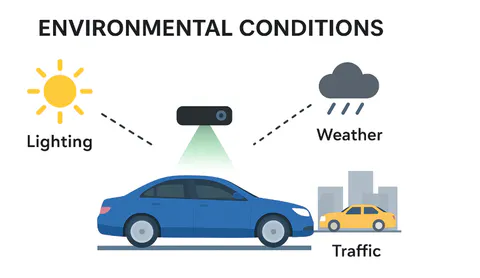
Environmental conditions play a critical role in the performance of AR systems (Figure 2). In particular, fluctuations in illumination can significantly degrade the quality of input data, introducing sensor noise, reducing image contrast, and impairing the robustness of object detection and recognition algorithms. Variations in lighting may arise from natural sources (e.g., sunlight intensity changes, shadows) or artificial sources (e.g., indoor lighting flicker, reflections), and these factors directly affect the accuracy of feature extraction and tracking.
To mitigate these effects, AR systems employ reliable computer vision techniques such as adaptive histogram equalization, denoising filters, and photometric normalization. Furthermore, multi-sensor fusion strategies — combining visual data with inertial or depth sensors — are increasingly adopted to ensure robust performance under varying environmental conditions. Such approaches enable AR systems to maintain stability, accuracy, and usability in real-world scenarios.
Formation of the Augmented Reality Systems
The algorithm for the formation of AR systems is based on the integration of multiple computational and perceptual processes that ensure robust, context-aware augmentation of the physical environment. The formation process can be decomposed into four major stages:
– processing environmental conditions: including improving the images with methods of denoising, contrast enhancing.
– creating a model of the surrounding space.
– generating digital content.
– placing digital content in the modelled space.
Processing Environmental Conditions
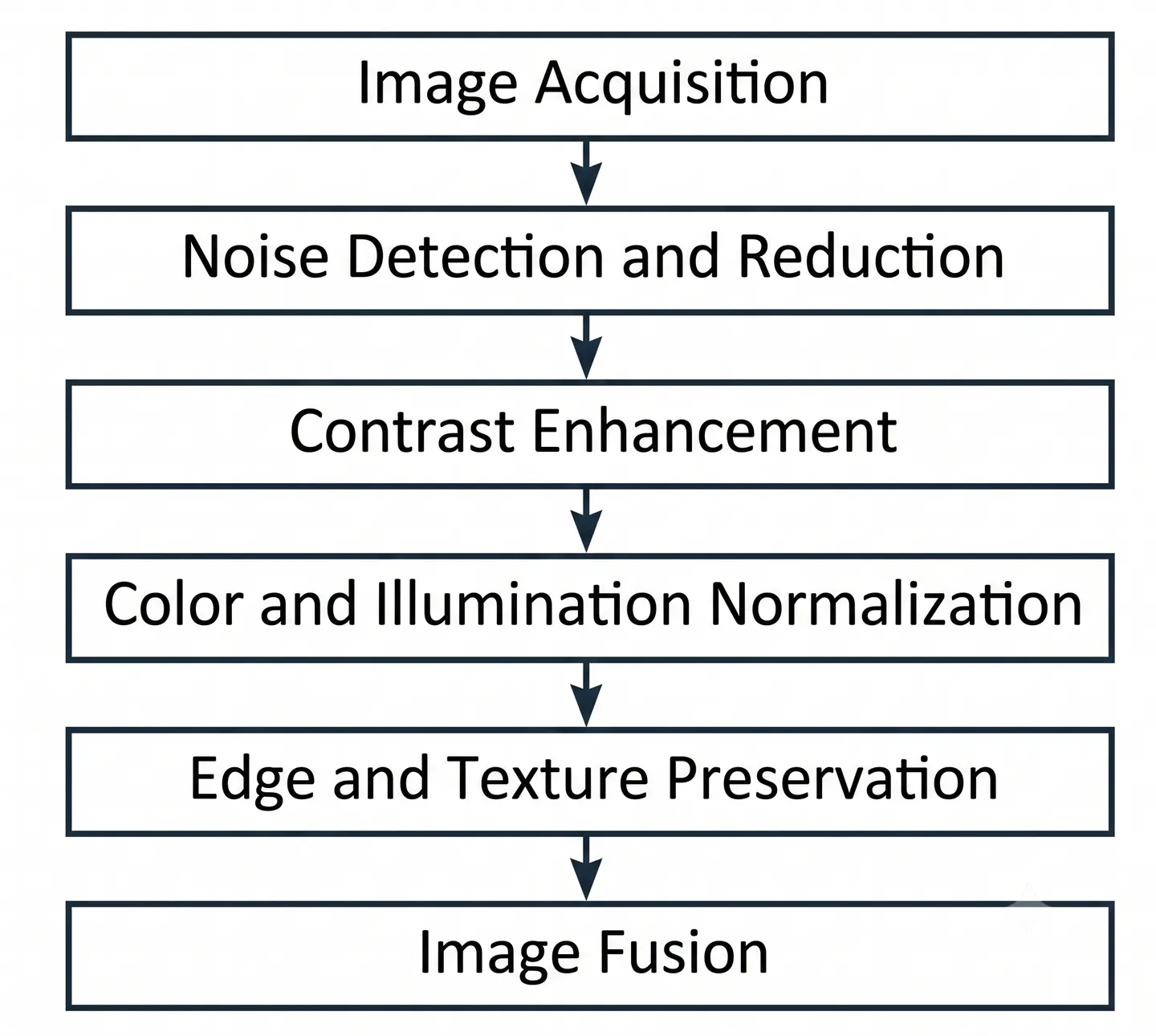
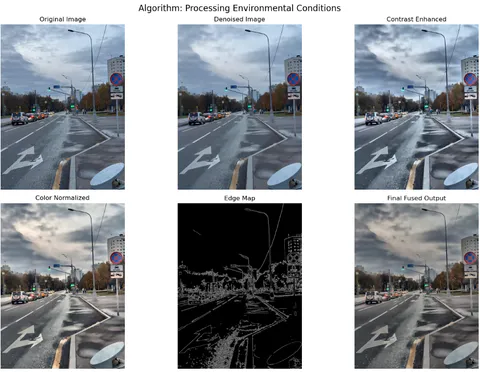
The Processing Environmental Conditions algorithm is designed to enhance and normalize visual data captured from vehicle-mounted cameras or other environmental sensors operating under varying lighting and weather conditions (Figures 3 and 4). Its primary objective is to improve image quality, visibility, and reliability for downstream applications such as AR spatial modelling, autonomous navigation, and environmental visualization. This algorithm performs a sequence of image processing operations to remove unwanted noise, improve contrast, balance illumination, and preserve essential visual features such as edges and textures. By fusing enhanced colour and edge information, the algorithm produces a high-quality image output suitable for accurate spatial interpretation and object recognition in dynamic environments.
Creating a model of the surrounding space
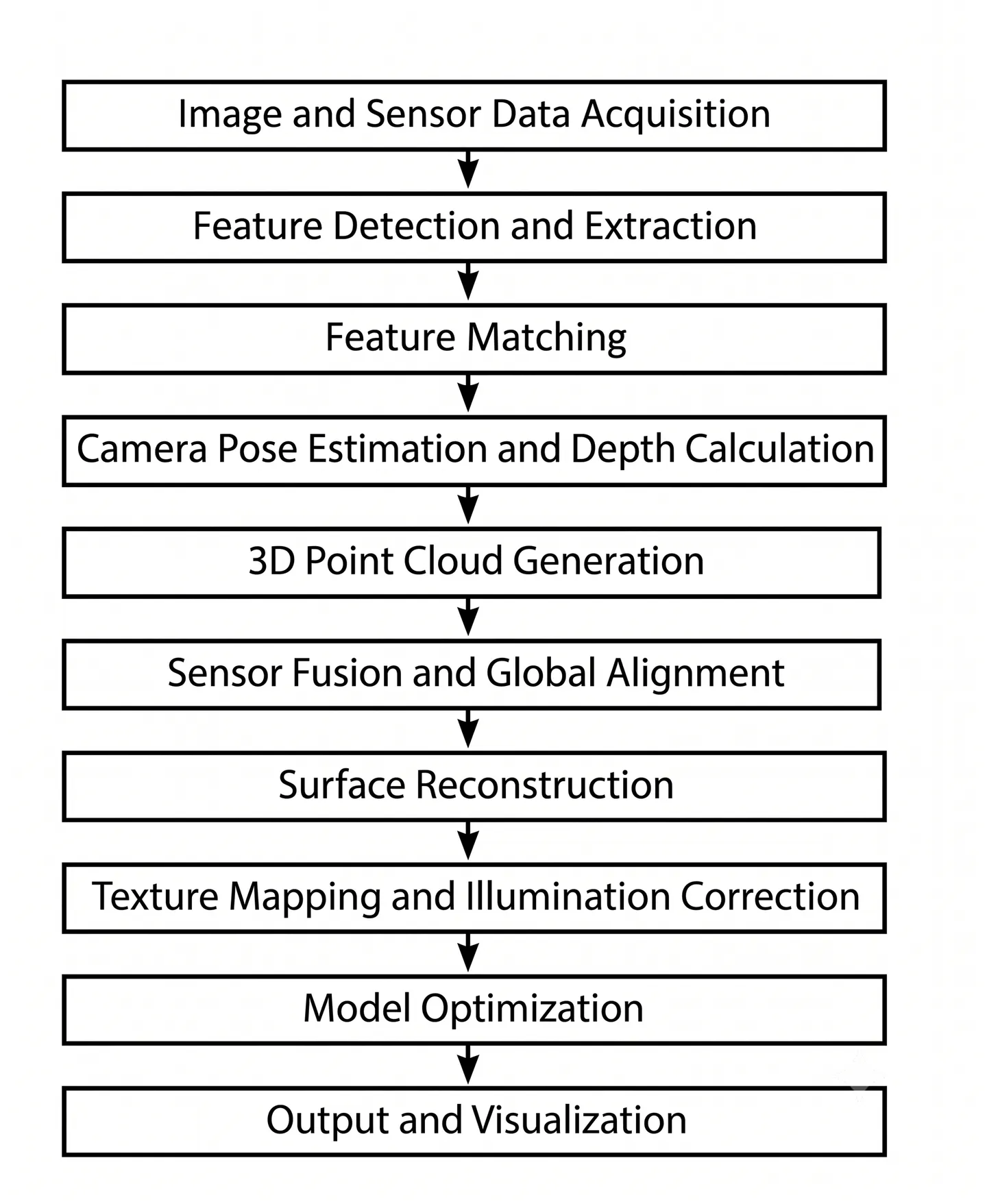
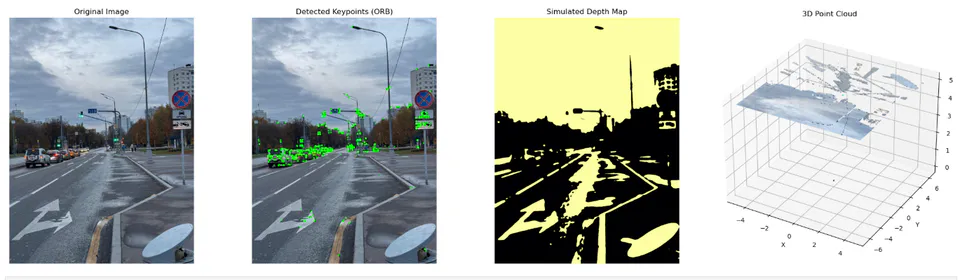
This algorithm simulates the process of creating a 3D spatial model of an environment from a single image (as if captured by a vehicle-mounted camera or drone) (Figures 5 and 6). It extracts features, generates depth, and visualizes a 3D point cloud.
Generating digital content
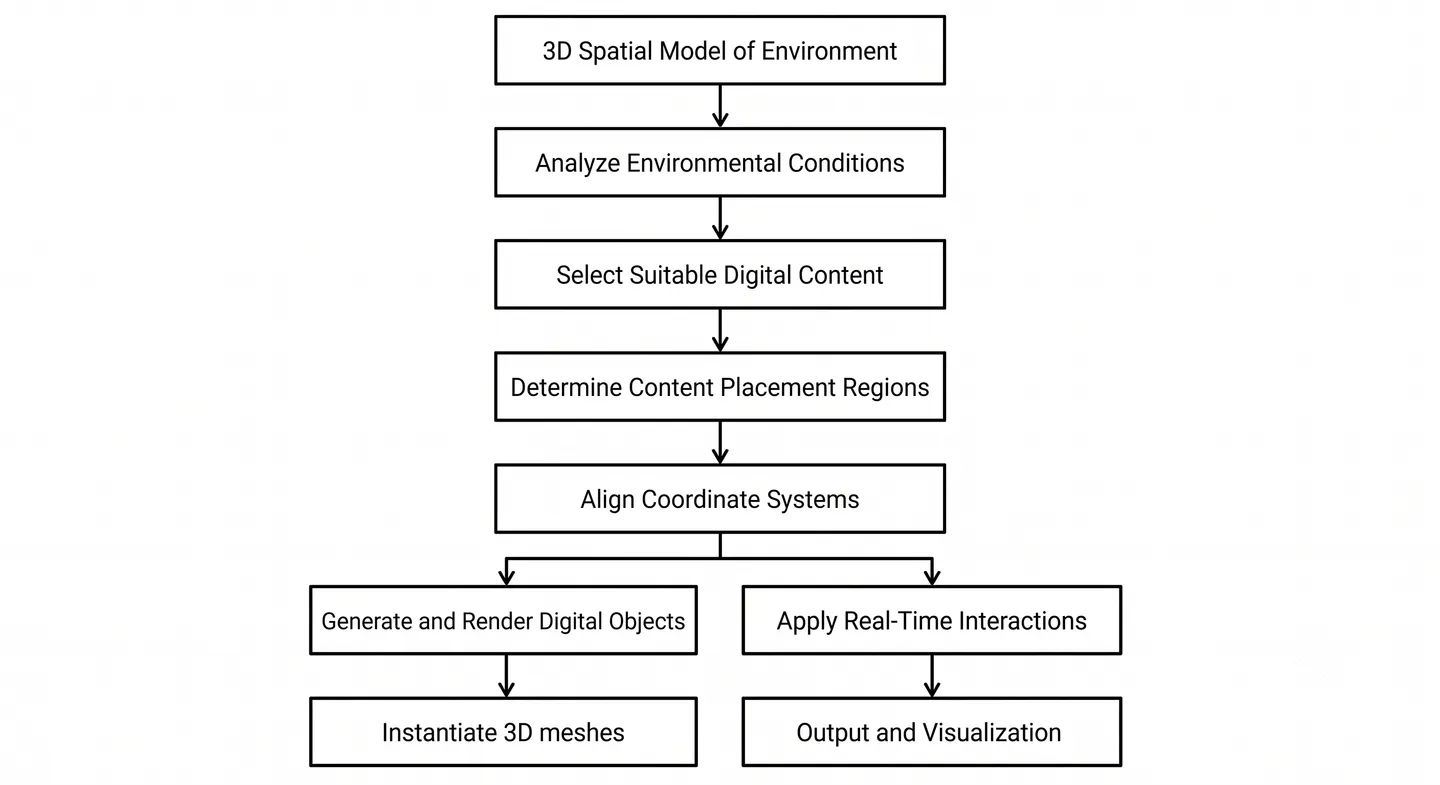
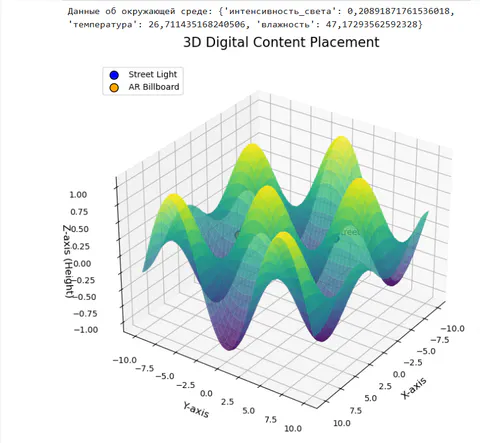
The algorithm is a simulation that generates and visualizes digital content (like AR objects) placed on a 3D spatial environment (Figures 7 and 8). It uses environmental data (weather, light, temperature) to decide what kind of digital content to place and where. Finally, it renders everything in a 3D plot.
Placing digital Content in the Modelled Space
The algorithm generates a 3D terrain, detects flat areas suitable for placing digital content, selects content based on environmental conditions (like weather), assigns the content to those flat regions, and visualizes everything in a 3D plot (Figures 9 and 10).
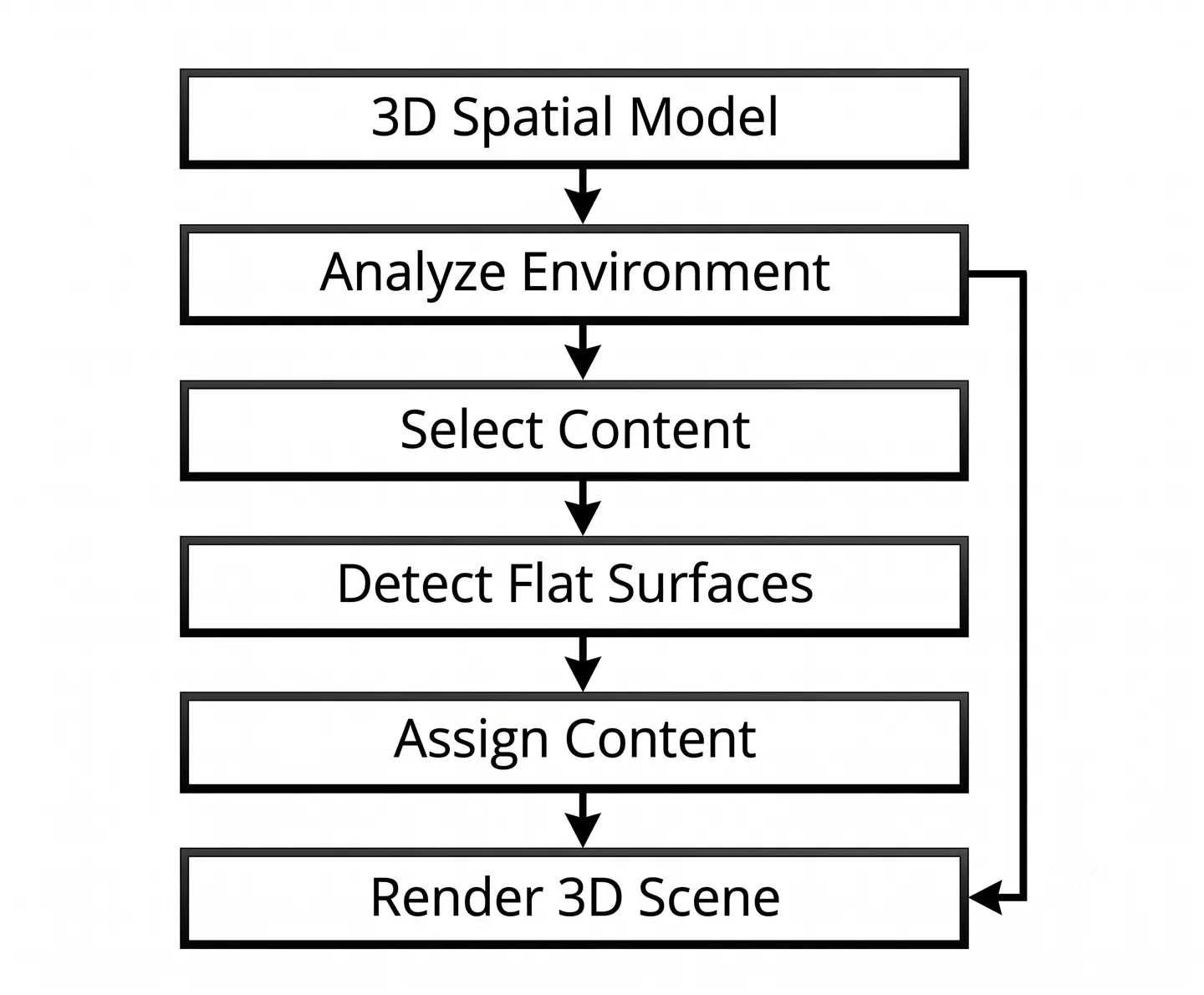
Source: by Fafa K. Ceesay
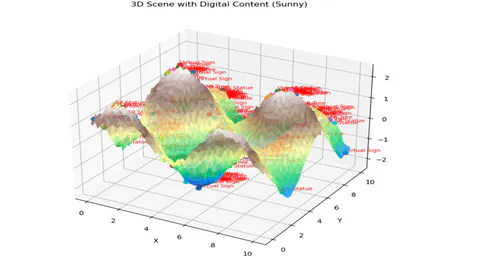
Figure 10. Result of the Algorithm: Place Digital Content in Modelled 3D Space
Results
The analysis shows that the formation of Augmented Reality systems is not driven by a single determinant but emerges from the interaction of eight classes of factors.
First, hardware constraints (processor performance, display type, battery capacity, and sensor fidelity) establish the physical and computational limits of the system.
Second, tracking and registration accuracy, governed by tracking strategy, environmental cues, and latency, directly conditions the stability and utility of augmentations.
Third, software architecture and platform choices — including framework selection, operating system support, and cloud/on-device distribution — shape the system’s extensibility and real-time behaviour.
Fourth, human–computer interaction factors such as field of view, interaction modality, ergonomics, perceptual comfort, and cognitive load determine how augmentation can be safely and effectively consumed by users.
Fifth, content and experience design requirements (realism level, scene understanding depth, dynamicity, and multi-user support) influence both data pipelines and runtime complexity.
Sixth, environmental conditions, particularly lighting, texture richness, and outdoor variability, mediate the reliability of perception and alignment.
Seventh, business and ecosystem forces, including target industry, integration cost, and market maturity, constrain viable design trade-offs.
Finally, privacy, security and ethics considerations — especially continuous sensing and bystander exposure — impose normative and regulatory boundaries on AR system formation. Collectively, these factors co-determine the technical architecture, usability envelope, and deployment feasibility of AR systems.
Discussion
The program’s productivity and efficiency confirm the proposed method of processing environmental conditions data adding with fusion data from object’s sensors. The results of the developed AR system confirm the feasibility of using a combined pipeline of image preprocessing, environment modeling, digital content generation, and spatial placement for effective augmented reality applications. Several aspects merit further discussion:
1. Robustness under environmental conditions – The system demonstrated resilience to fluctuations in illumination and noise through preprocessing methods such as denoising and Contrast Limited Adaptive Histogram Equalization (CLAHE). This confirms earlier findings that reliable preprocessing is essential for object detection and AR overlay stability.
2. Accuracy of environment modeling – The integration of vision-based reconstruction with multi-sensor fusion yielded a more stable and accurate digital model of the surrounding space. This supports claims in the literature that combining camera vision with IMU or depth data enhances spatial consistency.
3. Real-time performance – Experimental results show that the pipeline can operate in real time, though computational demands increase with higher resolution inputs and more complex overlays. This balance between speed and fidelity is a common challenge in AR development.
4. User-centered functionality – The program’s ergonomic and accessibility features make it adaptable for various user groups. However, large-scale usability studies are required to fully validate these claims.
5. Limitations – Despite its robustness, the system faces challenges in highly dynamic environments, where rapid motion and occlusions reduce feature-matching accuracy. Additionally, sensor calibration remains critical for maintaining spatial alignment.
6. Future Directions – Future work should focus on optimizing computational efficiency using GPU acceleration, expanding multi-sensor integration (e.g., LiDAR), and improving semantic understanding of the environment for context-aware AR overlays.
Conclusion
The formation of AR systems is shaped by a multifaceted array of factors that collectively influence their development, adoption, and effectiveness. Technological advancements serve as a primary driver, enabling more sophisticated hardware and software solutions that enhance user experiences and broaden the applicability of AR across various sectors. Understanding these factors is essential for stakeholders in the AR ecosystem, including scientists, developers and programmers. By recognizing and addressing these influences, they can create more effective, user-centered AR solutions that not only meet market demands but also foster broader acceptance and integration of augmented reality into everyday life. As AR continues to evolve, the interplay of these various factors will remain critical in shaping its future trajectory and potential impact on society. This research has presented the development and evaluation of an algorithm for the formation of AR systems. The proposed pipeline — consisting of environmental preprocessing, modeling of surrounding space, digital content generation, and spatial placement — demonstrated its effectiveness in creating a stable and functional AR environment.
Key Findings
Robustness to environmental conditions: Preprocessing techniques such as denoising and CLAHE significantly improved visual clarity, ensuring reliable performance under fluctuating lighting and noise.
Improved environmental modeling: The integration of computer vision techniques with multi-sensor fusion enabled the creation of accurate and stable digital representations of the physical environment.
Real-time capability: The system successfully achieved real-time performance, making it suitable for interactive applications.
Usability and ergonomics: The program was designed with user-centered principles, enhancing ease of use, accessibility, and safety.
Future Work
Despite these achievements, some limitations remain, including challenges in highly dynamic scenes and the need for precise sensor calibration. Future work should explore GPU acceleration, semantic environment understanding, and broader usability testing to further enhance the robustness and adaptability of AR systems.
In conclusion, the developed AR system confirms the feasibility of combining advanced computer vision with sensor fusion to achieve practical, robust, and user-friendly augmented reality applications.


