This paper analyzes the Brazilian social benefit known as Continuous Cash Benefit Programme (BPC), considering its rules, resource utilization, potential impacts, and adverse effects on society. The literature review was based on the Austrian Theory of Economic Intervention. We observed that the BPC needs to be reassessed regarding values, long-term sustainability, and control of adverse effects. Results showed that the value of the BPC per capita is higher than the value of other social benefits in Brazil. 37% of the budget for the analyzed social programs is allocated to the BPC, but it reaches only 18% of the total number of beneficiaries. The benefit amount is also higher than the nominal per capita household income of more than 40% of the Brazilian Federal Units. Since the BPC amount is tied to the minimum wage, which historically experiences real increases in value, and Brazilian data indicate a process of population aging, we expect that expenditures on the benefit will significantly rise in the coming decades.
## I. INTRODUCTION
Interventionism in Brazil is communicated to society through 'goodwill packages,' impacting various population groups to varying degrees. Each measure may appear well-intentioned, aiming for social wellbeing, and the groups benefiting from these interventions may seem deserving. But are the results of interventionist measures satisfactory for society as a whole?
Brazilian economic indicators reflect a high degree of government intervention in the country: General Government expenses reached a level close to $50\%$ of GDP in 2022[1], the tax burden is close to $35\%$ of
GDP2, and we have a public debt close to 90% of GDP by the IMF3 methodology. Despite these data signaling a high degree of state intervention in the economy, the feeling is that the return brought to society is not commensurate with the promised and expected results, given such interference.
One of this government interventions is the Continuous Cash Benefit Program (BPC). BPC is a Brazilian social benefit, provided for in Law 8,742 of December 7, 1993, known as the Organic Law of Social Assistance (LOAS), which guarantees a monthly minimum wage to individuals with disabilities of any age and to elderly individuals aged 65 (sixty-five) or older who can prove they do not have the means to provide for their maintenance or have it delivered by their family.[^4] This benefit is part of the group of interventionist measures aimed at social assistance provided by the Brazilian government. Despite its good intentions, as resources are scarce, and the benefit is paid with the population's funds, it should be evaluated in light of its overall effects on society, its cost-benefit analysis, and possible points for improvement in its formulation/implementation.
In this context, the primary aim of this study is to undertake a thorough analysis of Brazil's Continuous Cash Benefit (BPC), scrutinizing its regulations, resource allocation, potential consequences, and societal drawbacks. The methodology adopted is bibliographic research discussed through the data analysis related to the benefit under review and other existing benefits in Brazil. The following factors will be analyzed: (a) the budget allocated to this benefit, both in total and by type of beneficiary, (b) a comparison of the relationship between the cost of the benefit and the total number of BPC beneficiaries with the Bolsa Familia program, (c) the evolution of expenses related to BPC and its link to the minimum wage, (d) an analysis of the potential increase in the cost of the benefit according to the age pyramid of Brazil, (e) an analysis of the BPC value considering the distribution of poverty by age group in Brazil, and (f) adverse effects of BPC on the Brazilian social security system.
The Austrian Theory of Interventionism forms the main theoretical framework, providing insights for the discussion proposed here. The main works used for the academic discussion in this study are Mises (1977), Mises (1990), Hayek (1987) and Rothbard (2009).
In addition to this introduction, this work is organized as follows: Section 2 presents the theoretical foundation of the study. Subsequently, in section 3, an analysis of the general data of BPC, its characteristics, and its distribution among beneficiaries is conducted. Finally, the last section presents the study's conclusion.
## II. LITERATURE REVIEW
According to prominent authors from the Austrian School of Economics, state intervention, even when well-intentioned with the goal of rectifying market failures or improving the social conditions of a population, can lead to adverse consequences for society. (Mises (1990), Mises (1977), Hayek (2001), Rothbard (2009)).
Mises (1977) defined intervention as "a limited order by a social authority forcing the owners of the means of production and entrepreneurs to employ their means in a different manner than they otherwise would".
The author distinguishes two groups of state intervention adopted by government authorities with the aim of altering consumption in relation to what would occur in a market economy. They are interference through restrictions and interference through price controls.
The interference through restrictions can be exemplified by trade barriers imposed. The interference through price controls can be exemplified by policies of maximum and minimum prices, as seen in the setting of interest rates and minimum wage floors.
This definition of interventionism, according to Lavoie (1982), can be considered relatively narrow as it excludes crucial aspects such as public spending, taxation, operation of state industries, subsidized goods supply, and other forms of interventions. In this context, Rothbard (2009) expands the scope of Mises' analysis. The author defines state intervention as 'the intrusion of aggressive physical force into society; it means the substitution of coercion for voluntary actions.'
The author identifies three comprehensive types of government intervention: autistic intervention, binary intervention and triangular intervention. Autistic intervention occurs when an agent, which can be the government, coerces an individual without receiving any goods or services in return.
Binary intervention occurs when the state compels someone to make an exchange or unilaterally offer goods or services (for example, taxes and government expenditure). Triangular intervention occurs when a third party (state) interferes in the exchange relationships of other agents such as, for instance, through price or product control. Interventionism is often justified in classical theory by the existence of so-called 'market failures.' This situation theoretically occurs when the free market fails to achieve efficient resource allocation through the voluntary interaction of acting agents. In this case, according to theory, state intervention may be considered justifiable to achieve more efficient market allocations and enhance overall societal well-being.
However, even from this classical perspective, there is a necessity to analyze the cost-benefit relationship of government intervention. In addition to creating market distortions and affecting individual choices, the intervention entails costs for the population, as it is financed with public resources, typically sourced from taxes and borrowing. In this context, as stated by Gianturco (2017), it's important to note that state failures can, at times, be even more significant than potential market failures. Within the public choice theory, state failures result from unachieved or undesirable policy outcomes formulated by imperfect human decision-makers.
### a) Interventionism aimed at social benefits
Most government intervention measures use resources from society and redirect these resources for purposes determined by those in government, as explained by Rothbard (2012). Aids and social benefits, such as the Continuous Cash Benefit (BPC), are called 'free' for society. However, according to Rothbard (2012), a genuinely free good should be abundant for everyone. If a good is not abundant for everyone, it shows that this resource is scarce, and offering it 'freely' costs society the loss of other goods.
According to the author, the resources required to supply the government's free service are taken from the remainder of production. However, payments are not made by users through voluntary purchases but rather through mandatory contributions from taxpayers. A fundamental division is made between payment and receipt of the service.
As we have observed, the BPC is a measure designed to ensure a minimum income for specific segments of society who lack the resources to support themselves or receive support from their families. Hayek (2001) discusses the importance of guaranteeing a minimum of subsistence means for everyone. In the author's perspective, economic security is often presented as an indispensable condition for genuine freedom.
According to the author, in a society that has attained a certain level of overall prosperity, there is no justification for not ensuring basic security for all individuals without it being considered a privilege, while still upholding the overall freedom of the society. However, Hayek (2001) clarifies that the idea of economic security is vague, and the general approval of the security claim can become a danger to freedom.
This demonstrates the author's concern regarding policies offering social benefits, as often their needs will be subjective, and they may be provided to some at the cost of others' freedom.
## III. ANALYSIS OF BPC DATA
### a) General Analysis of Citizen Benefits in Brazil
Data from the first half of 2023[5] reveals that in Brazil, the primary social benefits extended to citizens ('Auxílio Brasil', 'Bolsa Família', 'BPC', 'Garantia-Safra', and 'Seguro Defeso') reached over 46 million recipients, which is roughly $25\%$ of the population. The total disbursement for these benefits during the first half of 2023amounted to R(111.8 billion.
Considering Brazil's vast territorial expanse, it is crucial to analyze the regional distribution of these benefits. The figure 1 below illustrates the comparison of benefits by location in Brazil, displaying the percentage range of the population in each Federal Unit that receives some of the listed social benefits mentioned earlier. It becomes apparent that there is a significant variation in the demand for these benefits across the country, with a concentration in the Northern and Northeastern regions. Notably, these regions, which have a higher concentration of these benefits, generally coincide with areas characterized by lower average income in the country.[6] Furthermore, these regions have also witnessed higher rates of labor underutilization[7] and informal employment[8] in recent years.
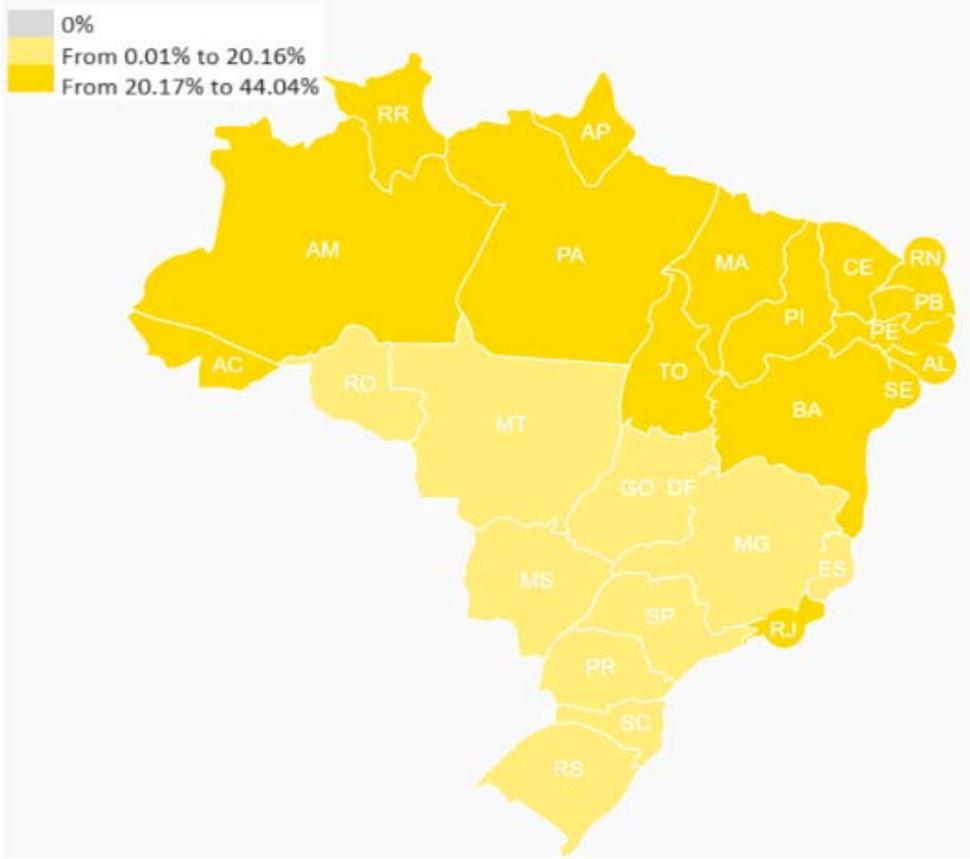 Source: https://portaldatransparencia.gov.br/beneficios Figure 1: Comparative benefits by location (1st semester of 2023)
The chart below, figure 2, illustrates the allocation of resources among the various social programs mentioned earlier. We can observe that $37\%$ (R$ 41 billion) of the funds allocated to benefits are directed to the BPC, which is the focus of our study. When we consider the number of individuals who received the BPC in the first half of 2023, we reach
5,451,640 beneficiaries, representing $18\%$ of the total number of beneficiaries covered by all the programs under analysis.
- $^{6}$ According to the Wealth Map of Brazil: https://cps.fgv.br/riqueza
- 7 According to data from IBGE: https://bibliotec.aibge.gov.br/visualizecao/livros/liv101979.pdf
- [8] According "fundo Brasil": https://www.fundobrasil.org.br/wp-content/uploads/2023/01/mapeamento-trabalho-informal-corte1-1.pdf
This data indicates that the value allocated to each beneficiary of the BPC is higher than the per capita amount distributed to beneficiaries of other programs. For example, despite covering $72\%$ of the total
beneficiaries, Bolsa Família (income transfer program in Brazil) corresponds to only $47\%$ of the total value allocated to benefits.
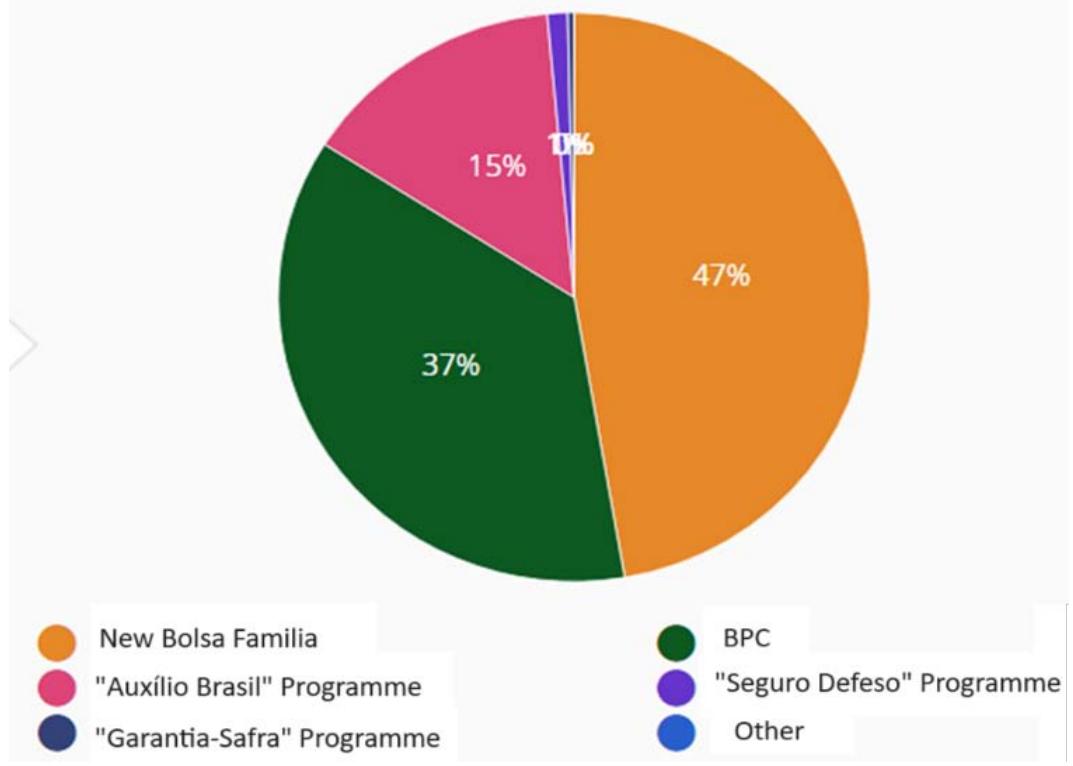 Figure 2: Benefit Value by Type of Benefit (First Semester of 2023) Source: https://portaldattransparencia.gov.br/beneficios
### b) Analysis of Beneficiaries of the Continuous Cash Benefit (BPC) Based on Data from the Year 2022
In this section, we will analyze the BPC data from the year 2022. As explored in the introduction, the BPC, a social benefit provided by Law 8,742 of December 7, 1993, known as the Organic Law of Social Assistance (LOAS), guarantees a monthly minimum wage to individuals with disabilities and elderly individuals aged 65 or older who can prove that they do not have the means to provide for their maintenance or have it delivered by their family.
Following the mentioned law, those eligible to receive the benefit are individuals with disabilities or elderly individuals whose monthly per capita family income is equal to or less than 1/4 (one-quarter) of the minimum wage. However, a significant portion of this benefit is granted through legal action to families with per capita income exceeding 1/4 of the minimum wage, provided that it can be demonstrated that the
beneficiary lacks the means to maintain themselves with dignity.
The cost to public accounts for this benefit is significant. In 2022, the total expenditure on the BPC was R( 70.9 billion(^{10}). Out of this total, R) 38.5 billion (54%) were designated to People with Disabilities (PCD), while R) 32.4 billion (46%) were allocated based on an age criterion. In December 2022, approximately 2.77 million PCD and 2.34 million elderly individuals received the monthly benet, totaling more than 5.1 million beneficiaries.
Regarding the Brazilian Federative Units with the highest proportion of their population benefiting from the BPC, it is observed that, in general, the concentration of this benefit is higher among people in the North and Northeast regions. This distribution shows similarities with the map of aggregated benefit distribution, as seen in Figure 3, and seems to be consistent with the socioeconomic situation of the country, as the target audience for this benefit consists of individuals with low per capita family income. These regions generally have the poorest socioeconomic indicators in the country.
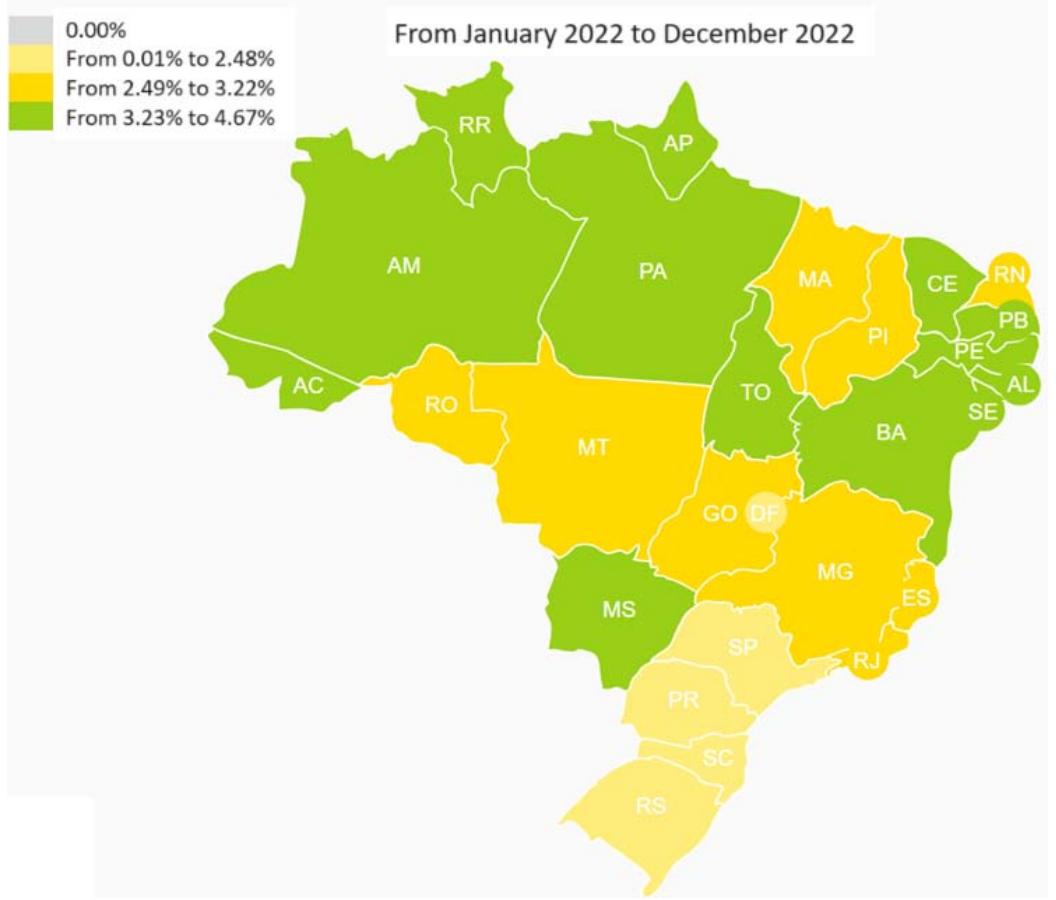 Figure 3: Comparative BPC by location (2022) Source: https://portaldatransparencia.gov.br/beneficios
### c) Evolution of BPC Expenditures and its Linkage to the Minimum Wage
Figure 4 illustrates the trend in BPC expenditures over the years using nominal data. Increases in nominal and real benefit values have been observed over the years. Since the BPC value is linked to the minimum wage, increases in the minimum wage value, while keeping the total number of beneficiaries constant, also increase total BPC expenditures.
This information becomes more relevant when considering the real increases in Brazil's minimum wage over the years. According to the OECD Economic Report: Brazil 2018[11], the real minimum wage in 2018 was $80\%$ higher than the minimum wage in 2003. By way of comparison, the per capita GDP of the country only saw a $23\%$ increase over the same timeframe.
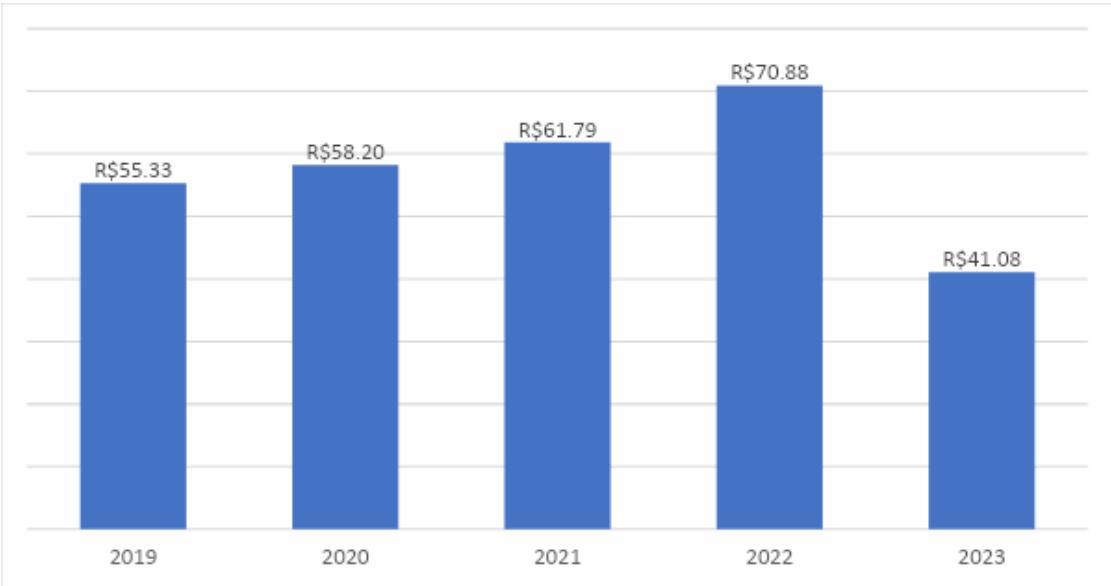 Figure 5: Nominal Monthly Per Capita Household Income by Federal Units in 2022 Source: https://portaldatransparencia.gov.br/beneficios
Figure 4: Expenditure on BPC (in R$ billion)
The legislation mandates that the value of the BPC paid to its beneficiaries should be equivalent to one minimum wage. In Brazil, the minimum wage for the year 2022 was set at R$ 1,212.
Article 7 of the Federal Constitution of Brazil establishes the right of both urban and rural workers to receive a minimum wage, as determined by law. This minimum wage is nationally standardized and should be sufficient to cover both the basic essential needs of individuals and those of their families. The minimum
- wage should also undergo periodic adjustments to preserve its purchasing power.
When we compare the minimum wage value in 2022 with the nominal monthly per capita household income in the Federal Units of Brazil for the same year, we observe that the BPC amount exceeds the per capita income in 12 Federal Units, representing over $44\%$ of the country's Federal Units. Figure 5, presented below, illustrates the nominal monthly per capita household income values by Federal Unit in 2022.
<table><tr><td>Brazilian federative units</td><td>Monthly nominal per capita household income of the resident population (R$)</td><td>Brazilian federative units</td><td>Monthly nominal per capita household income of the resident population (R$)</td></tr><tr><td>Brasil</td><td>1.625</td><td>Pernambuco</td><td>1.010</td></tr><tr><td>Rondônia</td><td>1.365</td><td>Alagoas</td><td>935</td></tr><tr><td>Acre</td><td>1.038</td><td>Sergipe</td><td>1.187</td></tr><tr><td>Amazonas</td><td>965</td><td>Bahia</td><td>1.010</td></tr><tr><td>Roraima(1)</td><td>1.242</td><td>Minas Gerais</td><td>1.529</td></tr><tr><td>Pará</td><td>1.061</td><td>Espírito Santo</td><td>1.723</td></tr><tr><td>Amapá</td><td>1.177</td><td>Rio de Janeiro</td><td>1.971</td></tr><tr><td>Tocantins</td><td>1.379</td><td>São Paulo</td><td>2.148</td></tr><tr><td>Maranhão</td><td>814</td><td>Paraná</td><td>1.846</td></tr><tr><td>Piauí</td><td>1.110</td><td>Santa Catarina</td><td>2.018</td></tr><tr><td>Ceará</td><td>1.050</td><td>Rio Grande do Sul</td><td>2.087</td></tr><tr><td>Rio Grande do Norte</td><td>1.267</td><td>Mato Grosso do Sul</td><td>1.839</td></tr><tr><td>Paraíba</td><td>1.096</td><td>Mato Grosso</td><td>1.674</td></tr><tr><td colspan="2">Fonte:[^10] IBGE, Diretroria de Pesquisas, Coordenação de Pesquisas por Amostra de Domicílios, Pesquisa Nacional por Amostra de Domicílios Continua - PNAD Continua - 2022.</td><td>Goiás</td><td>1.619</td></tr></table>
### d) BPC and Brazil's Age Pyramid
We have observed that approximately $45\%$ of the BPC is allocated to the elderly (individuals aged 65 or older who qualify for the benefit). Data on the
proportion of the resident population in Brazil by age group indicate that the country is experiencing a demographic aging process, as illustrated in Figure 6.
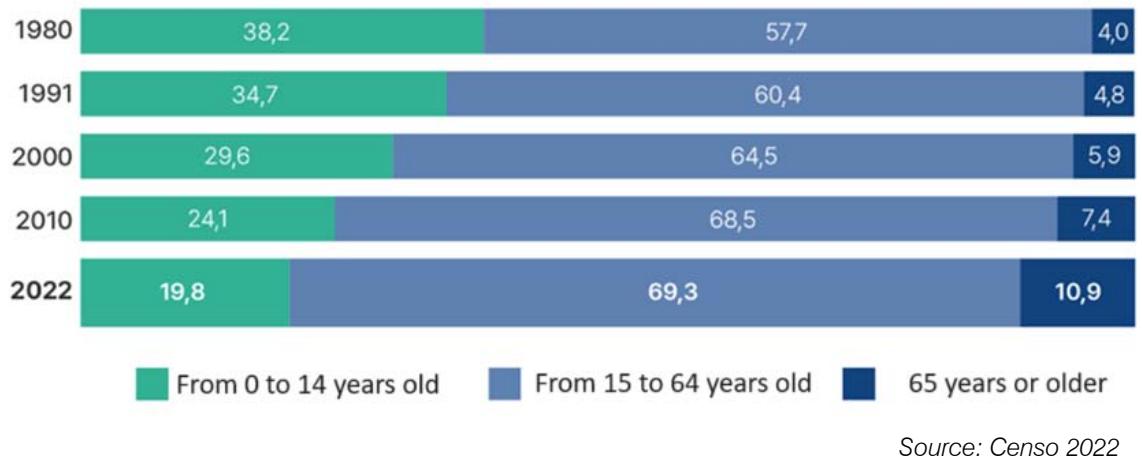 Figure 6: Proportion of the Resident Population in Brazil by Age Groups
Bonifacio and Guimarães (2021) have illustrated that there is still a significant expectation of change in the country's age distribution, with a decrease in the close share of the younger population (up to 15 years old) and an increase in the relative share of the elderly population (above 65 years old). Figure 7 offers a visual representation of this demographic shift. Projections indicate that the population aged 65 and over is
expected to increase from $9.8\%$ in 2020 to nearly $30\%$ by the year 2100.
In analyzing the BPC, this information deserves attention because the pool of individuals eligible to receive the benefit is likely to grow significantly. This could make the benefit financially and budgetarily unsustainable for the country in the coming decades.
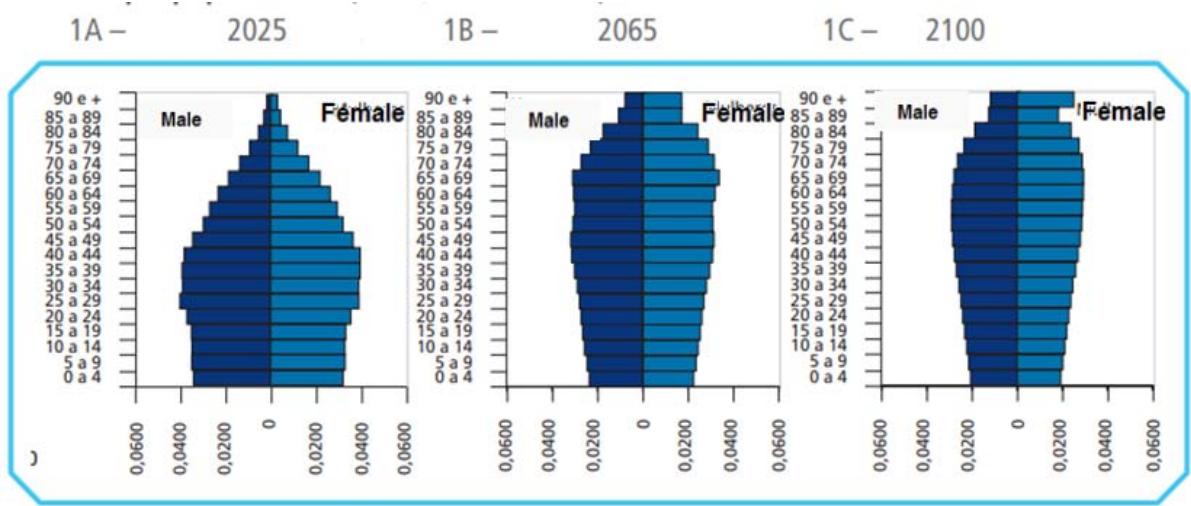 Figure 7: Projected Age Pyramid Expectations of the Brazilian Population by Gender, in the Scenario outlined by IBGE/Ipea for the years 2025, 2065, and 2100 Source: Bonifacio and Guimarães (2021)
# e) The Value of BPC Considering the Poverty Distribution by Age Group in
The Federal Constitution of Brazil establishes the value of the BPC linked to the minimum wage. According to the OECD Economic Report[12], the current
minimum wage level is at least six times higher than the country's poverty line.
The distribution of poverty among age groups in Brazil, as depicted in Figure 3, highlights the lack of uniformity in poverty across the country. While $30\%$ of
the population between the ages of 0 and 17 are considered poor[13], among the elderly (aged over 65), this proportion is approximately $8\%$.
These data become even more noteworthy when comparing the proportions of poverty across
age groups with other countries. Considering OECD countries, not only do they exhibit more excellent uniformity in the distribution of poverty by age group, but the proportion of young people below the poverty threshold is much lower than that of Brazil.
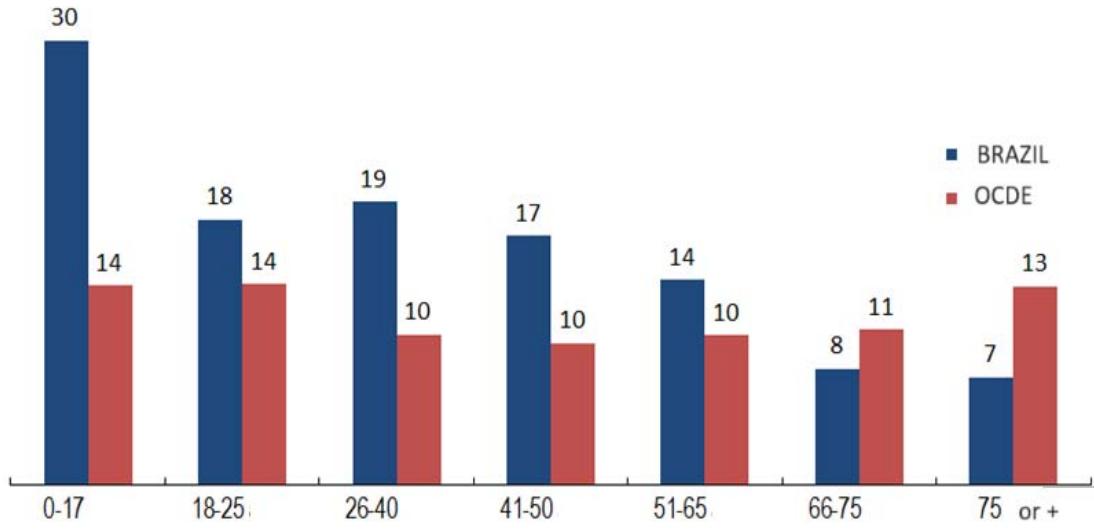 Figure 8: Poverty Distribution by Age Groups (In %) Source: OECD Income Distribution Database (IDD)
In this context, although the BPC aims to target the poorest population, it is not a policy aimed at reducing inequality among age groups in Brazil, as a significant portion of its resources is directed towards individuals over 65.
It's important to consider that, given Brazil's economic situation, the BPC provides relatively high benefits per individual, equivalent to one minimum wage. This value is relatively high because, according to data from IBGE, in 2018, the average income of the poorest $40\%$ of Brazil's population was R $376, significantly below the benefit provided by the BPC (which was set at R$ 954 in 2018).
When comparing, for example, the BPC to the Bolsa Familia Program (PBF), the PBF can be
considered a well-targeted benefit and is the program that contributes the most to reducing inequality in Brazil. Most of its resources (57%) are directed towards the poorest quintile of the population, and approximately 90% of the total subsidy is received by the poorest 50%. This is not the case for the BPC transfer, as indicated by World Bank data. Figure 9 below illustrates the distributional analysis of subsidies for Bolsa Família and BPC by quintile of the population. A significant portion of the BPC is directed towards the portion of the population in the wealthiest quintiles. It is largely due to many of legal actions involving the benefit.
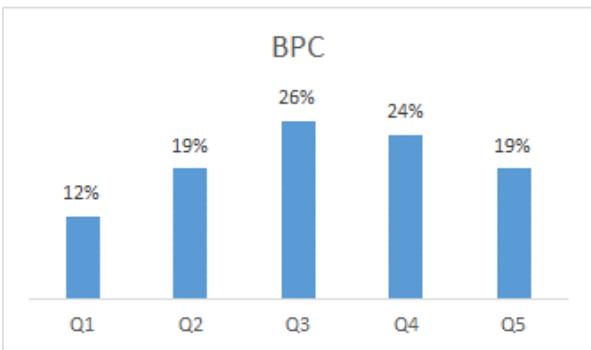
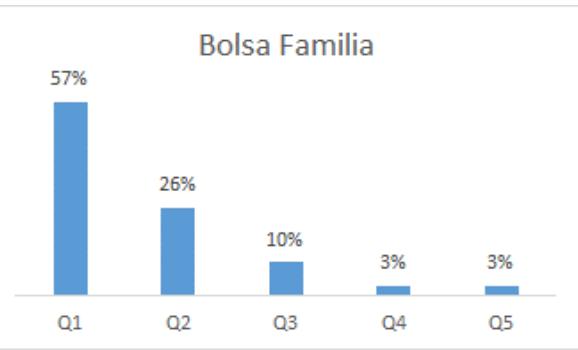 Figure 9: Distribution of Bolsa Família and BPC Subsidies by Quintile Source: World Bank
### f) Adverse Effects of BPC: Conflict with Elderly and Social Security
The BPC aimed at the older people presents a direct conflicts with Brazil's social security system. It can be considered both assistive (as one needs to prove insufficient resources to receive it) and possess characteristics of a pension benefit since, in the case of the BPC for the older people, it serves the purpose of replacing the income of those who can no longer work, starting at the age of 65.
The conflict arises because to receive the benefit no contributions to the system are required, and the amount paid is the same as contributory benefits for those who contribute to social security.
To illustrate this conflict, TAFNER and NERY (2018) provide an example that vividly portrays the situation.
"Consider two Brazilians: one contributed for 34 years, the other never. Suppose that the first insured individual always received one minimum wage. Both can only receive benefits at the age of 65 because they are not eligible for retirement due to the contribution period (which requires 35 years of contributions). The first is suitable for age-related retirement (starting with 15 years of contributions), while the second is not. However, the minimum pension and the assistance benefit floor are the same: one minimum wage. Due to the effects of tying Social Security to the minimum wage (as explained in the chapter on urban age-related retirement), 34 years of contributions would result in the minimum pension, which is precisely the same amount as the BPC.
Both Brazilians would be eligible to receive a benefit at the same age and of the same value: 65 years old, with one minimum wage. One of them contributed for 34 years, and the other never did. Does this make sense? There is concern that these rules may discourage formalization and contributions. Clearly, having formal employment is not simply a matter of choice, at least for a significant portion of insured individuals, but the disincentive is there. Interestingly, there is an additional disincentive: the legislation allows for accumulating 2 BPC benefits in the same household (for example, an elderly couple). It means that the first received BPC is not counted when assessing the poverty condition for the second BPC. The law does not extend the same treatment to retirement benefits, potentially making it impossible to receive a BPC, even if they are of the same value. In practice, jurisprudence has extended the treatment of income received as BPC to exclude income from being considered part of the poverty line, even for pensions and retirement benefits of 1 minimum wage."
(Note: This is a translation of the provided text.)
It demonstrates that this government intervention generates the adverse incentive of reducing contributions to social security, as the benefit of one minimum wage is offered to those who meet the BPC criteria, even if they have not contributed anything to social security throughout their lives.
## IV. CONCLUSION
This study aimed to assess the BPC, a Brazilian social benefit that is part of the group of interventionist measures aimed at social assistance in the country and had a total cost of R$ 70.9 billion to public accounts in 2022.
The methodology adopted was bibliographic research discussed through the analysis of benefit data, considering its rules, resource utilization, potential impacts, and adverse effects on society. The Austrian Theory of Interventionism was chosen as the primary theoretical framework because it highlights the potential negative consequences arising from government interventionist measures.
It was noted that the per-recipient value of the BPC benefit exceeds that of other social benefits in Brazil. $37\%$ of the budget of the analyzed social programs is allocated to the BPC, reaching only $18\%$ of the total beneficiaries covered by all programs under review. Comparatively, the Bolsa Família program, for example, accounts for $47\%$ of the total value allocated to benefits but reaches $72\%$ of the total beneficiaries.
The value of the BPC benefit is also higher than the nominal monthly per capita household income of $44\%$ of the Federative Units in Brazil.
Furthermore, concerning the financial sustainability of the benefit, worrisome factors were identified. Since the BPC benefit is linked to the minimum wage, and Brazil has a history of significant real increases in its value, expenditures on this program tend to rise over the years. From 2002 to 2022, for example, the real increase in the minimum wage was nearly $80\%$. Population aging should also be considered. Since approximately $45\%$ of the BPC is allocated to the elderly, and Brazil is experiencing a demographic aging trend, it is anticipated that expenditures on this benefit will significantly rise in the forthcoming decades. The population aged 65 and over is expected to grow from $9.8\%$ in 2020 to nearly $30\%$ by 2100.
Finally, it was found that the BPC generates some adverse incentives. One is related to not contributing to the country's social security by a portion of the population that expects to qualify for the BPC when they retire. Another adverse incentive is related to the possibility of the benefit being subject to judicial proceedings, which leads to the distributional analysis of BPC subsidies by income quintile of the population showing that a significant portion of the benefit is directed towards the portion of the population in the wealthiest quintiles.
Explore published articles in an immersive Augmented Reality environment. Our platform converts research papers into interactive 3D books, allowing readers to view and interact with content using AR and VR compatible devices.
Your published article is automatically converted into a realistic 3D book. Flip through pages and read research papers in a more engaging and interactive format.
This paper analyzes the Brazilian social benefit known as Continuous Cash Benefit Programme (BPC), considering its rules, resource utilization, potential impacts, and adverse effects on society. The literature review was based on the Austrian Theory of Economic Intervention. We observed that the BPC needs to be reassessed regarding values, long-term sustainability, and control of adverse effects. Results showed that the value of the BPC per capita is higher than the value of other social benefits in Brazil. 37% of the budget for the analyzed social programs is allocated to the BPC, but it reaches only 18% of the total number of beneficiaries. The benefit amount is also higher than the nominal per capita household income of more than 40% of the Brazilian Federal Units. Since the BPC amount is tied to the minimum wage, which historically experiences real increases in value, and Brazilian data indicate a process of population aging, we expect that expenditures on the benefit will significantly rise in the coming decades.
Our website is actively being updated, and changes may occur frequently. Please clear your browser cache if needed. For feedback or error reporting, please email [email protected]
Thank you for connecting with us. We will respond to you shortly.