
Assessment of Image of CT Scan for Patient with COVID-19

§ University of Babylon

Send Message

To: Author

Assessment of Image of CT Scan for Patient with COVID-19

Article Fingerprint

ReserarchID

Z9EXU

Assessment of Image of CT Scan for Patient with COVID-19 Banner

AI TAKEAWAY

Connecting with the Eternal Ground
  • English
  • Afrikaans
  • Albanian
  • Amharic
  • Arabic
  • Armenian
  • Azerbaijani
  • Basque
  • Belarusian
  • Bengali
  • Bosnian
  • Bulgarian
  • Catalan
  • Cebuano
  • Chichewa
  • Chinese (Simplified)
  • Chinese (Traditional)
  • Corsican
  • Croatian
  • Czech
  • Danish
  • Dutch
  • Esperanto
  • Estonian
  • Filipino
  • Finnish
  • French
  • Frisian
  • Galician
  • Georgian
  • German
  • Greek
  • Gujarati
  • Haitian Creole
  • Hausa
  • Hawaiian
  • Hebrew
  • Hindi
  • Hmong
  • Hungarian
  • Icelandic
  • Igbo
  • Indonesian
  • Irish
  • Italian
  • Japanese
  • Javanese
  • Kannada
  • Kazakh
  • Khmer
  • Korean
  • Kurdish (Kurmanji)
  • Kyrgyz
  • Lao
  • Latin
  • Latvian
  • Lithuanian
  • Luxembourgish
  • Macedonian
  • Malagasy
  • Malay
  • Malayalam
  • Maltese
  • Maori
  • Marathi
  • Mongolian
  • Myanmar (Burmese)
  • Nepali
  • Norwegian
  • Pashto
  • Persian
  • Polish
  • Portuguese
  • Punjabi
  • Romanian
  • Russian
  • Samoan
  • Scots Gaelic
  • Serbian
  • Sesotho
  • Shona
  • Sindhi
  • Sinhala
  • Slovak
  • Slovenian
  • Somali
  • Spanish
  • Sundanese
  • Swahili
  • Swedish
  • Tajik
  • Tamil
  • Telugu
  • Thai
  • Turkish
  • Ukrainian
  • Urdu
  • Uzbek
  • Vietnamese
  • Welsh
  • Xhosa
  • Yiddish
  • Yoruba
  • Zulu
Font Type
Font Size
Font Size
Bedground

Abstract

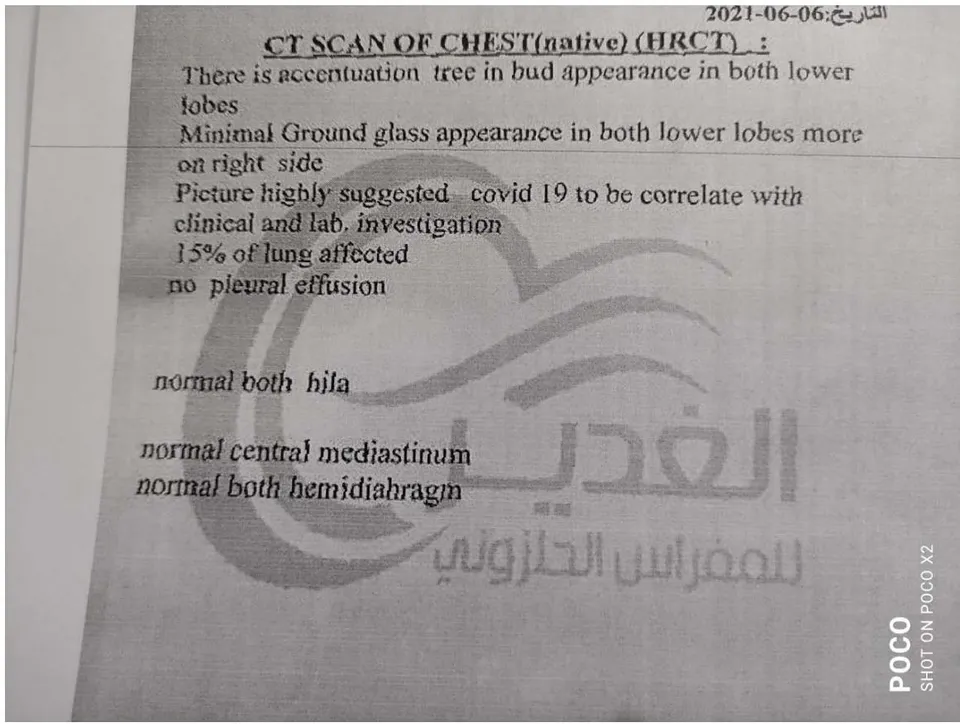
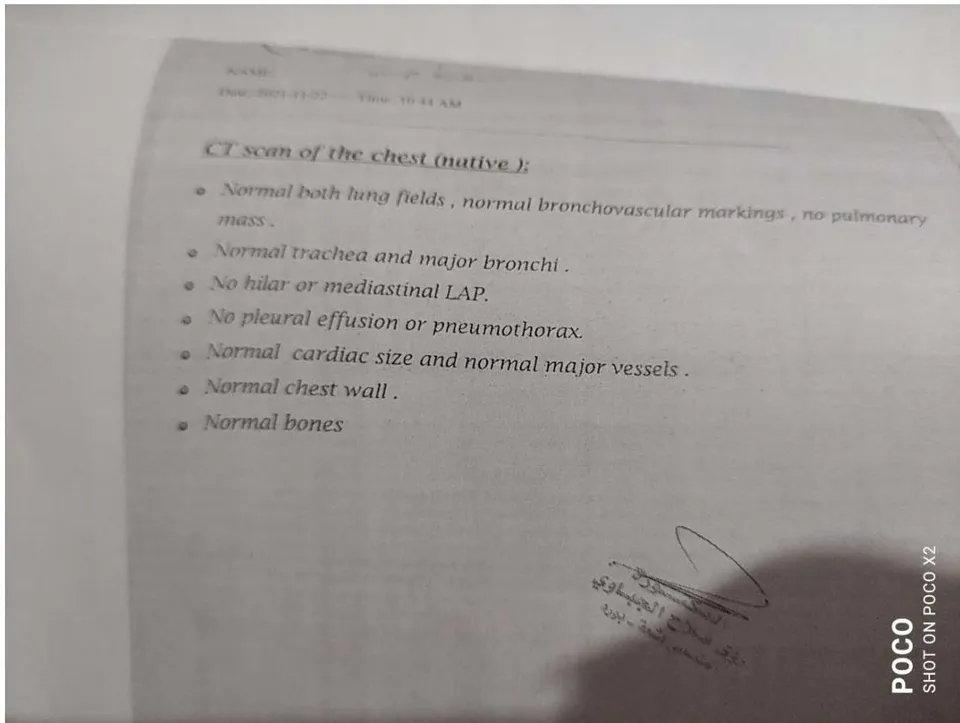
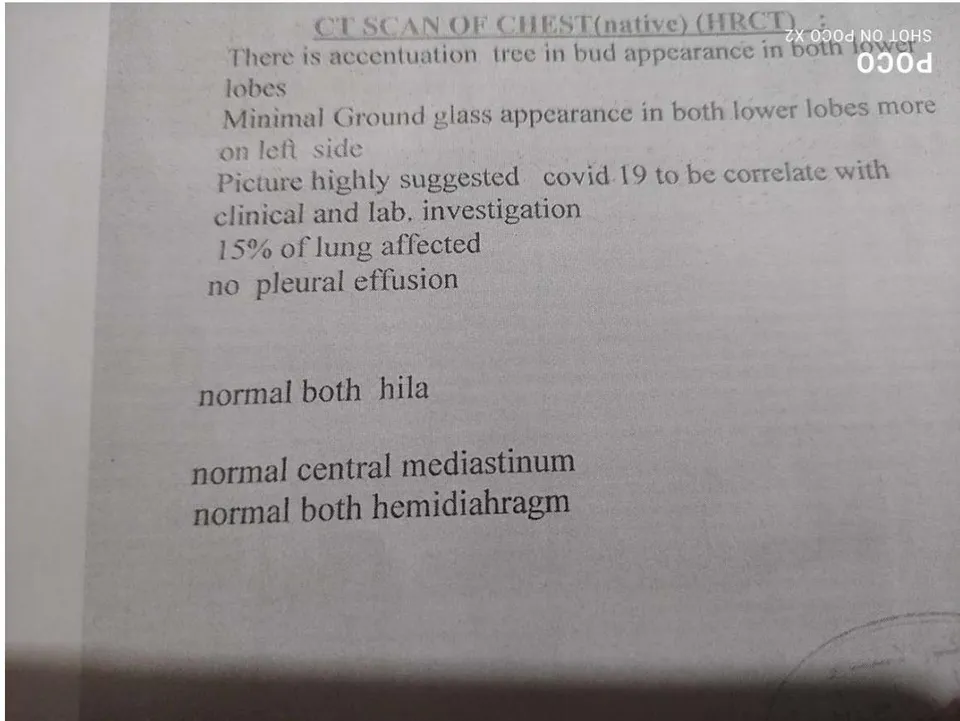
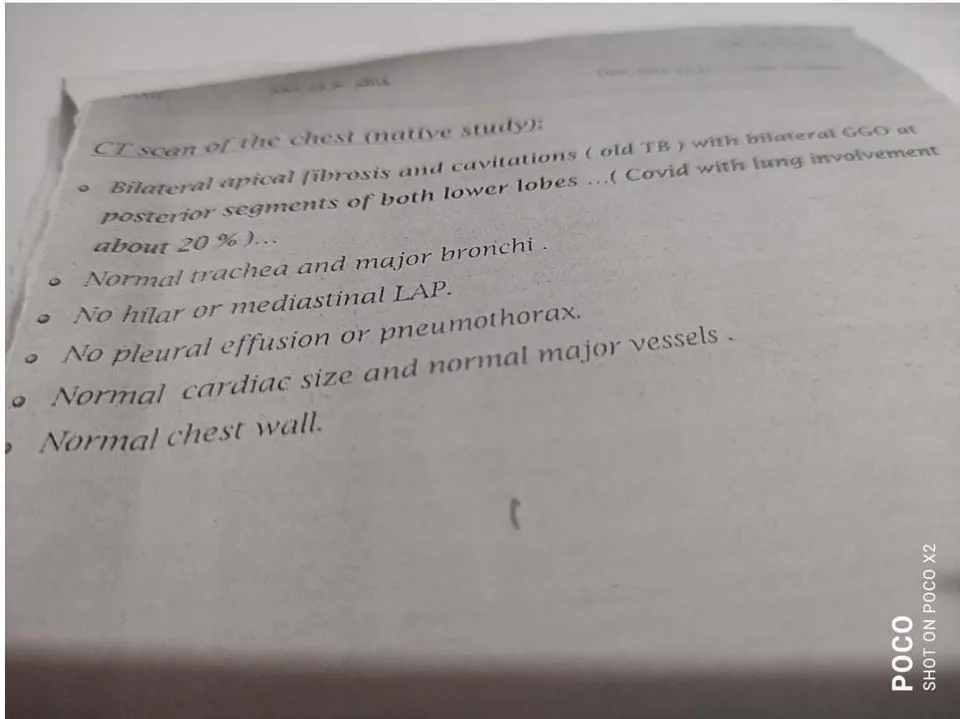
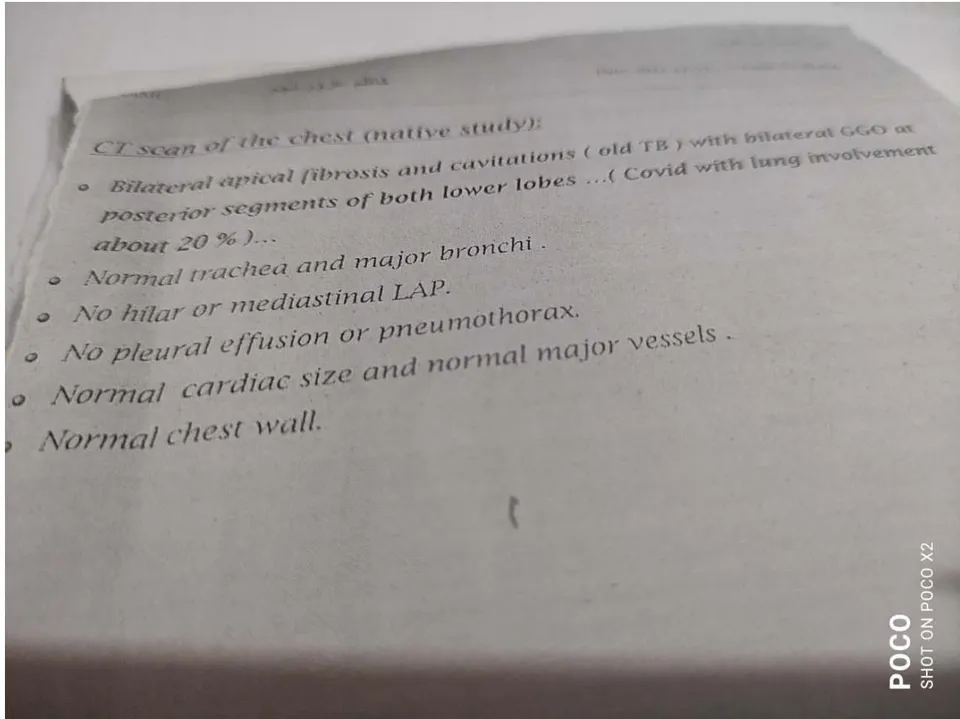
COVID-19 is a virus that can cause disease. Phylogenetic analysis Bats have been discovered to have a full genome sequence, according to research done with available entire genome sequences. The COVID-19 virus reservoir has been identified, however the intermediate host(s) has yet to be identified.now. This study was conducted in Marjan Teaching Hospital in Babylon for all patients infected with Covid 19 disease during January of 2022 and their ages were between 30-55, where the diagnosis was made by CT-scan.the reports that I will mention that the new mutation from Corona does not cause severe damage to the lung, and the infection rate is less than 45% in the lung. She also indicated that all patients were exposed to severe diarrhea without losing the sense of smell and taste. From this, we conclude that the new mutations in Covid-19 are Less severe and less severe, and the vaccine reduces a high rate of infection, as most of the vaccinated people had a very weak rate. And here are pictures of the reports of the new mutant from Covid-19 (OMICRON).

I. INTRODUCTION

The current pneumonia outbreak, which began in early December 2019 near Wuhan, is caused by a novel coronavirus (CoV) known as '2019-nCoV' or '2019 novel coronavirus' or 'COVID-19' by the World Health Organization (WHO).[1-4] City, Hubei Province, China. COVID-19 is a virus that can cause disease. Phylogenetic analysis Bats have been discovered to have a full genome sequence, according to research done with available entire genome sequences. The COVID-19 virus reservoir has been identified, however the intermediate host(s) has yet to be identified. now. Though three primary areas of work to a other marketplaces in the vicinity, as well as the gathering of thorough details on the origins and types of wildlife species marketed on the Huanan market, and the animals' final destination after the market [5-8] has been completed.

Coronaviruses are naturally divided into four categories that cause gastrointestinal and respiratory infections: Gammacoronavirus, Deltacoronavirus, Betacoronavirus, and Alphacoronavirus [9-11]. The first two types primarily affect birds, while the third and fourth types primarily affect mammals. Human CoVs have been classified into six categories. These include the Beta corona viruses HCoVHKU1, HCoV-OC43, Middle East Respiratory Syndrome coronavirus (MERS-CoV), Severe Acute Respiratory Syndrome coronavirus (SARS-CoV), HCoV229E, and HCoV-NL63, as well as the Alphacoronaviruses HCoV229E and HCoV-NL63. Coronaviruses were not widely recognized until the 2003 SARS pandemic [12-14], which was followed by the MERS outbreaks in 2012 [15-17] and, most recently, the COVID-19 outbreaks. SARS-CoV and MERS-CoV are highly dangerous viruses that move from bats to palm civets and dromedary camels, and then to humans.

COVID-19 is transferred via dust particles and fomites when people come into close contact with them between the infector and the person who has been infected COVID-19's airborne distribution has not been recorded, and it is not known to be a substantial transmission engine based on empirical evidence; nonetheless, it is possible that such aerosol-generating organisms could be a significant transmission engine. Medical facilities are used to carry out the procedures. The spread of feces has been observed in a tiny number of clinical cases, and the active virus has been reported in a small number of cases.

Furthermore, it does not appear that the faecal-oral route is a COVID-19 transmission engine; its function and relevance for COVID-19 must be determined. The greatest number of patients (77.8%) for roughly 18,738,58 laboratory-confirmed cases registered as of the second week of April 2020 was between 30 and 69 years of age.21.6 percent of the cases are farmers or employees by occupation, 51.1 percent are men, and 77.0 percent are Hubei.

However, there are already a lot of worries about the new coronavirus. Despite the fact that it appears to be transmitted to people by animals, it is critical to distinguish between particular animals and other sources, the channel of transmission, the incubation period, the characteristics of the susceptible community, and the survival rate. Despite this, there is currently very little clinical knowledge about COVID-19 disease, and details on age range, the virus's animal origin, incubation time, outbreak curve, viral spectroscopy, dissemination pathogenesis, autopsy observations, and any clinical responses to antivirals are lacking among the serious cases.

II. PATIENT AND METHOD

This study was conducted in Marjan Teaching Hospital in Babylon for all patients infected with Covid 19 disease during January of 2022 and their ages were between 30-55, where the diagnosis was made by CT-scan, where the most important symptoms of the patients were high body temperature, chest pain, Diarrhea, loss of appetite, loss of sense of smell and taste, tiredness, fatigue

a) CT (Computed Tomography) Scan (Philips Brilliance) CT 64 slice)

Doctors and other healthcare professionals have years of training in their field, but there are still many things they can't diagnose simply by looking at or listening to your body. Certain medical conditions require a deeper look, usually at the tissues, blood vessels, and bones inside your body. X-rays and ultrasounds can provide some information, but when a more detailed view is required, a computed tomography (CT) scan is usually the next step. In this article, we take a closer look at how a CT scan works, what it's typically used for, and what the procedure is like.

CT scans don't require much preparation. If needed, you can do a CT scan with or without contrast very quickly. In fact, this happens in most cases where a CT scan is needed to diagnose traumatic injuries or a stroke. If you're scheduled for a CT scan with contrast dye, it may help to refrain from eating solid foods for up to 4 hours before your test. This is especially true if your CT scan is being done to get images of your abdomen.

If your doctor is using oral contrast for your CT scan, you'll probably be given the contrast before the day of your scan and instructed on how to prepare and drink it. Generally, you will want to start drinking the solution within an hour or two of your scan, drinking a portion of the solution every 15 minutes. Your doctor or radiologist will give you specific instructions. If you're having intravenous (IV) contrast, a catheter will be inserted into your vein when you arrive at the testing facility. Otherwise, the only preparations you need to take before a CT scan are to remove metallic objects and medication devices from your body.

III. RESULT AND DISCUSSION

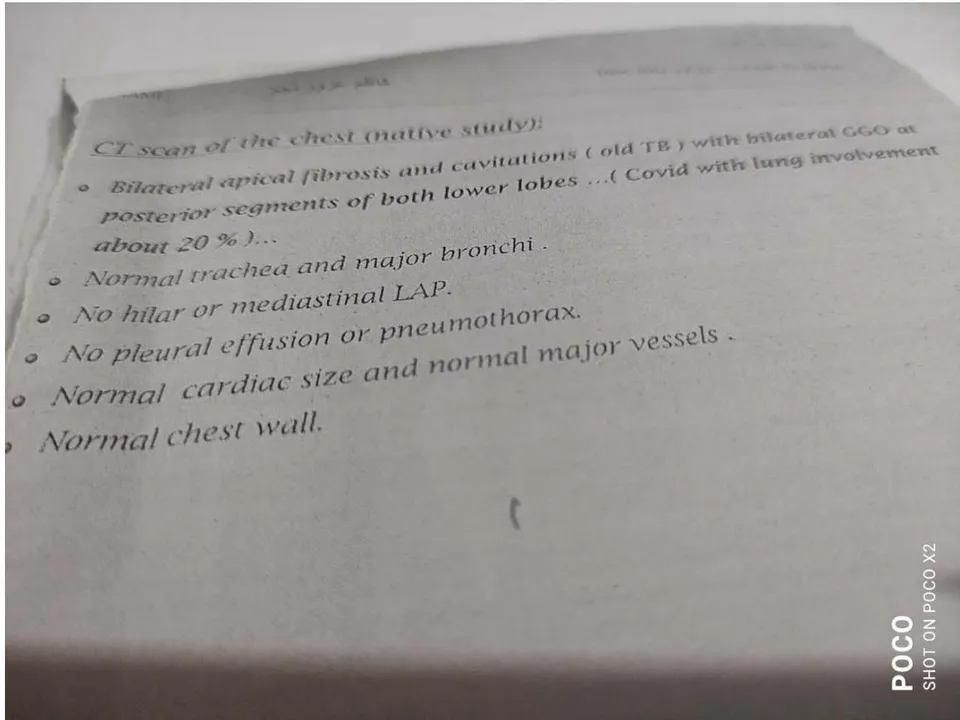
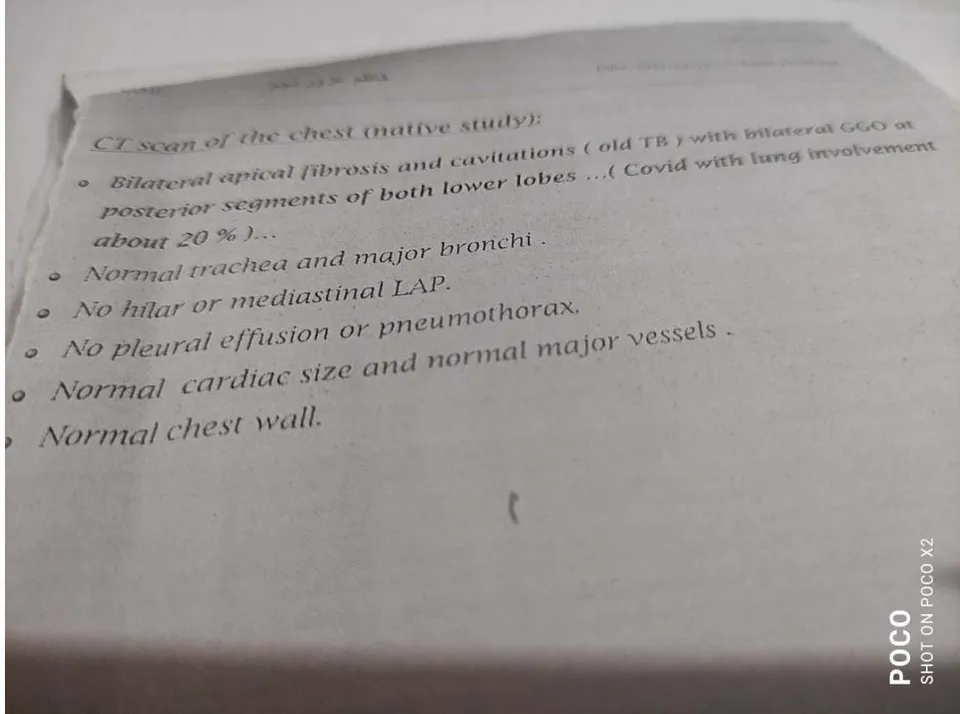
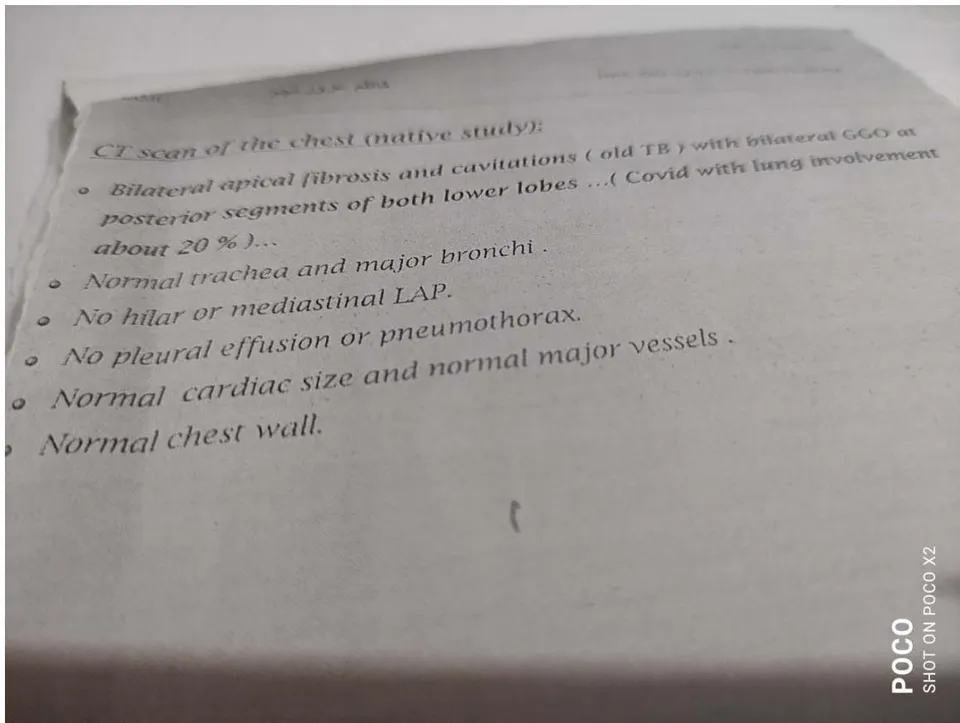
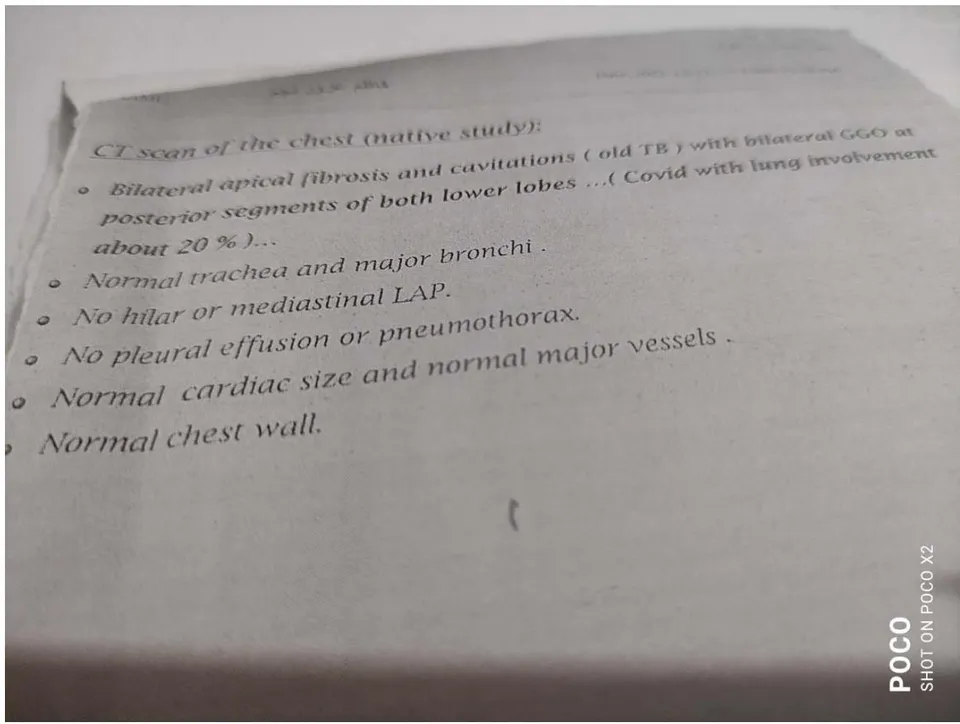
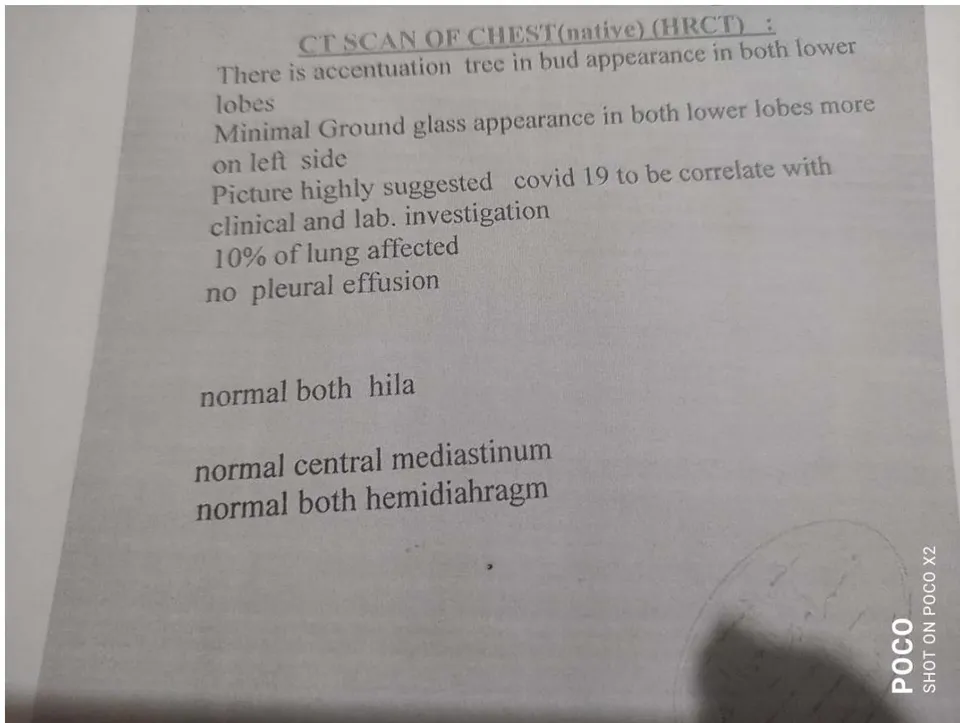
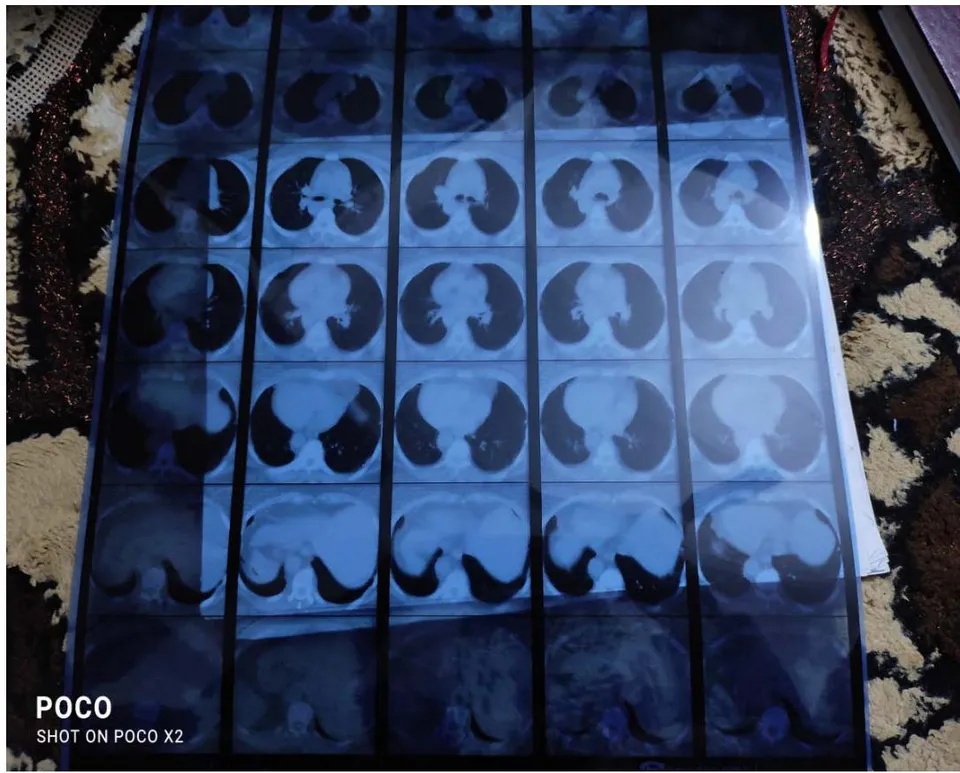
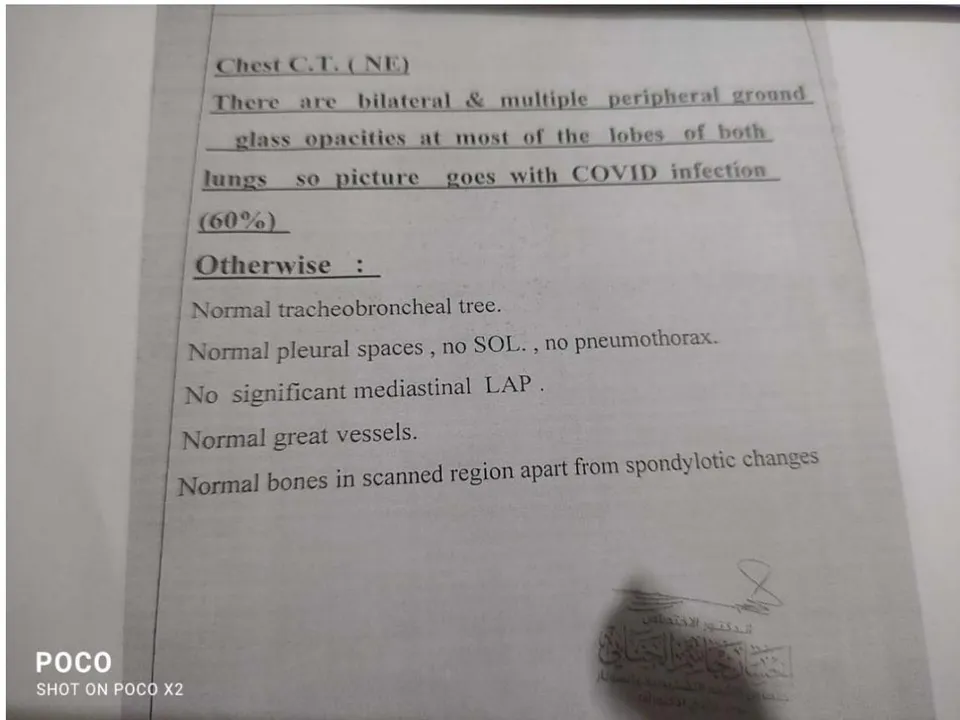
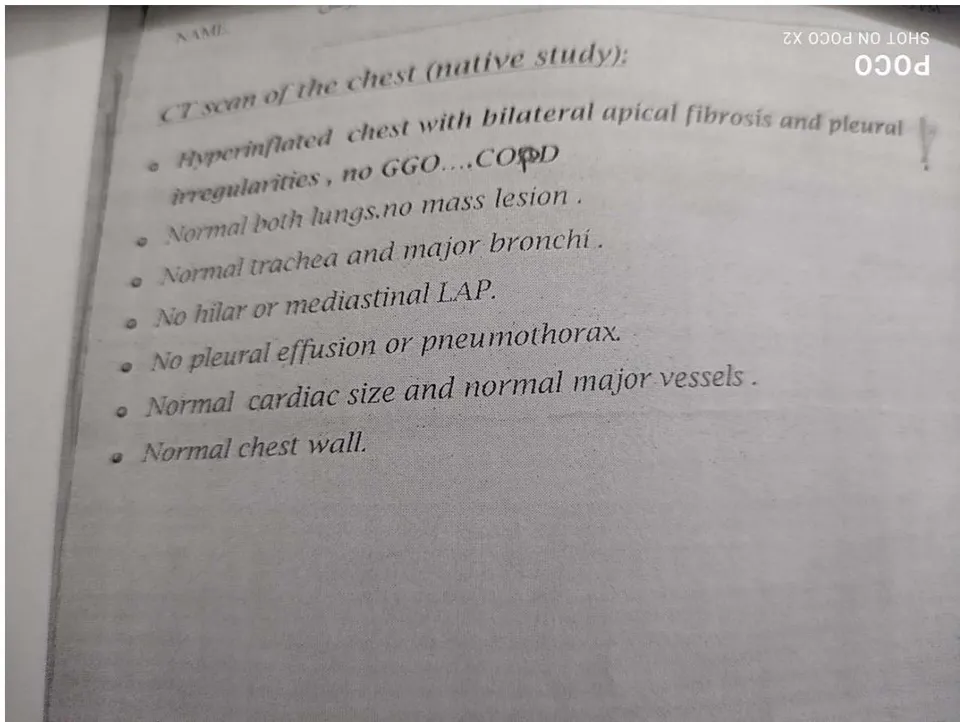
At the beginning of 2022, most countries were exposed to the new mutation of Covid-19, where the reports of those infected with Covid-19 were collected, and I will present them in the results. It included either lying down and receiving treatment in the hospital or outside it. Through the reports that I will mention that the new mutation from Corona does not cause severe damage to the lung, and the infection rate is less than 45 % in the lung. She also indicated that all patients were exposed to severe diarrhea without losing the sense of smell and taste. From this, we conclude that the new mutations in Covid-19 are Less severe and less severe, and the vaccine reduces a high rate of infection, as most of the vaccinated people had a very weak rate. And here are pictures of the reports of the new mutant from Covid 19 (OMICRON).
References

17 Cites in Article
  1. David Hui,Esam I Azhar,Tariq Madani,Francine Ntoumi,Richard Kock,Osman Dar,Giuseppe Ippolito,Timothy Mchugh,Ziad Memish,Christian Drosten,Alimuddin Zumla,Eskild Petersen (2020). The continuing 2019-nCoV epidemic threat of novel coronaviruses to global health — The latest 2019 novel coronavirus outbreak in Wuhan, China.
  2. Jonathan Read,Jessica Bridgen,Derek Cummings,Antonia Ho,Chris Jewell (2020). Novel coronavirus 2019-nCoV: early estimation of epidemiological parameters and epidemic predictions.
  3. V Corman,O Landt,M Kaiser,R Molenkamp,A Meijer,D Chu,T Bleicker,S Brünink,J Schneider,M Schmidt,D Mulders (2020). Detection of 2019 novel coronavirus (2019-nCoV) by real-time RT-PCR.
  4. Simon Fong,Gloria Li,Nilanjan Dey,Rubén Crespo,Enrique Herrera-Viedma (2020). Composite Monte Carlo decision making under high uncertainty of novel coronavirus epidemic using hybridized deep learning and fuzzy rule induction.
  5. A Woodward (2020). China Just Banned the Trade and Consumption of Wild Animals: Experts Think the Coronavirus Jumped from Live Animals to People at a Market.
  6. S Boseley (2020). Calls for global ban on wild animal markets amid coronavirus outbreak.
  7. M Standaert (2020). Freedland, Jonathan Saul, (born 25 Feb. 1967), Executive Editor, Opinion, since 2014, and Columnist, since 1997, The Guardian.
  8. N Daly (2020). Chinese citizens push to abolish wildlife trade as coronavirus persists.
  9. Patrick Woo,Susanna Lau,Carol Lam,Candy Lau,Alan Tsang,John Lau,Ru Bai,Jade Teng,Chris Tsang,Ming Wang,Bo-Jian Zheng,Kwok-Hung Chan,Kwok-Yung Yuen (2012). Discovery of Seven Novel Mammalian and Avian Coronaviruses in the Genus Deltacoronavirus Supports Bat Coronaviruses as the Gene Source of Alphacoronavirus and Betacoronavirus and Avian Coronaviruses as the Gene Source of Gammacoronavirus and Deltacoronavirus.
  10. S Fong,G Li,N Dey,R Crespo,E Herrera-Viedma (2020). Finding an accurate early forecasting model from small dataset: A case of 2019-ncov novel coronavirus outbreak.
  11. Xing-Yi Ge,Wei-Hong Yang,Ji-Hua Zhou,Bei Li,Wei Zhang,Zheng-Li Shi,Yun-Zhi Zhang (2017). Detection of alpha- and betacoronaviruses in rodents from Yunnan, China.
  12. Simon Fong,Nilanjan Dey,Jyotismita Chaki (2021). Artificial Intelligence for Coronavirus Outbreak.
  13. Y Huang (2004). Learning from SARS.
  14. L Hung (2003). The SARS epidemic in Hong Kong: what lessons have we learned?.
  15. V Rajinikanth,N Dey,A Raj,A Hassanien,K Santosh,N Raja Harmony-search and otsu based system for coronavirus disease (COVID-19) detection using lung CT scan images.
  16. K Kim,T Tandi,J Choi,J Moon,M Kim (2017). Middle East respiratory syndrome coronavirus (MERS-CoV) outbreak in South Korea, 2015: epidemiology, characteristics and public health implications.
  17. R Sikkema,E Farag,Mazharul Islam,Muzzamil Atta,C Reusken,Mohd Al-Hajri,M Koopmans (2019). Global status of Middle East respiratory syndrome coronavirus in dromedary camels: a systematic review.

Funding

No external funding was declared for this work.

Conflict of Interest

The authors declare no conflict of interest.

Ethical Approval

No ethics committee approval was required for this article type.

Data Availability

Not applicable for this article.

How to Cite This Article

Dr. Obead, Aminah Murad, Mohend Al-Shalah. 2026. "Assessment of Image of CT Scan for Patient with COVID-19". Global Journal of Medical Research - K: Interdisciplinary GJMR-K Volume 22 (GJMR Volume 22 Issue K3).

Download Citation

COVID-19 Image Scan.
Journal Specifications

Crossref Journal DOI 10.17406/gjmra

Print ISSN 0975-5888

e-ISSN 2249-4618

Keywords
Classification
GJMR-K Classification DDC Code: 614.57 LCC Code: RC114.5
Version of record

v1.2

Issue date
June 29, 2022

Language
English
Experiance in AR

Explore published articles in an immersive Augmented Reality environment. Our platform converts research papers into interactive 3D books, allowing readers to view and interact with content using AR and VR compatible devices.

Read in 3D

Your published article is automatically converted into a realistic 3D book. Flip through pages and read research papers in a more engaging and interactive format.

Article Matrices
Total Views: 753
Total Downloads: 69
All Trends

Request Access

Please fill out the form below to request access to this research paper. Your request will be reviewed by the editorial or author team.
X

This is the heading

Lorem ipsum dolor sit amet, consectetur adipiscing elit. Ut elit tellus, luctus nec ullamcorper mattis, pulvinar dapibus leo.

High-quality academic research articles on global topics and journals.

Assessment of Image of CT Scan for Patient with COVID-19

Dr. Obead
Dr. Obead University of Babylon
Aminah Murad
Aminah Murad
Mohend Al-Shalah
Mohend Al-Shalah