Introduction
PCOS is a common endocrine disorder in women of reproductive age characterized by hormonal imbalance, irregular menstrual cycles, and hyperandrogenism (Gautam R et al., 2025). The menstrual cycle consists of four phases: menstruation, follicular phase, ovulation, and luteal phase, with an average duration of 28–29 days (Solat F et al., 2023). PCOS is associated with multiple complications due to its complex endocrine and metabolic nature (Teede HJ et al., 2023).
Obesity is commonly seen and exacerbates hormonal imbalance and insulin resistance, thereby worsening both reproductive and metabolic outcomes (Ramezani Tehrani F et al., 2014). Insulin resistance is a central feature of PCOS, leading to hyperinsulinemia, which contributes to hyperandrogenism and increases the risk of developing type 2 diabetes mellitus (Wang F et al., 2012).
Women with PCOS also have an increased risk of abortion, mainly due to hormonal disturbances and impaired endometrial receptivity (Elsilmani A et al., 2016). Altered ovarian, follicular, and corpus luteum vascularity further affects normal ovulation and reproductive function (Dumesic DA et al., 2015). With advancing age, the severity of metabolic and cardiovascular complications increases, reducing fertility and increasing long-term health risks (Domecq JP et al., 2013).
Hypertension is more prevalent in these women due to underlying metabolic disturbances, contributing to cardiovascular morbidity (Spritzer PM et al., 2014). Dyslipidemia, particularly elevated low-density lipoprotein (LDL) cholesterol, promotes atherosclerosis and increases the risk of heart disease (Zueff LF et al., 2012). Additionally, nonalcoholic fatty liver disease and nonalcoholic hepatitis are commonly associated due to insulin resistance, potentially progressing to liver damage (Shoupe D et al., 2016).
Hyperlipidemia further elevates the risk of cardiovascular diseases. Infertility remains one of the most significant complications, primarily due to chronic anovulation and endocrine imbalance, significantly affecting reproductive health (Melo AS et al., 2015).
Hence, the objective of the present study was to assess the complications and drug prescribing patterns of PCOS.
Methodology
This prospective observational study was conducted over a period of six months among outpatients attending the government general hospital in Karimnagar with dedicated gynecology departments. A total of 160 patients were enrolled during the study period. Female patients aged above 15 years who were diagnosed with polycystic ovary syndrome and had associated complications were included in the study, while females below 15 years and above 60 years of age and patients with other significant co-morbid conditions were excluded. Data were collected through patient interviews, outpatient clinical case records, and treatment charts, which included details of prescribed medications such as drug name, dosage, frequency, and route of administration.
Patient case sheets were reviewed to obtain demographic details, clinical symptoms, menstrual and family history, laboratory parameters, and treatment patterns. Patients were counseled on their condition and related complications.
Results and Discussion
A hospital-based prospective observational investigation was conducted in the Gynecological Division over 6 months among 160 study participants at a government general and maternity hospital. Data collected include age, body weight, clinical features, ovarian cyst side, complications, and prescribing patterns.
Distribution of subjects according to age
In the present study, the majority of patients were in the 15–25-year age group (50%; 80), followed by the 26–35-year age group (36.88%; 59), indicating that PCOS and its complications are more prevalent among younger reproductive-age women, and the results are presented in Figure [fig:distribution-age].
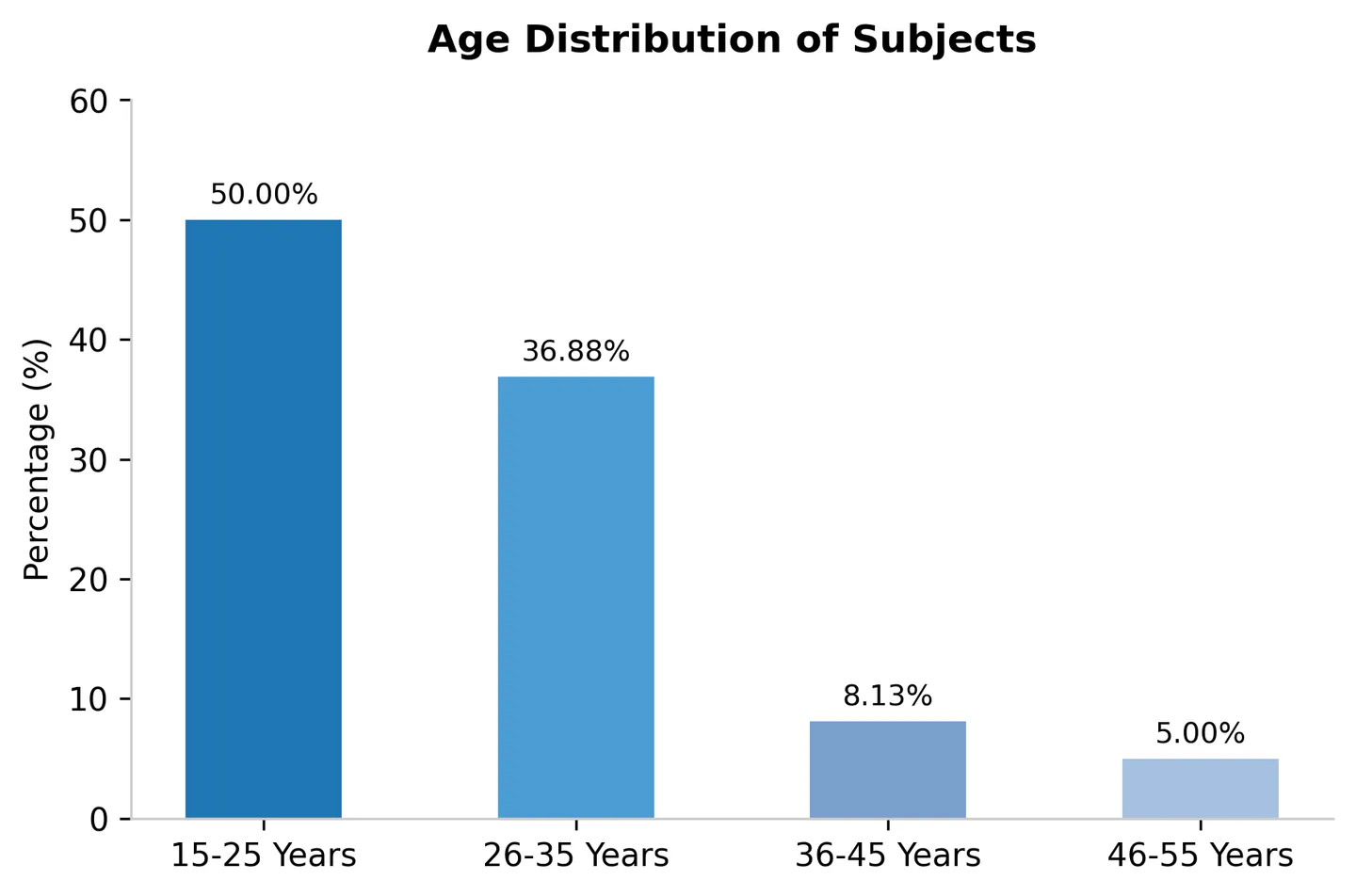
Distribution of subjects based on age
These findings are consistent with the study by Elham Sharif et al., 2022, who reported a higher frequency of PCOS among females aged 18–30 years, emphasizing the early onset of hormonal imbalance in young women.
Distribution of subjects based on body weight
In this study, 72% (116) of patients weighed 30–60 kg, while 27% (43) weighed 61–90 kg. The results depicted in Figure [fig:body-weight] show that patients weighing between 30 and 60 kg were more prone to PCOS complications.
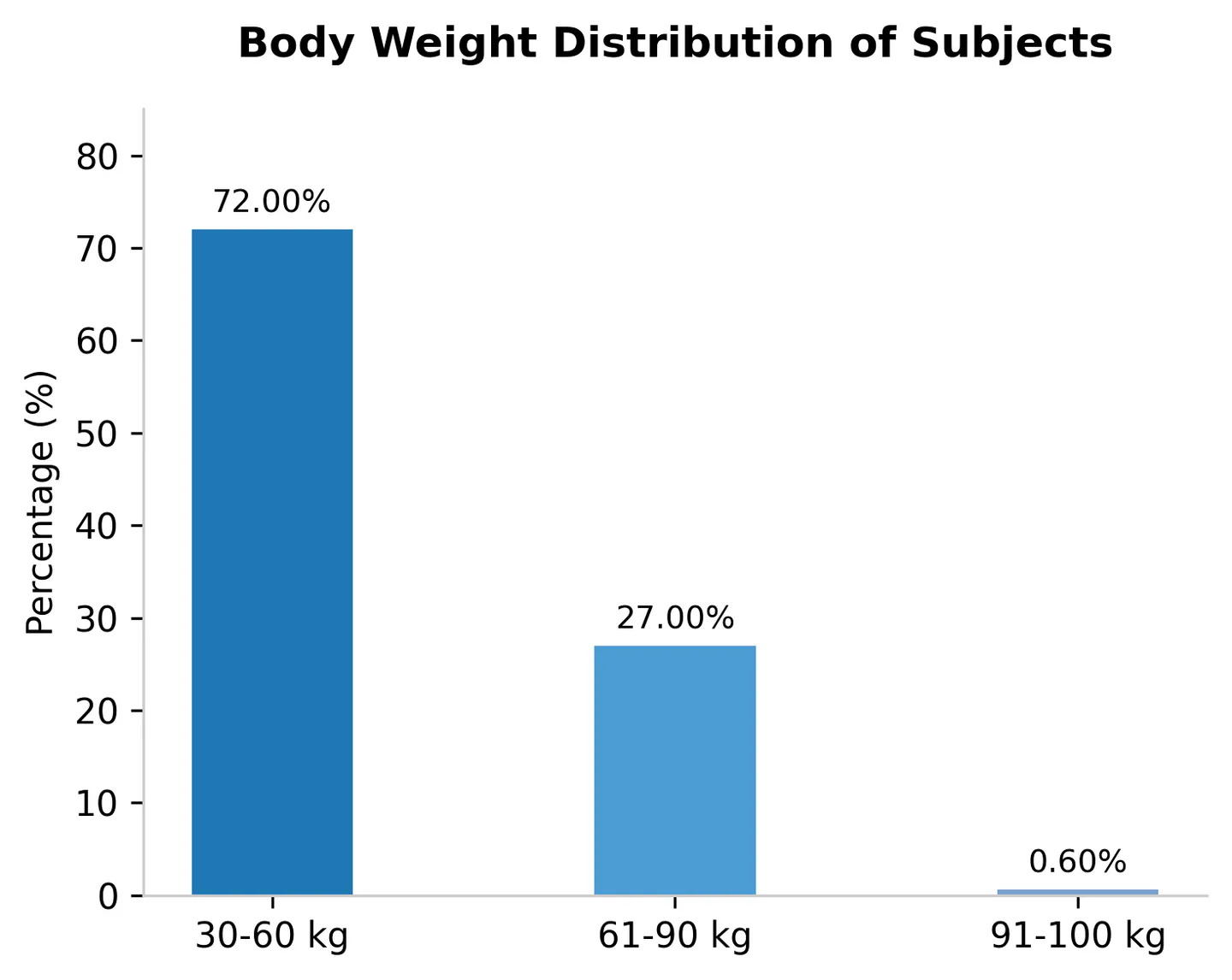
Distribution of subjects based on body weight
Similar observations were reported by Donna Shoupe et al., 2016, who identified insulin resistance even in non-obese PCOS patients, highlighting that obesity is not the sole contributor to PCOS pathophysiology.
Distribution of subjects according to clinical features
The most common clinical features observed were oligomenorrhea 42.5% (68), followed by abdominal pain 30.62% (49), dysmenorrhea 29.37% (47), and menorrhagia 26.87% (43). The results are shown in Figure [fig:clinical-features].
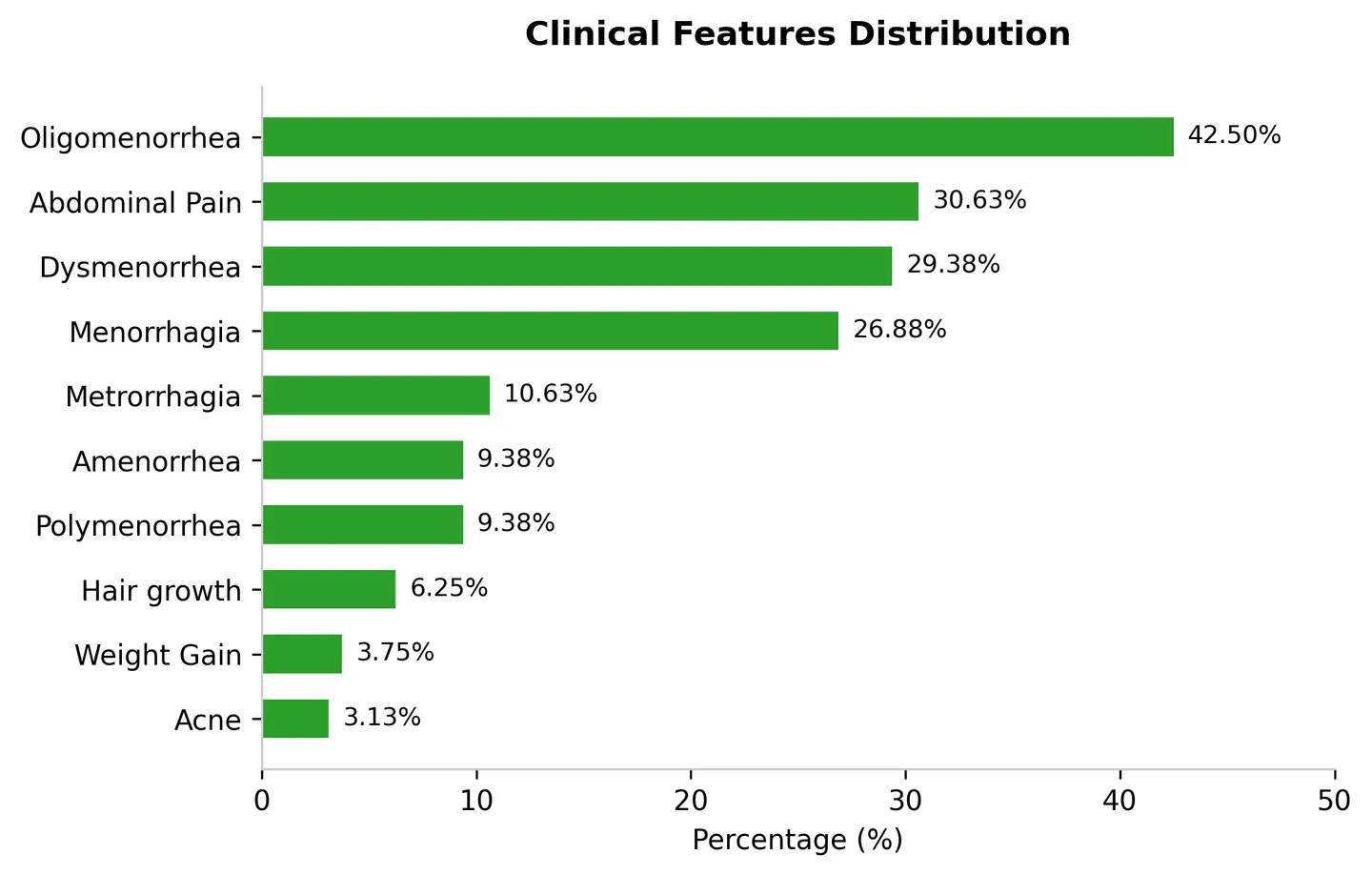
Distribution of subjects based on clinical features
These findings align with the study by Sylwia Bednarska et al., 2017, who reported menstrual irregularities as a hallmark feature of PCOS, along with ovulatory dysfunction and hyperandrogenism. Menstrual disturbances observed in the present study may be due to altered gonadotropin secretion and hormonal imbalance.
Distribution of subjects according to the side of ovarian cysts
In the present study, 80% (128) of patients had cysts in both ovaries, 16% (25) had cysts in the right ovary, and 4% (7) had cysts in the left ovary; the findings are shown in Figure [fig:ovarian-cysts].
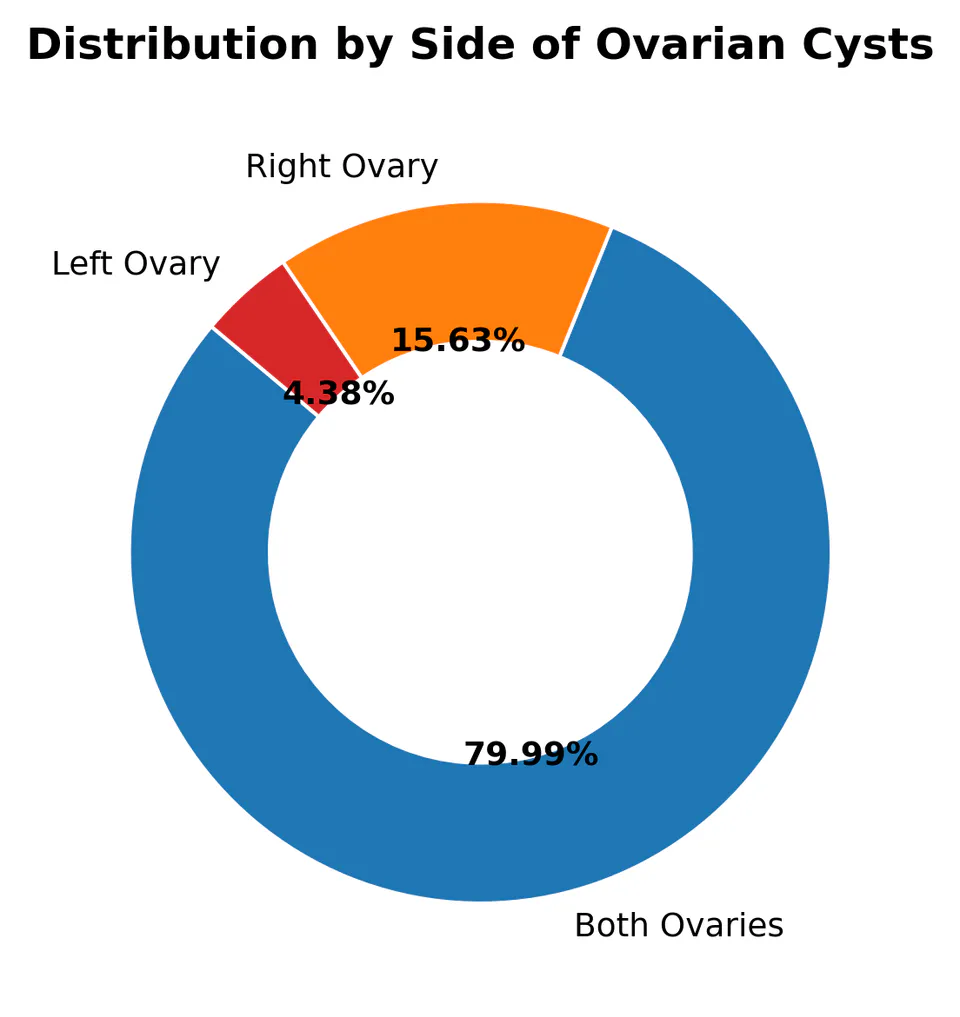
Distribution of subjects based on the side of ovarian cysts
These results were consistent with the diagnostic criteria outlined by Lobo et al., 2000, which identified polycystic ovaries as a key diagnostic parameter for PCOS. Bilateral ovarian involvement further supports the endocrine etiology rather than localized pathology. He stated that PCOS occurs in 6-9 % of women of reproductive age.
Distribution of subjects according to their complications
The most frequently observed complications were hypothyroidism 26.87% (43) and infertility 25% (40), followed by hirsutism 6.87% (11), anxiety 6.25% (10), and diabetes mellitus 3.12% (5), and these results are presented in Figure [fig:complications].
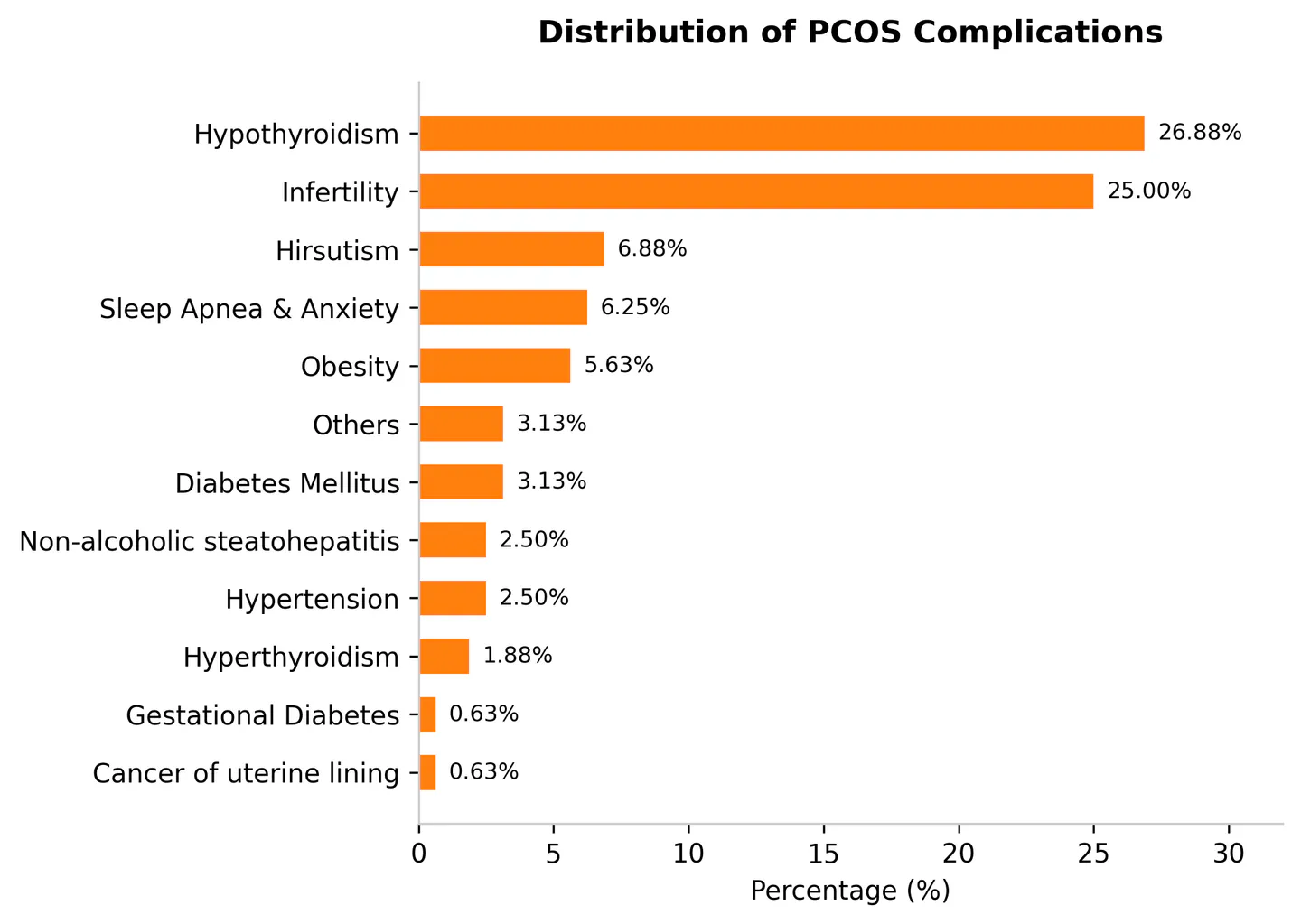
Distribution of subjects based on complications
Similar findings were reported by Al-Zaroug Elslimani et al., 2016, who demonstrated a significant association between hypothyroidism and PCOS, and also stated that 12% of women with hypothyroidism have PCOS evidenced by elevated TSH levels and altered LH/FSH ratios. Additionally, Maeliss Peigne et al., 2014 highlighted infertility and metabolic disorders as long-term complications of PCOS, supporting the outcomes of the present study.
Prescription pattern of drugs in PCOS patients
The prescribing pattern revealed extensive use of multivitamins 100% (160), steroid hormones 45.62% (73), and progestin therapy 35% (56). The findings are displayed in Figure [fig:prescription-pattern].
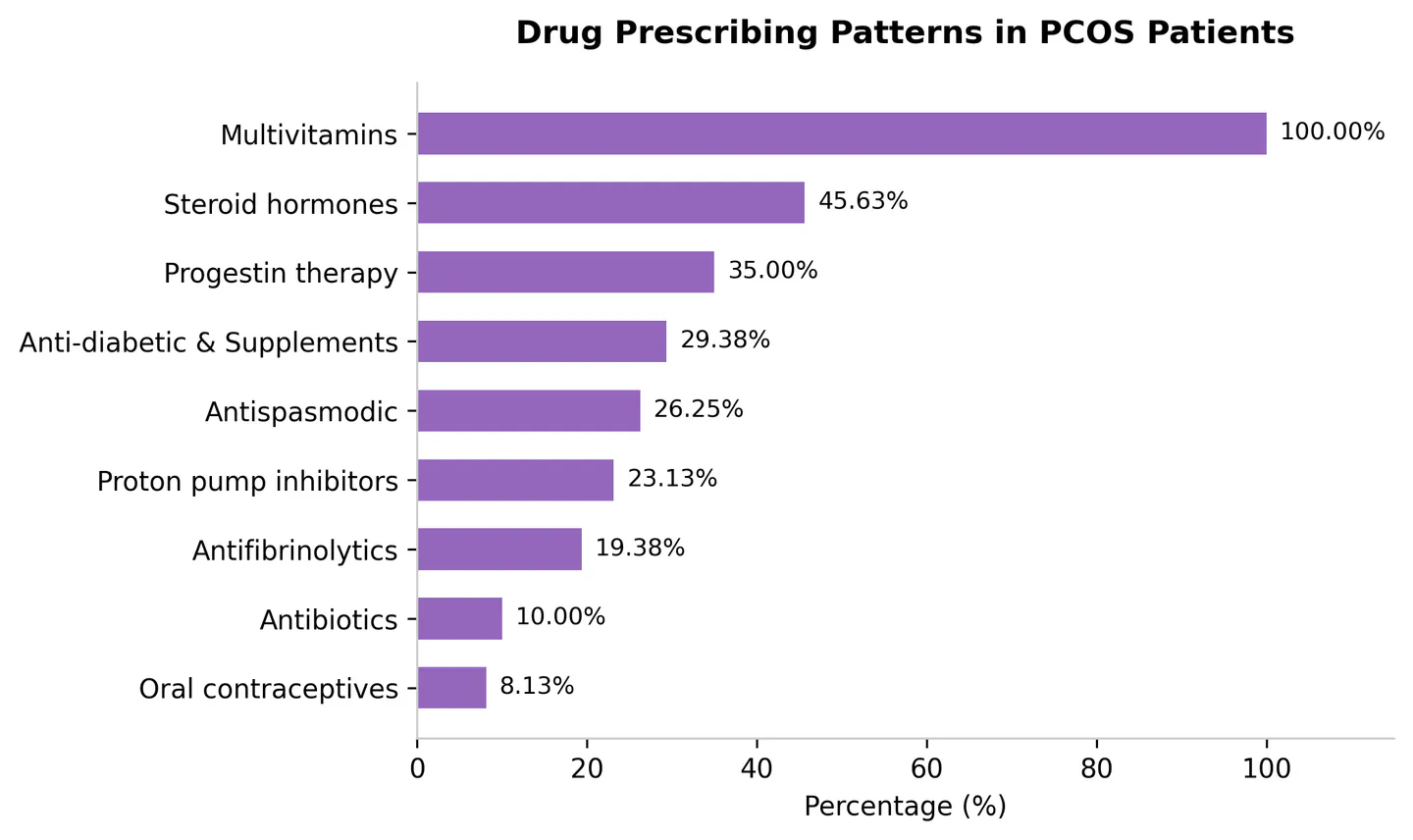
Prescription pattern of drugs
This treatment approach aligns with recommendations from Sylwia Bednarska et al., 2017, who emphasized hormonal regulation as a primary strategy in PCOS management. Progestins and steroid hormones help regulate menstrual cycles and prevent endometrial hyperplasia.
Conclusion
Polycystic ovary syndrome affects around 7% of women and can lead to complications such as infertility, hypothyroidism, diabetes, obesity, hypertension, and psychological issues. This study collected patient data on demographics, clinical history, lab tests, USG findings, and treatment patterns. Infertility and hypothyroidism were the most common. Metabolic and hormonal imbalances, along with poor lifestyle, contribute to complications. Early screening, diagnosis, and management improve outcomes and quality of life.
I want to express my sincere gratitude to all those who have supported and guided me throughout the completion of this research work. I extend my heartfelt thanks to the Sree Chaitanya Institute of Pharmaceutical Sciences and the Government General Hospital, Karimnagar, for their cooperation and support throughout this work.