As part of the research, the authors aimed to present the results of monitoring the implementation of dual education in the Republic of Moldova, based on a survey conducted among students enrolled in dual education, as well as economic units (companies) involved in delivering this form of education. The research also included an analysis of the provisions of the national regulatory framework governing dual education, as well as international experiences in implementing dual education systems. Given that, in recent times, the authorities in the Republic of Moldova have focused on increasing the number of students enrolled in dual education, it is important to assess the satisfaction of the direct beneficiaries of this system (students and economic units) in order to provide insights into the quality of its implementation and to anticipate potential implementation risks. We believe that the findings presented in this paper will be of interest both to those currently involved in dual education and to students who may choose this form of Vocational Education and Training (VET) in the future.
## I. INTRODUCTION
Over the past decade, dual education as a part of Vocational Education and Training system (VET) has become increasingly popular and more frequently promoted by the authorities responsible for the professional training of young specialists. This has also contributed to the growth in the number of students choosing to pursue training through dual education. In
2024, there was an increase of over $60\%$ in the number of students enrolled in dual education compared to 2023. In this context, it is important to ensure quality in the implementation of dual education. According to national-level research in the field [1-5], it is important to mention that the Republic of Moldova has made significant progress in the process of implementing dual education.
Internationally [6-19], dual education is considered one of the most successful forms of workforce training, as it meets labour market expectations and significantly contributes to the growth of the market economy.
It should be noted that dual education, as a form of organizing VET education, is characterized by the fact that "theoretical training is conducted at the vocational education and training institution, while practical training takes place at the economic unit" [20, Art. 3, par. (1)].
The involvement of the economic unit in dual education occurs under the condition that it meets conformity criteria [21] and has signed a cooperation agreement [22] with the VET institution. Following the approval of the cooperation agreement, "the parties establish full cooperation relations and provide each other with all necessary assistance to ensure the prompt and effective implementation of vocational training programs through dual education" [22, p. 5].
To a large extent, the success of dual education relies on the modern equipment and infrastructure available at the economic units, but equally important is the role of the Master instructor within the economic unit. Thus, the Master instructor is responsible for integrating students into the economic unit and for developing their practical skills. At the same time, students in dual education are also monitored by a Master instructor from the VET institution.
Considering that, in order to implement dual education, the economic unit provides students with available equipment and ensures student guidance through an instructor from the company, we believe it is necessary to evaluate the cost-effectiveness of implementing dual education as well as the level of satisfaction of those involved.
From the student's perspective, it is evident that they are involved in practical production activities from the age of 16–18 and are given the opportunity to train using high-performance infrastructure and equipment. In this sense, it is important to assess students' perception of dual vocational training, their satisfaction levels, and areas for improvement in the dual vocational education process.
To ensure the quality of dual education implementation, economic units must undergo a conformity assessment procedure [20, 21] before entering a dual training partnership. Through this procedure, the stakeholders involved in dual education are assured that the economic unit has the physical capacity to organize vocational training within the unit, and that it has the necessary and qualified human resources, ensuring all the necessary conditions are in place for the proper implementation of dual education in accordance with nationally approved quality standards.
In this research, we aim to address the results of surveys conducted with students and economic units involved in dual education, highlight the strengths of dual vocational training, and present their level of satisfaction with the implementation process of dual education.
## II. MATERIALS USED AND APPLIED METHODS
This research is based on the provisions of the regulatory framework in the field of VET system and is developed using the results obtained from two surveys aimed at determining the level of satisfaction among students and economic units involved in dual education.
To assess the overall satisfaction level of students in dual education, the following topics were addressed: the degree of satisfaction with their experience in dual education; the level of communication and collaboration with company Master instructors; the degree of support provided by the company for carrying out practical activities; the appreciation of the work performed within the economic unit; the level of integration into the economic unit; satisfaction with working conditions; the amount of monthly remuneration received by the student within the economic unit; and the strengths that motivate students to pursue training through dual education.
The questionnaire included 10 multiple-choice questions, was conducted online in March 2025 via Google Forms, and was completed by 1,583 respondents. It is worth mentioning that, as of October 1, approximately 2,417 students were enrolled in dual education programs [5].
To evaluate the satisfaction level regarding the impact of dual education on economic units, the following topics were addressed: the preparation level of students participating in the dual education program; the impact of dual education on the skills development of the economic unit's employees; the integration of dual education students into the company's work teams; the impact of dual education on the productivity of the economic unit; and the economic efficiency of dual education within the company.
The survey included 12 multiple-choice questions, was conducted online in March 2025 via Google Forms, and was completed by 125 economic units out of approximately 170 that are implementing dual education during the 2024-2025 academic year [5].
Additionally, the results of the questionnaires were discussed in May 2025 within 10 student groups. These discussions with students aimed to validate the findings from the two surveys.
## III. RESULTS
Below, we present the survey results for the two samples: students enrolled in dual education programs (1,538 respondents) and economic units implementing dual education (125 respondents).
### a) Students' Perceptions in Dual Education Identified by the Survey
As a result of analysing the questionnaire responses, we found that approximately $92.6\%$ of respondents indicated they were satisfied or very satisfied with the experience gained within economic units during their dual education studies. However, it is noted that around $7.4\%$ of students indicated a less positive experience (Figure 1).
The level of student's satisfaction
 Figure 1: How Satisfied are you with Your Experience in Dual Education?
Source: Prepared by the author based on responses from students, 1,583 respondents.
Concerning the evaluation of the level of communication and collaboration between students and company Master instructors, $44.2\%$ of respondents reported a good level of cooperation and communication, $37.5\%$ rated it as excellent, and $13.3\%$ indicated an acceptable level of collaboration and communication. On the other hand, $3.7\%$ of respondents mentioned a poor level of communication and collaboration with the company Master instructors, and $1.3\%$ classified this process as very poor. If we generalize the data obtained, approximately $95\%$ of respondents rated cooperation and communication with the company Master instructors positively, while $5\%$ evaluated this process negatively (Figure 2).
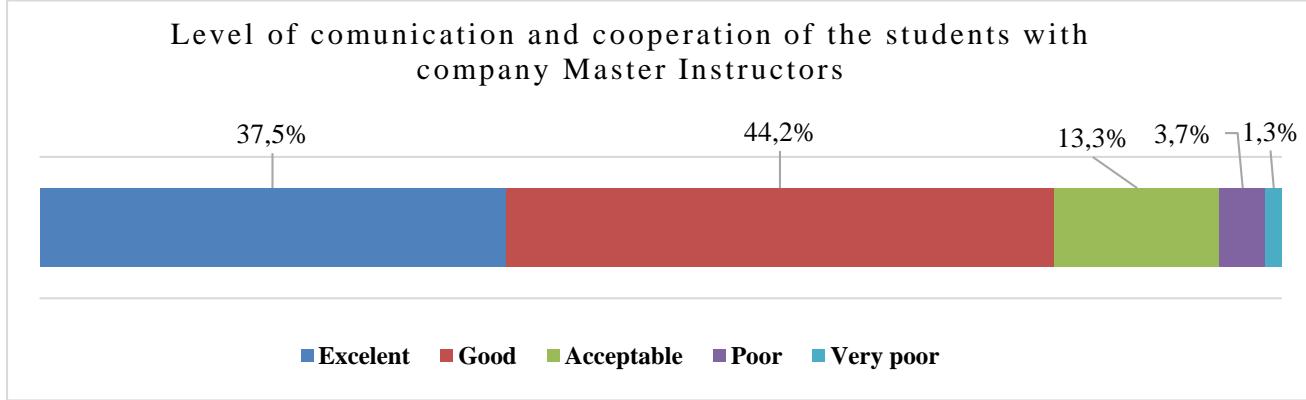 Figure 2: How do you Evaluate the Level of Communication and Collaboration with the Company Master Instructors?
Source: Prepared by the author based on responses from students, 1,583 respondents.
Regarding the evaluation of the level of methodological support provided to students by representatives of the economic units to enable them to carry out practical activities, the following results were noted. About $42\%$ of respondents stated that they always receive this support, while $34.5\%$ mentioned they frequently receive support. At the same time, $17.4\%$
reported that the guidance activities are sporadic. Additionally, $3.8\%$ of respondents indicated that they are rarely guided in carrying out practical activities, and $2.3\%$ mentioned that they are not guided at all during the practical activities within the economic unit (Figure 3).
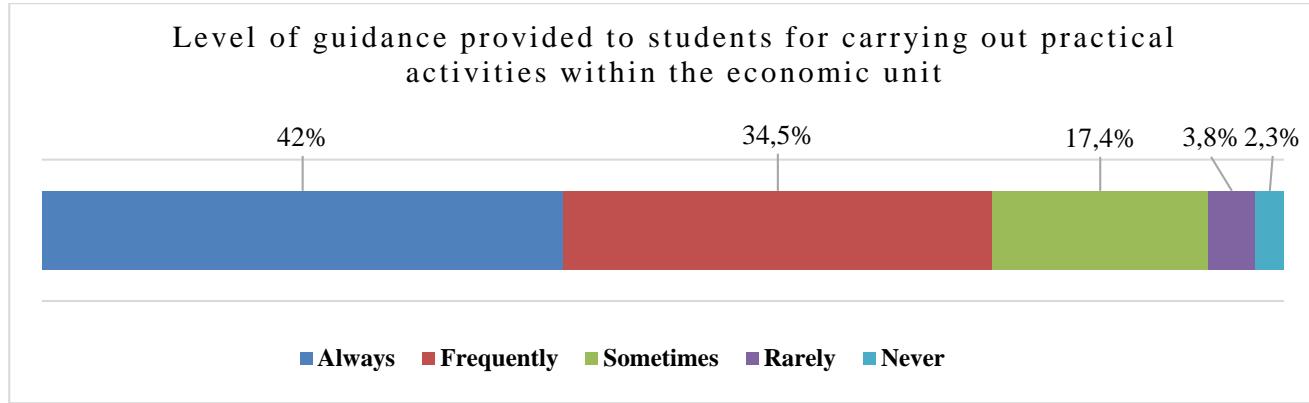 Figure 3: Do you Consider that you Receive Sufficient Support (Guidance) from the Company to Carry out the Practical Activities?
Source: Prepared by the author based on responses from students, 1,583 respondents.
Related to the students' opinions on how their work is valued within the economic unit, we found that $55.4\%$ of respondents believe their work is appreciated, while $27.2\%$ believe their work is highly appreciated. At the same time, $14.7\%$ of respondents feel their work is only slightly appreciated, and $2.7\%$ believe their work is not appreciated at all (Figure 4).
Level of appreciation of the student's work within the economic unit
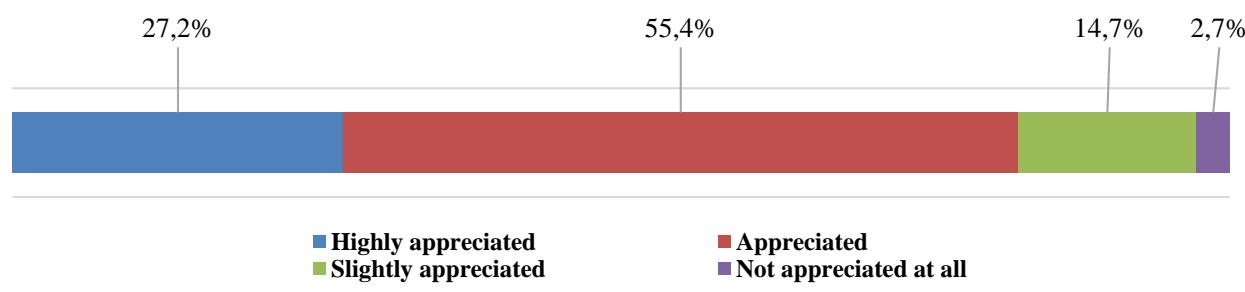 Figure 4: Do you Believe your Work is Appreciated in the Company?
Source: Prepared by the author based on responses from students, 1,583 respondents.
The integration of students into practical activities within the economic unit is an essential factor in the professional training process. In this regard, around $2.6\%$ of respondents stated that their level of integration within the company was low. The remaining respondents indicated varying degrees of successful integration: $22.9\%$ reported a very high level of integration, $36.2\%$ rated it as high, and $38.5\%$ considered their integration level within the economic unit to be moderate (Figure 5).
Level of students integration within the economic unit
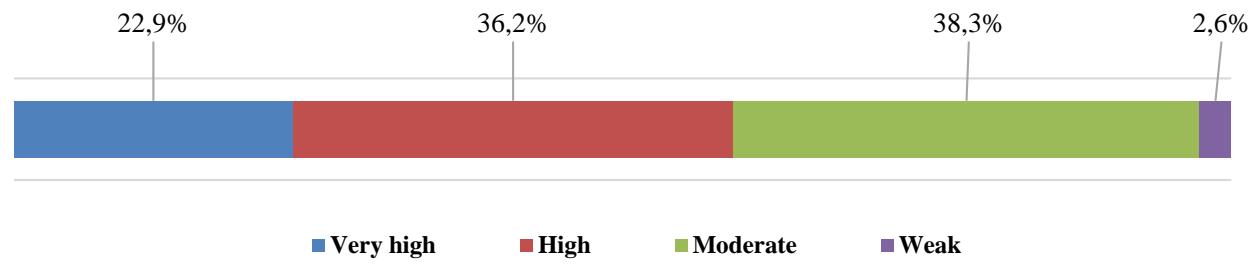 Figure 5: How do you Assess your Level of Integration within the Company?
Source: Prepared by the author based on responses from students, 1,583 respondents.
Given that working conditions are one of the strong points of dual education, the survey results regarding students' satisfaction with working conditions show that $64.8\%$ of respondents rated them as satisfactory, while $26\%$ considered the working conditions in the economic unit to be very satisfactory. Meanwhile, $6.6\%$ of respondents reported being dissatisfied with the working conditions in the company, and $2.6\%$ stated they were very dissatisfied (Figure 6).
Level of satisfaction with working conditions
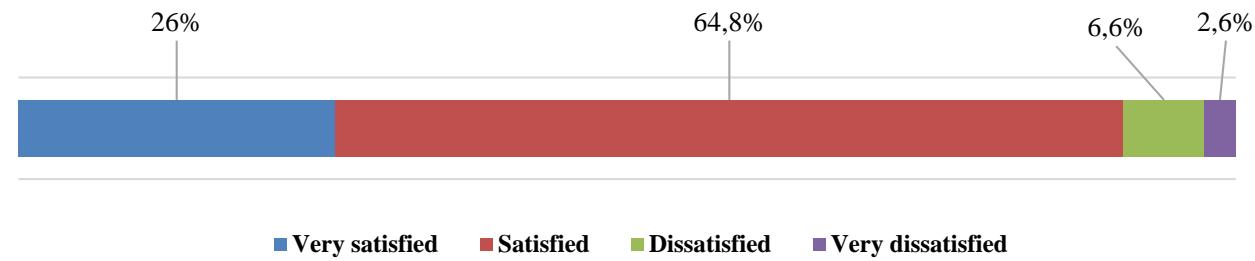 Figure 6: What is your Level of Satisfaction with the Working Conditions?
Source: Prepared by the author based on responses from students, 1,583 respondents.
Another advantage of dual education is that students receive "remuneration, the amount of which is negotiated by the parties and stipulated in the professional training contract under the dual education system, but it must not be lower than the guaranteed minimum wage in the real sector" [20, Art. 12, p. (3), letter d)]. According to [23], the guaranteed minimum wage in the real sector for the year 2025 was set at 5500 lei. Given that students are remunerated by the company in proportion to the time spent at the economic unit, their responses regarding the average monthly remuneration vary. However, approximately $63.2\%$ of respondents stated that they receive an average monthly wage higher than 2500 lei (Figure 7).
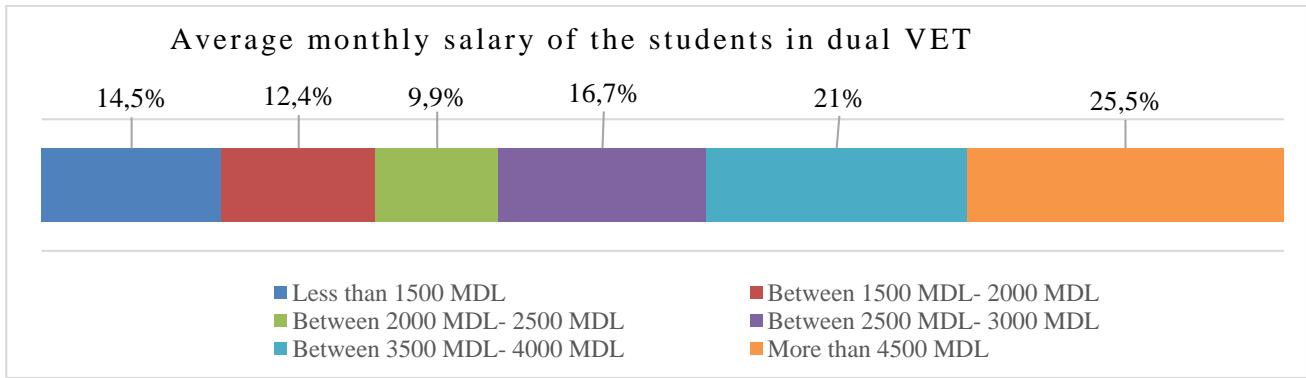 Figure 7: What is the Average Monthly Remuneration you have Received from the Company?
Source: Prepared by the author based on responses from students, 1,583 respondents.
One of the performance indicators established by the Ministry of Education and Research for VET institutions [24] is the employment rate of students after graduation. It is worth mentioning that, according to [5], "around $60 - 70\%$ of dual education graduates are employed within six months after completing their studies." In this regard, the students' responses to the question of whether they intend to seek employment with the company where they completed their dual education program are as follows: $45.1\%$ of respondents answered probably, $26.3\%$ stated definitely, $16.1\%$ indicated probably not, and $12.5\%$ categorically stated they would not seek employment at the company. Thus, in total, $71.4\%$ of respondents are inclined to seek employment with the companies where they completed their dual education, while $28.6\%$ do not intend to do so. These results confirm the dual education employment rate of approximately $60 - 70\%$ (Figure 8).
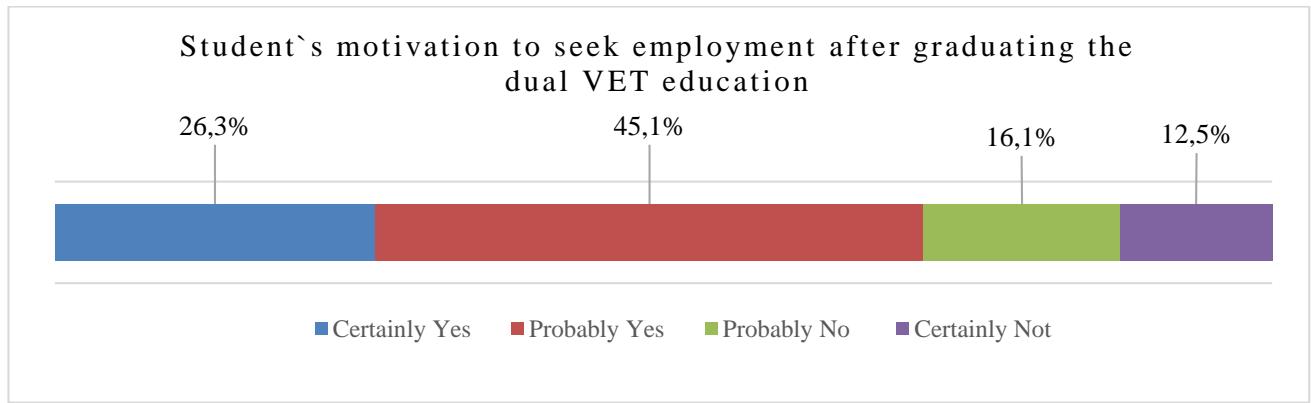 Figure 8: After Completing your Study Program, will you Choose to Work for the Company where you are doing your Dual Education?
Source: Prepared by the author based on responses from students, 1,583 respondents.
To determine the motivating factors for students in dual education, a predefined list was presented to the students, and they were asked to select the top three priorities (Figure 9).
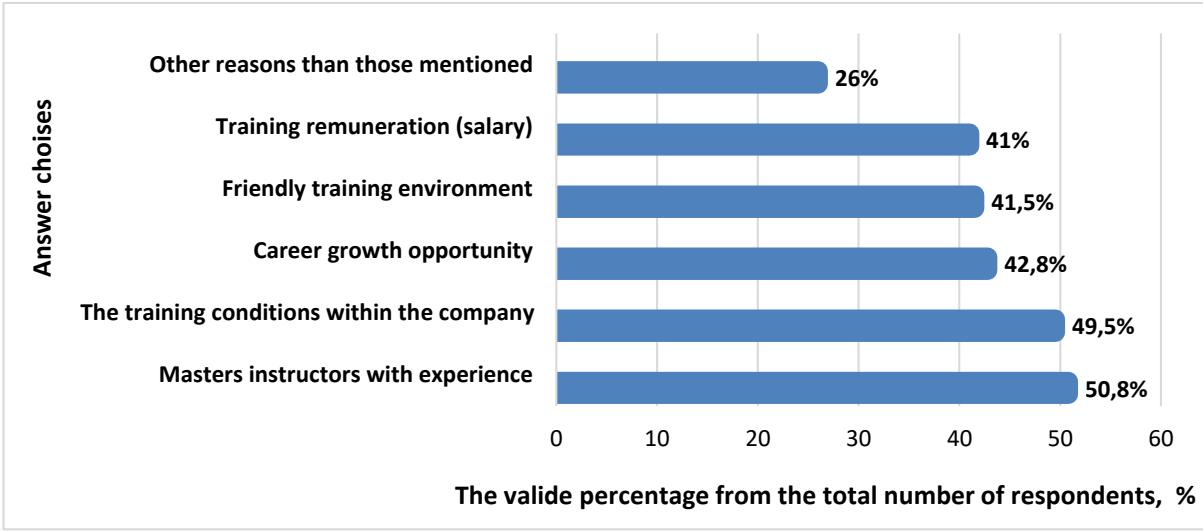 Figure 9: What Motivates you to Pursue your Studies through Dual Education?
Source: Prepared by the author based on responses from students, 1,583 respondents.
In this regard, it was found that the two most decisive factors motivating students to pursue dual education are (1) experienced Master-instructors and (2) the training conditions within the economic unit. At the same time, it is worth noting that professional training remuneration is not mentioned as one of the determining factors, which suggests that the remuneration amount established for students in dual education is generally sufficient and largely meets their expectations.
### b) Assessments of the Economic Units Implementing Dual Education Identified in the Survey
Given that dual education takes place mostly within economic units, it is important to evaluate the level of satisfaction of the economic units implementing dual education. In this regard, the economic units indicated that cooperation with VET institutions is successful.
Thus, among the total respondents, $50.4\%$ gave the highest rating of 5, $33.6\%$ rated it as level 4, and $8.8\%$ rated it as level 3 (Figure 10).
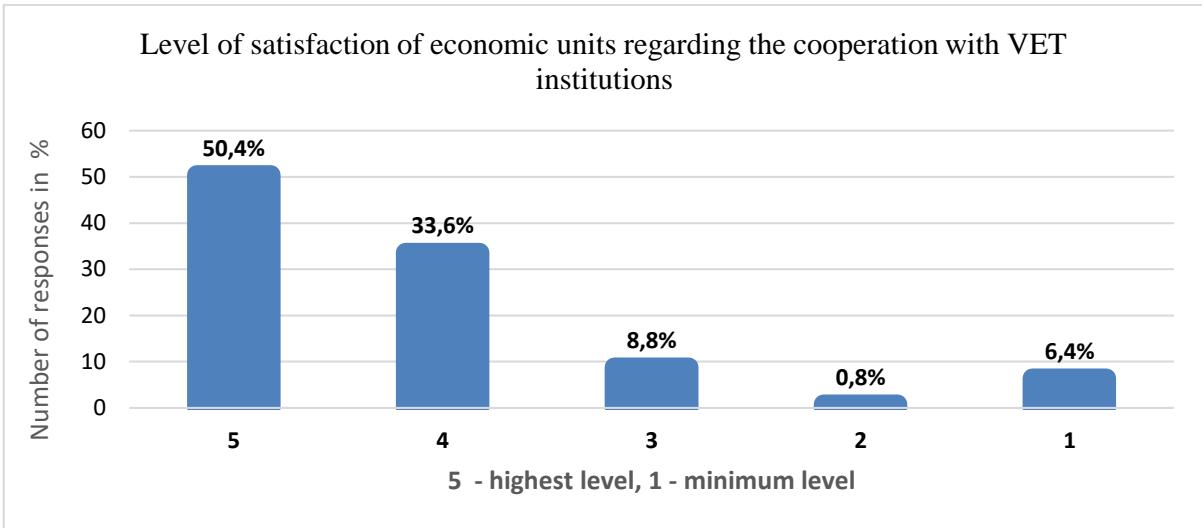 Figure 10: On a Scale from 1 (Minimum) to 5 (Maximum), what is your Company's Level of Satisfaction Regarding Collaboration with VET Institutions?
Source: Prepared by the author based on responses from economic units, 125 respondents.
At the initial pilot stage of dual education, students aged at least 18 were enrolled in the economic units. This allowed the companies to employ young people with full labour rights. Over time, it was found
that 18-year-olds were not interested in participating in the dual education system. Taking into account the practices of VET systems in European Union countries, the minimum age for students to enrol in the dual system was lowered to 16 years. One of the risks of enrolling 16-year-old students is their level of preparation to participate in dual education. From this perspective, we note that approximately $92\%$ of economic units assessed the level of preparation of students participating in the dual education program as at least acceptable (Figure 11).
Level of preparation of students involved in dual education
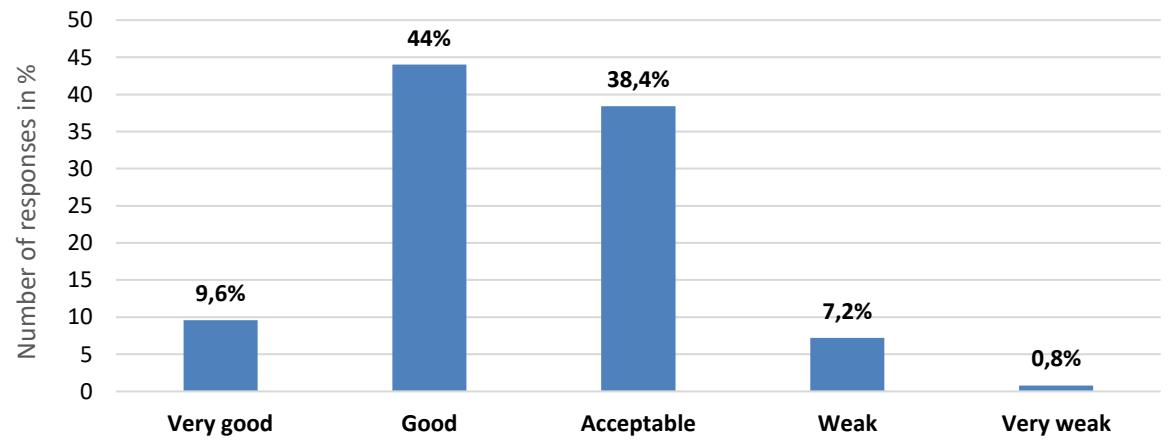 Figure 11: How do you Assess the Level of Preparation of the Students Participating in the Dual Education Program?
Source: Prepared by the author based on responses from economic units, 125 respondents.
In a similar manner, representatives of the economic units mentioned that approximately $92.8\%$ of students have an acceptable, good, or even very good level of integration within the company (Figure 12).
Integration of the students in dual VET within the company
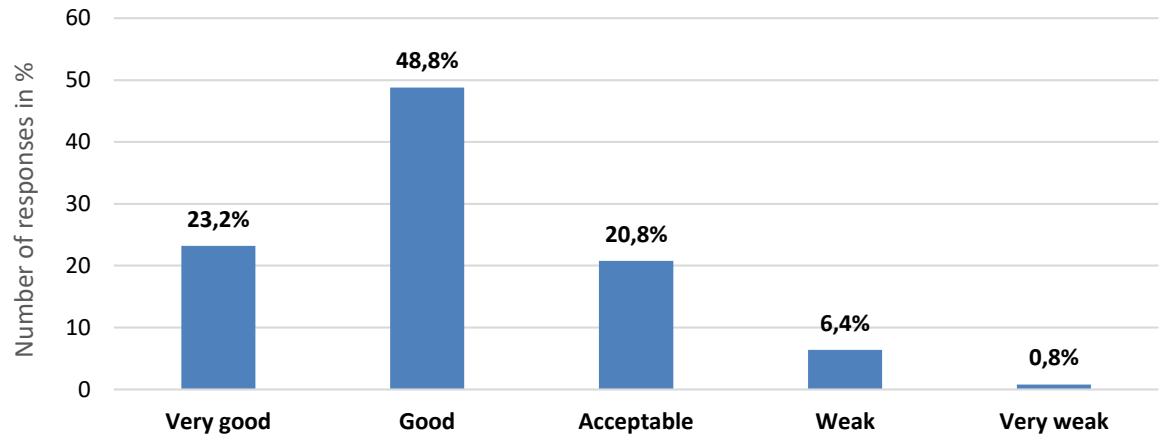 Figure 12: How do you Assess the Integration of Dual Education Students within the Company?
Source: Prepared by the author based on responses from economic units, 125 respondents.
In line with the previous responses (Figures 11-12), representatives of the economic units mentioned that approximately $92\%$ of students manage to adapt to the company's organizational culture, while only $8\%$ of students show a slow or very slow level of integration (Figure 13).
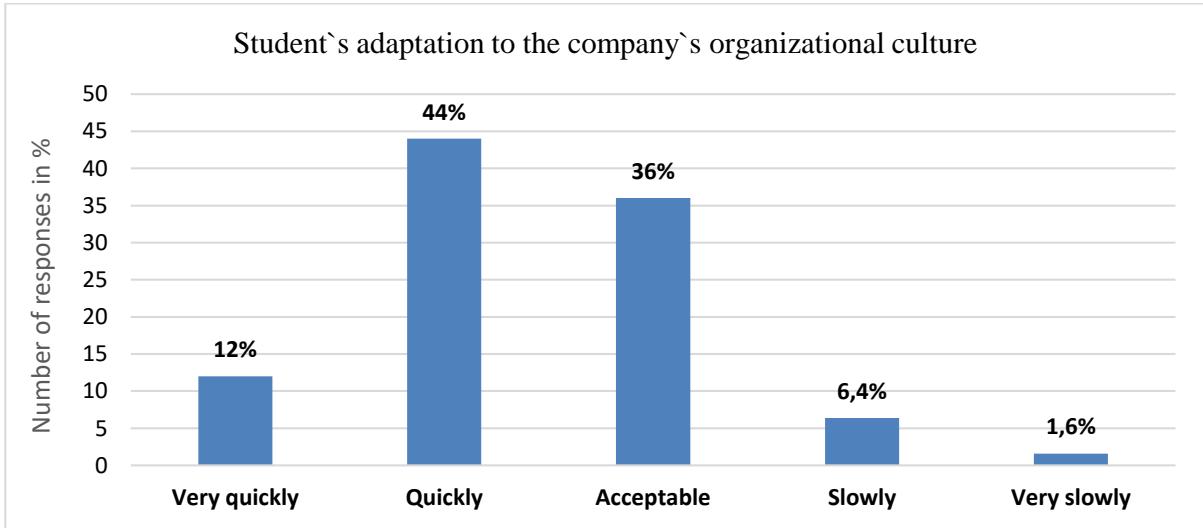 Figure 13: How Quickly do Students Manage to Adapt to your Company's Organizational Culture?
Source: Prepared by the author based on responses from economic units, 125 respondents.
An important element identified during the survey of economic units is the efficiency of dual education within the unit from an economic perspective. In this regard, approximately $79.2\%$ of respondents mentioned that, in their view, the implementation of dual education within the economic unit is efficient, while
11,2% of respondents considered it to be very efficient. At the same time, around 8,8% of respondents stated that the implementation of dual education within the unit is not efficient, and 0,8% of respondents consider the implementation of dual education to be very inefficient (Figure 14).
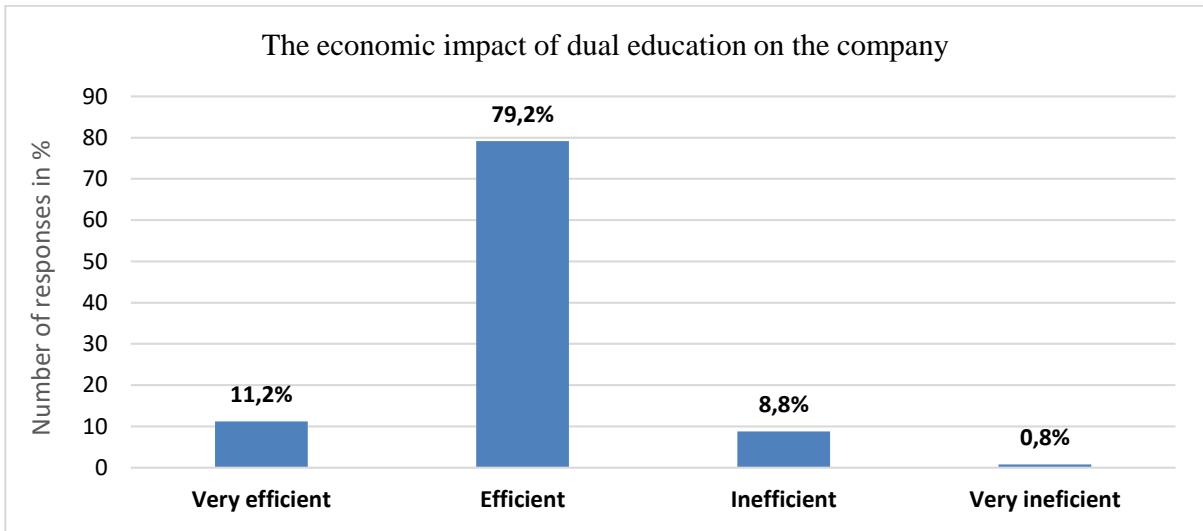 Figure 14: To what Extent do you Consider the Dual Education Program is Economically Efficient for your Company?
Source: Prepared by the author based on responses from economic units, 125 respondents.
Regarding the extent to which companies would be open to continuing collaboration with VET institutions in the future, approximately $60\%$ of respondents mentioned that they would be open to continuing the collaboration, $24\%$ specified that they would be very open to cooperation, while $12.8\%$ of companies indicated that they are undecided about their future involvement in the implementation of dual education, and $0.8\%$ of companies would not be interested in continuing dual education (Figure 15).
Collaboration prospects with educational institutions for the implementation of dual education
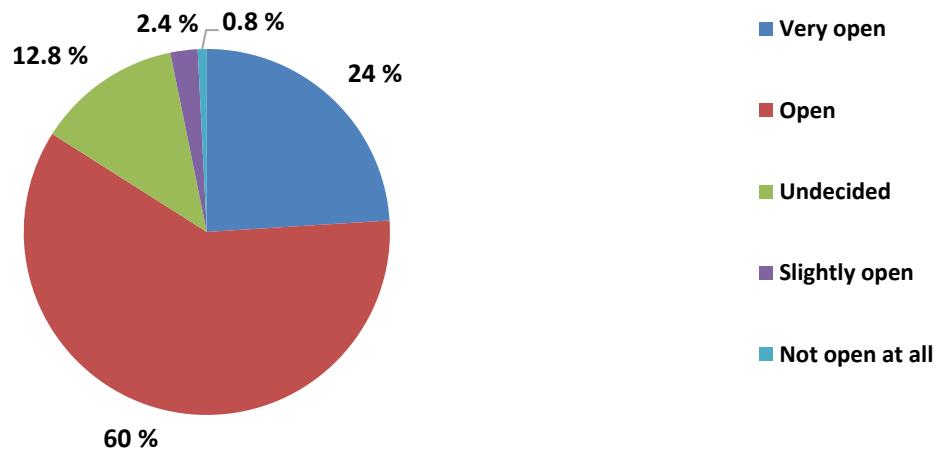 Figure 15: How open would your Company be to Continuing its Collaboration with Technical Vocational Education Institutions in the Future?
Source: Prepared by the author based on responses from economic units, 125 respondents.
## IV. DISCUSSIONS
Based on the results gathered from the survey conducted among students enrolled in dual education, the following observations can be made:
- Approximately $92.6\%$ of students stated that they are satisfied or very satisfied with the experience gained within economic units during their dual education studies;
- Around $95\%$ of students reported a satisfactory level of communication and collaboration with the company's Master instructors;
- About $93.9\%$ of students mentioned that during their studies, they received support from the Master instructors to carry out practical activities within the company;
- Approximately $97.3\%$ of students stated that their work within the economic unit is appreciated;
- Around $97.4\%$ of students mentioned that they managed to integrate into the professional training activities within the companies where they are enrolled in dual education;
- To a large extent, students are satisfied with the working conditions in the economic units. In this regard, about $92.8\%$ of students reported being satisfied with the working conditions;
- Students in dual education are remunerated, and the amount corresponds to the volume of work they perform within the economic units;
- About $71.4\%$ of students are inclined to seek employment within the companies where they undergo dual education after graduation;
- Experienced Master instructors and the training conditions in the economic unit are the top two
factors that motivate students to pursue dual education.
The students' responses to the questionnaires highlight the relevance of dual education and the students' interest in this model, as well as the crucial role of the Master instructor within the economic unit. The Master instructor is the key person who ensures the student's integration into the company and guides them throughout their practical activities during their time at the company.
Undoubtedly, the economic unit plays a key role in the implementation of dual education, as "it is organized within a unified framework, at the initiative of the interested unit acting as a potential employer, the Chamber of Commerce and Industry of the Republic of Moldova, or the VET institution" [20, art. 4 letter a)]. Based on the responses of the economic units that participated in the questionnaire, we highlight the most relevant results:
- Cooperation with educational institutions in the implementation of dual education is a key factor that ensures a high quality of students' professional training. In this regard, about $84\%$ of the units rated the partnership with educational institutions as effective;
- Although most students in dual education are enrolled at the age of 16, around $92\%$ of companies assessed the preparation level of students participating in dual education as acceptable, good, or even very good;
- Over $94\%$ of students manage to integrate successfully into the practical activities within the economic unit;
- A significant proportion (90.4%) of economic units expressed their intention to continue collaborating with educational institutions for the implementation of dual education;
- 90.4% of economic units consider the dual education program to be economically efficient for the company.
## V. CONCLUSIONS
The results presented in the research reconfirm the relevance of dual education for economic units, as ensuring a qualified workforce for the labor market remains a key factor in increasing the competitiveness of the market economy.
From the students' perspective, dual education is attractive. The survey results showed that students are satisfied with the remuneration they receive from economic units for their practical training activities and highlighted the role of the Master instructor within the unit in the professional training process through dual education.
The Master instructor within the unit is the main person responsible for the implementation of dual education. In this regard, it is important that the Master instructor from the economic unit, in addition to having professional experience and competencies, also possesses psycho-pedagogical skills that facilitate the training process for students in dual education.
Given the economic and social impact of dual education, the competent authorities should monitor and implement motivational policies for economic units in order to encourage the involvement of as many economic actors as possible in the workforce training process, including through dual education.
### ACKNOWLEDGMENTS
The authors express their sincere thanks to all participants involved in carrying out the research.
Conflicts of Interest: The author declares no conflict of interest.
Generating HTML Viewer...
Funding
No external funding was declared for this work.
Conflict of Interest
The authors declare no conflict of interest.
Ethical Approval
No ethics committee approval was required for this article type.
Data Availability
Not applicable for this article.
Dr. Silviu Gincu. 2026. \u201cAssessment of Satisfaction of Students and Economic Units Regarding the Implementation of Dual Education\u201d. Global Journal of Human-Social Science - G: Linguistics & Education GJHSS-G Volume 25 (GJHSS Volume 25 Issue G4): .
As part of the research, the authors aimed to present the results of monitoring the implementation of dual education in the Republic of Moldova, based on a survey conducted among students enrolled in dual education, as well as economic units (companies) involved in delivering this form of education. The research also included an analysis of the provisions of the national regulatory framework governing dual education, as well as international experiences in implementing dual education systems. Given that, in recent times, the authorities in the Republic of Moldova have focused on increasing the number of students enrolled in dual education, it is important to assess the satisfaction of the direct beneficiaries of this system (students and economic units) in order to provide insights into the quality of its implementation and to anticipate potential implementation risks. We believe that the findings presented in this paper will be of interest both to those currently involved in dual education and to students who may choose this form of Vocational Education and Training (VET) in the future.
Our website is actively being updated, and changes may occur frequently. Please clear your browser cache if needed. For feedback or error reporting, please email [email protected]
×
This Page is Under Development
We are currently updating this article page for a better experience.
Thank you for connecting with us. We will respond to you shortly.