Space weather is the term used to describe events, or storms, in space that affect humans. These events, including solar flares, coronal mass ejections, and their associated electromagnetic effects, are primarily attributed to magnetic shifts occurring on the Sun. These events intensify during solar maximum, the phase of the 11-year solar cycle leading up to the Sun’s polar shift, during which the Sun’s magnetic north and south poles switch. The resulting geomagnetic storms reach and affect Earth’s atmosphere, with impacts on electrical systems, including power infrastructure, communications systems, and biological systems. Epidemiological studies show correlations between solar activity and increased severity of neurologic symptoms, increased rates of cardiovascular events, and behavioural, immune, and other effects. Currently, the Sun is approaching solar maximum, which will peak in 2025, bringing an increased frequency and intensity of geomagnetic storms.
## I. STORMS IN SPACE
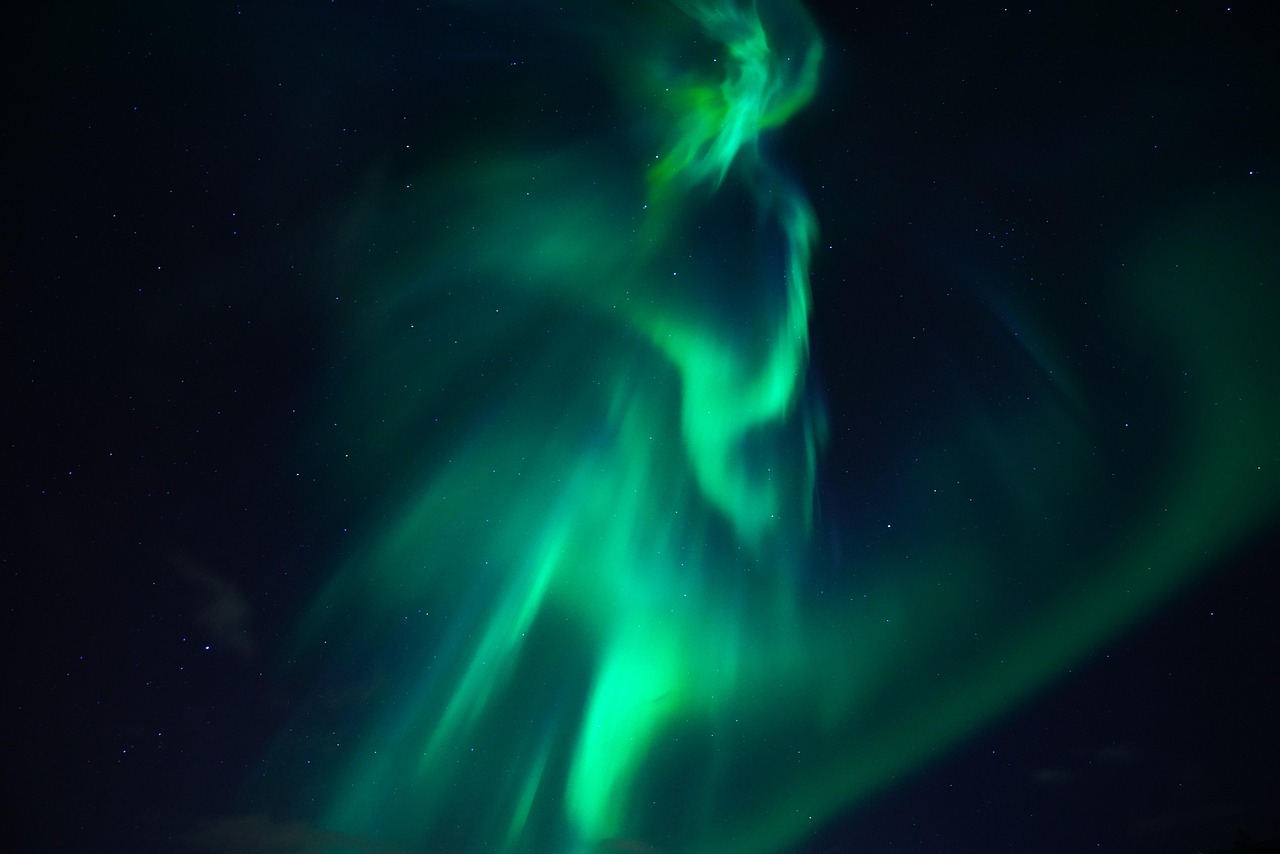
Space weather, the term used to describe events, or storms, in space that affect humans, is a subset of astrophysics that originated in the early $19^{\text{th}}$ century. A naturalist at that time observed magnetic needles oscillating concurrently with the appearance of auroras, emissions of red, green, purple, and blue visible light that occurs when particles from a space storm collide with oxygen and nitrogen in Earth's upper atmosphere (Buzulukova & Tsurutani, 2022).
Normally, Earth is shielded from the effects of solar activity by a strong magnetic field called the magnetosphere, which protects our atmosphere by repelling charged particles carried towards Earth from space weather events. However, certain conditions, such as fluctuations in solar winds, can disrupt the magnetosphere and allow solar energy and mass to reach Earth's atmosphere, generating magnetic disturbances known as geomagnetic storms.
The largest geomagnetic storm ever recorded occurred in 1859 and is known as the Carrington event. This space storm affected the majority of the planet, with auroral effects that persisted for several days. Although public health records do not show any health effects, possibly due to limitations in the monitoring systems of the time, the geomagnetic currents induced by the Carrington storm disrupted telegraph systems, with some stations experiencing fires due to induced electrical currents (Muller, 2014).
The majority of space weather events arise from two main categories of solar activity: active regions and coronal holes.
Active regions are areas of intense magnetic activity. They mainly occur during the phase in the solar cycle leading up to the polar shift. Active regions give rise to major solar events such as solar flares and coronal mass ejections.
- Solar flares are sudden releases of energy resulting from reconfiguration and reconnection of the magnetic fields within the Sun's photosphere, the innermost layer of the Sun's atmosphere and the layer that emits the most energy. Solar flares are the most powerful explosions in our solar system, equivalent to the energy of billions of hydrogen bombs. Photons released in a solar flare travel at close to the speed of light and range in frequency from ultraviolet (UV) to X-rays.
- Coronal mass ejections are giant magnetised plasma structures (superheated, high-energy ions) containing millions of tonnes of matter that are ejected from the outermost layer of the Sun. They occur when the Sun's magnetic fields reconnect. As a coronal mass ejection moves away from the Sun it expands and becomes a giant magnetic cloud, some reaching millions of miles in width, with high magnetic field intensities capable of causing geomagnetic storms on Earth.
Coronal holes are regions in the Sun that have magnetic fields in which the field lines are attached to the Sun but are pulled outward into the heliosphere by solar winds, referred to as open magnetic fields. These contrast with closed magnetic fields, which form closed loops that remain within the solar corona(Fisk & Schwadron, 2001). Open magnetic fields interact with closed magnetic fields, generating solar winds with very high speeds of up to $800~\mathrm{km / s}$. Magnetic field fluctuations in these wind streams are known to cause geomagnetic activity on Earth.
## II. HELIO BIOLOGY: THE STUDY OF SPACE WEATHER
Various types of space weather, including geomagnetic storms, solar flares, and cosmic rays—high-speed atomic particles that travel through space at close to the speed of light—are thought to have detrimental effects on human health. Cosmic rays originate both from the Sun, known as solar energetic particles, and outside of the solar system, known as galactic cosmic rays. Solar cosmic rays can increase by $100\%$ during strong solar flares (J.-C. David a, 2019).
Helio biology, a recently created branch of science, studies the health impacts of solar activity. In order to determine the potential effects of solar flares and other types of space weather on human health, data is collected on the temporal associations between the occurrence of solar events and medical data. Relevant data include rates of hospital admissions and emergency room visits, physiological parameters, such as changes in heart rate variability and blood pressure, alterations or effects on microcirculation, and effects on reaction time, and data from laboratory tests and tissue samples (Abdullrahman HM, 2020).
A number of Helio biology studies have reported pronounced effects on cardiovascular, neurologic, and mental health. These systems of the body are particularly reliant on microcurrents of electricity to function (Abdullahrahman HM, 2020). Evidence for immune and other health effects has been documented as well.
The adverse health effects of space weather have been presumed to be more pronounced in those with already compromised health. However, the electromagnetic energy arising from solar activity may be compounded under certain conditions, such as emotional stress, and in certain environments, such as being inside the metal structure of an automobile, with effects estimated to be as much as $30\%$ greater under these conditions (Zakharov & Tyrnov, 2001).
### a) Cardiovascular Effects
Various consequences related to cardiovascular health have been noted in conjunction with periods of high solar activity, including decreased heart rate variability, increased blood viscosity, increased blood pressure, and increased rates of myocardial infarctions (Abdullrahman HM, 2020). Animal studies have demonstrated the degradation of cardiomyocytes in rabbits during severe geomagnetic storms (Vencloviene et al., 2014).
A large U.S. study analysing 44.2 million deaths over a 30-year period found evidence for the effects of geomagnetic disturbances on deaths from cardiovascular diseases, myocardial infarction, and stroke(Zilli Vieira et al., 2019). Moreover, some studies have noted increases in sudden cardiac deaths and fatal myocardial infarctions on days when the levels of geomagnetic activity are either at their highest or lowest, and on days with high cosmic ray activity (Mavromichalaki et al., 2021).
A study that evaluated acute coronary event risks in relation to geomagnetic storms, solar energetic particles, and solar flares found from 1.6 to 2.8 times increased risk for cardiovascular death, coronary artery bypass graft, and acute coronary syndrome (Vencloviene et al., 2014). The most statistically significant increases in myocardial infarctions and strokes have been observed when geomagnetic disturbances occur in conjunction with rapid decreases in cosmic ray intensity following a coronal mass ejection, known as Forbush decreases (Mavromichalaki et al., 2021). These health events occur with greater frequency during the main phase of the decrease.
There is evidence that some cardiovascular effects are more pronounced in women. A study in Bulgaria found statistically significant increases in mean arterial systolic and diastolic blood pressure in relation to fluctuations in geomagnetic indices. Greater sensitivity to these effects was observed among women compared to men (Mavromichalaki et al., 2021).
A study encompassing more than 16,000 myocardial infarction patients in Lithuania over a 17-year period found a significant correlation between solar activity and geomagnetic indices and cosmic ray activity levels, also with a stronger correlation in women. And, in a study of stroke mortality related to sunspots—areas of reduced temperatures on the Sun's surface due to decreased convection from magnetic flux—54% were women (Mavromichalaki et al., 2021).
It has also been noted that those taking hypertension medications have increased cardiovascular responses, particularly with regard to arterial, pulse, and systolic blood pressures, during severe geomagnetic storms (Dimitrova, 2006).
### b) Neurologic Effects
Various effects of space weather on brain and behavioural function have been documented. Neurologic changes include increased frequency of epileptic seizures, changes in breathing patterns, and increased flareups of neurological conditions (Papathanasopoulos et al., 2016). Changes in mental and behavioural health include increased rates of depression and mental illness, significantly increased numbers of suicide attempts, homicides, and traffic accidents, and exacerbation of symptoms related to schizophrenia and Alzheimer's disease (Abdullahman HM, 2020).
A study conducted in Karkhiv, Ukraine, found that effects were most pronounced at the later stages of a geomagnetic storm, during the recovery phase of the storm (Zakharov & Tyrnov, 2001). The researchers recorded emergency room visits, psychiatric hospitalisations, and pediatric psychoneurology appointments during ten 27-day solar rotations in 1993, which included one period of increased solar flare activity and three geomagnetic storms. An increase also occurred during the geomagnetic storm recovery period.
Neurological impairment from space weather events has also been associated with increased numbers of train and car accidents related to human error, with some studies finding a positive correlation with cosmic rays and a negative correlation with solar activity, while others note the opposite. A study of the effects of geomagnetic activity on brain and psychoemotional health in female volunteers found that stress levels and the ability to focus were impacted (Mavromichalaki et al., 2021).
Increased hospital admission rates have been noted in multiple sclerosis patients due to acute relapses correlating temporally with intense geomagnetic storms (Papathanasopoulos et al., 2016). Data collected over an 11-year period from a hospital in Greece showed the increase in admissions occurred shortly after these storms, with a secondary, larger increase occurring 7-8 months later.
A theory has been put forth linking space weather as a potential contributing cause of multiple sclerosis. It is thought that neuromelanin, a neuroprotective molecule in the brain similar in structure to melanin, becomes oxidatively charged in response to space weather events, making it unable to eliminate reactive oxygen species in the brain and thereby promoting demyelination. This theory is supported by the global distribution of multiple sclerosis, with prevalence lowest at the equator and increasing rapidly in north and south directions until peaking at about $60^{\circ}$ north and south, corresponding more closely to geomagnetic than geographic latitude (Papathanasopoulos et al., 2016).
### c) Metabolic, Immune, and Genetic Effects
The electromagnetic fluctuations that we experience in Earth's atmosphere from space weather events cause metabolic stress to cells as they attempt to maintain homeostasis. This metabolic stress can lead to increased inflammatory cytokine levels, bringing its effects on the immune system and its ability to function effectively in the context of space weather events into consideration (Davis & Lowell, 2004).
As an example, one study found a significant increase in H. pylori antigens in saliva and feces samples of volunteers after a powerful solar flare that occurred in 2017, indicating a decreased ability of the immune system to suppress the infection (YA Belaya, 2019). Interestingly, however, one study found a negative correlation with immune symptoms, in which a decrease in symptoms was observed in patients with lupus erythematosus, a rheumatological autoimmune disease, during increases in geomagnetic activity (Stojan et al., 2021).
Genetic effects have been reported in a Russian study that found a destabilizing effect of solar flare activity on DNA and other components of cell nuclei (Kalaev, 2023). Cheek swab samples showed changes to the nuclei of the cells, including the appearance of notches, micronuclei, protrusions from the nuclei described as having a "broken egg" or "tongue-like" appearance, and other abnormalities.
Reproductive effects include increased incidence of Down syndrome and other congenital and chromosomal anomalies, as well as premature births (Abdullahman HM, 2020).
## III. PROPOSED MECHANISMS
Several mechanisms have been proposed to explain the health effects of solar flares and other types of space weather. One theory considers that biological systems have evolved within Earth's fluctuating electromagnetic fields, and the frequencies emitted by geomagnetic storms may be close to and resonant with the characteristic frequencies of certain internal organs, thereby affecting them on a cellular level (Abdullrahman HM, 2020). Resonant electromagnetic waves that occur between the Earth and the ionosphere, known as Schumann resonances, have a similar frequency to human alpha brainwaves (Vencloviene et al., 2014). And certain geomagnetic micro pulsations correlate with the frequency of human heart rhythm, while others are similar to the oscillation frequency of endothelium, which can increase the risk of coronary events (Vencloviene et al., 2014).
Another prevalent theory involves the suppression of melatonin from the pineal gland. The pineal gland contains high levels of a permanently magnetised form of iron oxide called magnetite, making it relatively more susceptible than other organs or tissues to changes in magnetic fields (Gilder et al., 2018). Since melatonin regulates the body's circadian and biological rhythms, decreased levels are thought to impair mental health, making individuals more susceptible to depression (Abdullrahman HM, 2020), and cardiovascular health, with disturbances leading to heart arrhythmias, heart failure, and other cardiovascular effects (Vencloviene et al., 2014).
Also involved in circadian rhythms is a magnetically sensitive structure in the retina known as the cryptochrome system. Physiologic stress from geomagnetic fluctuations may affect the hypothalamic-pituitary-adrenal stress response system via disruptive and disorienting effects on the cryptochrome system (Close, 2012).
Space weather events can have electrically destabilising effects on cells. Neurologic damage from geomagnetic field fluctuations may arise from inhibitory effects on the sodium-potassium pump, the mechanism by which cells maintain electric charge across their outer membrane. In nerve cells, this destabilising effect may cause excessive influx of calcium, leading to nerve cell degeneration or death and symptom flareups in neurological conditions (Papathanasopoulos et al., 2016). In heart cells, on days with high levels of cosmic ray activity, the resulting electrical instability has been found to damage cardiomyocytes in patients with ischemic cardiopathy (Stoupel et al., 2008).
With regard to genetic effects, X-rays and UV radiation emitted during geomagnetic events have potentially damaging effects on myocardium (Vencloviene et al., 2014). Geomagnetic activity has been purported to influence the expression of NF-kappaB, which activates transcription of DNA, controls the production of immune-signalling cytokine molecules, and is important for overall cell survival (Papathanasopoulos et al., 2016).
### a) Mitigating the Health Impacts of Space Weather
The electromagnetic fields induced by solar flares and other space weather events constitute a form of low-level radiation exposure of both non-ionising and ionising types. Various nutrients have been found to have protective effects, reduce cellular damage, and preserve cellular function.
### b) Antioxidants
Antioxidants such as vitamin E, vitamin C, selenium, beta-carotene, N-acetyl cysteine, and alpha-lipoic acid have all been demonstrated to protect against radiation-induced cellular changes in human studies. Moreover, the benefits of antioxidants are greater when used in combination than individually (Prasad, 2005).
## IV. MEDICINAL HERBS
A number of medicinal herbs contain polyphenol antioxidant compounds that reduce inflammation, directly protect cells against radiation, and promote the production of powerful antioxidant enzymes such as superoxide dismutase, glutathione peroxidase, and glutathione S-transferases. Examples include ginseng, reishi mushroom, olive leaf, hops, yarrow, and alliums (Mohamad Ali Dayani, 2019). Many medicinal plants have been found to mitigate neuronal damage in the brain by virtue of their antioxidant and anti-inflammatory effects, including black cohosh, wormwood, cinnamon, saffron, turmeric, salvia, ginseng, rosemary, and others (Keshavarzi et al., 2019).
### a) Essential Minerals
Calcium and magnesium are required for nerve conduction and muscle contraction and relaxation. Deficiencies or the presence of these minerals in suboptimal proportions may increase the risk of detrimental effects from the added stress of geomagnetic events. Certain nutrient minerals have also been shown to have radio-protective effects. Copper, iron, manganese, and zinc all serve roles in protecting cells against radiation injury as components of antioxidant enzyme complexes and metallochelates (Sorenson et al., 1995). Minerals are depleted in modern soils and therefore, in diets; supplementing can help ensure optimal levels.
### b) Chlorophyll
Chlorophyl offers numerous health benefits that can help reduce the harmful effects of space weather events. Chlorophyl reduces oxidative stress, helping the body safely metabolize harmful chemicals, and it upregulates genes responsible for inhibiting cancer (Hayes & Ferruzzi, 2020). Its structure is similar to that of human hemoglobin, with magnesium in place of iron as the oxygen-binding portion of the molecule. Concentrated sources of chlorophyl are found in barley grass and Chlorella, a genus of algae.
### c) Dietary Choices
Diet may play a significant role in protecting against metabolic stresses from geomagnetic events. Cruciferous vegetables contain the compound sulphoraphane, which reduces oxidative stress and inflammation(Ruhee & Suzuki, 2020). Fermented foods offer neuroprotective benefits by maintaining a healthy gut microbiome, which protects the gut mucosal barrier and prevents intestinal permeability, which can lead to increased production of neurotoxic compounds by various pathogenic microbes, and an increased neuroinflammatory response in the brain(Porras-Garcia et al., 2023). Foods high in soluble fiber promote a healthy gut microbiome by providing a source of energy for beneficial bacteria, and both soluble and insoluble fiber speeds the elimination of waste, thereby speeding the elimination of waste products generated by the increased metabolic stress induced by geomagnetic events. Additionally, essential fatty acids have important anti-inflammatory and immune-regulating effects(Newell et al., 2021).
## V. CONCLUSION
As the Sun's magnetic field activity reaches the peak of its 11-year cycle, major electromagnetic events known as space storms occur with increasing frequency and intensity. These storms impact Earth's atmosphere, with disruptive effects on electrical infrastructure and communications systems as well as on biological systems, which experience a form of metabolic stress during these events. Epidemiological studies show temporal correlations between solar activity and neurological, cardiovascular, behavioral, and other aspects of health. Certain nutrients and plant compounds are capable of mitigating radiation-induced cellular and metabolic damage. Awareness of solar cycles, particularly the peak solar activity phase, and utilizing available options for minimizing potential health effects may help reduce the public health burden associated with these events.
Generating HTML Viewer...
References
26 Cites in Article
H Abdullrahman,M (2020). Open Access Journal of Biomedical Science.
Natalia Buzulukova,Bruce Tsurutani (2022). Space Weather: From solar origins to risks and hazards evolving in time.
James Close (2012). Are stress responses to geomagnetic storms mediated by the cryptochrome compass system?.
George Davis,Walter Lowell (2004). Chaotic solar cycles modulate the incidence and severity of mental illness.
Svetla Dimitrova (2006). Different geomagnetic indices as an indicator for geo-effective solar storms and human physiological state.
L Fisk,N Schwadron (2001). The Behavior of the Open Magnetic Field of the Sun.
Stuart Gilder,Michael Wack,Leon Kaub,Sophie Roud,Nikolai Petersen,Helmut Heinsen,Peter Hillenbrand,Stefan Milz,Christoph Schmitz (2018). Distribution of magnetic remanence carriers in the human brain.
Micaela Hayes,Mario Ferruzzi (2020). Update on the bioavailability and chemopreventative mechanisms of dietary chlorophyll derivatives.
J-C David,I Leya (2019). Spallation, cosmic rays, meteorites, and planetology.
Vladislav Kalaev,Vladislav Zuevsky,Marina Nechaeva,Nikolay Ilyinskikh,Ekaterina Ilyinskikh,Anastasiya Lantushenko,Olga Korneeva,Tatiana Zuevskaya,Anna Larina,Evgeniya Shipilova,Valentina Gavrilova,Denis Baranov,Irina Degtyar (2023). Effects of solar activity and geographic latitude on genetic homeostasis of human somatic cells.
Helen Mavromichalaki,Maria-Christina Papailiou,Maria Gerontidou,Svetla Dimitrova,Karel Kudela (2021). Human Physiological Parameters Related to Solar and Geomagnetic Disturbances: Data from Different Geographic Regions.
Mohamad Ali Dayani,S,-S,Johannes Salcher (2019). Radio-protective Effects and Mechanisms of Medicinal Plants against X-ray: A Systematic Review.
C Muller (2014). The Carrington solar flares of 1859: consequences on life.
Marnie Newell,Vera Mazurak,Lynne Postovit,Catherine Field (2021). N-3 Long-Chain Polyunsaturated Fatty Acids, Eicosapentaenoic and Docosahexaenoic Acid, and the Role of Supplementation during Cancer Treatment: A Scoping Review of Current Clinical Evidence.
P Papathanasopoulos,P Preka-Papadema,A Gkotsinas,N Dimisianos,A Hillaris,C Katsavrias,G Antonakopoulos,X Moussas,E Andreadou,V Georgiou,P Papachristou,O Kargiotis (2016). The possible effects of the solar and geomagnetic activity on multiple sclerosis.
E Porras-García,I Fernández-Espada Calderón,J Gavala-González,J Fernández-García (2023). Potential neuroprotective effects of fermented foods and beverages in old age: a systematic review [Systematic Review.
K Prasad (2005). Rationale for using multiple antioxidants in protecting humans against low doses of ionizing radiation.
Ruheea Ruhee,Katsuhiko Suzuki (2020). The Integrative Role of Sulforaphane in Preventing Inflammation, Oxidative Stress and Fatigue: A Review of a Potential Protective Phytochemical.
J Sorenson,L Soderberg,L Chang (1995). Radiation Protection and Radiation Recovery with Essential Metalloelement Chelates.
George Stojan,Flavia Giammarino,Michelle Petri (2021). Systemic lupus Erythematosus and geomagnetic disturbances: a time series analysis.
E Stoupel,,P Israelevich,,J Kusniec,,A Mazur,,R Zabarsky,,G Golovchiner,,E Abramson,,B Strasberg,,A Battler, (2008). Are Neutrons Involved in the Pathogenesis of Life-Threatening Cardiac Arrhythmias?.
J Vencloviene,R Babarskiene,I Milvidaite,R Kubilius,J Stasionyte (2014). The effect of solar-geomagnetic activity during and after admission on survival in patients with acute coronary syndromes.
O Ya Belaya,Sm Bystrova (2019). Detection of Helicobacter pylori O, VacA and CagA antigens in the volunteers samples during a powerful solar flare on September 2017 having its effect throughout the next months.
I Zakharov,O Tyrnov (2001). The effect of solar activity on ill and healthy people under conditions of nervous (correction of neurous) and emotional stresses.
Zilli Vieira,C Alvares,D Blomberg,A Schwartz,J Coull,B Huang,S Koutrakis,P (2019). Geomagnetic disturbances driven by solar activity enhance total and cardiovascular mortality risk in 263 U.S. cities.
No ethics committee approval was required for this article type.
Data Availability
Not applicable for this article.
How to Cite This Article
Seema Bhattessa. 2026. \u201cBiofield Energy- Health Effects of Solar Storms\u201d. Global Journal of Medical Research - B: Pharma, Drug Discovery, Toxicology & Medicine GJMR-B Volume 24 (GJMR Volume 24 Issue B1): .
Explore published articles in an immersive Augmented Reality environment. Our platform converts research papers into interactive 3D books, allowing readers to view and interact with content using AR and VR compatible devices.
Your published article is automatically converted into a realistic 3D book. Flip through pages and read research papers in a more engaging and interactive format.
Space weather is the term used to describe events, or storms, in space that affect humans. These events, including solar flares, coronal mass ejections, and their associated electromagnetic effects, are primarily attributed to magnetic shifts occurring on the Sun. These events intensify during solar maximum, the phase of the 11-year solar cycle leading up to the Sun’s polar shift, during which the Sun’s magnetic north and south poles switch. The resulting geomagnetic storms reach and affect Earth’s atmosphere, with impacts on electrical systems, including power infrastructure, communications systems, and biological systems. Epidemiological studies show correlations between solar activity and increased severity of neurologic symptoms, increased rates of cardiovascular events, and behavioural, immune, and other effects. Currently, the Sun is approaching solar maximum, which will peak in 2025, bringing an increased frequency and intensity of geomagnetic storms.
Our website is actively being updated, and changes may occur frequently. Please clear your browser cache if needed. For feedback or error reporting, please email [email protected]
Thank you for connecting with us. We will respond to you shortly.