I. INTRODUCTION
a) Motivation
New times are coming and its means we need adapt to this new times. Thinking in a new world and in the future, the mobility is changing to adapt to new mindset and be healthier.
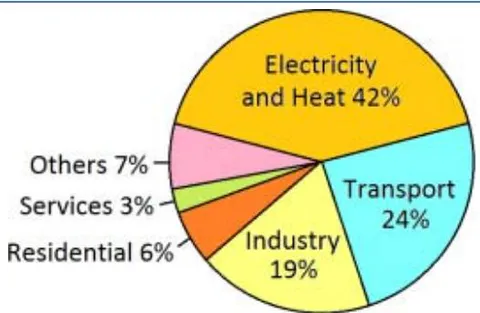
One of the contributor to pollution is the ICE (internal combustion engine), present in each city in the world, the ICE operation spread a lot of particles in the air and increase the pollution on the cities. According IEA report 2017, "transport sector alone contributes to 24% of CO2 emissions in 2015".
The internal combustion engine was a huge step to society development and their evolution, but to achieve new targets with new mindset, the society are looking to be healthy. To achieve this new healthy target, we are walking to new technologies to decrease the pollution emissions from the transports, as the BEV (Battery Electric vehicles) and the HEV (hybrid electric vehicles).
i. BEV Definition
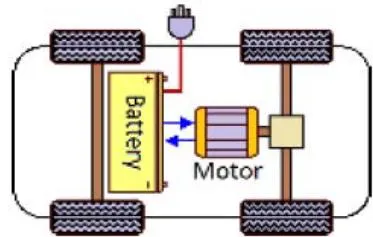
According to Vidyanandan (2018), "Battery electric vehicles are propelled by electric motors by using energy stored on board in batteries". Therefore, BEV vehicles does not have a presence of the ICE to help the propulsion system. Basic, the BEV has the Battery, Engine and the Transmission
ii. HEV Definition
HEV (Hybrid vehicles) have the internal combustion engine with the electric engine and, according Vidyanandan (2018), "Hybrid electric vehicles have the benefits of both ICE vehicles and electric vehicles, and overcome their individual disadvantages".

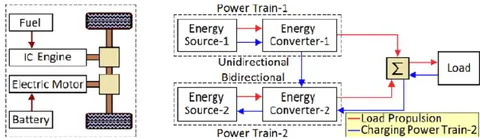
For cars, the BEV or HEV technology are very solid and society has many examples used by the world-renowned brands as:
BEV: BMW i3 (BEV), Nissan Leaf, Chevrolet Bolt, Audi e-Tron and Renault Zoe;
HEV: Toyota Prius, Audi A7 Sportback, Ford Fusion Hybrid, BMW i3 (HEV), Volvo XC60 and many others.
However, the motorcycles category does not have the same scenario for both. The motorcycle world-renowned brands do not have the same presence of BEV or HEV and between both technologies have a difference, the companies have more BEV in comparison than HEV as.
BEV: Voltz EV01, Aima Tiger X6, MUUV Custom S, Magias Italiane Maranello and Energie Mobi Super Soco TC;
HEV: Honda PCX.
In addition, these BEV motorcycles have a low autonomy, being common to have between 60 and 80km.
b) Main Goals
Knowing about the motorcycle technology opportunity for electric vehicle with large area to explore, this present article have as main goals:
Identify the Brazilian motorcycle customer behavior;
Identify the best match motorcycle for HEV;
- Define the specifications to sizing the hybrid engine.
II. COMPARISON BETWEEN BEV x HEV x ICE
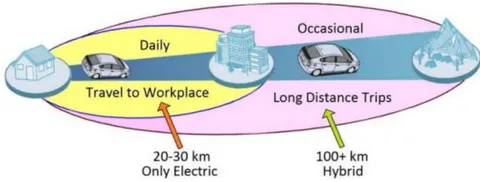
According to Vidyanandan (2018), the main difference between BEV and the HEV vehicle is the autonomy. BEV is better when the customer need to drive low distances and do not use the vehicle to travel, otherwise is better use the HEV for long distances.
Mass comparison between ICE x HEV x BEV
| Vehicle | ICE | HEV | BEV | Difference BEV - ICE | Difference HEV - ICE | Difference BEV - HEV |
| Fiat 500 | Rockstar ICE930 kg | 500 Hybrid HEV980 kg | 500e BEV1351 kg | +421 kg | +50 kg | +371 kg |
| Volkswagen Golf | Golf 115CV200Nm ICE1240 kg | E-Golf 136CVBEV1615 kg | +375 kg | |||
| Volkswagen up | up 65CV 91NmICE991 kg | e-up 83CVBEV1235 kg | +244 kg | |||
| Peugeot 208 | turboICE1158 kg | 136HP 260NmBEV1455 kg | +297 kg | |||
| Jac S2 (IEV7S) | 112HP 146Nm ICE1110 kg | 270Nm BEV1495 kg | +385 kg | |||
| Toyota Camry | 2.5L 203HP203HP ICE1470 kg | 2.5L 208HP 149NmHEV1610 kg | +140 kg | |||
| Toyota Avalon | 205HP 163lbft ICE1620 kg | 215HP 149lbft HEV1640 kg | +20 kg | |||
| Mitsubishi Outlander | 166HP 220Nm ICE1510 kg | 80kW per engine195Nm HEV1915 kg | +405 kg | |||
| Nissan Note | 142Nm ICE1090 kg | e-Power 254Nm HEV1230 kg | +140 kg | |||
| BMW i3 | BMW i3 181HP199Nm HEV1500 kg | 181HP 199NmBEV1379 kg | -121 kg |
| Powertrain | Main points |
| ICE | Highest in CO2 emission in comparison than HEV/BEV |
| High autonomy | |
| Lighter vehicle in comparison than HEV/BEV | |
| Quickly fuel (Easy for travels) | |
| HEV | Low CO2 emission |
| High autonomy | |
| Little heaviest | |
| Quickly fuel (Easy for travels) | |
| BEV | No CO2 emission due to engine |
| Low autonomy | |
| Heaviest than ICE and HEV | |
| Lengthy fuel |
III. BRAZILIAN MOTORCYCLE CATEGORIES
According Izo (2019), Brazil has the bellow main motorcycle categories:
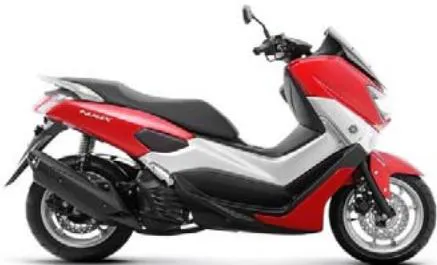
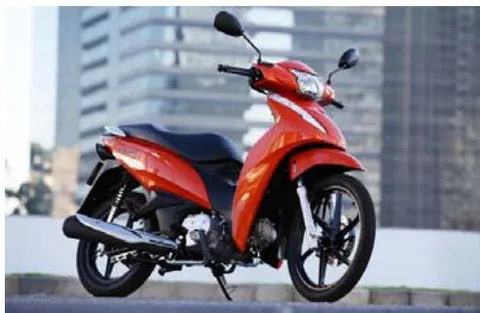
Scooter: Scooter has to and aimed at younger customers. Normally, the gearbox is automatic; you have a good driveability inside the cities and have a pocket to keep small things. Scooters does not have the same comfort & safety than the biggest motorcycles and the pilot drive in the sitting position.
Cub: Looks like scooters, but the pilot have a foot pegs to put your feet. The fuel economy is this motorcycle spotlight.
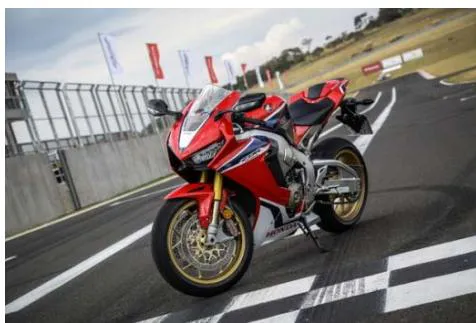
Sport: Sport motorcycles were created for strong accelerations. However, this motorcycle do not have a comfortable seat due to design made to optimize the aerodynamic (pilot must to put his chest close the tank to increase the aerodynamic). The suspension is very rigid and the seat usually is uncomfortable. This motorcycle can achieve easily 1200cm .
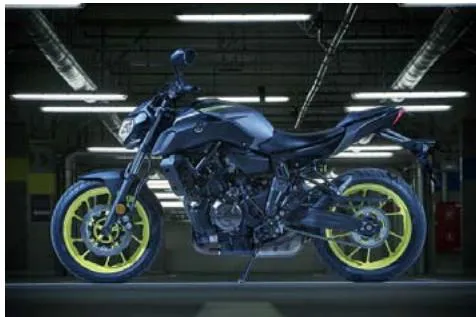
Naked: The customers usually drive in the cities or highways. Naked motorcycles have few fairing, only the necessary. This motorcycle has a large range of sizes (200cm - 1000cm ).
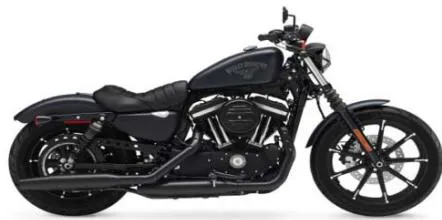
Custom: Made for roadways. Design for pilot comfort with low seat, long suspensions and high handlebar. Normally have a range of sizes (800cm - 1000cm ).
Trail: Tall motorcycle with tall seat, suspension and handlebar. Trail motorcycle has a good driveability for city and travels. Normally the customer drive in different roads (dust, asphalt and others). Displacement average close the .
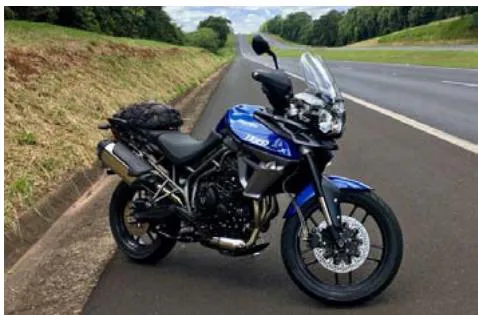
Below the table with the motorcycle categories description:
| Category | Main points |
| Scooter | City usage |
| Young customers | |
| Low displacement (50cm3 - 150cm3) | |
| Economic | |
| Uncomfortable (Drive in sitting position) | |
| Cub | City usage |
| Young customers | |
| Low displacement (100cm3 - 125cm3) | |
| Economic | |
| Average comfortable (Drive with foot pegs) | |
| Sport | Sport usage |
| "Sport" customers | |
| High displacement (as 1200cm3) | |
| High consumption | |
| Uncomfortable | |
| Naked | City/highway usage |
| Large range of customers | |
| Large range of displacement (200cm3 - 1000cm3) | |
| Large range of consumption | |
| Average comfort | |
| Custom | Highway/Travel usage |
| Traveling Customers | |
| High displacement (until 1800cm3) | |
| Average to high consumption | |
| Very comfortable | |
| Trail | City/Travel/Trail usage |
| Daily usage with some travels | |
| High displacement (average of 1000cm3) | |
| Average to high consumption | |
| Comfortable |
IV. COMPARISON BETWEEN MOTORCYCLE AND POWERTRAINS
Below the table crossing the information from motorcycles categories and the engine types: Table 4: Comparison Between Categories and Engines
| ICEVHighest in CO2 emission in comparison than HEV/BEVHigh autonomyLighter vehicle in comparison than HEV/BEVQuickly fuel (Easy for travels) | HEVLow CO2 emission High autonomyLittle heaviest Quickly fuel (Easy for travels) | BEVNo CO2 emission due to engineLow autonomyHeaviest than ICE and HEVLengthy fuel | |
| Scooter | |||
| City usageYoung customersLow displacement ( - )EconomicUncomfortable (Drive in sitting position) | 3 | 2 | 1 |
| Cub | |||
| City usageYoung customersLow displacement ( - )EconomicAverage comfortable (Drive with foot pegs) | 3 | 2 | 1 |
| Sport | |||
| Sport usage"Sport" customers | 1 | 3 | 2 |
| High displacement (as 1200cm3) | |||
| High consumption | |||
| Uncomfortable | |||
| Naked | |||
| City/highway usage | |||
| Large range of customers | |||
| Large range of displacement (200cm3- 1000cm3) | 1 | 2 | 3 |
| Large range of consumption | |||
| Average comfort | |||
| Custom | |||
| Highway/Travel usage | |||
| Traveling Customers | |||
| High displacement (until 1800cm3) | 2 | 1 | 3 |
| Average to high consumption | |||
| Very comfortable | |||
| Trail and Big Trail | |||
| City/Travel/Trail usage | |||
| Daily usage with some travels | |||
| High displacement (average of 1000cm3) | 2 | 1 | 3 |
| Average to high consumption | |||
| Comfortable | |||
High displacement (as 1200cm3) High consumption Uncomfortable Naked City/highway usage Large range of customers Large range of displacement (200cm3 - 1000cm3) Large range of consumption Average comfort Custom Highway/Travel usage Traveling Customers High displacement (until 1800cm3) Average to high consumption Very comfortable Trail and Big Trail City/Travel/Trail usage Daily usage with some travels High displacement (average of 1000cm3) Average to high consumption Comfortable
According to the table, Custom and Trail are the most compatible motorcycle categories with HEV technology because they are used to long travels, needed a quickly fuel, high autonomy and use to decrease the pollution.
| Maxtrail | ||||||
| Modelo | 2019 Nov | 2019 Dez | 2019 Acumulado | Part. | ||
| 1" | TRIUMPH/TIGER 800 | 193 | 316 | ▲ | 2.837 | 20,07% |
| 2" | BMW/F850 GS | 166 | 226 | ▲ | 2.134 | 15,09% |
| 3" | BMW/R1250GS | 326 | 340 | ▲ | 1.900 | 13,44% |
| 4" | BMW/R1200 | 3 | 5 | ▲ | 1.431 | 10,12% |
| 5" | TRIUMPH/TIGER 1200 | 62 | 77 | ▲ | 917 | 6,49% |
| 6" | SUZUKI/VSTROM650 | 102 | 113 | ▲ | 899 | 6,36% |
| 7" | ROYAL ENFIELD/HIMALAYA | 77 | 118 | ▲ | 805 | 5,69% |
| 8" | BMW/F750 GS | 63 | 105 | ▲ | 731 | 5,17% |
| 9" | KAWASAKI/VERSYS | 84 | 82 | ▼ | 652 | 4,61% |
| 10" | HONDA/CRF 1000L | 44 | 36 | ▼ | 337 | 2,38% |
| Total | 1.229 | 1.513 | ▲ | 14.139 | 100% | |
V. SPECIFICATION FOR CUSTOM AND TRAIL
Fenabrave is a national automotive federation from Brazil and the best in class motorcycle for each category could be identify through the Fenabrave informs. Below the Fenabrave informs ranking table from December 2019 for Trail motorcycles and Customs:
Figure 11: Ranking Fenabrave December 2019 (Fenabrave, 2020)
| Custom | ||||||
| Modelo | 2019 Nov | 2019 Dez | 2019 Acumulado | Part. | ||
| 1° | H.DAVIDSON/FL FB | 44 | 79 | ▲ | 820 | 10,86% |
| 2° | KAWASAKI/VULCAN S | 89 | 75 | ▼ | 820 | 10,86% |
| 3° | H.DAVIDSON/XL 883 | 134 | 91 | ▼ | 745 | 9,87% |
| 4° | H.DAVIDSON/XL 1200 | 16 | 37 | ▲ | 546 | 7,23% |
| 5° | ROYAL ENFIELD/CLASSIC | 43 | 43 | - | 537 | 7,11% |
| 6° | H.DAVIDSON/FXFB | 24 | 44 | ▲ | 498 | 6,60% |
| 7° | H.DAVIDSON/FL FBS | 25 | 36 | ▲ | 461 | 6,11% |
| 8° | TRIUMPH/BONNEVILLE | 43 | 39 | ▼ | 373 | 4,94% |
| 9° | H.DAVIDSON/FX FBS | 46 | 52 | ▲ | 367 | 4,86% |
| 10° | H.DAVIDSON/FL SB | 10 | 10 | - | 303 | 4,01% |
| Total | 648 | 742 | ▲ | 7.548 | 100% | |
Based on the sales ranking from Fenabre, the best sales motorcycles specification will be used to define the motorcycles specification target.
| Motorcycle | Torque | Power | Energy | Mass |
| Triumph/Tiger800 | 79 Nm (8,0 kgf.m) @ 7,850 rpm | 95 CV@9,250 rpm | 70 kW@9,250 rpm | 199 kg |
| BMW/F850 GS | 88 Nm (9,0 kgf.m) @ 6,250rpm | 80 CV@6,250 rpm | 58 kW@6,250 rpm | 229 kg |
| BMW/R1250GS | 143 Nm (14,6 kgf.m) @ 6,250 rpm | 136 CV@7,750 rpm | 100 kW@7,750 rpm | 249 kg |
| BMW/R1200 | 125 Nm (12,7 kgf.m) @ 6,500 rpm | 92 CV@7,750 rpm | 92 kW@7,750 rpm | 232 kg |
| Triumph/Tiger 1200 | 122 Nm (12,4 kgf.m) @ 7,600rpm | 141 CV@9,350 rpm | 104 kW@9,350 rpm | 242 kg |
| Suzuki/Vstrom650 | 62 Nm (6,32 kgf.m) @ 6,500RPM | 71 CV@8,800 rpm | 52 kW@8,800 rpm | 199 kg |
| H.Davison/FL FB | 145 Nm (14,8 kgf.m) @ 3,000 rpm | 71 CV@4,560 rpm | 52 kW@4,560 rpm | 304 kg |
| Kawazaki/Vulcan S | 63 Nm (6,4 kgf.m) @ 6,600 rpm | 61 CV@7,500 rpm | 45 kW@7,500 rpm | 228 kg |
| H.Davison/XL 883 | 68 Nm (6,9 kgf.m) @ 4,750 rpm | 52 CV@5,750 rpm | 38 kW@5,750 rpm | 247 kg |
| H.Davison/XL 1200 | 96 Nm (9,8 kgf.m) @ 3,500 rpm | 66 CV@6,000 rpm | 49 kW@6,000 rpm | 248 kg |
| Royal enfield/Classic | 52 Nm (5,3 kgf.m) @ 5,250 rpm | 47 CV@7,250 rpm | 35 kW@7,250 rpm | 202 kg |
Follow the train of thought, below the specification comparison and the analysis to define the targets for Custom and Trail motorcycle categories.
| Motorcycle | Peso | Torque | Torque/kg | Torque/kg variation (Unid/Cat average) |
| Triumph/Tiger800 | 199 kg | 79 Nm | 0,40 Nm/kg | -12% |
| BMW/F850 GS | 229 kg | 88 Nm | 0,38 Nm/kg | -15% |
| BMW/R1250GS | 249 kg | 143 Nm | 0,57 Nm/kg | 27% |
| BMW/R1200 | 232 kg | 125 Nm | 0,54 Nm/kg | 19% |
| Triumph/Tiger 1200 | 242 kg | 122 Nm | 0,50 Nm/kg | 12% |
| Suzuki/Vstrom650 | 199 kg | 62 Nm | 0,31 Nm/kg | -31% |
| H.Davison/FL FB | 304 kg | 145 Nm | 0,48 Nm/kg | 43% |
| Kawazaki/Vulcan S | 228 kg | 63 Nm | 0,28 Nm/kg | -17% |
| H.Davison/XL 883 | 247 kg | 68 Nm | 0,28 Nm/kg | -18% |
| H.Davison/XL 1200 | 248 kg | 96 Nm | 0,39 Nm/kg | 16% |
| Royal enfield/Classic | 202 kg | 52 Nm | 0,26 Nm/kg | -23% |
| Average MaxTrail | 225 kg | 103 Nm | 0,45 Nm/kg | |
| Min MaxTrail | 199 kg | 62 Nm | 0,31 Nm/kg | |
| Max MaxTrail | 249 kg | 143 Nm | 0,57 Nm/kg | |
| Average Custom | 246 kg | 85 Nm | 0,33 Nm/kg | |
| Min Custom | 202 kg | 52 Nm | 0,26 Nm/kg | |
| Max Custom | 304 kg | 145 Nm | 0,48 Nm/kg | |
| Geral Average | 234 kg | 95 Nm | 0,40 Nm/kg |
Weight: Average of 225kg, range between 199Kg and 249Kg;
Torque: Average of 103Nm, range between 62Nm and 143Nm;
Correlation between torque and weight: Average of 0,45Nm/Kg, range between 0,31Nm/kg and 0,57Nm/Kg. And the Custom specification are:
Weight: Average of 246kg, range between 202Kg and 304Kg;
Torque: Average of 85Nm, range between 52Nm and 145Nm;
Correlation between torque and weight: Average of 0,33Nm/Kg, range between 0,26Nm/kg and 0,48Nm/Kg.
VI. CONCLUSION
According to these work data, the motorcycle categories with best match to hybrid electric vehicle (HEV) technology are Custom and Trail motorcycle categories due the necessities to do travels and, consequently, need more autonomy and a quickly fuel.
Need to consider some points to design the HEV powertrain for motorcycle. Following these work analysis:
Correlation between torque and weight is important because it demonstrates how much torque the motorcycle needs to meet the customer's behavior;
Weight demonstrate the range of mass the motorcycle could be to meet the customer's behavior.
For example, the trail motorcycles customer drives in different roads and some roads, as dirt or bumpy roads, the customer need a lighter and taller motorcycle with high torque (as 0,45Nm/Kg), in comparison the custom motorcycle customer basically use on asphalt and needs a heaviest and lower motorcycle with a reasonable torque (0,33Nm/Kg). Therefore, the trail motorcycle must be lighter than custom motorcycle and, normally, the trail motorcycle has more torque than custom motorcycle.
In addition, considering the analysis, the good motorcycle target to apply HEV technology is:
Trail motorcycles: Triumph/Tiger800 is the motorcycle close the average with 0,40Nm/kg against the average of 0,45Nm/kg and this is the best-selling motorcycle for Trail category;
Custom motorcycles: H.Davison/XL883 is the motorcycle close the average with 0,28Nm/kg against the average of 0,33Nm/kg and H.Davison is the brand best-selling motorcycles for Custom categories;