The Rondon Project, an initiative by the Brazilian Federal Government in collaboration with Higher Education Institutions, promotes actions to foster the development of cities and communities across Brazil. The project aims to support local and sustainable development and enhance citizenship among participants through socially focused projects. Key objectives include contributing to the civic education of university students, integrating them into national development through participatory actions, and fostering a sense of social responsibility toward citizenship, development, and national interests. The Federal University of Ouro Preto sent a team of 8 students and 2 professors to Japonvar, Minas Gerais, Brazil. This report focuses on workshops from the “Labor” axis. Methodologies included multimedia presentations, discussion circles, interactive activities, music, posters, and flyers, aimed at creating knowledge multipliers. The actions developed significantly contributed to the economic development and quality of life of the population involved in the operation.
## I. INTRODUCTION
The Rondon Project was initiated during the era of military rule in Brazil and officially launched under President Costa e Silva's administration (1967-1969). It was named in tribute to Marshal Candido Mariano da Silva Rondon, a military figure known for his humanistic approach and advocacy for the rights of Brazil's indigenous populations (ROTHER, 2019; BRASIL, 2023).
The project's first operation, known as Operation Zero, commenced in July 1967 and spanned 28 days. This initial mission involved 30 students and 2 professors from the former University of the State of Guanabara. The operation was conducted in remote areas of the Amazon, where the focus was on conducting research, gathering data, and providing medical assistance (SANTOS, 2013; MUNDO RONDON, 2014).
The Rondon Project was designed with two primary goals: to lessen regional and social inequalities across the country and to engage young people by involving them in national development, thereby fostering a sense of purpose and contributing to the nation's progress (GONÇALVES, 2017). However, in 1989, the project was terminated by the Federal Government (VIRGOLIN and KRUG, 2011).
It was only in 2004 that the Rondon Project was' revived after a proposal from the National Union of Students (UNE). The project has been in continuous operation ever since, and it continues to provide services benefiting municipalities in various states of Brazil. The priority regions for action are those with low Human Development Index (HDI) and social exclusion, as well as isolated areas of the national territory that require greater access to goods and services. For this reason, the Strategic Guideline of the Rondon Project prioritizes the northern and northeastern regions of the country (VIRGOLIN and KRUG, 2011; BRASIL, 2023).
solutions that address the unique needs of local communities. Currently, the Rondon Project is an initiative of the Federal Government coordinated by the Ministry of Defense. Its main objectives are to facilitate the involvement of university students in activities that promote sustainable development and citizenship, while also contributing to the improvement of quality of life in the communities that host them.
The extension activities conducted by students as part of the Rondon Project align with the Brazilian University Extension Policy, which seeks to foster transformative interactions between the university and other societal sectors. These activities aim to develop various human, ethical, economic, cultural, and social dimensions (BRASIL, 2023).
The Rondon Project is distinguished by its voluntary nature, targeting specific regions of Brazil during the students' vacation periods. Each operation lasts two weeks, with each municipality hosting two teams from different universities. These teams are dedicated to educational activities that address the actual needs of the communities they serve (BRASIL, 2023).
Furthermore, the Rondon Project underscores the value of teamwork, promoting a holistic understanding of individuals as multidimensional beings-encompassing physical, psychological, social, and spiritual dimensions, and living within families and communities. This initiative also provides students with practical opportunities to apply their academic knowledge, enhance communication skills with the local population, and facilitate knowledge exchange.
This article aims to report the experience of students and professors from the Federal University of Ouro Preto (UFOP) during their participation in a Rondon Project operation in the municipality of Japonvar, in the state of Minas Gerais, Brazil, highlighting the relevance of this initiative in promoting citizenship.
## II. OBJECTIVES
The main objectives of the project include contributing to the social formation of university students as citizens and integrating them into the country's national development through participatory actions concerning the realities of the country. It also aims to instill in Brazilian university students a sense of collective social responsibility in favor of citizenship, development, and the defense of national interests.
The Rondon Project aims to promote interaction and knowledge sharing between university students, professors, and the community; to disseminate learning through workshops designed to meet the demands and specificities of the region, which were developed under the "work" axis, allowing students to creatively and practically apply the technical knowledge acquired at the university.
In addition, the project aims to contribute to improving the quality of life of the residents of the community where the project will be developed. As stated in Article 3 of the Brazilian Federal Constitution of 1998, the project aims to "eradicate poverty and marginalization and reduce social and regional inequalities."
## III. METHODOLOGY
### a) Stages of the Rondon Project
According to Brasil (2023), the Rondon Project followed these stages:
1. Planning: In this phase, a demographic and socioeconomic survey of the project's priority areas was conducted, based on statistical data from official sources, both governmental and nongovernmental. During this stage, the state of Minas Gerais was selected, and the potential cities of interest were identified.
2. Initial Contact: Contacts were established with state and municipal government bodies, regional associations, and military units, which served as support for the operation in the determined regions.
3. Recognition Phase: Cooperation agreements were accepted through negotiations with state and municipal government structures. This involved visits, presentations, and conferences.
4. Launch of "Onça Cabocla" Operation: An event was held to celebrate the cooperation agreements and the work plan, which had been discussed with the state and municipal governments in the previous phases.
5. Publication of the Public Notice: A public notice regulating the participation of Higher Education Institutions (HEIs) in the operation was published in the Official Gazette of the Union (DOU). It outlined the municipalities, the planned actions, the activity schedule, and the conditions and obligations that HEIs had to follow to participate in Onça Cabocla Operation.
6. Preparation and Submission of Work Proposals: At this stage, HEI professors developed a work proposal and submitted it for evaluation by the Ministry of Defense (MD). Studies were conducted, and a socioeconomic diagnosis of the state and the cities of interest was prepared. Based on this diagnosis, proposals for workshops and activities were developed to improve the lives of the selected communities and reduce social inequality.
7. Selection of Work Proposals: The merit, relevance, and feasibility of the work proposals from each HEI
were evaluated. These proposals were submitted to the Rondon Project Proposal Evaluation Committee (CAPPR) and selected according to the criteria established in the public notice. In the final selection results, the MD indicates two teams from different HEIs to work in each city of interest. One team from Group "A" focuses on the themes of culture, human rights, justice, education, and health. The other team, from Group "B," is responsible for working on the themes of communication, labor, environment, technology, and production.
8. Preliminary Visit: Coordinating professors from the selected HEIs traveled to the municipalities to adjust the work proposals in collaboration with local authorities and community leaders. They also coordinated the logistics and infrastructure for the stay of the Rondon participants, including transportation, accommodation, meals, and the execution of the workshops.
9. Preparation of Actions: After the selection, the HEIs formed teams consisting of 2 professors and 8 students, ensuring a multidisciplinary approach to the execution of the various planned activities. Initially, a careful assessment of the specific demands of the municipality selected for the project was conducted. This comprehensive analysis allowed for the identification of the main needs and challenges faced by the community, as well as establishing a solid foundation for intervention. Alternatives for intervention were studied, considering the identified demands, the feasibility of the proposed solutions, and the potential positive impact on the community. This detailed study process allowed for the selection of the most appropriate and effective strategies to meet local needs.
10. Ongoing Operation: Teams of Rondon participants were sent to the municipalities to carry out the actions of the Rondon Project. Each city received two teams from different HEIs, each consisting of 8 students and 2 professors, along with an army sergeant, totaling a team of 21 members.
### b) About the Municipality
The cities of interest for the "Onça Cabocla" Operation of Rondon Project, in the state of Minas Gerais (MG), as indicated by the MD, were: Brasília de Minas, Coração de Jesus, Glaucilândia, Guaraciama, Itacambira, Japonvar, Jequitaí, Juramento, Olhos D'Água, São João da Lagoa, São João da Ponte, and São João do Pacuí. The team from the Federal University of Ouro Preto (UFOP) was selected to work in Japonvar (MG).
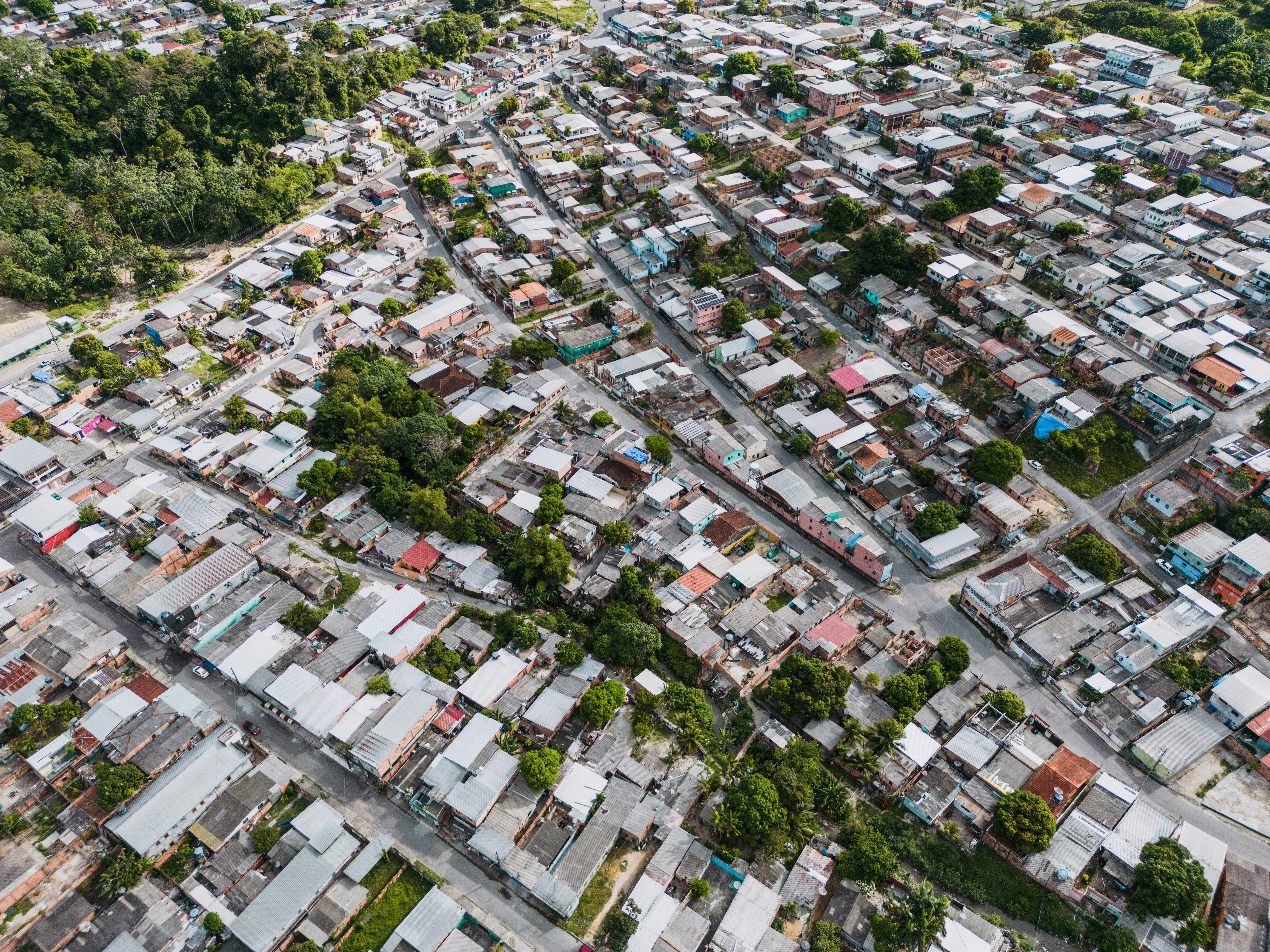
Japonvar is a municipality located in the northern region of the state of Minas Gerais, Brazil. It is situated in the North of Minas mesoregion and is part of the Montes Claros microregion. The city is approximately 470 km from the state capital, Belo Horizonte, and about 60 km from Montes Claros, one of the main urban centers in northern Minas Gerais.
The municipality of Japonvar is located in a transition zone between the Cerrado and Caatinga, two of Brazil's main biomes. This location gives the city significant ecological diversity, with natural features that reflect both the semi-arid climate and the typical Cerrado of Central Brazil. The transition between these two biomes in Japonvar provides a unique landscape, with a rich diversity of flora that includes species such as the pequi tree, cagaita, buriti, and several other native plants that are of great importance to the local economy and the conservation of biodiversity.
According to recent estimates by the Brazilian Institute of Geography and Statistics (IBGE), the population of Japonvar is around 8,298 inhabitants. The municipality, according to IBGE data (2010), has a rural population of 5,248 inhabitants and an urban population of 3,050 inhabitants. The city is characterized by a predominantly rural demographic profile, with a significant portion of its population living in rural areas and engaged in agricultural activities. The percentage of those employed in the agricultural sector is $52.41\%$, in the services sector is $19.98\%$, and in commerce is $11.92\%$ (Atlas of Human Development in Brazil, 2023).
According to the Atlas of Human Development in Brazil (2023), the municipality of Japonvar has an HDI (2010) of 0.60. The percentage of people registered in the Unified Registry without adequate sanitation in 2017 was $25.89\%$, and without adequate water supply in 2017 was $50.10\%$. According to IBGE (2010), the percentage of those vulnerable to poverty is $65.15\%$.
### c) UFOP in the Rondon Project
In the work carried out in Japonvar, MG, the activities of group "A" were developed by the team from the Faminas University Center. The team from the Federal University of Ouro Preto (UFOP) carried out activities that covered the proposals of group "B" actions established by the Rondon Project, which focused on the areas of communication, labor, environment, technology, and production. This article presents the actions related to the "labor" area.
The Faminas team also included eight students: one from the Psychology program, six from the Medicine program, and one from the Veterinary Medicine program. Group A had two professors, one from the Veterinary Medicine program and another from the Law program.
Eight undergraduate students from UFOP participated in this operation, coming from various programs: one from the Law program, one from Environmental Engineering, one from Civil Engineering, two from Urban Engineering, one from Pharmacy, one from Nutrition, and one from Tourism. The team also included two professors from the Civil Engineering program, who supervised the activities and assisted the students in developing practices for the community.
In addition to the professors and students, the team in Japonvar (MG) included an army sergeant, whose responsibilities included ensuring safety and assisting participants in navigating the city. The team was composed of 21 members.
The activities of the Onça Cabocla Operation of Rondon Project were carried out between January 11 and 28, 2024, with actions focused on the areas of communication, labor, environment, technology, and production. The target audience included children and adolescents; adults and the elderly; municipal councilors and civil society organizations; public school teachers; public servants; rural producers; and the general population.
As part of the methodological strategy, a multiplier training program was conducted to promote participation and social engagement to influence and adopt habits and behaviors that would contribute to improving the quality of life of the population. To prepare the proposed activities, meetings were held with the Rondon team, during which the educational materials to be used were discussed and planned. During the operation, various activities were conducted, including:
- Meetings for planning, discussion, and evaluation before, during, and after the activities.
- Lectures covering topics related to the activities.
- Debates involving the audience, providing a space for discussions and identifying activities and work strategies.
- Practical demonstrations with specific educational materials, used in discussion and reflection processes.
- Screening of videos and films related to the topics covered.
- Discussion groups and workshops, including plays, games, readings, and recreational activities, tailored to the needs of the activities.
- Experiences and sharing of personal stories.
- Creation of educational materials and community projects as part of the teaching-learning process.
- Photographic and video documentation of the activities, after obtaining authorization and consent from the participants.
## IV. RESULTS
### a) Actions Developed in the "Labor" Axis
The Rondon participants were welcomed by municipal employees upon their arrival in Japonvar, MS. The team was accommodated in a local municipal elementary school. After their arrival, the lodging was organized. On the second day, a fair was held in a city square to publicize the actions.
The actions developed by the UFOP team in the "Labor" axis, which is part of Group "B" of the Rondon Project's actions, are described below. The workshops were designed to develop practical skills, both for students and community members, through training in areas such as entrepreneurship, agriculture, crafts, technology, and others. Moreover, the goal was to empower local communities by providing practices through which residents could generate income, improve their living conditions, and acquire skills that allow them to become more self-sufficient.
### b) Practical Construction Course
It is often observed that people without much training intuitively perform tasks related to civil construction, and as a result, the quality of the construction can be compromised.
The main objective of this action was to train the population with basic concepts of civil engineering. In this workshop, topics such as workplace safety and best practices in civil construction were presented.
The "Practical Construction Course" workshop was held at a municipal school in Japonvar, MS. In addition to discussing the topic, educational materials were distributed to the participants.
### c) Wall Painting Course
Painting is a crucial step that can significantly influence the aesthetics and value of properties. The workshop titled "Wall Painting Course" was held at a university center in Japonvar (MG) and focused on training construction workers.
The activity was structured to provide both theoretical and practical knowledge about the complete wall painting process, from selecting and calculating the necessary materials, preparing the area to be painted, to post-painting cleaning and maintenance techniques. This comprehensive approach aimed not only to teach painting techniques but also to ensure that participants understand the importance of preparation and maintenance to guarantee a high-quality and long-lasting finish.
The expected return for the community is the strengthening of the local economy through professional qualification. With better-prepared and skilled workers, it is possible to better meet the needs of the construction market, improving the quality of services offered and, consequently, customer satisfaction. Additionally, the course promotes the personal development of participants, encouraging continuous pursuit of improvement and professional updating, which are essential factors for competitive entry into the job market.
### d) Unveiling Excel
The workshop "Unveiling Excel" was held in the computer lab of a university center in Japonvar (MG) and aimed to train municipal employees, local entrepreneurs, and other interested individuals in the efficient use of Excel software. The activity was structured to cover a wide range of topics and teaching methods, providing participants with an in-depth understanding of the various tools and functionalities of Excel. From the introduction of basic formulas to the use of advanced functions for data analysis, participants were guided to develop practical and applicable skills that are crucial in today's job market.
The justification for holding the workshop lies in the growing need for technological skills in the professional environment. Excel knowledge is considered essential for various administrative and financial roles, enabling the completion of complex tasks quickly and efficiently. Training in Excel not only increases participants' productivity and efficiency but also enhances their professional value, expanding their opportunities in the job market. Thus, the workshop brings multiple benefits to the community, contributing to the personal and professional development of participants and strengthening the local economy.
The expected return for the community is significant, both economically and socially. By providing participants with mastery of a widely used tool, the workshop promotes professional empowerment and improves citizens' employability, which, in turn, can boost local economic development. Additionally, access to technological education fosters digital inclusion, ensuring that more people can fully participate in the digital society and take advantage of the opportunities it offers. Therefore, the "Unveiling Excel" workshop not only enhances technical skills but also contributes to building a more informed and prosperous future for the community.
### e) Financial Education
The "Financial Education" workshop, held at a municipal school in Japonvar (MG), focused primarily on raising community awareness about the importance of responsible and organized financial management. The activity was divided into two main parts: a theoretical presentation, which covered fundamental concepts such as the definition of financial education, its relevance to daily life, and effective strategies for managing personal and household finances; and a discussion group, where participants could share their experiences and methods of financial organization. This interaction facilitated a rich exchange of information, allowing participants to learn from each other and receive practical guidance on how to improve their financial management.
The justification for holding the workshop lies in the growing need for awareness about financial education across all age groups and social contexts. Many people still lack the necessary knowledge to manage their finances efficiently, which can lead to unnecessary expenses and financial difficulties. The workshop aimed to fill this gap by providing participants with not only theoretical knowledge but also practical tips on how to save money, increase income, and use resources available in the community to improve the local economy. Financial education was presented as a fundamental element for promoting the autonomy and financial security of individuals and their families.
The expected return for the community goes beyond the development of financial skills. By learning how to better manage their finances, participants are empowered to avoid unnecessary debt and make more informed financial decisions, thereby promoting greater economic stability in their lives. Additionally, the workshop aimed to strengthen community ties by encouraging the exchange of goods and services among community members and the development of local economic initiatives, such as the production of goods using regional raw materials. This community-focused approach contributes to creating an environment of mutual support, where resources are optimized, and sustainable development is promoted.
### f) Vocational Guidance Workshop
This workshop was held in a municipal school and in a city square. The workshop was attended by elementary and high school students, as well as other passersby in the area.
The main objective of this action was to guide high school students and the community about federal and private programs that assist in academic training, both in-person and online, in order to increase the educational level and qualifications of the community.
During the workshop, the main fields of knowledge and some professions within these fields were presented, and a roundtable discussion was held about careers, the skills that are enhanced in each profession, and potential professional paths. In addition, some methods of professionalization with a focus on higher education were presented. This workshop is highly relevant in supporting young people preparing for college entrance exams who are faced with the need to decide on a professional path, providing information on career paths, sharing information and experiences about careers, and promoting reflection on their own future.
#### g)Resume Writing Workshop
The resume writing workshop took place in a municipal school in Japonvar, MS, and was attended by teenagers, young adults, and adults. The main objective of this action was to train the unemployed population seeking jobs, as well as those employed who wished to improve or change jobs, in resume writing.
During the workshop, a presentation was made indicating the main elements of a good resume, the relevance of this information, and the most effective way to structure it. The Rondon participants conducted a practical activity on resume writing and facilitated a roundtable discussion addressing different scenarios.
This action was a great opportunity to train participants to develop more effective resumes that align with the demands of the job market. By providing guidance on the essential elements of a resume, proper formatting, organizing information, and how to highlight relevant skills and experiences, the workshop aimed to fill an important gap in the participants' professional preparation.
#### h)Career Fair
At the beginning of Onça Cabocla Operation in Japonvar, a Career Fair was held in a city square as one of the activities to publicize the presence of the Rondon participants and the project's actions in the municipality. The fair was later repeated on the last day of the operation as part of the closing activities. During the workshop, the participants developed various activities to present undergraduate courses and their respective fields of practice, as well as addressing some questions from the local community about the topics covered. Informative materials from the universities of groups A (Faminas) and B (UFOP) were presented to assist in the presentation of the undergraduate courses. The workshop had an impact on the population by sparking interest in fields of practice that had not previously been clear.
At the end of all the actions, evaluations were conducted to verify whether the participants were able to understand what was taught and if they were capable of becoming knowledge multipliers.
It was found that most workshop participants considered themselves capable of being agents of change in their communities, sharing the knowledge acquired in the workshops and promoting local development. This demonstrated that the communication strategies were effective in ensuring the sharing of knowledge in an accessible and relevant manner.
### i) University Extension
The interaction between the university and the community, which is a consequence of university extension practices, plays a fundamental role in raising students' awareness of their responsibilities as citizens. This interaction provides future professionals with the opportunity to apply their knowledge for the benefit of a more just and better-assisted society, as highlighted by Ferreira (2009).
University extension projects, such as the Rondon Project, play a crucial role in knowledge construction. Their extension approach helps to expand the content acquired in the classroom, allowing students to understand other dimensions of Brazilian social reality and thus establish an effective connection between theory and practice (MORAIS, 2009).
## V. CONCLUSION
The workshops conducted by the Rondon participants of Operation Onça Cabocla in the municipality of Japonvar/MS achieved excellent results, demonstrated by the high engagement and active participation of the attendees. The interactive approach of the workshops allowed participants to engage in constructive discussions, exchange knowledge, and practice relevant to each of the thematic areas. Additionally, the practical activities carried out during the workshops provided a tangible experience, strengthening the understanding of the theoretical concepts presented. The positive feedback from the participants highlighted the quality of the presentations, the expertise of the Rondon participants, and the direct applicability of the content to their everyday activities. The quality of the workshops empowered the direct participants and laid the foundation for creating multipliers within the community, providing a ripple effect, where participants can disseminate beneficial practices and perspectives to an even larger number of community members.
### ACKNOWLEDGMENT
The authors would like to express their sincere gratitude to the Federal University of Ouro Preto (UFOP) for its unwavering support and commitment to this project. We also extend our heartfelt thanks to Geosol and the Gorceix Foundation for their invaluable contributions and partnership. Furthermore, we are grateful to the Brazilian Federal Government and the Ministry of Defense for their dedication to promoting social development through education. Lastly, we thank the Coordination of the Rondon Project for their leadership and vision, which were instrumental in making this initiative a success.
V Ferreira (2009). O Rondon Project e uma formação jurídica cidadã.
Thiagoaugustorochetti Bezerra,Phelipehenriquecardosode Castro,Gabrielguidorizzi Zanetti,Leandracristinabenetti Campos,Julianacristina Viola,Grace Guindani,Rodrigoromerofaria Santos,Fábioangiolucidiniz Campos (2017). ANTHROPOMETRIC VARIABLES OF BRAZILIAN AIR FORCE PILOTS FOR ADJUSTMENT TO THE T-27 AIRCRAFT COCKPIT..
V Morais,E Oliveira,Rondon (2009). Anais do XX Congresso de Extensão da Universidade Federal de Lavras.
No ethics committee approval was required for this article type.
Data Availability
Not applicable for this article.
How to Cite This Article
Felipe de Campos Loch. 2026. \u201cBridging Theory and Practice: University Extension and Community Engagement in the Rondon Project\u201d. Global Journal of Human-Social Science - H: Interdisciplinary GJHSS-H Volume 24 (GJHSS Volume 24 Issue H6): .
Explore published articles in an immersive Augmented Reality environment. Our platform converts research papers into interactive 3D books, allowing readers to view and interact with content using AR and VR compatible devices.
Your published article is automatically converted into a realistic 3D book. Flip through pages and read research papers in a more engaging and interactive format.
The Rondon Project, an initiative by the Brazilian Federal Government in collaboration with Higher Education Institutions, promotes actions to foster the development of cities and communities across Brazil. The project aims to support local and sustainable development and enhance citizenship among participants through socially focused projects. Key objectives include contributing to the civic education of university students, integrating them into national development through participatory actions, and fostering a sense of social responsibility toward citizenship, development, and national interests. The Federal University of Ouro Preto sent a team of 8 students and 2 professors to Japonvar, Minas Gerais, Brazil. This report focuses on workshops from the “Labor” axis. Methodologies included multimedia presentations, discussion circles, interactive activities, music, posters, and flyers, aimed at creating knowledge multipliers. The actions developed significantly contributed to the economic development and quality of life of the population involved in the operation.
Our website is actively being updated, and changes may occur frequently. Please clear your browser cache if needed. For feedback or error reporting, please email [email protected]
Thank you for connecting with us. We will respond to you shortly.