STEM educational-oriented Natural Science experience activities are learner-oriented activities, Taking learners as the center in all natural science research activities, applying engineering technology and mathematics (STEM) in solving practical problems. Based on theoretical research on experiential activities, STEM education, and the characteristics of Natural Sciences, the article studies the educational forces inside and outside the school. From there, it is proposed to build a model of organizational structure for experiential activities in Natural Sciences oriented toward STEM education. The results of this research are meaningful in helping principals see the importance and significance of coordinating educational forces inside and outside the school in organizing experiential activities in Natural Sciences according to orientation. STEM education for students.
## I. INTRODUCTION
Experiential activities are educational activities organized by educators to create opportunities for students to access reality and directly experience by synthesizing existing knowledge and skills to perform tasks. Assigned tasks or solved real-life problems. Thereby, children form new knowledge and new skills that contribute to promoting their creative potential and ability to adapt to life, society, nature, and career orientation.
Natural science is an integrated subject, belonging to the primary education stage (junior high school level). Natural science is a subject built and developed on the foundation of Physics, Chemistry, Biology, and Earth science (Hà T. Thuy et al., 2018). The research objects of natural science are objects, phenomena, processes, and primary attributes of the existence and movement of the natural world that are close to the daily lives of students. The natural sciences themselves are experimental. Therefore, practice, experimentation, and experience in this subject have an important role and significance in forming and developing scientific thinking for students.
STEM/STEAM education (Nguyen T. Hai, 2019), integrated education of Science (S - Science), Technology (T - Technology), Engineering (E - Engineering), Mathematics (M - Maths), from hands-on experience to thinking Creativity is one of the educational directions that is being developed in the world as well as in Vietnam. STEM education is an interdisciplinary educational approach. When arts and humanities elements (Arts) are integrated into STEM, called STEAM, it will contribute to forming students not only with individual scientific knowledge but also with developing practical application skills, creativity, and flexibility. Thereby, helping students discover and solve problems along with other corresponding competencies, contributing to meeting the requirements of providing young human resources in the period of industrialization and modernization of the country, and meeting the requirements of socio-economic development, especially the knowledge economy and industry 4.0.
Researching experiential activities in Natural Sciences with the orientation of STEM education is a dynamic combination of experiential activities with STEM education in the field of Natural Sciences, to concretize the path of formation and development. Developing capacity for middle school students through organizing experiential activities aimed at self, nature, society, and career. From there, students form a scientific worldview, scientific thinking, and scientific application skills.
In general management, organization is the design of department structures to suit the organization's goals. Organizational work needs to pay attention to the operating methods and powers of each department, create conditions for horizontal and vertical linkage, and pay special attention to the arrangement of officers and operators of the organization's departments. position (Tran Kiem & Nguyen X. Thuc, 2015).
Organizing experiential activities is the arrangement of each activity and each person scientifically and reasonably, coordinating parts to create a positive impact. The principal must notify the parents of the plans and action programs of the subjects carrying out the experiential activities so that each member understands and implements the plan correctly. Principals need to pay attention to the personal capacity of each member and establish a coordination mechanism between educational forces inside and outside the school.
Organizing experiential activities in Natural Sciences with a STEM education orientation in middle schools is the responsibility of each teacher and staff member, but directly implementing the plan and organizing the activities is the subject teacher natural sciences based on the principal's assignment. During the implementation process, the principal creates conditions for the operational management apparatus to promote its capacity with a spirit of self-discipline and positivity. All forces coordinate together to complete the task successfully.
Therefore, building a model of organizational structure for experiential activities in Natural Sciences oriented towards STEM education is an essential task in the school management process of the principal aiming at the educational goal of forming into qualities, developing learner capacity in the context of globalization and the 4.0 Industrial Revolution.
## II. SOME RELATED RESEARCH ISSUES
### a) Experiential activities
From a philosophical point of view, experience is the process of interaction between people and between people and the environment through the senses and activities to create changes in the human worldview (Jullien, 2004).
The act of experiencing must be the individual's act; It is an act of experimentation, experimentation, and exploration in different directions. Experience is an individual's, experimental action in certain situations that must transform the individual through that action (Dewey, 2012; Kolb, 2014). Experiential learning and experiential teaching are closely linked and can be used interchangeably, in which experiential teaching is an intentional teaching process, based on experiential learning theories (Kurka, 2012). Apply experiential learning in the classroom by applying a teaching model in three combined forms: teaching by subject, project-based teaching, and practical experience activities. Many schools have organized experiential activities right in the classroom in various subjects (Wurdinger and Marlow, 2005). Learning through experience, and learning through projects, students understand the importance of knowledge and skills and develop competencies in the STEM field (Mohr-Schroeder et al., 2014).
Experiential Learning Theory (ELT) defines learning as the process by which knowledge is created through experience transformation. Knowledge results from the combination of grasping and transforming experience (Kolb and Kolb, 2009). Lifelong learning requires the ability to learn from life's experiences. Knowledge is created from experience through a cycle of learning driven by the two dialectics of action/reflection and experience/abstraction. The linking of one experience to the next makes a learning spiral that leads to growth and development throughout life. (Passarelli and Kolb, 2011). Kolb's experiential learning cycle is described in Figure 1. below:
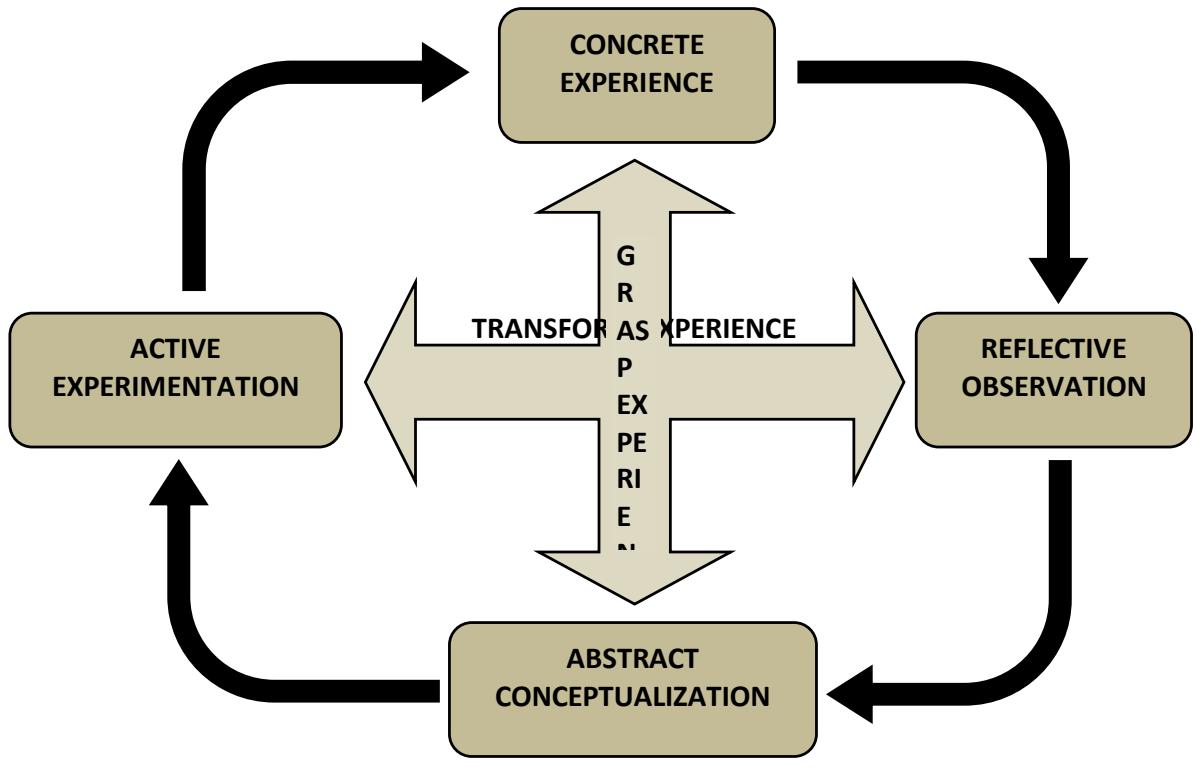 Fig.1: Experiential learning cycle (Kolb and Kolb, 2009)
Experiential activities are essential in cultivating scientific and practical knowledge for students: Experiential activities help students come into contact with new things, natural phenomena, and situations. Therefore, students will receive a lot of scientific knowledge not only from books but also from their
activities. Students apply specific subject knowledge associated with solving local practical problems, partly helping students see what they can do by studying this subject, from which students discover their abilities. Personal strengths, forming passion and interest in a related profession, developing practical abilities, and personality qualities, and promoting individual creative potential (Pham Q. Tiep, 2017; Tran D. Nghia, 2018; Tuong D. Hai, 2017). Applying the experiential learning model of classic research up to this stage has become more flexible, but still ensures the essential elements of experiential learning. The characteristic of experiential activities is that they take place in defined situations, and the product of experience is personal and subjective change (Dao T. M. Ngoc và T. Hang, 2018; Phan T. Ngo, 2019).
Researching experiential learning management, Nguyen T. Hung(2020)summarizes and applies management functions. Experiential learning management can be understood as the process of planning experiential learning - Leadership and Organizing the implementation of experiential learning plans - Control, evaluating results, and providing feedback for improvement. This system operates in 7 steps in a fair, open, and appropriate manner. Regulations related to the stages and steps of experiential learning management, periodic self-assessment, and monitoring internally and externally according to SWOT analysis, especially the results of this control and assessment, must ensure accurately reflect the activities of experiential learning management and provide accurate and timely feedback to stakeholders for improvement...(Nguyen T. Hung, 2020).
For educational managers, the meaning of experiential activities is to help realize the purpose of integration and differentiation to develop practical and individualized capabilities, diversifying the creative potential of students, pupil. Through practical activities, educational managers can evaluate the effectiveness of educational programs and make changes and adjustments to appropriate educational programs for their students (Nguyen V. Hien, 2021).
### b) STEM education
STEM is the English abbreviation of Science, Technology, Engineering, and Mathematics. In particular, Science is the process of creating scientific knowledge; Engineering is the process of using scientific knowledge to design new technology to solve problems; Mathematics is a tool used to obtain results and share them with others. The term STEM is most commonly used in the educational context (education's interest in the subjects of Science, Technology, Engineering, and Mathematics and the integration of practical subjects to enhance capacity building for learners) and career context (STEM is understood as careers in the fields of Science, Technology, Engineering, and Mathematics (Ministry of Education and Training, 2019; Chu C. Tho, 2021). "STEM Education is a program that provides, supports, and enhances Science, Technology, Engineering, and Mathematics education in elementary and secondary schools through graduate school. (Council, 2007)"
Developing competencies in STEM fields is considered an urgent goal for many education systems, partly due to the high demand for the STEM workforce today and in the future (Caprile et al., 2015). This sets the education sector to prepare quality human resources in science, technology, engineering, and mathematics, as a premise for the development of science and technology, improving the competitiveness of the economy. Economy, meeting the increasing integration needs of all countries and peoples. Up to now, many countries around the world have paid attention to promoting STEM education at many levels. There have also been many studies investigating the nature of STEM and the role of STEM in the history of scientific and industrial development. Human technology, perceptions of STEM education, and policies for STEM education (Thomas and Watters, 2015).
### c) Natural Science experience activities oriented toward STEM education
Natural science is an essential subject for the comprehensive development of students, playing a fundamental role in forming and developing the scientific worldview of middle school students (Ha T. Thuy et al., 2018). Natural Sciences has favorable conditions for experiential teaching, enhancing active learning. During experiential activities, students develop autonomy and increase interaction with their peers, thereby forming core competencies. The fact that students can observe, imagine, predict, and participate in the stages of design, organization, testing, and evaluation of learning results helps them adapt quickly to life (Nguyen D. Huan, 2022). Along with Mathematics, Technology, and Informatics, Natural Sciences contribute to promoting STEM education - one of the educational directions that is being developed in the world as well as in Vietnam, contributing to meeting the needs of students. Meet the requirement of providing young human resources for Industrialization - Modernization. The content of Natural Sciences is favorable for the implementation of STEM education, allowing creative approaches to practical problems and attracting students' participation in meaningful activities, thereby Evaluating the results of forming qualities and developing students' abilities through the subject.
Experiential activities in Natural Sciences are the process of students learning about the natural world and applications in life through solving a specific problem in Natural Sciences (Physics, Chemistry). studies,
Biology); Through this, students gain knowledge about objects, phenomena, natural laws, and their effects on human life and the environment. Managing experiential activities in Natural Sciences according to STEM education orientation is managing the process of students performing experiential activities in Natural Sciences with an interest in integrating scientific and applied elements, technology, engineering, and mathematics into operational products. From there, students acquire knowledge, foster qualities, develop capacity, and at the same time recognize the meaning of science, technology, engineering, and mathematics for human life, especially in modern times. great industry 4.0. This activity has a meaningful role in meeting the requirements of the 2018 General Education Program and the need to develop student qualities and abilities. The contents of the sciences of Physics, Chemistry, and Biology are organized as experiential activities according to STEM education orientation. Participating students are formed to develop general abilities (autonomy and self-study, problem-solving). Problems and creativity, communication and cooperation), natural science capacity (natural science awareness, exploration and discovery of the natural world, application of knowledge into practice), adaptive capacity with life, capacity to design and organize activities, and career orientation capacity.
### d) Organizational apparatus
Organizational structure is the division of work and the links in a chain that control corporate activities, including work, communication, coordination, and recognized authorities. Every organizational structure must satisfy three basic requirements: (1) division of labor for each specific job, (2) coordination of work so that employees can achieve the set goals proposed, and (3) management scope. Division of labor is dividing an enormous task into smaller tasks for each person. This is the premise of specialization. Coordination is a tool to ensure that everyone works effectively and together toward the organization's goals. The scope of management, and the arrangement of organizational structure, are the management limits that a manager can effectively supervise (Tran Kiem, 2016).
#### Some types of organizational structures:
Structure by functional departments: According to this structure, employees are arranged according to a specific range of knowledge; and centralized to coordinate activities effectively. Standardization of work processes is the most common form of coordination used in functional structures. This structure also has the advantage of providing professional support between departments and clarifying the path for advancement within the organization. The organization allows for greater specialization and competence in each area, direct supervision is more accessible, and creates a joint knowledge base that serves all members of the organization.
Matrix structure: This is a combination of two structures based on functional departments and project groups. Employees are assigned to cross-functional project teams, but they also belong to a specific applicable department, whereby they return to the applicable department after completing the project. The characteristic of this structure is that in addition to line leaders and operational departments, there are also project leaders who coordinate the activities of departments to carry out a specific project (Tran Kiem, 2016).
## III. MODEL BUILDING
### a) Objectives of model implementation
To help principals orient and organize experiential activities in Natural Sciences according to STEM education orientation; Provide specific direction and assign tasks to the Natural Sciences team to play a vital role in organizing and implementing activities; Develop methods of coordination with relevant departments and educational forces inside and outside the school by the actual conditions of the unit.
### b) Model structure
## i. Model structure of Natural Science experience activities oriented toward STEM education
STEM education-oriented Natural Science experience activities are activities of students observing, exploring, and discovering through experiments and practical exercises. The act of applying natural science knowledge combined with scientific and technical applications to solve academic problems and in practical life. Thereby, students acquire knowledge, foster qualities, develop skills, and simultaneously realize the meaning of Science, Technology, Engineering, and Mathematics for human life, increasing interest. study subjects (Pham N. C. Tu et al, 2022).
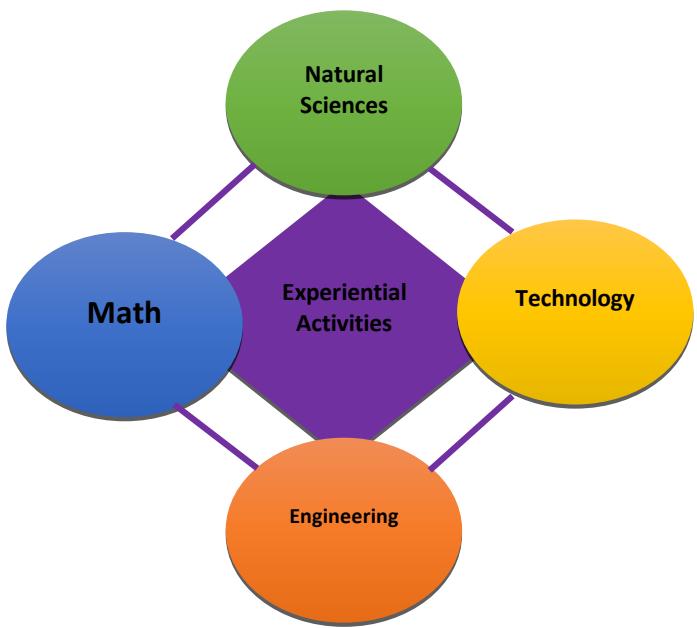 Fig. 2: Model of Natural Science Experiential Activities oriented towards STEM education
## ii. Model structure of educational forces in schools
The educational force in the school is all teachers who are responsible for teaching and educating, staff and officials working to support and serve teaching and student education activities in high schools. Youth Teams, Youth Unions, and Youth Unions are responsible for supporting, coordinating, and participating in implementing student educational activities. For STEM education-oriented natural science experience activities, the Natural Science team needs to coordinate closely with other professional teams such as the Math-Information team and the Technology team; Grassroots Trade Union organization; Laboratory staff practicing Physics, Chemistry, and Biology; computer room staff; Library staff; Support staff for teaching equipment, general in charge of the Team, secretary of the union branch (Ministry of Education and Training, 2020).
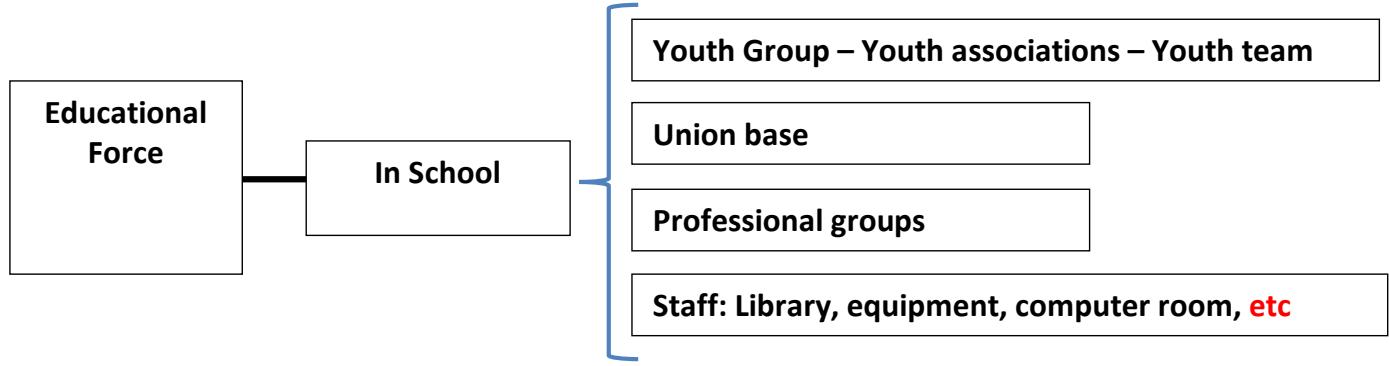 Fig. 3: Model of educational forces in schools
## iii. Model structure of educational forces outside the school
The educational force outside the school is the representative board of students' parents and the relationships between school, family, and society. The school proactively coordinates regularly and closely with family and society to build a unified educational environment to realize educational goals and principles. The school coordinates with local authorities and organizations, mobilizes the forces and resources of the community to care for the cause of education, contributes to the construction of physical facilities and educational equipment of the school, builds a learning movement and a healthy and safe educational environment; prevent activities that have negative effects on students; Create conditions for students to have fun, engage in healthy cultural, physical and sports activities appropriate to their age (Ministry of Education and Training, 2020). When organizing STEM education-oriented Natural Science experience activities in middle schools, principals must coordinate with local higher education institutions (Faculty of Natural Sciences), high schools with strengths in developing STEM education, vocational schools with a STEM career
development orientation, service businesses related to the STEM field, factories, and enterprises operating according to the current mechanism. Modern application of science, technology, and engineering to the production process.
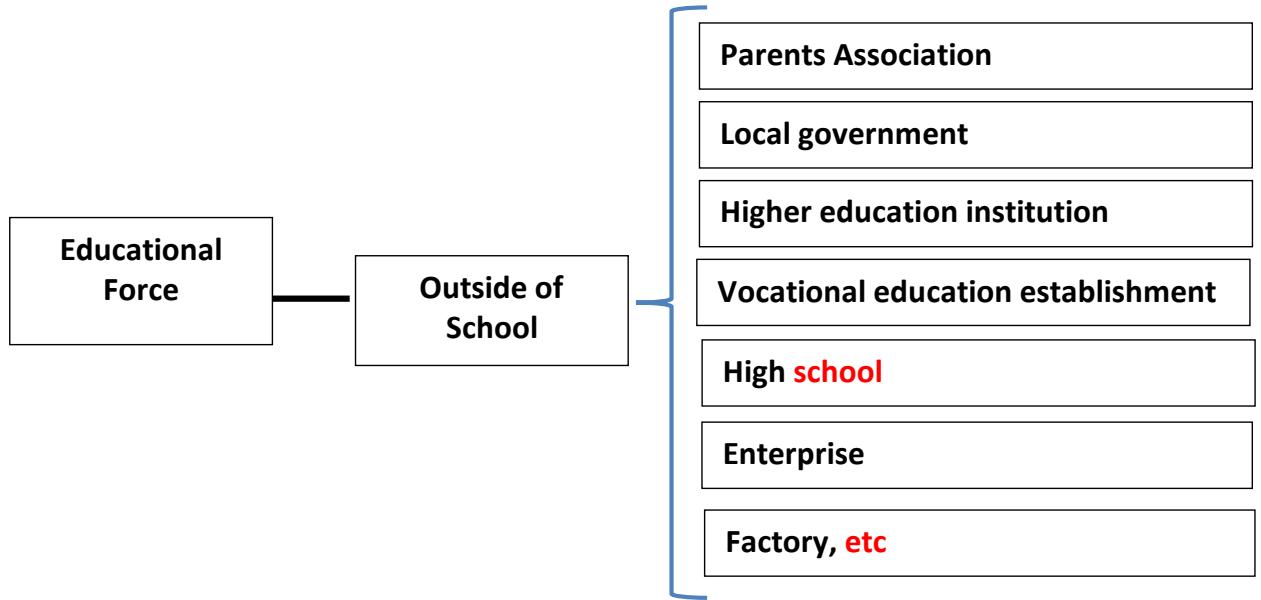 Fig. 4: Model of out-of-school educational forces
## iv. Model structure Organizational apparatus Natural Science experiential activities oriented towards STEM education
This model combines the functional structure of the Natural Sciences team and the implementation of a project to organize experiential activities oriented towards STEM education. Teachers from the Natural Sciences group (Physics, Chemistry, Biology) are assigned to be in charge of tiny, partial project groups, then synthesized into a joint project according to the theme of the experiential activity. In this organizational model, the principal is the general planner, organizer, and director. The principal assigned the task to the leader of the Natural Sciences team to be in charge of the project and coordinate with educational forces to organize activities to experience Natural Sciences with the orientation of STEM education.
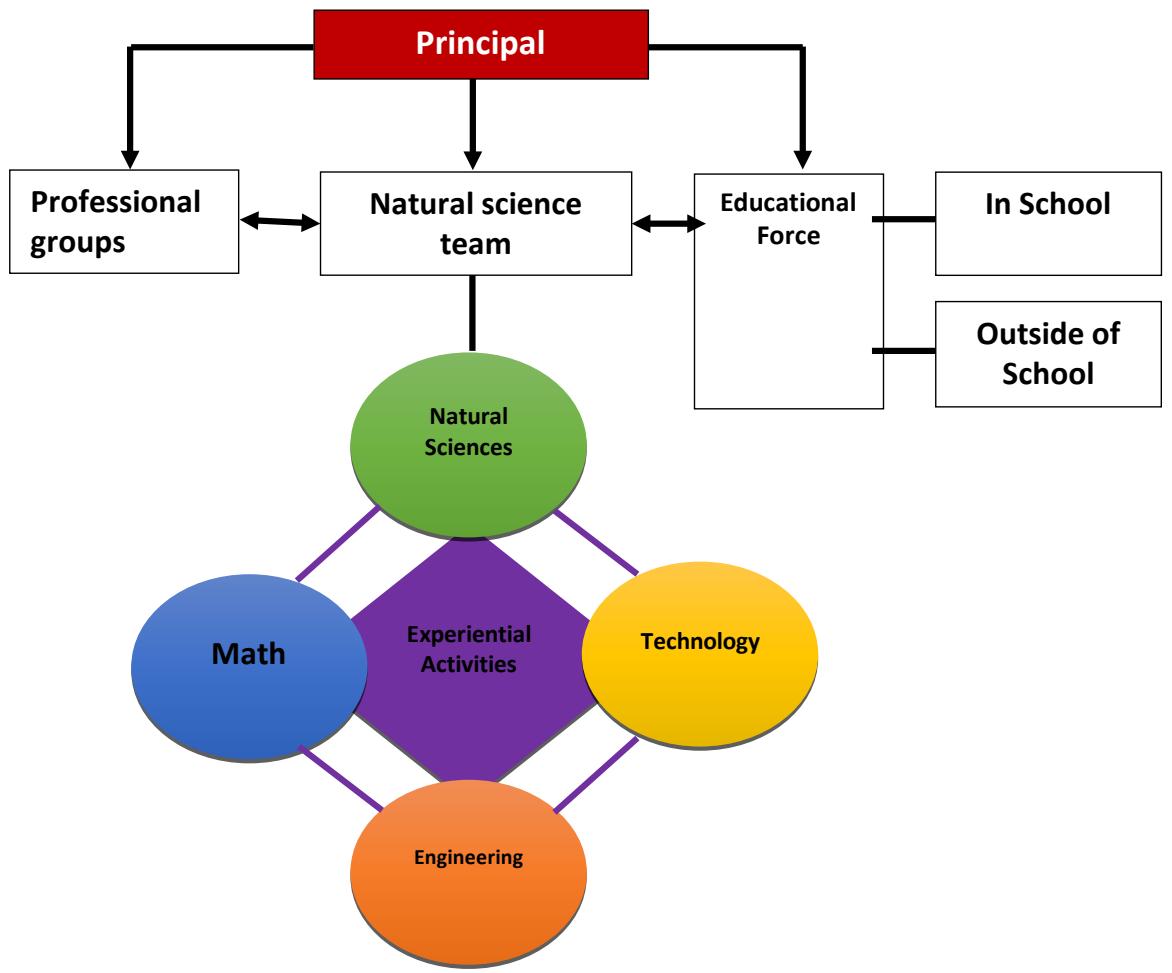 Fig. 5: Model of the organizational structure for experience activities Natural Sciences subject with STEM education orientation
### c) Content and Implementation Method
## i. Planning
The planning principal must identify the goals to be achieved, especially the goals of developing student quality and capacity; Choose appropriate measures for each activity, and topic; and create an activity program. Planning experiential activities in Natural Sciences with a STEM education orientation is not only the principal's job but also the homeroom teacher, subject teacher, and team leader in charge also need to determine the goal. Objectives, content, methods, and forms of organizing activities, and checking and evaluating performance results.
The STEM education-oriented Natural Science experience activity plan needs to identify clearly the following:
- Activity name: Meaningful and attracts participants' attention; consistent with the tasks of the school year and the psychology of students' ages; Demonstrates the field of natural science activities (Physics, Chemistry, Biology) according to STEM education orientation.
- Objectives and requirements of the activity: Must be clear and consistent with the goals of education, knowledge, awareness, ability, capacity of students,
etc. Especially, the development goals must be clearly expressed. They are developing, or student qualities and abilities through a series of experiential activities in Natural Sciences oriented towards STEM education.
- Content of the activity: By with the 2018 General Education Program and has a relationship with teaching activities of Natural Sciences, Fostering qualities, forming capacity, and career orientation for middle school students. It is necessary to clarify the elements: Science (Physics, Chemistry, Biology), Technology, Engineering, and Mathematics are integrated into the content of experiential activities of Natural Sciences according to STEM education orientation.
- Form and method of organizing activities: Natural Science experience activities oriented towards STEM education must be feasible and practical. Therefore, the plan needs to choose methods suitable to the actual situation of the school, locality, and student population. Prioritize using formal methods to develop student qualities and abilities, such as project methods, collaboration, discovery, and problem-solving.
- Identify the subjects participating in the activity: Natural Science teachers, students, parents, coordinating forces inside and outside the school, and local authorities. In particular, experts at local universities can be invited to assist in the professional fields of Natural Sciences and STEM education.
- Time and location of the activity: Consistent with the school's general plan for organizing experiential activities.
- Expected results after the activity: Cognitive expansion, and development of behavioral skills in students. There are unique expectations for developing student qualities and abilities through a series of experiential activities in Natural Sciences oriented toward STEM education.
- Criteria for evaluating the results of experiential activities: Are the basis for assessing student performance results, demonstrating the effectiveness of organizational activities. The content of the criteria table needs to show the level of achievement of the Science elements (Physics, Chemistry, Biology), Technology, Engineering, and Mathematics.
## ii. Organization
Organizing the implementation of natural science experience activities oriented towards STEM education is the arrangement of each activity and each person scientifically and reasonably, coordinating the departments to create a positive impact. The principal must notify the plans and action programs of the subjects carrying out the STEM education-oriented Natural Science experience activities so that each member understands and implements the plan correctly. The principal needs to pay attention to the personal capacity of each member and establish a coordination mechanism between relevant departments. The process of organizing and implementing the plan includes:
- The principal organizes the apparatus by assigning management responsibilities mainly to the natural science professional team and natural science teachers. In addition, to promote STEM education well, principals must arrange coordinated staffing of Technology and Mathematics teachers.
- The principal assigns support responsibilities, including Youth Union - Team officers, library staff, equipment, laboratory practice room, information technology - technology room, teachers in charge of facilities, and finance to create Favorable conditions for STEM education-oriented Natural Science experience activities to be organized successfully.
- The principal coordinate forces outside the school, including the Parents' Association, the Learning Promotion Association, local social organizations,
businesses, companies, factories, eco-tourism areas, and high schools. The university has strengths in STEM education, to create conditions for students to expand the environment of organizing experiential activities to approach practical life.
Organizing experiential activities in Natural Sciences with a STEM education orientation in middle schools is the responsibility of each teacher and staff member, but directly implementing the plan and organizing the activities is the subject teacher natural sciences based on the principal's assignment. During the implementation process, the principal creates conditions for the operational management apparatus to promote its capacity with a spirit of self-discipline and positivity. All forces coordinate together to complete the task successfully.
## iii. Command
Directing is an essential step for the principal; the effectiveness of implementing activities speaks to the leadership capacity of the school head. Directing the implementation of the plan to organize experiential activities in Natural Sciences with a STEM education orientation is the principal's intervention and the entire process of managing experiential activities to ensure the implementation of experiential activities. The experiment is checked in the right direction and according to plan.
The principal directs to adhere to the goal of experiencing Natural Science activities in the direction of STEM education. The Principal leads closely to the goals of formation and development of general capacity, natural science capacity, capacity to adapt to life, capacity to design and organize activities, and career orientation capacity for students. Students throughout the process of collecting and implementing experiential activities in Natural Sciences with a STEM education orientation.
The Principal directs the implementation of the content of experiential activities in Natural Sciences according to STEM education orientation, including the fields of Physics, Chemistry, and Biology. At the same time, STEM education must be oriented to integrating scientific topics, including Substance and changes of matter, living things, energy and changes, Earth and Sky combined with application. Technology, techniques, and mathematical tools and solve a specific situation according to the requirements of the experiential activity.
The Principal directs the application of methods and forms of organizing experiential activities in Natural Sciences according to STEM education orientation to promote students' proactive and creative initiative, making students the center and contributing to the formation and development of students' abilities.
The principal directs and coordinates the inspection and evaluation of experiential activities in Natural Sciences according to STEM education orientation. Inspection and evaluation work helps the principal promptly detect and adjust errors and mistakes in implementing the plan, thereby making necessary corrections and corrections. The principal directs and coordinates the inspection and evaluation of STEM education-oriented Natural Science experience activities, including determining evaluation principles, and evaluation procedures, and suggesting evaluation tools.
## iv. Check
Currently, ensuring the quality and effectiveness of assessing learning outcomes/participation in educational activities based on the competency approach requires applying all three assessment philosophies, including (1) assessment for learning, (2) assessment is learning, and (3) assessment of learning outcomes/participation in educational activities. Because students' abilities are formed, trained, and developed throughout teaching the subject/organizing educational activities, assessment needs to be closely integrated with teaching/organizing activities. Educational initiatives consider assessment a learning tool to form and develop student capacity.
Principals need to disseminate to teachers the principles of testing and evaluating experiential activities in Natural Sciences oriented towards STEM education in the direction of developing students' capacity. First, the principle of ensuring validity. Second, ensure comprehensiveness and flexibility. Third, ensure fairness and reliability. Fourth, ensure that the assessment pays attention to students' outcomes and experiences. Fifth, provide assessment in a practical context and for student development.
To ensure fair, objective, and accurate testing and evaluation, principals need to direct teachers to follow the process of testing and evaluating experiential activities in Natural Sciences oriented toward STEM education. That is to determine the purpose of evaluation, the objective of the experience topic to be assessed; develop testing and evaluation plans; select and design assessment tools; perform testing and evaluation; analyze and process assessment results; explain and respond to assessment results; Use the results to develop student qualities and abilities.
The principal directs the development of testing and assessment tools in the direction of assessing student capacity. These tools include rubrics, activity records, activity products, notes, questions, checklists, and evaluation scales. Evaluation based on criteria must demonstrate the levels of achievement of Science, Technology, Engineering, and Mathematics elements for Natural Science experience products.
After inspection and evaluation, the organization must learn from experience, and point out the achieved and unsatisfactory aspects of the activity, thereby recognizing the values and contributions of groups and individuals to the organization. Actively experience
Natural Science with STEM education orientation. Inspection and evaluation of activities must be objective, accurate, comprehensive, public, timely, affordable, and closely adhere to the requirements of the general education program and educational goals at the school level. On that basis, clarify the current situation to adjust the educational process appropriately.
## IV. DISCUSS THE CONDITIONS FOR IMPLEMENTING THE MODEL
To effectively implement the model of organizing experiential activities in Natural Sciences oriented toward STEM education in schools, the following conditions must be met:
- Internal capacity of the principal: Demonstrated in the role of planning, organizing, and directing teachers and staff in the school to coordinate with the Natural Sciences team to organize experiential activities well. Natural Sciences subject with STEM education orientation aims to develop student qualities and abilities, contributing to improving the overall educational quality of the school.
- The principal's foreign policy capacity: Expressed in the role of lobbying, persuading, creating trust, and calling for investment, material and spiritual contributions from sponsors, benefactors, vocational education institutions, and businesses outside the school; contributing to diversifying forms of organizing experiential activities in natural sciences in the direction of STEM education that is close to reality, approaching the 4.0 career trend and globalization trend.
- The capacity of the leader of the Natural Sciences group to implement the plan in implementing the principal's plan includes coordination with professional groups and educational forces inside and outside the school. All Natural Science teachers play a vital role in guiding, organizing implementation, checking and evaluating student performance, and then synthesizing reports to the school.
- Internal solidarity within the school, the spirit of determination to comprehensively innovate education towards developing student qualities and abilities; The pedagogical team is enthusiastic and dedicated to innovating from content to methods and forms of teaching and education, testing and evaluation methods and together with the school to well organize educational activities according to the regulations of the State general education program 2018.
- The interest of local authorities, the connection from local authorities with businesses, STEM education development factory, to create conditions for learning, experience, and practice environment for
students to have the opportunity to interact with reality.
## V. CONCLUSION
The model of building an organizational structure for experiential activities in Natural Sciences with the orientation of STEM education deployed in schools will bring practical significance in forming and developing the qualities and abilities of learners. However, in the context of the strong development of information technology, the model needs to continue to be researched and expanded in the direction of digital transformation and globalization, increasing the integration of technology applications into organizing activities.
Generating HTML Viewer...
References
25 Cites in Article
(2019). Training administrators and teachers on developing STEM education topics in secondary education.
(2020). Book Review: Applied Mathematics for Junior High Schools and High Schools.
M Caprile,R Palmén,P Sanz,G Dente (2015). Encouraging STEM studies labor market situation and comparison of practices targeted at young people in different member states.
C Chu (2021). STEM education inspires future innovators.
C Council (2007). http://ljournal.ru/wp-content/uploads/2017/03/a-2017-023.pdf.
Nguyen Ngoc (2018). Developing Communication Skills for Secondary School Students via Experiential Activities.
J Dewey (2012). Experience and education.
T Ha,Thuy (2018). Teaching Natural Science at the junior high school level in the direction of developing capacity.
F Julien (2004). Eastern wisdom and Western philosophy.
Alice Kolb,David Kolb (2009). The Learning Way.
Ilke Evin Gencel,Mustafa Erdogan,Alice Kolb,David Kolb (2014). Rubric for Experiential Training.
V Kurka (2012). Recognizing culture in experiential education: an analysis and framework for practitioners.
Margaret Mohr‐schroeder,Christa Jackson,Maranda Miller,Bruce Walcott,David Little,Lydia Speler,William Schooler,D Schroeder (2014). Developing Middle School Students' Interests in <scp>STEM</scp> via Summer Learning Experiences: <scp>S</scp>ee <scp>B</scp>lue <scp>STEM C</scp>amp.
D Nguyen,Hai (2022). Organize experiential activities in teaching the topic "Earth and Sky", a 6thgrade Natural Science subject with the orientation of developing student capacity.
T Nguyen,Hai (2019). STEM/STEAM education from hands-on experiences to creative thinking.
Le-Van-Dung Nguyen,Thi-Phương-Thuy Le,Thi-Diep Hoang,Thu-Giang Tran,Thi-Thanh-Thuy Nguyen (2020). Vietnam’s Scientific Publications in the Period of COVID-19.
V Nguyen,Hien (2021). Designing STEAM experience activities in Nature and Society subjects in elementary school.
Angela Passarelli,David Kolb (2011). The Learning Way: Learning from Experience as the Path to Lifelong Learning and Development.
N Pham,Tu (2022). Managing experiential activities in Natural Science oriented towards STEM education in middle school.
Q Pham,Tiep (2017). Educational Model and Practice of STEM Education+Creator.
T Phan,Ngo (2019). Experiential activities in character education for high school students.
Bibi Thomas,James Watters (2015). Perspectives on Australian, Indian and Malaysian approaches to STEM education.
D Tran,Nghia (2018). Develop a plan for experiential education activities in specialized high schools in the new general education program.
Tran Kiem (2016). Organizational science and educational organization.
Kiem Tran,X Nguyen,Thuc (2015). Overview of management science and educational management.
Explore published articles in an immersive Augmented Reality environment. Our platform converts research papers into interactive 3D books, allowing readers to view and interact with content using AR and VR compatible devices.
Your published article is automatically converted into a realistic 3D book. Flip through pages and read research papers in a more engaging and interactive format.
STEM educational-oriented Natural Science experience activities are learner-oriented activities, Taking learners as the center in all natural science research activities, applying engineering technology and mathematics (STEM) in solving practical problems. Based on theoretical research on experiential activities, STEM education, and the characteristics of Natural Sciences, the article studies the educational forces inside and outside the school. From there, it is proposed to build a model of organizational structure for experiential activities in Natural Sciences oriented toward STEM education. The results of this research are meaningful in helping principals see the importance and significance of coordinating educational forces inside and outside the school in organizing experiential activities in Natural Sciences according to orientation. STEM education for students.
Our website is actively being updated, and changes may occur frequently. Please clear your browser cache if needed. For feedback or error reporting, please email [email protected]
Thank you for connecting with us. We will respond to you shortly.