I. INTRODUCTION
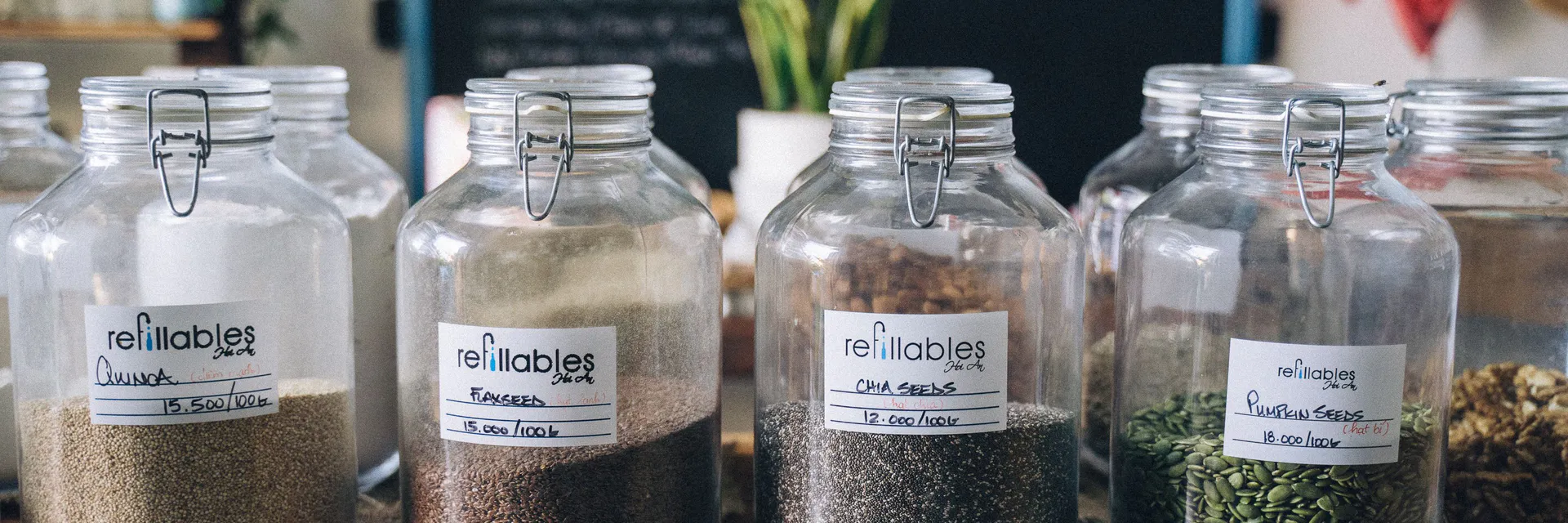
Pseudocerealsdo not belong to the Gramineae family and produce seeds which can be milled into flour and applied like as cereal crops. They are known to be gluten-free and suitable for Celiac disorders which these fiber-rich grains with high diversification of gluten-free items are available on the market(Alvarez-Jubete et al., 2010). Quinoa (Chenopodium Quinoa) seeds are known as pseudocereal, and due to their high fiber ( 15%) and protein ( 13%) containing essential amino acids such as lysine, threonine and methionine which are insufficient is some cereals; have found great attention in the world (López-Alarcón et al., 2019; Wu et al., 2017). Quinoa can be incorporated into various products such as bread, cookies, pasta, cakes and chocolates (Acosta-Dominguez et al., 2016; Casas Moreno et al., 2015; Pop et al., 2014; Wang et al., 2015). Due to the high quality of quinoa protein, it can be applied to improve protein from different sources and utilized for Celiac diseases treatment (Abugoch et al., 2008; Alencar et al., 2015). Therefore, FAO has selected it as one of the destination crops to offer food security in the 21 century (Jacobsen, 2003).
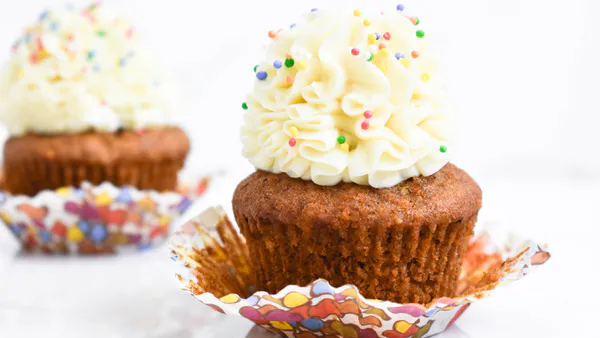
The convenient processing and accessibilities of cupcakes in the parties, makes it a suitable choice which can be designated by quinoa flour as a panelist product for celiac disorders (Abdel-Moemin, 2016). However, the quinoa flour products are often poor quality due to quality degradation by shelf life, have lower loaf volume, poor texture and mouth feel due to the lack of gluten elasticity and low nutritional value (Turkut et al., 2016). So, it is required to improve the structural and textural properties of the products from quinoa flour through some physical, chemical and enzymatic modification. Although, some thermal processing have been used to change its physicochemical properties of protein and starches(Acosta-Dominguez et al., 2016; Mirmoghtadaie et al., 2016). It has also been reported that thermal processing make different effects on the protein functionalities and induce gelation of quinoa protein, which has been attributed to the protein characteristics such as molecular attractions, which lead to the irreversible bond formation between aggregates of globular proteins (Ako et al., 2010; Kaspchak et al., 2017). Indeed, baking industries are so interested in comprising new additives to extend shelf life of the products due to its deterioration by presence of molds which has a severe economic loss in the products (Samapundo et al., 2017).
Wheat germination improves the bioavailability of nutrients and offers many health benefits. For instance, folic acid is increased 3 to 4-fold in germinated wheat flour (GWF) depending on the temperature processing of wheat germination (Hefni & Witthöft, 2011). Since the protein content of GWF (about 9%) is more than whole wheat flour, it can be developed in the baking process. Furthermore, GWF has higher oil absorption capacity and water solubility index which can be useful in different baking products such as cupcake(Dhillon et al., 2020). GWF was also evaluated for using in bread making and interesting results were achieved (Park & Morita, 2005). Due to the high nutritional and functional properties of GWF, it is interesting to incorporate in various products for value addition such as weaning foods (Gulzar, 2011). Therefore, the effect of GWF along with quinoa flour in cupcakes is investigated here.
Since, to the best of our knowledge there is no research work on the effect of quinoa flourmixed withGWF on the physicochemical, textural properties and microbiological stability of a cupcake, the objective of the current work was to evaluate the effect of quinoa flour addition on the physicochemical, sensory and textural properties of cupcakes and its stability for storing at room temperature in the shelf of the markets.
II. MATERIALS AND METHODS
a) Materials
Quinoa (Chenopodium quinoa) seeds were purchased from a local organic market (OAB, Tehran, Iran). In order to eliminate the raw taste of quinoa, it was roasted at C for 10 min. Germinated wheat flour was prepared according to the method of Hefni & Witthöft with slight modifications (Hefni & Witthöft, 2011). In brief, wheat germination was performed for 48 h in a leavening cupboard. Then, GWF was dried in a conventional oven at C. Both roasted quinoa and germinated wheat samples were then milled and packed in polyethylene hermetic plastic bags and stored at C until the experiments. Cupcake ingredients including sugar, glucose, egg, vanilla, baking powder, edible oil and salt were obtained from local markets.
b) Physicochemical analysis
Physicochemical analysis of quinoa flour and GWF including moisture content (AACC, 44-19), ash (AACC, 08-01), lipid (AACC, 30-20) and protein content (AACC, 46-30) (N×5.96) were evaluated (AACC, 2000). Total crude fiber contents of the flour were assayed using the AOAC method no 991.43 (AACCI., 1995).
Cupcakes with different levels of quinoa flour and GWF were analyzed for pH after baking. In order to measure pH, water and cakes in equal amounts by weight were stirred in a beaker, and slurry was formed. Then, pH value was measured (Jenway, England). Water activity ( ) was determined by using a water activity meter (Aqualab, 3TE, Decagon, USA). Moisture content was measured gravimetrically based on weight loss by oven drying at 60°C until a constant weight was achieved. The superficial color was analyzed using black box method by using the CIElab parameters , and according to our previous work (Abdollahi Moghaddam et al., 2015). The specific volume of the cupcakes was determined according to the AACC methodology, 55.50.01(AACC, 2000). The cupcakes were weighed using a semi-analytical balance, and the volume was measured by millet seed displacement. The specific volume was calculated from the relation of volume to weight and the results are expressed as .
c) Cupcake formulation
A basic formulation reported by Abdel-Moemin(2016) at different levels of quinoa flour and GWF was used (Table 1). All ingredients were thoroughly mixed for 5 min. Cupcake papers were fitted into each of the 12 wells in the cupcake tray (34×26 cm). The cupcake papers were filled with 60 g of the batter and then baked at 190°C in the Mini Cupcake Maker. Then, they were allowed to cool and packed in polyethylene bags and stored at ambient temperature and dry place prior to the experiments.
d) Textural Profile Analysis (TPA)
Textural properties of cupcakes were determined using the TA-XR2 texture analyzer (Stable Micro System Co. Ltd, Surrey, England), equipped with a 5 kg load cell. A cylindrical probe of 36 mm diameter was attached to the crosshead. The instrument test was as follows: Pre-test speed: 1.5 mms , crosshead speed: 1 mms , post-test speed 1.5 mms , and compression was set to 40%. The cupcakes loaves were sliced to 15 mm thickness and the crusts were removed before analysis. Textural parameters including hardness, elasticity, cohesiveness, resilience and chewiness were measured. Data were analyzed by using Texture Expert Exceed Software supplied with the instrument. All the tests were performed in triplicates, and the average and standard deviation are reported.
e) Sensorial properties
Cupcakes with different levels of quinoa flour were presented separately to 60 consumers. A 5-point hedonic scale, ranging from 1 for 'dislike extremely' to 5 'like extremely' was used to determine their degree of acceptance among the products supplemented with germinated wheat flour at varying levels.
f) Microbial experiments
All the cupcakes were packed in sealed plastic bags and stored at C. They were checked daily for visible mold growth and weekly by culturing in the media (Debonne et al., 2018).
g) Statistical analysis
Data analysis was triplicates. The means and standard deviations were analyzed using ANOVA followed by the Turkey's post-hoc test at the significance level of 5% (P<0.05). For the sensory analysis, the data were analyzed via the Friedman test, equivalent to the ANOVA test. All analyses were performed using the Minitab 16 statistical software (MinitabInc., State College, PA, USA).
III. RESULTS AND DISCUSSION
a) Physicochemical and appearance properties of cupcakes
Physicochemical properties of quinoa flour and GWF are provided in Table 2. As it can be seen, QF has high protein content which is more than that of GWF. Similar protein content was also reported for GWF in the literature (Enujiugha et al., 2003). In contrast, QF did not have any gluten and it is a proper product for celiac people. The fat content and crude fibers were 2.30 and 2.24%, respectively, which were in agreement with other scientific findings (Dhillon et al., 2020). The crude fibre is the insoluble residue of the acid hydrolysis followed by an alkaline one. Insoluble structural fibers such as cellulose, hemicellulose, and lignin which are the important part of cell wall are included in fibre fractions (Chaudhary & Vyas, 2014). The mineral content of QF was more than the GWF (1.65%). Similar mineral amount was also found for GWF and reduction of mineral in GWF has been attributed to the loss of the mineral content during soaking (David et al., 2015).
Moisture content (MC) and water activity ( ) are two factors should be considered during the baking process, as excessive water can cause overexpansion during baking and breakdown of the loaves during storage, compromising the stability of the product (Encina-Zelada et al., 2018). Partial substitution of wheat flour with QF and GWF produced different moisture content and from 15.70 to 25.48% and 0.68 to 0.82, respectively (Table 3). For all the samples, moisture and water activity exhibited reduction during the storage. The highest MC and were obtained in the sample containing 15% GWF. Since there was not statistically significant difference in the MC of the sample with 15% QF with the control (P<0.05), it can be recommended to apply the formula for celiac disorders. Furthermore, as the QF and GWF were increased in the formula, the MC was increased and there was not statistically significant difference in the sample with high content of QF (15%) and GWF (15%) with the control (P<0.05). In contrast, the lowest MC and were obtained for the sample with 7.5% QF and 7.5% GWF. The values of MC and were greater than those results from other types of bread which the higher water absorption is related to the replacement of wheat flour with QF and GWF. This behavior has been attributed to the protein microstructure of quinoa protein since the number of pores and nanocavities on the surface of the protein favored the diffusion and adsorption of water into the food matrix and consequently led to higher moisture content (Acosta-Dominguez et al., 2016; López-Alarcón et al., 2019; Puolanne & Halonen, 2010).
Color, due to its importance in commercialization, is another key property which was measured. It is directly influenced by the ingredients constituting the formulation and the baking conditions (Abugoch et al., 2008). Therefore, the color attributes were provided in Table 4. All the samples with QF and GWF exhibited significantly different L* color parameter values as compared to the control. It can be understood that the highest and lowest L* were obtained for the control (75.56±0.61) and 15% QF and 15% GWF (54.91±0.89), respectively. In the same way, the highest darkening index was observed for the highest QF and GWF can be attributed to the Maillard reaction involving the amino group of the protein or amino acid and the carbonyl group of a single sugar, the amount of protein and starch in the cupcake formula affects the darkening index. As can found from Table 4, the highest protein content was seen for the sample containing 15% QF and 15% GWF and the lowest protein was obtained for the control. Similarly, the maximum fiber (ash content) was observed for the sample with the high QF and GWF. In contrast, the highest and lowest a* and b* were obtained for sample containing 15% QF and 15% GWF and the control, respectively. The samples containing QF characterized by the lower range values of the parameter b* (20.05–28.82) that were statistically different (p<0.05) from those of the cupcake control (19.50). Similar findings were also reported for the modified quinoa protein isolates which has been used in cupcakes(López-Alarcón et al., 2019). In contrast, the samples with GWF did not show any statistical differences in the b* color parameter (28.22) when compared with the highest QF cupcake. The color difference (ΔE) was also attained for the sample with 15% QF and 15% GWF. Indeed, the cupcakes with QF and GWF showed more color differences (24.65-46.52) in comparison with control, which indicated the samples, presented a greater difference from the control considering the Lab parameters. Since, the values are above ΔE>3consumers may precept the difference by the eye. In all the samples, the total color change was higher when the amount of QF was increased from 1.5 to 15%, and the color parameter exhibited the greatest change was b*.
As compared to the control, the specific volume was lightly increased by adding the quinoa flour. This property should be considered during the cupcake preparation which is a critical parameter for its acceptance by the consumers (Alencar et al., 2015). The specific volume reduction can be related to the volume of the bread depends on the trapping of gas by wheat starch and gluten formation among other factors (Israr et al., 2017). Consequently, wheat flour replacement by quinoa flour can decrease the trapped gas and simultaneously increase water retention capacity of the protein.
The internal porosity of cupcakes as affected by QF-GWF was also provided in Table 4. The lowest porosity was observed for the sample containing the high amount of QF and GWF which clearly showed the effect of protein on the texture. However, the control sample had the 35.92% porosity which was not the highest value and was similar to the sample containing QF or GWF. It could be seen that, by increasing QF, internal porosity of cupcakes was decreased. However, there were little differences in the values of internal porosity between other samples with varying QF and
GWF. The internal porosity values decreased with QF which may be attributed to faster moisture loss from the dough as time of backing proceed.
b) Textural properties of cupcakes
Textural properties of cupcakes at different amounts of QF and GWF are presented in Table 5. In general, the hardness of the samples were increased when the concentration of quinoa flour was increased from 1.5 to 15%, but decreased in the samples with only 15% of GWF which is possibly due to the fact that was insufficient to bind to the added protein. The initial hardness was significantly higher (p<0.05) in the samples added with 15% QF-GWF, varying from 63.15 N to 65.21 N, whereas the hardness of the samples added with only GWF varied from 35.70 to 55.70 N, and in the samples added with QF, the hardness ranged from 35.22 to 63.18 N. All these values were higher than the hardness of the control sample (33.11 N). It has been reported that the thermal processing extend the amylopectin crystals present in the protein and therefore, swelling of granules and changing in the textural properties was occurred (Patel et al., 2005). Similar to hardness, cohesiveness increased slightly upon increasing the amount of the quinoa flour; the samples added with 15% QF-WG.
GWF (1.09) presented a slightly higher cohesiveness than those added with only QF (1.08) or GWF (1.05). Regarding the elasticity, the samples added with different QF did not show significant differences ; this indicated that the addition of the QF did not produce a significant effect on the elastic texture of the crumb. In general, the replacement of the wheat flour with QF and QF-GWF did not significantly affect the resilience of the cupcakes (data not provided here); in contrast, the samples in which QF was used showed significantly higher values of resilience as compared to the control; these results suggested that the addition of QF produced cupcakes that required similar energy as the cupcake control for the deformation of their elastic components. Similarly, it has been reported that quinoa protein isolate can increase the strength of cupcakes and need more energy before swallowing (López-Alarcón et al., 2019).
After one month storage, the hardness was higher in the samples added with QF-GWF as compared to that of the samples added only with the QF or GWF and control; bread aging is a complex physical phenomenon that occurs during storage mainly due to the loss or migration of moisture from the crumb. This phenomenon is regularly reflected in the textural properties through an increase in hardness(Fadda et al., 2014). It has been found that the modified quinoa protein isolates had higher water retention capacities than the unmodified counterparts; this could alter the wateradsorption process and the cupcake retrogradation process. With regard to this, it has been reported that some compounds or the physical or chemical modifications of proteins restrict the mobilization of water during storage; this results in a better water retention capacity, which in turn improves the mass and decreases the aging and hardness of the bread (Peng et al., 2017). It was also observed that after 30 days, the cohesiveness and elasticity did not change with respect to the type of flour added; however, these parameters changed with respect to storage time; this suggested that the changes in texture occurred due to the process of retrogradation of starch present in the wheat flour. Therefore, changes in the texture of the cupcakes during storage appeared to be related to the process of replacement of the protein.
c) Sensory evaluation of cupcakes added with QF-GWF
The analysis of textural properties has a high correlation with sensory evaluation(Scheuer et al., 2016). The preference for cupcakes added with QF was significantly higher (p<0.05) as compared to that for the control. The samples in which the wheat flour was substituted with the QF had a higher preference (p<0.05) as compared to the control; the results indicated that the control was accepted with the score =2.50, corresponding to "I like little", whereas in the samples in which wheat flour was replaced by QF-GWF, the scores varied from 4.10 to 4.60, corresponding to "I like very much". Similarly, the ordering test turned out to be congruent with the hedonic scale in a way such that the samples added with QF exhibited greater values of preference. No significant differences (p>0.05) were found in the preference and acceptance of the samples added with different level of QF and GWF; this matched with the texture data obtained for the hardness of different samples. It was possibly due to the fact that the force required to compress these cupcakes between teeth was favorable for the preference and the freshness perception of foods(Giannou & Tzia, 2007); consumers reported that the incorporation of QF-GWF into the cupcake produced fresh bread with greater wettability and greater ease in swallowing; however, in the control sample, the consumers reported that the bread was dry and swallowed with greater difficulty; this led to its decreased acceptability.
d) Antifungal activity of cupcakes containing QF
The addition of compounds with high degree of affinity for water could extend cupcake aging during storage. It has been reported that some compounds or additives, such as hydrocolloids, used in baking improve the water retention capacity, texture and shelf life of the final product(Ferrero, 2017). Visual cupcake spoilage by molds and yeasts is the most common reason for the rejection by the consumer. It has been understood that the QF along with GWF delayed the appearance of molds by five and three days, when compared with the case of the control sample stored at C. This effect was greater when the concentration of the QF was increased. This may be related to the fact that the QF has a more porous surface that is capable of retaining water in its structure in a way such that water is not available for the growth of microorganisms or due to the greater number of protein-carbohydrate interactions in these samples. It has been reported that water and carbohydrates have important effects on the water retention capacity and consequently affect the technological properties and water availability for microorganisms (Poulane et al., 2010). Furthermore, it has been demonstrated that processes, such as freezing-lyophilization, modify the nanostructure of the proteins, improving the absorption and distribution of water molecules(Acosta-Dominguez et al., 2016); this cause slower water mobility with higher viscosity and more polymer-water interactions(Peng et al., 2017), which may result in a decrease in the growth of microorganisms on the cupcakes and an increase in the shelf life of the cupcakes.
IV. CONCLUSION
The addition of quinoa flour along with germinated wheat flour modifies the physical, textural and sensorial properties of the cupcakes. These changes were directly proportional to the concentration of the added QF and GWF, resulting in better properties when used in the proportion of 15%. The samples in which wheat flour was substituted with QF-GWF presented higher hardness both initially and during storage; the addition of 15%QF-GWF caused greater acceptance and preference on the part of the consumers and delayed the appearance of molds by 15 days, respectively, as compared to the case of the control sample; this indicated that the type of modification and the concentration of the quinoa flour were decisive factors that affected the properties and microbiological stability of the products made using these flours. This research shows that the addition of quinoa flour along with germinated flour leads to sensory and microbiological benefits in cupcakes and extends the shelf life of the cupcakes in which they are incorporated.
Conflict of interest
There are no conflicts of interest to declare.