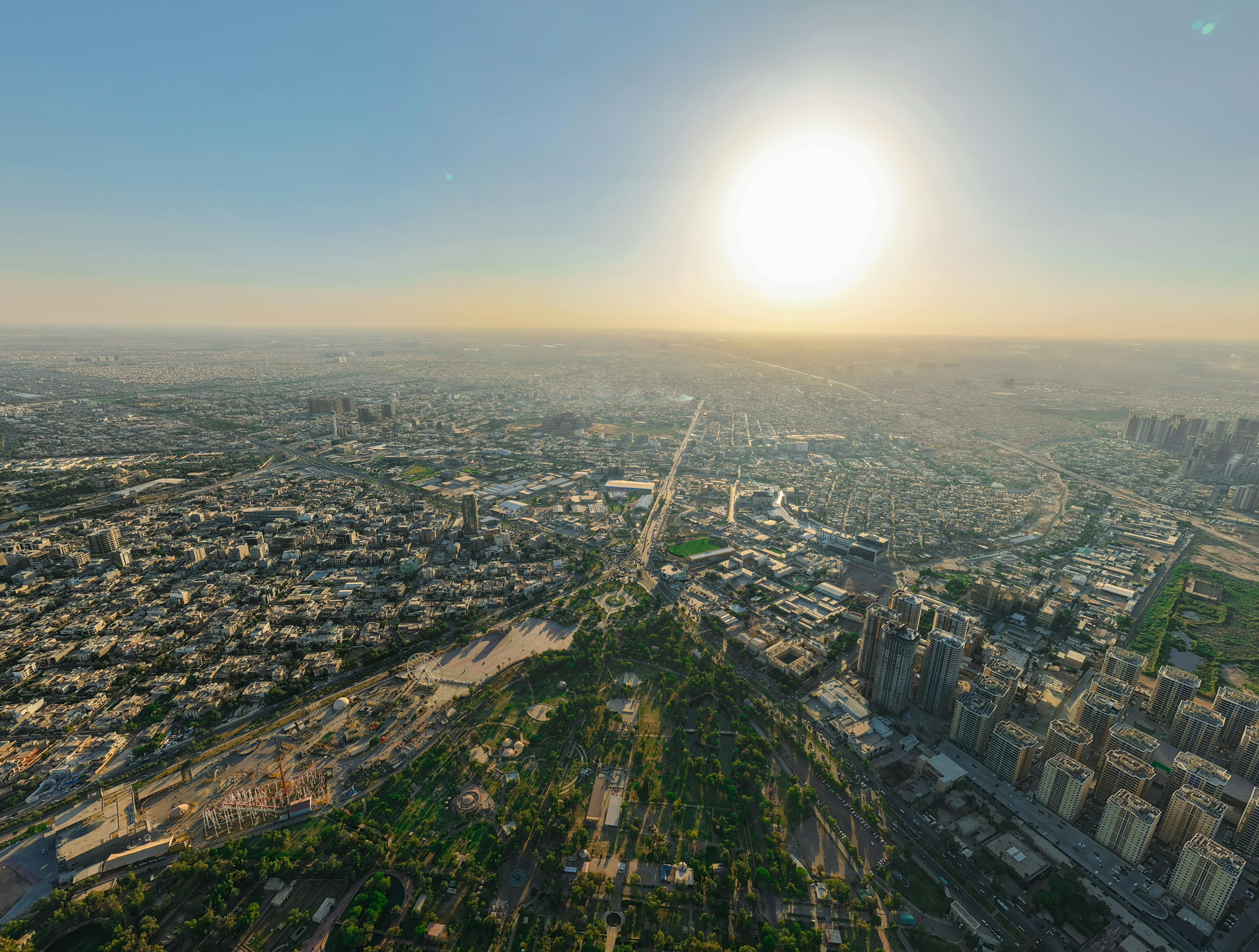
Climate change is markedly intensifying the challenges associated with urban heat, especially within rapidly growing Indian cities such as Kerala and Tamil Nadu. This study critically examines community action as a pivotal mechanism driving climate change mitigation and sustainable urban development. Leveraging an integrated analysis of both global and local case studies, it delves into the multifaceted impacts of rising urban heat. Particular focus is placed on health risks linked to elevated nocturnal temperatures, exacerbation of the urban heat island effect, and heightened vulnerability among marginalized populations. Employing a robust mixed-methods methodology encompassing literature review, case studies, and stakeholder interviews, the research identifies critical gaps in climate data accessibility, policy harmonization, and community inclusiveness. Findings substantiate the effectiveness of localized, community-driven initiatives in amplifying resilience and adaptive capacity. The study culminates with tangible recommendations emphasizing multi-sector collaboration, enhanced climate modelling, and inclusive frameworks necessary to safeguard vulnerable urban residents amid escalating climate threats.
## I. INTRODUCTION
The urban development model in India is not sustainable till it considers the local environment. Climate change increasingly threatens global ecosystems, human health, and economic stability, with urban areas emerging as critical hotspots of vulnerability due to intensified heat, pollution, and population density (World Resources Institute, 2023). Urban heat islands, defined as localized phenomena where urban areas exhibit higher temperatures than their rural surroundings, have intensified considerably due to rapid urbanization and proliferation of heat-absorbing artificial surfaces. This intensification has redefined urban heat from a mere comfort inconvenience into a critical public health and survival challenge. The compounded effects of greenhouse gas emissions alongside urban heat escalation uniquely threaten densely populated urban centers, with disproportionate impacts on socioeconomically marginalized groups due to inadequate infrastructure and access to cooling resources. The urgency of addressing this phenomenon is consequently paramount to ensure sustainable urban development and climate resilience. (Indo-Asian News Service, 2024). The parallel rise of greenhouse gas emissions and urban heat has exacerbated these risks, particularly in rapidly expanding cities in India and across the global South, where marginalized populations face disproportionate risks due to inadequate housing, poor sanitation, and limited access to cooling infrastructure (Souverijns, et al., 2022); (World Resources Institute, 2023).
The stakes are high in Indian urban centers like Delhi, Mumbai, and cities in Kerala and Tamil Nadu. Nighttime temperatures which ideally should aid human physiological recovery through cooling have risen dramatically, with persistent hot nights above $25^{\circ}\mathrm{C}$ becoming commonplace and reaching unprecedented records, such as Delhi's overnight temperature of $35.2^{\circ}\mathrm{C}$ in 2023 (Indo-Asian News Service, 2024). Nighttime temperature rises pose profound risks to human health by disrupting the body's natural thermoregulation and sleep cycles essential for physiological recovery. Elevated nocturnal temperatures are empirically linked to increased incidences of cardiovascular, respiratory, and renal diseases, and contribute significantly to heat-related mortality. Vulnerable demographics including the elderly, laborers exposed to outdoor heat, and low-income households with limited cooling access are disproportionately susceptible. Without immediate policy interventions, climate projections suggest these conditions will become pervasive, intensifying social inequities and overburdening urban health and governance infrastructures. (Center for Climate and Energy Solutions, 2025). Climate models project that without significant intervention, such climatic stresses will become the new normal across Indian cities by the end of the century, compounding existing social inequities and straining urban governance systems (IPCC, 2022, as cited in (World Resources Institute, 2023).
Although climate change is a global challenge, localized action spearheaded by community engagement has emerged as an indispensable and pragmatic vector for effective climate adaptation and mitigation strategies. Community participation not only fosters contextually tailored solutions but also catalyses societal awareness and democratizes policymaking, ensuring greater inclusivity. Notably, Kerala's Extreme Poverty Eradication Programme exemplifies how decentralized, community-driven frameworks facilitated through organizations like the Kudumbashree network can generate transformative interventions addressing food security, health, housing, and livelihoods. (John, 2025) This grassroots empowerment model demonstrates scalability potential for broader climate resilience and sustainable development endeavours beyond state boundaries. Globally, urban centers demonstrate an inspiring array of climate resilience strategies that interweave nature-based solutions, infrastructural innovation, and participatory governance. Initiatives such as Medellin's "Green Corridors" employ extensive urban forestry to mitigate heat exposure, while Los Angeles innovatively coats road surfaces with reflective materials mitigating surface temperatures by up to $5^{\circ}\mathrm{C}$. Cities like Paris and New York have developed "cool islands"—microclimates sustained through shaded green spaces and reflective rooftops—to alleviate heat risk and bolster public health. These cases underscore the critical importance of integrating environmental stewardship with urban policy to achieve equitable climate resilience. Nonetheless, they also highlight persistent challenges in ensuring resource allocation equity and substantive policy integration for vulnerable urban populations, particularly in lower-income contexts. (World Resources Institute, 2023); (Gerretsen, 2019)
Urban heat vulnerability research further reveals critical spatial heterogeneity at micro-scales. In South Africa, high-resolution simulations using the UrbClim model have identified that areas characterized by dense buildings, scant vegetation, and low socioeconomic status bear the brunt of heat exposure (Souverijns, et al., 2022). Such findings underscore the necessity for high-resolution climate data, which is currently limited in many Indian urban contexts. Local climate models of higher spatial granularity, combined with vulnerability and exposure data that intersect with demographic and infrastructural variables, enable precise targeting of adaptation measures. This approach fosters social equity and enhances the effectiveness of urban climate resilience policies (Souverijns, et al., 2022).
Kerala's Greenhouse Gas (GHG) Inventory Report emphasizes sectoral emission patterns providing foundations for targeted policy interventions. The Energy sector, dominated by fossil-fuel-dependent transport, remains the principal emitter, while waste management and agriculture contribute notably to emissions profiles (Directorate of Environment & Climate Change (DoECC), 2024). This report advocates for integrated mitigation strategies including transport electrification, forest conservation, and wastewater management as pillars of Kerala's low-carbon and climate-resilient development pathway aligned with India's Sustainable Development Goals (Directorate of Environment & Climate Change (DoECC), 2024). These institutional efforts affirm the critical role of coordinated governance and informed community involvement in progressing climate action. Despite promising initiatives, significant barriers persist in scaling community action for climate adaptation and sustainable development in Indian cities. A key limitation is the scarcity of actionable, accessible climate data for local governments and communities to design effective interventions (World Resources Institute, 2023). Political urgency and resource constraints often hamper integration of heat mitigation strategies into broader policy frameworks. Social inclusiveness remains a challenge, as marginalized populations frequently reside in informal settlements with limited voice in urban climate governance (John, 2025). Further, the multifaceted nature of climate risks demands multi-sectoral collaboration linking health, urban planning, social welfare, and environmental conservation efforts.
Communities coming together the world over demonstrate that active community participation can lead to greater change, more inclusivity and sustainable development. Thus if communities come together and take a pro-active role with regards to their environment, take responsibility for the waste generated and manage it in a decentralized manner will promote greater efficiency.
Freiburg in Breisgau, situated at the edge of Germany's Black Forest, exemplifies sustainable urban living through its pioneering integration of green infrastructure, energy, and civic culture. Distinguished as a European "solar city," Freiburg has implemented solar panels on both public and private buildings, supporting local grid renewable energy. The Vauban district, established on a repurposed military base, highlights ecological housing where "passive" and "plus-energy" homes minimize or exceed their energy requirements. Urban mobility is reimagined: cycling, walking, and trams powered by renewables dominate city travel, resulting in cleaner air and reduced vehicular congestion. Sustainability is embedded culturally, reinforced by citizen participation, robust organic markets, and widespread urban farming. Despite challenges such as rising housing costs and retrofitting older buildings, Freiburg's enduring commitment to climate neutrality aiming for full carbon neutrality by mid-century demonstrates the viability of cities harmonizing growth with green values and offers a replicable model for global urban sustainability. (TOI Lifestyle Desk, 2025)
This context mandates an investigation into how community-driven climate actions in Kerala and Tamil Nadu can leverage local knowledge, social networks, and institutional support to build resilience against climate-induced urban overheating and promote sustainable development. This study elucidates lessons from Indian and global cities, examining community engagement, policy synergy, vulnerability mapping, and governance innovations. Such comprehensive understanding informs scalable models that protect vulnerable populations and contribute to making cities livable in an era of intensifying climate change.
## II. REVIEW OF LITERATURE
The report "Enhancing Sustainable Communities with Green Infrastructure" by the U.S. Environmental Protection Agency (EPA) offers a comprehensive guide for communities aiming to incorporate green infrastructure into sustainable development practices. Green infrastructure encompasses a range of methods such as rain gardens, permeable pavements, green roofs, and urban tree planting that mimic natural processes to manage stormwater onsite. These practices contrast traditional "gray" infrastructure, which relies on extensive underground sewer systems that channel runoff away from developed surfaces with limited regard for environmental or social benefits. The report positions green infrastructure as a multifaceted strategy that intertwines environmental, economic, public health, and social goals. It emphasizes that managing stormwater through local green solutions can help safeguard water quality, recharge groundwater, reduce municipal water consumption, and attenuate flood risks. Moreover, green infrastructure increases urban resilience to climate change impacts, such as heavier rainfall, heatwaves, and storm surges, by promoting natural systems capable of mitigating these effects. Economic benefits include reduced long-term operational costs, increased property values, job creation through green sector employment, and promotion of neighborhood revitalization and investment. Crucially, the EPA underscores the integration of green infrastructure as central to developing sustainable communities. Sustainable communities balance economic, social, and environmental priorities to ensure that development meets present needs without compromising future generations' well-being. The report links green infrastructure closely to smart growth principles, which advocate mixed land use, compact building design, walkable neighborhoods, and preservation of natural areas. The implementation of green infrastructure solutions supports these tenets by creating parks and community gardens, encouraging walking and cycling, and fostering robust stakeholder engagement in planning processes. The guide also provides a roadmap for communities to overcome barriers such as technical, regulatory, and financial to implementing green infrastructure. Successful planning involves broad community participation, vision and goal setting, asset assessment, leveraging existing public and private lands, incentivizing developers, coordinating with local government and agencies, securing funding, and establishing performance metrics for monitoring progress. Long-term operation and maintenance, including training for specialized green sector jobs, is noted as vital to sustainability. (U.S. Environmental Protection Agency., 2014)
The U.S. Environmental Protection Agency's (EPA) guide "Green Infrastructure in Parks" provides a comprehensive framework for integrating green infrastructure into park design, emphasizing collaboration between park agencies, stormwater managers, and community stakeholders. Green infrastructure refers to practices that manage stormwater at its source using natural systems, such as bioretention, permeable pavements, rain gardens, and restored wetlands, offering multifaceted benefits over conventional gray infrastructure. Green infrastructure can significantly enhance recreational value by creating amenities such as trails, wildlife habitats, and educational features while improving environmental quality and public health. Restored waterways and interactive features, such as wetlands and ponds, foster community engagement and environmental stewardship. Aesthetic improvements are achieved through landscapes with native flora, which support biodiversity, including pollinators and birds. The design of drainage and infiltration areas can further augment park aesthetics, create zones for meditation or wildlife observation, and minimize noise and informal pathways. Green infrastructure adoption in underserved communities addresses disparities in park access and quality, facilitating improved physical activity, mental well-being, and community interaction. These projects often leverage stormwater utility funds for improved drainage and reduced park maintenance, thereby decreasing erosion, standing water, mosquito breeding habitats, and supplemental irrigation requirements. Transitioning from high-maintenance turf to native vegetation lowers resource use and maintenance demands. Economically, parks equipped with green infrastructure may qualify for stormwater fee credits and attract additional funding for maintenance. Rainwater harvesting systems further offset potable water costs. Improved Park amenities have the potential to stimulate property investment and enhance neighborhood desirability. By employing permeable surfaces, soil amendments, and underground storage systems, green infrastructure mitigates nuisance flooding and enhances safe, accessible recreational facilities. Educational signage and demonstrations within parks raise public awareness about sustainable stormwater practices, aligning with municipal public education requirements and proliferating green workforce opportunities. The guide advocates for robust partnerships across government agencies, community organizations, and businesses. Case studies, such as the Indianapolis
Cultural Trail and Philadelphia's Herron Park, exemplify collaborative models achieving recreational enhancement, stormwater management, and social equity. Funding can derive from diverse sources, including stormwater utilities, grants, transportation departments, business improvement districts, and water providers. The Implementation Framework process begins with stakeholder identification and engagement, followed by relationship-building, funding leverage, green infrastructure opportunity identification, and maintenance planning. Maintenance responsibilities are defined through memorandums of understanding (MOUs), with tasks allocated according to agency expertise. Maintenance supports green job creation and workforce development, targeting underemployed or youth demographics. The guide concludes with practical recommendations and a checklist for implementing green infrastructure actions, such as turf conversion, installation of rain barrels, permeable pavements, soil amendments, bioretention, educational signs, and green roofs. These actions collectively aim to enhance aesthetics, improve drainage, promote environmental education, share costs, and increase ecological diversity. (U.S. Environmental Protection Agency, 2017).
Cities around the globe are adopting innovative strategies to combat the detrimental effects of soaring temperatures due to climate change. As projections indicate that by 2050, the number of cities experiencing average summertime highs of $35^{\circ}\mathrm{C}$ will nearly triple, the urgency for adaptation becomes clear. Vulnerable populations, particularly the urban poor, bear the brunt of heat stress, often residing in inadequately ventilated and greenery-deficient environments, exacerbating their exposure and health risks. Several cities stand out for their adaptive responses. Medellin, Colombia, has effectively implemented the 'Green Corridors' project, transforming major roads and waterways into verdant spaces. This approach leverages urban vegetation to counteract the urban heat island effect, a phenomenon where dense cities experience higher temperatures than surrounding areas. Data indicate that these corridors have achieved surface temperature reductions of 2-3°C while simultaneously enhancing air quality and biodiversity. By prioritizing nature-based solutions over intensive air conditioning, Medellin sets a precedent for sustainable urban cooling. Los Angeles presents a different strategy, focusing on modifying city infrastructure. The municipality has coated roads with CoolSeal, a reflective white material that lowers absorption of solar rays. Empirical assessments confirm this intervention can keep roads up to 5.55°C cooler. Such innovations are pivotal as Los Angeles faces the prospect of over 22 days annually with temperatures exceeding 35°C by mid-century. Paris, confronted with deadly heatwaves such as the one in 2003, developed more than 900 'cool islands' comprising shaded parks, air-conditioned libraries, and pools. These spaces represent critical refuges for citizens during extreme heat events. Paris has also introduced a mobile application leveraging satellite data to help residents locate nearby cool spots, facilitating equitable access to temperature relief. New York has focused on building adaptation by painting rooftops white via the CoolRoofs initiative, covering more than 9.2 million square feet. Research demonstrates that white roofs can lower surface temperatures by up to $3^{\circ}\mathrm{C}$ and reduce cooling costs by 10-30 percent. This tactic aligns with New York's broader climate commitments, including the ambitious goal to decrease carbon emissions by 80 percent by 2050. In summary, the diverse adaptation methods deployed by cities spanning nature-based solutions, infrastructural coatings, urban refuges, and roof reflectivity highlight both the complexity of urban climate resilience and the innovative capacity of city governments in mitigating heat stress. Each approach not only addresses immediate thermal challenges but also offers co-benefits for public health, urban sustainability, and climate mitigation. (Gerretsen, 2019)
The study on "Urban heat in Johannesburg and Ekurhuleni, South Africa: A meter-scale assessment and vulnerability analysis" investigates urban heat stress in Johannesburg and Ekurhuleni, South Africa, regions increasingly vulnerable due to climate change and rapid urbanization. The authors employ the UrbClim numerical model, leveraging its capacity for fast, high-resolution simulations, to conduct comprehensive assessments of urban heat stress at a spatial granularity of 30 meters for the entire cities, and at meter-scale for selected neighborhoods. The model integrates detailed terrain information, enabling precise characterization of temperature variations across diverse urban landscapes. A central component of this research is the validation of UrbClim outputs through an extensive monitoring campaign, which uniquely benefits from substantial engagement with the local community. The findings reveal pronounced spatial heterogeneity in the intensity of the urban heat island effect: the highest levels of heat stress are systematically observed in zones with dense building structures, minimal vegetation cover, and lower socio-economic conditions. These spatial patterns strongly suggest that urban morphology and land use critically interact with demographic factors to shape microclimate vulnerability. Furthermore, the meter-scale simulations highlight the pivotal role of urban vegetation, especially shade-providing trees, in attenuating heat stress. This is evident in both current conditions and future climate projections, underscoring the potential of urban greening as a sustainable adaptation strategy. The study demonstrates that targeted increases in vegetation coverage can substantially buffer vulnerable populations against escalating heat risks associated with climate change. The authors advocate for the application of their approach in urban planning, emphasizing that high-resolution heat stress mapping is essential for designing climate-resilient cities. Their results offer actionable insights to policymakers and planners, facilitating the prioritization of interventions in the most impacted neighborhoods and promoting social equity in climate adaptation. This research contributes a methodological framework and empirical evidence for advancing urban heat vulnerability assessment, with broader implications for global cities facing similar challenges. (Souverijns, et al., 2022)
The article from the World Resources Institute discusses the intensifying threat of extreme heat in urban areas as global temperatures rise. Recent years have witnessed unprecedented heat waves, wildfires, and droughts, even at just $1.1^{\circ}\mathrm{C}$ above pre-industrial levels. Cities are particularly vulnerable due to both their population density and the urban heat island effect, which exacerbates heat by trapping warmth through infrastructure and reduced vegetation. These factors, combined with socioeconomic disparities, heighten risk for many urban residents, especially the poor. Intergovernmental Panel on Climate Change (IPCC) models predict that, by 2100, between 50 percent and 75 percent of the world's population will experience life-threatening heat and humidity (IPCC, 2022, as cited in World Resources Institute, 2023). The number of global urban residents exposed to at least eight days a year above $35^{\circ}\mathrm{C}$ will increase from 66 percent at $1.5^{\circ}\mathrm{C}$ warming to 85 percent at $3^{\circ}\mathrm{C}$. Notably, the number of cities facing persistent extreme heat over 150 hot days per year, will rise from 67 at $1.5^{\circ}\mathrm{C}$ to 197 at $3^{\circ}\mathrm{C}$, with more than half in India. These figures may underestimate impacts since the urban heat island effect is not included. The brunt of excessive heat will fall on resource-strapped cities and marginalized urban groups. Cities in South Asia, Sub-Saharan Africa, and Latin America exhibit the highest increases in extremely hot days, particularly in low- and lower-middle-income countries. These regions tend to lack fiscal and infrastructural capacity for effective adaptation. Within cities, the urban poor are most exposed not just due to location (slums), but because of inadequate shelter, poor air quality, and a lack of basic services. For example, temperatures in a Mumbai slum were found to be $6^{\circ}\mathrm{C}$ higher than neighboring areas. Adaptation remains an uphill battle, even for cities with proactive plans, such as Ahmedabad in India, which implemented South Asia's first Heat Action Plan. Despite progress, challenges persist: insufficient integration of heat strategies into broader policies, limited political urgency, and constrained resources to reach the most vulnerable. A critical barrier is the scarcity of accessible, actionable climate data at the city level. Next-generation local climate models must offer higher spatial resolution, relevant indicators for diverse departments, probabilistic information about risks, and integration of hazard, exposure, and vulnerability data. Ultimately, achieving livable cities hinges on limiting warming to $1.5^{\circ}\mathrm{C}$. This demands not only ambitious mitigation at all levels of governance but also comprehensive adaptation, multi-level cooperation, and robust local data to protect those most at risk. (World Resources Institute, 2023)
The phenomenon of rising nighttime temperatures in India, attributed primarily to climate change induced by anthropogenic activities such as the combustion of fossil fuels, has led to considerable impacts on sleep quality and overall human health. Recent analyses by Climate Central and Climate Trends indicate that nighttime warming now exceeds daytime increases, with cities like Mumbai, Delhi, and others across states including Kerala, Karnataka, Maharashtra, Tamil Nadu, Punjab, Jammu and Kashmir, and Andhra Pradesh experiencing between 50 to 86 additional hot nights exceeding $25^{\circ}\mathrm{C}$ annually due to global warming between 2018 and 2023. The national capital, Delhi, set a record with a minimum overnight temperature of $35.2^{\circ}\mathrm{C}$, the highest since 1969, exemplifying the trend of increasingly frequent episodes of extreme nighttime heat. This escalation in nighttime temperatures manifests most prominently in urban settings through the urban heat island effect, where built environments trap and re-emit heat, intensifying discomfort relative to surrounding rural areas. Physiological consequences include disrupted sleep owing to an impaired ability of the body to cool down at night, which is associated with increased risk of heat-related illnesses, exhaustion, and mortality. Vulnerable populations, notably the elderly and those lacking adequate cooling infrastructure, are disproportionately affected. Scientific consensus further suggests that unless substantial reductions in fossil fuel consumption ensue, many Indian cities will confront perennial hot nights above $25^{\circ}\mathrm{C}$ by century's end, compromising population health, cognitive function, and life expectancy. The persistent rise in nighttime minima highlights an urgent need for climate action, adaptation strategies, and urban policy interventions to mitigate exposures and protect the most at-risk communities. This situation underscores the broader links between climate change, urbanization, and public health, necessitating multisectoral responses for effective resilience building. (Indo-Asian News Service, 2024)
The Kerala GHG Inventory Report, prepared by the Directorate of Environment & Climate Change in collaboration with Vasudha Foundation, offers a comprehensive assessment of anthropogenic greenhouse gas (GHG) emissions in Kerala, serving as a foundation for targeted policy interventions under SAPCC 2.0 and the state's ambition to achieve carbon neutrality by 2050. Employing internationally recognized IPCC methodologies (Tier 1 and Tier 2), the report spans the period from 2005 to 2021 and covers emissions across the Energy, Industrial Processes and Product Use (IPPU), Agriculture, Land Use, Land-Use
Change and Forestry (LULUCF), and Waste sectors: Key Findings and Sectoral Analysis: Overall Trends: In 2021, Kerala's total greenhouse gas (GHG) emissions were 21.86 million tonnes of CO2-equivalent (MtCO2e), reflecting a $6.8\%$ decrease from 2005 levels. The state's per capita emissions stood at 0.33 tCO2e in 2021, significantly lower than the national average of 2.46 tCO2e in 2019, making Kerala the fifth lowest GHG-emitting state in India. Energy Sector Dominance: The Energy sector was responsible for $79\%$ of the total emissions in 2021 (17.24 MtCO2e). Within this sector, the Transport sub-sector was the largest contributor, accounting for $49\%$ of the emissions, with $91\%$ of these emissions coming from road transport. The rapid increase in motor vehicles and dependence on fossil fuels highlight the urgent need for cleaner transportation options. The Residential sub-sector followed, primarily due to the use of LPG and kerosene. Waste Sector: The Waste sector was the second-largest emitter, contributing $8\%$ of emissions (1.75 MtCO2e), with domestic wastewater being the main source. Although emissions from waste have slightly decreased due to improved solid waste management and the efforts of self-help groups (SHGs), further innovations and investments in wastewater infrastructure are still needed. Agriculture Sector: Agriculture was the third-largest emitter, accounting for $7\%$ of emissions (1.56 MtCO2e), but its share has been decreasing $(-23\%)$ since 2005), mainly due to a decline in livestock populations and reduced methane emissions. Enteric fermentation in livestock and rice cultivation are the main components, although the sector shows an adaptation-oriented character given Kerala's small landholding structure. Industrial (IPPU) Sector: Industrial emissions accounted for $6\%$ of the total (1.32 MtCO2e), led by the chemical industry (ammonia, caprolactam, carbon black), followed by the mineral (cement, lime) and metal industries. A decline in IPPU emissions is evident, attributed to industry closures and reductions in production outputs. Land Use, Land-Use Change and Forestry (LULUCF): Kerala's extensive forest cover $(54.68\%)$ provides significant carbon sequestration, acting as a net sink with average annual removals of approximately 14.91 MtCO2e. Despite this, statewide net emissions have doubled in recent years due to energy sector emissions outpacing sequestration, partly due to declining carbon stock density. Methodological Rigor and Data Management: The estimates are based on the latest IPCC guidelines and are comparable to national GHG reporting standards, ensuring policy relevance. Stakeholder consultations and robust verification protocols support data integrity. However, persistent challenges include inconsistent land-use matrices and limited industrial activity data, highlighting the need for systematic state-level database management. Policy Implications and Pathways: The report identifies critical inferences for future action:
Priority Decarbonization: Transport, especially road transport reliant on diesel, is central to state emissions. Electrification, modal shifts (inland waterways, e-buses), and cleaner fuels are emphasized for rapid decarbonization. Forest Conservation: Sustaining and improving forest quality is vital to maintain high sequestration potential. Wastewater and Solid Waste Innovation: Scaling up coverage and treatment technologies in both urban and rural contexts remains imperative. Agriculture: Given the sector's adaptation orientation, mitigation interventions must preserve productivity, aligning emission reduction with the needs of small and marginal farmers. The report calls for modelling emission pathways to bridge gaps between current and policy scenarios, aiding strategic resource allocation and risk assessments for the state's transition to net zero by 2050. Annual data updates, methodological refinements, and sector-specific metrics are recommended to enhance robustness and transparency. Kerala's GHG Inventory Report serves as an essential policy instrument for climate governance, presenting evidence-based pathways for emission reduction and resilience. It advocates clean transport, enhanced waste and wastewater management, industrial efficiency, and forest protection as pillars for Kerala's low-carbon future. (Directorate of Environment & Climate Change (DoECC), 2024)
The "Status Report on Coastal Area Management: An Indian Perspective, Regional Issues & Remedial Measures" published by the Central Water Commission (September 2024) provides a comprehensive assessment of the current challenges, strategies, and institutional frameworks related to coastal management in India. The report emphasizes the economic and ecological importance of India's coastline, which spans over 7,517 kilometers and supports a substantial share of the national population and economic activities such as ports, fisheries, tourism, and industry. India's coastline traverses nine states and four Union Territories, nurturing biodiverse ecosystems like mangroves, coral reefs, and seagrasses. However, rapid development and population pressure have rendered the fragile coastal environment susceptible to severe environmental degradation. Coastal erosion, impacting nearly one-third of the country's shoreline, is identified as a significant threat, influenced by both natural processes (waves, currents) and anthropogenic factors (infrastructure expansion, unsustainable land practices). Salinity ingress, another pressing issue, endangers freshwater resources, agriculture, and ecosystem integrity often with irreversible consequences. The report underscores the imperative of transitioning from fragmented, reactive management approaches to integrated, proactive frameworks. Collaborative governance and comprehensive management plans are advocated, bringing together stakeholders such as government agencies, research institutions, and local communities through platforms like the Coastal Protection and Development Advisory Committee (CPDAC) and through state-wise quarterly dialogues. These forums facilitate discussions on vulnerabilities, data sharing, protection measures, and sustainable funding mechanisms. Regionally, the report details geomorphological and socioeconomic characteristics of the coast, distinguishing the west coast's rocky features and rapid river flows from the east coast's deltaic and sediment-rich landscapes. State-wise accounts provide granular insights into erosion patterns, saline soil distribution, and the efficacy of existing measures including non-structural (vegetation, beach nourishment) and structural (sea walls, groynes) interventions. Notably, ongoing and proposed schemes for coastal protection and salinity mitigation are catalogued, with recommendations directed at data-driven decision-making, robust monitoring, capacity building, and funding. The report concludes by advocating unified coastal management that aligns stakeholder efforts across scales, integrating scientific research, technological advancements, and participatory decision-making. By strengthening institutional coordination, fostering innovation, and enhancing data collection frameworks (e.g., Coastal Management Information System), India can build resilience against environmental threats and promote sustainable growth in its coastal regions. (Central Water Commission, 2024)
The study by Gills et al. (2024) undertakes a comprehensive spatial assessment of climate change hazards along the Indian coastal districts, adopting the Climatic Impact-Driver (CID) framework introduced in the IPCC's Sixth Assessment Report. Indian coastal regions are uniquely vulnerable due to geographic positioning, population density, and infrastructure concentration. Five key physical hazards namely, sea level rise, floods, shoreline change, heatwaves, and cyclones were selected based on regional relevance, expert consultation, and empirical evidence. Hazard indices for each of these phenomena were constructed using threshold-based CID indices, enabling a comparative analysis at both district and state levels. Results demonstrate pronounced spatial variability; notably, West Bengal and Odisha exhibited the highest cyclone hazard indices, while Kerala registered extreme flood proneness. Andhra Pradesh appeared exceedingly susceptible to heatwave and overall multi-hazard exposure, as revealed by the composite index aggregating the severity across hazards. Gujarat and the Union Territories of Diu and Daman displayed the highest susceptibility to sea level rise, whereas shoreline change hazards were most severe in West Bengal. The study underscores that east coast states manifest a heightened proneness to climate change-induced hazards compared to the west coast, attributed to topographical diversity, regional climate patterns, and monsoonal variability. Compound and sequential climate events further amplify these risks, complicating hazard distinction and management. The district-level mapping facilitates targeted climate adaptation, risk mitigation, and strategic planning, though limitations persist regarding data completeness, spatial resolution, and micro-scale variability. Ultimately, the research advocates for improved spatial resolution, ground-truthing, and scenario updates to refine future hazard predictions and inform policy. (Gills, et al., 2024)
Groynes are prominent structures in coastal management designed to address the escalating challenges of coastal erosion caused by rising sea levels and intensifying storms. Constructed perpendicular to the shoreline, groynes primarily function by interrupting the longshore drift—a natural process in which waves move sediment along the coast. This intervention enables the retention of beach material on the updrift side, effectively widening and maintaining the beach, thus creating a natural barrier against the erosive energy of waves. Materials used in constructing groynes include timber, concrete, and especially rock armour, with the latter favoured for its durability and adaptability to high-energy marine environments. Rock armour consists of large, angular stones that efficiently absorb and dissipate wave energy, ensuring structural longevity and integration with the natural landscape. While timber groynes are traditional and concrete versions provide modern strength, rock armour offers a combination of resilience, sustainability, and environmental compatibility. Groynes are economically advantageous due to their longevity and minimal maintenance needs, making them a staple in protecting coastal infrastructure, residences, and ecosystems. However, their placement requires careful planning, as groynes can disrupt natural sediment flow and potentially accelerate erosion down-drift if not strategically managed. As such, groynes are most effective when integrated into a broader coastal defence strategy alongside sea walls and beach nourishment efforts. (Armstrongs Group, 2025)
Heat waves, defined as extended periods of excessively hot weather, have become increasingly frequent and intense worldwide due to climate change. According to the Center for Climate and Energy Solutions (C2ES), trends show that hot days are rising in both temperature and occurrence, while cold days are declining. Notably, the ratio of daily record highs to lows in the continental United States has shifted from parity in the 1950s to record highs occurring twice as often in recent years. The past decade and especially July 2023, marked by several record-setting hot days, exemplify this escalation in heat extremes. Climate projections, based on continued greenhouse gas emissions under scenarios such as RCP8.5, predict that daily high and low temperatures may rise by at least $5^{\circ}\mathrm{F}$ by mid-century and $10^{\circ}\mathrm{F}$ by late century. The National Climate
Assessment estimates that most U.S. regions will experience 20-30 more days over $90^{\circ}\mathrm{F}$ annually by this timeframe. Moreover, when high temperatures coincide with elevated humidity, the dangers amplify; the frequency of days with a heat index above $100^{\circ}\mathrm{F}$ is expected to double, and those exceeding $105^{\circ}\mathrm{F}$ will triple compared to late 20th-century values. The urban heat island effect further amplifies risks through local absorption and slow release of heat, causing cities to remain notably warmer than rural surroundings, especially overnight. Extreme heat poses multifaceted threats. Human health is critically impacted heat waves are among the leading causes of weather-related fatalities in the U.S., responsible for over 600 deaths per year and ranking among the deadliest disasters. Heat stress results when the body's cooling mechanisms, primarily sweating, fail, especially in high humidity. Vulnerable groups include low-income households lacking cooling access, older adults, infants, outdoor workers, and individuals with chronic health conditions. Heat waves also affect air quality by increasing groundlevel ozone and particulate pollution, with the respiratory risks disproportionately higher among those with asthma and other preexisting health issues. Agricultural impacts include reduced plant productivity due to excessive daytime temperatures and poor crop outcomes when nights are warm. Livestock experience various health issues, such as reduced milk yield or conception rates. Heat waves often contribute to drought and wildfires, further straining farm resources and raising the cost and risk of agricultural insurance. The energy sector also faces challenges. While cooling needs drive up electricity demand during summer heat waves, the capacity of transmission lines decreases, sometimes causing reliability issues, such as rolling blackouts. Warmer water bodies diminish power plant cooling efficiency, leading to possible shutdowns when environmental regulations limit the release of heated water. Building resilience to heat waves requires strategies such as identifying and supporting vulnerable populations, opening cooling centers, adopting workplace heat standards, installing cool roofs and pavements, increasing tree cover, and enhancing energy efficiency. Tools like the Climate Mapping for Resilience and Adaptation portal aid communities in assessing and planning for climate risks, including real-time mapping of heat, drought, wildfire, and other hazards. (Center for Climate and Energy Solutions, 2025)
Kerala's Extreme Poverty Eradication Programme (EPEP) represents a paradigm shift in social welfare delivery, targeting individuals and families that have eluded prior welfare initiatives. The scheme's implementation was marked by a rigorous enumeration process led by the Kerala Institute of Local Administration, deploying nearly four lakh enumerators to identify beneficiaries on four dimensions: food, health, income, and housing, in alignment with United Nations Sustainable Development Goals. Micro-plans were then prepared for each family, acknowledging the distinct severity and nature of deprivation experienced by different households. The local self-governance institutions, notably the Kudumbashree network, played a critical role in streamlining interventions that included housing construction or renovation, routine medical support, direct food provisioning, and livelihood facilitation. For instance, panchayat officials tailored support ranging from infrastructural improvements to chronic disease medication and livelihood opportunities such as setting up a tea stall for a beneficiary within the local administrative office. As of November 2025, Kerala stands poised to declare itself free from extreme poverty, having officially lifted 59,277 families, comprised of over 1,03,000 individuals, out of the gravest destitution. The scheme's differentiated approach ensured that even individuals living alone and chronically ill were included, and bespoke solutions were provided, from daily meal delivery to permanent housing allocation. While the decadal sustainability of this achievement remains under scrutiny, and criticisms persist concerning coverage inclusivity (notably among tribal and ASHA communities), EPEP's model underscores the efficacy of decentralized welfare mechanisms and rigorous beneficiary identification, situating Kerala as a progressive state in multidimensional poverty reduction. (John, 2025) This rigorous mapping and implementation drive succeeded owing to very active community participation, Kudumbashree unit support and a genuine collective effort towards achievement of welfare of the masses. This is the kind of model that needs to be implemented across India. Indias' community participation, awareness about government and holding people accountable should happen. Questioning should start with local authorities by holding them accountable and taking action in community welfare.
## III. RESEARCH GAP
Despite increasing acknowledgment of the urban heat crisis and the pivotal role of community action, notable knowledge gaps hinder the formulation of optimized mitigation strategies. Existing research frequently neglects the fine-scale spatial heterogeneity inherent in rapidly urbanizing Indian cities, thereby constraining the precision of intervention deployment. Additionally, the scarcity of accessible, high-resolution local climate and socio-demographic data impedes multi-dimensional vulnerability assessment, crucial for informed policy-making and community empowerment. Challenges such as variable political will, constrained financial resources, and insufficient interdisciplinary collaboration further limit the efficacy and inclusivity of climate adaptation efforts. Bridging these gaps through integrated quantitative-qualitative methodologies is essential to devise sustainable, equitable urban heat mitigation frameworks attentive to marginalized urban dwellers' needs.
## IV. METHODOLOGY
This research employs a rigorously designed mixed-methods approach, synthesizing quantitative urban climate datasets with qualitative insights derived from stakeholder engagement to holistically investigate the multifaceted dynamics of community action in climate resilience. Quantitative analyses utilize high-resolution spatial data modeling of temperature variability, greenhouse gas emissions, and land-use in Kerala and Tamil Nadu, aligning with advanced urban climate vulnerability frameworks. Concurrently, qualitative components consist of semi-structured interviews and participatory focus groups with community representatives, local government officers, and non-governmental organizations to elucidate lived experiences, governance challenges, and grassroots innovations. The integration of these complementary methods enhances analytical robustness and facilitates a comprehensive understanding that informs actionable policy recommendations.
Data triangulation enhances validity by crossverifying climate data with lived experiences and policy frameworks. The study also reviews global best practices in urban climate adaptation, evaluating success factors in community-driven initiatives such as Medellin's Green Corridors and Ahmedabad's Heat Action Plan (Gerretsen, 2019); (World Resources Institute, 2023). The mixed-methods design allows for better insights into multi-sectoral collaboration needs, local data accessibility issues, and scalable community-driven solutions.
## V. ANALYSIS
Community-driven initiatives have emerged as critical levers in confronting the escalating challenges posed by urban heat exacerbated by climate change. Indian cities, predominantly those in Kerala and Tamil Nadu, exhibit marked variances in heat exposure influenced by urban morphology and socio-economic factors, necessitating tailored community-centric interventions. Collaborative governance models, as seen in Kerala's Kudumbashree network, empower local populations, especially marginalized groups, to actively participate in resilience-building activities. (John, 2025) Complementary analysis of global best practices from Medellin's innovative green corridors to Ahmedabad's pioneering Heat Action Plan (Gerretsen, 2019) reveals that nature-based and infrastructural strategies combined with inclusive governance produce scalable, effective mitigation outcomes. However, continued barriers including fragmented policymaking, resource limitations, and inadequate community representation underscore the need for enhanced multi-sector collaboration and integrated data systems. To explore this complex issue comprehensively, this research adopts a mixed-methods approach, integrating quantitative analysis of urban heat exposure and greenhouse gas emission data with qualitative stakeholder interviews and case study reviews. High-resolution spatial climate data and emission inventories for Kerala and Tamil Nadu reveal spatial disparities in heat exposure linked to socio-economic and land-use factors (Souverijns, et al., 2022). In parallel, semistructured interviews with community leaders, policymakers, and civil society networks such as Kerala's Kudumbashree provide insights into barriers and catalysts for effective grassroots climate adaptation and sustainable development. (John, 2025)
Analysis of global best practices including Medellin's Green Corridors, Ahmedabad's Heat Action Plan, and infrastructural innovations in Los Angeles and Paris illuminates scalable strategies for urban heat mitigation through nature-based solutions, reflective coatings, and community-centered governance (Gerretsen, 2019; World Resources Institute, 2023). However, critical research gaps remain, including limited availability of actionable local climate data, insufficient integration of community voices into policymaking, and inadequate multi-sector coordination to reach marginalized urban groups effectively.
India's urban heat island mitigation strategies blend green infrastructure, innovative building designs, and water-based cooling systems. Green spaces, such as parks, green roofs, and urban forests, leverage shading and evapotranspiration to reduce ambient temperatures by up to $4^{\circ}\mathrm{C}$, enhancing microclimate regulation and biodiversity (EPA as cited in Urban Design Lab, 2024). Cool roof technologies employing reflective materials reduce rooftop temperatures significantly, lowering indoor heat exposure and cooling energy demand (Urban Design Lab, 2024). Traditional architectural designs such as courtyards, jaali screens, and verandas that promote passive cooling and ventilation, merging cultural heritage with climate resilience. Restoration of urban water bodies and rainwater harvesting further contribute to natural cooling and stormwater management (Urban Design Lab, 2024).
Table 5.1: Key Urban Heat Mitigation Strategies in Indian Cities
<table><tr><td>Strategy</td><td>Description</td><td>Example Cities</td><td>Effectiveness</td></tr><tr><td>Green Infrastructure</td><td>Parks, green roofs, urban trees to reduce ambient temperature</td><td>Kerala, Tamil Nadu</td><td>Reduces surface temperature up to 4°C</td></tr><tr><td>Reflective Roofing</td><td>Use of reflective materials for roofs and pavements</td><td>Delhi, Mumbai</td><td>Lower rooftop temperatures by 2-5°C</td></tr><tr><td>Water-based Cooling</td><td>Restoring urban water bodies, rainwater harvesting</td><td>Bengaluru, Jaipur</td><td>Decreases local heat stress, supports stormwater management</td></tr></table>
This table summarizes the most prominent urban heat mitigation strategies implemented across Indian cities. Green infrastructure, including urban forests, parks, and green roofs, leverages natural processes to cool ambient temperatures effectively, with reports indicating reductions of up to $4^{\circ}\mathrm{C}$ in surface temperatures. (Mishra, 2024). Reflective roofing and pavement materials are also widely adopted to reflect solar radiation, lowering roof surface temperatures by as much as $5^{\circ}\mathrm{C}$, notably in Mumbai and Delhi. Water-based interventions, such as urban water body restoration and rainwater harvesting, not only mitigate heat hotspots but also enhance stormwater resilience.
Collectively, these measures form the backbone of India's multi-faceted urban heat adaptation efforts, blending nature-based and infrastructural solutions.
Policy frameworks at national and state levels encourage adoption of these measures through programs like the National Action Plan on Climate Change and state-specific green initiatives, while public-private partnerships facilitate the development of green infrastructure and smart technologies (Mishra, 2024). Technologies like IoT sensors and data analytics aid real-time heat monitoring and inform targeted adaptive interventions.
Table 5.2
<table><tr><td>Community Initiative</td><td>Description</td><td>Key Outcomes</td><td>Challenges</td><td>Example</td><td>Source</td></tr><tr><td>Kudumbashree Network</td><td>Women-led community organizations in Kerala</td><td>Improved health, housing, livelihood</td><td>Limited inclusivity for tribal groups</td><td>Kerala EPEP</td><td>(John, 2025)</td></tr><tr><td>Urban Greening Campaigns</td><td>Local greening projects driven by resident groups</td><td>Surface temperature reduction, social cohesion</td><td>Funding constraints</td><td>Medellin's Green Corridors</td><td>(Gerretsen, 2019)</td></tr><tr><td>Awareness & Training Programs</td><td>School/workplace climate awareness seminars</td><td>Increased community participation</td><td>Political will, resource availability</td><td>Chennai's climate workshops</td><td>Authors' Synthesis</td></tr></table>
This table illustrates successful community-driven efforts that bolster urban climate resilience. Kerala's Kudumbashree network exemplifies women-led initiatives that have significantly contributed to improving health, housing, and livelihoods, illustrating the potential of grassroots organizations in climate adaptation (John, 2025). Urban greening campaigns, such as Medellin's Green Corridors, have demonstrated substantial thermal and ecological benefits, fostering social cohesion and environmental sustainability. (Gerretsen, 2019). Awareness and training programs, deployed in urban schools and workplaces, have successfully increased community engagement and fostered behavioural change even though challenges such as funding constraints and political apathy persist. These community-cantered approaches are critical in scaling urban resilience, especially when integrated within inclusive governance models.
The Vauban District Model: Vauban District, Freiburg, Germany.
Vauban presents itself as a viable and real alternative to sub-urbanization of neighbourhoods and the loss of the sense of urbanism and citizenship in residential developments. Without a preconceived model of architectural typology or urbanism, Vauban is a bold experiment in the planning and design of housing for the future, and bringing back the qualities of the city into neighbourhood developments, yet at the same time seeking alternatives. (Schroepfer, 2008)
Vauban, a district in Freiburg, Germany, exemplifies an advanced model of sustainable urban development, integrating cutting-edge renewable energy, innovative architecture, and progressive urban planning. Central to Vauban's identity are "plus-energy homes", buildings that generate more renewable energy, primarily through rooftop solar photovoltaic (PV) panels, than they consume. Residents benefit from fiscal incentives, such as selling surplus energy to the municipality, leading to lower household electricity costs. Complementing this solar infrastructure is a highly efficient municipal cogeneration plant, relying on biomass and natural gas, which provides the district with both electricity and district heating through a 14 km insulated network, further reducing carbon emissions. The built environment in Vauban features passive homes and "passivhaus" standard buildings characterized by superlative insulation, airtight construction, triple-glazed windows, and maximized passive solar gain, all geared toward minimizing energy requirements. The urban landscape prioritizes pedestrians, cyclists, and public transit over private car ownership. Vauban's "filtered permeability" and "fused grid" plan designates narrow roads for cars, lacks conventional street parking, and imposes high fees for peripheral car parking, thus incentivizing most residents toward sustainable transport options like trams, cycling, or walking. Statistics reveal that over $70\%$ of Vauban's inhabitants live without private vehicles, benefiting from a dense network of cycling and pedestrian paths, and ready access to public transit. (Green City Times, 2022); (Casadevante, Morán, & Ramos, 2010); (TOI Lifestyle Desk, 2025)
Vauban's history as a repurposed military base, converted through citizen-led participatory planning (Forum Vauban), enabled the creation of a nearly car-free, socially integrative, low-energy urban district. The developmental ethos prioritized high ecological standards, combining energy-efficient construction, co-housing initiatives, and a reduced-traffic model. The ecological traffic concept, community engagement, robust public transport, and infrastructure for active mobility have resulted in a replicable showcase for zero-emission living at the urban scale, a setting where the environmental footprint of transportation and housing is minimized without sacrificing urban vibrancy or inclusivity. (Green City Times, 2022); (TOI Lifestyle Desk, 2025)
Application of the Vauban Model to Kerala and Tamil Nadu:
Implementing the Vauban model in South Indian contexts like Kerala and Tamil Nadu necessitates adaptability toward local climate, social structures, and economic realities, yet the central tenets of sustainable urban development remain highly relevant. Both states, with their high urbanization rates, acute ecological sensitivity, and aspirations for climate resilience, present fertile grounds for Vauban-inspired planning. Adopting plus-energy or passive building principles is feasible in the region's diverse climates through innovations such as context-sensitive insulation, advanced ventilation, and locally manufactured solar PV technologies, thereby reducing residential and commercial energy demand while generating employment in green construction.
Integration of municipal-scale cogeneration or biomass plants, leveraging local agricultural or forestry residues, offers a clean, decentralized approach to energy and heating/cooling loads.
Urban planning in Kerala and Tamil Nadu can draw from Vauban's "filtered permeability" by designing neighborhoods with connected yet pedestrian- and cyclist-focused streets, ample green spaces, and easy access to public transport, which aligns with traditional Indian settlement patterns. Policy-driven reduction of private car usage, introduction of car-free zones, congestion pricing, and robust investment in trams or electric buses can catalyze a modal shift, addressing challenges like road congestion and urban air pollution. Housing cooperatives and community-driven participatory planning, reminiscent of Vauban's Forum, resonate with Kerala's strong local governance and Tamil Nadu's legacy of social reforms, enabling equitable development and community buy-in. Institutional support for solar power (both rooftop and communal), building efficiency codes, and incentives for sustainable lifestyles could be mainstreamed through state policies and pilot projects.
In short, the Vauban template offers Tamil Nadu and Kerala a pathway to reimagine urban growth: fostering energy-positive neighborhoods, socially inclusive urbanity, low-carbon mobility, and participatory governance. Its translation, however, must be sensitive to local needs a careful blending of high-tech and vernacular, strong state intervention, and vibrant grassroots participation to ensure environmental, social, and economic sustainability in the South Indian urban context.
Findings highlight that community involvement is indispensable for successful heat mitigation. Awareness campaigns, participatory planning, and stakeholder collaboration improve engagement and accountability. However, funding constraints and governance fragmentation pose challenges, emphasizing the need for coordinated, inclusive approaches that prioritize vulnerable neighborhoods.
## VI. SUGGESTIONS
Tamil Nadu's adoption of Kerala's community-driven models, exemplified by the Extreme Poverty Eradication Programme, offers promising prospects for scalable social and environmental resilience. Targeted pilot programs focused on training youth cohorts in sustainable urban management can harness demographic dividends while addressing socioeconomic vulnerabilities. Moreover, embedding agriculture consultants equipped with climate-smart expertise in vulnerable regions can enhance smallholder adaptive capacity and foster agro-entrepreneurship. Strengthening sanitation and decentralized waste management systems through persistent community engagement and incentivized segregation initiatives will significantly enhance urban environmental quality. Strategic expansion of high-resolution climate monitoring, coupled with socio-economic vulnerability indexing, will potentiate precision interventions. Encouraging widespread community-led greening projects, integrating vernacular architectural principles for passive cooling, and leveraging smart city technologies will synergistically bolster adaptive capacity across urban settings. To combat climate change Agriculture consultants could be employed in identified weak regions. Small time Agrientrepreneurship startups could be financially supported as well as roped in to give trainings to small scale farmers who are struggling, or even any person with the interest to learn. This has again been and being implemented in Kerala.
Sanitation and waste management is another area of concern, community participation and willingness to change will come from awareness. Constant nudging to segregate waste at the point of origin (household) must be implemented. Households must have pick up points to give their glass waste, plastic waste, old clothes etc in addition to the sanitation workers. Segregated waste must be taken at a price to provide incentive for segregation.
1. Expand high-resolution local climate monitoring and integrate socio-economic vulnerability indices to guide targeted interventions.
2. Promote community-led greening projects, leveraging local knowledge and labor, funded through public-private partnerships and climate finance mechanisms.
3. Incorporate traditional architectural elements in new urban development codes to enhance passive cooling.
4. Scale up smart city technologies for heat mapping, early warning systems, and public information dissemination.
5. Foster multi-sector collaboration between urban planners, health departments, civil society, and residents to create holistic urban heat action plans.
6. Introduce incentives for adoption of cool roof materials and water-sensitive urban design in affordable housing projects.
## VII. CONCLUSION
The intensification of urban heat by climate change imposes profound and multifaceted risks to human health, social equity, and sustainable development trajectories within Indian cities and globally. Kerala and Tamil Nadu serve as illustrative exemplars where rising night temperatures disproportionately endanger vulnerable populations, heightening the urgency for strategic mitigation. This research elucidates the indispensable role of community engagement, supported by rigorous climate data integration and innovative technological solutions, in cultivating climate-resilient, liveable urban environments. Nature-based interventions such as urban greening and water body restoration, complemented by reflective infrastructure and advanced monitoring systems, offer pragmatic pathways to alleviate urban heat stress. Crucially, embedding community voices in urban planning and fostering multi-sector collaboration are pivotal to ensure inclusiveness and efficacy. This multidimensional approach aligns with India's and global climate commitments, transforming escalating challenges into opportunities for equitable and resilient urban futures.
## ACKNOWLEDGEMENT
The authors wish to express their sincere gratitude to all the community leaders, stakeholders, and local government officials in Kerala, Tamil Nadu, and other regions whose insights and cooperation significantly enriched this research. Special thanks are extended to the Kudumbashree network especially in Kanjinappally, Kerala for sharing valuable experiences and perspectives on community-driven climate actions. The authors also acknowledge the contributions of academic collaborators and institutional reviewers who provided constructive feedback throughout the study.
Funding Statement
This research did not receive any specific grant from funding agencies in the public, commercial, or not-for-profit sectors.
Generative AI Utilisation Statement
This manuscript was developed with the assistance of generative AI tools to support literature review and drafting. The final content, interpretation, and presentation of the research findings remain the sole responsibility of the authors, who have thoroughly verified the accuracy and originality of all material contained herein.
Generating HTML Viewer...
References
16 Cites in Article
Armstrongs Group (2025). Unknown Title.
F Casadevante,J Morán,A Ramos (2010). Vauban Sustainable Urban District: Freiburg, Germany. UCLG Committee on Social Inclusion, Participatory Democracy and Human Rights.
(2025). Heat Waves and Climate Change.
(2024). Challenging Issues over Sustainable Water Management in Coastal Area from China.
(2024). Kerala GHG Inventory Report.
I Gerretsen,R Gills,S Padua,C Ramachandran,E Varghese,K Ratheesh,G George,A Gopalakrishnan (2019). Climate change hazards along the Indian coastal districts: spatial analysis on a climatic impact-driver framework.
Jake Robinson,Paul Brindley (2022). We found Britain’s greenest city centre – and its least green.
Jeevithan Shanmugam (2024). Sleep Quality Among Scuba Diving Instructors, Andaman and Nicobar Islands, India.
H John (2025). Ground report: Meeting the beneficiaries of Kerala's extreme poverty eradication scheme.
K Mishra (2024). Urban heat island effect: Mitigation strategies for cooler cities.
T Schroepfer (2008). Emerging Forms of Sustainable Urbanism: Case Studies of Vauban Freiburg and solarCity Linz.
Niels Souverijns,Koen De Ridder,Nele Veldeman,Filip Lefebre,Frederick Kusambiza-Kiingi,Wetu Memela,Nicholas Jones (2022). Urban heat in Johannesburg and Ekurhuleni, South Africa: A meter-scale assessment and vulnerability analysis.
Daniel Nelson (2025). The Clean Water Act Has Dramatically Reduced Pollution Over The Past Four Decades.
(2017). Green Infrastructure in Parks: A Guide to Collaboration, Funding, and Community Engagement (EPA 841-R-16-112.
(2014). Enhancing sustainable communities with green infrastructure (EPA 100-R-14-006).
Ian Young (2023). What does climate change mean for extreme waves? In 80% of the world, we don’t really know.
No ethics committee approval was required for this article type.
Data Availability
Not applicable for this article.
How to Cite This Article
Dalia Ignatius. 2026. \u201cCommunity Action for Climate Change and Sustainable Development: Some Lessons for Kerala and Tamil Nadu from around the world\u201d. Global Journal of Human-Social Science - E: Economics GJHSS-E Volume 25 (GJHSS Volume 25 Issue E3): .
Explore published articles in an immersive Augmented Reality environment. Our platform converts research papers into interactive 3D books, allowing readers to view and interact with content using AR and VR compatible devices.
Your published article is automatically converted into a realistic 3D book. Flip through pages and read research papers in a more engaging and interactive format.
Climate change is markedly intensifying the challenges associated with urban heat, especially within rapidly growing Indian cities such as Kerala and Tamil Nadu. This study critically examines community action as a pivotal mechanism driving climate change mitigation and sustainable urban development. Leveraging an integrated analysis of both global and local case studies, it delves into the multifaceted impacts of rising urban heat. Particular focus is placed on health risks linked to elevated nocturnal temperatures, exacerbation of the urban heat island effect, and heightened vulnerability among marginalized populations. Employing a robust mixed-methods methodology encompassing literature review, case studies, and stakeholder interviews, the research identifies critical gaps in climate data accessibility, policy harmonization, and community inclusiveness. Findings substantiate the effectiveness of localized, community-driven initiatives in amplifying resilience and adaptive capacity. The study culminates with tangible recommendations emphasizing multi-sector collaboration, enhanced climate modelling, and inclusive frameworks necessary to safeguard vulnerable urban residents amid escalating climate threats.
Our website is actively being updated, and changes may occur frequently. Please clear your browser cache if needed. For feedback or error reporting, please email [email protected]
Thank you for connecting with us. We will respond to you shortly.