
I. INTRODUCTION
Magnesium sulfate (or magnesium sulphate) is an inorganic salt (chemical compound) containing magnesium, sulfur and oxygen, with the formula . It is often encountered as the heptahydrate sulfate mineral epsomite ( ), commonly called Epsom salt, taking its name from a bitter saline spring in Epsom in Surrey, England, where the salt was produced from the springs that arise where the porous chalk of the North Downs meets non-porous London clay. The monohydrate, is found as the mineral kieserite. The overall global annual usage in the mid-1970s of the monohydrate was 2.3 million tons, of which the majority was used in agriculture (Quick Cures/Quack cures, 2012).
Anhydrous magnesium sulfate is used as a drying agent. The anhydrous form is hygroscopic (readily absorbs water from the air) and is therefore difficult to weigh accurately; the hydrate is often preferred when preparing solutions (for example, in medical preparations). Epsom salt has been traditionally used as a component of bath salts. Epsom salt can also be used as a beauty product. Athletes use it to soothe sore muscles, while gardeners use it to improve crops. It has a variety of other uses: for example, Epsom salt is also effective in the removal of splinters. (Quick Cures/Quack cures, 2012).
It is on the WHO Model List of Essential Medicines, the most important medications needed in a basic health system. (WHO, 2014). Magnesium sulfate is a common mineral pharmaceutical preparation of magnesium, commonly known as Epsom salt, used both externally and internally. Epsom salt is used as bath salts and for isolation tanks. Oral magnesium sulfate is commonly used as asaline laxative or osmotic purgative. Magnesium sulfate is the main preparation of intravenous magnesium.
Diazepam is a Benzodiazepine drug commonly used to treat anxiety, panic attack, insomnia, seizures (including status epilepticus), muscle spasms, restless leg syndrome, alcohol withdrawal syndrome (National Institute of health, 2006). It possesses anxiolytic, anticonvulsant, hypnotic, sedative skeletal; muscle relaxant, and amnestic properties (Mandrioli, et al., 2008). Diazepam enhances the effect of the neurotransmitter gamma aminobutyric acid (GABA) by binding to benzodiazepine site on the GABA receptor leading to central nervous system depression (Riss, et al., 2008). Diazepam has no effect on GABA levels and glutamate decarboxylase activity but has a slight effect on gamma-aminobutyric acid transaminase activity. Anticonvulsants are used to control immediate fits and to prevent further seizures, but the choice of anticonvulsant preferable is debatable. (Gifford, et al., 1990) reported, that magnesium sulphate has been the drug of choice in the United States. (Hutton, et al., 1992) reported, only 2% of obstetricians in the United Kingdom use magnesium sulphate. There has been little adequately controlled evidence to support the use of any of the options of anticonvulsant.
Anticonvulsant drugs act by blocking sodium channels, calcium channels or enhancing gamma aminobutyric acid (GABA) function. Phenytoin and carbamazepine are sodium channel blockers. They bind to the active state of the channel and reduce high frequency firing while allowing normal action potential to occur (Rogawski&Loscher, 2004). Lamotrigineblosks high voltage activated calcium channels and Zonisamidehas activate T-type calcium channels (Matar, et al., 2009). Rogawski (2004), states that GABA enhancers are the benzodiazepines and Phenobarbital which act by increasing the open time or opening frequency of the receptor-mediated chlorine channel.
4-Aminopyridine is an organic compound. The molecule is one of three isomeric amines of pyridine. It is used primarily as a research tool, characterizing subtype of potassium channel, and has also been used to manage some of the symptoms of multiple sclerosis (Solari, et al., 2001). It acts by blocking potassium channels, prolonging action potentials and thereby increasing neuromuscular junction (Judge & Bever, 2006). This k+ antagonist is a powerful convulsant in animals and in man. The drug readily penetrates the blood-brain barrier and is believed to induce seizure activity by enhancing spontaneous and evoked neurotransmitter release. In mice, parenterally administered 4-AP induces clonic-tonic convulsions, wild running, tonic hind limb extension and lethality. Eclampsia, is an acute but life threatening complication of pregnancy characterized by the appearance of tonic clonic seizures (convulsions), usually in women who have developed pre-eclampsia (Ghulmiyyah&Sibai, 2012). Pre-eclampsia is a disorder of pregnancy characterized by high blood pressure and large amount of protein in the urine. Pre-eclampsia and eclampsia are collectively called "hypertensive disorder of pregnancy" and "toxemia of pregnancy". Eclampsia is the occurrence of generalized convulsion(s) associated with signs of pre-eclampsia during pregnancy, labour or within 7 days of delivery and not caused by epilepsy or other convulsion disorder (Davey & MacGillivray, 1988). In developed countries, this incident occurs in one in 2000 deliveries and one in 100 in developing countries (Mushambi, et, al., 1996).
Fine motor control is the coordination of muscles, bones, and nerves to produce a small precise movements. An example of fine motor control is picking up a small item with the index finger and thumb (Kimmel & Ratliff-Schaub, 2011) problems of the brain, spinal cord, peripheral nerves, muscles, or joint may all decrease fine motor control. Balance is the ability to maintain a controlled body position during task performance, whether it is sitting at a table, walking the balance beam or stepping up unto a kerb. To function effectively across the environments and tasks, we need the ability to maintain controlled positions during both static (still) and dynamic (moving) activities.
II. 4-AMINOPYRIDINE
4-Aminopyridine is an organic compound. The molecule is one of three isomeric amines of pyridine. It is used primarily as a research tool, characterizing subtype of potassium channel, and has also been used to manage some of the symptoms of multiple sclerosis (Solariet al, 2001). In laboratory, 4-AP is a useful pharmacological tool in studying various potassium conductances in physiology and biophysics. It is a relatively selective blocker of members of kv1 family of voltage-activated k+ channels. At concentration of 1 Mm it selectively and reversibly inhibits shaka channels without significant effect on other sodium, calcium and potassium conductances. It acts by blocking potassium channels, prolonging action potentials and thereby increasing neuromuscular junction (Judge and Bever, 2006). This k+ antagonist is a powerful convulsant in animal and in man. The drug readily penetrates the blood-brain barrier and is believed to induce seizure activity by enhancing spontaneous and evoked neurotransmitter release. Although both excitatory and inhibitory synaptic transmission is facilitated by 4-AP, the epileptiform activity induced by the drug is predominantly mediated by non-N-methyl-D-aspartate type excitatory amino acid receptors (non NMDA). In mice, parentarally administered 4-AP induces clonic-tonic convulsions, wild running, tonic hind limb extension and lethality. Drugs with phenytoin-like profile of activity are more effective anticonvulsants with 4-AP. Phenobarbital and valproate are also effective.
III. MOTOR COORDINATION
Motor coordination is defined as the harmonious functioning of the body parts that involves movements including fine motor movement, gross motor movement and motor planning. It is also defined as the combination of body movements created with kinematics (spatial direction) and kinetic (force) parameters that result in intended actions. Motor coordination is achieved when subsequent parts of the same movement, or the movements of limbs or body parts are combined in a manner that is well times, smooth and efficient with respect to the intended goal. This involve the integration of proprioceptive information detailing the position and movement of the musculoskeletal system with the neural processes in the brain and spinal cord which plans, relay and control motor command. The cerebellum and basal ganglia
1. Cages
2. Cotton wool
3. 70% ethyl alcohol
4. Disposable gloves
5. Conical flask
6. Distilled water
7. Feed (Vital Feeds)
8. Marker
9. Plastic container
- Electronic weighing balance plays a critical role in this neural control of movement. Damage to these parts of the brain, mainly the cerebellum or its connecting structures and pathways, results in impairment of coordination known as Ataxia.
IV. MATERIALS AND METHOD
a) The Materials
The following materials/apparatus were used for the experiment, most of which were obtained from the Department of Physiology, University of Calabar, Calabar.
11. Stopwatch
12. Spatula
13. Stirrer
14. Water bottle
15. Disposable syringes
16. Izal (disinfectant)
17. Rubber basin
18. Tissue paper
19. Normal saline
20. Sample bottle
b) Experimental animal
The animals used for this study were thirty (36) healthy male and female Swiss white mice purchased from the animal house of the Department of Physiology, Faculty of Basic Medical Science, University of Calabar, Calabar. The mice were kept in a well ventilated cage at room temperature and 12/12 hour light dark cycle. The animals were fed with pellet feed and had access to clean water every morning. The animals were kept in hygienic environment with their bedding changed every morning until the date of the experiment.
c) Experimental protocol
0.8ml of Diazepam was mixed with 19.2ml of normal saline, 100mg of Magnesium sulphate and
Thirty (36) Swiss white male and female mice weighing between 20-25g were randomly assigned into three (3) groups of six (6) animals each for both seizure and beam walking tests. Group one animals served as control group and were administered with normal saline intraperitoneally, according to their body weight. Group two (M.S) animals were administered with magnesium sulphate (M.S) (4.5mg/kg of body weight) which was administered intraperitoneally. Group three (DZP) animals received Diazepam (DZP) (2mg/kg of body weight) administered intraperitoneally for the beam walking test. While for the seizure tests, group one (4-AP) (13.3mg/kg of body weight) intraperitoneally. Group two (M.S) animals were administered with 4-Aminopyridine (13.3mg/kg of body weight) and magnesium sulphate (M.S) (4.5mg/kg of body weight) which was administered intraperitoneally. Group three (DZP) animals received 4-Aminopyridine (13.3mg/kg of body weight) and the Diazepam (DZP) (2mg/kg of body weight) administered intraperitoneally.
dissolved in 111ml of normal saline and 100mg of 4-Aminopyridine was dissolved in 37ml of normal saline before administration. This dilution was done before administration to prevent venous damaging.
V. APPARATUS AND BEHAVIOURAL SCORE
a) The
The beam has a length of 100cm, a width of 2cm and is elevated to a height of 40cm. the beam is marked at 5cm and 1cm intervals. It is composed of metal and is coated with black paint. The animal was carried to the test room in the home cage. The mouse was removed from its home cage and placed at one end of the balance beam. Each trial was done after the mouse had secured its grip on the beam. The maximum length of the trial was two minutes. The mouse was tested under white light, during the dark phase. The beam was cleaned with 70% ethanol and allowed to dry between each trial.
Behavior scores on the beam walking apparatus include:
Distance travelled: The number of line crosses.
Foot slips: Number of times one of the mouse's back feet slips from the beam.
Number of turns: Frequency that the animal reversed direction
Fall: Time at which the animal fell off the beam.
If a fall occurred the animal was not placed back on the beam but was returned to the home cage. The trial was not repeated.
VI. RESULTS
a) Beam walking test results
The beam walking test was used to assess the test substances on motor coordination and their results are shown below.
b) Comparison of frequency of line crossing during beam walking test
The mean values for the frequency of line crossing from the Control, Magnesium sulphate (M.S) and Diazepam (DZP) were; , and per 2 minutes respectively. The result showed that the group treated with M.S was significantly higher in line crossing (p<0.001) compared to the control group. Also, the group treated with DZP had a significant decrease (p<0.001) when compared with M.S group. The DZP group was significantly lower (p<0.001) compared with the control group. This is shown in figure 1.
c) Comparison of reversal of line crossing during beam walking test
Figure 2 shows the frequency of reversals in beam walking test. The mean value for the frequency of reversals for the control, magnesium sulphate (M.S) and Diazepam (DZP) were, , and per 2 minutes respectively. The result showed that the group treated with M.S was significantly higher (p<0.01) when compared to control. Also the DZP group was significantly lower (p<0.01) when compared with M.S and significantly lower (p<0.01) when compared to control. Figure 2
d) Comparison of frequency of foot slip during Beam walking test
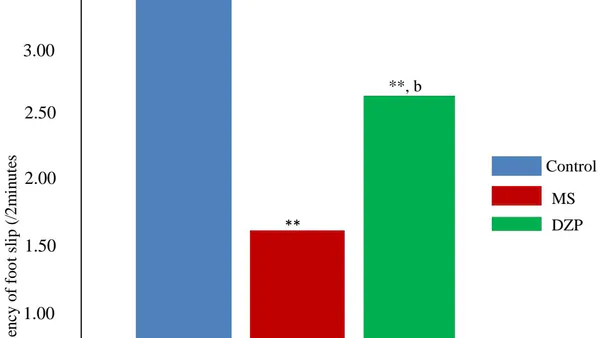
Figure 3 shows the frequency of foot slips in beam walking test. The mean values for the frequency of foot slips for the control, magnesium sulphate (M.S) and diazepam (DZP) were; , and per 2 minutes respectively. The result showed that the M.S group was significantly lower (p<0.001) when compared with the control group. The DZP group was significantly higher (p<0.05) when compared with M.S group. It is also significantly lower (p<0.01) compared to control group. Figure 3
VII. SEIZURES
a) Comparison of onset of trembling
The comparison of onset of trembling in mice treated with 4-Aminopyridine and magnesium sulphate (4-AP +M.S) as M.S group and mice treated with 4-Aminopyridine and diazepam (4-AP + DZP) as DZP group. The mean values for control, M.S and DZP were; 81.50±2.29, 282.17±17.30 and 207.83±3.68 per 5 minutes respectively. The result showed that the group treated with M.S was significantly higher (p<0.001) compared with control. Also the group treated with DZP was significantly lower (p<0.001) when compared with the M.S group. DZP group was also significantly higher (p<0.001) compared to control. This is shown in figure 4.
b) Comparison of onset of wild running
Figure 5 shows the comparison of onset of wild running with mean values for control, M.S and DZP as; , and per 15 minutes respectively.
The result showed that the group treated with M.S was significantly higher (p<0.001) when compared with control. Also the group treated with DZP was significantly lower (p<0.001) when compared with M.S group bur significantly higher (p<0.001) when compared with control.
c) Comparison of onset of jerking
Figure 6 shows the comparison of onset of jerking with mean values for control, M.S and DZP as; , and per 15 minutes respectively.
The result showed that the group treated with M.S was significantly higher (p<0.001) compared with control. Also the group treated with DZP was significantly lower (p<0.001) compared to M.S group but significantly higher (p<0.001) compared with control.
d) Comparison of onset of tonic clonic seizure
Figure 7 shows the onset of tonic clonic seizures with mean values for control, M.S and DZP as; , and per 15 minutes respectively. The result showed that the group treated with M.S was significantly higher (p<0.001) compared with control. Also the group treated with DZP was significantly lower (p<0.001) when compared to M.S group but significantly higher (p<0.001) compared with control.
e) Comparison of time of death
Figure 8 shows the time of death with mean values for the control, M.S and DZP as; , and per 15 minutes respectively. The result showed that the group treated with M.S was significantly higher (p<0.001) compared to control. Also the group treated with DZP was significantly lower (p<0.001) compared to M.S group but significantly higher (p<0.001) when compared with control.
VIII. DISCUSSION
The comparative effect of diazepam and magnesium sulphate on motor coordination and its anti-epileptic effect on 4-Aminopyridine (4-AP) induced epileptic mice were investigated. The anti-epileptic effect of magnesium sulphate and diazepam were investigated after treatment with 4-AP to induce epilepsy. Records of onset of trembling, onset of wild running, onset of jerking, onset of tonic clonic seizure and time of death were studied. The potency of both anti-epileptic agents were studied, noting the frequency and duration of the seizures.
a) Comparison of
The onset of trembling, wild running and jerking was administered. Onset of tonic clonic seizures is the time it takes the mice to undergo radical seizures when 4-AP was administered. Time od death is the time it takes for the mouse to die after administration of 4-AP.
The onset of trembling, wild running, jerking, tonic clonic seizures and time of death decreased significantly in the group of mice treated with only 4-AP. This shows that 4-AP induces epilepsy, as stated by Judge and Bever (2006) that 4-AP which is a strong potassium ion antagonist is a powerful convulsant in animals and man.
Rogawski (2004) states that sodium channel blockers, drugs with phenytoin-like profile of action which reduce high frequency firing while allowing normal action potential to occur are more effective anticonvulsants with 4-ap. This is probable to attain sodium and potassium balance within cells in order to provide a suitable environment for proper nervous transmissions. The result also showed that magnesium sulphate improves motor coordination while diazepam reduces motor coordination.
Magnesium sulphate and diazepam have anti-epileptic effect to a certain extent but magnesium sulphate was more potent compared with diazepam. Engbaek (1948) argued that magnesium sulphate prevents the contracture caused by potassium more readily than that produced by acetylcholine and 4-AP acts by blocking potassium channels thereby prolonging action potentials (Judge and Bever, 2006). Probably this is why magnesium sulphate is more potent than diazepam in 4-AP induced seizures.
IX. MOTOR COORDINATION BEHAVIOUR
The beam walking test used to access motor coordination. Behavior in the beam walking test such as frequency of line crosses, reversals and foot slips were used in the assessment of motor coordination. In this test, increased frequency of line crosses and reversals indicate greater ability to maneuver on the beam walking apparatus and hence better motor coordination. Also increased frequency of foot slip indicates decreased motor coordination.
The frequency of line crossing for the group treated with diazepam (DZP) was significantly lower compared to control group and also lower compared to magnesium sulphate group (M.S), which shows the mice had poor maneuvering abilities. As stated by (Tasman & Liberman, 2006), the most common side effect of diazepam are related to their sedating and muscle relaxing actions which include drowsiness, dizziness, decreased alertness, concentration and lack of coordination. Although diazepam was used to reduce epileptic seizures, it impairs motor coordination. Probably due to the enhanced effect of GABA which is a major inhibitory neurotransmitter which causes central nervous system depression (Risset al, 2008). Those treated with magnesium sulphate (M.S) were significantly higher compared with the control group and also higher compared with DZP thus showed improved motor coordination. Magnesium participates in muscle contraction, plays a key role in the excitation-contraction coupling in the skeletal muscle, also essential for the neurotransmission that orchestrates mood, cognitive functions, memory, sleep, relaxation and emotions in general (Szewczyk, et al., 2008). Probably for this reason M.S improves motor coordination.
The frequency of reversals were seen to be significantly lower in DZP group compared with both control and M.S group, a sign of poor motor coordination. Also the group treated with M.S was significantly higher compared with both control and DZP group, showing improved motor coordination.
The frequency of fool slips were seen to be significantly higher in DZP group compared with M.S group but significantly lower compared with control. M.S group had reduced number of foot slips when compared with both control and DZP group.
X. CONCLUSION
From the result obtained, 4-Aminopyridine (4-AP) induced epileptic seizures were delayed by both diazepam and magnesium sulphate although magnesium sulphate was more potent than diazepam.
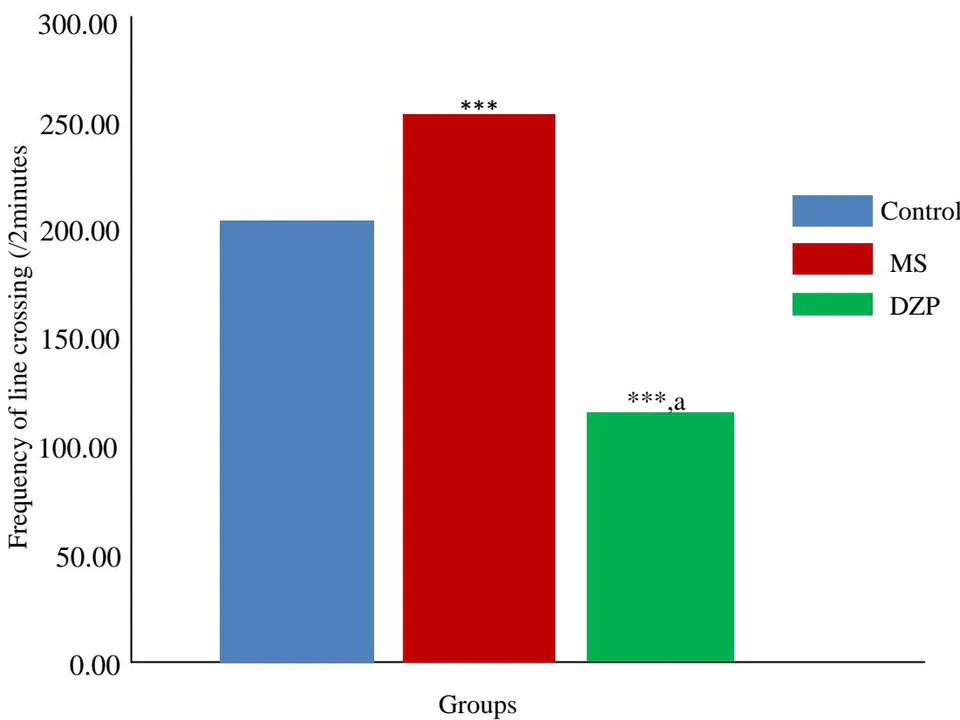
Values are mean ± SEM, n=6 ***p<0.001 vs Control; a = p<0.001 vs MS
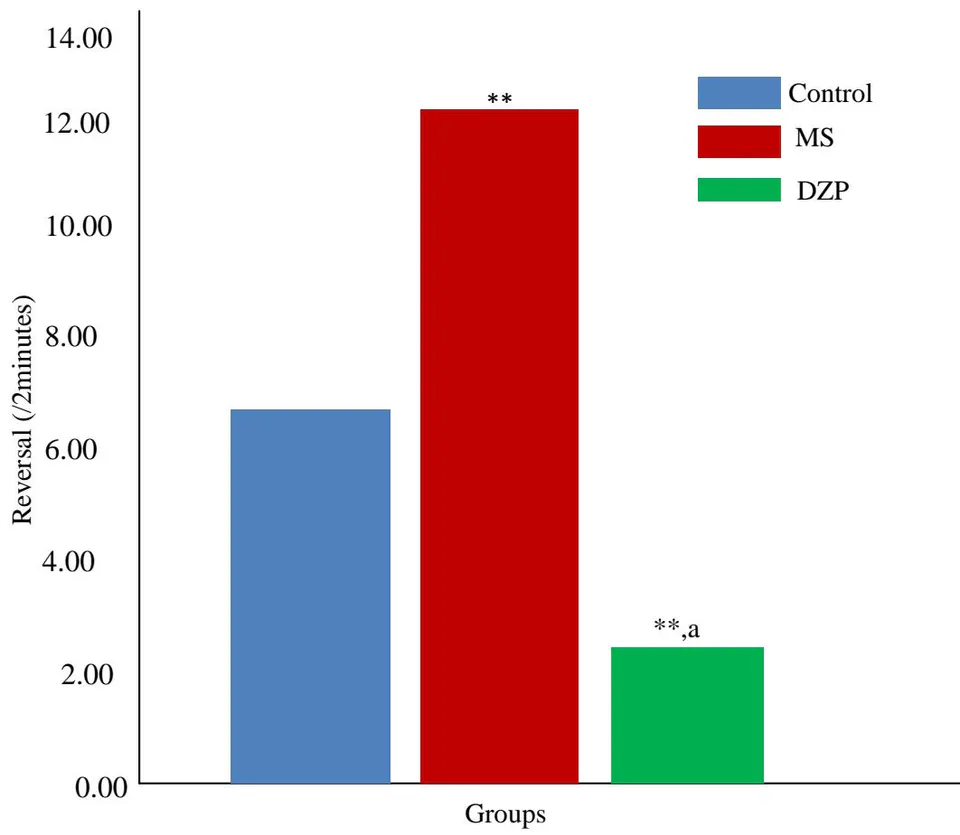
**p,0.01vs control; a = p<0.001 vs MS
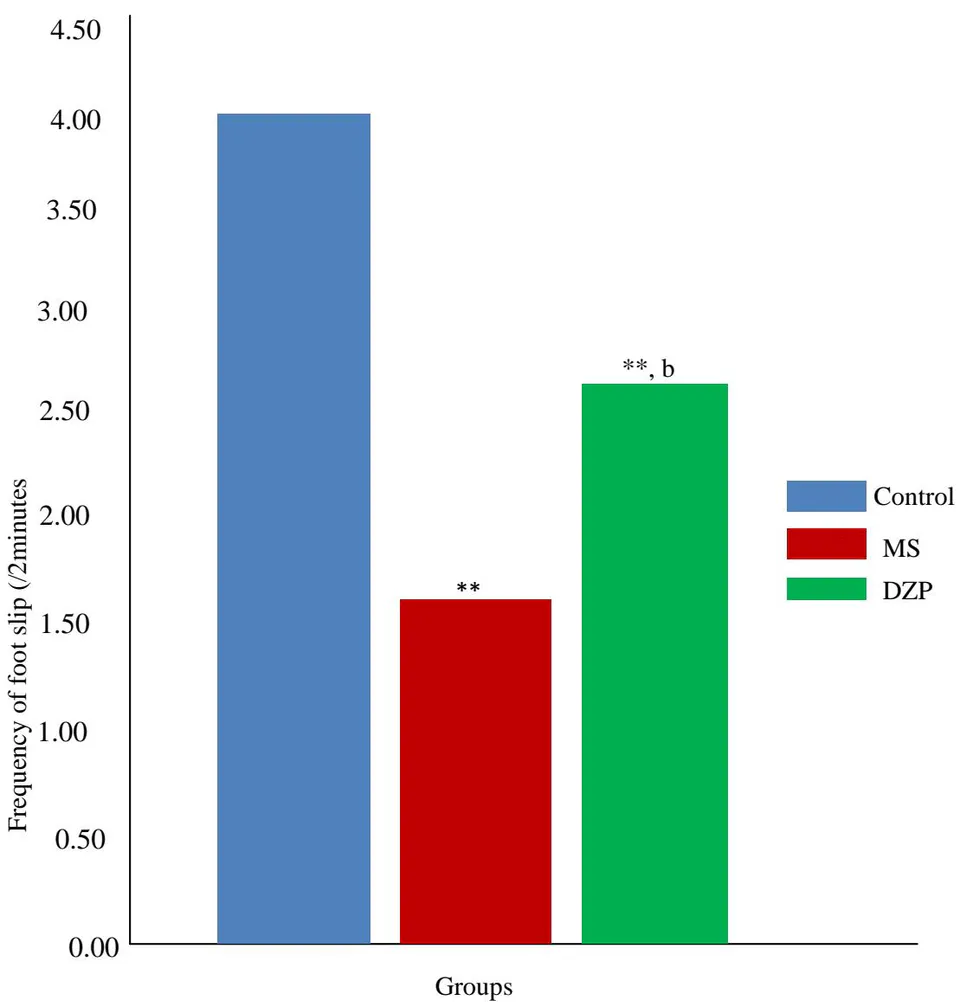
**p<0.01, ***p<0.001 vs Control; b = p<0.05 vs MS
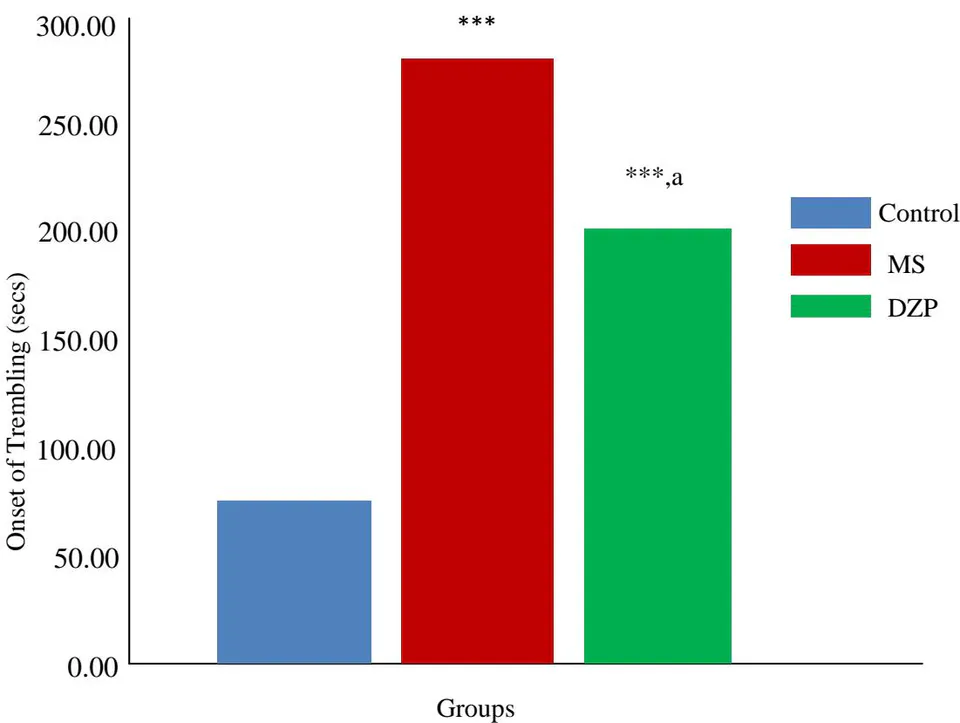
***p<0.001 vs Control; a = p<0.001 vs MS
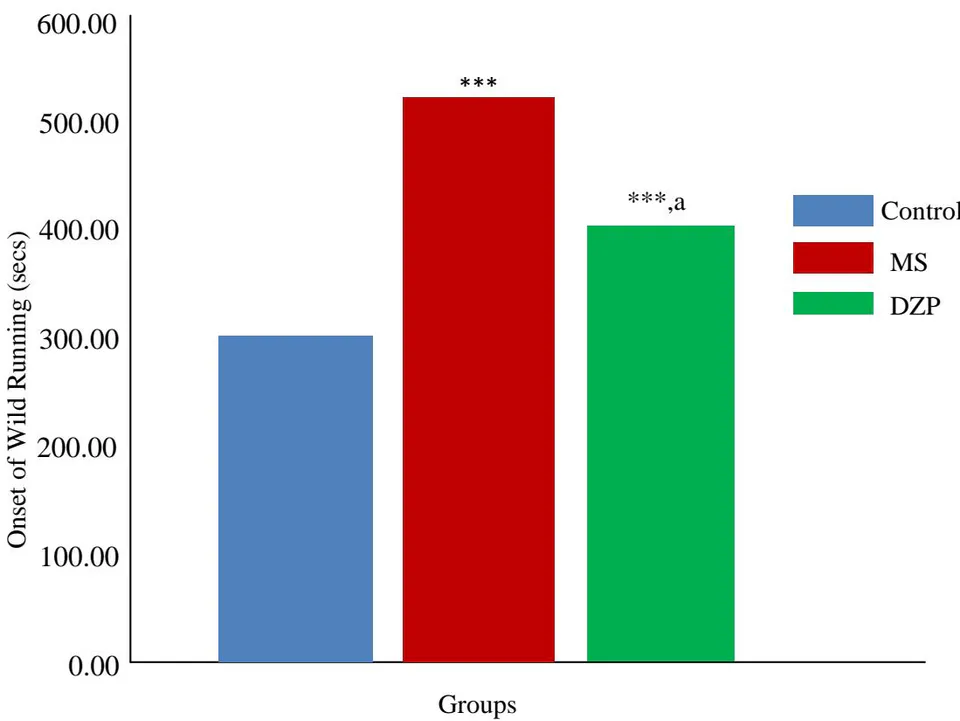
Values are mean SEM, n = 6 ***p<0.001 vs Control; a = p<0.001 vs MS.
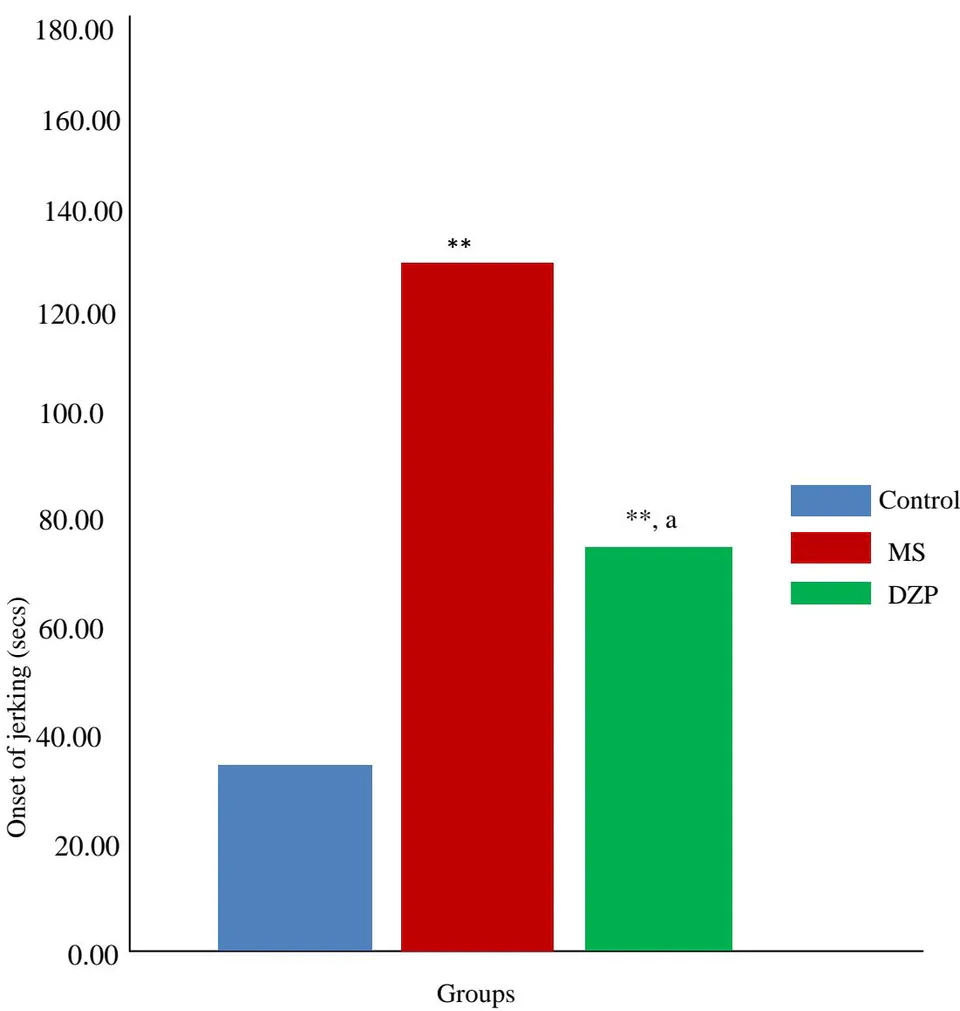
Values are mean ± SEM, n = 6 ***p<0.001 vs Control; a = p<0.001 vs MS.
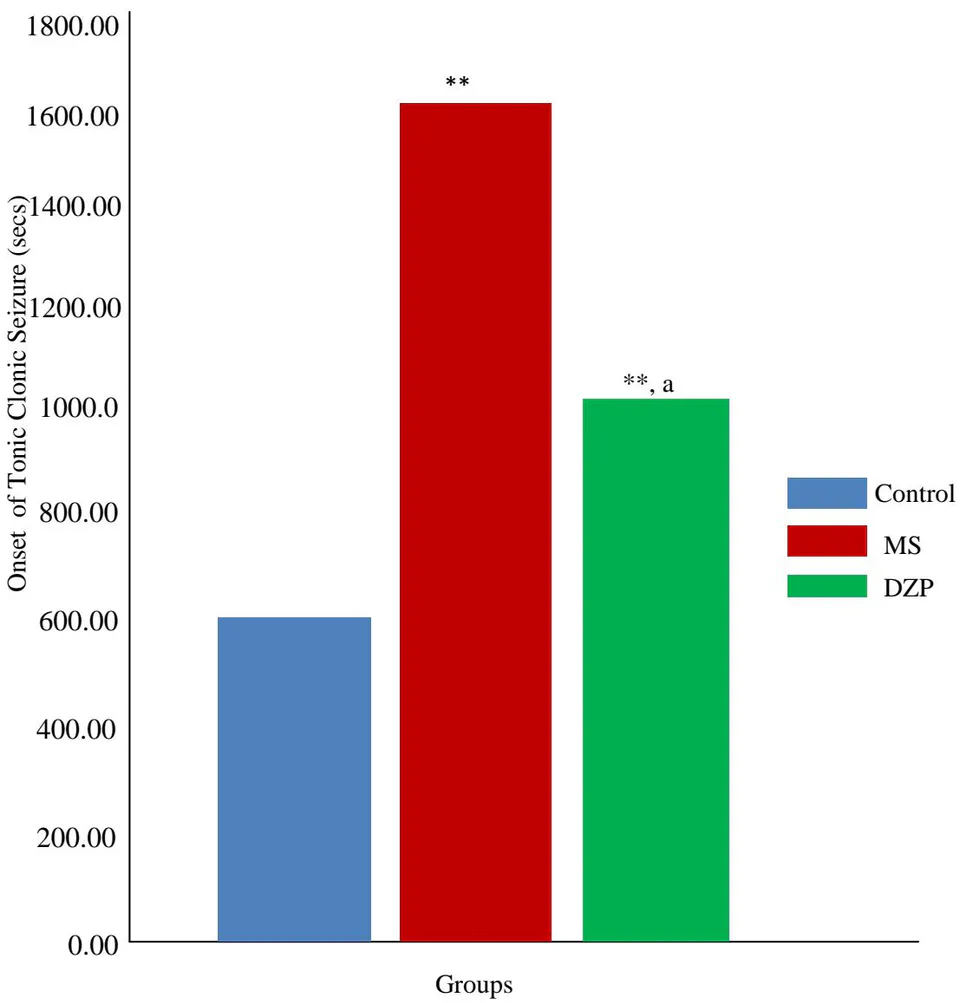
Values are mean ± SEM, n = 6 ***p<0.001 vs Control; a = p<0.001 vs MS
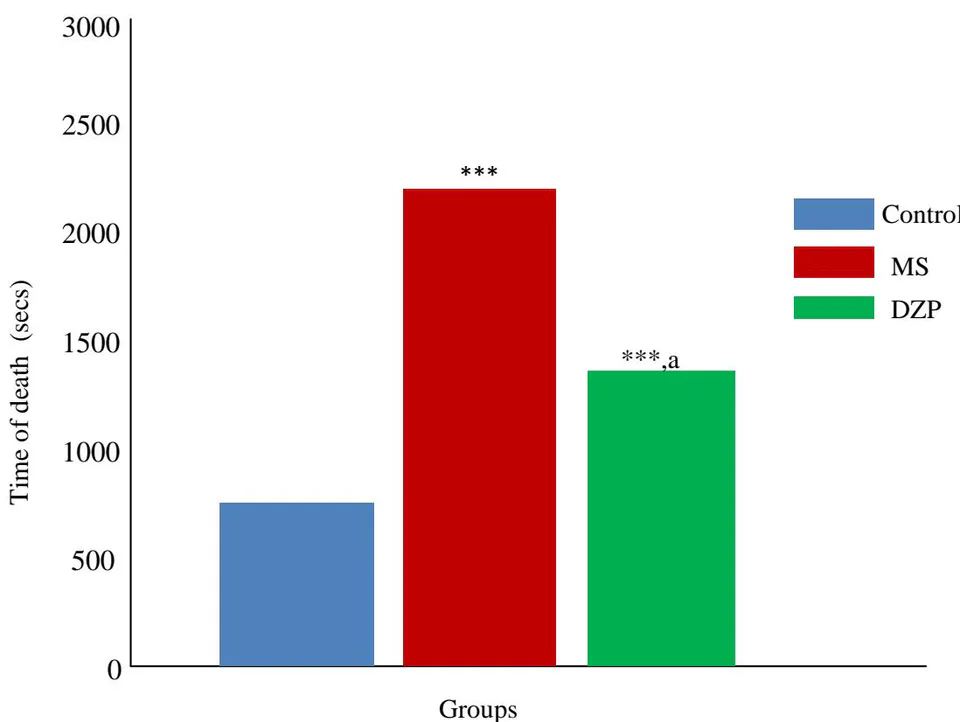
Values are mean ± SEM, n = 6 ***p<0.001 vs Control; a = p<0.001 vs MS