## I. INTRODUCTION
At correlated language and creativity, this study looks at it as that well-characterized human intelligence thinking. A cognition function that, intellectually permits the acquisition and development of novel-ideas. As such, it has become the ability to communicate the thought in the business world to create and innovate. As a novel-idea is the product of inventiveness, it requires using the highest level of thinking, metacognition.
Metacognition is an awareness of one's thought processes and an understanding of the patterns behind them. The term comes from the root word meta, meaning beyond, or on top of. Metacognition can take many forms, such as reflecting on one's ways of thinking and knowing when and how to use particular strategies for problem-solving. There are generally two components of metacognition: (1) knowledge about cognition and (2) regulation of cognition. A metacognitive model differs from other scientific models in that the creator of the model is per definition also enclosed within it (Metcalf & Shimamura, 1994); (Schraw, 1998); (Borkowski, 1992).
It is understood that the novel-idea is backed by the metacognition way of thinking but, is the entrepreneurial mindset-language and creativity correlation what allows the reasoning of that thought. The capacity to create and understand the meaning of ideas is considered an essential and defining feature of human beings (Audi, 1995).
The big question is to ask if all the novel-ideas that have changed the human society way of living to the present, would have been possible without using what appears to be, an intellectual correlation between language and creativity when those successful business approaches and development refer. Of course, considering the entrepreneurial mindset, novel-idea acquisition and development relate to them.
Although language and creativity used to be analyzed as separate subjects, all human society created things show signs of correlation between them. Observable evidences suggest that, there is an intellectual correlation phenomenon between these faculties when successful business approaches and development refer. And the basis observation of this is the entrepreneurial mindset novel-idea acquisition and development.
Putting those remarks into factual perspectives will not be difficult. Because in the business world, we see that intellectual correlation between language and creativity in all the novel-ideas input and output that have changed the human society way of living. Consequently, allowing the flourishing of those outstanding successful business that have made history. See the example that follows and its respective analysis:
Who does not know Coca Cola! Perhaps, when this name comes to our mind, we think in the product rather than the novel-idea behind it. A novel-idea that gave birth to one of the most famous beverages, worldwide. Today, it represents the company, its iconic product. And every innovative aspect that comes from this successful business enterprise. Who invented Coca-Cola? Well, according to (Garrett, 1969) was John Stith Pemberton (July 8, 1831 - August 16, 1888), an American pharmacist.
Considering that John Stith Pemberton, a pharmacist, communicated the knowledge regarding his own discipline, and the general knowledge he needed to acquire and develop the Coca-Cola novel-idea through a given language, I would say that he had to use the intellectual correlation prior highlighted to accomplish this thinkable task. Because language is no only the core of communication but, when is given, the act of creativity becomes clear.
Pragmatically speaking, if that well-characterized intellectual correlation phenomenon between language and creativity was not existed, it would have not been possible for John Stith Pemberton, and for all prominent inventors we all know, to acquire and develop those marvelous novel-ideas that have revolutionized the human society way of living to the present. So, is logical to think about the assumed existence of this language and creativity intellectual phenomenon with regard to the novel-idea, especially when the entrepreneurial mindset acquisition and development of it refers.
Even if we do argue that the acquisition and development of the novel-idea is a matter of knowledge, the fact that a given language is what makes people knowledgeable of their particular subject of studies and beyond, it well-described the point made.
Based on those annotations, a review of the subject led to theorize and question, respectively. Is the entrepreneurial mindset novel-idea acquisition and development an intellectual product of language and creativity correlation? Hypothetically, is assumed that the entrepreneurial mindset novel-idea acquisition and development is an intellectual product of language and creativity correlation.
## II. RESEARCH OBJECTIVE
The research relies on the Metacognition Theory to assign the subject. And to provide a metacognition language and creativity correlation model to decode the entrepreneurial mindset novel-idea acquisition and development.
### The Correlated Metacognition Theory (CMT)
The intelligence thinking that allows us to correlate language and creativity to acquire and develop the novel-idea, is what best defines the entrepreneurial mindset metacognition function this research study stands for. In this attempt, the following model and the way to evaluate the subject have been designed. See Figure 1: Correlated Metacognition Theory (CMT). And Table 1: CMT Accessibility and Evaluation:
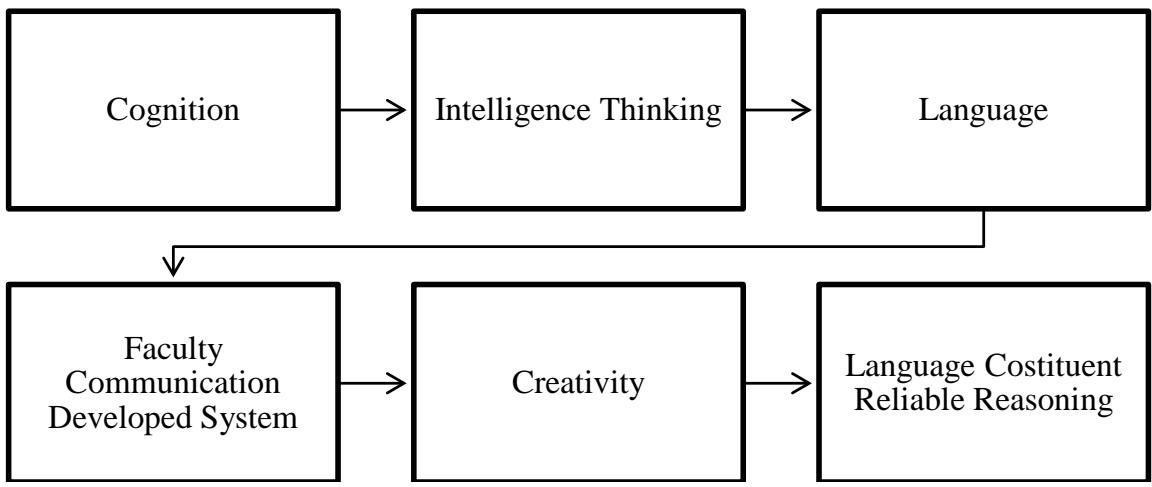 Figure 1: Correlated Metacognition Theory
Table 1: The CMT Accessibility and Evaluation
<table><tr><td>Item</td><td>Function</td><td>Variables Accessibility</td><td>Variables Evaluation</td></tr><tr><td>Cognition</td><td>Intelligence Thinking</td><td rowspan="3">Language and Creativity.</td><td rowspan="3">Novel-idea Acquisition and Development.</td></tr><tr><td>Language</td><td>Faculty Communication Developed System</td></tr><tr><td>Creativity</td><td>Language Constituents Reliable Reasoning</td></tr></table>
At human cognition, this theory looks at it as the intelligence thinking. At the huma's language, as the faculty communication developed system. At creativity, as the human language constituent reliable reasoning. As stated in Figure 1.
Unlike other living creatures, we, as human have the mental capacity to think the intelligence. This allows us to reason not only our nature but, the nature of the physical world as well. No to mention the spiritual one, or the paranormal as many prefer to call it. This intelligence thinking approach is distinguished, observably speaking, by two major variables. One is language. And the other is creativity. As stated in Table 1.
According to (Cambridge Dictionary, 2023), language is a system of communication consisting of sounds, words, and grammar. This is a precious conceptual point yet, like the majority, speaks about language constituent, the seven language characteristics. In other words, the faculty developed system, which creativity self-nature speaks for itself. See
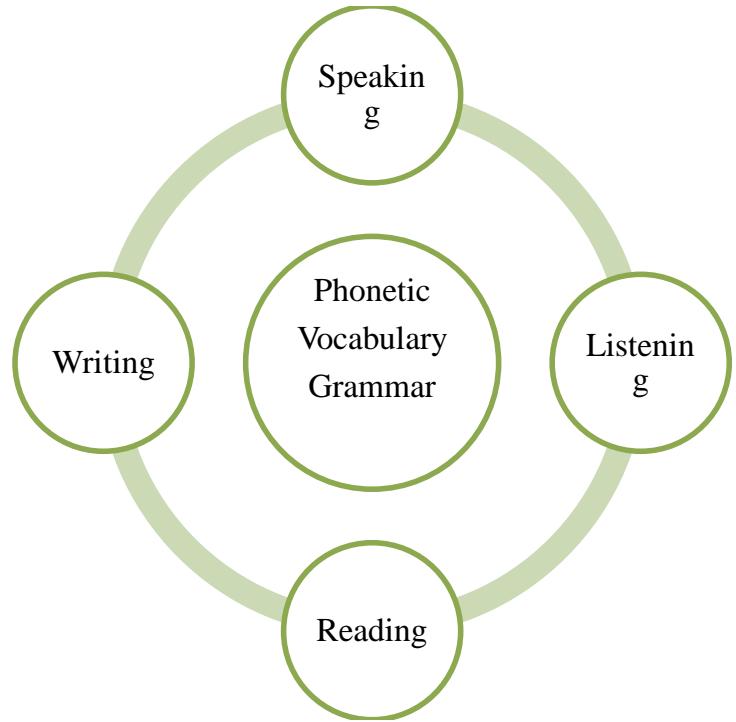 Figure 1: The Human Language Corpus and Skills Developed: Figure 1: The Human Language Corpus and Skills Developed
By looking at figure 1, we might think that is just an abstract academic diagram but, that well-structured communication system characterizes the human cognition the best when thinking the intelligence denotes. It was made to help us to create. Is that when language is given, the act of creativity becomes clear.
Phonetics, vocabulary, and grammar are the three main pillars of any given language. They represent knowledge. The speaking, listening, writing, and reading are the skills needed to communicate well, in a given language. I undoubtedly would say that this is a well-characterized language and creativity intellectual correlation approach which today, represents the human communication system developed.
A quote from (Oxford Dictionary, 2023) sees creativity as the production of ideas and objects that are both, novel or original and worthwhile or appropriate. (Sternberg & Sternberg, 2011) argue that creativity produces something original and worthwhile. Nonetheless, while a novel-idea like Coca-Cola, and all those that have changed the human society way of living turns out to be the product of creativity, they can only be reasoned linguistically. A coincidence? Not at all. Because creativity is a human language constituent of reliable reasoning. A fact that can be demonstrated when analyzing the human cognition regarding both faculties's correlation those ideas inputs and outputs.
At entrepreneurial mindset novel-idea acquisition and development, is understood that language and creativity, both faculties of the human cognition work correlate to ultimate the thought. This is the metacognition reasoning that allowed John Stith Pemberton to reflect on the ways of thinking, and knowing when and how to use particular strategies for problem-solving. In other words, both faculties have intellectual correlation.
Taking on those remarks, the research study provides insights to access and evaluate: The Correlated Metacognition Theory (CMT). There are generally two components of metacognition regarding the Metacognition Theory: The first is, Knowledge about cognition. And the second is, Regulation of cognition. Accordingly, the variables to access the subject based on these components are language and creativity. And the analysis must be conducted based on the correlation assumed between both faculties when the entrepreneurial mindset novel-idea acquisition and development refer. As stated in table 2.
## III. LITERATURE REVIEW
Academically, many researchers have addressed the correlation between language and creativity (Carter, 2004); (Pope, & Swann, 2011); (Pope & Carter, 2011); (Philip, & Zsofia & Penny, 2016); (Andreas, 2015). Still, is a subject lacking of consents when correlate these faculties of the human cognition.
Empirically speaking, the critical point in the present manuscript is to conceptualize those observable evidences that point out the existence of an intellectual correlation phenomenon between language and creativity regarding successful business approaches and development. With emphasis on the novel-idea acquisition and development.
A quote from (Cambridge Dictionary, 2023) defines language as a system of communication consisting of sounds, words, and grammar. (Nicholas & Stephen, 2009) see language as a structured system of communication that consists of grammar and vocabulary. They also argue that language is the primary means by which humans convey meaning, both in spoken and written forms, and may also be conveyed through sign languages.
Those are precious insights. Yet, like the majority, they speak about language constituents: The seven language basis characteristics. In other words, the human faculty development, which creativity itself can speak for itself.
A quote from (Oxford Dictionary, 2023) explains creativity as the production of ideas and objects that are both, novel or original and worthwhile or appropriate. (Sternberg & Sternberg, 2011) sees it as the production of something original and worthwhile. However, while a novel-idea like Coca-Cola, and all those that have changed the human society way of living to represent days, turn out to be the product of creativity, they could only be reasoned linguistically. This is not coincidence, when language is given, the act of creativity becomes clear. Both faculties work correlate to ultimate the thought when the acquisition and development of the novel-idea refer. In other words, is the entrepreneurial mindset metacognition reasoning approach in successful business.
Scholarly interest in creativity is found in several disciplines: psychology, business studies, and cognitive science. It is also present in education, the humanities: philosophy and arts, and theology. Social sciences such as, sociology, linguistics. These disciplines cover the relations between creativity and general intelligence (Harvard Business Review, 2023); (Anderson, Potočnik, Kristina, Zhou & Jing, 2014).
(Oxford University Press and Dictionary.com., 2020) describes cognition as the mental action or process of acquiring knowledge and understanding through thought, experience, and the senses. It encompasses all aspects of intellectual functions and processes. This includes language, and with it, the creativity of all those novel-ideas that have changed the human society way of living to the present.
At cognition, this study looks at it as the human intelligence thinking. A metacognition language and creativity correlated function that, facultatively speaking, permits the reasoning and development of novel-ideas. Which has become the ability to communicate the thought in the business world. As questioned in an article written in (Endeavour Speech LLP, 223): what if I told you that one of the keys to unlocking creativity lies in something we often take for granted: language?
## IV. METHODOLOGY
The methodology implemented to conduct the present study is based on qualitative research. This research criterion has involved the gathering and reviewing of academic and scientific research works, books, and Internet-accredited websites. All these materials are related to the subject analyzed.
Qualitative research is a type of research that aims to gather and analyse non-numerical (descriptive) data (Abeysiriwardana, Prabath, Jayasinghe-Mudalige, Udith, Kodituwakku & Saluka, 2023). It has been informed by several strands of philosophical thought and examines aspects of human life, including culture, expression, beliefs, morality, life stress, and imagination (Wertz & Charmaz & McMullen, 2011).
The collection and analysis of the materials related to the subject the present study has examined are firsthand gathering. And they have been cited according to the academic and scientific research citation criteria. To accomplish this task, the Google search engine was used. A computer tools that helps academia research-doing. See Figure 2: Google search engine computer screen capturing:
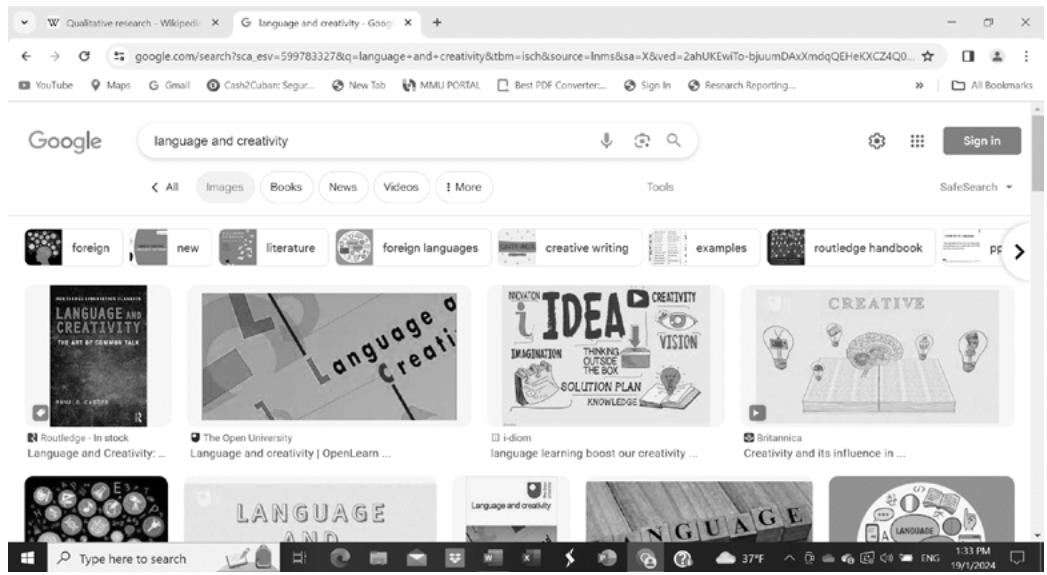 Figure 2: Google Search Engine Computer Screen Capturing
## V. ANALYSIS
Rather than getting into the complex and yet, Human cognition scientific assured explanation, the present study investigates what, observably, points out the existence of an intellectual correlation phenomenon between language and creativity when successful business approaches and development refers.
The study exemplifies the entrepreneurial mindset novel-idea acquisition and development to highlight how language and creativity, both faculties of the human cognition, correlate to ultimate the thought. Pinpointing the philosophical view concerning this subject: The entrepreneurial mindset novel-idea acquisition and development is an intellectual product of language and creativity correlation.
If that well-characterized intellectual correlation phenomenon between language and creativity was not existed, it would have not been possible for John Stith Pemberton, and for all prominent inventors we all know, to acquire and develop those marvelous novel-ideas that have revolutionized the human society way of living to the present.
Language and creativity are both, faculties of the human cognition. And they do correlate to acquire and develop the novel-idea. This is a well-characterized intellectual correlation phenomenon that we all can see in all humansociety created things: Short-histories and novels. Composed symphonies. Paintings. Philosophy. Science. Ext.
Indeed, that intellectual correlation phenomenon between language and creativity is the key to understand the acquisition and development of the novel-idea. As is the way we, as human beings do think the intelligence to invent and innovate. In other words, the metacognition entrepreneurial mindset reasoning approach. A subject that has become the ability to communicate the though, the novel-idea, in the business world.
## VI. RESULTS
In everyday use, "theory" often means an untested hunch or a guess without supporting evidence. But for scientists, a thesis has nearly the opposite meaning. A theory is a well-substantiated explanation of an aspect of the natural world that can incorporate laws, hypotheses, and facts (American Museum of Natural History: Darwin exhibition, 2014).
The intelligence thinking that allows us to correlate language and creativity to acquire and develop the novel-idea, is what best defines the entrepreneurial mindset metacognition function this research study stands for. A subject that has become the ability to communicate the thought in the business world to create and innovate. Accordingly, the model and the way to evaluate it. This scientific approach will ease researchers to formulate other hypotheses. See Figure 1: Correlated Metacognition Theory (CMT). And Table 1: CMT Accessibility and Evaluation:
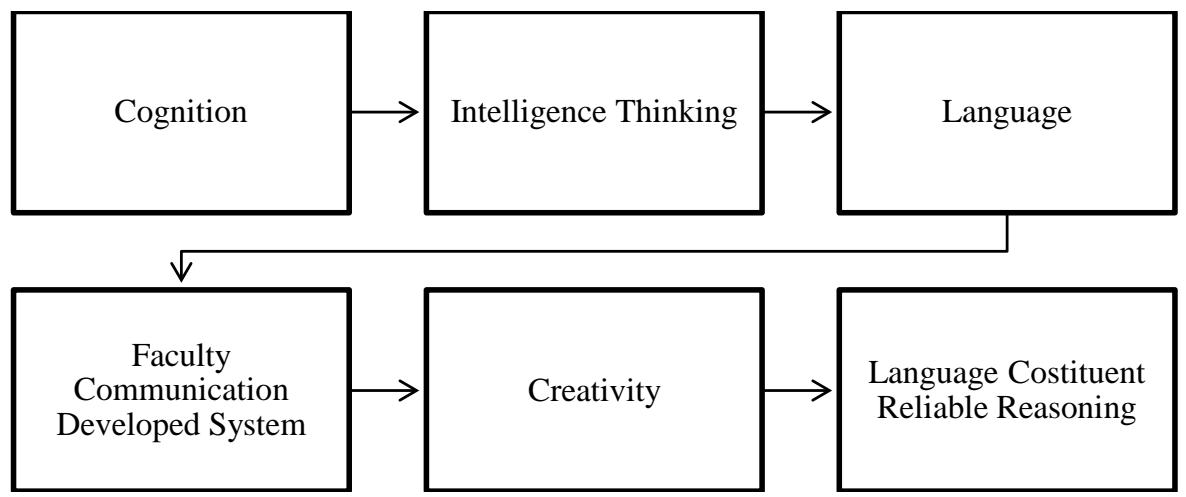 Figure1: Correlated Metacognition Theory
Table1: The CMT Accessibility and Evaluation
<table><tr><td>Item</td><td>Function</td><td>Variables Accessibility</td><td>Variables Evaluation</td></tr><tr><td>Cognition</td><td>Intelligence Thinking</td><td rowspan="3">Language and Creativity.</td><td rowspan="3">Novel-idea Acquisition and Development.</td></tr><tr><td>Language</td><td>Faculty Communication Developed System</td></tr><tr><td>Creativity</td><td>Language Constituents Reliable Reasoning</td></tr></table>
As stated in Figure 1, At human cognition, this theory looks at it as the intelligence thinking. At the huma's language, as the faculty communication developed system. At creativity, as the human language constituent reliable reasoning.
As stated in Table 2, the insights to access and evaluate The Correlated Metacognition Theory (CMT) are given. According to Metacognition Theory, there are generally two components of metacognition: The first is, Knowledge about cognition. And the second is, Regulation of cognition. Accordingly, the variables to access the subject based on these components are language and creativity. The analysis must be conducted based on the correlation assumed between the faculties when the entrepreneurial mindset novel idea acquisition and development refer.
## VII. CONCLUSION
The research study has delivered a theory to decode what appears to be, an intellectual correlation phenomenon between language and creativity when successful business approaches and development refers. It has taken on the entrepreneurial mindset novel idea acquisition and development to approach the subject from the Metacognition Theory. It is leading to make a valuable contribution to the study of the Human Cognition, and all associate academic and scientific fields, respectively.
## VIII. RECOMMENDATION
The brain-faculty that we, as human beings have to think the intelligence. And in this manner mentally correlate language and creativity to acquire and develop the novel-idea, undoubtedly points out the existence of the intellectual correlation phenomenon this research study has, hypothetically put forwarded. A subject that has become the ability to communicate the thought in the business world to create and innovate. Still to be considered as research front-line for the academic and scientific community. Thus, qualitative researchers based on this research study theory are highly recommended.
## BIOGRAPHY
- feed-article-content#:~:text=Language%20is%20 not%20merely%20a,for%20personal%20and%20professional%20growth.
20. American Museum of Natural History (2014). Darwin exhibition. What Is a Theory? A Scientific Definition. https://www.amnh.org/exhibitions/darwin/ evolution-today/what-is-a-theory
Generating HTML Viewer...
References
19 Cites in Article
J Metcalfe,A Shimamura (1994). Metacognition.
Gregory Schraw (1998). Promoting general metacognitive awareness.
John Borkowski (1992). Metacognitive Theory.
Franklin Garrett,Miller (1969). Atlanta and Environs: A Chronicle of Its People and Events, 1880s-1930s.
Deborah Madsen (1995). Michael Awkward (ed.), New Essays on Their Eyes Were Watching God (New York & Cambridge: Cambridge University Press, 1991, £20 hb, £6.95 pb). Pp. 129. ISBN 0 521 38378 1 hb, 0 521 38775 2 pb. - Donald Pease (ed.), New Essays on The Rise of Silas Lapham (New York & Cambridge: Cambridge University Press, 1991, £22.50 hb, £7.95 pb). Pp. 132. ISBN 0 521 37311 5 hb, 0 521 37898 2 pb. - Donald Pizer (ed.), New Essays on Sister Carrie (New York & Cambridge: Cambridge University Press, 1991, £20 hb, £6.95 pb). Pp. 127. ISBN 0 521 38278 5 hb, 0 521 38714 0 pb..
(2023). Unknown Title.
Robert Sternberg,Karin Sternberg (2011). Creativity.
Ronald Carter (2004). Language and Creativity.
Rob Pope,Joan Swann (2011). Introduction: Creativity, Language, Literature.
S Philip,D Zsófia,M Penny (2016). Zsófia Bán on Richard Ellis.
H Onsman (1982). Creativity and linguistic theory: a study of the creative aspect of "Cognition.
Nicholas Evans,Stephen Levinson (2009). The myth of language universals: Language diversity and its importance for cognitive science.
L Andreas (2015). The Routledge Handbook of Language and Creativity.
Charmaz Wertz,Mcmullen (2011). Five Ways of Doing Qualitative Analysis: Phenomenological Psychology, Grounded Theory, Discourse Analysis, Narrative Research, and Intuitive Inquiry.
Tojin Eapen,Daniel Finkenstadt,Josh Folk,Lokesh Venkataswamy (2023). How Generative AI Can Augment Human Creativity.
Neil; Poto Anderson,Kristina Čnik,Jing Zhou (2014). Innovation and Creativity in Organizations: A State-of-the-Science Review, Prospective Commentary, and Guiding Framework.
Prabath Abeysiriwardana,Udith Jayasinghe-Mudalige,Saluka Kodituwakku (2023). Qualitative Inquiries by Transitioning to ‘Digital Methods’: A Case Study on Leaders’ Perspectives of Agriculture Research Management by Key Performance Indicators.
Mira Nuryanti,Riskha Arfiyanti,Memen Durachman,Nurcaya (2020). Character Education and Creativity of Ideas in the Speech Acts of the Main Character of the Fantasy Text Based on Local Wisdom.
J Gitlin (2014). Darwin An exhibition at the American Museum of Natural History.
No ethics committee approval was required for this article type.
Data Availability
Not applicable for this article.
How to Cite This Article
Joel Laffita Rivera. 2026. \u201cCorrelative Language and Creativity Metacognition Interpretation for Business Setups\u201d. Global Journal of Management and Business Research - A: Administration & Management GJMBR-A Volume 24 (GJMBR Volume 24 Issue A2): .
Explore published articles in an immersive Augmented Reality environment. Our platform converts research papers into interactive 3D books, allowing readers to view and interact with content using AR and VR compatible devices.
Your published article is automatically converted into a realistic 3D book. Flip through pages and read research papers in a more engaging and interactive format.
Our website is actively being updated, and changes may occur frequently. Please clear your browser cache if needed. For feedback or error reporting, please email [email protected]
Thank you for connecting with us. We will respond to you shortly.