
I. INTRODUCTION
Coronavirus disease 2019 (COVID-19) outburst were first seen in Wuhan city of China in December 2019 caused by a novel member of coronavirus family, i.e., Severe Acute Respiratory Distress Syndrome Coronavirus-2 (SARS-COV-2) [1, 2]. International Committee on Taxonomy of Viruses (ICTV) officially named it as SARS-COV-2 [3]. The seafood market in Hunan were identified as the source of the SARS-COV-2 virus [4]. As it was the time of the spring festival, visitors have come from various parts of China, so it spread in a different parts of China [4]. With the use of real-time Reverse Transcriptase-Polymerase chain reaction (RT-PCR) researcher identified it caused due to SARS-COV-2 [4]. The cases increased in large number, so the World Health Organization (WHO) declared COVID-19 a Public Health Emergency of International Concern (PHEIC), i.e. Pandemic, in 11-march, 2020. The study of genome sequences of SARS-COV-2 revealed that its genome is similar to SARS-COV and to bat SARS-COV [5].
COVID-19 is characterized by fever, cough, fatigue, shortness of breath, pneumonia, and other respiratory tract symptoms and, in many cases, progress to death [5]. In child and adolescents, SARS-COV-2 have mostly caused mild respiratory symptoms rather than severe forms like in adults and old age people, the late manifestation of young adult has shown vasculitis which might be due to post-viral immunological reaction [6]. As of June 21, total confirmed cases worldwide is 8.75 million, 4.33 million people recovered with death mounting to 463,000. Due to the rapid spread of disease, globally, it leads to a shortage of mechanical ventilator, personal protective equipment, and other hospital equipment's [7]. There are currently no approved antiviral drugs effective against the COVID-19, but few broad-spectrum antibiotics and antivirals are used to improve the recovery rate like doxycycline, oseltamivir, remdesivir, azithromycin, hydroxychloroquine, etc. [1] Despite the immediate need for information for decision making, data remained limited in COVID-19, which led to a rapid increase in disease and poor health outcomes [7]. There are several reports from China, Italy, and the USA explaining some characteristics of infection but there is very less information regarding the factors associated with hospital stay and severity of disease. But it has been seen old age, heart failure, male sex, chronic kidney disease, and obesity were associated with hospital stay and severity of disease [8].
II. HISTORY AND ORIGIN
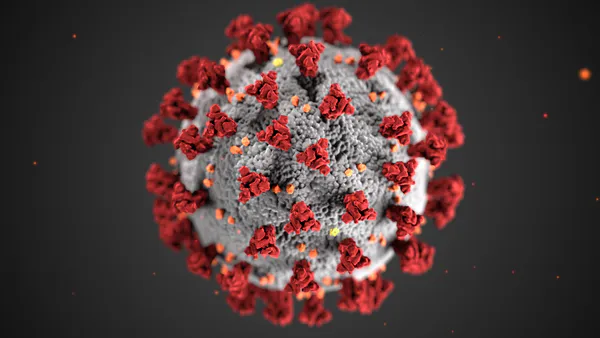
Coronavirus belongs to the coronaviridae family in the Nidovirales order . Corona means crown-like spikes on the outer surface of the virus, so it was named as a coronavirus . Coronavirus is very small in size i.e 65-125mm diameter . It is a non-segmented, positive sense, single stranded RNA as nucleic material of 26-32kbs in length . Coronaviruses are important pathogen of birds and mammals . While studying the coronavirus in wild animals has helped found out the greatest diversity of coronavirus in bat and avian species, which suggest these animals are natural reservoirs of the viruses . Molecular clock dating helps to find out the most recent ancestor of these viruses existed around 10000years ago . Human coronavirus reported since 1960 initially by HCOV-229E . In 2003, Guangdong province of China was infected by Symptom of Acute Respiratory Distress Syndrome (SARS) and exhibited pneumonia like symptoms . In 2012, a Couple of Saudi Arabia was infected with another coronavirus strain later it was confirmed Middle East Respiratory Syndrome (MERS) . The coronavirus family is subdivided into four types. They are coronavirus, coronavirus, coronavirus, coronavirus [1, 9]. Alpha and beta are exclusively found in mammals, whereas gamma and delta mostly infects birds [9]. Among all types of coronavirus, seven species of coronavirus infects human beings. The four are very common they are [9, 11]
1. 229E ( coronavirus)
2. NL63 ( coronavirus)
3. OC63 ( coronavirus)
4. HKU3 ( coronavirus).
The three less common are [9, 11]
5. MERS-COV ( coronavirus cause Middle East Respiratory Syndrome i.e. MERS)
6. SARS-COV ( coronavirus cause Severe Acute Respiratory Syndrome i.e. SARS)
7. SARS-COV-2. (Nobel coronavirus causes COVID-19)
III. CLINICAL PRESENTATION
- Age
Most of the cases of COVID-19 age ranges from 30-70 years on an average as the study conducted in China, United Kingdom (UK) and United States of America (USA) and the median age was found to be around 45-58 years [2, 4, 5, 8, 12]
- Comorbidities
From the Various studies, it was found that Diabetes mellitus, Hypertension, any form of cardiovascular disease, Chronic Obstructive Pulmonary Disease (COPD) and Chronic Kidney Disease (CKD) as one of the most common comorbidity associated with the hospital admission in the patient and severity of patient
- Symptoms
The clinical presentation of disease varies from asymptomatic or paucisymptomatic forms to the clinical conditions. Most of the cases of COVID-19 positive worldwide mostly presents with fever, cough, sputum, shortness of breath, and fatigue [5]. The patient may come with some other symptoms but from the various studies it is found that chances of occurrence of such symptoms are less like headache, wheezing, abdominal pain, confusion, diarrhea, nausea/vomiting, seizures, lymphadenopathy, runny nose, etc. [2, 3, 4, 8, 12, 13]. In children, it was found that the median age was 3.3 years and the most common symptoms were cough, and no feeding or difficulty in feeding [14]. In infants those who were less than 21 months, it was found that fever, cough, shortness of breath was most common [14].
- Complications
1. Acute Respiratory Distress Syndrome (ARDS)
A large number of patients admitted in hospitals developed ARDS, and it was seen more in the patient having diabetes mellitus as comorbidity. ARDS is seen worsening in patient more than 65 years old [3, 4, 12].
2. Myocardial Injury
Myocardial injury includes acute coronary syndrome, heart failure, myocarditis, hypotension or shock, and sepsis. The patient in which the condition is severe the chances of heart failure increases the patient having or not having any cardiovascular disease .
3. Acute kidney injury
The COVID-19 patient undergoing acute kidney injury have an increase in urea and cystatin-C level especially in severe patients .
IV. TRANSMISSION
The SARS-COV-2 was originated from Wuhan, China, and spread all over the world through the imported case from China. Based on research, Bats are considered to be the natural host for COVID-19 and Snake and pangolin an intermediate source for the virus . In humans, droplet and close contact are the most common route of transmission of SARS-COV-2 . Transmission occurs through nose, mouth, and eyes . Droplet transmission occurs when a person is in close contact (within 1 meter) with someone who has respiratory symptoms . As per the research conducted by Neeltje van Doremalen, et al. stability of SARS-COV-2 virus was found similar to SARS-COV virus . SARS-COV-2 was more stable on plastic, and stainless steel than copper and cardboard and the viable virus was present up to 72 hours after the application of this virus in these materials under experimental condition (40% humidity, C- C) . It was found in copper no viable virus remained after 4 hours and on cardboard after 24 hours . It was seen that SARS-COV-2 was viable in aerosol for 3 hours .
V. PATHOGENESIS
After the outbreak of the COVID-19 disease, it has led to the loss of a significant amount of lives and effected the quality of life of people. The systematic understanding of pathogenesis of the disease will help a lot in controlling the disease and solving some of the important questions arisen from various studies conducted worldwide. Why old age people are at more risk? [4] Why people with comorbidities like DM, CVD, Hypertension, and CKD are more prone to infection? [2, 13] Why the severity of disease in child and adolescent is seen less than that of adult and old age? [6].
The sign and symptoms of COVID-19 is similar to that of SARS and MERS [18]. The similar pathogenesis of SARS-COV and MERS-COV gives a lot of information to understand the pathogenesis of SARS-COV-2 though COVID-19 is poorly understood.
• Life cycle of coronavirus
The life cycle of corona virus consist of five stages, they are attachment, penetration, biosynthesis, maturation, and release . Coronavirus consist of 4 structural protein i.e. Spike (s), Membrane (M),
Envelope (E) and Nucleocapsid (N) [19]. Coronavirus S protein is very important for the penetration of the virus in the host cell [18]. Spike is composed of transmembrane trimetric glycoprotein is above the viral surface [19]. Spike protein consists of two functional subunit and [19, 20]. subunit is responsible for binding to host cell and subunit is responsible for fusion [19].
The various information suggested that SARS-COV-2, SARS-COV, and MERS bind to ACE2 receptor . The information found from the invitro study of SARS-COV that ciliated cells are primary cells infected in conducting airways and type 2 alveolar cells in lungs which is found in peripheral and sub pleural region of lungs .
After binding to the ACE2 receptor, the spike protein undergoes two steps sequential protease cleavage to activate spike protein of SARS-COV and MERS-COV which helps in the fusion . There is also another method for fusion mechanism is SARS-COV i.e. clarithin dependent and independent endocytosis .
After the entry of the virus, viral RNA enters into the nucleus for replication, and viral mRNA is used to make viral protein . The newly produced envelope glycoprotein enters in the endoplasmic reticulum and Golgi bodies . Then viral particle is formed in endoplasmic golgi intermediate compartment (EGIC) . The virus particle fuse with the plasma membrane to release virus
- Host response
When the virus enters the body, T-cell mediated response against coronavirus is initiated through antigen presentation cell i.e. dendritic cells and macrophages . Antigenic peptides are presented by Major Histocompatibility Complex (MHC) to cytotoxic T-lymphocyte . Due to less research there is no much information regarding type of MHC used by SARS-COV-2 but it is found that MHC I is used by SARS-COV and MHC II is mostly used by MERS-COV . Antigen presentation leads to the development of immunity which is mediated by the virus specific B and T cells . IgG and IgM production takes place in a typical pattern in SARS-COV . IgM remains for 12 weeks and IgG remains for long time . The latest information about COVID-19 patient suggests there is a reduction in CD4 and CD8 with excessive activation status . CD4 activate B cells to promote production of virus specific antibody while CD8 and T cell can kill viral infected cells .
VI. DIAGNOSIS
Coronavirus disease 2019 tracking and diagnostic testing are difficult as many patients are asymptomatic or having mild symptoms [16]. The WHO recommends collecting a sample from both upper and lower respiratory tract. The sample is collected through sputum, bronchoalveolar lavage, throat swab, nasopharyngeal swap, endotracheal aspirate and these sample are assessed for the detection of virus [22]. To detect the virus there are currently two major tests are available [23].
- Diagnostic test
1. Reverse transcriptase Polymerase Chain Reaction (RT-PCR)
2. Immunological assay
RT-PCR relies mainly on the detection of viral RNA by conversion of RNA to DNA which mainly comprises two enzymatic steps . The first step is to convert RNA to cDNA and next step is to use Taq polymerase which amplifies the cDNA . RT-PCR is considered as the gold standard for the detection of COVID-19 . The immunological assay mostly depends on the detection of antibodies produced by individuals as a respect of exposure to the virus .
• Laboratory findings In the cases seen worldwide, there are a large number of changes in the laboratory parameters but some of the major changes in laboratory parameters are lymphopenia, leucopenia, esinopenia, elevated neutrophils, and elevated C-reactive protein. In severe condition patient's neutrophils, D-Dimer, blood Urea and Creatinine is elevated and lymphocyte is reduced [3, 4, 8, 12, 13].
• Radiological findings When Chest X-ray was done in the patients, most of the patient presented with abnormalities in chest. Ground glass opacification was dominant during the early stage and consolidation present at the later stage, bilateral patches are also seen in the patients sometimes with rounded morphology .
VII. MANAGEMENT
Many drugs are used in the treatment of COVID-19 but till now no drugs are found to be effective in its treatment. Most of the drugs are used to improve the mortality rate, recovery rate, treating the sign and symptoms, reducing the prognosis of the disease and prophylaxis. The drugs used in treatment are given below.
• Post exposure prophylaxis
Normally Hydroxychloroquine, an antimalarial drug was used for the post-exposure prophylaxis but trial conducted by D.R. Boulware, et al. by administering 800mg once followed by 600mg after 6-8 hours of first dose, then 600mg for 4 days once daily showed it don't prevent illness after high risk or moderated risk exposure to COVID-19 [25].
- Immunomodualators
Tocilizumab
Interleukin-6 is an inflammatory cytokine found to be high in COVID-19 patient, and it plays a critical role in inflammatory cytokine storm. Tocilizumab is a recombinant humanized monoclonal antibody against the IL-6 receptor; a recent observational study found that treatment in severe COVID-19 patient resulted in improvement in COVID 19 symptoms like peripheral pneumonia, substantial remission of lung lesson opacity and lymphopenia [26]. The retrospective cohort study conducted by Giovanni Guaraldi, et al. treatment with Tocilizumab whether administered intravenously (8mg/kg 800mg maximum dose 12 hours apart) or subcutaneously (162 mg in each thigh, total 324 mg once BD) might reduce the risk of invasive mechanical ventilation or death in a patient with severe COVID-19 pneumonia [27].
• Convalescent plasma therapy
Convalescent plasma therapy is approved in many countries. In this therapy, plasma is taken from the patient who has recovered from the COVID-19 [28]. Then this plasma is infused in the COVID-19 positive patient, it causes the binding of transfused antibodies to the pathogen resulting in cellular cytotoxicity, phagocytosis, or direct neutralization of pathogen [28]. Limited data from china showed clinical benefits, the pilot study reported clinical improvement in terms of fever, cough, tightness of chest, and chest pain while no serious side-effect [28]. Previously, it has been used for MERS and SARS also [28].
- Antiviral therapy
Remdesivir As per the double-blind, randomized, placebo-controlled trial of intravenous remdesivir in hospitalized with COVID-19 with evidence of lower respiratory tract involvement by J.H. Beigel, et al. found that when loading dose of 200mg was given to patient followed by 100mg daily for nine days resulted in reduced time to recovery (median recovery time 11 days), reduced mortality (7.1%) [29]. The adverse drug reaction seen with remdesivir during trial was anemia, acute kidney injury, reduced glomerular filtration rate, and hyperglycemia [29]. Benefit was seen most apparent in the patient requiring oxygen [29].
Lopinavir- Ritonavir
This antiviral combination was used in the treatment of the COVID-19 patient but as per the randomized, controlled, open-label trial involving a hospitalized adult patients with COVID-19 positive found no benefits when given in 1:1 ratio (400mg:100mg) twice daily for 14 days [30].
- Antibiotics
Azithromycin + Hydroxychloroquine
The combination of Azithromycin (the macrolide antibiotic), and Hydroxychloroquine (the antimalarial drug) in the limited study had shown very high effectiveness with the highest virologic cure but at the same time other research shows the result in contrast to this result[28]. Data presented are insufficient to evaluate the efficacy of this combination, more research in this combination is required to prove its efficacy [28].
- Corticosteroids
WHO and U.S centers for disease control and prevention have recommended that not to use corticosteroid in COVID-19 (viral pneumonia and ARDS) [31]. But a recent retrospective study of 201 patients in china in Xian, Jiaotong Liverpool University found that methylprednisolone decrease the rate of death who develop ARDS [31, 32]. According to WHO dexamethasone is a lifesaving drug for the patient who is critically ill (Ventilator associated patient), and reduce mortality by about one third in them.
- Oxygen therapy
In COVID-19 the initial symptom of dyspnea and hypoxia occurs within 5 days after the infection which causes multiple organ damage or failure due to virus target lungs [33]. So oxygen mask should be immediately provided to the patient [16]. Oxygen supplement could increase the partial pressure of in arterial blood by driving pressure of and improve tissue oxygenation [33].
• Potential vaccines under investigation
European medical agency [EMA] has been in discussion with 34 developers of potential COVID-19 vaccines. Based on past experience, EMA estimates that it might take at least until beginning of 2021 before a vaccine against COVID 19 is ready for approval and available in sufficient quantities to enable widespread use. Vaccine developers will also need to align behind correlates of community, the immune response biomarkers that are measured in a laboratory to assess the effects of vaccination.
VIII. PREVENTION
Prevention measures most focus on optimizing infection control, protocols, self-isolation during the provision of clinical care . There is no approved treatment for this infection and prevention . According to the WHO, some general guidelines were published such as
Separate the infected patient from other family members to a single room [35].
Mask should be used to prevent the transfer of virus by air droplet produced during coughing and sneezing [35].
Avoid visiting markets, large events and mass gathering [35].
Wash the hands regularly and thoroughly with soap and water at least for 20 seconds or use alcohol based hand sanitizer. (Contains at least 60% alcohol)[16, 35].
Contaminated hands can transfer the virus from hand to eye, nose and mouth, so avoid touching these organs with unwashed hands [16].
Maintain the social distance i.e distance of 1 meter (3 feet) [16]
IX. CONCLUSION
Since the outbreak of COVID-19 lot of research have been carried out most of them focused mostly in epidemiology, clinical presentation, diagnosis and treatment. More research is required to understand the pathogenesis and treatment which will help a lot to eradicate the disease. Currently, the best measures to fight against the COVID-19 is to follow the preventive measures as no specific medications are available nor the vaccine.