## I. INTRODUCTION
Each epoch offers its own, individual, original vision of the development of the formed urban environment. In turn, cities form objectively new architectural and urban planning concepts for the spatial-architectural development and preservation of historical centers. Guided by the principle of continuity and renewal of history, architects offer new ideas based on the latest technologies and innovative methods.
The renewal raises the problems of the relation between the old and the new. Cultural heritage monuments are scattered in different districts of Tbilisi, they form the character and culture of building development with their inherent artistry and aesthetics. Therefore, the study of the peculiarities of their adaptation to the modern urban environment in the context of the relation between the old and the new determines the purpose and relevance of this article.
Innovation - despite the fact that a number of buildings have already been constructed, the relationship between new and old still requires studying the experience gained in Georgia, particularly in Tbilisi. We believe that this article will partially fill this niche and will be a preparatory step for further research, by developing an adequate architectural response in the design process, based on the accumulated experience taking into account the historicity of the cultural heritage monument and making a contextual decision adapted to modernity. Research in this direction is important since it requires the development of new innovative methods. The research method is based on the analysis of existing foreign and patriotic literature, empirical observations and photographic fixation.
## II. THE MAIN PART
The process of urban improvement of the historical center of Tbilisi began in the 70s of the last century, when in 1975 the historical part of Tbilisi was declared a protected area of the state. Despite the criticism, the restoration and adaptation demonstrated the values of the "historic city" and gave a new historical impetus to modern life. The launched initiative continues to this day. The "Tbilisi style" streets have been restored, which is an example of urban culture, memory and character. The urban-planning structure was preserved, the destruction of which would lead to the loss of authenticity of the city. Notable examples are Chardin (fig. 1), Jorbenadze (fig. 2) and Pushkin (fig. 3) streets.
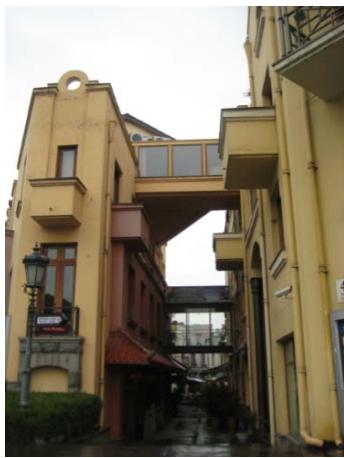
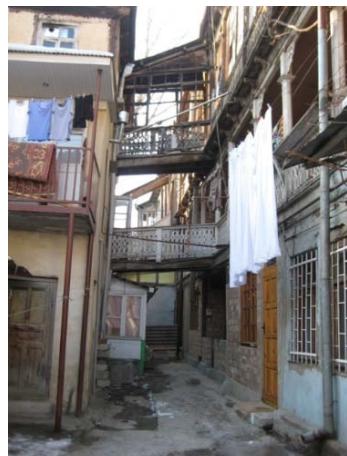
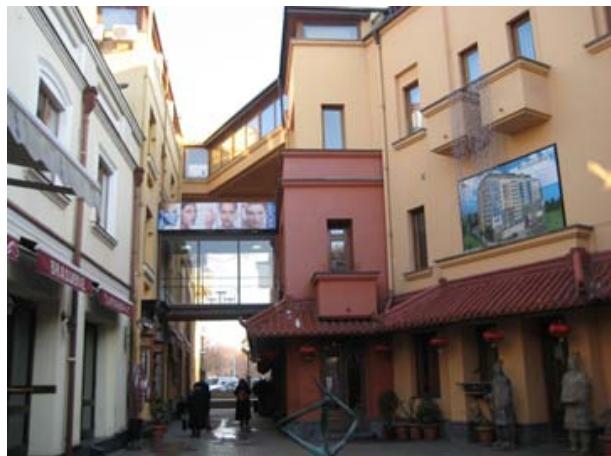 Fig. 1: Chardin street – the reconstruction-regeneration in the 1980s by Giga Batiashvili
The purpose of the restoration of this microdistrict of the Old City is the revival of urban culture and its development in the context of modernity.
Tbilisi style balcony houses on V. Jorbenadze Street (fig. 2) follows the contour of Metekhi rock and forms the silhouette of the left bank of Mtkvari River.
According to the concept of reconstruction-rehabilitation, the characteristic urban structure of the spatial environment, aesthetics of residential houses and dialogue with the landscape environment were restored.
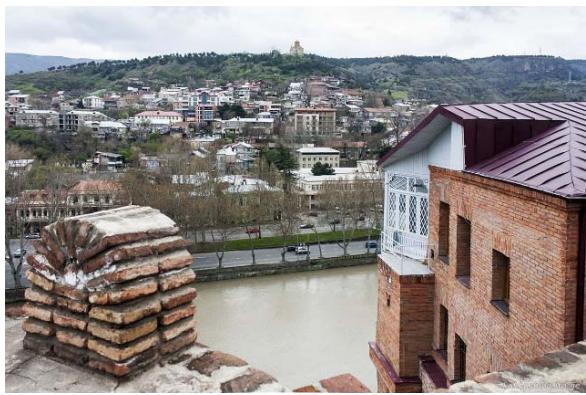
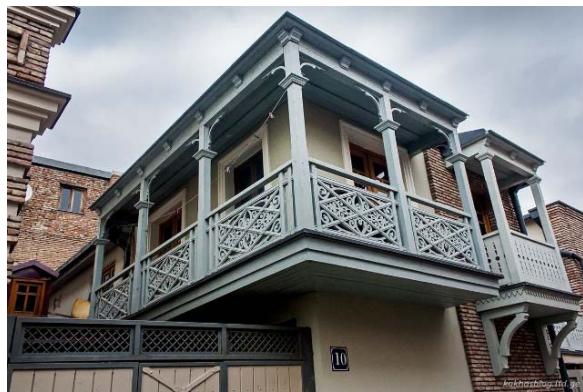
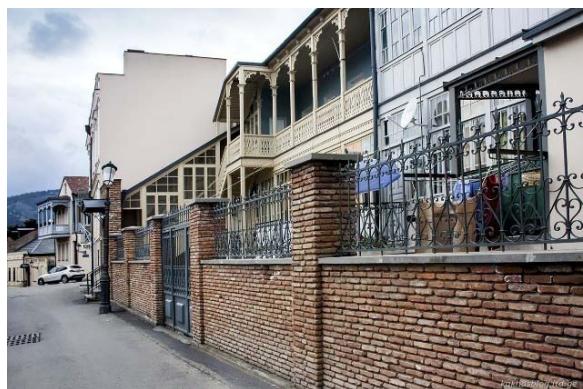
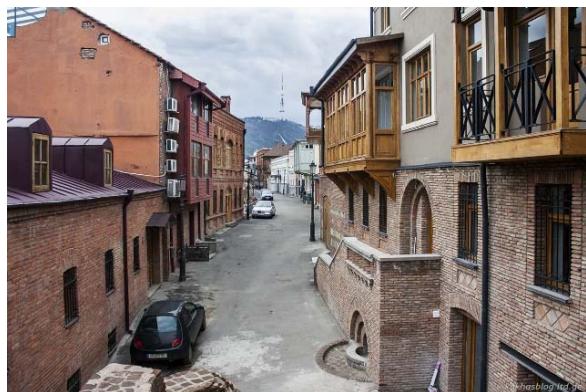 Fig. 2: Jorbenadze street
The rehabilitation of Pushkin Street (fig. 3) is interesting not only for the quality of carried out reconstruction works, but also for the approach. After the discovery of the remains of an ancient fence as a result of archaeological excavations, a two-level pedestrian street was created as a form of dialogue between the ancient monument and the modern urban space. Three periods of urban development represented by layers and transitional spaces form the vision of historic urban development.
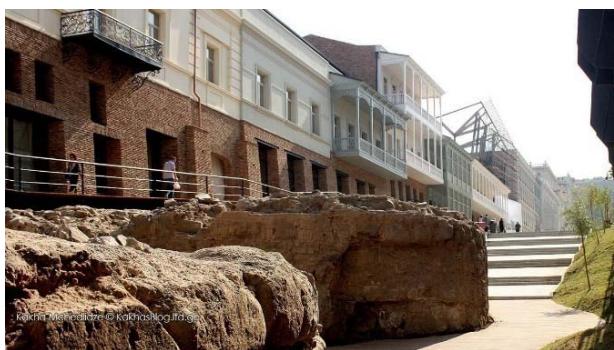
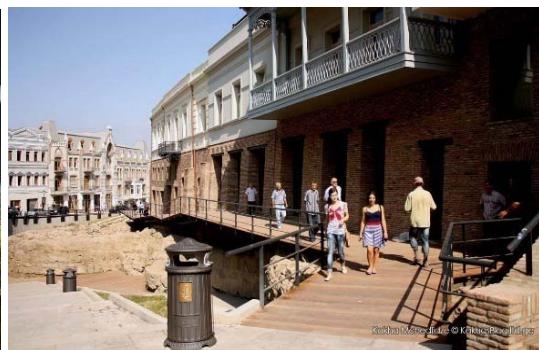 (Photos taken from the website: https://www.memogzauri.com/). Fig. 3: Pushkini Street reconstruction - 2012 by Tbilisi Development Fund
Thus, the analysis revealed that the spatial and architectural appearance of the restored streets clearly shows the model of urban culture of the city.
## III. NEW ARCHITECTURE IN THE HISTORIC BUILDING DEVELOPMENT
Since rehabilitation does not imply the preservation of the old city in a museum form, new buildings were erected in the historical center of the city in order to restore the urban structure. We have analyzed two buildings that convey to the greatest extent the dialogue of the epochs, the traditions of the place, the nature of Tbilisi style building development and at the same time express the author's vision of the new, modern, functional architecture in an old Tbilisi style building development: "Kindergarten on Avlevi Street" - (Architects: G. Batiashvili, G. Gogrichiani, T. Ghvanidze. Project implemented in 1983) and "The Hotel on Abesadze Street", fig. 4 (Architectural Laboratory # 3, 2022).
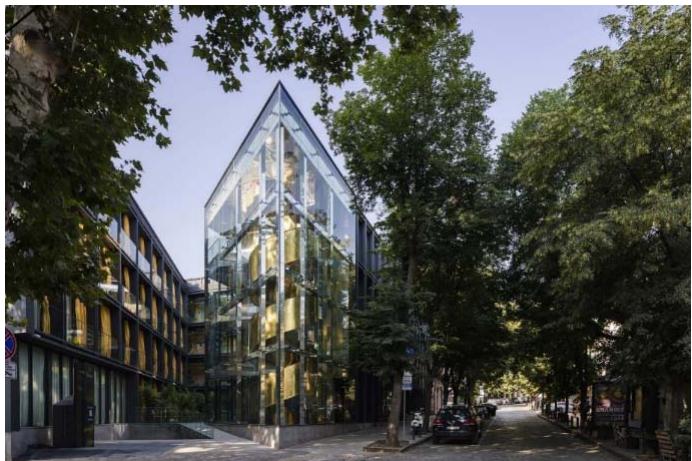
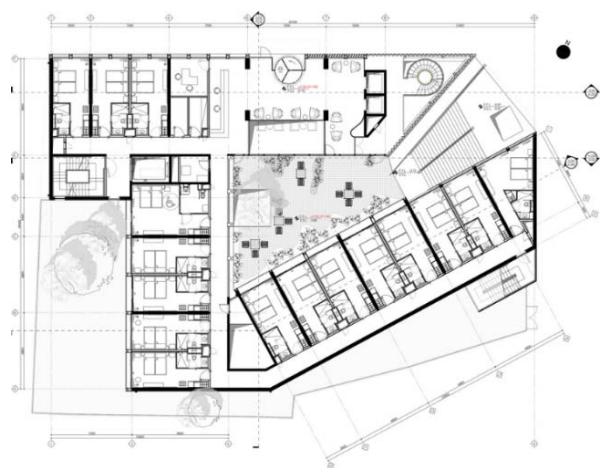 Fig. 4
Thus, in both cases, the historical context and the traditional scale of the city are taken into account when designing modern buildings and do not come into aggressive conflict with historical buildings. Architects strive to creatively comprehend the traditions of the place and harmoniously combine them with modern forms.
In Tbilisi, a number of cultural heritage monuments have undergone restoration-reconstruction, rehabilitation. Restoration works were carried out in several directions: by integrating new buildings or architectural details into old buildings, using extensions and/or superstructures, assigning new functions, understanding existing functions in a modern context and adding modern design elements.
Restoration, rehabilitation of the monument of cultural heritage and integrating of a new building in the historical context. We reviewed three buildings: Orbeliani Palace on Atoneli street (Fig. 5), Green Building on Marjanishvili street (fig. 6, architects: G. Kiknadze, L. Mushkudiani) and Residential House on Lermontovi street (fig. 7, architects: I. Sabashvili, Sh. Gelashvili).
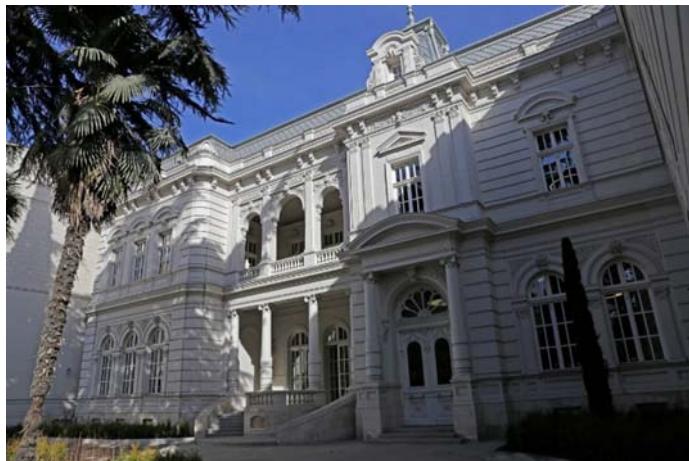 Fig. 5
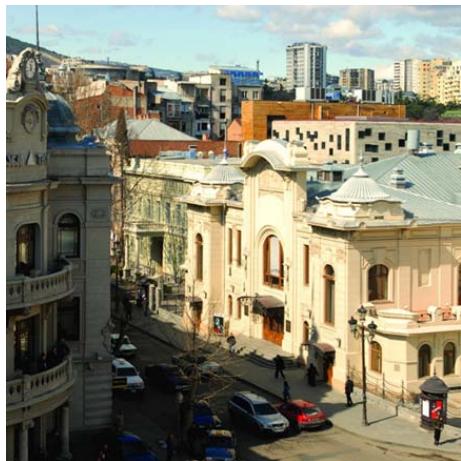 Fig. 6
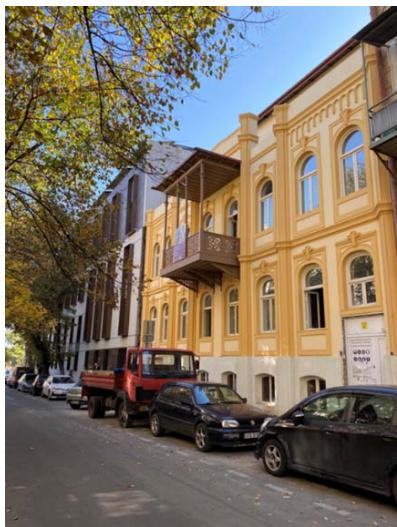
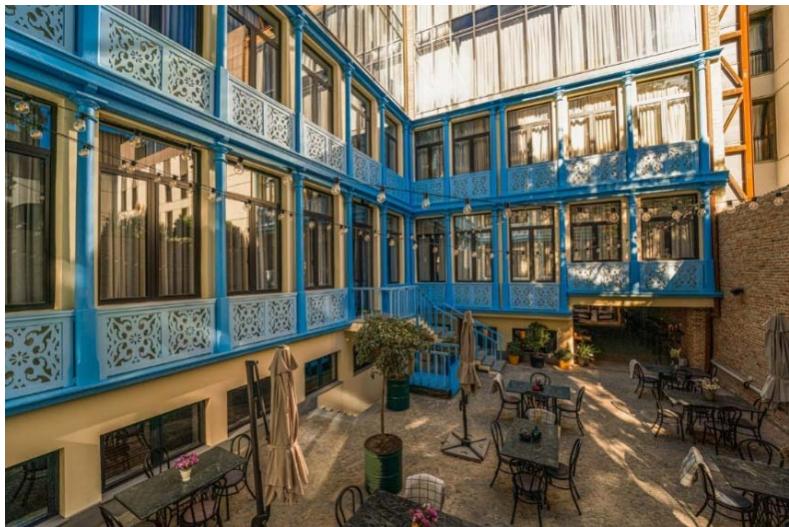 Fig. 7 In these examples, the restoration and reconstruction of cultural heritage monuments, as well as the construction of modern architectural structures, were carried out in such a way that they perfectly combined with each other. The previous spatial structure and buildings, as well as the scale of the street, have not been changed.
The Tbilisi City Hall building, which has an outstanding history and significance (Fig. 8) is still considered a symbol of Freedom Square with its interesting architectural transformations. This building was dominant in the spatial development of the square until the first decade of the 21st century. In 2008, the spatial and architectural appearance of the square was completely changed, as a result of which the dominant importance of the building in space was weakened. Nevertheless, it is still a symbol of the architecture of the 19th and 20th centuries. The structure of the building shows that the European and Asian cultures (architects: N. Ozerov, P. Stern) are combined taking into account local traditions. Thus, the building demonstrates urban character that was characteristic of eclectic Tbilisi. In 2014, the architect-restorer loseb Nagladze developed a design for the reconstruction of the building. It was implemented with the support of the Tbilisi Development Fund. The original appearance of the building was preserved and restored according to the design drawings.
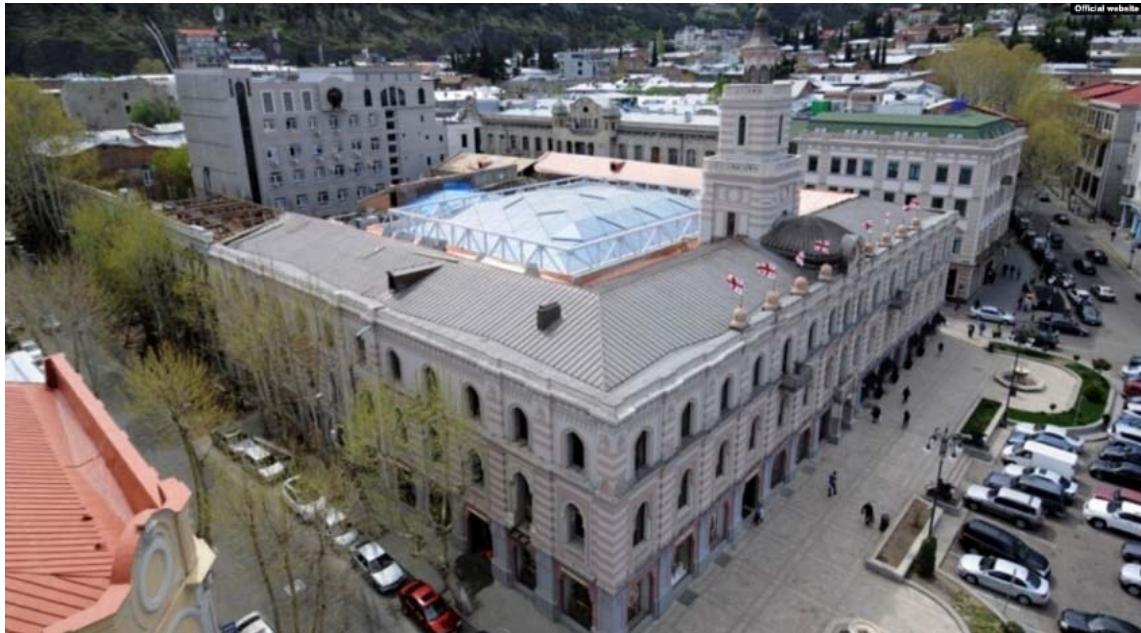 Fig. 8
The courtyard, surrounded by wooden balconies (Fig. 9), was covered with glass of light construction (the part of the structure was built with the involvement of Hungarian specialists). The damaged, non-functioning courtyard was a rather dark space. After the rehabilitation, it was transformed into an illuminated public space, the roof design allowed for interesting effects of light and shadow, creating a special atmosphere. This is how the "Tbilisi-style Courtyard" was transformed, which is presented as a traditional background for the building.
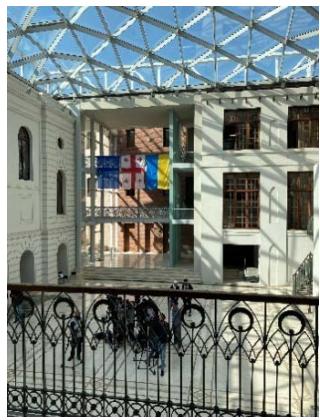
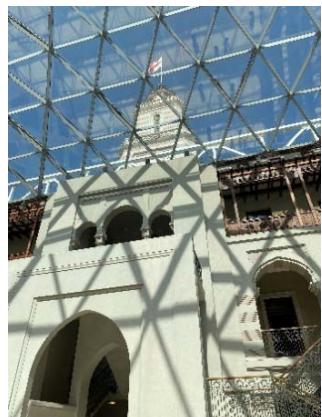
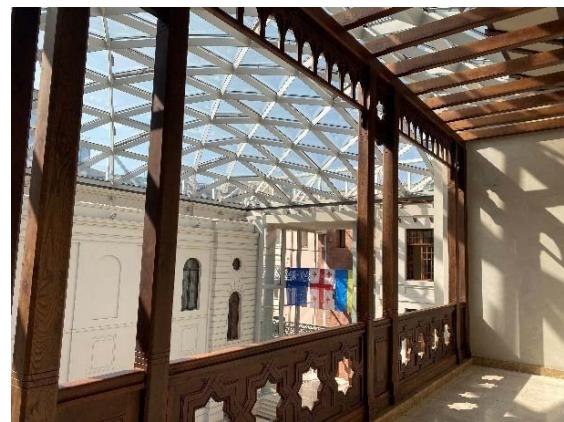 Fig. 9
Restoration-Reconstruction of the Cultural Heritage Monument by Giving It a New Function.
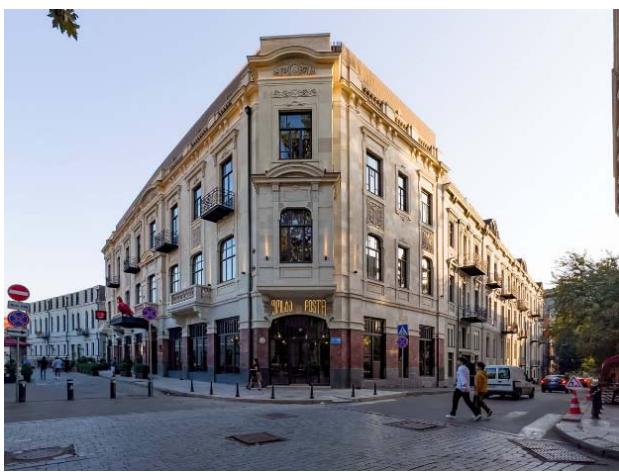
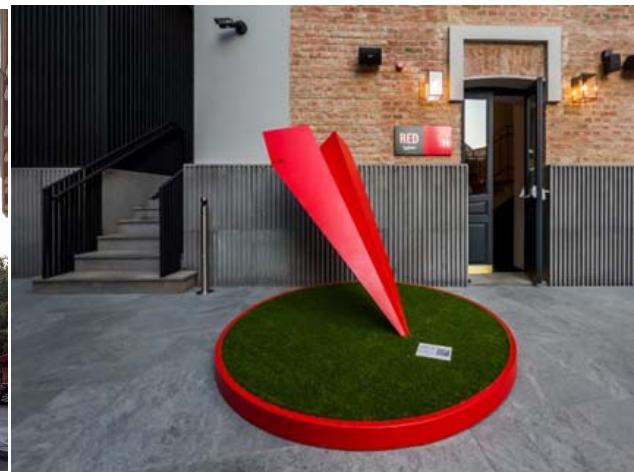
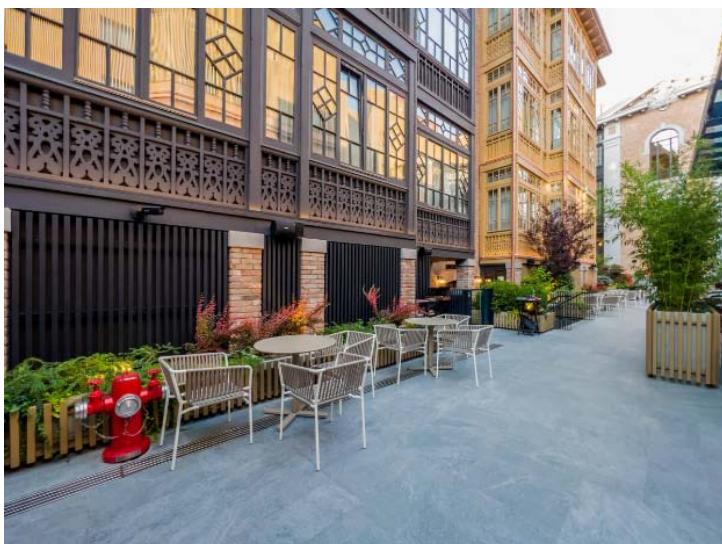
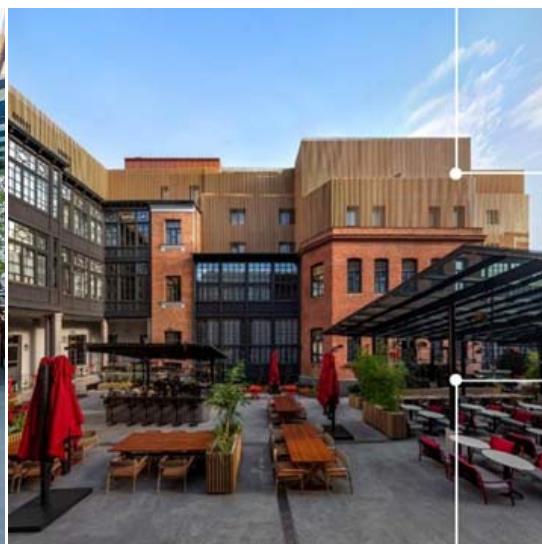 Fig. 10
The newly opened Posta Hotel is located in a 19th-century building, which has an independent history (architect A. Ozerov, 1912). It functioned as the Tbilisi Post Office. We learn from the records that the post office is a place of communication, education and trade. As a result of the rehabilitation, its functions have changed. It was transformed into a Posta Hotel and adjustments were made to the design solution. The concept of the project is based on the preservation of the double-faced and authentic-cultural details of the building, including the restoration of the courtyard, which also became a public space. (The hotel was opened in 2023. The construction work was carried out by CMC - Construction Management Company). The red color of the hotel brand is used in symbolic images both in the interior and on the façade, that remind us of the historical function of the building.
The history of the development of Rustaveli Avenue dates back to the 19th century and it is still undergoing changes. Important government and other administrative buildings were built here. Accordingly, it is distinguished by its architectural and stylistic diversity, in which the changes of epochs and the mood of society are clearly manifested. Although at the same time the Georgian character and "unique aesthetic aura" are preserved. (G. Batiashvili. "My life in the architecture of Tbilisi." p. 32, 2013).
The Zurab Tsereteli Museum of Modern Art, located on Rustaveli Avenue, symbolically echoes the subject of our study (Fig. 11). The restored museum establishes an architectural dialogue between cultural heritage and modernity. The two-storey building with wings and a courtyard, built in 1909 in an elegant classicism style, occupies almost the entire block. In the early 2000s, the building almost lost its original appearance. The idea of renovation belongs to the famous artist Zurab Tsereteli, the designer is the famous Georgian architect Givi Metreveli. In 2007-2012, the building was restored to its original form, it was renovated with using modern structures, and the classical-style building was transformed into an art facility, a center for contemporary art, which also performs educational activities. The changes mainly affected the roof structure, that was completely changed. As a result, we got an open, bright space for various events.
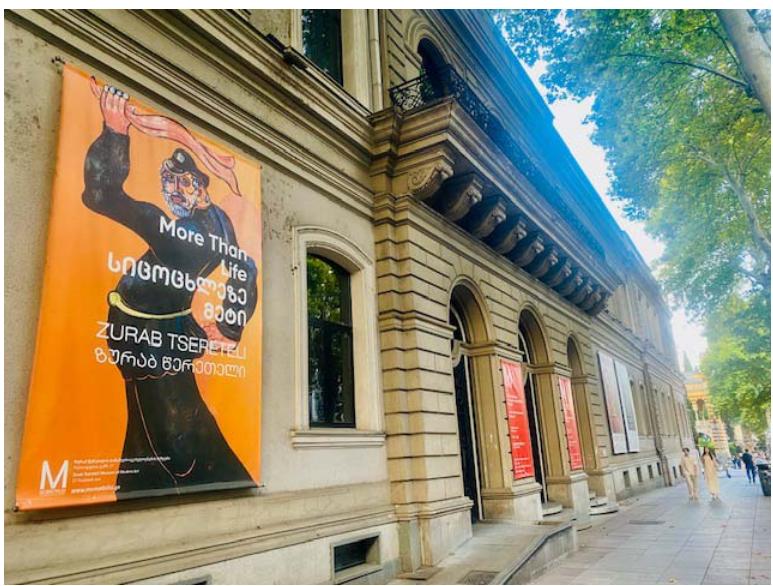
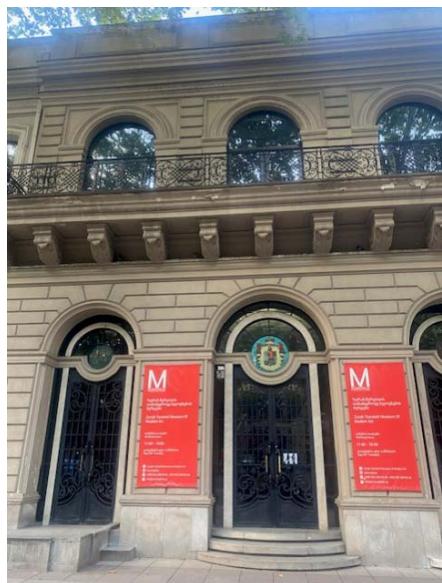 Fig. 11
According to the author of the idea: "Two dimensions coexist in the design, which confront each other in the process of continuous interaction:
conservation work and the concept of a new architecture." (Fig. 12, 13)
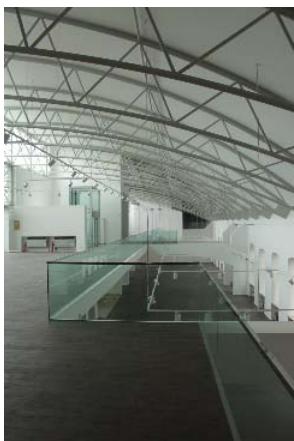
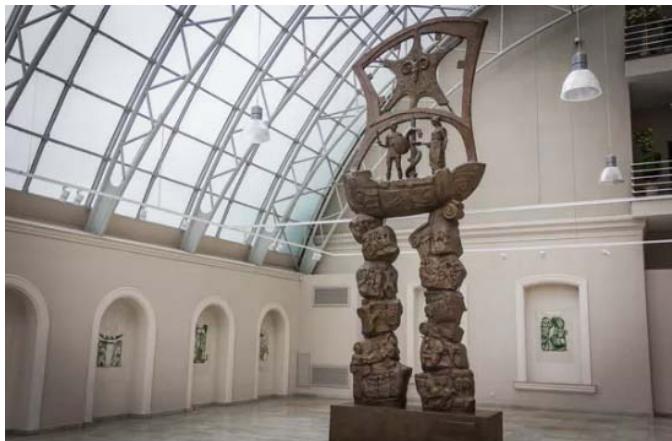
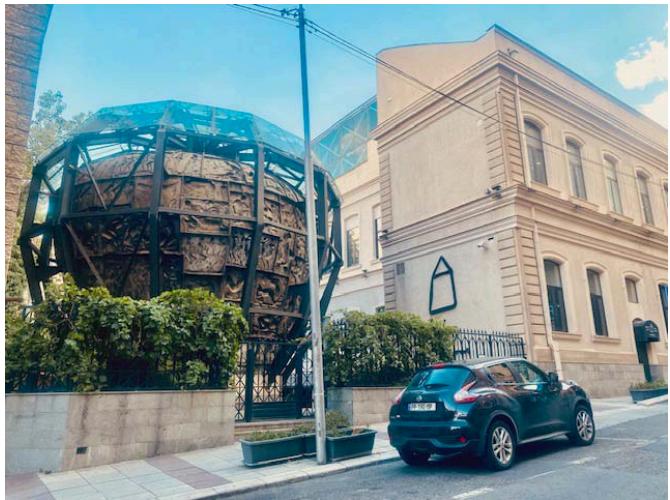 Fig. 12: Interior
The Dimitry Shevardnadze National Gallery (Fig. 14), also known as the "Blue Gallery", is located on Rustaveli Avenue. In 2007, it has been awarded the status of an immovable monument of cultural heritage. The museum was founded in 1920. The building was built in 1888 by the German architect Alexander
Salzmann. The source of inspiration of the author for the design was the facade of the exhibition palace, built in Rome by the Italian architect Pio Piacentini (1883). Accordingly, the artistic and architectural appearance of the building is made in the neo-Baroque style.
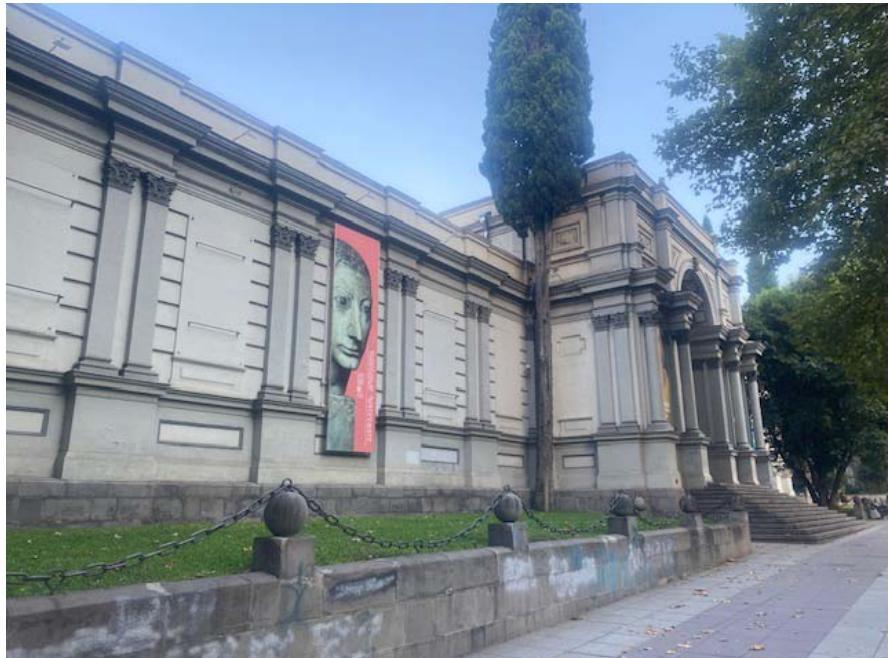 Fig. 14: National Gallery today from the side of Rustaveli Avenue On the side of the rear facade there is the 9th of April garden. The ground floor of the building faces
Rustaveli Avenue, and on the back side it is two-storeyed. (Fig. 15)
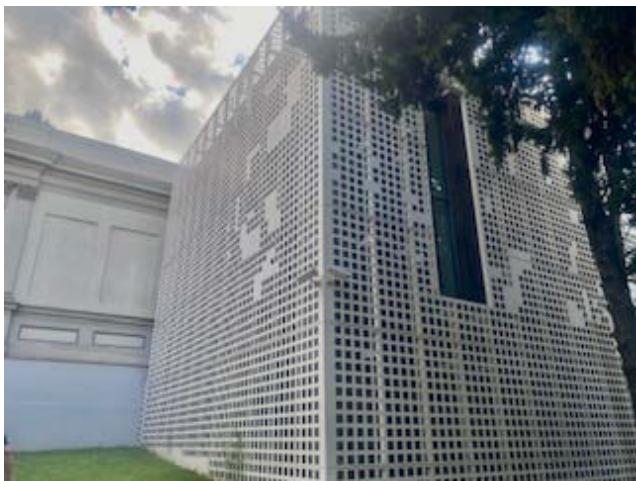 Fig. 13: Rear facade, sculptural composition by artist Zurab Tsereteli
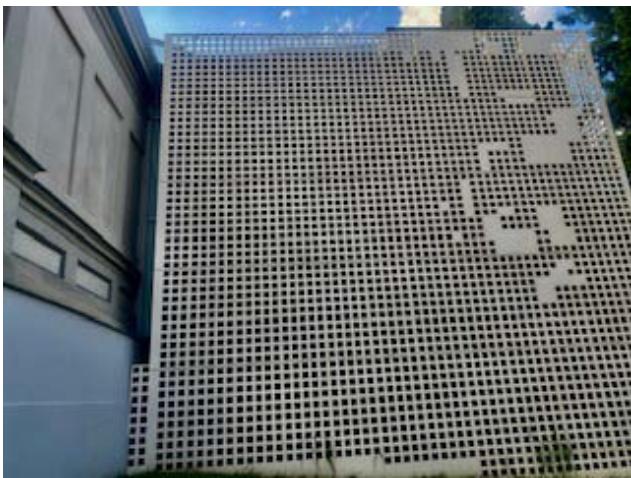 Fig. 15: New structure In 2007, the museum underwent reconstruction, in 2008-2011 a new structure was built in the back of the building, as a result of which the museum has a new, adapted entrance, exhibition halls and additional functions (Fig. 16). The designers of the adaptation of the building were the Portuguese architectural company "Ainda Arquitectura" and the Georgian architect Gia Abuladze. According to the concept, the attached part
was supposed to be modern and at the same time in harmony with the old one.
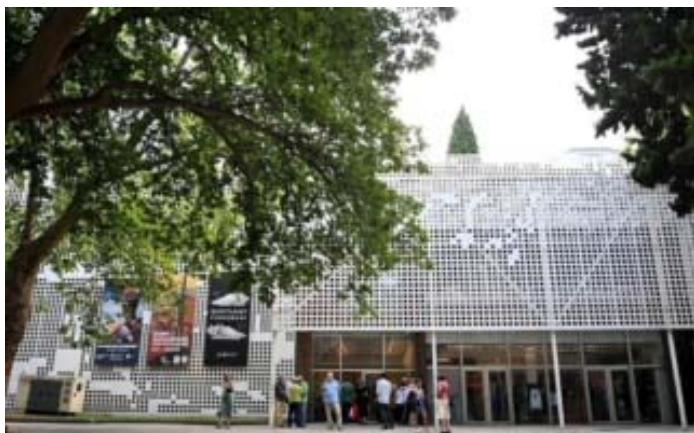
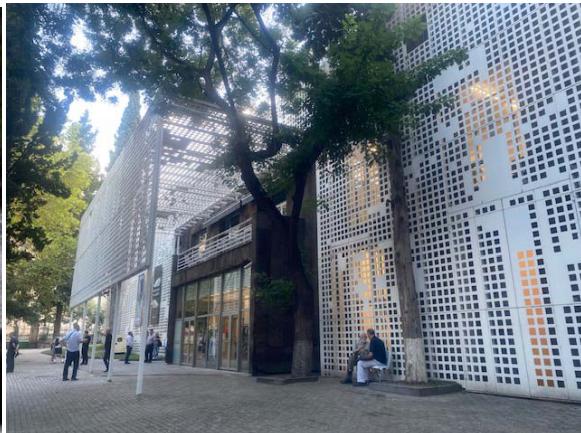
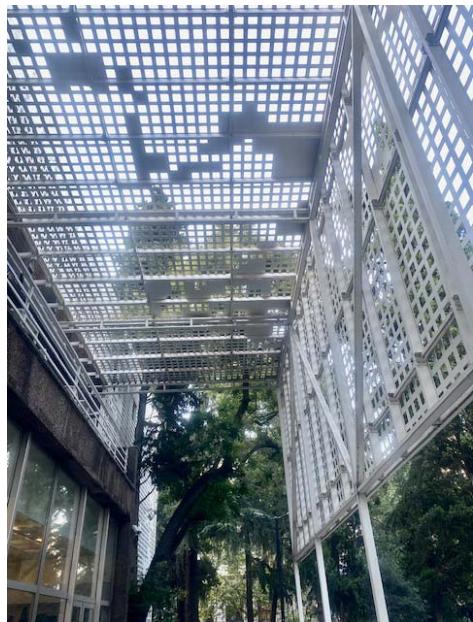
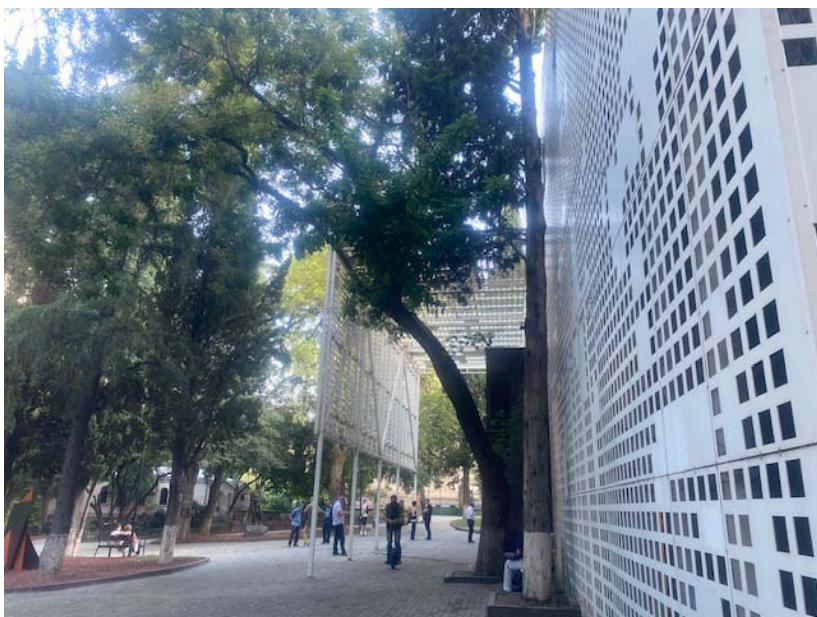 Fig. 16
The architects studied the artistic and aesthetic features of the historical buildings of Tbilisi, decided to continue the tradition and presented a building of simple structure with an original facade. It is worth noting that the building in its dimensions repeats the dimensions of the existing one. The facade is an interpretation of the wooden balconies of the Tbilisi-style house. The hanging open entrance forms the space called loggia and creates a connection with the surrounding landscape. The authors stated that the painting of the facade was technically done using R2 design graphics (fig. 17).
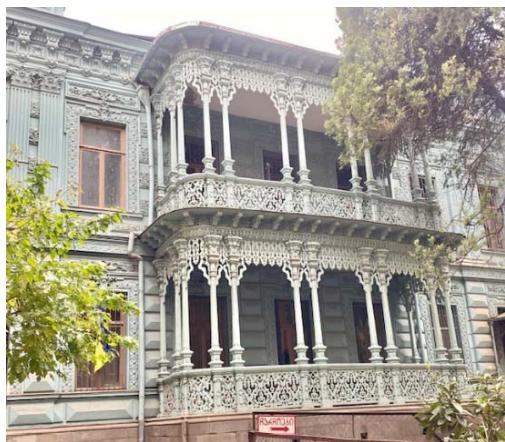
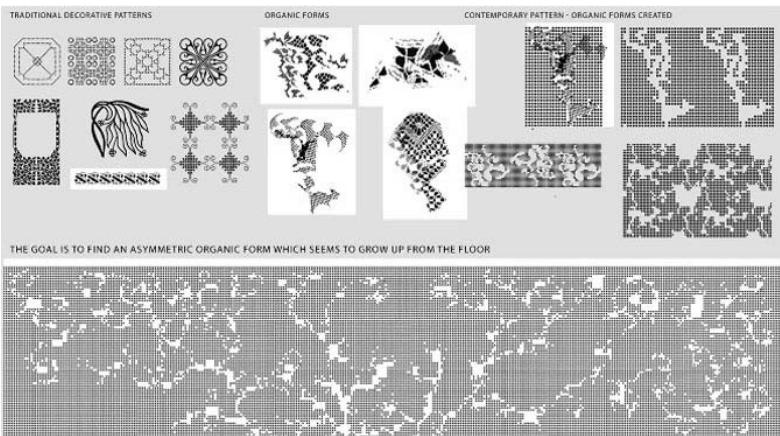 Fig. 17: Ornament processing with comparative analysis and using R2 design graphics
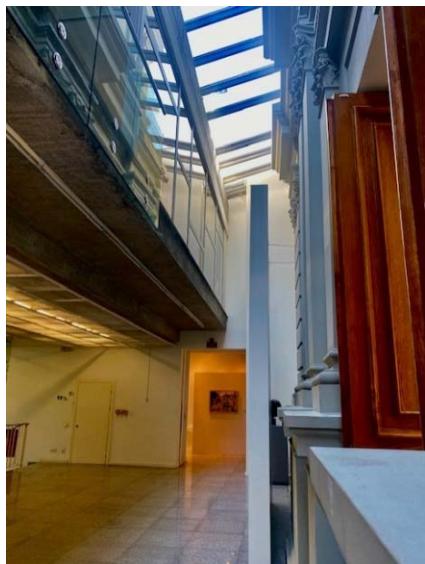
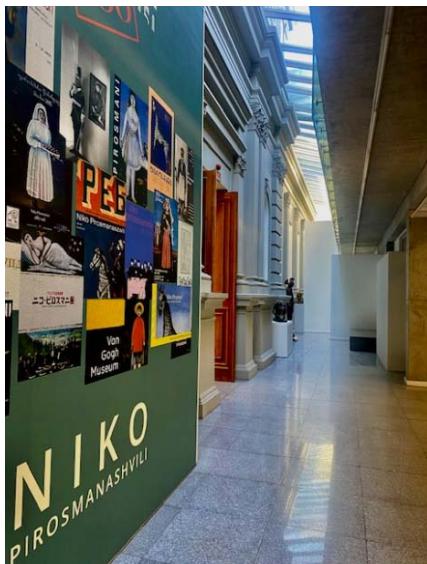
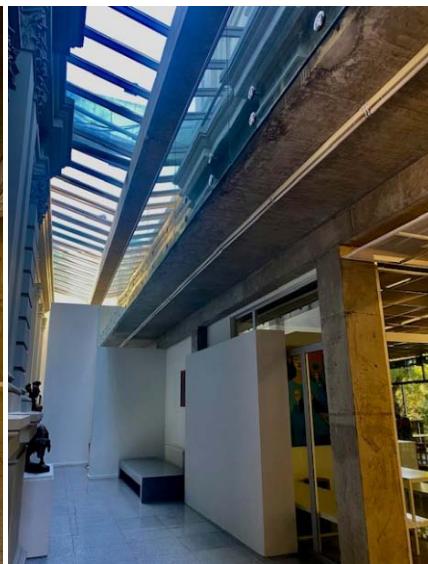 Fig. 18: Interior. Connection Between the old and the new structure
The restoration of a lost monument of cultural heritage in the urban space of Tbilisi is new and radically different from the examples discussed above.
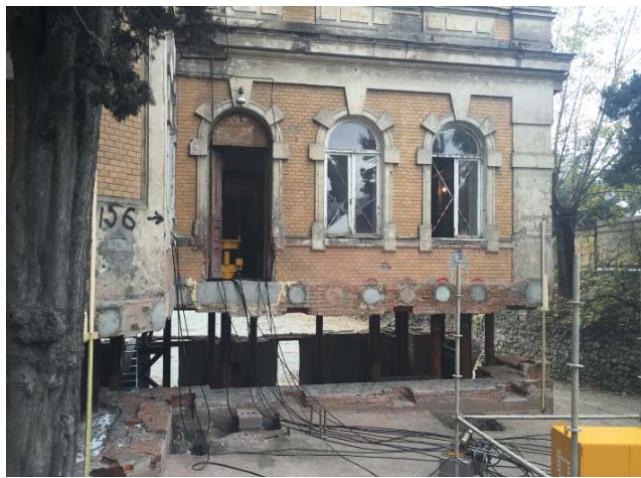
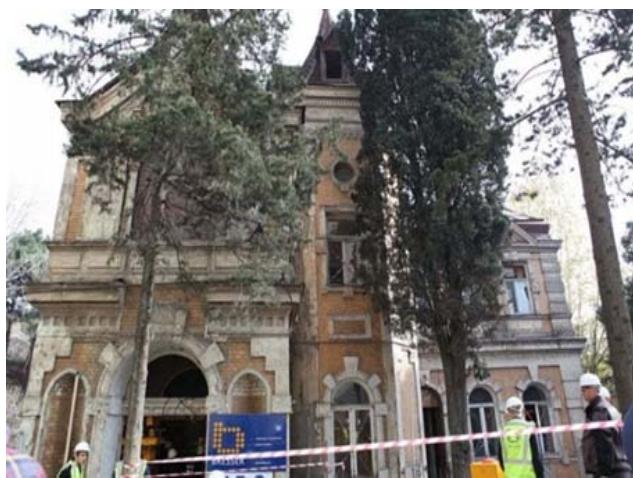
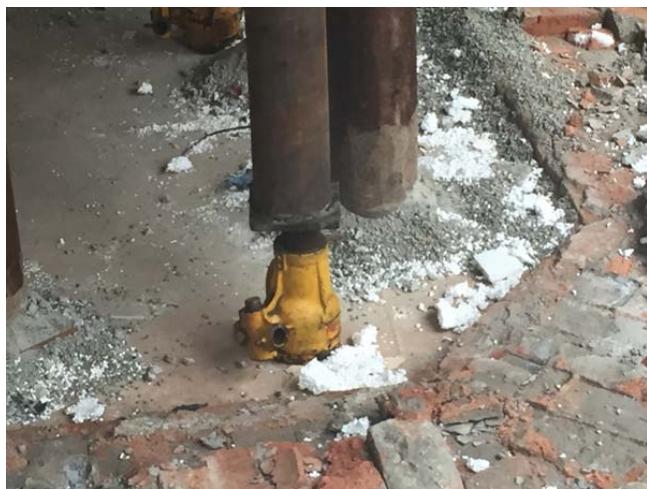
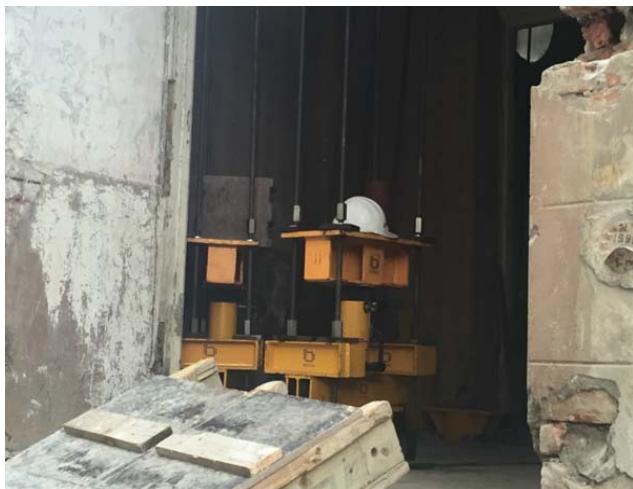 Fig. 19
The photo is taken from the website: https://forbes.ge/dzveli-sakhlis-akhali-sitsots/ In the oldest district of Tbilisi, between Yalbuzi Street and the left bank of the Mtkvari River, a residential
house was built in 1900-1905 by Polish architect Alexander Shimkevich. The building is a monument of cultural heritage. In the 60s of the last century, due to the fact that a hydroelectric power station was built on the river, and then the construction of a highway began, the level of the building decreased by almost three meters. In fact, it became impossible to perceive its beauty from the street. The connection with the river was also lost. In 2012, the construction of the monumental complex of the Azerbaijan SOCAR company further worsened the condition of the old building.
However, the SOCAR owners themselves realized the historicity of the structure and decided to preserve it. The reconstruction project was carried out by the Georgian company "Kobulias & Partners" together with the Dutch company "Bresser". The restoration of the structure was not enough, it was necessary to raise building from ground level. This unique process was carried out by a Dutch company using its own method. With the help of modern technologies and unique equipment, the 1,200-ton building was raised 3.4 meters to highway level (Fig. 19). For the first time in Europe, a building in Tbilisi was raised to such a height. Before the idea was implemented, research was conducted: the study of soil layers and the stability of the building. At the first stage, the ground floor of the building was completely reinforced with movable piles, and then the lifting process began, which lasted for several days. The company carried out work on strengthening and temporary reinforcement of structures. The purpose of such an action is to control structures by reducing immobility. After the building was lifted, an empty space appeared. According to the concept of the architectural studio "Kobulas & Partners", the empty space was glazed and the three-storey extension was built. The space between the old and new buildings was also glazed. The glass fillers created a transitional space to achieve a contrast between the cultural heritage monument and the new building. Visually, the monument of cultural heritage seemed to hang in the air. Thus, we have received a conceptually completely new architectural solution combining a monument of cultural heritage with modernity. (Fig. 20)
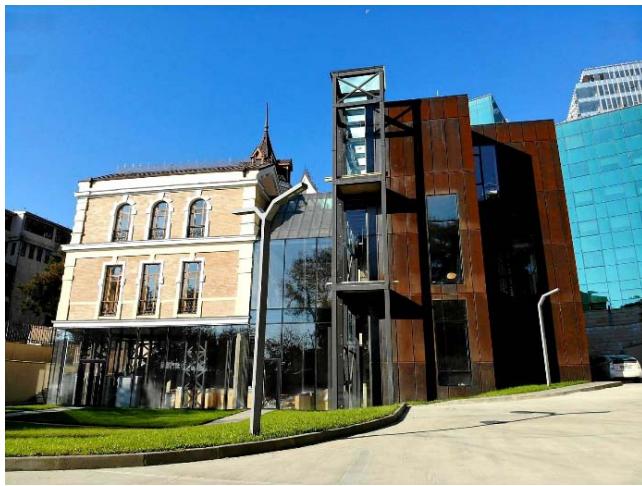
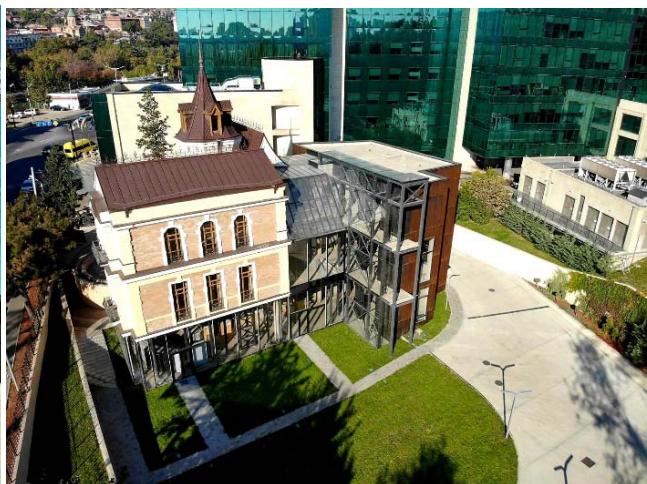 Fig. 20
## IV. CONCLUSION
The monuments of cultural heritage require preservation and harmonious coexistence with a modern city. Today, cultural heritage monuments are undergoing transformation. Modern additions will create a connection between the past and the present, turn them into public buildings and places of social relations. The monument is no longer a museum exhibit, it is undergoing evolutionary development along with the city. However, there are some risks.
technologies and architectural forms, form a continuous chain of connections from the past to the future, ensure the sustainability, preservation of historical value and reuse of the cultural heritage building. The spatial - building structures of new buildings built in the historical urban space, taking into account the original scale of the city-scape, form a harmonious connection between history and modernity.
The analysis revealed that the transformation of cultural heritage buildings requires a careful approach, since it is associated with a number of legislative regulations, restrictions, as well as technical and structural problems. Therefore, it is important to analyze and evaluate the general condition of the building structure, describe historical architectural details, etc. in accordance with generally accepted practice. Thus, the process of integrating an old building into a modern one requires the development of a clear plan to protect its historical integrity and sustainability.
Public involvement and awareness are important factors for the successful renovation of cultural heritage monuments. The dialogue with the citizens ensures the strengthening of the role of the historicity of the building in the modern urban space. The process of the transformation of the old building into modern one, despite the difficulties and challenges, provides a unique opportunity for creative thinking.
Generating HTML Viewer...
References
4 Cites in Article
Ronald Rubin (2008). https://www.consultant360.com/whats-take-home/70-year-old-man-severe-hand-pain-part-2?page=0.
ანუ თბილისის რეკონსტრუქციის მგრძნობიარე საკითხები.
Wen Liang,Yahaya Ahmad,Hazrina Mohidin (2023). The development of the concept of architectural heritage conservation and its inspiration.
Richard Griffiths,Ჭინჭარაული Old Buildings and new structures.
No ethics committee approval was required for this article type.
Data Availability
Not applicable for this article.
How to Cite This Article
Dean, Professor Nino Imnadze. 2026. \u201cCultural Heritage Buildings in the Structure of a Modern City\u201d. Global Journal of Research in Engineering - J: General Engineering GJRE-J Volume 24 (GJRE Volume 24 Issue J2): .
Explore published articles in an immersive Augmented Reality environment. Our platform converts research papers into interactive 3D books, allowing readers to view and interact with content using AR and VR compatible devices.
Your published article is automatically converted into a realistic 3D book. Flip through pages and read research papers in a more engaging and interactive format.
Our website is actively being updated, and changes may occur frequently. Please clear your browser cache if needed. For feedback or error reporting, please email [email protected]
Thank you for connecting with us. We will respond to you shortly.