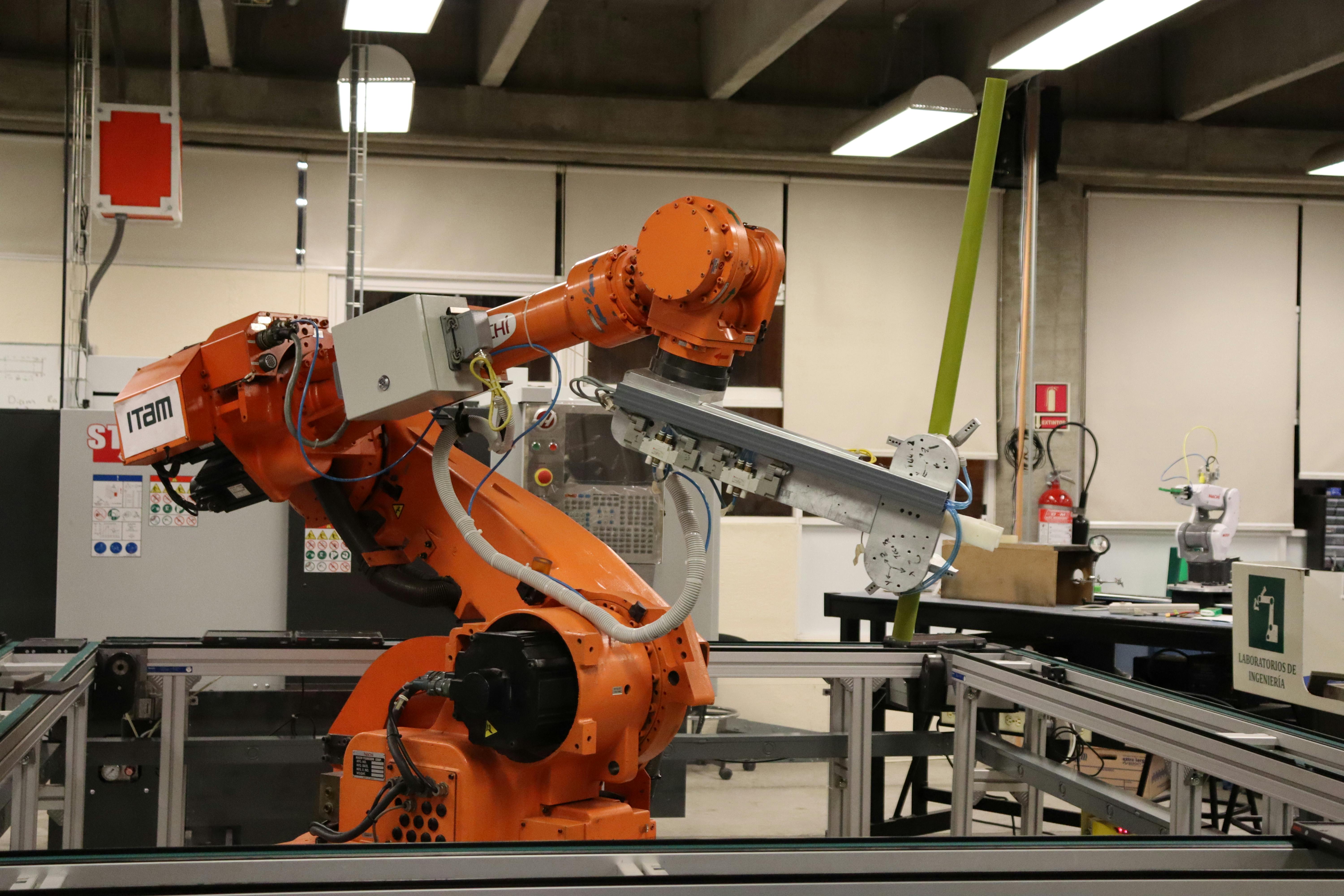
Cybersecurity in Programmable Logic Controllers (PLCs) is a critical component in ensuring the overall security and reliability of industrial control systems. PLCs are widely used in various industries to automate processes and control machinery. However, as PLCs become more interconnected with other systems and the internet, they are increasingly vulnerable to cyber threats. This abstract explores the importance of cybersecurity in PLCs and the potential risks associated with inadequate security measures. It highlights the various ways in which PLCs can be compromised, such as through malware attacks, unauthorized access, or physical tampering. This abstract discusses the potential consequences of a cyber-attack on PLCs, including disruption of critical infrastructure, loss of sensitive data, and potential harm to personnel. It also emphasizes the importance of implementing robust cybersecurity measures, such as encryption, access control, and regular security audits, to protect PLCs from cyber threats.
## I. INTRODUCTION
Programmable Logic Controller (PLC) is a critical component in industrial automation, controlling various processes and machinery in sectors such as manufacturing, energy, and transportation. As PLCs become increasingly interconnected within larger networks and integrated with other systems, the need for robust cybersecurity measures to protect these devices from cyber threats has become paramount. Cybersecurity in the context of PLCs involves safeguarding these devices from unauthorized access, data breaches, and malicious attacks that could compromise their functionality, disrupt operations, and potentially lead to physical harm or damage. With the growing interconnectedness of industrial systems and the rise of Industry 4.0, PLCs are becoming more vulnerable to cyber threats, as hackers target these devices to gain access to sensitive data, manipulate operations, or cause system failures. As such, organizations that rely on PLCs must implement comprehensive cybersecurity strategies to mitigate these risks and ensure the integrity, availability, and confidentiality of their industrial processes. This may involve measures such as network segmentation, access controls, encryption, regular software updates, and employee training on cybersecurity best practices.
## II. PLC CYBER THREATS
PLC (Programmable Logic Controller) systems are a critical component in industrial automation, used in various industries such as manufacturing, energy, and transportation. These systems are responsible for controlling and monitoring various processes, making them an attractive target for cyber threats. With the increasing connectivity of devices in industrial settings, PLC systems are becoming more vulnerable to cyber attacks. In recent years, there have been several high-profile incidents of PLC cyber threats, including the Stuxnet virus that targeted Iran's nuclear program in 2010. One of the main threats facing PLC systems is malware. Malware can infiltrate a system through various means, such as phishing emails, infected USB drives, or vulnerabilities in software. Once inside a system, malware can disrupt operations, steal sensitive data, or even sabotage equipment.
Another common cyber threat facing PLC systems is ransomware. Ransomware is a type of malware that encrypts a system's data, making it inaccessible until a ransom is paid. In the case of PLC systems, a ransomware attack can bring operations to a standstill, causing significant financial losses for the organization. Hackers can also exploit vulnerabilities in PLC systems to gain unauthorized access and manipulate processes. This can lead to equipment malfunctions, production delays, or even safety hazards. In some cases, hackers have targeted critical infrastructure, such as power plants or water treatment facilities, posing a significant risk to public safety.
To protect against PLC cyber threats, organizations must take proactive measures to secure their systems. This includes implementing strong cybersecurity protocols, such as regularly updating software, using firewall and antivirus protection, and conducting regular security audits. Training employees on cybersecurity best practices can also help prevent attacks. Additionally, organizations should consider implementing network segmentation to isolate critical systems from the rest of the network. This can help contain an attack and limit the damage caused by a breach. Regularly backing up data and developing a response plan in the event of a cyber-attack are also essential components of a robust cybersecurity strategy. PLC systems are increasingly facing cyber threats, posing a significant risk to industrial operations. By implementing strong cybersecurity measures and staying vigilant against emerging threats, organizations can better protect their PLC systems from cyber attacks and ensure the continued reliability and safety of their operations.
## III. PLC CYBER SECURITY
PLC (Programmable Logic Controller) Cyber Security has become a major concern as industrial control systems are increasingly interconnected and vulnerable to cyberattacks. PLCs are widely used in manufacturing plants, power plants, and various other industrial settings to control processes and equipment. These systems are critical to the operation of many industries and must be protected from cyber threats to prevent costly downtime and potential safety risks. One of the main challenges in securing PLCs is that they were not originally designed with cybersecurity in mind. Many older PLCs lack basic security features such as password protection, encryption, and secure communication protocols. This makes them easy targets for hackers who can exploit vulnerabilities to gain unauthorized access and disrupt operations. To address these vulnerabilities, industry experts recommend implementing several cybersecurity best practices for PLCs. These include:
- Network segmentation: Isolating PLCs from other networks can help prevent unauthorized access. Creating separate VLANs for PLCs and implementing firewall rules can limit communication between devices and networks.
- Strong authentication: Requiring complex passwords and using two-factor authentication can help prevent unauthorized access to PLCs. Changing default passwords and regularly updating credentials can also enhance security.
- Regular software updates: Keeping PLC firmware and software up to date is essential for patching security vulnerabilities. Manufacturers often release updates to address known cybersecurity issues, so it is important to install these patches as soon as they become available.
- Access control: Limiting access to PLCs to authorized personnel can help prevent insider threats. Implementing role-based access controls can ensure that only employees with the proper credentials can make changes to PLC configurations.
- Monitoring and logging: Monitoring network traffic and logging PLC activity can help detect suspicious behavior and potential cyberattacks. Intrusion detection systems and security information and event management (SIEM) tools can provide real-time alerts and analysis of security events.
Securing PLCs from cyber threats is essential to protect critical infrastructure and prevent costly disruptions. By implementing best practices for PLC cyber security, industrial organizations can reduce the risk of cyberattacks and ensure the safe and reliable operation of their systems. As cyber threats continue to evolve, it is important for industry stakeholders to stay informed about emerging threats and best practices for securing PLCs.
## IV. PLC CYBER ATTACKS
A PLC, or Programmable Logic Controller, is a specialized computer used in industrial control systems to automate tasks such as manufacturing processes, power generation, and building automation. PLCs are widely used in critical infrastructure, making them an attractive target for cyber attacks. PLC cyber attacks have the potential to cause significant disruption and damage, as they can affect the operation of entire industrial systems. These attacks can be carried out by malicious actors seeking financial gain, political motives, or simply looking to cause chaos. There are several types of PLC cyber attacks that can be used to compromise industrial systems. One common method is to exploit vulnerabilities in the system's software or firmware. Hackers can use coding errors or security flaws to gain unauthorized access to the PLC and manipulate its functions.
Another type of attack is known as a denial-of-service (DoS) attack, where the PLC is overwhelmed with a flood of traffic, causing it to become unresponsive and potentially shutting down the entire system. This type of attack can be especially damaging in industries where downtime can result in significant financial losses. Man-in-the-middle attacks are also a concern when it comes to PLCs. In this type of attack, a hacker intercepts communication between the PLC and other devices on the network, allowing them to manipulate data or inject malicious code into the system.
To protect against PLC cyber attacks, organizations should implement various security measures, such as regularly updating firmware and software, using strong encryption protocols, and segmenting networks to limit the spread of an attack.
Additionally, training employees on cybersecurity best practices and implementing access controls can help prevent unauthorized access to PLCs. PLC cyber attacks pose a significant threat to industrial control systems and critical infrastructure. By understanding the different types of attacks and implementing robust security measures, organizations can better protect their PLCs from cyber threats and ensure the continued operation of their systems.
## V. INDUSTRY 4.0 AND PLC SECURITY
Industry 4.0, also known as the Fourth Industrial Revolution, is characterized by the integration of digital technologies into manufacturing processes. This includes the use of artificial intelligence, the Internet of Things (IoT), big data analytics, and cloud computing to create smart factories that are more efficient, flexible, and interconnected than ever before. One key technology that plays a crucial role in Industry 4.0 is the Programmable Logic Controller (PLC). PLCs are used to automate industrial processes such as assembly lines, packaging machines, and robotic arms. They are essentially the brains of the operation, executing programmed instructions to control machinery and equipment in real-time. However, as Industry 4.0 continues to evolve, the security of PLCs has become a growing concern. With the increasing connectivity of industrial systems, PLCs are now more vulnerable to cyber attacks than ever before. Hackers can exploit vulnerabilities in PLCs to gain access to sensitive data, disrupt operations, or even cause physical harm to workers and equipment. To address these security risks, manufacturers must implement robust cybersecurity measures to protect their PLCs. This includes regularly updating firmware and software, enforcing strong password policies, segmenting networks, encrypting data, and monitoring for unauthorized access or suspicious activity. Furthermore, manufacturers should invest in training their employees on cybersecurity best practices and implementing a culture of security throughout the organization. It is crucial for all stakeholders, from engineers to executives, to understand the importance of PLC security and take proactive steps to protect against potential threats.
In addition to internal measures, manufacturers can also look to industry standards and regulations for guidance on PLC security. Organizations such as the International Society of Automation (ISA) have developed standards like ISA/IEC 62443 to help companies secure their industrial control systems, including PLCs. PLC security is a critical component of Industry 4.0 that cannot be overlooked. By taking proactive steps to secure their PLCs, manufacturers can ensure the safety, reliability, and efficiency of their smart factories in the digital age.
## VI. MITIGATE PLC CYBER THREATS IN INDUSTRY 4.0
As Industry 4.0 continues to revolutionize the manufacturing sector with its interconnected systems and smart technologies, the risk of cyber threats to Programmable Logic Controllers (PLCs) has become a growing concern. PLCs are computerized control systems that automate industrial processes, making them a critical component in the functioning of modern factories. However, their reliance on network connectivity also makes them vulnerable to cyber attacks that can disrupt operations, compromise sensitive data, and even pose a threat to worker safety. Mitigating PLC cyber threats is essential to ensure the smooth and secure functioning of Industry 4.0 environments. Here are some strategies that organizations can adopt to enhance the cybersecurity of their PLCs:
- Implement robust access control measures: Limiting access to PLCs to authorized personnel only is a crucial step in preventing unauthorized individuals from tampering with the system. Implementing strong authentication mechanisms such as multifactor authentication and restricting network access to trusted devices can help minimize the risk of unauthorized access.
- Regularly update and patch PLC firmware: Manufacturers often release firmware updates and patches to address security vulnerabilities in their PLCs. Ensuring that these updates are promptly applied can help protect PLCs from known threats and ensure they are equipped with the latest security features.
- Encrypt communication channels: Encrypting communication channels between PLCs and other systems can help safeguard sensitive data from interception and manipulation by cyber attackers. Implementing protocols such as Secure Sockets Layer (SSL) or Transport Layer Security (TLS) can add an extra layer of security to PLC communication.
- Monitor network traffic: Monitoring network traffic for any unusual or suspicious activities can help detect potential cyber threats at an early stage. Implementing Intrusion Detection Systems (IDS) and Intrusion Prevention Systems (IPS) can help organizations identify and respond to security incidents in real-time.
- Conduct regular security audits and assessments: Regularly auditing and assessing the security posture of PLCs can help organizations identify potential vulnerabilities and weaknesses that may be exploited by cyber attackers. Conducting penetration testing and vulnerability assessments
can help organizations proactively address security gaps before they are exploited.
- Educate employees on cybersecurity best practices: Human error is often a significant factor in cybersecurity incidents. Educating employees on cybersecurity best practices, such as avoiding clicking on suspicious links or downloading unknown files, can help prevent inadvertent security breaches that could compromise PLC systems.
Mitigating PLC cyber threats in Industry 4.0 requires a comprehensive and proactive approach to cybersecurity. By implementing robust access control measures, regularly updating and patching firmware, encrypting communication channels, monitoring network traffic, conducting security audits, and educating employees on cybersecurity best practices, organizations can enhance the security of their PLC systems and minimize the risk of cyber attacks in the increasingly digitalized manufacturing landscape.
## VII. CYBERSECURITY BEST PRACTICES
Cybersecurity is a critical concern for businesses of all sizes, and this is particularly true when it comes to protecting programmable logic controllers (PLCs) from cyber threats. PLCs are computer-based control systems that automate industrial processes, and they are often used in critical infrastructure such as power plants, water treatment facilities, and manufacturing plants. A cyber attack on a PLC could have serious consequences, including physical damage to equipment, loss of productivity, and even harm to employees. To minimize the risk of cyber attacks on PLCs, it is essential for businesses to implement best practices for cybersecurity. These practices can help to prevent unauthorized access, tampering, and other malicious activities that could compromise the integrity and security of PLCs. Here are some key best practices that businesses should consider when it comes to PLC cybersecurity:
- Implement a robust network security strategy: PLCs are often connected to corporate networks or the internet, making them vulnerable to cyber attacks. To protect PLCs from unauthorized access, businesses should implement strong network security measures, such as firewalls, intrusion detection systems, and secure VPN connections. It is also important to segment PLC networks from other corporate networks to limit the potential impact of a cyber attack.
- Keep software and firmware up to date: PLC vendors regularly release software updates and patches to address security vulnerabilities. Businesses should regularly update the software and firmware on their PLCs to ensure they are protected against the latest threats. It is also important to change default
passwords and disable unnecessary services to reduce the risk of unauthorized access.
- Restrict physical access to PLCs: Physical access to PLCs should be restricted to authorized personnel only. Businesses should secure PLCs in locked cabinets or rooms, and limit access to individuals who have been properly trained in cybersecurity best practices. It is also important to monitor and log access to PLCs to detect any unauthorized activity.
- Train employees on cybersecurity best practices: Employees who work with PLCs should be trained in cybersecurity best practices, such as how to identify phishing emails, how to create strong passwords, and how to detect suspicious activity on the network. Businesses should also conduct regular cybersecurity awareness training to educate employees on the latest threats and how to mitigate risk.
- Conduct regular security assessments: Businesses should regularly assess the cybersecurity posture of their PLCs to identify and address any security vulnerabilities. This can be done through penetration testing, vulnerability scanning, and security audits. It is also important to monitor PLCs for any signs of suspicious activity, such as changes to configuration settings or unusual network traffic.
By implementing these best practices for PLC cybersecurity, businesses can reduce the risk of cyber attacks on their critical infrastructure. Protecting PLCs from cyber threats is essential for ensuring the safety, security, and reliability of industrial processes, and businesses should make cybersecurity a top priority in their operational and risk management strategies.
## VIII. CONCLUSION
It is evident that cybersecurity for PLCs is a critical aspect of maintaining the security and stability of industrial systems. With the increasing interconnectedness of devices in industrial settings, the potential for cyber attacks on PLCs is higher than ever before. It is essential for organizations to implement robust cybersecurity measures to protect their PLCs from potential threats and vulnerabilities. By staying up-to-date on the latest cybersecurity best practices, conducting regular security audits, and investing in advanced security solutions, organizations can significantly reduce the risk of cyber attacks on their PLCs. Ultimately, a proactive approach to cybersecurity is crucial in ensuring the continued functionality and safety of industrial systems. It is imperative for organizations to prioritize PLC cybersecurity to safeguard their operations and prevent potentially catastrophic consequences.
Generating HTML Viewer...
References
2 Cites in Article
M Rahman,K Islam (2021). What Is Next in ICS Security?.
No ethics committee approval was required for this article type.
Data Availability
Not applicable for this article.
How to Cite This Article
Dr. Christos P. Beretas. 2026. \u201cCyber Security Department of Innovative Knowledge Institute (Paris Graduate School), Paris, France.\u201d. Global Journal of Research in Engineering - G: Industrial Engineering GJRE-G Volume 24 (GJRE Volume 24 Issue G1): .
Explore published articles in an immersive Augmented Reality environment. Our platform converts research papers into interactive 3D books, allowing readers to view and interact with content using AR and VR compatible devices.
Your published article is automatically converted into a realistic 3D book. Flip through pages and read research papers in a more engaging and interactive format.
Cybersecurity in Programmable Logic Controllers (PLCs) is a critical component in ensuring the overall security and reliability of industrial control systems. PLCs are widely used in various industries to automate processes and control machinery. However, as PLCs become more interconnected with other systems and the internet, they are increasingly vulnerable to cyber threats. This abstract explores the importance of cybersecurity in PLCs and the potential risks associated with inadequate security measures. It highlights the various ways in which PLCs can be compromised, such as through malware attacks, unauthorized access, or physical tampering. This abstract discusses the potential consequences of a cyber-attack on PLCs, including disruption of critical infrastructure, loss of sensitive data, and potential harm to personnel. It also emphasizes the importance of implementing robust cybersecurity measures, such as encryption, access control, and regular security audits, to protect PLCs from cyber threats.
Our website is actively being updated, and changes may occur frequently. Please clear your browser cache if needed. For feedback or error reporting, please email [email protected]
Thank you for connecting with us. We will respond to you shortly.