
I. INTRODUCTION
Respiration is the process of absorbing oxygen and expelling carbon dioxide. Respiration is a delicate, and vital process. A few minutes without oxygen can result in death or critical deterioration of the brain in a human. The majority of the oxygen in the body is bound to hemoglobin, which is made up of four iron-containing ring structures (hemes) that are chemically attached to a large protein (globin). Each iron atom can bind, and then release an oxygen molecule. Carbon dioxide transport in the blood is far more complicated (Klocke 2013). One of the serious attackers to the respiratory organ is the SARS virus. SARS refers to the severe acute respiratory syndrome, while SARS-CoV refers to severe acute respiratory syndrome coronavirus. Corona viruses (CoV) are the primary etiologic agents of the common cold. It causes outbreaks, and pandemics. In general, corona viruses cause disease in humans, other mammals, and birds. In humans, it causes respiratory, and intestinal disease. Severe acute respiratory syndrome (SARS), Middle East respiratory syndrome (MERS), and the recent rapidly progressing COVID-19 caused by SARS-CoV-2 are examples. SARS-Cov-1 has infected more than 8,000 people in 32 countries, and caused about death (Cavanagh and Britton 2008). SARSr-CoV refers to one of many viruses similar to SARS-CoV-1, and SARS-CoV-2. No other SARSr-CoV virus has infected humans or caused severe illness like SARS-CoV-1, and SARS-CoV-2. Bats are important reservoir hosts for many SARSr-CoV strains. Several strains have been identified in palm civet. More than 600 million COVID-19 cases, and 6.5 million fatalities have been reported globally as of August 31, 2022 (Low, Zabidi et al. 2022). To avoid confusion, it is recommended to use the numbers behind SARS-CoV to distinguish between the two important viruses SARS-CoV-1, and SARSr-CoV-2. The severe acute respiratory syndrome coronavirus SARS-CoV (old name) or SARS-CoV-1 (new name), is generated severe acute respiratory syndrome (SARS) epidemic in 2002-2004. The severe acute respiratory syndrome coronavirus virus 2 (SARS-CoV-2) is causing the ongoing COVID-19 pandemic. SARS virus's virions have a buoyant density of approximately in sucrose (Cavanagh and Britton 2008). Corona viruses do not necessarily respect species barriers. The deadly spread of severe acute respiratory syndrome (SARS) coronavirus is reported among wildlife, and humans. As a group, corona viruses are not confined to specific organs. Target tissues could include the nervous, immune, renal, and re-productive systems, as well as many parts of the respiratory, and intestinal systems (Cavanagh and Britton 2008).
II. VACCINE
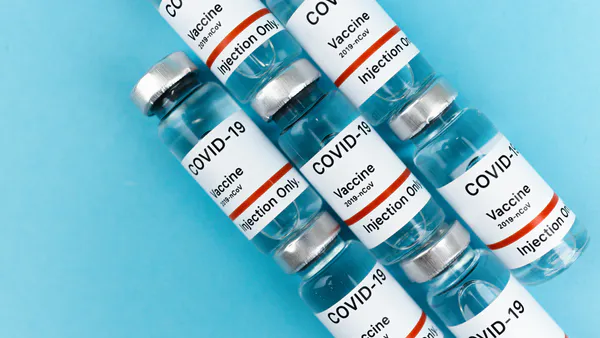
Kantarcioglu et al. (2022) reported that most vaccines made for SARS-CoV-2 (COVID-19) contain the viral spike protein. They are including whole virus vaccines, viral vector vaccines, RNA vaccines, DNA vaccines, and their hybrid forms. COVID-19 variants cause various pathological responses, some of which may be resistant to antibodies generated by current vaccines (Kantarcioglu, Iqbal et al. 2022). These vaccines have been tested on many subjects, including young children, immunocompromised patients, pregnant subjects, and other specialized groups (Kantarcioglu, Iqbal et al. 2022). Coronavirus-2 (SARS-CoV-2) main target organ is the lung. It can bind to the endothelial layer via angiotens in-converting enzyme 2 (ACE 2) receptors expressed on target cells. COVID-19 can affect almost any organ system (Chen, Zhou et al. 2020, Hu, Guo et al. 2020, Huang, Wang et al. 2020, Wu and McGoogan 2020, Zhou, Yang et al. 2020). Most symptoms are mild, with a significant subset developing severe diseases ranging from pneumonia, and acute respiratory distress syndrome (ARDS), and multiple organ failure (MOF) (Hu, Guo et al. 2020, V'kovski, Kratzel et al. 2020, Zhou, Yang et al. 2020, Kantarcioglu, Iqbal et al. 2022). The vaccine used has been approved in emergency procedures. They are approved for emergency use (Kantarcioglu, Iqbal et al. 2022). Kantarcioglu et al. (2022) reported that only the Pfizer vaccine has been fully approved by the US FDA (2021) (Kantarcioglu, Iqbal et al. 2022). The vaccine can generate neutralizing antibodies (Kantarcioglu, Iqbal et al. 2022).
Triggering the spike proteins resulting in the formation of neutralizing anti-bodies, and T-cell responses (Kantarcioglu, Iqbal et al. 2022). Coronaviruses share four structural proteins. They are 1) a high surface area glycoprotein (S about 1150-1450 amino acids); 2) a small envelope protein (E. about 100 amino acids, present in small amounts in virions); 3) integral membrane glycoprotein (M about 250 amino acids), and 4) a phosphorylated nucleocapsid protein (N about 500 amino acids). Group 2a viruses have an additional structural glycoprotein, the protein hemagglutinin esterase (HE; approximately 425 amino acids) (Cavanagh and Britton 2008).
The early studies on vaccines against the COVID-19 virus have targeted the viral spike (S) protein. Antibodies targeting M (membrane), and E (envelope) proteins have failed to neutralize the COVID-19 infection. The N (nucleocapsid) protein is highly immunogenic, and can elicit robust humoral, and cellular immune responses. The most interesting one is the viral spike (S) protein. The antibodies attach to the viral spike protein (S), and prevent it from binding to the human angiotensin-converting enzyme-2 receptor (ACE2 receptor). This enzyme is essential for the virus to enter the cell. Protein S is a fusion glycoprotein divided into two functionally distinct parts (S1, and S2). S1 is found on the surface of the virus, and contains the receptor-binding domain (RBD) which specifically binds to the host cell receptor. The S2 transmembrane domain contains the fusion peptide, which mediates the fusion of viral, and cell membranes (Sharma, Sultan et al. 2020, Lee, Kim et al. 2021, Kantarcioglu, Iqbal et al. 2022).
The WHO reported that 296 candidate vaccines against COVID-19 had been developed, 112 in clinical trials, and 184 in preclinical trials (WHO. 2021). Vaccines developed include attenuated or inactivated whole virus vaccines, replicating/non-replicating virus vector vaccines, DNA, and mRNA-based vaccines, and recombinant or modified protein (subunit protein, virus- like particles) (Chung, Beiss et al. 2020, Sharma, Sultan et al. 2020, Lee, Kim et al. 2021, Kantarcioglu, Iqbal et al. 2022). Mutations in protein S genes, particularly in RBD coding regions, are of utmost importance. Mutations in the S RBD protein- coding regions may be variants with increased rates of transmission, severity, mortality, and reduced susceptibility to monoclonal or polyclonal antibodies produced in response to infection or vaccination, and fraud in the diagnosis of the virus (Singh, Pandit et al. 2021). There are many considerations for people with special health conditions, such as pregnant women (Juan et al., 2020), and immunocompromised patients (Wang, Berger, & Xu, 2021). In general, vaccinating people with specific health problems is still under study. See Kantarcioglu et al., (2022), and the references therein for details (Kantarcioglu, Iqbal et al. 2022).
The innate immune system function as the first line of the host defines against SARS-CoV-2. Innate immune responses limit viral entry. It interferes with its essential replication pathways including translation and assembly. It helps to identify, and remove infected cells, coordinates, and accelerates the development of adaptive immunity. Cell surface, endosomal, and cytosolic pattern recognition receptors (PRRs) respond to pathogen-associated molecular patterns (PAMPs). They trigger inflammatory responses, and programmed cell death. In general, innate immunity limits viral infection, and promote clearance. However, excessive immune activation can lead to systemic inflammation, and severe disease. One should highlight that, acquiring common cold viruses, moderate corona virus, or even other reparatory virus infections naturally will build immunity that will react in less severity against CoV variants. In response to innate immune-dependent viral clearance mechanisms, Coronaviruses (CoVs) have evolved evasion strategies to limit host control, and enhance replication, and transmission (Blanco-Melo, Nilsson-Payant et al. 2020, Konno, Kimura et al. 2020, Li, Liao et al. 2020, Burke, St Clair et al. 2021, Diamond and Kanneganti 2022).
A primary function of the innate immune system is the inflammatory response. CoVs have developed several evasion strategies to counteract these host defenses. SARS-CoV-2 can evade antiviral innate immune responses by reducing IFN levels. Patients with mild, and moderate COVID-19 have low levels of IFNs type I, and III in their serum (Blanco-Melo, Nilsson-Payant et al. 2020, Diamond and Kanneganti 2022). SARS-CoV-2 infection limits IFN type I, and III production at post-transcriptional levels. SARS-CoV-2 prevents the release of mRNA from transcription sites, and/or triggers degrading transcripts in the nucleus (Blanco-Melo, Nilsson-Payant et al. 2020, Diamond and Kanneganti 2022). SARS-CoV-2 also encodes several proteins that disrupt RLR sensing pathways, and IFN induction, signaling, or effector functions. SARS-CoV-2 ORF9b, N and M proteins can inhibit the expression of IFN- , and pro-inflammatory cytokines by interfering with RIG-I, and MDA5 pathways. ORF9b also able to block the TLR3-TRIF pathway (Chen, Xiao et al. 2020, Han, Zhuang et al. 2020, Li, Liao et al. 2020, Ebinger, Fert-Bober et al. 2021, Sui, Zhao et al. 2021, Diamond and Kanneganti 2022). There are many other mechanisms involved in the evasion of the innate immune system. To fraud the existing or, the produced antibodies the virus simply mutates the target site(s). The SARS-CoV-2 virus has mutated dramatically, with increased transmissibility, and virulence. This natural selection is based on mutations common to RNA viruses that are beneficial in terms of replication, host immune evasion mechanisms, and transmission of the virus (Lauring and Hodcroft 2021). The multiple mutations encompassing the epsilon variant demonstrate the independent convergent changes in severe acute respiratory syndrome coronavirus (SARS-CoV-2), with its spike protein mutation L452R in Delta (L452R), kappa (L452R), and Lambda (L452Q) is present. Variants (Plummer, Contreras et al.). SARS-CoV-2 with mutations are defined as variants. A variant of concern (VOC) denotes a variant with increased transmissibility, and severity, a significant decrease in neutralizing antibodies produced in response to vaccination/previous infection, or reduced efficacy of vaccines/treatment. Alpha (B.1.1.7), Beta (B.1.351), Gamma (P.1), Delta (B.1.617.2), Omicron (B.1.1.529). The Omicron variant has a high risk of immune evasion. Therefore, a potential reduction in neutralization by post-vaccination sera may facilitate spread (Chen, Hsu et al. 2022, Wu, Zhou et al. 2022). SARS-CoV-2 non-structural proteins also contribute to host immune evasion (Low, Zabidi et al. 2022).
SARS-CoV-2 is the causative agent behind the ongoing COVID-19 pandemic. This virus is a cumulative outcome of mutations (new variants). The major five VOCs are Alpha (B.1.1.7), Beta (B.1.315), Gamma (P.1), Delta (B.1.617.2), and Omicron (B.1.1.529, and BA lineages). Omicron itself has subvariants at present, among which BA.1 (21K), BA.2 (21L), BA.4 (22A), BA.5 (22B), and BA.2.12.1 (22C) are the dominant ones (Hossain, Akter et al. 2022).
III. EPITOPES
Vaccine-induced protection against SARS-CoV-2 is mainly based on humoral responses. Total antibody titers (against the viral spike RBD), and half-maximal neutralization titers (NT50s) (using pseudotyped or live viruses) have been used for the evaluations (Mulligan, Lyke et al. 2020, Walsh, French et al. 2020, Ebinger, Fert-Bober et al. 2021, Müller, André et al. 2021). Antibodies induced by the vaccine or found in the sera of patients share common binding epitopes. Aluminum adjuvant enhances the immune response induced by the vaccine. A single vaccine dose might elicit a high level of virus-neutralizing activity. The toxicology studies in the non-human primates confirmed vaccine safety. The vaccination protected in non-human primates against an in vivo challenge with SARS-CoV-2 (Yang, Wang et al. 2020). The epitope profiling in RBD-based antigens of SARS-CoV2 revealed the critical antigenic determinants, including three immunodominant epitopes. They are: 1) a highly conserved epitope (350VYAWN354) exposed on the surface of the viral spike protein trimer, 2) a variable epitope among different virus strains (473YQAGSTP479) found in the receptor binding motif (RBM), and 3) a highly conserved cryptic cross-reactive epitope (407VRQIAP412) shared by RBD of SARS-CoV-2, and SARS-CoV (Jiang, Zhang et al. 2021). These data can elucidate the humoral immune responses to the viral spike protein RBD, and enable the development of new anti-SARS-CoV-2 vaccines (El-Baky and Amara 2022).
IV. EPITOPE IN MRNA VACCINES
With the appearance of SARS-CoV-2 variants that harbor mutations in critical epitopes, the risk of eroding adaptive immunity elicited by either vaccination or prior infection as a result of this antigenic evolution increased. The identified epitopes in the COVID-19 mRNA vaccine may form the basis for further research on immune escape, viral variants, and the design of vaccine, and therapy. Mutation panel assays targeting the viral variants of concern demonstrated that the epitope variety induced by the mRNA vaccine is rich in breadth, and thus, can grant resistance against viral evolutionary escapes of the future, which represents an advantage of vaccine-induced immunity. mRNA vaccination against SARS-CoV-2 elicited antibodies targeting viral spike RBD that have a broader distribution across RBD than natural infection-induced antibodies, which seem to offer more resistance against future SARS-CoV-2 evolutionary escapes (El-Baky and Amara 2022).
V. SOME PROPOSED STRATEGIES
a) Proposed approach No. (1); Activate the immune system with similar viruses (e.g., smallpox)
The concept of using similar safe virus to vaccines against another virulence one is well known to the immunologist. Close, safe viruses could satisfy the demand for protecting against dangerous ones by activating the immune system, and producing antibodies that could neutralize them. Perhaps the most famous example is smallpox. The modern vaccine technology starts with simple observation, which has been well known among farmers but less explained until a physician explains it. The milkmaid which has been infected in their hand by cowpox is known that she becomes protected against smallpox. She has been happy because her face will be beautiful. She starts to song, and a physician hears this song "I shall never have smallpox for I have had cowpox. I shall never have an ugly pockmarked face." The cow's name is "Blossom". The physician started to investigate the case, and then he concluded that the infection with cowpox will protect against smallpox. He made manual infection from arm to arm by the cow lymph node (Amara 2016). In similar thinking, recently Fage et al. (2022) reported that the existence of SARS-CoV-2 with other viruses that infect the respiratory organ could help in its control (Fage, Hénaut et al. 2022). Because of the small number of co-infection cases reported since the start of the pandemic, the types of interactions between SARS-CoV-2, and other respiratory viruses are poorly understood. During concurrent infection, SARS-CoV-2 interferes with RSV-A2 replication but not A(H1N1)pdm09 replication. They are both respiratory viruses. Prior infection with A(H1N1)pdm09 reduces SARS-CoV-2 replication. According to Fage et al. (2022) the mechanism involved in the viral interference between SARS-CoV-2, and A(H1N1)pdm09 is mediated by the production of interferon (Fage, Hénaut et al. 2022). This approach, which has been an old tactic and has been used since smallpox (treated by cowpox).
b) Proposed approach No. (2): Attenuating the virus strain (e.g., Rabies)
Pierre-Victor Galtier (1846-1908) a veterinarian, a student of Chauveau at the Lyons veterinary school (France). He demonstrated rabies to be an affectionateness of the nervous system, with a variable incubation period. In 1879, he evoked that laboratory dogs could be replaced by rabbits. In 1881, and 1882, Louis Pasteur, and his students Charles Chamberland, Emile Roux, and Louis Thuillier entered the fray. They modified Galtier's technique by inoculating nervous tissue from a rabid animal directly into the brain after trephination. By successive passages in dogs, they obtained a virus of maximal virulence coupled. The process was a with fixed incubation period of around ten days. To attenuate the virus virulence they, changing that host species. That has achieved indirectly by passages through rabbits. Emile Roux made up the selected attenuation procedure. It consisted of suspending the spinal cord of a rabid rabbit in a flask, in a warm dry atmosphere, as a process for slow desiccation. Using animals as alive propagating medium, Pasteur, and his group succeeded in producing 'attenuated viruses of different strengths'. A standardized range of viruses have been prepared and used to prepare a vaccine (Habel 1956, Lombard, Pastoret et al. 2007, Amara 2016). One should observe that the attenuated virus is used as a vaccine in the time of the activity of the virulence virus.
c) Proposed approach No. (3): Use partially fragmented virus (e.g., Rinderpest)
Rinderpest is a fatal disease has been known since time immemorial in Europe, and Central Asia with mortality range from 90 to . Rinderpest or the Cattle plague (also steppe murrain) caused by Rinderpest virus (group V (-) ssRNA. It comprises among the great historical besets that cause destroyed human farm animals (Barrett, Pastoret et al., Pastoret and Jones 2004, Amara 2016). Robert Koch is the owner of the first publication of the practical method of immunizing cattle against the Rinderpest infections. He injects the uninfected animal with the bile of the animal that died by the Rinderpest, and after that with the serum of an immunized animal. After many trails, from the different researchers, Robert Koch, doing work in South Africa, recommended that cows could be saved by subcutaneous injection of blood serum, from immunized animals, and bile, from an infected animal. This unsafe formula has been shortly substituted by the employ of immune serum, and later on by mixing of immune serum, and virulent virus. Afterward, the method has been improved by consecutive passages of the bovine virus through goats, which enabled Edwards to produce a compromised vaccine in India in the 1920s. Runs with inactivated vaccines as well occurred. Afterward, the successful isolation of the virus in cell culture led to the in vitro developing of a weakened strain, and from this the production of a safe, and highly efficient vaccine (Mortellaro and Ricciardi-Castagnoli 2011, Bento, Staats et al. 2015, Amara 2016).
d) Proposed approach No. (4): Virus ghost preparation using H2O2 (e.g., Newcastle virus)
Evacuating viruses from their genomic material, and keeping their 3D structure unattached is a new approach. Newcastle virus has been prepared as a ghost virus by its evacuation from its RNA using H2O2 in concentration has given the name "bio-critical concentration" while it is the concentration, which has been used to evacuate E. coli. Few studies have been conducted on this promising approach. The unique point is that a cocktail of the viruses are expected to satisfy the demand of the immune system to confer correct immunization can be applied into H2O2 biocritical concentration to turn them to virus ghosts. Interestingly, the first simple study to evacuate the Newcastle virus has recommended the use of H2O2 as a virus deactivator, that has been recommended by many authors. H2O2 is a potent active chemical compound that can oxidize/degrade cell macromolecules, including the genomic DNA, RNA, and plasmids. The idea is to calculate the H2O2 concentration that could degrade the genetic material (even after time) but keep the virus 3D structure including its surface antigen, in the correct form. This approach has been used to evacuate, viruses, bacteria, yeast, and filamentous fungi as well as the mushrooms spore (anthers chemical compounds are included) (Amara 2013, Amara 2014, Amara, Neama et al. 2014, El-Baky 2014, Amara 2015, Amara 2015, Abd El-Baky, Sharaf et al. 2018, Abd El-Baky, Sharaf et al. 2018).
e) Proposed approach No. (5): Probiotics that produce antiviral compounds
H2O2 exhibits antimicrobial activity against yeast, Gram-positive, and Gram-negative bacteria (Suskovich, Kos et al. 2010). Some beneficial microbes produce H2O2 under aerobic conditions of growth. They release it into the environment to protect themselves (Daeschel 1989). Among the other postulated pro-biotic mechanisms engaged in host protection or amelioration of viral respiratory diseases, the significant roles are reported to: reinforce, and protect the mucosal barrier; to stimulate forming antimicrobial compounds (e.g., H2O2) (Balta, Butucel et al. 2021).
Probiotics, prebiotics, phytobiotics, and natural antimicrobials, including their metabolites, have received significant attention, mainly due to the SARS-CoV-2 pandemic, and are continuously tested for their ability to inhibit viruses, and pre-vent their pathogenic impact on the host (Aguila, Lontok et al. 2020, Baud, Dimopoulou Agri et al. 2020, Lee, Choi et al. 2021)
A recent clinical trial conducted demonstrated that oral bacteriotherapy administration of a mixed probiotic formulation in COVID-19 hospitalized patients reduced the risk of respiratory failure by approximately 8-folds, improved gut symptomology, and promoted the disappearance of diarrhea in all the subjects within seven days (Aarti, Martina et al. 2020, Azagra-Boronat, Massot-Cladera et al. 2020, d'Ettorre, Ceccarelli et al. 2020, Lopez-Santamarina, Lamas et al. 2021).
VI. FUTURE PROSPECTIVE
It is becomes clear that even with the massive development in the science, and technology in different fields that, we still know much less. A virus that could not replicate, seen only under high magnification using the electron microscope, could pain us a lot. Even so, it is also proving that the world has become a big village. A respective amount of basic science becomes available for every person. The transfer of knowledge is so fast. Many respective institutions, and organizations that get the responsibility, companies that produce the different vaccines, and political makers that take the designs. So, what could be introduced in the future? There is a need for epitopes, and antigens databases, more fast protocol for personalizing the treatments, and more funds for the research and the researchers. There is a need for collecting experts worldwide in groups to exchange knowledge. In fact, there is a need to link the scientific institutions with the industry in a correct way that does not waste the time of the scientists or the money of the companies. The physical control of the movement, and the personal contacts, hygiene, the contact with the animals, particularly the wild animals, the patients' living conditions in the hospitals, and the like, should be reevaluated, and readjusted.
VII. CONCLUSIONS
This review is concerned with highlighting the most crucial point concerning SARA-COV-2, its nomenclature system, structure, antigenicity, epitopes, variants, different developed vaccines, the response of the personae with health issues, some strategies that succeeded with other viruses, some in natural treatments (e.g., probiotics), some points about the role of the innate immunity, and new idea for virus evacuation (virus ghost). The review gives the message for searching inside, and outside the immunity box. The simple introduced tactic might help in cases such that the vaccines production did not satisfy the global demand, in case of emergency or natural catastrophe, and the like.
Table of Abbreviations
ARDS acute respiratory distress syndrome
GEBRI Genetic Engineering and Biotechnology Research Institute
MERS Middle East respiratory syndrome
MOF multiple organ failure
PAMP pathogen-associated molecular patterns
PRR pattern recognition receptors
RBM receptor binding motif
SARS Severe acute respiratory syndrome
VOC variant of concern