
CHAPTER ONE
I. INTRODUCTION
Legumes (Fabaceae) are most important crop plants that provide 33% of the dietary protein consumed by humans, while pasture and forage legumes provide vital part of animal feed. Legumes are divided into the following three subfamilies: Caesalpinioideae, Mimosoideae, and Papilionoideae, all together with 800 genera and 20,000 species. The latter subfamily contains most of the major cultivated food and feed crops. (Taylor and Francis 2015).
Legumes (grain and forage) constitute the second largest group (1,041,345 accessions, 15% of all [FAO, 2010]) after cereals. Similarly the Zamfara state annual average yield of major crops from 2011-2016 indicated that leguminous crops such as groundnut (140,600mt), cowpea (170,965mt) and soybean (9,860mt) are second largest crop produced after cereals like sorghum with (780,100mt), millet (550,150mt), and rice (41,970 mt). (ZADP, 2016)
Taylor and Francis, (2015) the importance of legumes is evidenced by their high representation in ex situ germ plasm collections, with more than 1,000,000 accessions worldwide. Among the grain legumes are some of mankind's earliest crop plants, whose domestication paralleled that of cereals: Soybean in China; faba bean, lentil, chickpea and pea in the Fertile Crescent of the Near East; cowpeas and bambara groundnut in Africa; soybean and mungbeans in East Asia; pigeon pea and the grams in South Asia; and common bean, lima bean, in Central and South America.
The most common among them produced in Nigeria are Soybean, bambara nut, groundnut, mungbeans and different domesticated ones like common centro (centrosema pubescens), lablab, hyacinth bean (lablab, hyacinth bean), siratro (macroptilium atropurpureum), schofield stylo (schofield), cook stylo (s.guinensis cv. Cook) verono stylo (s.hamoto cv. Verano), Townsville stylo (s.humilis) axillaris (macrotylomo axillore), horsegram bean (M. uniflorum), leucaena (leuceana leucocephala) (FMARD, 2012).
The domestication of wild species annual and perennial plants such as spontaneous plants describes as plants growing naturally and freely in wild state are surrounded in our environment, other sub spontaneous are wild but indirectly encourages their growth and spread. These plants are plentiful near compounds, by the road side and in orchards, although they are not planted there deliberately. An example of Foetid cassia is a bushy legume cultivated for its leafy shoots. It is usually growing wild in savanna or as a weed in fields. However, in some places, it is domesticated on the edges of fields or in compounds. (Dupriez and philippe,
1989) in west Africa, many trees such as African locust bean, tamarind, shea butter, baobab and the silk cotton tree grow in association with the main crops. From time immemorial, the wild seedlings of these plants have been respected by farmers who wish to preserve them. In fact, these plants are sub-spontaneous species which man has gone to the trouble of conserving, although they are largely sown in nurseries with a view to permanent planting. Their multiplication in this way, however, is quite feasible and would be profitable for the farming community.
a) Aims and objectives
The main purpose of the study carried out based on distribution and diversity of leguminous plant (fabaceae) in Zamfara state with all focuses to find the different species of trees, shrub, and perennial or annual herbaceous plant.
i. Objectives
1. To identify the socioeconomic status of farmers involved in leguminous plants production
To identify and document the leguminous taxa present in Zamfara.
To classify the various leguminous taxa according to their growth pattern and economic use
To provide botanical illustrations with colour photographs of all the species found.
ii. Scope
The study is focus on the diversity and distribution legumous plan (fabacaea) in zamfara state north western Nigeria.
iii. Problem Statement
Legumes have Several uses varying from traditional food and forage uses, medicine, soil cover increasing soil fertility, legumes are used in industries prepared as milled food etc. this are in line with Garcia et al., (1998) legumes can be milled into flour, used to make bread, doughnuts, tortillas, chips, spreads, and extruded snacks used in liquid form to produce milks, yogurt, and infant formula. Gathumbi et al. (2002) Legume tree fodder with high levels of crude protein and minerals, and in some cases, good digestibility is readily accepted by livestock. Fertilization with rock phosphate is often needed to improve the N benefits from tree fallows. Legumes have been used industrially to prepare biodegradable plastics, oils, gums, dyes, and inks, Galactomannan gums derived from Cyamopsis spp. and Sesbania spp. are used in sizing textiles and paper, as a thickener, and in pill formulation. (Paetau et al., 1994, and Morris, 1997). In Nigeria many leguminous crop have long ago been domesticated like common centro (centrosema pubescens), lablab, hyacinth bean(lablab, hyacinth bean), siratro (macroptilium atropurpureum), schofield stylo (schofield), cook stylo (s.guinensis cv. Cook) verono stylo (s.hamoto cv.
Verano), Townsville stylo (s.humilis) axillaris (macrotylomo axillore), horsegram bean (M. uniflorum), leucaena (leuceana leucocephala) (FMARD,2012) Domestication in Zamfara were mostly common food crops like cowpea, soy bean, bambara nut and groundnut etc. As report Hamza, (2017) Technology disseminated to farmers' includes by ZACAREP (Zamfara comprehensive agricultural revolution programme) improved crop production processing, group/association formation and management, marketing The crops among others include maize, rice, sorghum, millet, groundnut, cowpea, sesame, soya bean, and cotton for wet season and wheat, vegetables, cowpea and green maize for dry season. There are Different taxa,e.g., fruits or tubers and other cover grass) but these shows little or no clue of the distribution or the diversity of numerous leguminous plants in the north western part of Nigeria in (Zamfara state) that what become most imperative or leads to view about the understanding of the distribution and diversity of these legumes plants.
CHAPTER TWO
II. LITERATURE REVIEW
a) Socio-economic Characteristics of the Farmers involved in the leguminous plants Production
Food legume cultivation as an economical and sustainable means of drastic reduction over-dependence on external inputs such as inorganic fertilizers and widely used for food, fodder, shade, fuel, and timber, as cover crops and for green manure. The socio-economic characteristics Farmers involved in the leguminous plants Production. Relationship exists between age, farming experience, household size, education and farm size.
Ani et al.; (2005) revealed that as one advances in age, the number of legume crops planted also increases. This is likely due to the fact that as one gets older, there is the tendency for one to be more knowledgeable about the crops that improve soil fertility while at the same time provide foods and cash income. Also the positive relationship between farmers' household size and number of legume crop planted is likely due to the fact that the higher the household size, the higher the availability of family labour a farmer has to diversify into the cultivation of more legume crops. The positive relationship between farming experience and the number of legume crops a farmer plants is in line with the expectation that the more experienced a farmer is in farming, the more potentials he has to differentiate crops that give highest income, best as food, increases soil fertility and high yield and therefore the tendency to plant them based on his needs.
i. Important of leguminous plants
Leguminous plants are of great attention in agriculture; these plants represent the primary source of food for all animals, addition of materials to the young body, used in parallel with food crops to enrich the soil with natural fertilizers (ammonium). Plants also play important roles in Man welfare and his economy to a degree not popularly (Muhammad and. Amusa, 2005).
Nieuwenhuis and Nieuwelink (2002) Legumes take up nitrogen from the air and pass it on to the soil, thereby improving soil fertility. Furthered by saying some beans are a good source of oil (groundnuts and soya beans), others are good for cooking, either as whole beans or pulses or as split beans or peas. Some beans are ground into flour which is used to prepare a number of foods. After the beans have been harvested the crop remains make a good source of animal feed.
Leguminous plants are capable of manufacturing organic matter using the solar energy of the sun, green plants thus supply food to all animals and Proteins are the foods that enable the body to replace Not only do or repair wounded parts, and which ensure growth by addition of materials to the young body several plants including humans but a large number of plant species are very rich in protein, and these include beans, Other legumes, the seeds of various plants groundnuts, cowpea and green grain.
Legumes may have long-term benefits on some soils that again are difficult to convert into monetary value. Usually legume rotations, compared to continuous grain cropping result in enhanced soil organic matter content and mineralizable N. Thus, the overall advantages of any legume technology according to is to increase yield, improved resource use efficiency, crop diversification and reduction of environmental pollution (Ani et al.2014).
Muhammad and. Amusa (2005) Legume and nut: Leguminous tree species are important rural health care through provision of drugs for treatment to rural communities throughout the tropics for providing food, medicine, firewood, charcoal, fodder, green-manure and timber. Pakia biglobosa has been described as a Savannah tree with a crooked and short bole of about 20-30 metres tall.
The natural habitat of some legumes like Pakia biglobosa in savanna which may also be found in the moist forest area of West Africa, its uses is well documented. In Nigeria it is eaten both the sweet-tasting pulp and the embedded black seeds. Purse glove, F.A.O. (1990).and Okafor (1993)reported that the seeds are fermented and used as a condiment throughout West Africa. They documented that.
Seeds are used as soup condiment;
The yellow pulpy coating around the seeds keeps well and can be eaten with cereals, as porridge or as cake;
The leaves enrich compost with nitrogen and potash;
Drinks are made from both seeds and leaves;
Whole pods are fed to livestock (in northern Nigeria);
dyeing pots and for glazing pottery;
Young flower buds are used for prevention of leprosy;
A husk combination is taken for diarrhea; and the whole tree is grown as avenue tree in drier regions.
b) Types of legumes
Legumes: These belong to three different families (Mimosoideae, Caesalpinoideae and Papilionaceae) depending on the nature and shape of their flowers. They have broad leaves with net venation pattern. They are herbaceous plants with flowers occurring mainly at the terminal buds. However, it is also possible to have flowers in other parts of the plant such as auxiliary branches. These flowers produce seeds in pods. Examples include Centrosema pascourum, Alysicarpus vaginalis and Mucuna pruriens. (Hassan, 2013).
i. Potentials of Fodder Trees and Shrubs
Plants, especially the leguminous trees and shrubs are often higher in crude protein and other nutrients and play a vital role as dietary supplements.
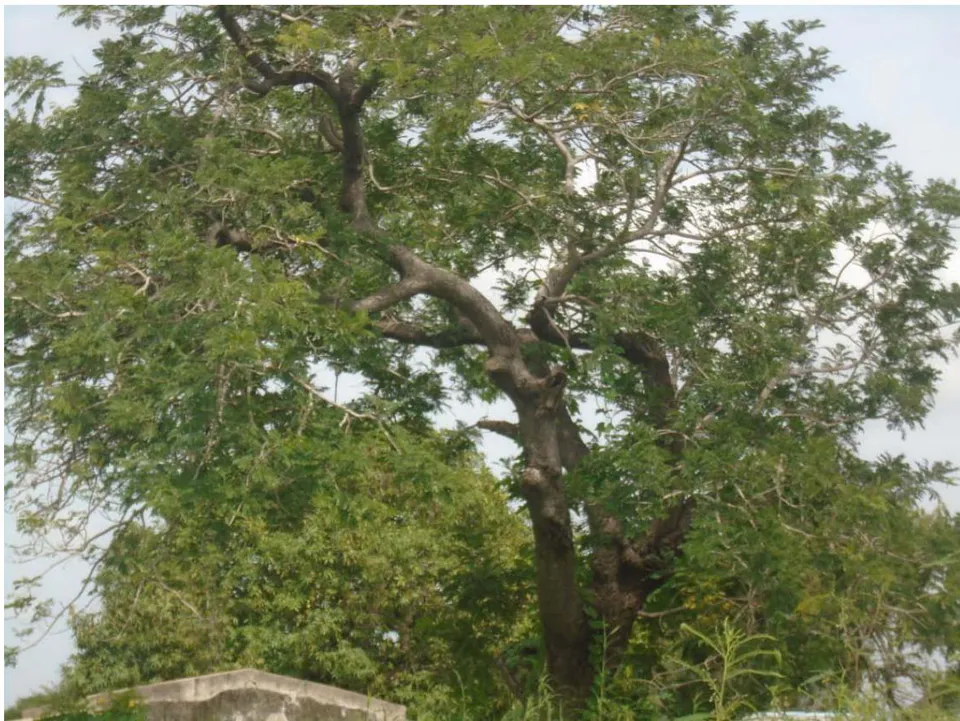
Mokoboki et al., (2005) reported that the nutritional values, attached to acacia tree foliage (Acacia karroo, Acacia nilotica, Acacia tortilis, Acacia galpinii, Acacia sieberiana, Acacia hebeclada and Acacia rhemniana). These species had crude protein levels above 100 g/kg dry matter (DM), ranging from 103 g/kg DM for A. rhemniana to 183 g/kg DM for A. sieberiana. He futher concluded that all the species except A. galpinii, A. karoo and A. tortillis are of good nutritive value. Smith et al. (2005) pointed that improved performance of goats resulting from supplementation with D. cinerea fruits. In addition, Basha et al., (2009) reported D. cinerea to have 123.2 g/kg CP, and low tannin content (57.9 g/kg).
Fodder trees and shrubs from some type of leguminous family, these plants (shoots or sprouts, especially tender twigs and stems of woody plants with their leaves, flowers, fruits or pods) are used as animal feed, processed and managed to feed livestock. Fodder plants are plants which are grown in order to provide the nutritional needs of animals. Babayemi and Bamikole, (2006) opined that fodder and shrubs are important components of ruminant diet and they have been found to play an important role in the nutritional requirement of grazing animals (Van et al., 2005). Osemeobo (1996) also observed that fodder is consumed in the livestock industry and the savannah areas account for about 10-15% fodder as livestock food in the dry seasons. Fodder trees and shrubs were noted to support livestock such as-cattle, sheep, goats, donkey and camel - in the dry season.
Elevitch and Wilkinson (2000) supported that fodder trees and shrubs have several applications and uses, Wind shelter, Living fence, Improved fallow, Improved pasture, Mulch, Bee forage, Human food, Fuel wood, Timber, Fiber, Resins, Dyes, Tannins, Medicine, Food, Fertility enhancement, Soil stabilization, Beauty, Oxygen, Wildlife habitat, Bird habitat, Increased self-sufficiency, Nutrient cycling, Farm diversity.
ii. Leguminous Crop production
Food supply to man by plants falls into several categories, which include carbohydrates, proteins, and oils, vitamins and salt, and beverages. One may also add the spices to this category; Soya is a legume with many good qualities, and it can be used to improve farming systems. It can also be processed into products which contribute to the daily diet and to family income. (Nieuwenhuis and Nieuwelink, 2002.)
There are 450,000 farming families in Zamfara State, most of whom are small-scale farmers having less than 5 hectares of land. Majority of the farming families practiced mixed farming. The rain fed crops grown are millet, sorghum, rice, maize, cowpea, cotton and groundnut. During the dry season farmers in the State produce mainly vegetable crops such as tomato, lettuce, carrot, onion, pepper and spinach (ZMSG, 2001; Saddiq, 2012).
Supported with ZACAREP (Zamfara comprehensive agricultural revolution programme) Technology to farmers on improved crop production processing, group/association formation and management, marketing etc. The major crops among others include maize, rice, sorghum, millet, groundnut, cowpea, sesame, soybean, and cotton for wet season and wheat, vegetables, cowpea and green maize for dry season. (ZASIDEP, 2004).
Leguminoceae:
There are three (3) important families. They are
1. Papilionaceae
2. Caesalphiniaceae
3. Mimosaceae
- Papilionaceae – Trees, Shrubs & Herbs.
Trees-
Andirainermis (Gwaska) NT, A, N, P, So, Z, N.
LonchocarpusLoxiflarus (Shuninbiri) NT, A, Ba, Bo, Kn, P, So.
OstryoderrisStuhlmanii (Durbi) NT, I, N, So, Z, W.
Ormacarpumbibracteatum (Faskaragiwa) Nt, Ba, N, P, So
AfromosiaLaxiflora (Makarfo) NT, Ba, Be, I, Kb, Ka, So, W, Z, E, W, M
Pteracarpuserinaceus (Madobia) NT, I, Kn, N, So, Z
2. Caesalphiniacea
Afzella Africana (kawo) NT, Ba, Be, I, Kb, N, P, Z
Cassia arereh (malga, gamafada) NT, Kb, Kn, Br, P, So, Z
Cassia Sieberiana (gamafada, malga) NT, Kb, Kr, So, often planted
Cassia Singueana (Runtu) NT, Kr, Kt, P, Z, So
DanielliaOliveri (maje) NT, Ben, I, Kb, N, P, A, Z
TermarindusIndica (Tsamiya) NT, A, Ba, Bo, Kt, P, So, Z
Isoberliniadoka (Doka) NT-Ba, Bo, P, So, Z, N
Isoberliniatomentosa (farardoka) NT, A, I, N, P, So, Z
Detariummacrocarpum (Taura) NT, I, W, Kb, So, N, A
Bauhinia rufescens (Jirga) NT, I, N, P, So, Z, A, Be
Piliostigmareticulatum (kalgo) NT, Ba, Bo, Kt, So, W
3. Mimosaceae
Acacia macrathysra (Gwanno) NT, A, Bo, Kt, P, So
AlbiziaChevalieri (Katsari) NT, Ba, Bo, Kn, Kt, So, Z
AlbeziaCoriaria (Doruwarmahalbi) NT, Z, E, W
EntadaAbyssinica (Tawatsa) NT, Bo, I, Kb, N, P, So
Prosopis Africana (Kirya) NT, Kt, N, A, So, Z, E, W
Burkea Africana (Bakinmakarfo) NT, BE, KN, KT, A, Z, E, W
Parkiabiglobosa (Doruwa) NT, BE, I, KN, KT, S, Z, N
Acacia forbia (former albida) (Gawo) NT, BA, BO, KN, SO, Z
Acacia hebecladoides (Bakar Kaya) NT, A, BO, I, KB
Acacia hockii (bakar kaya) NT, A, BO, I, Kb
Acacia nilotica (Bagaruwa)NT, A, BA, BO, KT, KN, SO, Z
Acacia Senegal (Dakwara) NT, BA, BO, KN, KT, SO
Acacia Sieberiana (Farar kaya) NT, BA, BO, I, KT, KN, N, SO, Z
Dichrostachyscineria (Dundu) NT, BA, BO, I, KN, K(Plant Sahel,2008)
iii. Food Crops and Medicinal Plants
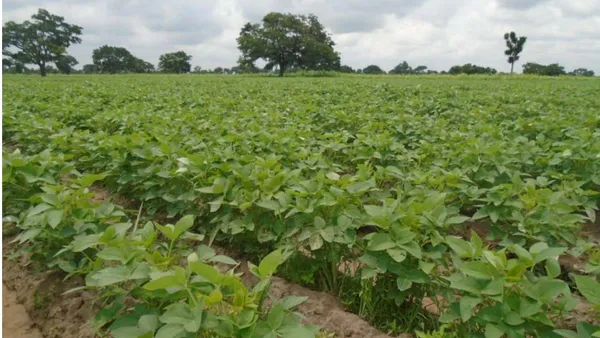
Soybean is an important leguminous crop, which serves as a source of food, prevents malnutrition and a cash crop. Soybean crop has replaced cotton and groundnuts as a cash crop production. This crop is produce in Zamfara state the main reasons first serve as soil improvement for its nitrogen fixation. Secondly, attract market more other leguminous crops as international prices which have affected cotton production in particular. Third factor, it can be processed for many purposes and finally the crop also does not need much fertilizer (Bushand Noura, 2012).
Dugje et al. (2006) and Mustapha et al. (2012) reported the agronomic practices which are recommended for soybean production in Nigeria to include; site selection, land preparation, planting time, spacing and seed rate, fertilizer application, weed control, pest and disease control, harvest and storage. According to Ironkwe et al., (2008) in production the technology has seven component practices as follows; (i) land preparation, {ii) use of mini sett dust or insecticide, (iii) time of planting (when the rains become steady) (iv) seed rate, Sett size (for yam 25g setts), (v) seed bed preparation (vi) spacing and (vii) fertilizer.
According to Adekunle, et al. (2012) Soybean is an important crop in Nigeria. It has high nutritional qualities. Soybean contains protein content of 40% by weight, 32% carbohydrate, 20% fat, 5% minerals and 3% fibre, and other trace substances. It is used as sources of protein in human food, animal feed and in industries. It is processed in industries as oil and the by-product of the oil extraction is the soybean cake for animal feed. Based on the importance of this crop to human nutrition and industrial growth, there is the need to produce it in commercial quantity.
Zamfara is a Mixed Crops Zone the Cotton, Groundnut and Mixed Cereals Zone is located east of the main rice-producing area in the state (which lies along the Sokoto-Rima River Basin complex). The Zamfara Mixed Crops Zone belongs to the Sudan-
Savannah Agro Ecological belt. Rain-fed agriculture is carried out during the single rainy season which runs from April/May to October. In the Sudan-Savannah Agro-Ecological belt, millet, sorghum, and maize are the principal crops grown for food. Cowpeas, groundnuts, cotton and increasingly soybeans are grown mainly for sale. (Bush and Noura, 2012)
c) Diversity and Distribution of Legumes Plants in the Savanna
The natural growing plant found and widely distributed on the earth surface could be grass, trees, shrubs but their diversity and distribution are mostly adhering to difference in ecology, domestication, breeding and agricultural system.
Roger Blanch, (2007)proved that trees and plants identify useful to people and have extensive knowledge about these trees and plants in their region, and distribution. In order to work effectively with communities, it is necessary to discuss individual plant species The Hausa language, apart from being the first language of many people in Nigeria and Niger, is an important second language to many communities in surrounding areas. Ethno botanical information is essential to the work of scientists and others concerned more practically with the environment.
Harlan, (1992). (Leguminous plants include both herbaceous and woody types. both shrubs and tree'. Many of them shrubs and some have been used as ornament and; many others hew the potential, in appearance and adaptation to complement existing plantings. Most leguminous plants are capable of growth on soils lacking nitrogen by forming symbiotic associations with bacteria that inject the plant root, forming specialized structures known as nexuses.
d) Leguminous plants Domestication
Human existed as species they were first hunters and gatherers whilst the "agricultural nepotistic revolution" took place ten thousand years ago, then the process of plant domestication was accepted for human advancement (Harlan, 1992).
Domestication has been defined as "human-induced change in the genetics of a plant to conform to human desires and agro ecosystems, culminating in the plant's loss of its ability to survive in natural ecosystems" (Harlan, 1975). More recently, the concept has been broadened to embrace "the regeneration and sustainable management of a species" (Leakey and Newton, 1994) and "the management and adoption of genetic resources by farmers" (Leakey and Simons, 1998; Leakey et al 1999).
The extension of the concept of domestication from farm/domestic animals and staple crops to trees only emerged in the 1970-80s (Libby, 1973; Leakey et al., 1982), with the start of clone approaches to forest tree improvement. Since then it has been the topic of several international conferences (e.g. Leakey and
Newton, 1994; Leakey et al., 1996) and is growing in importance as a means of balancing food security with sustainable natural resource utilization (Sanchez and Leakey, 1997). Tree domestication has been hailed as the start of a "Woody Plant Revolution" to follow the Green Revolution (Leakey and Newton, 1994; Leakey et al 1999).
Domestication is the upshot of a selection process that leads to increased adaptation of plant and animals to cultivation or rearing and utilization by humans. Agriculture has so far been able to keep pace with human population growth and provides sufficient food and other needs so that humans can tend to other activities (Cohen 1995; Smil 2001). This close relationship between humans and their domesticated plants and animals is precisely one of the aspects that make the study of domestication such a fascinating area of study. Domesticated (and, in some cases, undomesticated) plants and animals have had a significant effect on human history (Crosby 1986; Viola and Margolis 1991; Hob house 1999.Gepts, 2004).
Foetid cassia is a bushy legume cultivated for its leafy shoots. It usually grows wild in savanna or as a weed in fields. However, in some places, it is domesticated on the edges of fields or in compounds. (Dupriez and philippe, 1989) in west Africa, many trees such as African locust bean, tamarind, shea butter, baobab and the silk cotton tree grow in association with the main crops. From time immemorial, the wild seedlings of these plants have been respected by farmers who wish to preserve them. In fact, these plants are sub-spontaneous species which man has gone to the trouble of conserving, although they are largely sown in nurseries with a view to permanent planting. Their multiplication in this way, however, is quite feasible and would be profitable for the farming community.
i. Purpose of Tree Domestication
Trees in the wild have traditionally provided mankind with both products and environmental services, although the importance of the latter has really only been appreciated in second half of the Twentieth Century. With increasing environmental pressures on the land arising from increasing human and domestic animal populations, and with the parallel consequences of overpopulation on natural resources, agro forestry is seen ICRAF, (1997) as a means of simultaneously:
- Enhancing the environment through the better management of natural resources in the agro ecosystem.
The domestication of the tree components of agro forestry is aimed at further increasing these three benefits.
Numerous non-timber forest products, especially wild fruits and nuts, are used by local people as a source of food on a daily basis (Lamien et al., 1996), especially in periods of drought and famine. Many of these products are rich in minerals, vitamins, essential amino-acids, etc.(Leakey, 1999), and have the potential to become food crops through domestication. Several parts of the baobab are nutritionally valuable: the average vitamin C content of the fruits is ten times that of oranges (Booth and Wickens, 1988); the seed kernels contain edible oils, more protein than groundnuts and are rich in lysine, thiamine, calcium and iron and the leaves are rich in vitamin A. A deficiency of this vitamin is severe in many African countries where baobab occurs.
ii. Domestication process
During domestication, mutations affecting specific traits of the domestication syndrome are selected until they achieve near or full fixation, few studies in plants that have investigated mutation rates and the magnitudes (positive or negative) of mutations (Drake et al. 1998). As pointed out by Hill and Mbaga (1998) and Gepts (2004), mutations were not thought to play a significant role in breeding programs because of the short time span and the limited response observed in some experiments. Both empirical and theoretical analyses, however, have shown that mutations can cause a significant and continued response even in small populations.
The process of tree domestication includes the conservation of tree germ plasm, in some circumstances, the process should also include the conservation of the associated microsymbionts (mycorrhizal fungi and rhizobium), and then the selection and use of the most appropriate isolates. Systematic range-wide germ plasm collections have also been made by other organizations for Faidherbia albida (Fagg, 1992); Acacia karroo, A. nilotica, Senegal, and tortilis (OFI, 1999). Less complete collections have been made of a number of other species, (e.g. Azadirachta indica (Gupta et al., 1996), Prosopis cineraria (Solanki, 1996)), leading to genetic improvement studies via provenance/progeny trials.
iii. Time Frame of Domestication
The process of domestication is but one aspect of the transition from hunting-gathering to agriculture. It is generally thought that this transition has taken several millennia (Smith 1995; Gepts (2004). One of the milestones of this transition was the domestication of crops and animals.
The Domestication Syndrome; Darwin (1859) and Gepts (2004), the most intensively domesticated plants have lost their ability to survive on their own in the wild. In selecting plants to fulfill their needs for food, feed, and fiber, humans have-perhaps inadvertently-selected crops that, while they do extremely well in cultivated fields, are unable to grow and reproduce successfully for more than a few seasons in natural environments, away from the care of humans who provide adequate seed beds and reducing competition from weeds.
e) Cultivation Requirements for Legumes
Nieuwenhuis and Nieuwelink (2002) to grow legumes successfully farmers need to know about the following:
Climate requirements
▶ Soil type and soil fertility requirements When to sow
Suitable varieties
How to combine legume crops with other activities on the farm Practical examples show how legumes can be integrated into local farming systems and under which conditions legumes grow well in different areas of the world.
The maturity date of Soybean is 3–4 months after planting and some varieties requires timely harvesting to prevent yield losses. It is recommended that soybean be harvested when about 85% of the pods have turned brown for a non-shattering variety but 80% for shattering varieties (Dugje et al. 2009; Hamza 2017).
i. Suitable areas
The variety of conditions under which legumes do well; Upland river terraces and hills, Lowland along rivers and coastal areas, but legumes not suitable for coastal areas where mangroves used to grow are often as they are too acid. Other soils in these areas which are not subjected to salt water are less acid and more suitable for agriculture. Legumes can be grown in highland areas, at altitudes above 1000 metres. These areas are characterized by low temperatures, dryness and a relatively short growing season. Nieuwenhuis and Nieuwelink, 2002. In humid tropical climates Soya (Glycine max) and pigeon peas (Cajanus cajan) are suitable in these climates. Cowpea (Vigna inguiculata), green gram (Vigna aureus), black gram (Vigna mungo) and groundnut (Arachis hypogaea) can tolerate extreme dryness and high temperatures of hot arid climates.
ii. Varieties and cultivars
Local varieties of most sorts of legumes have developed and many agricultural institutes all over the world have bred cultivars with desirable characteristics such as resistance to disease and pests, higher yields and shorter ripening time. FAO, (2010).Common Names and Scientific Names; Cowpea, asparagus bean, black eyed pea, black eyed bean, crowder pea, field pea, southern pea, frijole, paayap (Vigna unguiculata, syn. Vigna sinensis),Adzuki bean, azuki bean, Adanka bean (Vigna angularis, syn. Phaseolus angularis),Soybean, soya, soyabean (Glycine max), Common bean, common field bean, kidney bean, habichuela, snap bean (Phaseolus vulgaris).
The choice of a proper variety is the most important factor in crop production. Several of these varieties have been released in Nigeria and are being promoted by the State Agricultural Development Projects (ADPs), farmers' groups, and seed companies.
Ajeigbe, et al. (2010) selected brown seeded cowpea varieties released in Nigeria; Ife Brown, IAR-48Medium maturing, IT84S-2246-4Early maturing (70 days), IT90K-82-2Early maturing (70 days) & IT89KD-391.
Selected white seeded cowpea varieties released in Nigeria; TVX 3236Medium maturing (80 days), IT86D-719Medium maturing (80–85 days), IT90K-277-2, Medium maturing (75–80 days), IT93K-452-1Extra-early maturing (60 days), IT97K-499-35 Medium maturing (75–80 days & IT89KD-28
iii. Soil
Legumes grow in different soils, and can do on very acid soils (up to pH 3.8). Groundnuts and Bambara groundnuts (Vigna subterranea) grow in poor sandy soils and loamy soils, but also in clay soils such as vertisols, although harvesting the pods from under the ground is difficult. While groundnuts grow well in chalky soils, Bambara groundnuts do not. (Nieuwenhuis and Nieuwelink 2002)
The butterbean (Lablab purpureus) has deep roots, which enable it to grow better on badly draining soils than most legumes. The butterbean however does not do well in saline (salty) soils. Generally speaking, legumes do not do well on salty soils, although there are a few exceptions: pigeon pea (Cajanus cajan) and pea. However, many of the characteristics of most other leguminous crops are similar with a few exceptions; most leguminous crops are sensitive to day length: they are either short-day or long-day plants.
iv. Labour requirements
Sowing soya by hand is very labour intensive. The sowing density must be very high to ensure a good yield. The only way to keep weeds down is by letting the soya plants cover the whole of the ground. Most other leguminous crops have a wider branching pattern, which means that the sowing density is lower. Other legumes therefore take less time to sow (Nieuwenhuis and Nieuwelink 2002)
v. Weed control
Weed control is very important the most critical period is between the 15th and the 35th day after sowing. If you only start weeding after the 35th day, the yields will be lower. It is best to keep the crop weed-free from the moment it is sown until the harvest The best way to fight weeds is by encouraging the growth and development of the crop as much as possible so that it does better than the weeds. (Nieuwenhuis and Nieuwelink, 2002).
CHAPTER THREE III. METHODOLOGY
a) The Study Area
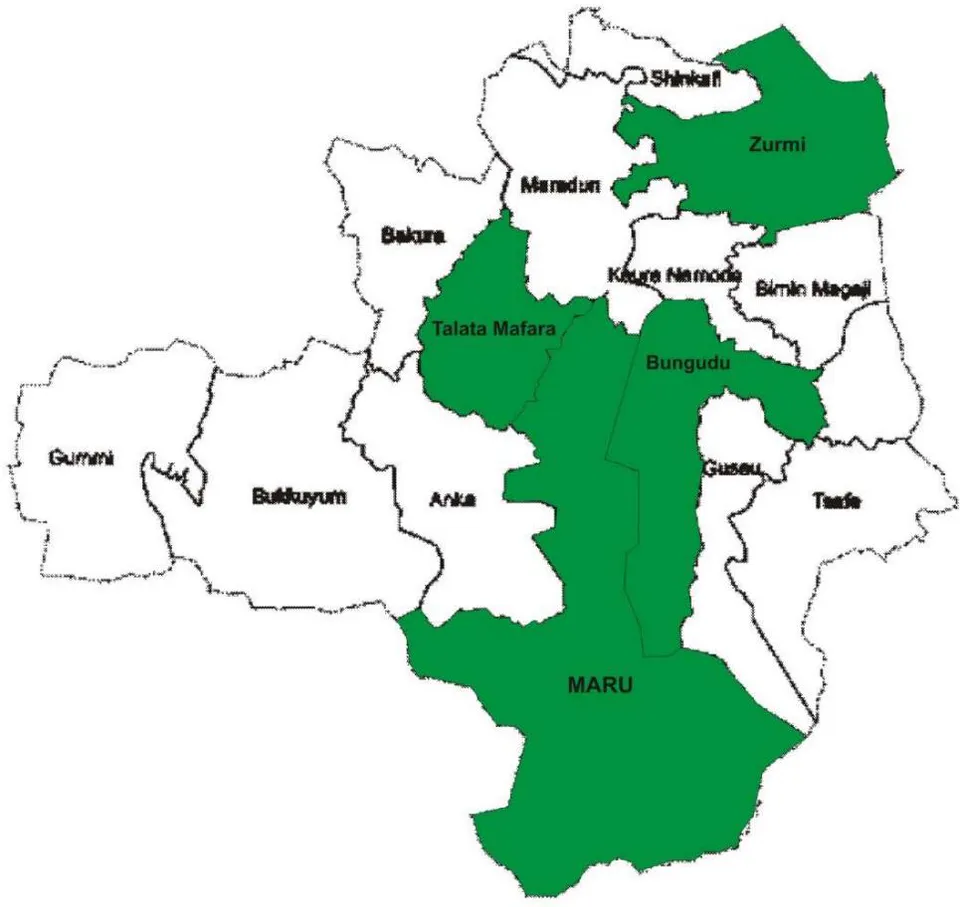
The study was conducted in four of the fourteen Local Government Areas (LGAs) in Zamfara State. The selected LGAs were: Bungudu, Talata mafara, Maru and Zurmi. Zamfara State is located between latitude 100401N – 130401N and longitude 40301E – 70061E. The state has an estimated area of about 38,000km2, about 50% of which is cultivated. It shares boundary with Sokoto state and the republic of Niger to the north, Kebbi and Niger States to the west, Katsina State to the east, and Kaduna State to the South (ZMSG, 2001; ZSMG 2016).
Zamfara State comprises of 14 Local Government Areas located within Savannah ecology, which can be divided into Sahel, Sudan and Northern Guinea Savannah. The Sahel vegetation is found in northern-most fringes near the border with Republic of Niger. The climate is specially alternated by dry and wet seasons. The rains usually commence in May/June and end in September/October. The effective rainy season in the study area is restricted to July to mid-September (Yakubu, 2005). The mean annual rainfall ranges between 969 mm and 1,086 mm. Relative humidity varies between 24% in January and rises to 85% in September. The mean annual temperature also varies between 290c and 370c (ZSMG, 2010). The Sudan Savannah covers most of the northern and central parts of the State and is the predominant ecology of Zamfara State. The average annual precipitation in the Sudan region is between 550 and 900mm, while the growing period ranges between 90 to 165 days (ZMSG, 2001). The southern end of the state is typically Northern Guinea Savannah ecology, characterized by annual precipitation of more than 900mm and growing period of 150 days or more (ZMSG, 2001; Saddiq, 2012).
The study area is blessed with a number of rivers and lakes. Among these rivers are Sokoto, Ka, which flows through Maru, Bukkuyum local Government Areas. Bunsuru, flows through Zurmi and Shinkafi Local Government Areas. Gagare flows through Tsafe, Kaura Namoda and Shinkafi Local Government Areas and Zamfara rivers flows through Gusau, Bungudu, Maru, Maradun and Bakura. Famous lakes include Kalale in Maru, Natu in Bakura, Saru in Gummi, and Jema in Zurmi LGAs. Along the flood plains of most of these rivers, farmers can be seen cultivating small plots of land under irrigation (ZMSG, 2001; Saddiq, 2012).
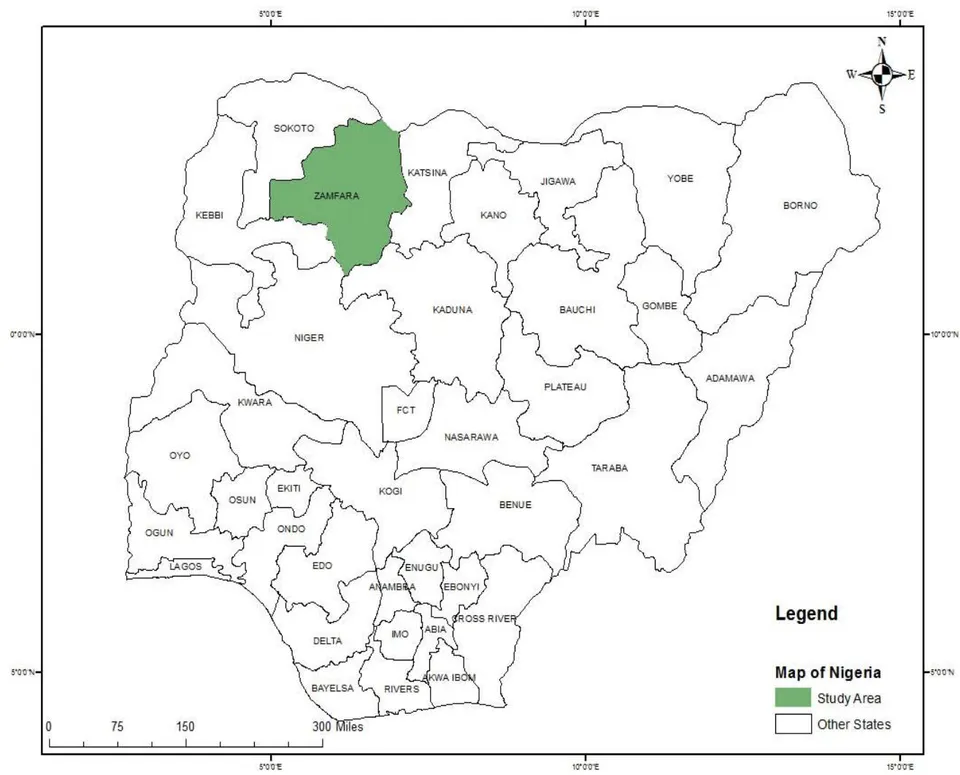
Source: ZSMG (2016).
b) Study Population Sampling Procedure
Multistage random sampling technique was employed for the study Bungudu, Talata mafara, Maru and Zurmi were selected where 25 farmers in two district were also randomly selected. These districts included: Bingi south, and Nahuche in Bungudu LGA, Jangebe and Matusgi in Talata Mafara LGA, Dangulbi and Kanoma in Maru LGA, Mashema and Birnin Tsaba in Zurmi LGA. Total of 100 farmers proportionately selected from the local governments, 2 districts selected from each of the four local government areas, but with equal number of target farmers.
c) Data Collection
Data was collected by four trained enumerators. The enumerators were staff of ZACAREP/ADP that has considerable practical experience in agricultural extension work. The questionnaires were designed to collect information relating to socio-economic characteristics of respondents. These include age, household size, farm size (in hectare), educational level, extension contacts and details including sources of knowledge and source of leguminous plant, their cultivation, data on available types of leguminous crops, trees grass and shrubs, the importance, uses, domestication and Constraints/Problems of Legume Production in Zamfara of these plants. Additional information was collected from officials of Agricultural Development Programme (ADP), GUSAU, Zamfara agricultural revolution programme (ZACAREP).
d) Analytical Techniques
The analytical tools used in this study were descriptive statistics, mean differences were used to analyse the data.
i. Descriptive statistics
Descriptive statistics was used to answer objectives, as follows; describe the socio economic characteristics of the leguminous plants farmers. Identify the socioeconomic status of farmers involve in leguminous plants production. These involve such measures as frequencies, percentage minimum, and maximum, standard deviation to describe and present the result of the analysis Mustapha et.al. (2012) in his study employed descriptive statistics to summarize data percentages and frequencies.
CHAPTER FOUR
IV. RESULTS AND DISCUSSION
a) Socio Economic Characteristics of the Respondents This chapter highlights the findings of the study carried out in Zamfara state. The study aimed at identifying the Diversity and distribution of leguminous crops/plants in Zamfara state northwest Nigeria. Both qualitative and quantitative statistics on demographic, socio-economic, production and socio-cultural were used to obtain the findings. The study findings were multi-variate where one farmer could respond to practicing more than one method of leguminous cultivation at the same time.
| Variables | Category | Frequency | Percentage | ||
| Age | |||||
| 26-30 | 16.4 | 48 | |||
| 41-50 | 51.2 | 113 | |||
| 51and above | 29.2 | 74 | |||
| Gender | Male | 72 | 71.3 | ||
| Female | 29 | 28.7 | |||
| Occupation | |||||
| Farming | 33 | 32.7 | |||
| Civil Servant | 18 | 17.8 | |||
| Farming and Civil Servant | and | Civil | 21 | 20.8 | |
| Farming and Trading Trading | and | Trading | 19 | 18.8 | |
| 10 | 9.9 | ||||
i. Socio-Economic Characteristics of Respondents Cont'd
The socio-economic characteristics of the respondents were examined with respect to their gender, age, and occupation as presented in Table 1. The study shows that majority (71.3%) were male, while female constitutes only 28.7% of the respondents. This implies that gender was a significant factor in agriculture, because of its vital role in determining farming activities in the study area. Majority 39.6% of the respondents were found to fall into 41-50 years category; 26 – 30 years indicated 38.6% followed by 41 – 50 years category.
Table 1 also shows that 32.7% of the respondents were farmers, 20% were indicated to be farmers as well as civil servants also 18.8% were farmers as well traders while 17.8%, and 9.9% are traders and civil servants its implies that majority of the respondents in the study area are engaged in agricultural activities and agrarian people. This agrees with the report, Hamza, (2017) that the Zamfara state whose slogan is "farming is our pride" figure of 3, 278, 87 (NPC, 2006). About 82% of the population live in the rural areas and depend on agriculture to varying degrees for their live hood.
b) Distributions of Leguminous Plants
The fabaceae or leguminous includes crops plants, trees, shrubs and perennial or annual
Variables Frequency Percentage Leguminous crops 50 49.5 Leguminous trees 11 10.9 Leguminous grass 6 5.9 Leguminous shrubs 5 12.9 All 29 28.7
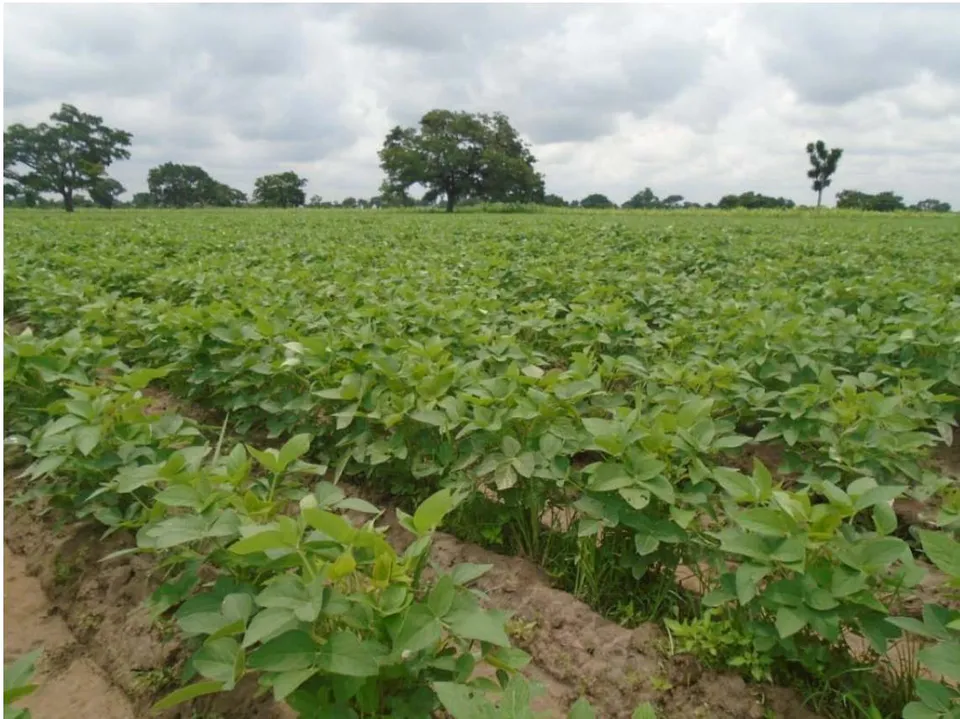
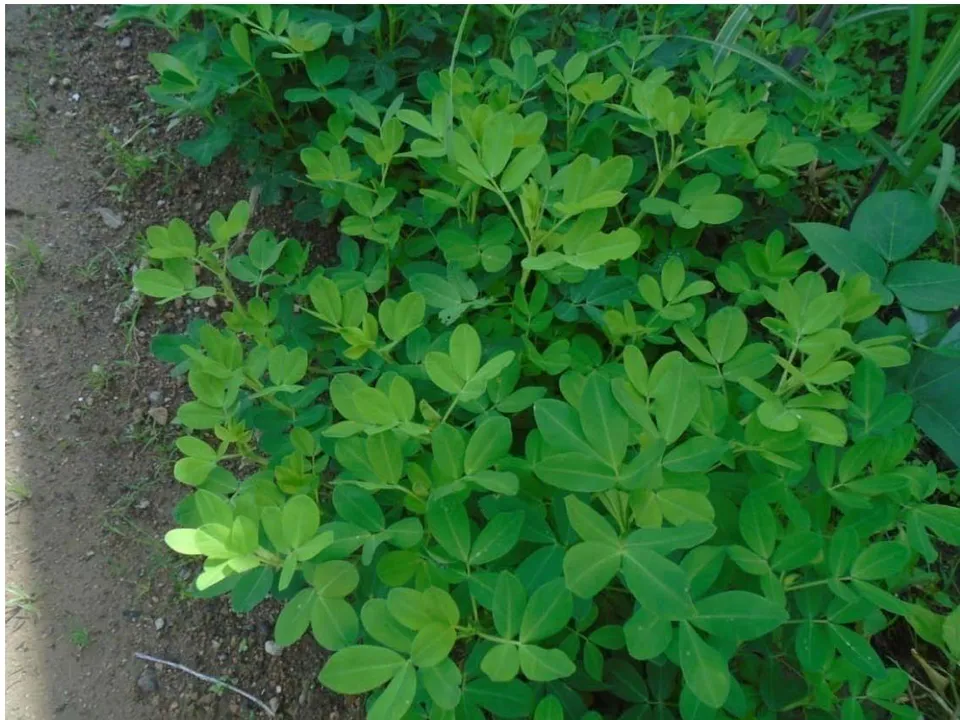
Table 4.2 shows that of the respondent's leguminous crops such as cowpea, groundnut and soybean were found to be cultivated in the study. This report is agreement with Nuora and Bush (2012), that the zone is primarily agricultural, supporting a wide variety of dry land crops including millet, sorghum, maize, cowpeas and groundnuts, as well as rice and (increasingly) soybeans. of the respondents indicted Leguminous tree like parkia biglobosa (dorawa) tamarind us indica (tsamiya)piliostigma thonningi (kalgo)detrarium senegalensis (taura) dichrostachy ssp, acacia linotica (bagaruwa), etc, of the leguminous plants found in the study area while of the respondents and indicated that Leguminous shrubs and Leguminous grass are also found in the study area. of the respondents revealed that all types of savanna leguminous plants are found in Zamfara state which are economically important to human life, that agrees with the report Muhammad and. Amusa, (2005) Legume and nut: Leguminous tree species are important rural health care through provision of drugs for treatment to rural communities throughout the tropics for providing food, medicine, firewood, charcoal, fodder, green-manure and timber. Parkia biglobosa has been described as a Savannah tree with a crooked and short bole of about 20-30 meters tall.
| Variables | Frequency | Percentage |
| Cowpea | 28 | 27.7 |
| Peanut | 24 | 23.8 |
| Bambara nut | 9 | 8.9 |
| Soybean | 13 | 12.9 |
| Others | 27 | 26.7 |
| Total | 100 | 100 |
i. Types of leguminous crops
From table 3 shows that 27.7% of the respondents indicated cowpea crops is being cultivated in the study area and 23.8% also revealed that Peanut or groundnut are cultivated. While 12.9% and 8.9% of the respondents indicated Bambara nut and soybean were among the leguminous plant grown in the study area. The cultivation of these leguminous crops implies that the plants represent the primary source of food and income to humans likewise their animals as supported by the report, Muhammad and Amusa, (2005) Food supply to man by plants falls into several broad categories, which include carbohydrates, proteins, fats and oils, vitamins and salt, and beverages. From this table, however 26.7% of the respondents were pointed that other leguminous crop was found in the study area.
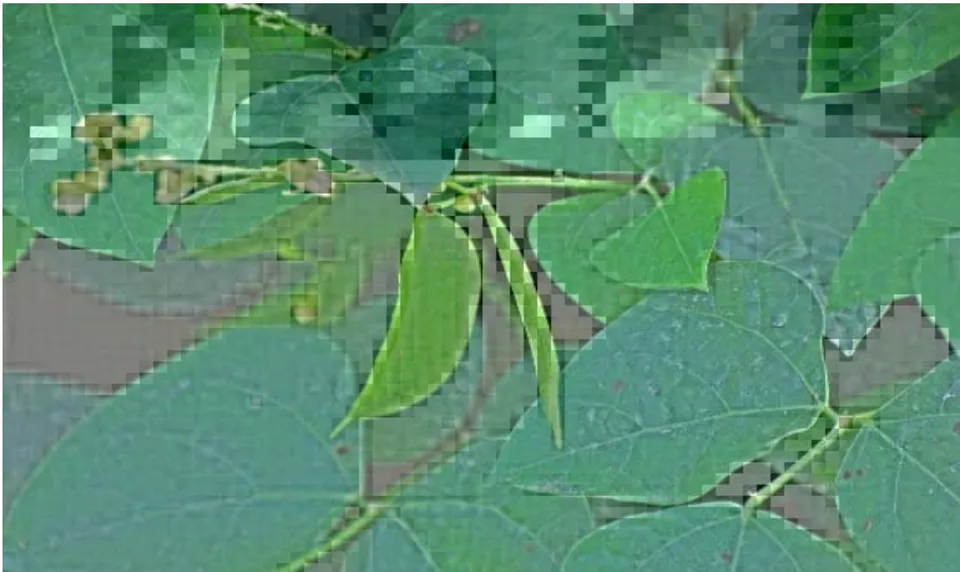
ii. Distribution of leguminous trees
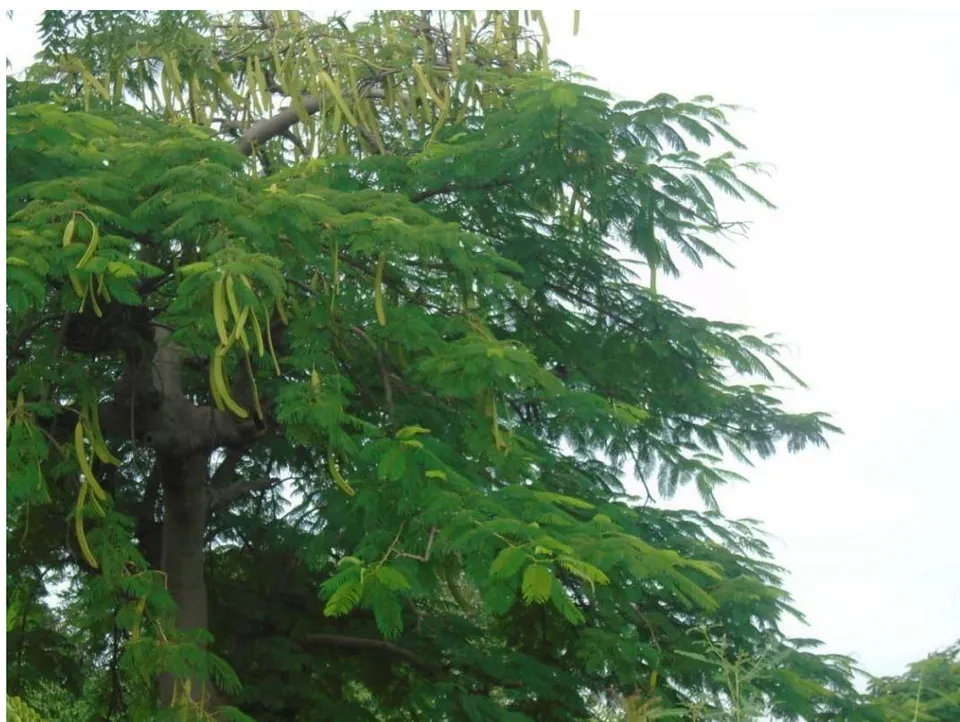
The table below revealed that 21.8% of the respondents noted tamarindus Indus exist in the study area, 23.8% pointed out that Pakia bibglobosa trees are found in the study area. 18.8,9.9%, 7.9%, 6.9%, 5.9%, and 5.0% were for Piliostigma thonningi,Detrarium sengalensnse, Dichrostachy spp, Others, Belonix regia and Erythrinia sengalensnsis respectively. From the study it implies that these trees were domesticated for their importance, as opined by Trees in the wild have traditionally provided mankind with both products and environmental services, although the importance of the latter has really only been appreciated in second half of the Twentieth Century. With increasing environmental pressures on the land arising from increasing human and domestic animal populations, and with the parallel consequences of overpopulation on natural resources, agro forestry is seen (ICRAF, 1997) as a means of simultaneously:
Increasing farmer income;
Increasing the food and nutritional security of poor people; and
Enhancing the environment through the better management of natural resources in the agro ecosystem.
| Variables | Frequency | Percentage |
| Tamarindus induca | 22 | 21.8 |
| Pakia biglobosa | 24 | 23.8 |
| Belonix regia | 6 | 5.9 |
| Piliostigma thonningi | 19 | 18.8 |
| Detrarium sengalensnse | 10 | 9.9 |
| Erythrinia sengalensnsis | 5 | 5.0 |
| Dichrostachy spp | 8 | 7.9 |
| Others | 7 | 6.9 |
| Total | 100 | 100 |
iii. Distribution of leguminous grass
The table below indicated that 66.3% of the respondent accounted for abrus precatorius leguminous grass is distributed in the study area and 14.9% of the respondent also accounted for vigna vexillata leguminous grass, while 18.8% indicted for Other leguminous grass distribution in the study area. From the finding of the study it may imply that the two varieties of grass in the table are most common savanna leguminous grass.
| Variables | Frequency | Percentage |
| abrus precatorius | 67 | 66.3 |
| vigna vexillata | 15 | 14.9 |
| others | 19 | 18.8 |
c) Uses of Leguminous Plants in the Study Area
From the table below its indicated that 60.4% of the respondent prove the use of leguminous plants for food, 10.9% are used for medicine and 13.9% generate cash income while 14.9% of the respondents prove leguminous plants were used as raw materials. From the findings of the study it implies that plants ply important role in human life this in agreement with the report Noura and Bush, (2012) Soybean plays important role in the life of resource poor farmers, as a source of food (with high protein content) to prevent malnutrition and a cash crop. Leguminous plants are notable for their high levels of bioactive compounds, which can influence glucose metabolism by the following:(1) carbohydrate digestion inhibition and the suppression of glucose absorption in the intestine,(2) stimulation of insulin secretion from pancreatic cell liver glucose release modulation,(3) insulin receptor activation (Hanhineva, et al., 2010).
| Variables | Frequency | Percentage |
| Food | 61 | 60.4 |
| medicine | 11 | 10.9 |
| cash income | 14 | 13.9 |
| raw material | 15 | 14.9 |
| Total | 100 | 100 |
Fig. 3: Some important Drug Plants in Northwestern Nigeria
| Plants | Claims and Parts Used |
| Senna caccidentalisAcacia nilotica (BagaruwaAcacia forbia (former albida) (Gawo)Entada Abyssinica (Tawatsa)Parkiabiglobosa (Doruwa)TermarindusIndica (Tsamiya) Afzella Africana (kawo) | Malaria, typhoid (leaves a roots)iodine and tanningBacterial, fungal and viral diseases.Skin infection- leavesBacterial diseases in the mouth gastrointestinal diseasesChest, stomach, sore throats, preserves food – pod, barkMalaria, analgestic- stem, bark |
d) Domestication of leguminous plants
The table below described that 59.4% of the respondents revealed that leguminous plants are domesticated while 40.6% indicated not meaning that some trees usually grows wild in savanna as reported in west Africa, many trees such as African locust bean, tamarind, shea butter, baobab and the silk cotton tree grow in association with the main crops. From time immemorial, the wild seedlings of these plants have been respected by farmers who wish to preserve them. (Dupriez and philippe, 1989)
| Variables | Frequency | Percentage |
| Yes | 60 | 59.4 |
| No | 41 | 40.6 |
| Total | 100 | 100 |
e) Source of Illustration
From Table 9 it was found that 52.5% of the respondents' indicted illustrations were from ADP, 27.7% IFAD, 11.9% from the Library and 7.9% from ZACAREP
| Variables | Frequency | Percentage |
| ADP | 53 | 52.5 |
| ZACAREP | 8 | 7.9 |
| IFAD | 28 | 27.7 |
| Library | 12 | 11.9 |
| Total | 100 | 100 |
CHAPTER FIVE
V. CONCLUSION AND RECOMMENDATIONS
From the findings of the study it was concluded that the diversity and distribution of leguminous plants includes the variety of leguminous plants within the Leguminoceae family such as Papilionaceae, Caesalphiniaceae and Mimosaceae. Potentials of these leguminous plants were also disclosed. Plants, especially the leguminous trees and shrubs are often higher in crude protein and other nutrients and play a vital role as dietary supplements of low quality grasses in dry seasons.
Almost all species had crude protein levels above 100 g/kg dry matter (DM), Leguminous Crop Supply Food to man into several categories, which include carbohydrates, proteins, and oils, vitamins and salt, and beverages. One may also add the spices to this category; Soya is a legume with many good qualities, and it can be used to improve farming systems.
The study also revealed bushy legume grows wild in savanna or as a weed in field showver, in some places, it is domesticated on the edges of fields or in compounds African locust bean, tamarind, shear butter, baobab and the silk cotton tree grow in association with the main crops. From time immemorial, the wild seedlings of these plants have been respected by farmers who wish to preserve them. These trees the wild have traditionally provided mankind with both products and environmental services, increasing farmer income; increasing the food and nutritional security of poor people; and enhancing the environment through the better management of natural resources in the agro ecosystem.
Recommendations
Some recommendations were made: government should intensify effort to reveal and explore the potentials of wild and other leguminous plants for the benefit of our farmers and their livestock.
Research bodies should collaborate with ministries of agriculture and ADP's to demonstrate the cultivation and domestication of these leguminous plants as an adoption process.
The study also recommends the need for essential use of these leguminous plants in modern medicinal process to increase the income of the people in the study area.