





1. Introduction
Equine Metabolic Syndrome (EMS) has been widely discussed in modern veterinary literature as a constellation of clinical and metabolic abnormalities, with insulin dysregulation as its central component (Frank et al., 2010; Merck Veterinary Manual, 2025). Affected animals frequently exhibit regional obesity, difficulty losing weight, and a substantially elevated risk of developing endocrinopathic laminitis (Durham et al., 2019). Additionally, Pituitary Pars Intermedia Dysfunction (PPID) may occur concomitantly, exacerbating insulin resistance and manifesting clinical signs such as hirsutism (Heraud et al., 2020).
In emergency settings, equids with pre-existing metabolic disorders that develop Systemic Inflammatory Response Syndrome (SIRS), often due to endotoxemia or sepsis, exhibit complex glycemic dynamics. Endotoxemia induces peripheral insulin resistance and, in advanced stages, can lead to pancreatic β-cell dysfunction. This results in severe hyperglycemia accompanied by inadequate insulin secretion (relative hypoinsulinemia), a clinical picture that directly correlates with high mortality rates (Gehlen et al., 2018).
Objective
This study aims to draw a comparison between the clinical, laboratory, and pathological parameters described in current scientific literature for horses with Equine Metabolic Syndrome and SIRS and the findings recorded during the treatment and necropsy of a mare that ultimately succumbed to fatal endotoxic shock.
Case Report
A four-year-old, 465 kg Mangalarga Marchador mare was initially evaluated and the patient presented with hirsutism, localized fat deposits (at the base of the tail and the dorsal aspect of the neck), and hoof stress lines. Evaluation of the locomotor system indicated subclinical laminitis, evidenced by bruising on the soles of the forehooves and stress lines on the hoof walls.
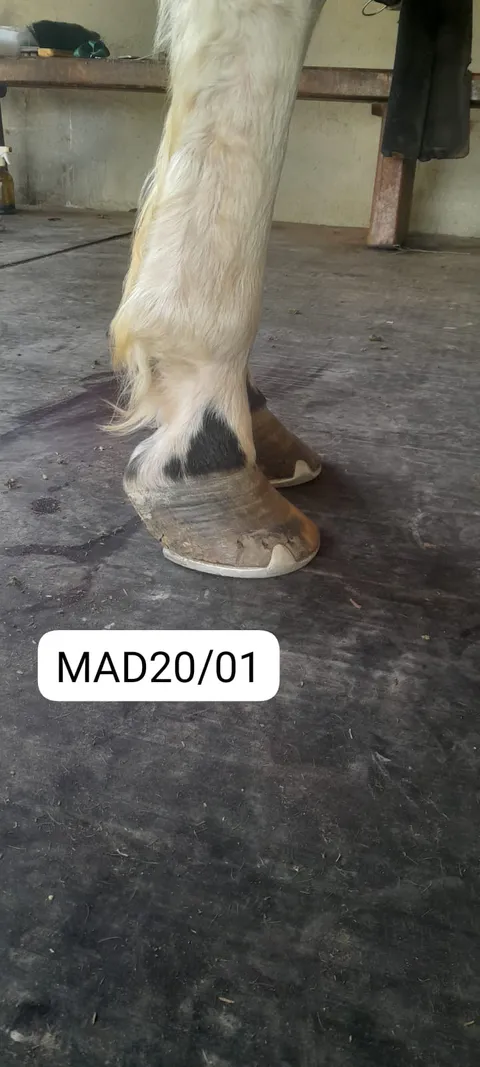
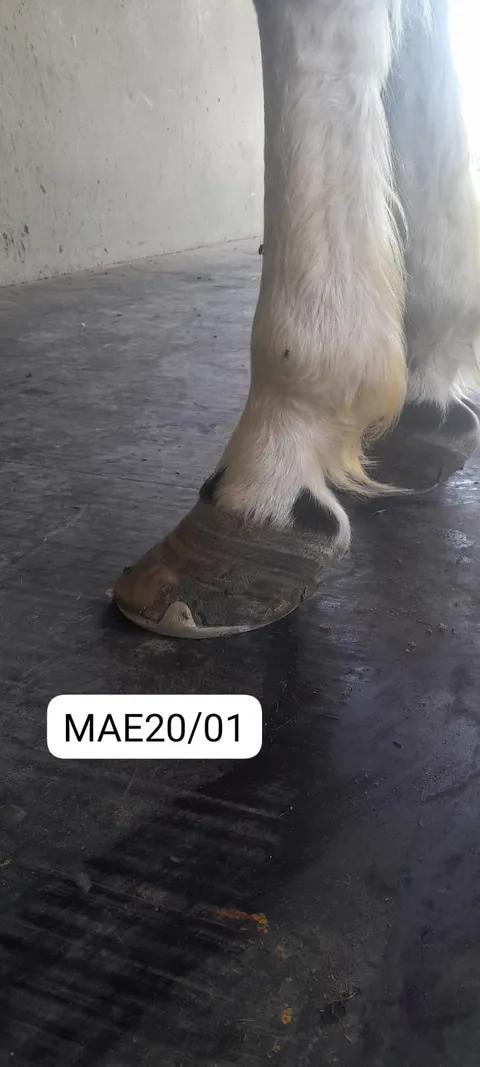
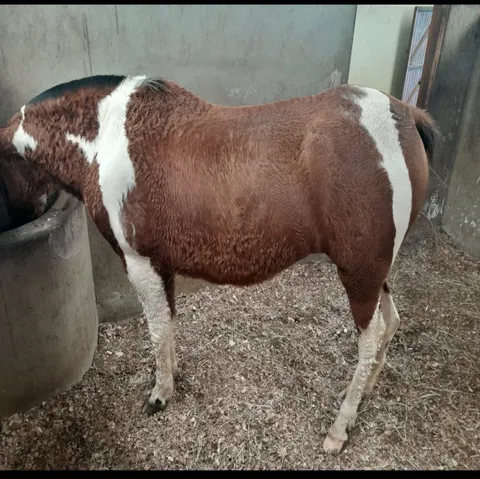
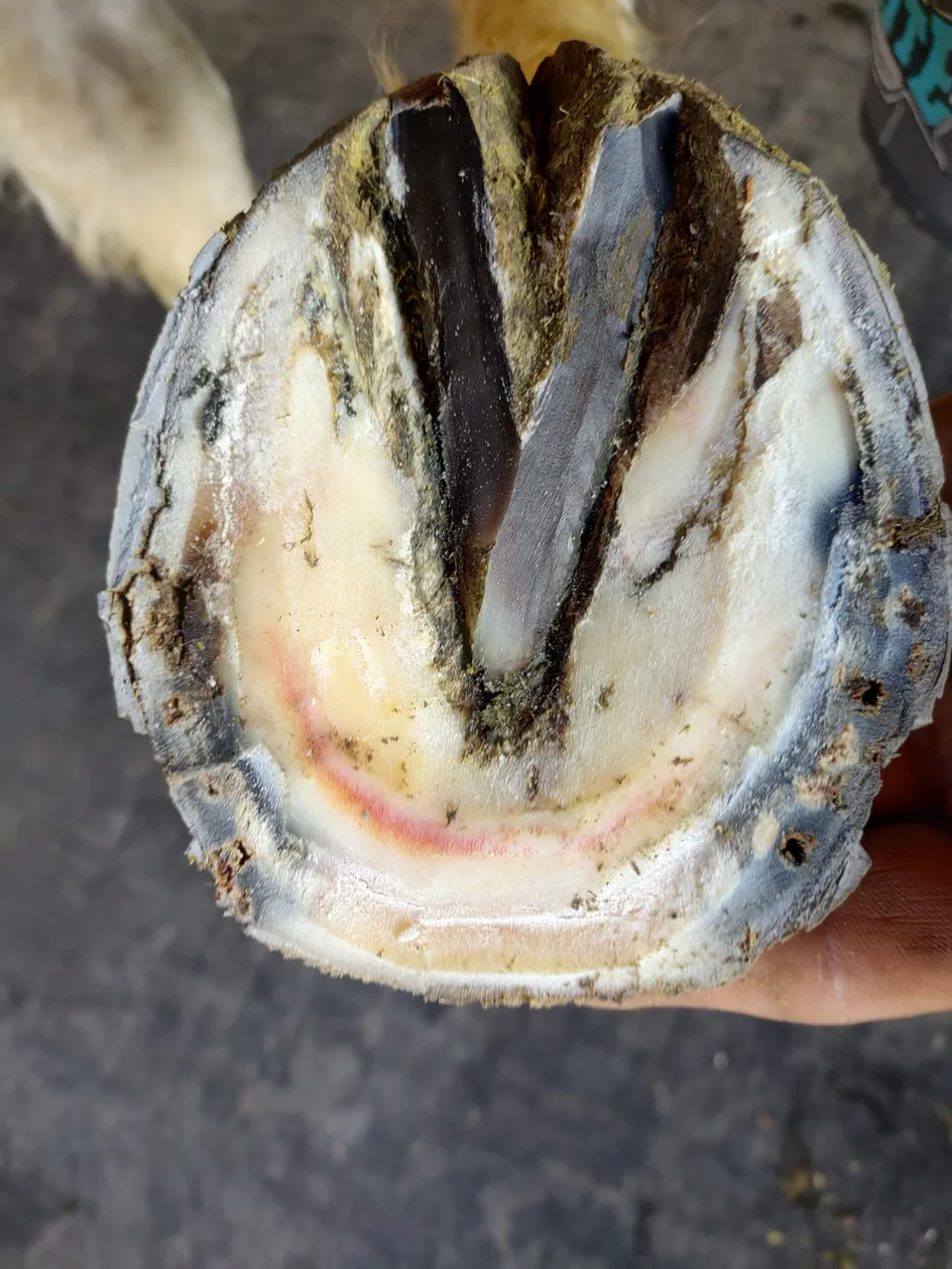
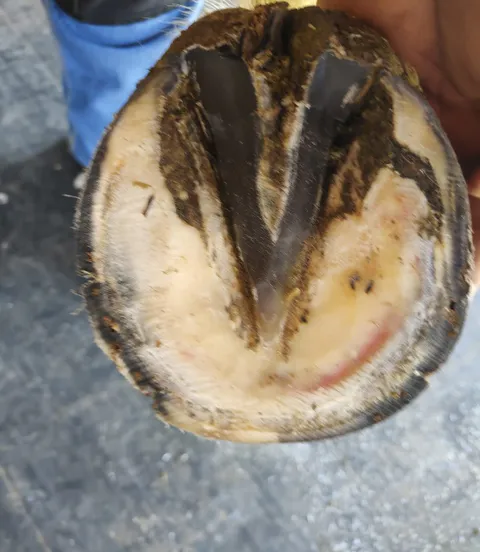
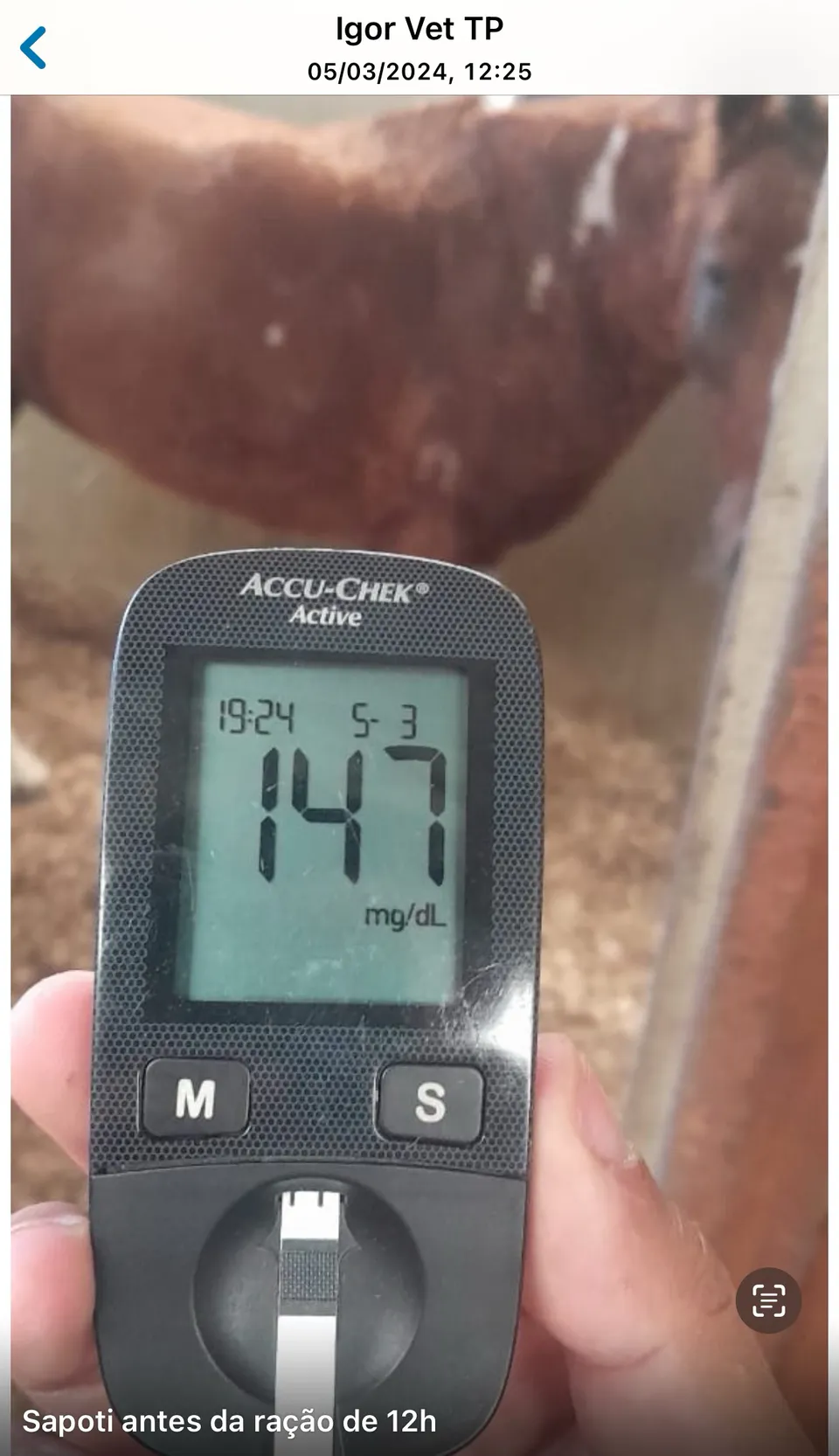
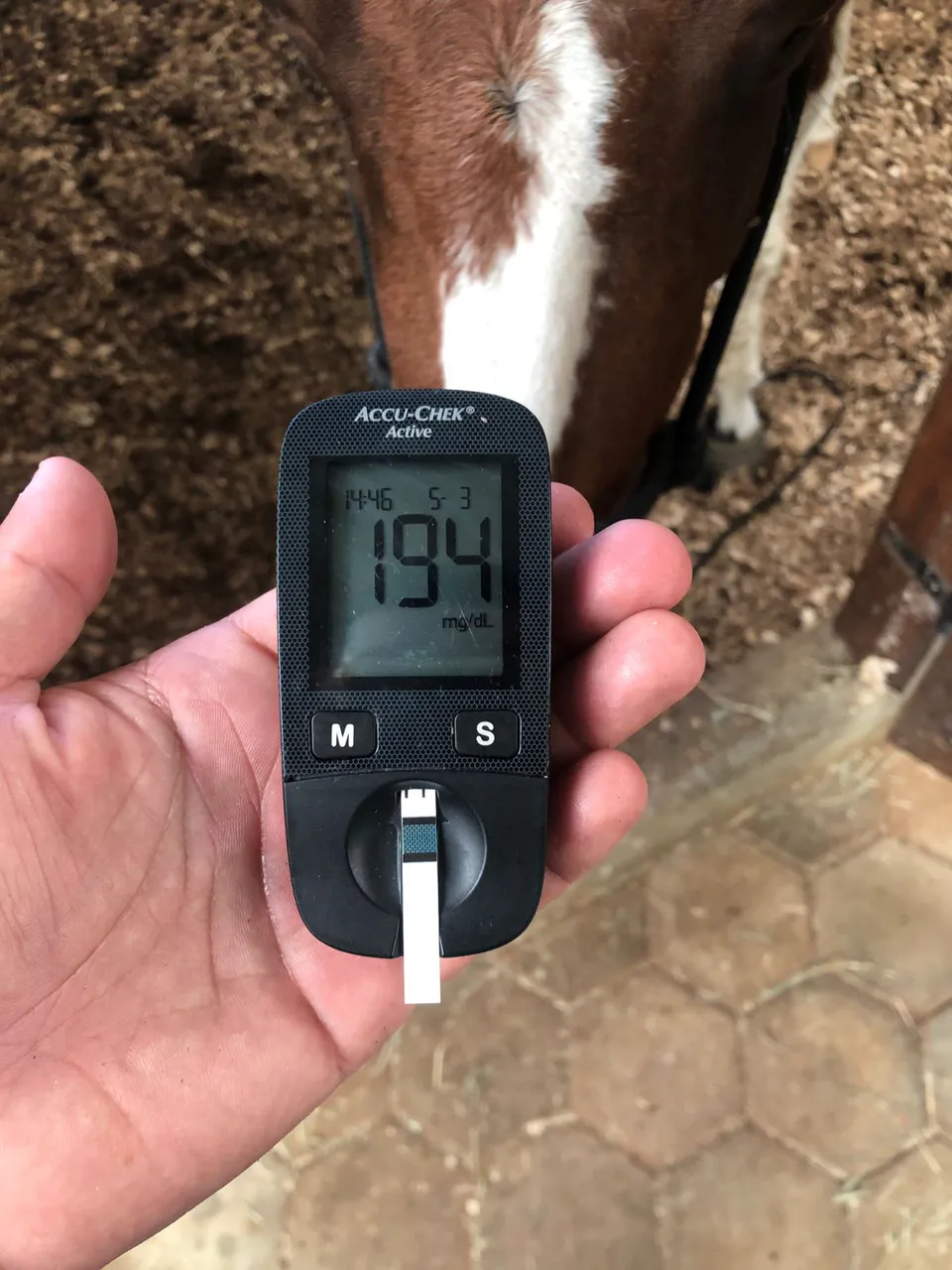
Laboratory tests revealed low total thyroxine (T4) levels (0.52 µg/dL) and elevated basal endogenous insulin (60.20 µIU/mL); following an oral dynamic test, peak insulin reached 163.70 µIU/mL with a glucose level of 140.77 mg/dL. Given the systemic abnormalities and suspected concurrent Pituitary Pars Intermedia Dysfunction (PPID), therapy was initiated involving strict dietary management and levothyroxine administration. Despite weight loss, continuous monitoring showed persistently elevated daily blood glucose levels, ranging from 147 mg/dL to 194 mg/dL.
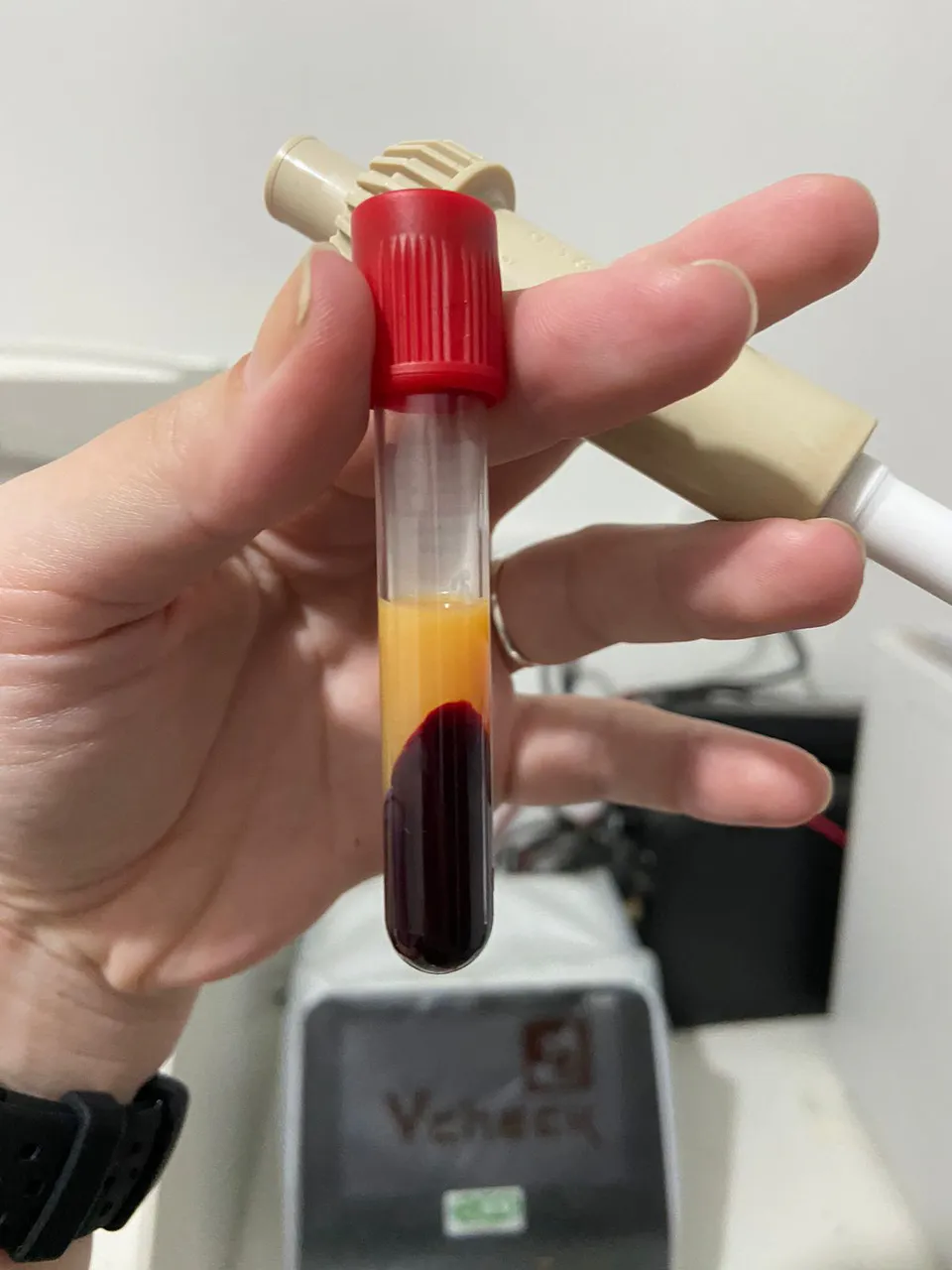
Subsequently, the patient’s condition deteriorated acutely at the farm; she exhibited lethargy, tachycardia (120 bpm), fever (41°C), tachypnea, and hyperemic ocular mucous membranes with petechiae. A rapid glucose test indicated extreme hyperglycemia (464 mg/dL). At 10:01 PM, the patient was admitted to a referral center exhibiting signs of pre-shock: a heart rate of 103 bpm, a respiratory rate of 84 breaths per minute, 8% dehydration, hyperemic mucous membranes with a cyanotic halo, and a capillary refill time of 2 seconds. Blood samples showed lipemic plasma, a hematocrit of 41%, total plasma protein of 8.6 g/dL, and fibrinogen of 400 mg/dL. Blood glucose measured on-site was 352 mg/dL.
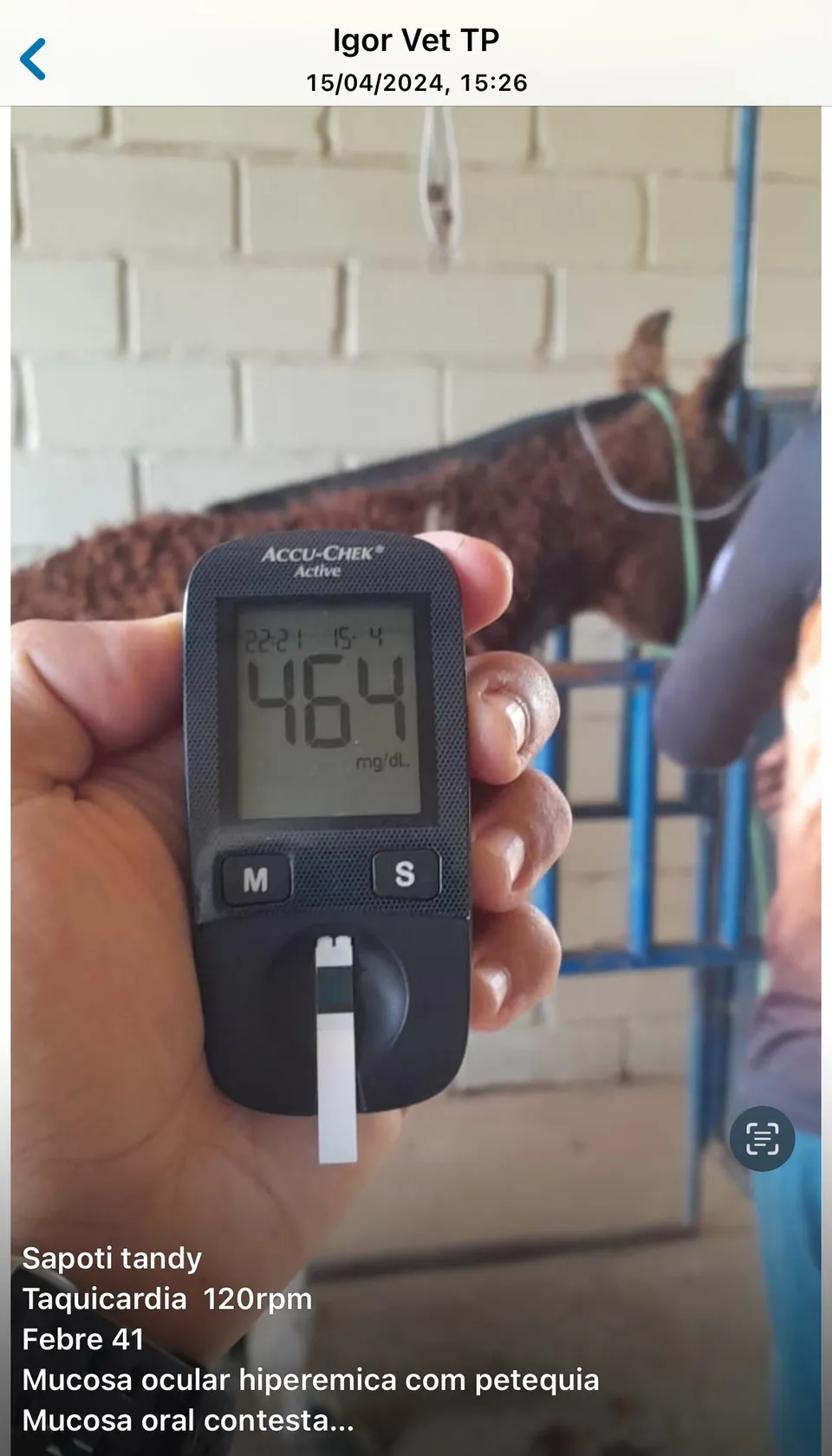
Emergency treatment consisted of intravenous fluid therapy with hypertonic NaCl solution (1 L) followed by Lactated Ringer’s solution, as well as the intramuscular administration of 1.4 mL of insulin (Novolin R®). Subsequent biochemical tests indicated a glucose level of 343 mg/dL, creatinine of 2.9 mg/dL, and alkaline phosphatase of 498 U/L. Despite interventions involving oxygen supplementation, antitoxins, and hydrocortisone, the patient progressed to irreversible shock at 11:10 PM, resulting in death at 11:30 PM. Necropsy revealed severe abdominal and mesenteric fat accumulation, enlarged liver and kidneys with areas of infarction, and lungs presenting granular lesions, edema, and multiple abscesses.
2. Discussion
The patient’s initial findings align with consensus parameters for the diagnosis of EMS. According to the Merck Veterinary Manual (2025), fasting hyperinsulinemia (>45 µIU/mL) and an exaggerated response to the oral glucose test (>65 µIU/mL) are definitive markers of insulin dysregulation. The patient exhibited basal levels of 60.20 µIU/mL and post-stimulation levels of 163.70 µIU/mL, accounting for the development of subclinical endocrinopathic laminitis observed during hoof assessment. Hirsutism suggested possible overlap with PPID, an endocrine condition that severely exacerbates insulin resistance (Heraud et al., 2020).
The acute, fatal decompensation can be explained by the hemodynamic and endocrine consequences of sepsis. Multiple pulmonary and hepatic abscesses observed at necropsy indicate an extensive infectious focus that triggered severe endotoxemia and SIRS. According to Gehlen et al. (2018), systemic infusion of lipopolysaccharides (LPS) in equines initially induces profound tissue insulin resistance, culminating in subsequent pancreatic secretory failure (relative hypoinsulinemia in the face of severe hyperglycemia).
Persistent hyperglycemia (352 to 464 mg/dL), combined with hyperlipemia and critical inflammatory parameters, reflects this generalized metabolic collapse. Mortality rates in equines with SIRS and refractory hyperglycemia are high, consistent with the patient’s rapid decline; renal and hepatic lesions confirmed multiple organ failure secondary to systemic septic shock.
3. Final Considerations
This case report presents limitations inherent to emergency practice, including the absence of specific baseline plasma adrenocorticotropic hormone (ACTH) measurements and dynamic thyrotropin-releasing hormone (TRH) stimulation tests to definitively confirm concurrent pars intermedia pituitary dysfunction (PPID), as well as the lack of a thorough post-mortem histopathological evaluation of the pituitary pars intermedia and endocrine pancreatic tissue.
Furthermore, the absence of microbiological culture of the multiple abscesses identified during necropsy precluded the exact identification of the etiological agent responsible for the sepsis and subsequent systemic inflammatory response syndrome (SIRS).
To foster more robust and consistent future research in veterinary medicine, multicenter prospective studies with large cohorts are recommended to investigate the nuances of the interaction between Equine Metabolic Syndrome, systemic predisposition to infectious pathogens, and the dynamics of sepsis-induced relative hypoinsulinemia and extreme hyperglycemia.
Additionally, the development and validation of rapid-response endocrine panels for use during acute crises (point-of-care testing) are suggested; such tools would aim to refine, with precision and safety, therapeutic intervention protocols (e.g., continuous SGLT2 inhibitor use or variable-rate insulin infusions) in critically ill equines, thereby mitigating the high mortality rates associated with endotoxic shock in patients with pre-existing insulin dysregulation.


