Due to the COVID-19 pandemic, educators worldwide are challenged to prepare instructional materials in a virtual environment to ensure learning and enable learners to take active and influential roles in addressing environmental challenges. This study used inquirybased online learning (IBOL) in teaching environmental chemistry to enhance the performance and attitude of graduate students in an online setting. The one-group pretest-posttest design was employed in the investigation. Mixed methods were utilized in data gathering and analysis. The designed learning modules were tried in MAED Science -Environmental Chemistry class (n=18) in the 1st semester, AY 2022-2023. The designed modules were assessed and rated “exceeds criteria” based on content, instructional design, organization, equity and accessibility, and presentation. Using IBOL has significantly improved the academic performance of students based on their pretest and posttest results.
## I. INTRODUCTION
The COVID-19 pandemic reshaped the educational system, shifting from traditional face-to-face delivery to flexible delivery modes. As a result, teachers across the globe are challenged to prepare modules and other instructional materials (IM) that will be delivered to their students. First, however, it is necessary to determine whether these learning materials and resources develop students' higher-order thinking skills and improve their academic performance. Second, determine if these designed learning resources will enable learners to take active, accountable, and influential roles in addressing environmental challenges.
Even before the pandemic, various international, national, and local examinations revealed that several students from different countries got low scores in chemistry, indicating their poor academic achievement, which could be attributed to various factors.
The caliber and efficiency of educators in higher educational institutions affect the students' cognitive performance (Makondo, 2012; Bolshakova et al., 2011). Students perform better if their instructors can present the course content comprehensively and efficiently. Teachers should be well-trained and fully master the course content to deliver it to their students efficiently. In Nigeria, the poor academic achievements of Nigerian high school students and negative attitudes toward Chemistry are attributed to teaching problems (Nbina, 2012). Similarly, many students in Cross River State got low scores at senior secondary certificate examinations in Chemistry and other science subjects, indicating that Science education could be more successful in attaining its objectives with good instruction (Adalikwu & Iorkpilgh, 2013).
Students experience hardships in understanding some concepts due to the complexity of Chemistry, such as organic chemistry, nuclear chemistry, salt analysis, particulate nature of matter, molecular polarity, and stoichiometry (Oladejo, 2020; Schurmeier, 2011; Musonda, 2021). Musonda (2021) claimed that some reasons for the challenges encountered are a lack of teaching and learning materials, a lack of practical activities, and teachers' incompetence. Chemistry educators are truly challenged to design learning resources that will be provided to their students where topics are presented considering the nature of the students and the teaching and learning process are contextualized.
Furthermore, even if teachers mastered the subject matter, they deliver their lessons using the traditional method, which is teacher-centered, leading to little class interaction (Essiam, 2023). Introducing various teaching strategies, such as cooperative learning, inquiry-based instruction, visualization, and differentiation, could address these difficulties. Students' academic performance could be enhanced using more effective teaching strategies. One of the strategies/ approaches proven effective in residential education is utilizing an inquiry-based approach. Edelson et al. (2011) claimed that providing learners with inquiry experiences could help them deepen their understanding of concepts, theories, and practices in Science. The current study designed a learning resource in Environmental Chemistry focusing on applying the concepts using IBOL as a teaching strategy to present the theories, ideas, and concepts understandably.
A more structured, supervised inquiry should be developed to gradually advance students' inquiry abilities (Spronken-Smith & Walker, 2010). Additionally, based on their experiences, students create or comprehend the world in different ways. They try to overlay these patterns onto new backgrounds when they come across them. For instance, individuals know from experience that they should stop when approaching a red traffic signal. The key is that their environment does not explain them; instead, they build their own ways of viewing it. Compared to students exposed to teacher-centered activities, individuals who participated in inquiry-based learning (IBL) demonstrated greater involvement and comprehension of their environment. However, there was a marginally statistically insignificant decline in their positive attitudes toward Science (Maxwell et al., 2015; Şimşek & Kabapınar, 2010).
Inquiry-based learning can inspire learners who are unmotivated by science and math (Harlen, 2023). They will be more engaged in the learning process, which could result in a better understanding of the concepts. Additionally, inquiry-based pedagogy supports the growth of teacher confidence in the science classroom, and the approach effectively fosters conceptual knowledge and inquiry skills (Sawyer, 2006; Davis et al., 2008; Wang et al., 2010; Abdi, 2014). Moreover, numerous studies have demonstrated the effectiveness of using IBL in the teaching and learning process to raise student achievement (Duran & Dokme, 2016; Akkus et al., 2007; Spronken-Smith & Walker, 2010; Suarez et al., 2018; Huber & Moore, 2001). While the present study is meant to occur in a virtual setting, similar studies examined are conducted in a standard face-to-face setup and basic education. Therefore, educators must investigate cutting-edge and efficient online teaching alternatives to enhance learning outcomes during a pandemic or calamities.
This study aims to help graduate students improve their critical thinking abilities and enhance their attitude by employing an inquiry-based online approach in the designed resource for teaching environmental chemistry. The hope of the study is also to produce more responsive educators to social and environmental challenges.
## II. FRAMEWORK OF THE STUDY
The Philippine educational system constantly calls for the development of new and innovative methods of instruction to improve students' academic achievement. Furthermore, education is a crucial tool for transforming society towards sustainable development. Educators must offer them learning opportunities and resources to aid learners in developing their cognitive abilities, skills, and attitudes necessary to comprehend the natural world in which they live.
In order to deliver the course content, the current study uses an inquiry-based methodology based on constructivist principles. It is based on
Vygotsky's Social Development Theory, which holds that students actively create and restructure their knowledge based on their formal educational experiences, tidbits of their personal background, their social and cultural contexts, and various other factors that influence their thinking. Vygotsky considered social interaction the central area of a person's cognitive development and saw students as active organizers of their experiences (Kurt, 2020). Inquiry-based learning, according to Vygotsky, is crucial to creating a social constructivist classroom environment. As a result, learners are active, meaning-seeking beings rather than passive consumers of information. learners actively engage in investigating questions, problems, or scenarios, fostering critical thinking, problem-solving, and curiosity. In an online setting, this involves creating opportunities for students to explore environmental chemistry concepts through hands-on experiments, virtual simulations, case studies, or interactive modules. They are seen as self-organizing and self-reproducing beings through social interaction since they actively create knowledge. Social engagement is scarce during this pandemic, and most students communicate online through social media sites. However, students need more interaction during actual data gathering in conducting their Research and between them and their families and communities.
This Research is also grounded in Dewey's educational theory, which views the classroom as a social environment where students can collaborate and solve problems as a group. They are provided learning opportunities to apply the concepts to real-world problems and learn by doing. Rather than the traditional teacher-imposed curriculum and teacher-directed exercises, in this kind of learning environment, students will be considered distinct and engaged individuals actively constructing their knowledge through personal meanings (Schiro, 2013). Dewey's theory will be demonstrated in this Research by creating instruction and learning resources that will meet the cognitive and social demands of the learners.
Moreover, making active learners and encouraging them to ask questions can help students feel more empowered and autonomous. According to Calkins (1986), teachers in typical classrooms do not teach their students how to ask questions; instead, they only expect them to provide answers.
Nowadays, teachers realize the importance of encouraging students to ask questions. Raising queries is challenging and crucial to thinking and learning, particularly if students are constantly urged to formulate more incisive, pertinent, and efficient questions. Students gain greater consciousness and control over their thoughts when they ask questions. In this study, students are required to formulate questions, including research problems and objectives. They are also encouraged to ask provoking questions.
In an inquiry-based online approach, students build knowledge using problem-solving strategies and a questioning framework. With this method, students will gain the autonomy and empowerment they need to develop their higher-order thinking abilities. Depending on its role in the educational process, inquiry-based learning can be at several levels (Banchi & Bell, 2008):
Confirmative Inquiry: Questions have already been provided to the students. The methodology and the findings are already known. At this level, the inquiry aims to validate the outcomes through actual practice.
Structured Inquiry: Students develop an explanation of the observed occurrence after the teacher announces the question and methodology.
Focused Inquiry: It entails the teacher posing a research question, the students developing a methodology, and responding to the question by going through the predetermined steps.
Open Inquiry: This is when the students pose the subject independently, consider many approaches, carry it out, and form their conclusions.
Several sorts of inquiry were considered when creating the lesson plan and learning modules used in this study. Lesson progression will adhere to Merrill's structure (2002). He offers the most modern, thorough approach to creating courses that are largely focused on cognitive learning. It has a diverse perspective and makes an apparent effort to incorporate the recommendations of numerous educational ideas.
The instructional process is divided into four phases according to Merrill's framework, which is also known as the "First Principles of Instruction": "(1) activation of prior experience, (2) demonstration of skills, (3) application of skills, and (4) integration of these skills into real-world activities."
Based on these ideas, inquiry-based online learning could enhance students' attitudes and achievements in environmental chemistry (Figure 1).
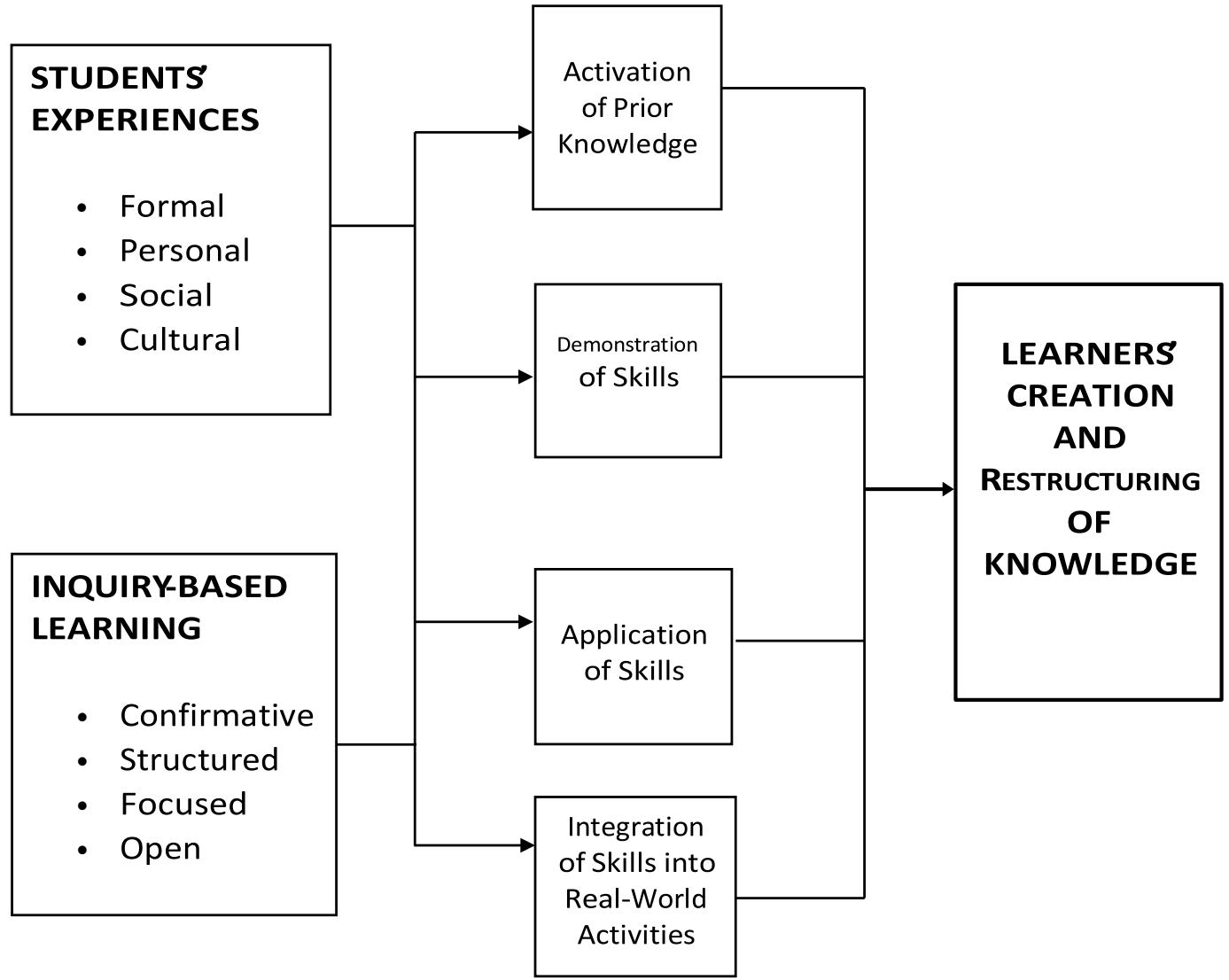
Fig. 1: Theoretical Paradigm of the Study
## III. METHODOLOGY
The one-group pretest-posttest design was used in the research. The environmental chemistry class handled by the researcher for the 1st semester, Academic Year (AY) 2022-2023, was considered the experimental group. Figure 2 illustrates the research design.
$$
\begin{array}{c c c c} \mathrm {O} _ {1} & \longrightarrow & \mathrm {X} _ {1} & \longrightarrow & \mathrm {O} _ {2} \end{array}
$$
Fig. 2: Pretest-Posttest One Group Quasi-Experimental Design
Where:
$\mathsf{O}_1$ - pretest
$\mathrm{O}_2$ - post-test
$X_{1}-$ treatment 1 (inquiry-based online learning)
The student's cognitive skill levels were assessed using the pretest and posttest before and after the treatment. The Environmental Chemistry pretest and posttest findings were used to collect the quantitative data. The pretest was given to the group to determine the initial performance of the students. After 15 consecutive sessions using the treatments, the experimental group was given a posttest to assess their level of achievement. The significant variation in mean scores across different cognitive skill levels, specifically: a. understanding, b. applying, and c. analyzing before and after exposure to the inquiry-based approach was determined. At the end of the treatment, the IBOL Evaluation Form was also given to the experimental group to determine if the employment of IBL lessons significantly enhanced the students' attitudes. To deepen the analysis, the inquiry-based checklist responses from students and their comments on applying the inquiry-based approach described the students' general attitudes toward the course, the inquiry-based approach, and their learning in a virtual environment. In addition, the challenges, and benefits of using the inquiry-based approach, as perceived by the learners, were presented in a thematic format.
Before the treatment, the following research instruments were developed and validated in the previous academic year (AY 2021-2022): the achievement test, the IBOL evaluation form, and the IBOL learning modules. Then, experts reviewed, approved, and verified the instruments' content validity. After giving comments and recommendations, full consideration, modifications, and improvements were made. Then, it was pilot tested on another group of MAEd students to measure the instrument's reliability through Cronbach alpha.
The instructional materials evaluation form from the university's Instructional Material Development Manual, used for internal evaluation, was used for evaluating the designed learning modules. The modules were crafted using the Environmental Chemistry learning syllabus. The lesson's topic, objectives, key concepts, and assessment tasks are all included in the module. In addition, the class size, time, availability of resources, and the nature of the learners were considered when designing the instructional material (IM). The following criteria were used to assess it: presentation, organization, equity and accessibility, instructional design, and content. Experts rated the IM using the Likert scale below:
1. Does not meet criteria
2. Partially meets criteria
3. Meets criteria
4. Exceeds criteria
The Achievement Test is a 50-item test with four-option, constructed by the researcher for the entire Water Environmental Chemistry units. It is a multiple-choice test designed to measure the level of achievement in chemistry regarding the following cognitive skills: a. understanding, b. applying, and c. analyzing. The test was taken from different sources such as books, booklets, test banks, and the researcher herself. The experimental group received the test, which could be completed in one session, both before and after the study (pretest and posttest). The results of the experimental groups' pretests and posttests were tabulated and compared, and the mean gain was calculated by taking the difference between the pretest and posttest means. In addition, a t-test was used to examine the significance of the mean gain. The levels of achievement, classified as high, average, and low, were determined arbitrarily. The total number of items divided by the three levels of achievement also served to establish the overall level of achievement.
The evaluation form was administered to the group to determine if the employment of IBOL lessons significantly enhanced the students' attitude as perceived by the respondents. The evaluation form was categorized into four parts where each category consisting of five (5) items:
- Part A is on students' involvement during synchronous and asynchronous discussions.
- Part B is on the employment of inquiry-based strategies in Environmental Chemistry Lessons in an online setting
- Part C is on the use of IBOL designed activities in the developed instructional material.
- Part D is on environmental sustainability integration.
The checklist was given to the experimental group after the treatment. The respondents rated themselves using a five-point Likert-type scale from 1 to 5. The gathered data were subjected to descriptive analysis: frequency, median, and mode to assess the extent of the effect of IBOL on students' attitudes.
## IV. RESULTS AND DISCUSSION
### a) Development and Assessment of the Learning Modules on Water Environmental Chemistry
The learning modules were designed based on the syllabus prepared for Environmental Chemistry. The objectives, learning activities, and assessment tasks in the module were aligned with the learning competencies written in the syllabus. Inquiry-based online learning (IBOL) is integrated into water environmental chemistry lessons.
The experts evaluated the designed learning module, exceeding the criteria (overall rating $= 3.52$ ), where the content obtained the highest rating of 3.60 (Figure 4). Under content, the IM was rated highest in the following parameters: reflects a logical content instructional framework that is aligned with curriculum policies such as CMOs and syllabus; develops higher-level thinking skills; helps achieve the program's educational objectives and student outcomes; and intended learning outcomes specified in the course. Integrating sustainability and using localized or contextualized situations in teaching Environmental Chemistry are some highlights of the designed IM.
Furthermore, regarding instructional design (rating $= 3.53$ ), it is highly evident that the instructional framework is aligned with the curriculum designed in Environmental Chemistry since the learning outcomes, lessons, and activities in the developed modules are parallel with the syllabus. It is observed that the content matches the stated objectives, and the assessment matches the objectives.
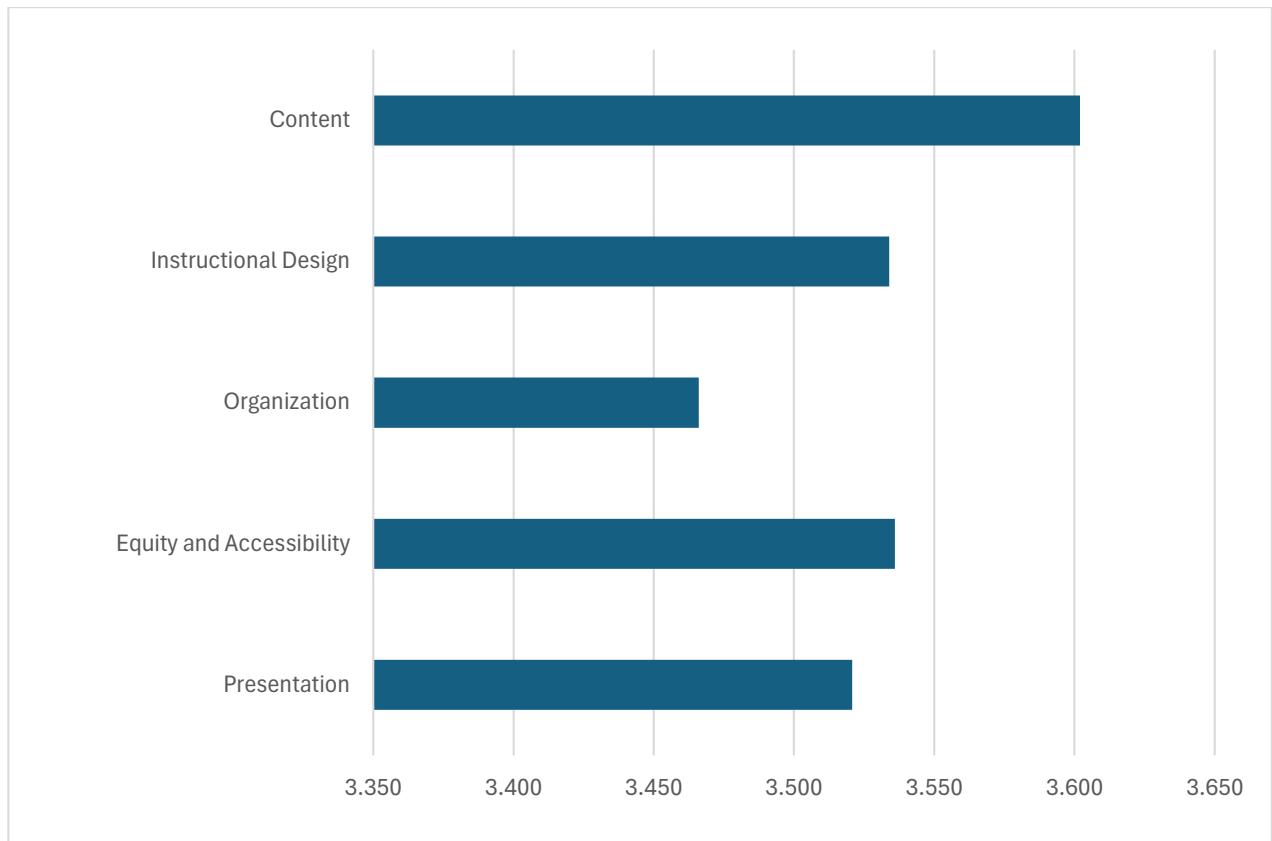
Fig. 3: Ratings of the Designed Modules
Legend:
3.26 - 4.00 Exceeds criteria; 2.51 - 3.25 Meets criteria; 1.76 - 2.50
Partially meets criteria; 1.00 - 1.75 Does not meet criteria
Based on the criteria, the modules in water environmental chemistry exceed the established criteria and, therefore, could be used as teaching aids. Copyrighting the designed IM and including a reflection at the end of each lesson is highly recommended.
### b) Levels of Achievement before and after Exposure to the Inquiry-Based Approach
In-depth analyses of students' responses were done to determine the improvement of students' understanding, application, and analysis of the concepts, ideas, and principles of Water Environmental Chemistry. The data were analyzed using the experimental group's pretest and posttest results. Table 1 shows the summary of weighted means in each cognitive skill of the experimental group in the pretest and posttest results.
Table 1: Cognitive Skills before and after IBA Exposure
<table><tr><td rowspan="3">Level</td><td colspan="4">Understanding</td><td colspan="4">Applying</td><td colspan="4">Analyzing</td><td colspan="4">Overall</td></tr><tr><td colspan="2">Pre-test</td><td colspan="2">Posttest</td><td colspan="2">Pre-test</td><td colspan="2">Posttest</td><td colspan="2">Pre-test</td><td colspan="2">Posttest</td><td colspan="2">Pre-test</td><td colspan="2">Posttest</td></tr><tr><td>F</td><td>%</td><td>F</td><td>%</td><td>F</td><td>%</td><td>F</td><td>%</td><td>F</td><td>%</td><td>F</td><td>%</td><td>F</td><td>%</td><td>F</td><td>%</td></tr><tr><td>High</td><td>5</td><td>28</td><td>14</td><td>78</td><td>7</td><td>39</td><td>15</td><td>83</td><td>6</td><td>33</td><td>18</td><td>100</td><td>5</td><td>28</td><td>15</td><td>83</td></tr><tr><td>Average</td><td>8</td><td>44</td><td>4</td><td>22</td><td>9</td><td>50</td><td>3</td><td>17</td><td>10</td><td>56</td><td></td><td></td><td>12</td><td>67</td><td>3</td><td>17</td></tr><tr><td>Low</td><td>5</td><td>28</td><td></td><td></td><td>2</td><td>11</td><td></td><td></td><td>2</td><td>11</td><td></td><td></td><td>1</td><td>5</td><td></td><td></td></tr><tr><td>Overall</td><td>18</td><td>100</td><td>18</td><td>100</td><td>18</td><td>100</td><td>18</td><td>100</td><td>18</td><td>100</td><td>18</td><td>100</td><td>18</td><td>100</td><td>18</td><td>100</td></tr><tr><td>Mean</td><td colspan="2">7.8</td><td colspan="2">11.1</td><td colspan="2">8.3</td><td colspan="2">11.3</td><td colspan="2">14.4</td><td colspan="2">19.8</td><td colspan="2">29.5</td><td colspan="2">42.2</td></tr><tr><td>Interpretation</td><td colspan="2">Average</td><td colspan="2">High</td><td colspan="2">Average</td><td colspan="2">High</td><td colspan="2">Average</td><td colspan="2">High</td><td colspan="2">Average</td><td colspan="2">High</td></tr></table>
Legend:
<table><tr><td>Level</td><td colspan="2">Understanding</td><td colspan="2">Applying</td><td colspan="2">Analyzing</td><td colspan="2">Overall</td></tr><tr><td>High</td><td>9.35</td><td>14.00</td><td>9.35</td><td>14.00</td><td>14.67</td><td>22.00</td><td>33.35</td><td>50.00</td></tr><tr><td>Average</td><td>4.68</td><td>9.34</td><td>4.68</td><td>9.34</td><td>7.34</td><td>14.66</td><td>16.68</td><td>33.34</td></tr><tr><td>Low</td><td>0.00</td><td>4.67</td><td>0.00</td><td>4.67</td><td>0.00</td><td>7.33</td><td>0.00</td><td>16.67</td></tr></table>
It is worth noting that after the exposure to IBOL, students improved their performance from average to high in all cognitive skills based on their mean scores: understanding (from 7.8 to 11.1), applying (from 8.3 to 11.3), and analyzing (from, 14.4 to 19.8). Considering that all MAED students are young professionals taking post-graduate studies, specifically a Master of Arts in Education major in Science Education (MAED - Science), they still have a higher capacity to comprehend, apply concepts, and analyze situations. Several mentioned that they could understand the lessons and answer and formulate questions quickly. All of them could formulate research questions and conduct their research successfully despite the challenges they experienced. The students have already reached the Open Inquiry level, which is highly evident in the research conducted and the coming up of a terminal report.
According to Baltes and Kliegl (1986), younger adults are more efficient, adaptive, and intelligent than older persons. Considering that the subjects are all young professionals, using an Inquiry-Based Approach in a virtual environment makes them inquisitive, efficient and autonomous. They successfully assessed some water bodies' biological, physical, and chemical properties in Partido District in Camarines Sur, Philippines. The research they conducted is essential in monitoring the water quality of rivers. The open-inquiry approach in higher education is effective in enhancing the students' learning and attitudes. Dah et al. (2024) reviewed the positive impact of an open-inquiry approach on students' academic performance and was.
The difference in the means in various cognitive levels before and after IBL exposure in water environmental chemistry is determined using a t-test. Table 2 shows the t-test results determining the significant difference in the pretest and post-test achievement levels in each cognitive skill. Along with understanding, the pretest has a mean value of 7.78 with a standard deviation of 2.90, while the control group has a mean value of 11.11 with a standard deviation of 2.49. With a computed p-value of 0.0016 compared with 0.05 p-value, the achievement level in the pretest and post-test and understanding have a significant difference. The same trend will be observed along with the application and analysis skills. The t-test results revealed a significant difference in the cognitive levels before and after the treatment. It indicates that the employment of IBOL significantly enhanced students' academic achievement in Water Environmental Chemistry. The results of the study are in conformance with the studies of Duran & Dokme (2016), Shih et al. (2010), and Suarez et al. (2018).
Table 2: Paired t-test Results before and after IBOL Employment
<table><tr><td>Cognitive Level</td><td></td><td>Mean</td><td>StDev</td><td>Variance</td><td>t-test</td><td>p-value</td></tr><tr><td rowspan="2">Understanding</td><td>Pretest</td><td>7.78</td><td>2.90</td><td>8.42</td><td rowspan="2">0.00116</td><td rowspan="8">0.05</td></tr><tr><td>Posttest</td><td>11.11</td><td>2.49</td><td>6.22</td></tr><tr><td rowspan="2">Applying</td><td>Pretest</td><td>8.33</td><td>2.09</td><td>4.35</td><td rowspan="2">0.00129</td></tr><tr><td>Posttest</td><td>11.33</td><td>2.38</td><td>5.65</td></tr><tr><td rowspan="2">Analyzing</td><td>Pretest</td><td>14.44</td><td>2.43</td><td>5.91</td><td rowspan="2">8.315E-09</td></tr><tr><td>Posttest</td><td>19.78</td><td>2.16</td><td>4.65</td></tr><tr><td>Over-all</td><td>Pretest</td><td>30.56</td><td>4.59</td><td>21.08</td><td rowspan="2">287E-06</td></tr><tr><td>Achievement</td><td>Posttest</td><td>42.22</td><td>5.08</td><td>25.83</td></tr></table>
Integrating inquiry-based online learning in water environmental chemistry significantly improved the students' cognitive levels, specifically in the following domains: understanding, applying, and analyzing.
### c) Students' Attitude towards the Inquiry-Based Learning in a Virtual Environment
The employment of inquiry-based learning (IBL) in a virtual environment could affect the student's attitude as perceived by the student respondents. Along with students' involvement in a virtual environment, many respondents strongly agree that IBOL enhanced their involvement/participation and actively engaged them in learning (Mode= 5). In the developed learning modules, the teacher or the students pose guide questions, tasks, or problems that engage the learners in the learning process. It is proven that this approach makes learning meaningful and decisive even in a virtual environment, regardless of age; thus, educators are urged to design learning resources that could be delivered in an online or flexible environment. These instructional materials will engage students in intellectual tasks and opportunities where they can create knowledge, Darling-Hammond, 2008; Jardine, Friesen & Clifford, 2008 (in Friesen & Scott, 2013).
Similarly, most respondents viewed that (Mode $= 5$ ) using inquiry-based strategies affects the students' attitudes. Regardless of the student's age and status, the IBOL improves their cognitive skills and attitude toward the approach and course, even in a virtual environment. Although there was no face-to-face interaction with their professor, MAED students successfully assessed a water body located in Camarines Sur, Philippines, as one of the main tasks of the course. They become more empowered, motivated, and independent learners using IBOL to learn environmental chemistry concepts. It aligns with Sandika & Frihidajati's (2018) study that inquiry-based learning in the introductory biology lecture significantly improved students' scientific attitudes. Thus, designing more instructional materials utilizing inquiry-based learning in other Science disciplines is highly recommended to improve students' academic achievement and attitude.
Most students perceived that the designed IBOL activities positively affected the learners' behavior. They claimed that they became more curious and inquisitive when they are empowered to raise questions Remarkably, exploring new ideas (Mode= 4) implies that the designed learning materials could be further improved by including more activities to make the students generate new ideas by finding new connections, looking at new perspectives, breaking old thinking patterns, and challenging preconceived notions.
Since the topic is water environmental chemistry, principles on environmental sustainability are integrated into the developed IM since some questions posted by the teacher and formulated by the students are in line with sustainability. Graduate students agreed that sustainability integration helped develop essential values such as displaying concern, promoting sustainable development, and becoming responsive to environmental issues (Mode= 4). All respondents recognized the significance of research in solving problems (Mode= 5). It is unsurprising because students were required to conduct a bio-physicochemical assessment of rivers in Camarines Sur to determine their current conditions. They realized the importance of research in monitoring water bodies and determining the cause/s of pollution. However, it is worth noting that most learners rated promoting resource conservation with 3, indicating that this indicator did not fully contribute to the values formation as deemed by the respondents. It could be attributed to the designed IM needing to focus more on resource conservation. It is therefore suggested that similar studies be conducted focusing on education for sustainable development.
### d) Benefits and Challenges of Utilizing IBOL in Environmental Chemistry
Sixteen (16) out of eighteen (18) MAEd students asserted that the use of inquiry-based online learning (IBOL) in water environment chemistry is effective in improving the student's academic performance and attitude. They mentioned some of the advantages of IBOL by learning essential concepts on environmental sustainability and assessing a body of water in Camarines Sur (Table 3). Most respondents claimed that the significance of the concepts to real-life scenarios towards sustainability and the development of cognitive skills are the top two benefits of IBOL in learning water environmental chemistry.
Table 3: Inquiry-Based Learning (IBL) Benefits
<table><tr><td>Benefits</td><td>Frequency</td><td>Percentage</td></tr><tr><td>An effective tool for a more improved learning</td><td>1</td><td>6.25%</td></tr><tr><td>Real-life application towards sustainable development</td><td>6</td><td>37.5%</td></tr><tr><td>Acquire knowledge and information through learning by doing</td><td>1</td><td>6.25%</td></tr><tr><td>Make the learner autonomous, highly motivated, & responsible caretaker of the earth</td><td>3</td><td>18.75%</td></tr><tr><td>Develop curiosity, critical thinking skills, and reasoning abilities.</td><td>5</td><td>31.25%</td></tr><tr><td>Total</td><td>16</td><td>100%</td></tr></table>
Some of the student-participant textual responses include: I like the Inquiry-based Approach. It allows us- MAEd students, to engage in the real world through different field activities; we are also given a chance to acquire knowledge and information through learning by doing.; Group learning and real-life application are evident.; Inquiry-based approach is suitable in our subject - Envi Chem. since it allows us to explore things and connect them to real-life experiences.; Using an inquiry-based approach, especially in online teaching, helps students develop their cognitive and reasoning skills. This approach is timely and significant in teaching science subjects since it develops curiosity and learners' critical thinking skills.
Seven out of eighteen MAEd students mentioned that they did not experience any difficulty using IBL in their lessons, and it was easy to do the assigned tasks. Eleven students shared that they encountered several challenges while implementing the inquiry-based approach (IBL) in water environmental chemistry in a virtual environment; however, they managed to understand and apply the concepts and principles as revealed in their post-test results. Thirty-six percent (36%) of the graduate students described technological barriers such as internet connectivity problems and technology literacy as the main challenges in online learning. Intermittent internet connection is a common complaint of students living in rural areas. It is consistent with Solomo (2022) study that poor/intermittent internet connection is one of the identified barriers to online learning.
Twenty percent (20%) honestly admitted that the most difficult part in conducting research was formulating a research question in a virtual setting. Conflicting ideas were encountered and needed to be resolved; hence, they had virtual meetings.
Furthermore, thirty percent (30%) mentioned that coordination with the barang officials to conduct the water assessment entailed time and effort. The COVID 19 restrictions were already lifted in some areas, and they were already required to physically report to their institutions/schools. Nevertheless, they mentioned that they were able to find ways to solve the issue to comply with the requirements. Teachers/mentors should continuously provide academic support to students, even in post-graduate studies, so that they can overcome these challenges and achieve academic success.

## V. CONCLUSION
The COVID-19 pandemic has transformed the educational system from traditional face-to-face to flexible learning. Teachers worldwide are challenged to prepare modules and other teaching materials to ensure student's learning and enhance their attitude in a virtual environment.
An instructional material in Environmental Chemistry, integrating the inquiry-based approach in an online environment, was developed and utilized in instruction. The module's objectives, learning activities, and assessment tasks were in congruence with the learning competencies written in the syllabus. The designed modules were assessed based on content, instructional design, organization, equity and accessibility, and presentation. It was rated "exceeds criteria"; therefore, it could be used as a teaching aid in SCI 207: Environmental Chemistry.
Exposure to IBOL improved students' performance from average to high in all cognitive skills based on their mean scores. The t-test results revealed a significant difference in cognitive levels before and after treatment. It indicates that using IBL has significantly improved students' academic performance. This result is consistent with the previous research findings (Duran & Dokme, 2016; Akkus et al., 2007; Spronken-Smith & Walker, 2010; Suarez et al., 2018; Huber & Moore, 2001).
As perceived by the MAED students, using IBOL in the designed instructional material helps improve their academic achievement and attitude toward the approach in an online platform. They claimed they become more autonomous, independent, inquisitive, and motivated. Although the impact of an approach to attitude could not be determined in a short period, the result of the study is limited to the respondents' perception only.
Moreover, most respondents claimed that the significance of the concepts to real-life scenarios toward sustainability and the development of cognitive skills are the top two benefits of IBOL in learning concepts and principles in Environmental Chemistry. On the other hand, student participants encountered challenges such as technological barriers and coordination with local officials to conduct the research. However, as mature professionals, they overcame those difficulties to attain academic success.
Similar instructions and learning materials using IBOL could be designed in other fields of science to improve students' academic performance and enhance attitudes at all levels of basic and higher education. In addition, similar studies focusing on education for sustainable development could be conducted to promote resource conservation further. To overcome learning barriers, teachers/mentors, even in post- graduate studies, should continuously provide academic support to students.
### ACKNOWLEDGMENT
I would like to express my sincere gratitude to Partido State University for funding this research. I am also profoundly thankful to the MAEd students who actively participated in the conduct of this study. Their engagement and cooperation were invaluable in gathering data and ensuring the study's success. Finally, I acknowledge the experts who generously contributed their time and knowledge to evaluate and validate the research instruments.
Generating HTML Viewer...
References
33 Cites in Article
A Abdi (2014). The Effect of Inquiry-Based Learning Method on Students' Academic Achievement in Science Course.
S Adalikwu,I Iorkpilgh (2013). The Influence of Instructional Materials on Academic Performance of Senior Secondary School Students in Chemistry in Cross River State.
P Baltes,R Kliegl (1986). On the Dynamics Between Growth and Decline in the Aging of Intelligence and Memory.
H Banchi,R Bell (2008). The many levels of inquiry.
L Calkins (1986). The art of teaching writing.
(2007). Implementing the National Spatial Strategy and the Regional Development Strategy for Northern Ireland within the Dublin-Belfast Corridor.
N Dah,M Noor,M Kamarudin,S Azziz (2024). The impacts of open inquiry on students' learning in science: A systematic literature review.
Meltem Duran,İlbilge Dökme (2016). The Effect Of The Inquiry-Based Learning Approach On Student’s Critical Thinking Skills.
Daniel Edelson,Douglas Gordin,Roy Pea (2011). Addressing the Challenges of Inquiry-Based Learning Through Technology and Curriculum Design.
Enelund (2015). Integration of Education for Sustainable Development in the Mechanical.
S Friesen,D Scott (2013). Inquiry-based learning: A review of the research literature.
W Harlen (2013). Inquiry-based learning in science and mathematics.
C Hopkins,R Mckeown (2002). Education and Sustainability: Responding to the Global Challenge.
Richard Huber,Christopher Moore (2001). A Model for Extending Hands‐On Science to Be Inquiry Based.
S Kurt (2020). Lev Vygotsky -Sociocultural Theory of Cognitive Development.
D Maxwell,D Lambeth,J Cox (2015). Effects of using inquiry-based learning on science achievement for fifth-grade students.
M Merrill (2002). First principles of instruction.
J Nbina (2012). Analysis of Poor Performance of Senior Secondary Students in Chemistry in Nigeria.
Isaac Newton (1962). Sir Isaac Newton’s Mathematical Principles of Natural Philosophy and His System of the World.
I Novodvorsky (1997). Constructing a deeper understanding.
Bayu Sandika,Herlina Fitrihidajati (2018). Improving creative thinking skills and scientific attitude through inquiry-based learning in basic biology lecture toward student of biology education.
K Sawyer (2006). The Cambridge handbook of the learning sciences.
M Schiro (2013). Curriculum Theory, Conflicting Visions and Enduring Concerns.
Shih (2010). An Inquiry-based Mobile Learning Approach to Enhancing Social Science Learning Effectiveness.
Pınar Şimşek,Filiz Kabapınar (2010). The effects of inquiry-based learning on elementary students’ conceptual understanding of matter, scientific process skills and science attitudes.
M Solomo (2022). Academic, Personal, and Administrative Support in an Online Learning of State Universities and Colleges in Camarines Sur, Philippines.
M Solomo (2020). The Use of Constructivist Approach in Enhancing the Students' Chemistry Achievement.
Rachel Spronken‐smith,Rebecca Walker (2010). Can inquiry‐based learning strengthen the links between teaching and disciplinary research?.
Ángel Suárez,Marcus Specht,Fleur Prinsen,Marco Kalz,Stefaan Ternier (2018). A review of the types of mobile activities in mobile inquiry-based learning.
Bhawani Venkataraman (2009). Education for Sustainable Development.
F Wang,M Kinzie,P Mcguire,E Pan (2010). Applying technology to inquiry-based learning in early childhood education.
Rani Stephensen,Samuel Cunningham (2023). Uncovering Indigenous perspectives in the Australian engineering curriculum: a systematic literature review of practical examples.
Explore published articles in an immersive Augmented Reality environment. Our platform converts research papers into interactive 3D books, allowing readers to view and interact with content using AR and VR compatible devices.
Your published article is automatically converted into a realistic 3D book. Flip through pages and read research papers in a more engaging and interactive format.
Due to the COVID-19 pandemic, educators worldwide are challenged to prepare instructional materials in a virtual environment to ensure learning and enable learners to take active and influential roles in addressing environmental challenges. This study used inquirybased online learning (IBOL) in teaching environmental chemistry to enhance the performance and attitude of graduate students in an online setting. The one-group pretest-posttest design was employed in the investigation. Mixed methods were utilized in data gathering and analysis. The designed learning modules were tried in MAED Science -Environmental Chemistry class (n=18) in the 1st semester, AY 2022-2023. The designed modules were assessed and rated “exceeds criteria” based on content, instructional design, organization, equity and accessibility, and presentation. Using IBOL has significantly improved the academic performance of students based on their pretest and posttest results.
Our website is actively being updated, and changes may occur frequently. Please clear your browser cache if needed. For feedback or error reporting, please email [email protected]
Thank you for connecting with us. We will respond to you shortly.